
CTARA Summer Internship Project Status Report 10 Jun2010

- Slides: 20
CTARA Summer Internship Project Status Report 10 -Jun-2010
Outline • • • Project Summary Considerations Achieved so far What needs to be done Gallery
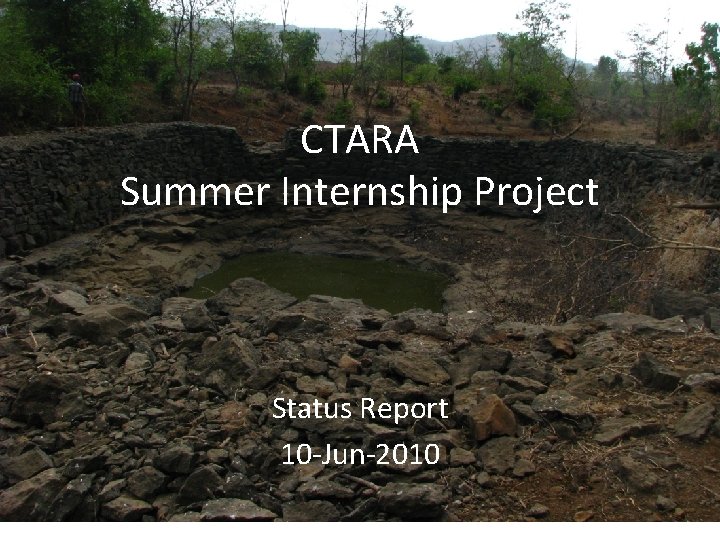
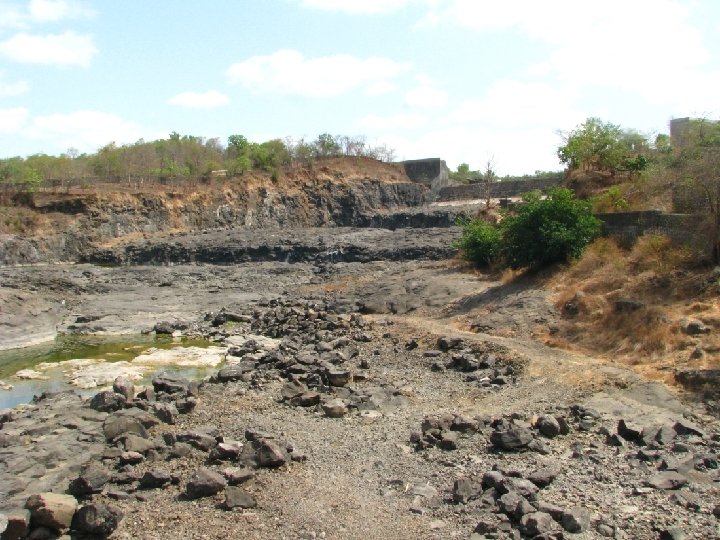
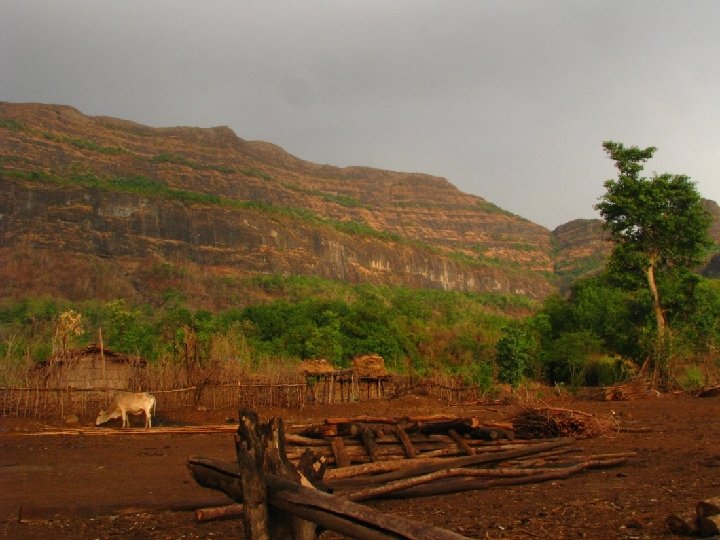
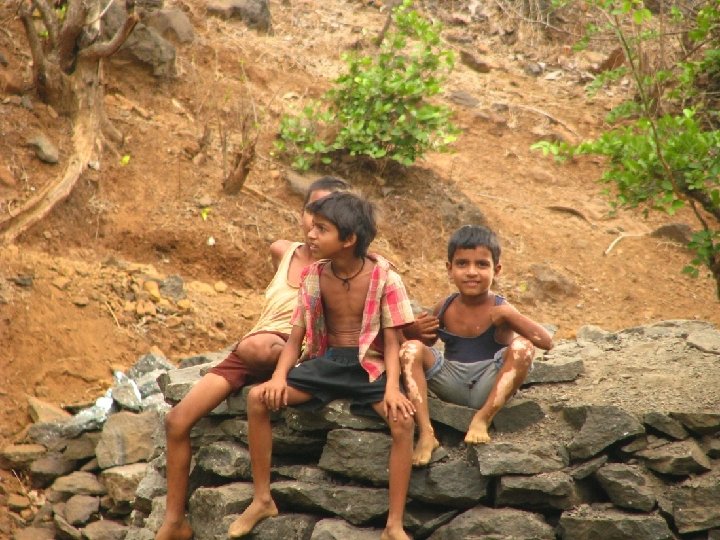
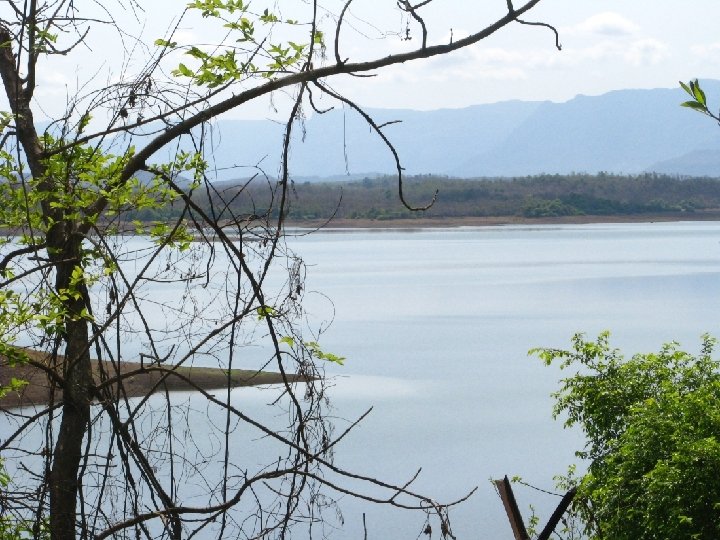
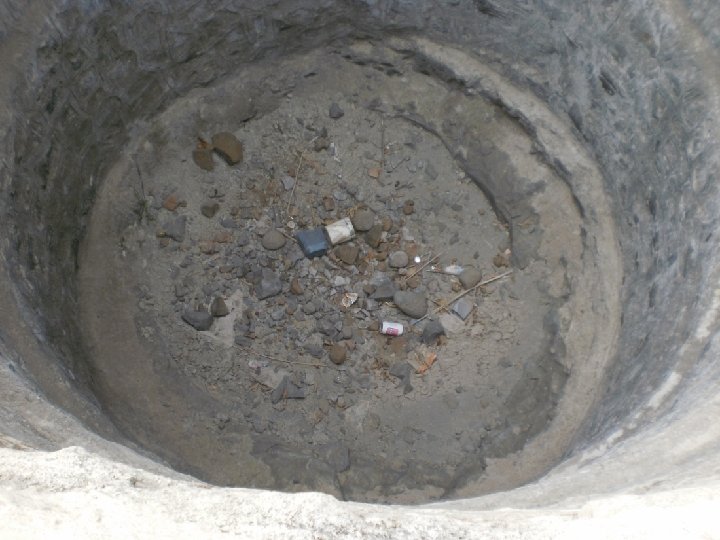
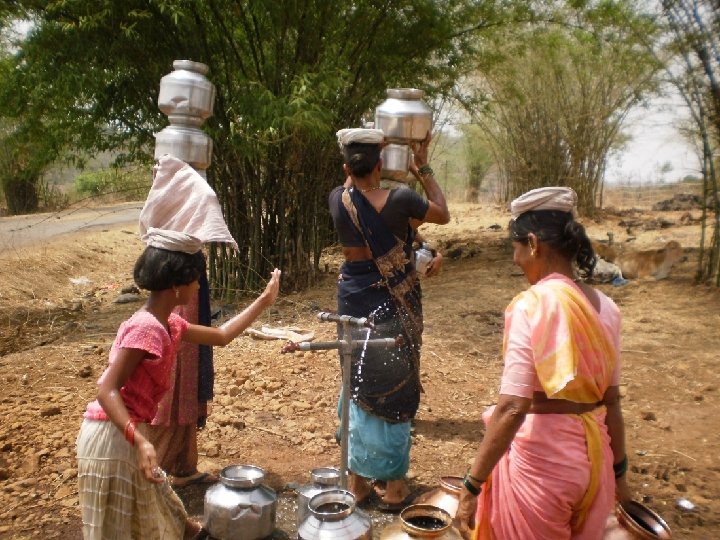
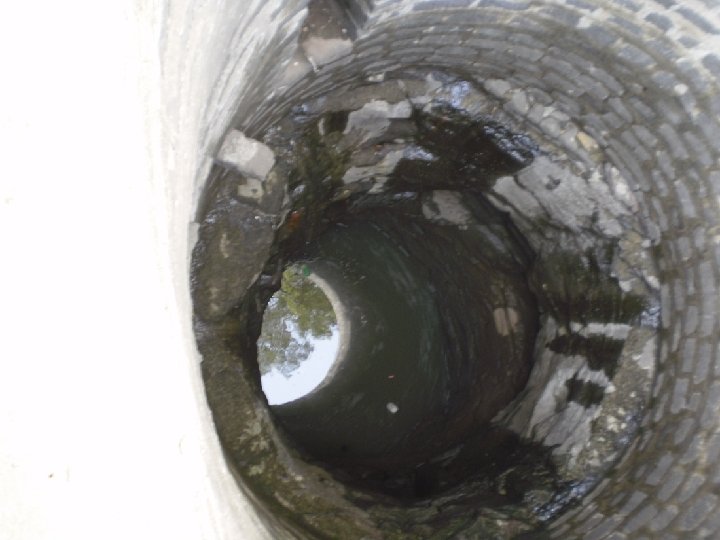
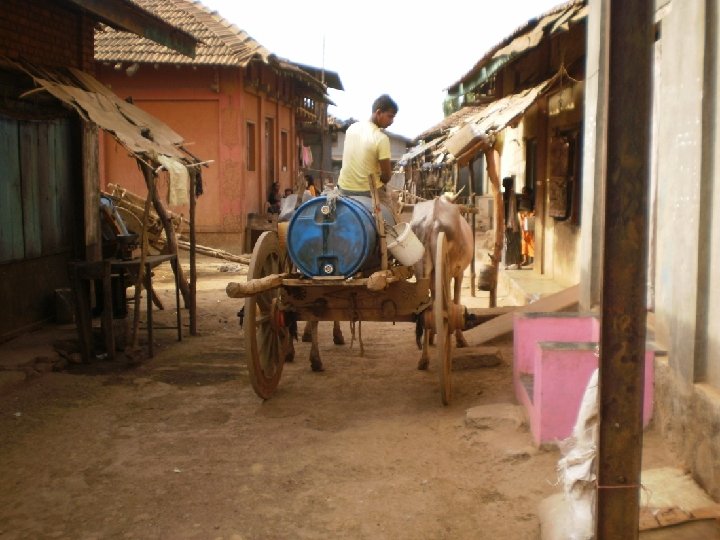
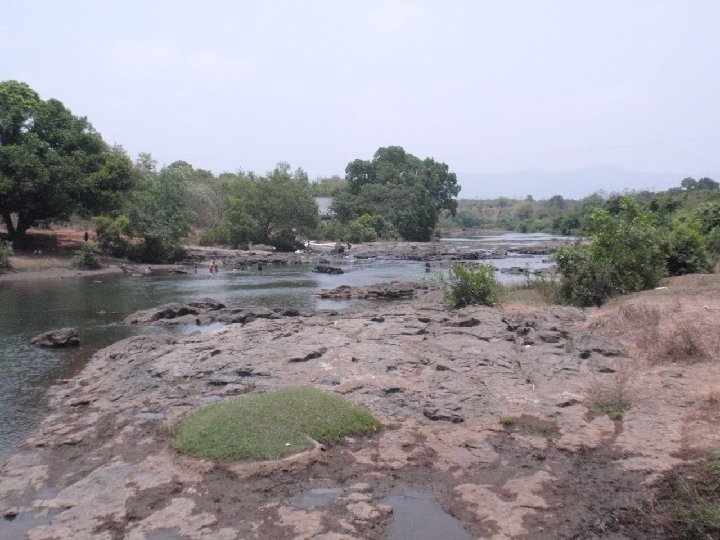
Project Summary • Techno-economic feasibility study of a piped water distribution for north Karjat • Optimization of design • Approximately 100 hamlets • Almost no water in the region from February to monsoons – Groundwater supplies (wells, handpumps) dry up – Rivers dry out – Not enough Dams
Considerations Source identification Population forcasting Cost of materials and labor Per capita demand Topographical data of region (elevation, latitude, longitude) • Optimization of pipe diameters and economic velocity of water • • •
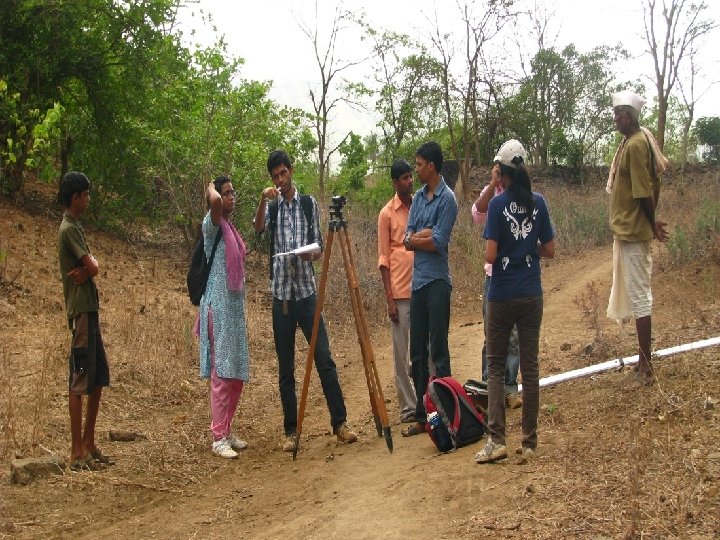
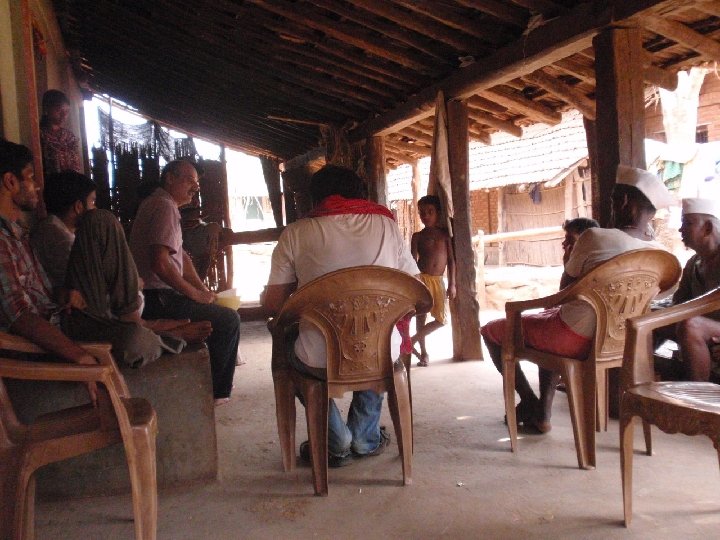
Achieved so far • Selection of target area • Construction of detailed, high resolution maps of the region • Digitization of population data (obtained with the help of Disha Kendra and Tehshil’s office) and lat/long and elevation of hamlets • Multiple visits to Mr. Ade at Minor Irrigation, Maharashtra Jeevan Pradhikaran (MJP) and Disha Kendra for guidance • Field visit with MJP to Anjap Project
Achieved so far • Used different methods to forcast population till 2050 (arithmetic, geometric, graphical, incremental increase) • Detailed study of design software EPANET 2. 0 and optimization program Branch 3. 0 and Loop 4. 0 • Creation of primary and secondary sample designs for testing • Visited TATA Powers office for permission to visit their Bhivpuri hydro-power station
What needs to be done • Break target region into small clusters based on elevation and relevant distances • Streamline design process (building of high resolution maps and data entry) • Collect population data for villages not included in census • Create a series of sample designs to present to MJP for advice • Detailed exploration of lift-up points: Pej River, Poshir, Barvi Dam, Bhivpuri • Find a reliable information source for river discharge data
Gallery