
Crouch Gait is More Stable than Normal Gait
Crouch Gait is More Stable than Normal Gait Kyungho Lee, Yoonsang Lee, Soon-Sun Kwon, Jiwon Jeong, Carol O’Sullivan, Moon Seok Park and Jehee Lee Seoul National University, SAMSUNG Electronics, Disney Research
Normal Gait • Standard gait pattern that humans normally adopt when walking • More energy efficient than other gait • Many questions still remain to other factors
Questions • Under what conditions is human gait more stable? • Is normal gait more stable than abnormal gait? • Are biped controllers in physically based simulation as stable as human locomotion? • Do the factors that affect human gait also influence the stability of biped controllers?
Goal • Identify which aspects of gait affect to stability • See how these factors affect to computer-simulated bipeds
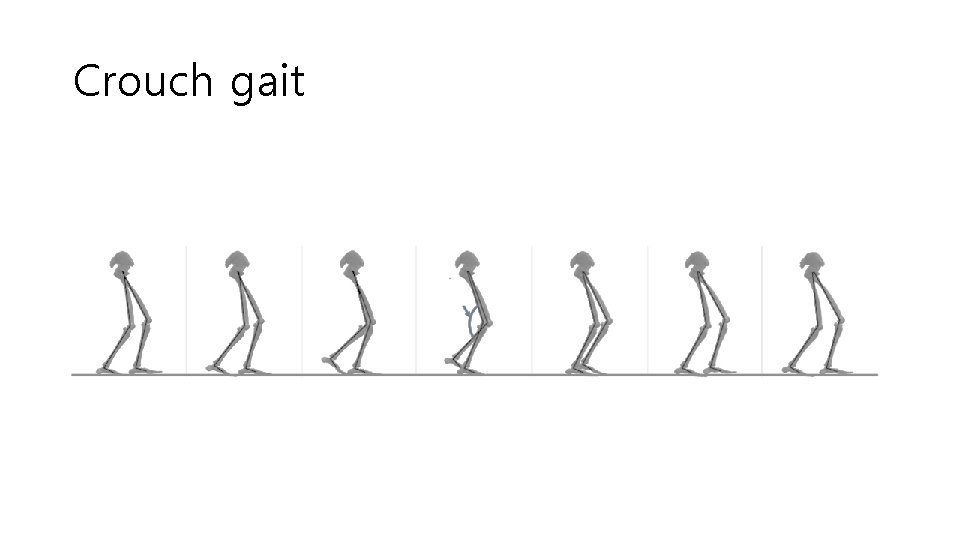
Crouch gait

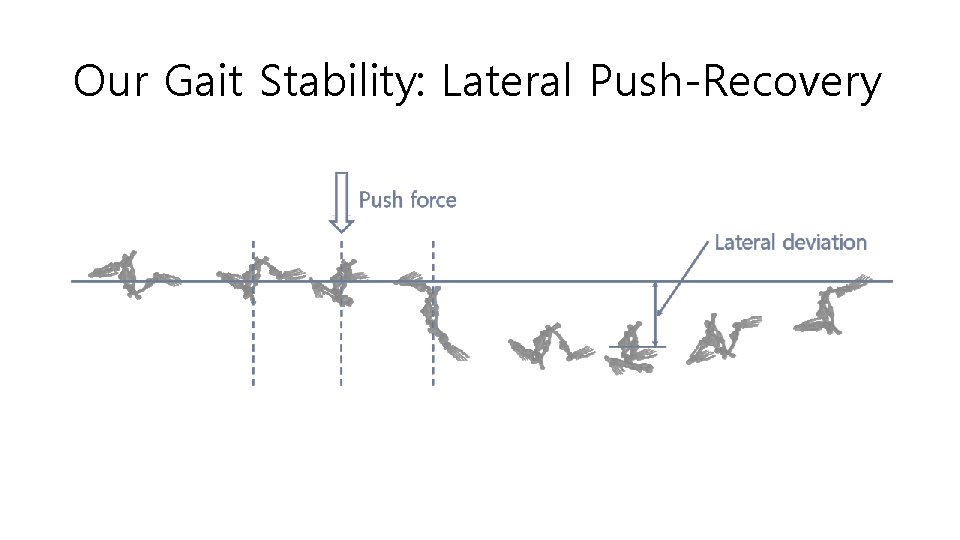
Our Gait Stability: Lateral Push-Recovery
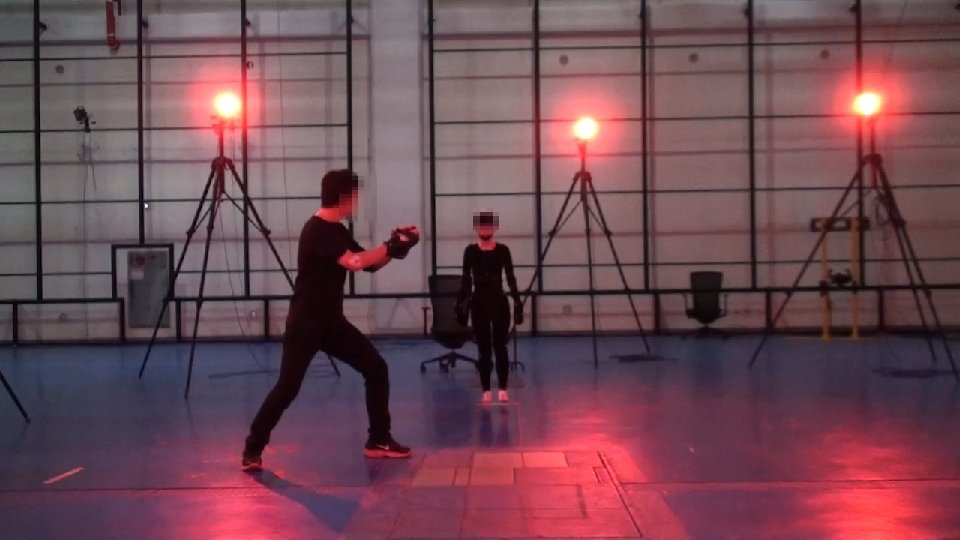
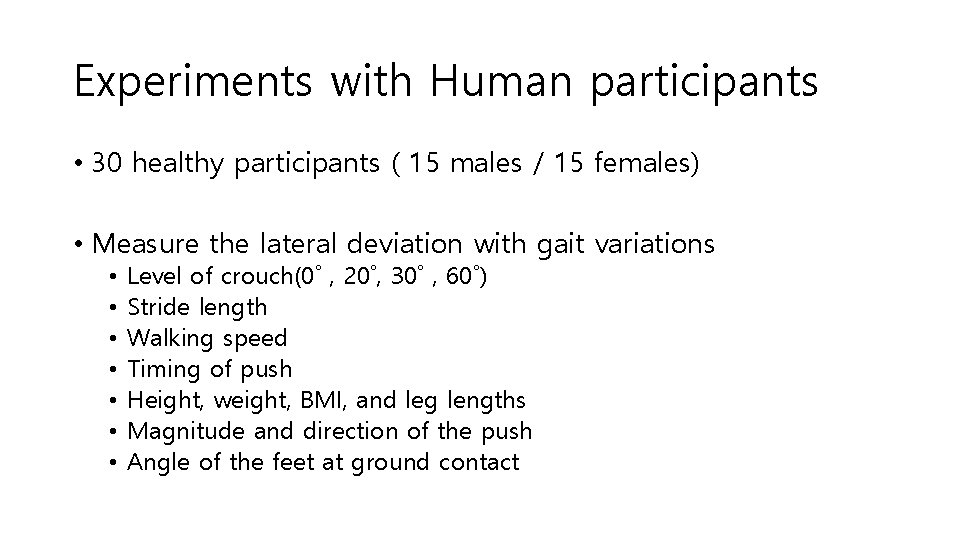
Experiments with Human participants • 30 healthy participants ( 15 males / 15 females) • Measure the lateral deviation with gait variations • • Level of crouch(0˚ , 20˚, 30˚ , 60˚) Stride length Walking speed Timing of push Height, weight, BMI, and leg lengths Magnitude and direction of the push Angle of the feet at ground contact
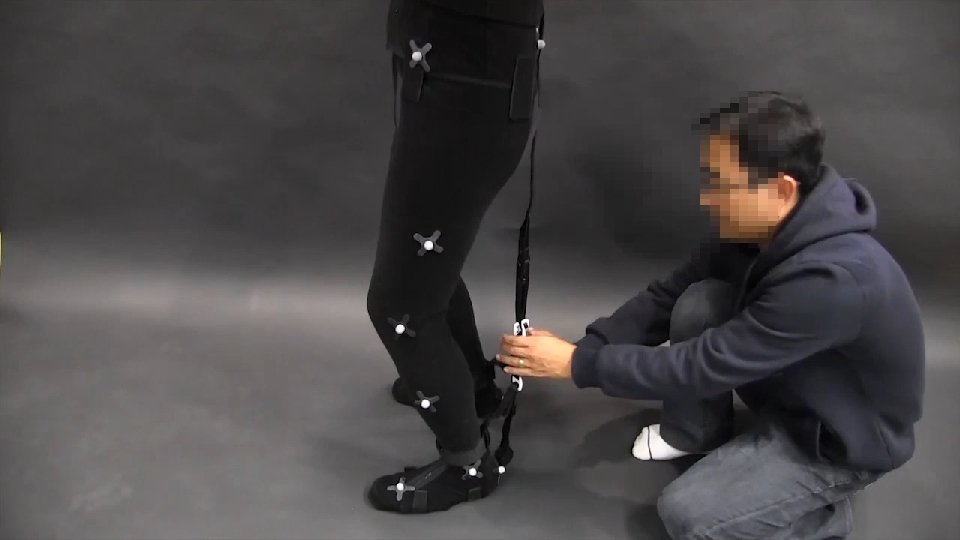
Simulation Experiments • Physics based biped controller • Verify that simulation would respond similarly to external pushes
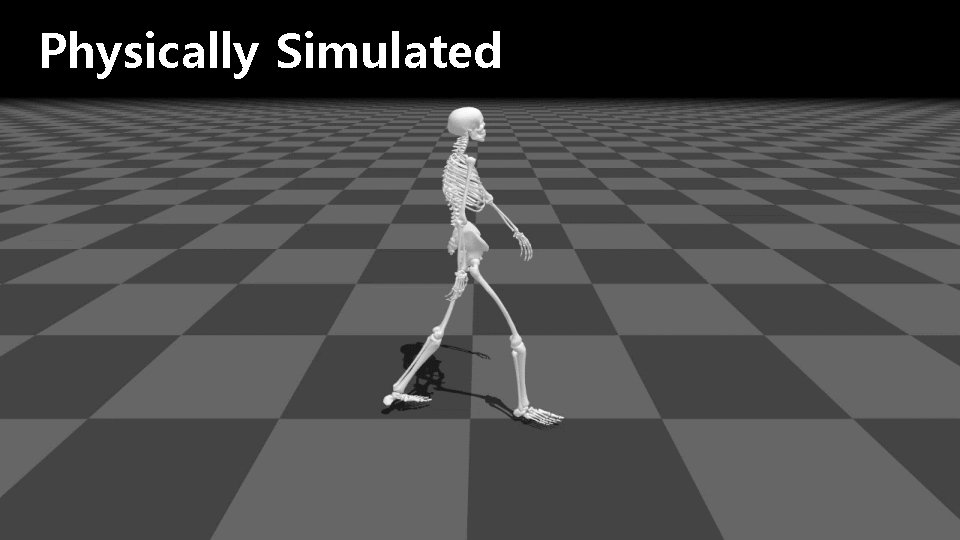
Physically Simulated
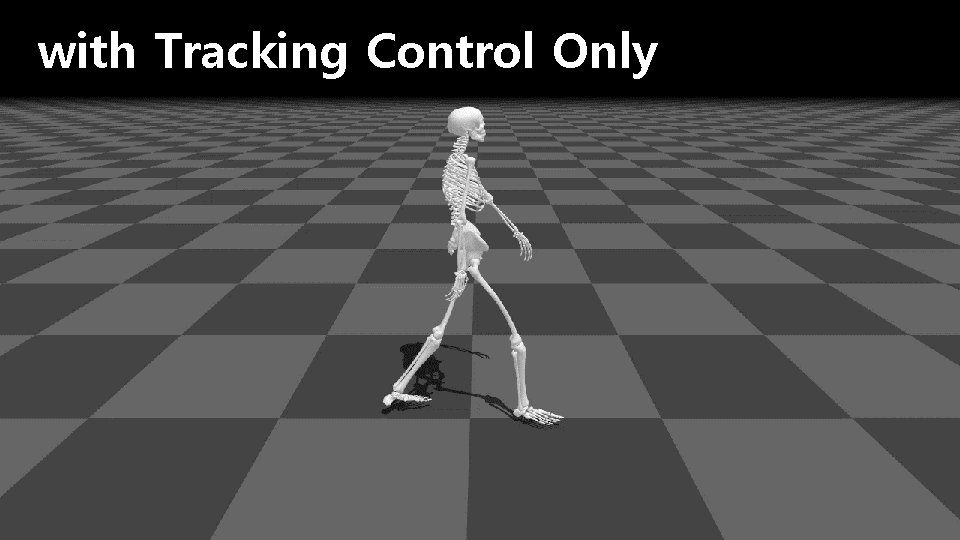
with Tracking Control Only
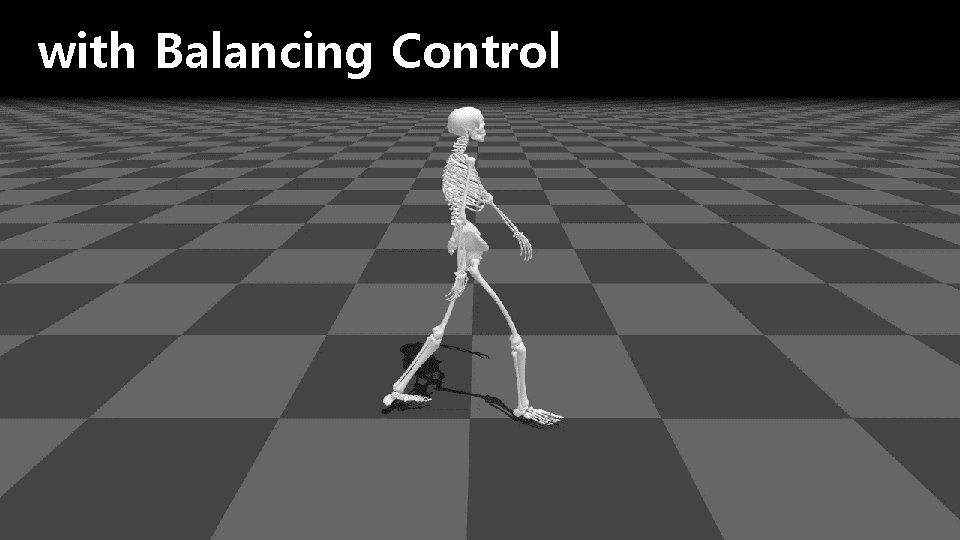
with Balancing Control
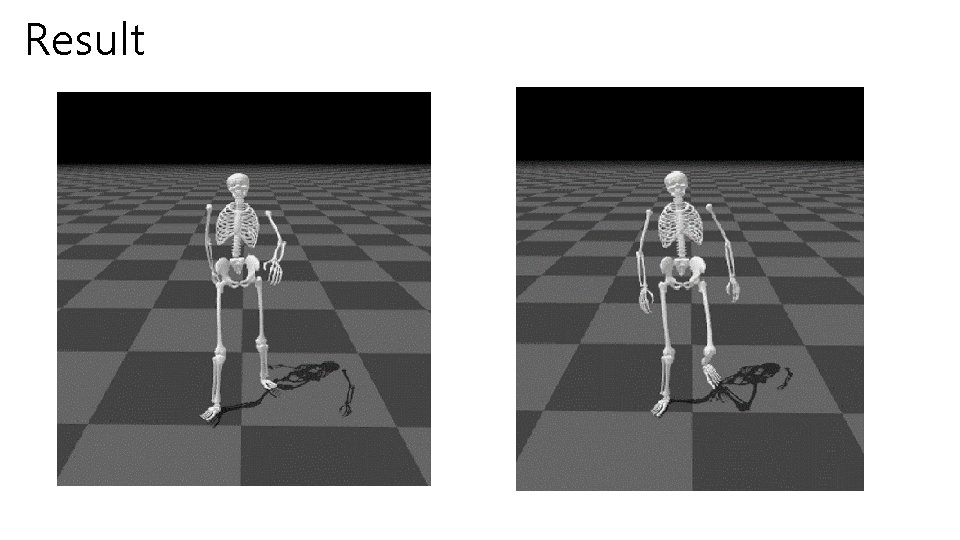
Result
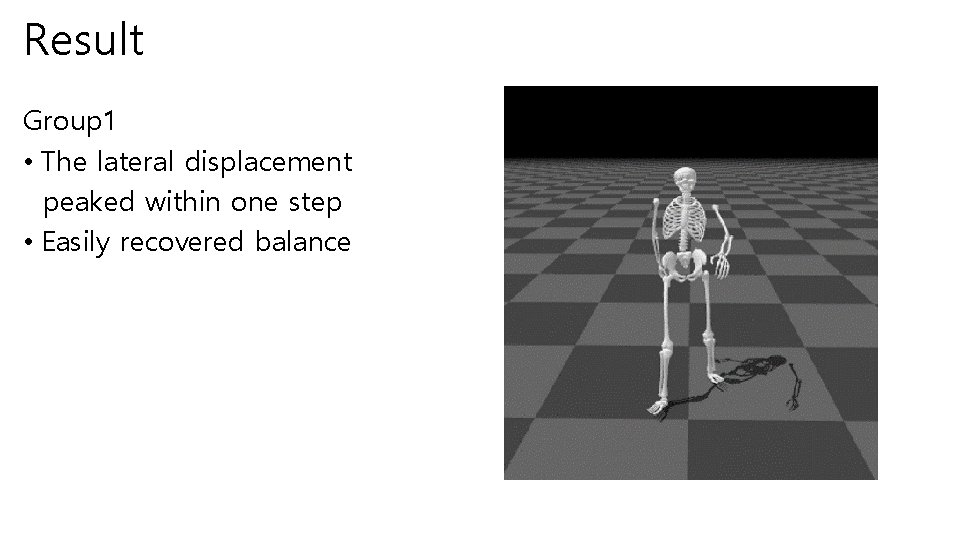
Result Group 1 • The lateral displacement peaked within one step • Easily recovered balance
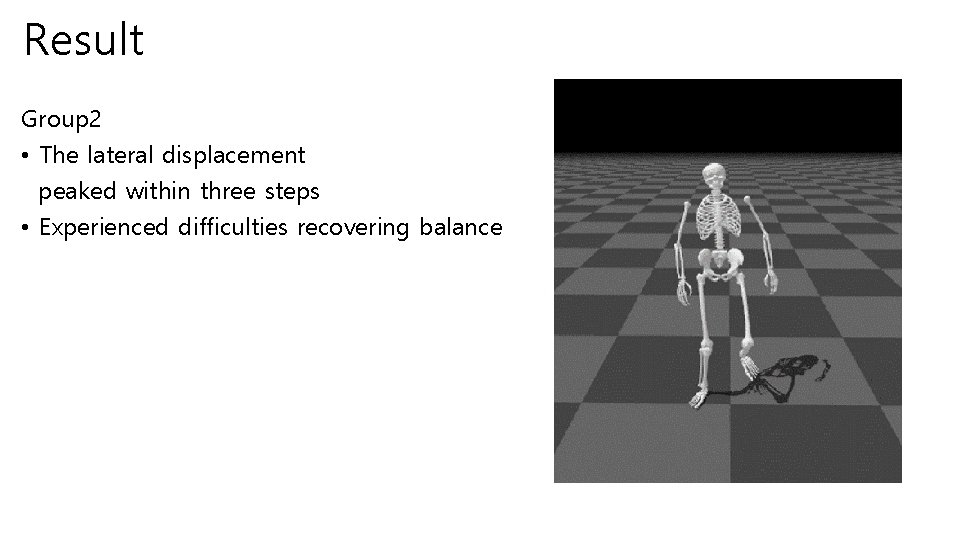
Result Group 2 • The lateral displacement peaked within three steps • Experienced difficulties recovering balance
Result • The gait detours less if • • It crouches mild Walks faster Push is weaker Push happens later in the swing phase • Height, weight, BMI, stride length, and the direction of pushing were statistically irrelevant to push-recovery
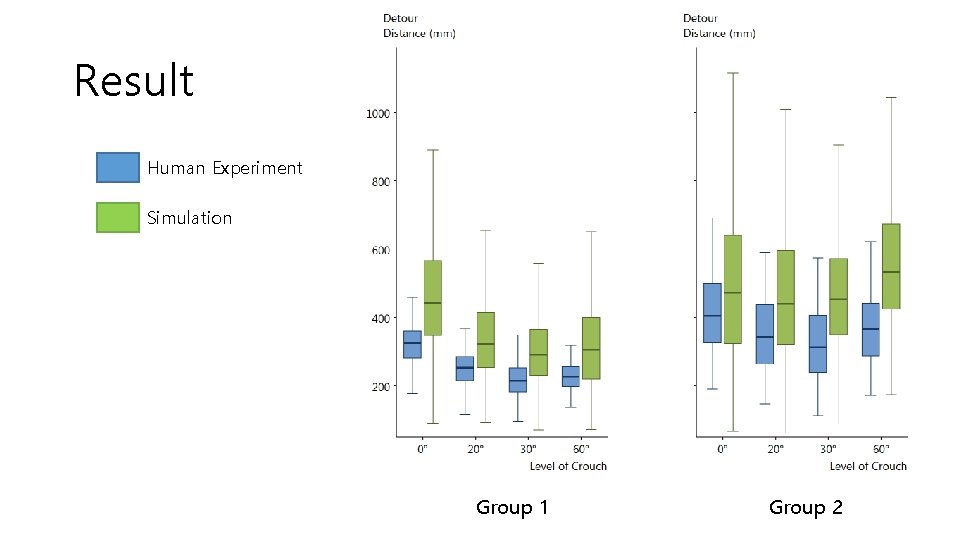
Result Human Experiment Simulation Group 1 Group 2
Discussion • We identified significant factors that affect the push-recovery response in biped locomotion • The level of crouch, walking speed, push force and push timing • Computer simulated biped is affect by same factors of human in push-recovery situation
- Slides: 20