
CROP ROTATION Charles Townshend Turnip The person who





- Slides: 15
CROP ROTATION
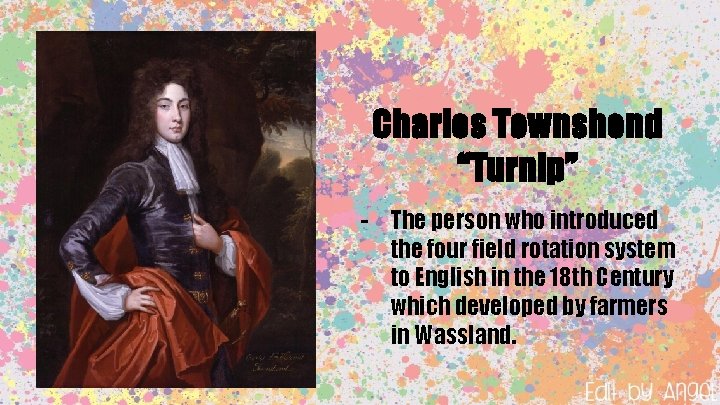
Charles Townshend “Turnip” - The person who introduced the four field rotation system to English in the 18 th Century which developed by farmers in Wassland.
Why use it? ● Prevents Soil Depletion ● Maintains soil fertility ● Reduces soil erosion
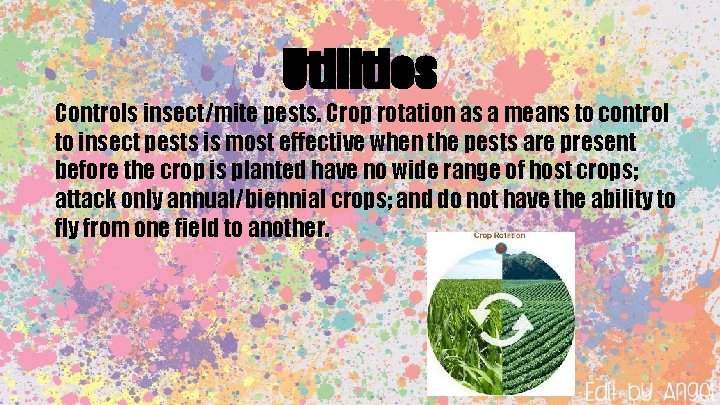
Utilities Controls insect/mite pests. Crop rotation as a means to control to insect pests is most effective when the pests are present before the crop is planted have no wide range of host crops; attack only annual/biennial crops; and do not have the ability to fly from one field to another.
Advantages ● ● Reduces reliance on synthetic chemicals Reduces the pests’ build-up Prevents diseases Helps control weed
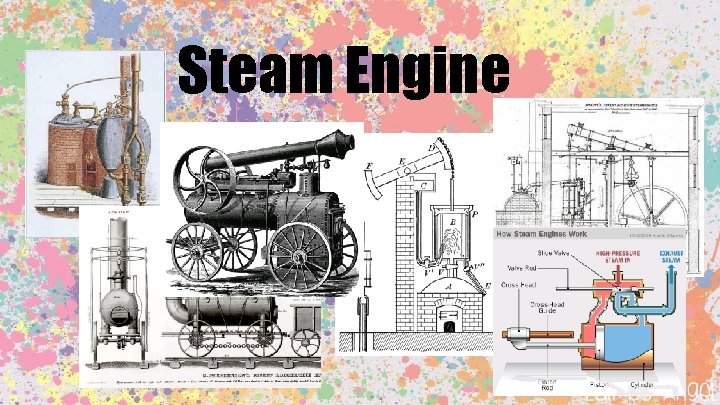
Steam Engine
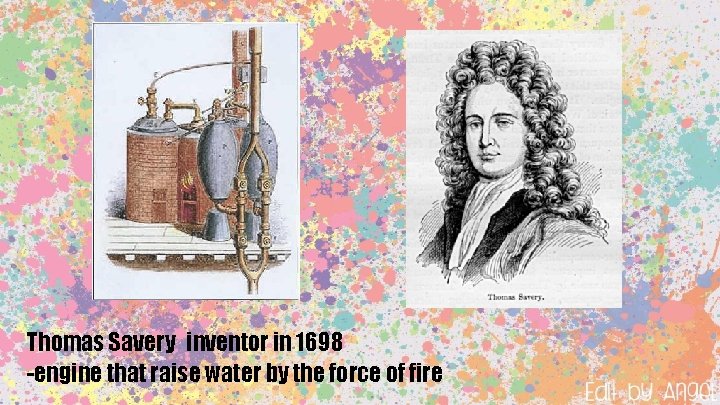
Thomas Savery inventor in 1698 -engine that raise water by the force of fire
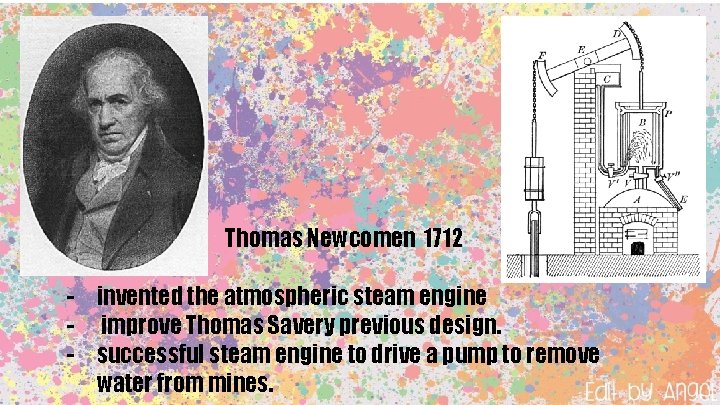
Thomas Newcomen 1712 - invented the atmospheric steam engine - improve Thomas Savery previous design. - successful steam engine to drive a pump to remove water from mines.
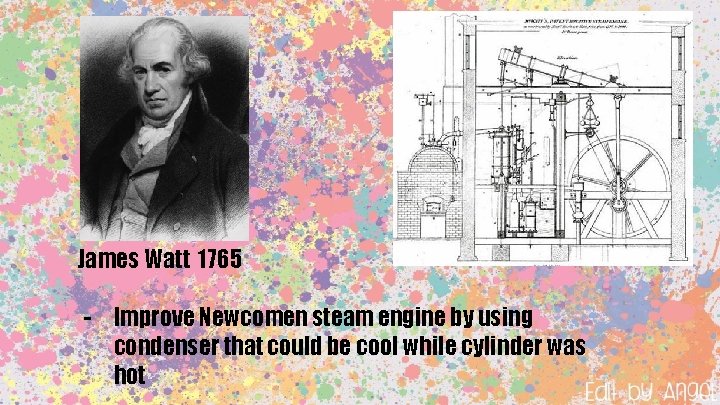
James Watt 1765 - Improve Newcomen steam engine by using condenser that could be cool while cylinder was hot
What is it used for? - pump water from mine - make energy - transportation
How does invention changed the world? - effect on employment - people started to work by the hour and pay by the hour - expand the economy - Faster transportation - upgrade people live
How did people complete the task before the invention? Before the invention horses, workers were used to raise the water