
Critical and Creative Thinking PROFESSOR BILL LUCAS Lucas
Critical and Creative Thinking PROFESSOR BILL LUCAS @Lucas. Learn

Looking ahead to 2021, 2024, 2027 and 2030 OECD 2030 Framework for Education
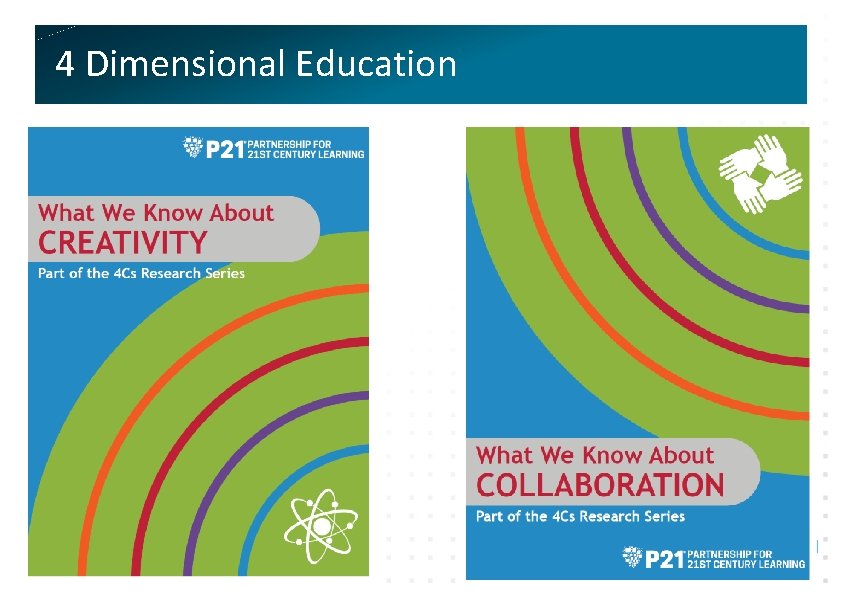
4 Dimensional Education

Desirable Capabilities – 7 Cs Craftsmanship Confidence Commitment Curiosity Creativity Collaboration Communication
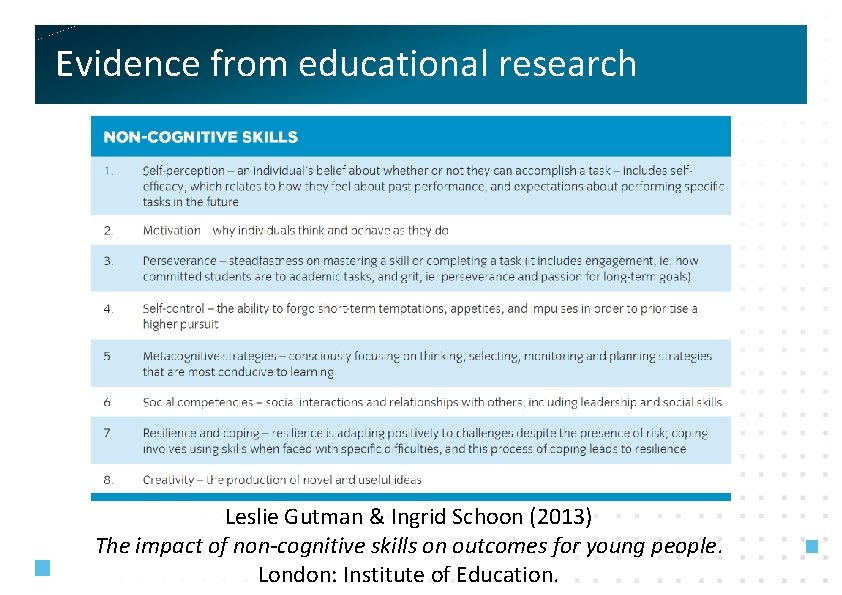
Evidence from educational research Leslie Gutman & Ingrid Schoon (2013) The impact of non-cognitive skills on outcomes for young people. London: Institute of Education.
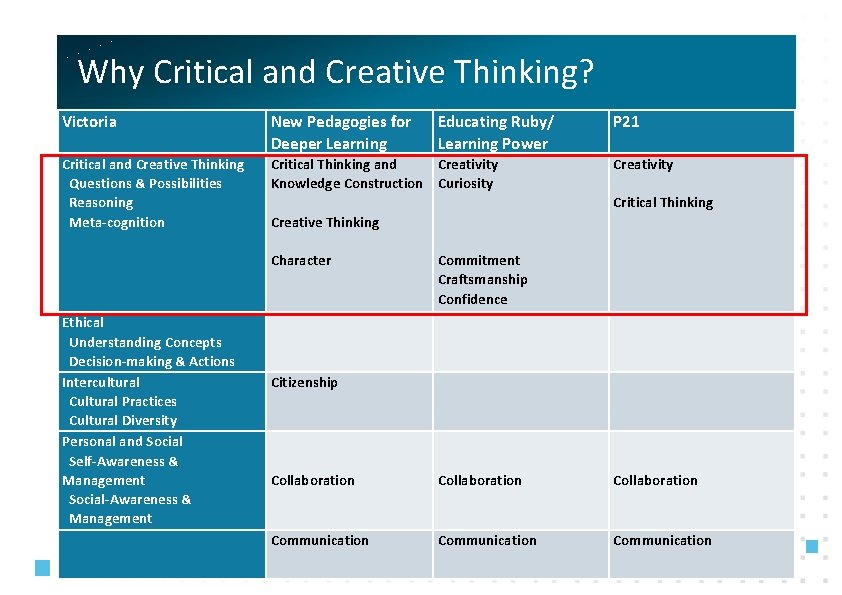
Why Critical and Creative Thinking? Victoria New Pedagogies for Deeper Learning Educating Ruby/ Learning Power P 21 Critical and Creative Thinking Questions & Possibilities Reasoning Meta-cognition Critical Thinking and Knowledge Construction Creative Thinking Character Creativity Curiosity Commitment Craftsmanship Confidence Creativity Critical Thinking Ethical Understanding Concepts Decision-making & Actions Intercultural Cultural Practices Cultural Diversity Personal and Social Self-Awareness & Management Social-Awareness & Management Citizenship Collaboration Communication
Pedagogies for capability What’s different about teaching for capability?
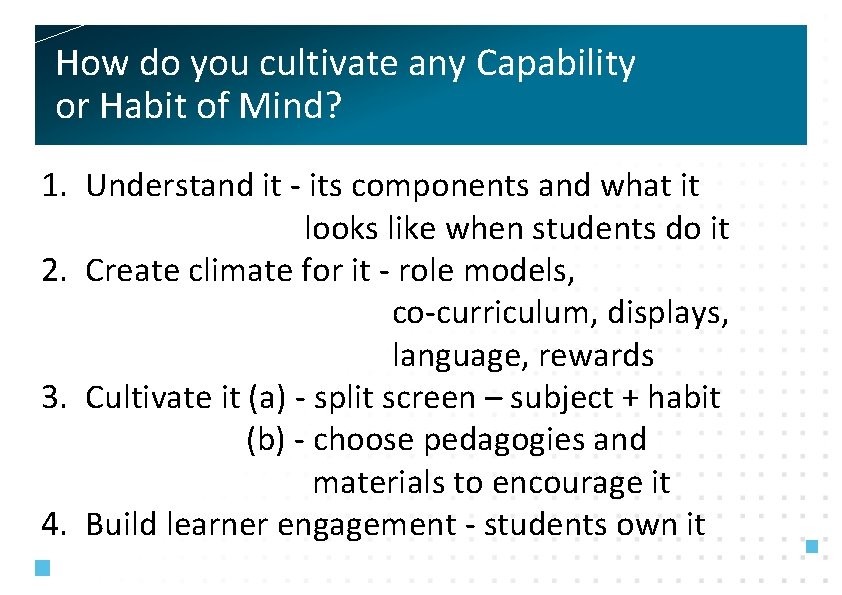
How do you cultivate any Capability or Habit of Mind? 1. Understand it - its components and what it looks like when students do it 2. Create climate for it - role models, co-curriculum, displays, language, rewards 3. Cultivate it (a) - split screen – subject + habit (b) - choose pedagogies and materials to encourage it 4. Build learner engagement - students own it
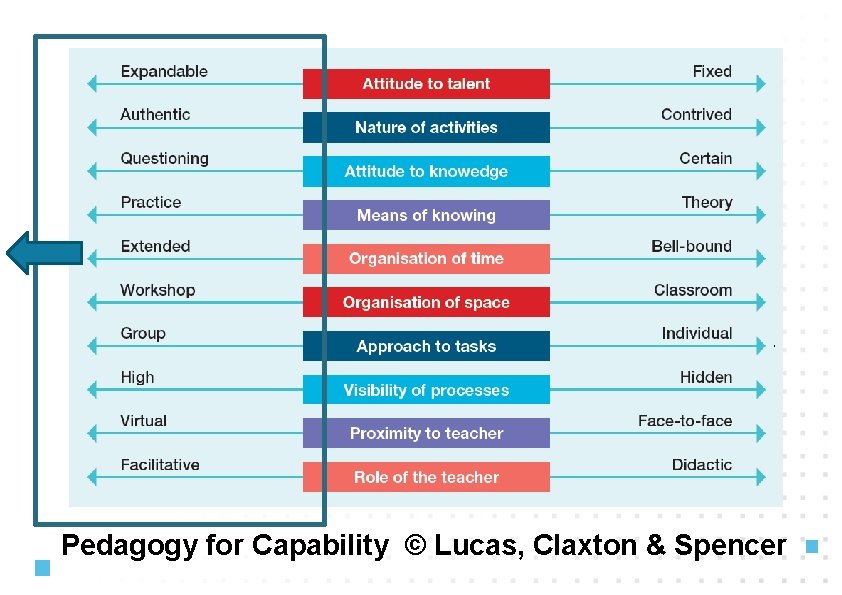
Pedagogy for Capability © Lucas, Claxton & Spencer
The idea of ‘signature pedagogy’ What might it be for cultivating capabilities? Lee Shulman (2005) Signature pedagogies in the professions. Daedelus, 134, 52 -59

Focus on Critical and Creative Thinking
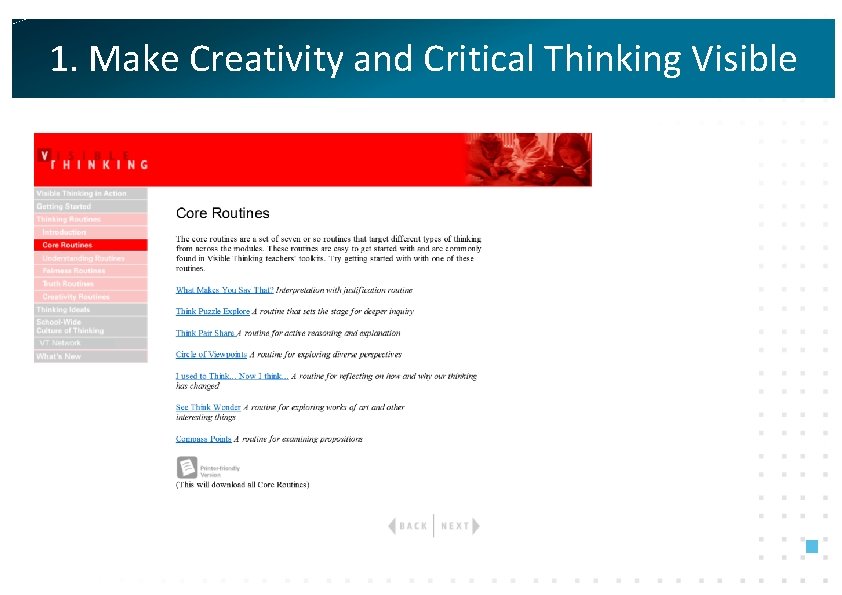
1. Make Creativity and Critical Thinking Visible
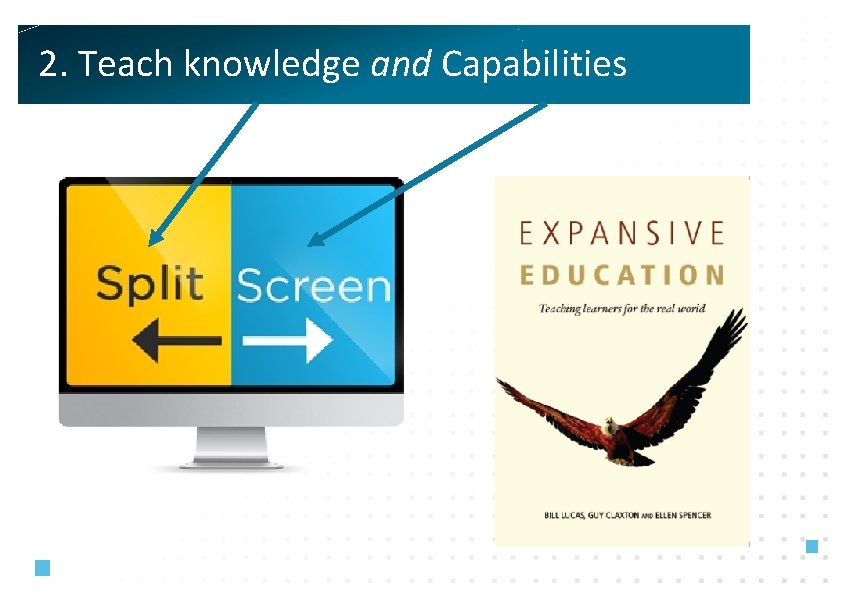
2. Teach knowledge and Capabilities
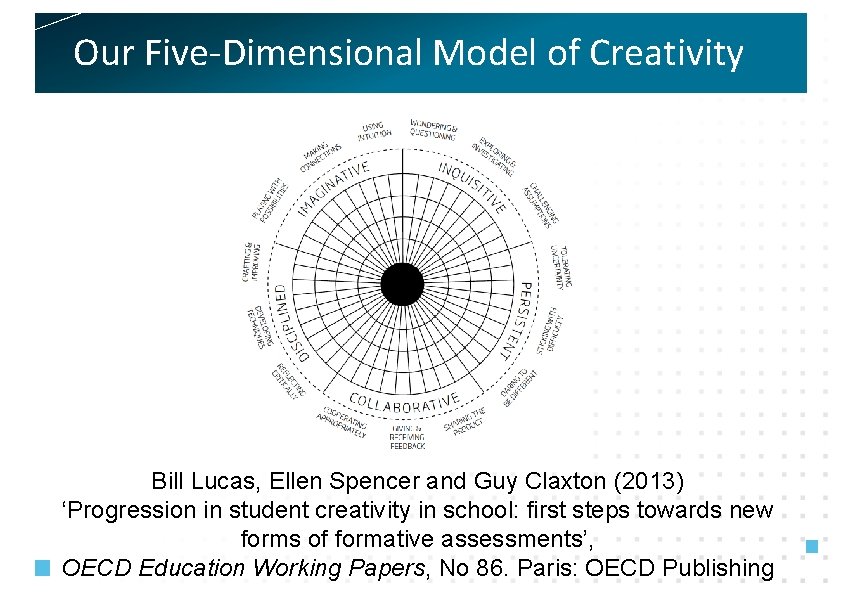
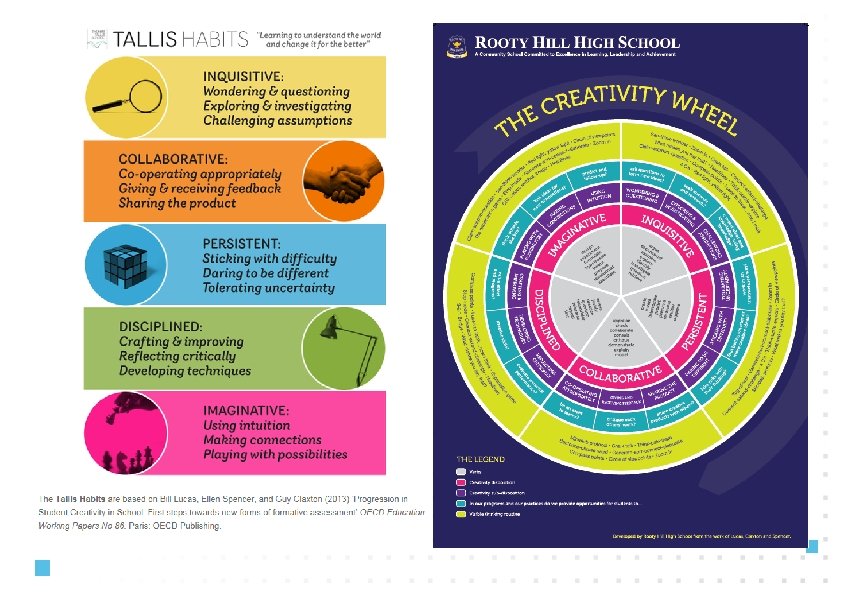
Our Five-Dimensional Model of Creativity Bill Lucas, Ellen Spencer and Guy Claxton (2013) ‘Progression in student creativity in school: first steps towards new forms of formative assessments’, OECD Education Working Papers, No 86. Paris: OECD Publishing
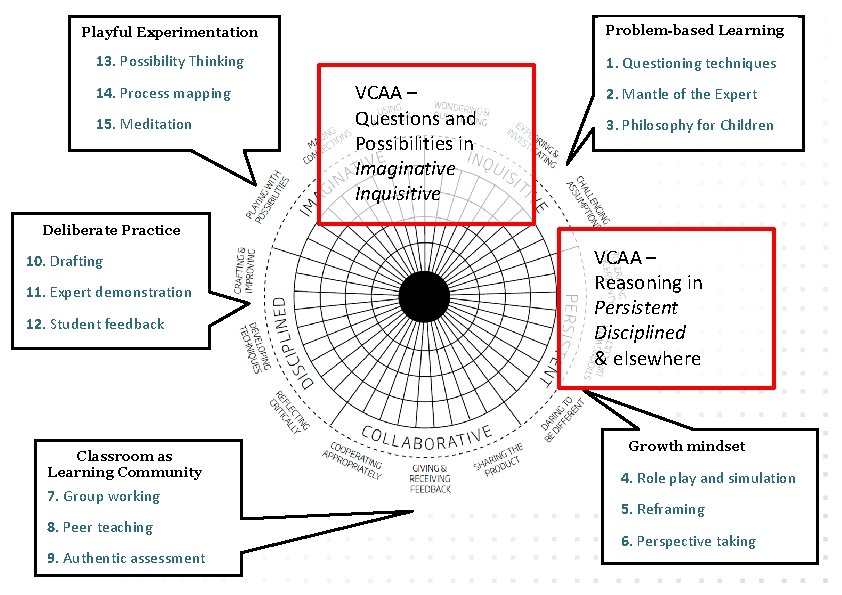
Playful Experimentation Problem-based Learning 13. Possibility Thinking 1. Questioning techniques 14. Process mapping 15. Meditation VCAA – Questions and Possibilities in Imaginative Inquisitive 2. Mantle of the Expert 3. Philosophy for Children Deliberate Practice 10. Drafting 11. Expert demonstration 12. Student feedback Classroom as Learning Community 7. Group working 8. Peer teaching 9. Authentic assessment VCAA – Reasoning in Persistent Disciplined & elsewhere Growth mindset 4. Role play and simulation 5. Reframing 6. Perspective taking
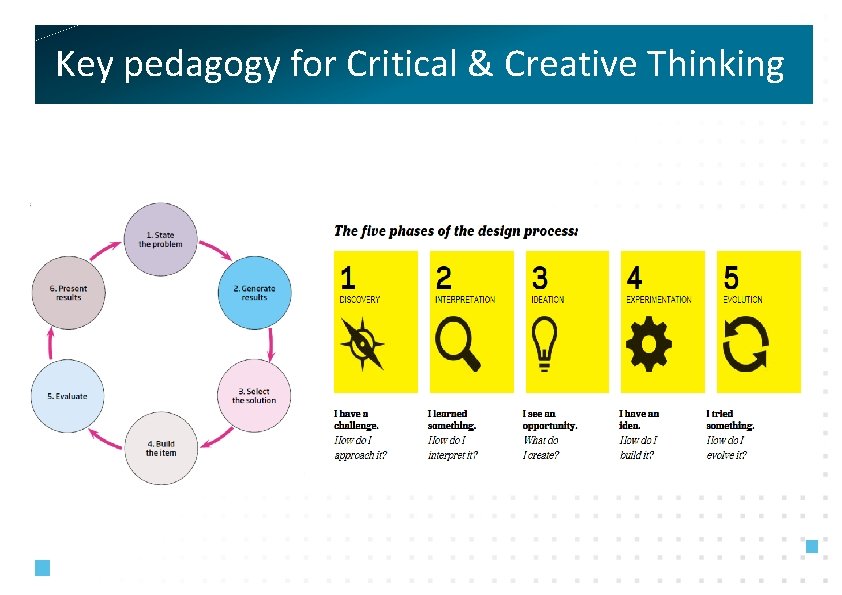
Key pedagogy for Critical & Creative Thinking
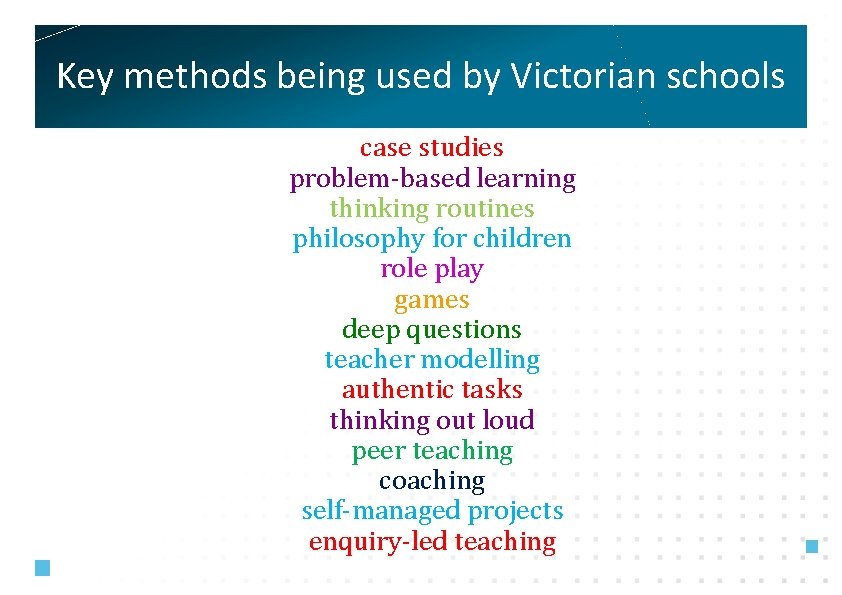
Key methods being used by Victorian schools case studies problem-based learning thinking routines philosophy for children role play games deep questions teacher modelling authentic tasks thinking out loud peer teaching coaching self-managed projects enquiry-led teaching
What’s different about assessing capabilities?
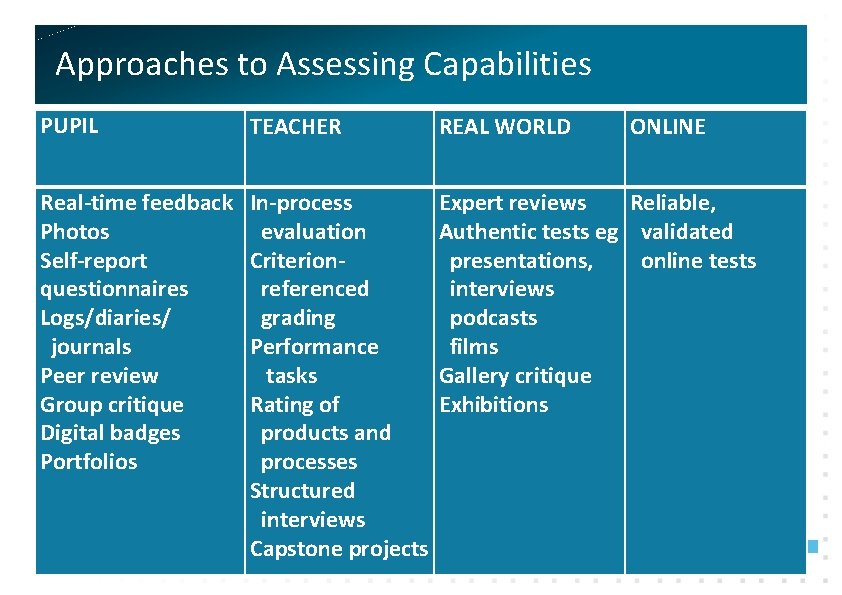
Approaches to Assessing Capabilities PUPIL TEACHER REAL WORLD Real-time feedback Photos Self-report questionnaires Logs/diaries/ journals Peer review Group critique Digital badges Portfolios In-process evaluation Criterion- referenced grading Performance tasks Rating of products and processes Structured interviews Capstone projects Expert reviews Reliable, Authentic tests eg validated presentations, online tests interviews podcasts films Gallery critique Exhibitions ONLINE
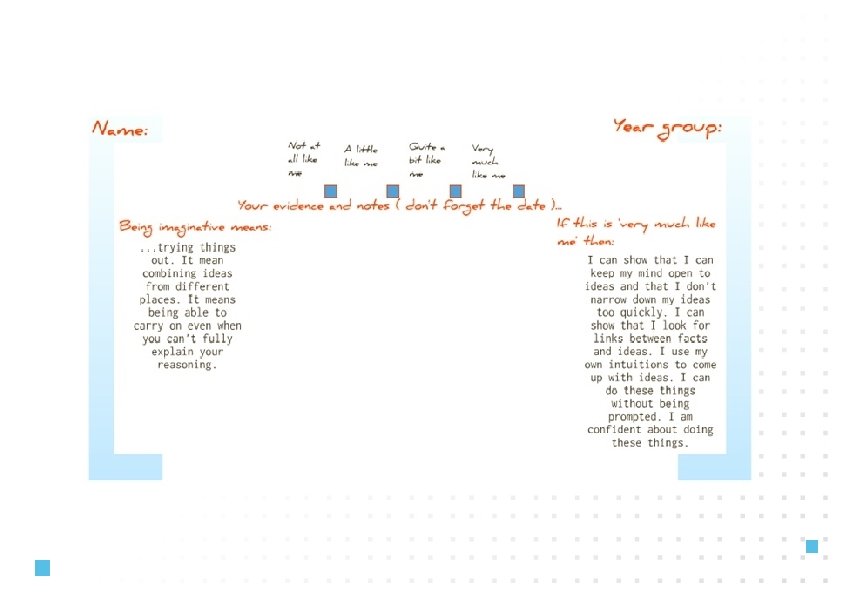
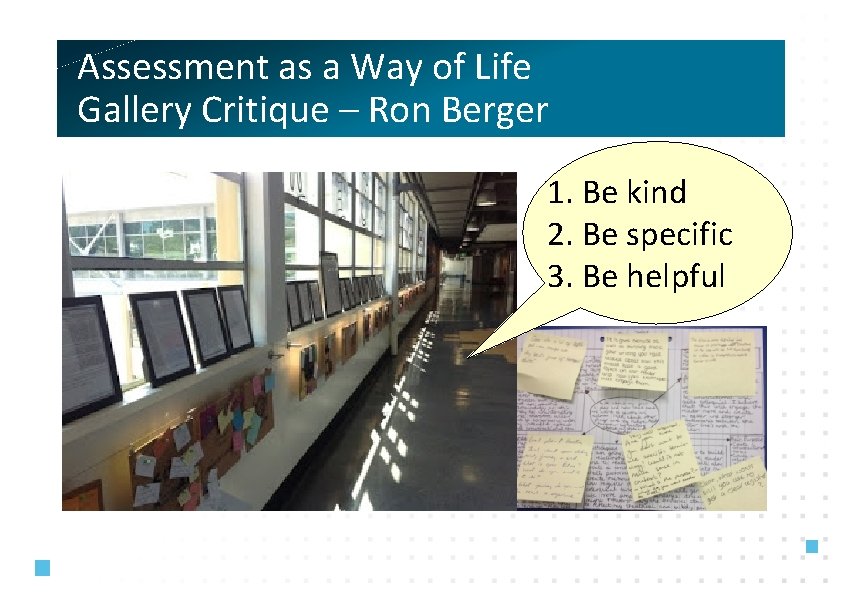
Assessment as a Way of Life Gallery Critique – Ron Berger 1. Be kind 2. Be specific 3. Be helpful
Web E-mail Twitter www. expansiveeducation. net www. winchester. ac. uk/realworldlearning www. educatingruby. org www. mitchellinstitute. org. au bill. lucas@winchester. ac. uk @Lucas. Learn @Educating. Ruby
- Slides: 23