
Criteria for Establishing Causal Relationships Concomitant variation Temporal

Criteria for Establishing Causal Relationships • Concomitant variation • Temporal ordering of variables • Control over other possible causal factors

Threats to Internal Validity
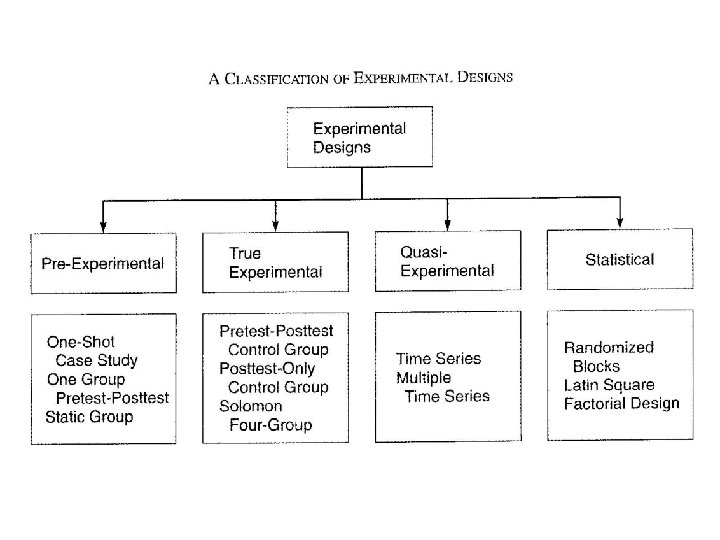
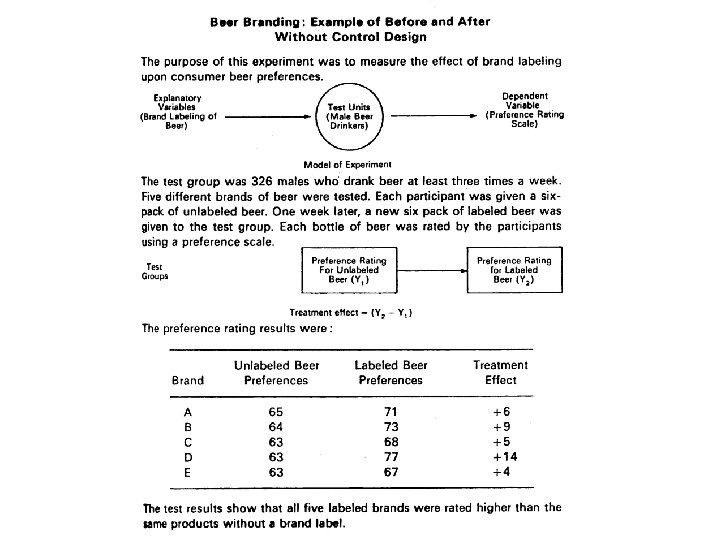
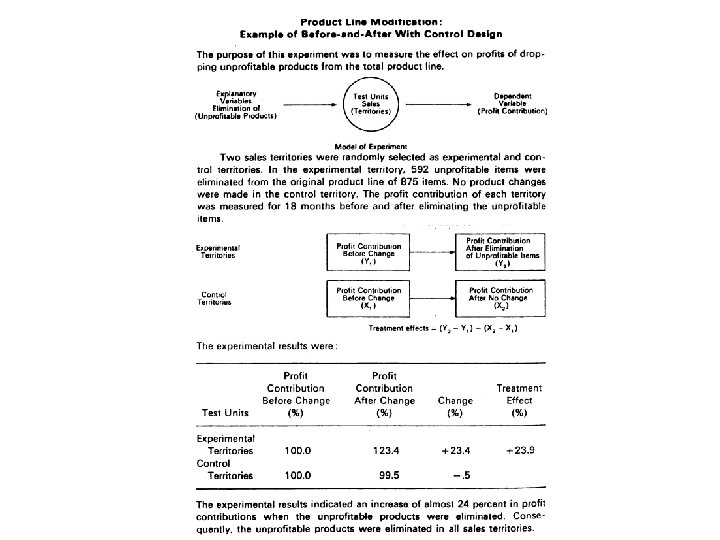
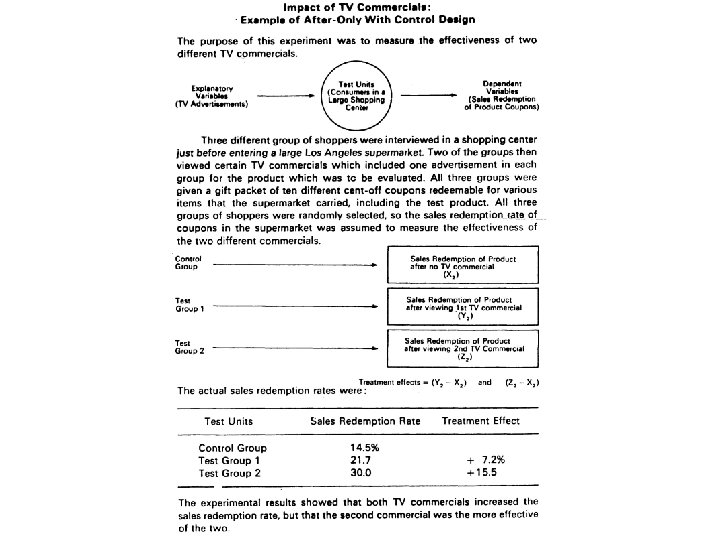



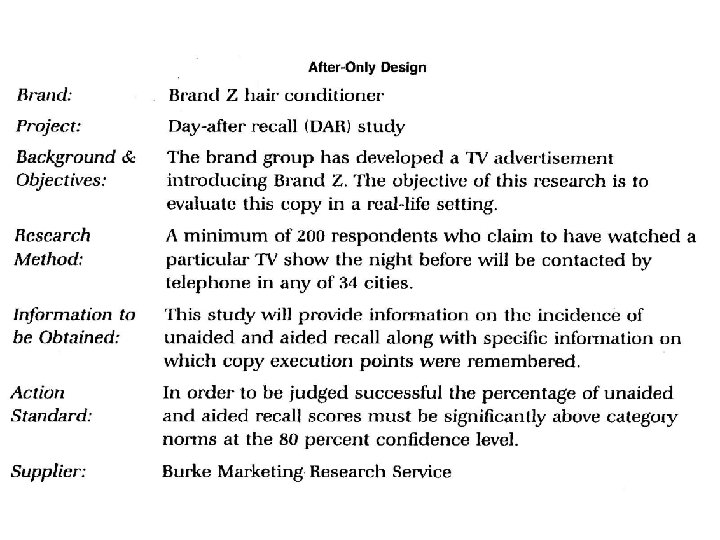
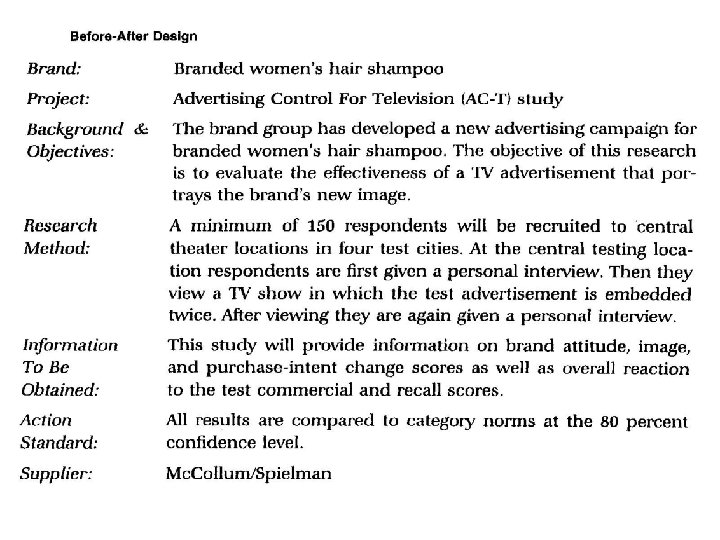
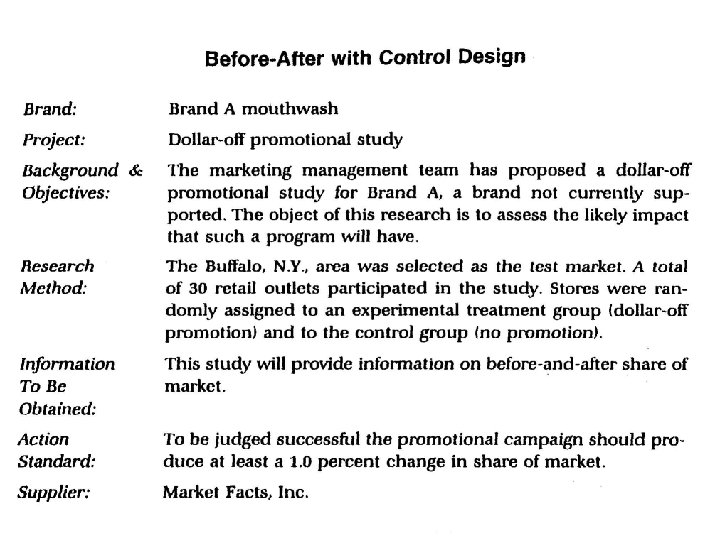
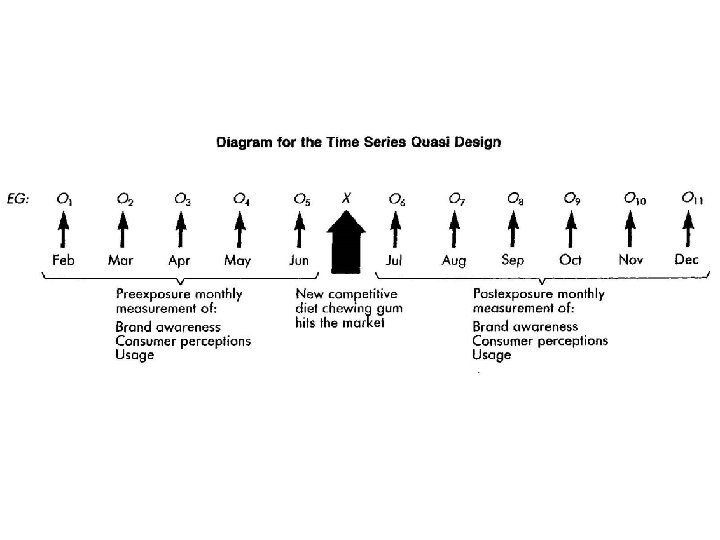




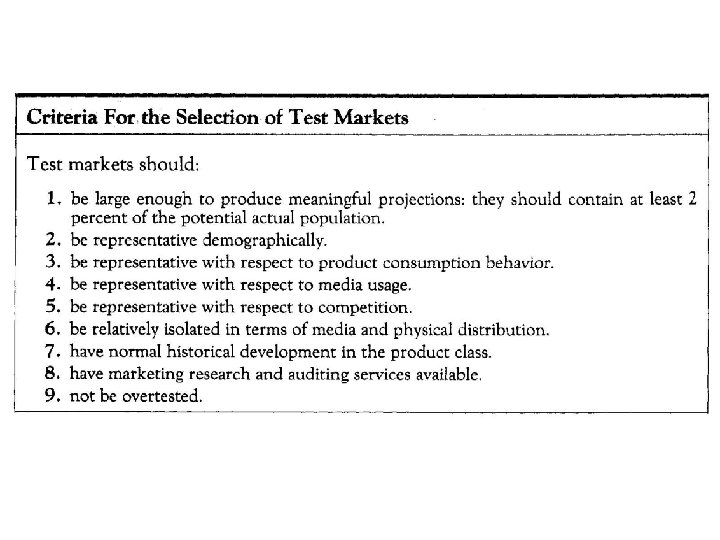
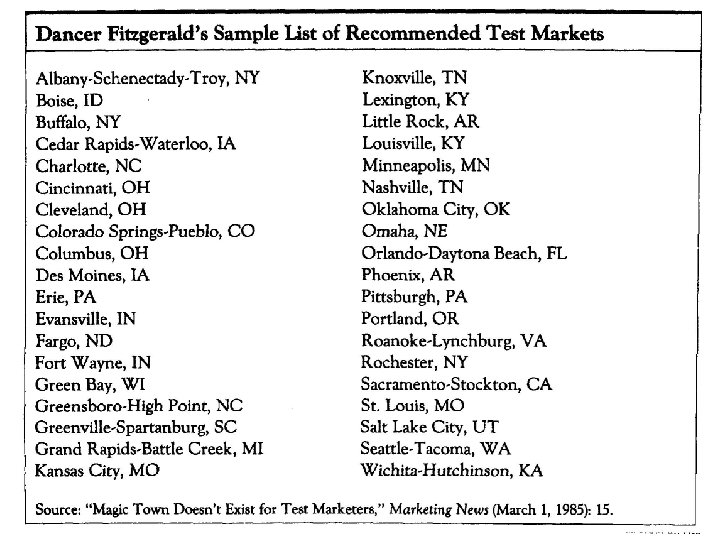
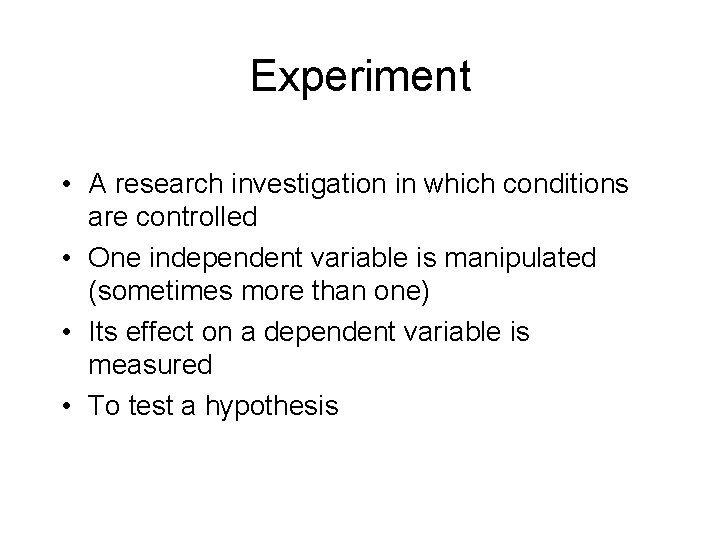
Experiment • A research investigation in which conditions are controlled • One independent variable is manipulated (sometimes more than one) • Its effect on a dependent variable is measured • To test a hypothesis
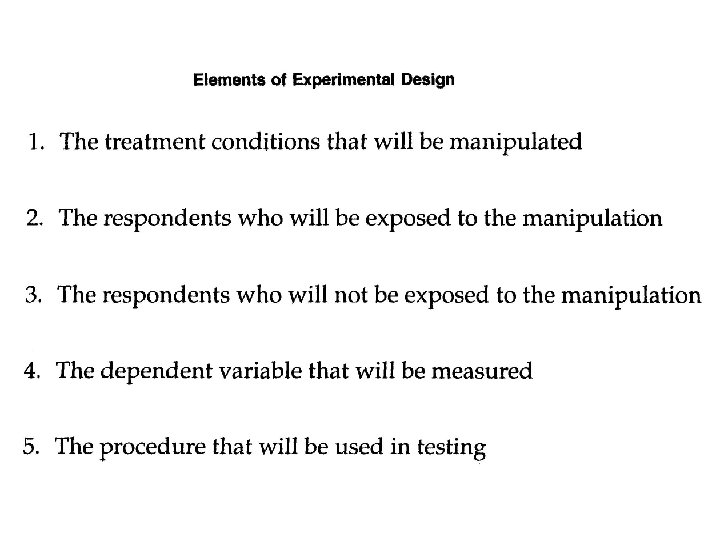
Basic Issues of Experimental Design • Manipulation of the Independent Variable • Selection of Dependent Variable • Assignment of Subjects (or other Test Units) • Control Over Extraneous Variables
The experimenter has some degree of control over the independent variable. The variable is independent because its value can be manipulated by the experimenter to whatever he or she wishes it to be.
Experiment Treatment Alternative manipulations of the independent variable being investigated
Independent Variable • The experimenter controls independent variable. • The variable’s value can be manipulated by the experimenters to whatever they wish it to be.
Manipulation of Independent Variable • • Classificatory vs. continuous variables Experimental and control groups Treatment levels More than one independent variable
Experimental Treatments • The alternative manipulations of the independent variable being investigated
Dependent Variable • Its value is expected to be dependent on the experimenter’s manipulation • Criterion or standard by which the results are judged
Dependent Variable • Selection – e. g. . . sales volume, awareness, recall, • Measurement
Test Units • Subjects or entities whose response to the experimental treatment are measured or observed.
Two Types of Experimental Error • Constant errors • Random errors
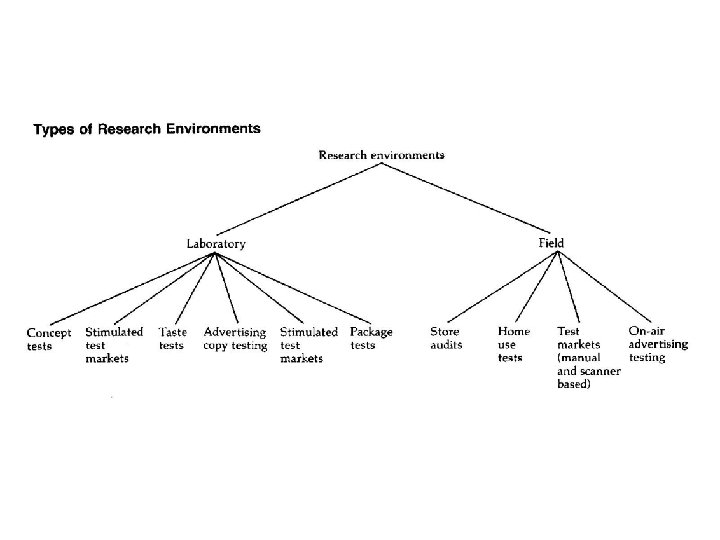
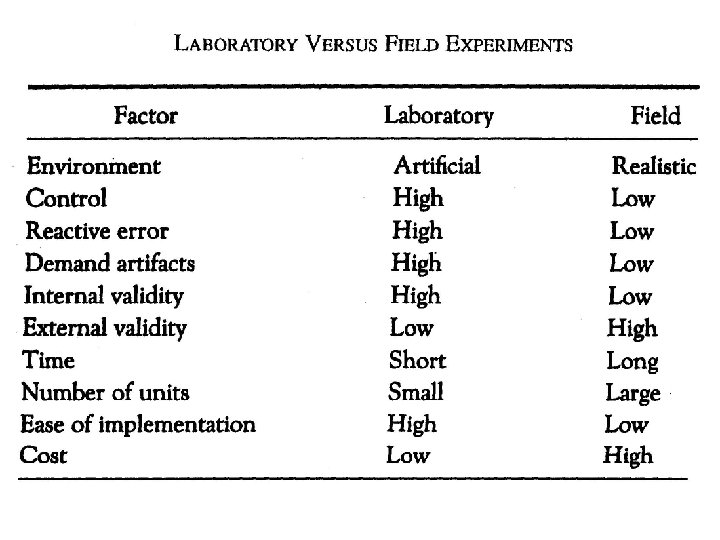
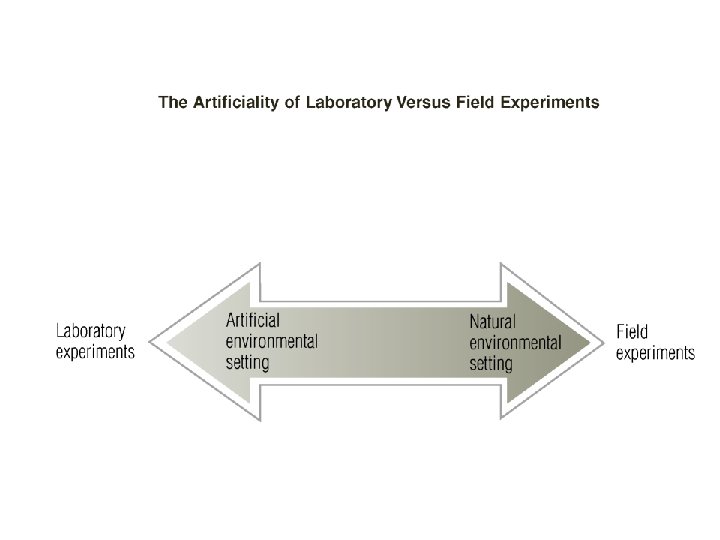
Field versus Laboratory Experiments
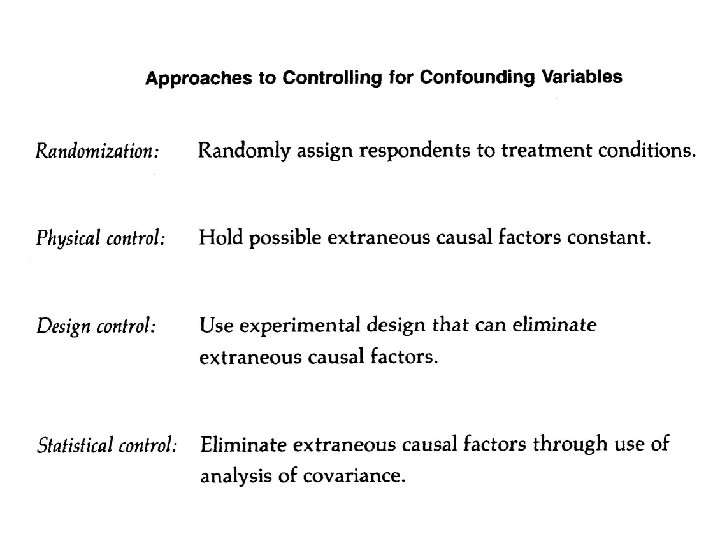
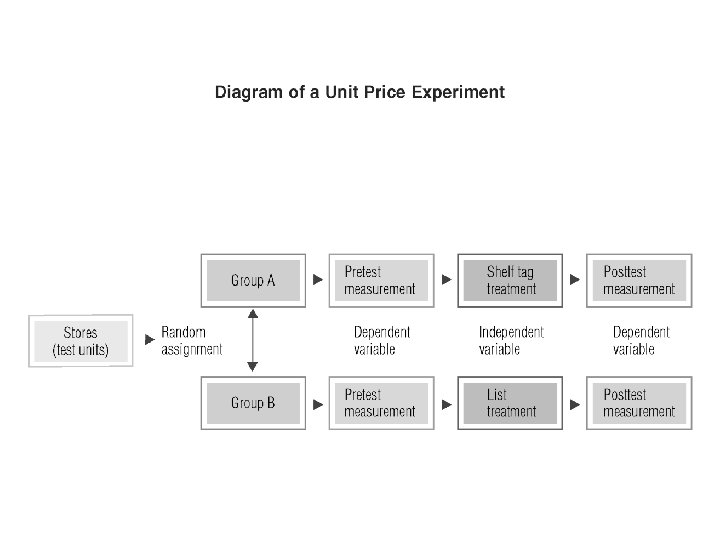
Controlling Extraneous Variables • • • Elimination of extraneous variables Constancy of conditions Order of presentation Blinding Random assignment
How May an Experimenter control for Extraneous Variation? • • Eliminate Extraneous Variables Hold Conditions Constant Randomization Matching Subjects
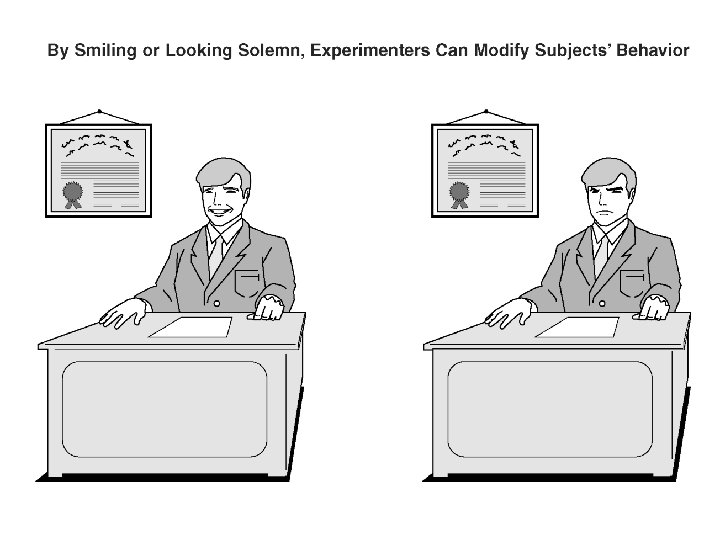
Demand Characteristics • Experimental procedures that intentionally hint to subjects something about the experimenter’s hypothesis
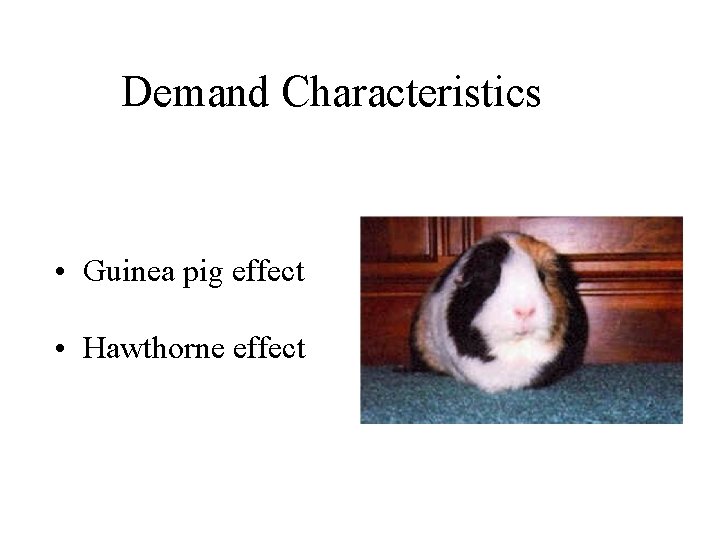
Demand Characteristics • Guinea pig effect • Hawthorne effect
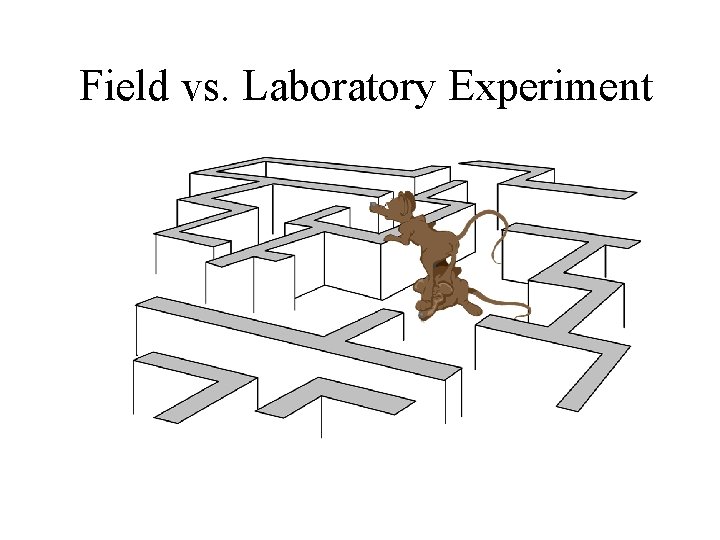
Field vs. Laboratory Experiment
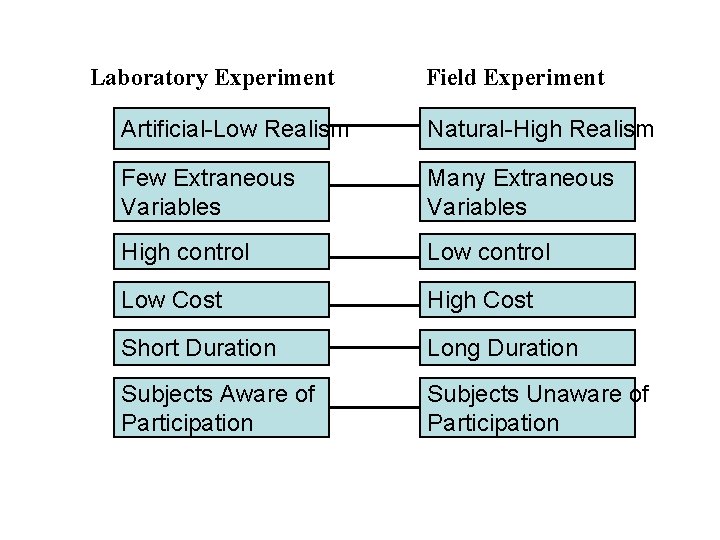
Laboratory Experiment Field Experiment Artificial-Low Realism Natural-High Realism Few Extraneous Variables Many Extraneous Variables High control Low Cost High Cost Short Duration Long Duration Subjects Aware of Participation Subjects Unaware of Participation
Control Groups Isolate extraneous variation
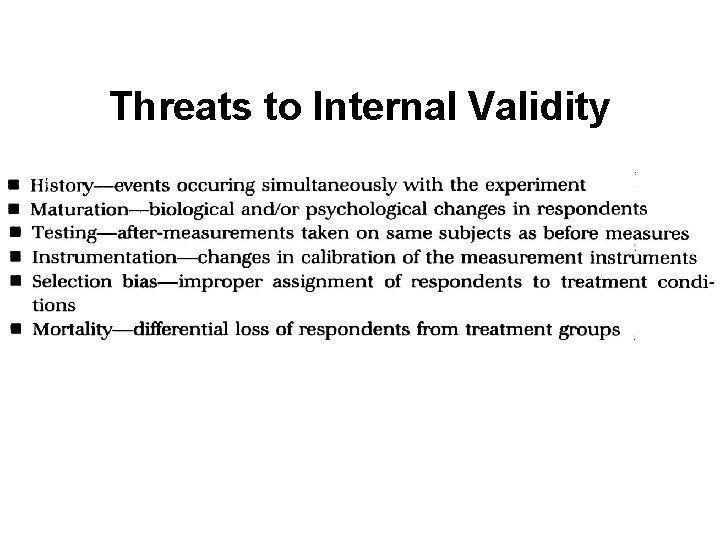
When does an Experiment have Internal Validity? Internal Validity - The ability of an experiment to answer the question whether the experimental treatment was the sole cause of changes in a dependent variable Did the manipulation do what it was supposed to do?
Factors Influencing Internal Validity • • • History Maturation Testing Instrumentation Selection Mortality
Isolating Extraneous Variation with a Control Group • History Effects • Maturation Effects • Mortality Effects
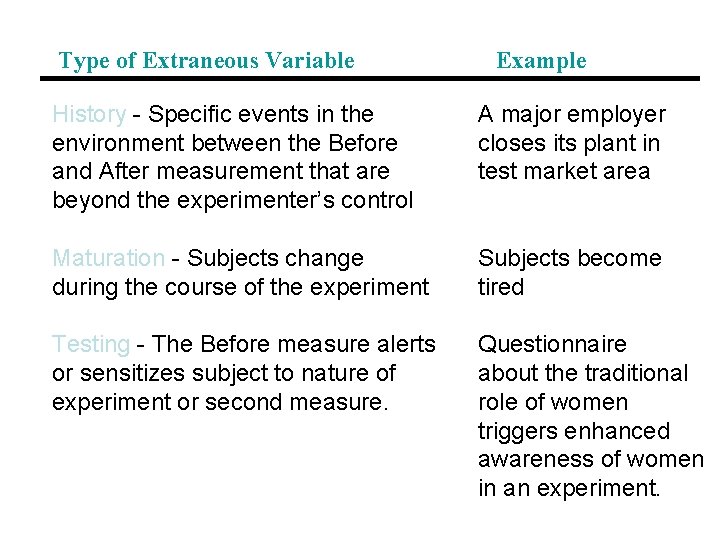
Type of Extraneous Variable Example History - Specific events in the environment between the Before and After measurement that are beyond the experimenter’s control A major employer closes its plant in test market area Maturation - Subjects change during the course of the experiment Subjects become tired Testing - The Before measure alerts or sensitizes subject to nature of experiment or second measure. Questionnaire about the traditional role of women triggers enhanced awareness of women in an experiment.
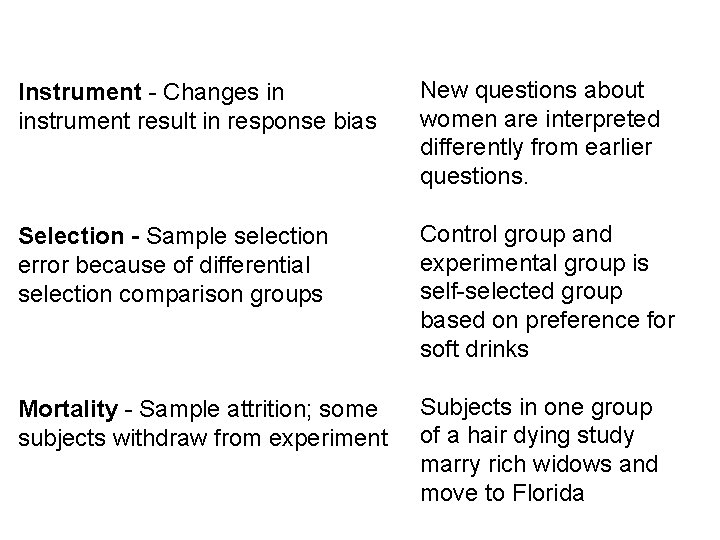
Instrument - Changes in instrument result in response bias New questions about women are interpreted differently from earlier questions. Selection - Sample selection error because of differential selection comparison groups Control group and experimental group is self-selected group based on preference for soft drinks Mortality - Sample attrition; some subjects withdraw from experiment Subjects in one group of a hair dying study marry rich widows and move to Florida
Increasing Internal Validity • Control group • Random assignment • Pretesting and posttesting • Posttest only
- Slides: 52