
Criteri clinicineurofisiologici per la diagnosi di neuropatie sensitive
- Slides: 25
Criteri clinici-neurofisiologici per la diagnosi di neuropatie sensitive con o senza dolore: il modello della neuropatia amiloidosica da mutazione del gene TTR Selina B. Piazza Massa III meeting delle Neuroscienze Toscane 5 -6 -7 Aprile 2019 Viareggio
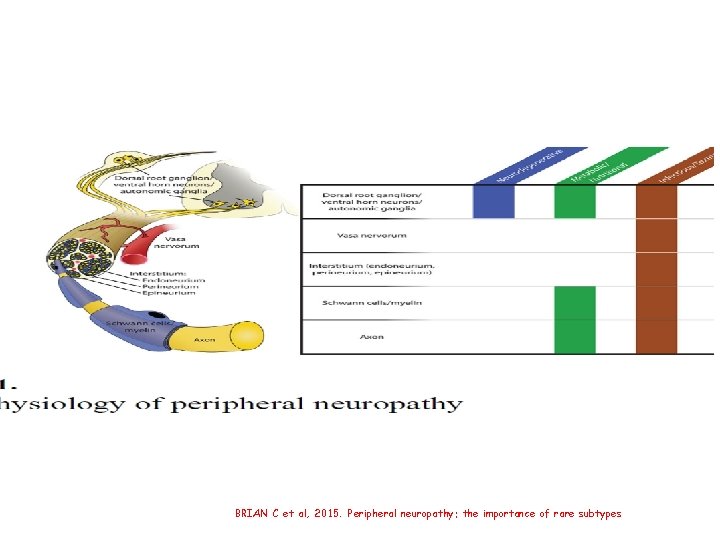
BRIAN C et al, 2015. Peripheral neuropathy: the importance of rare subtypes
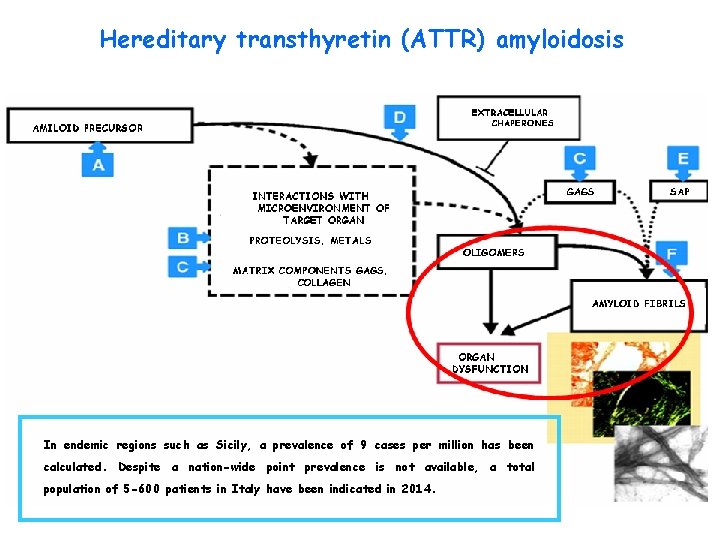
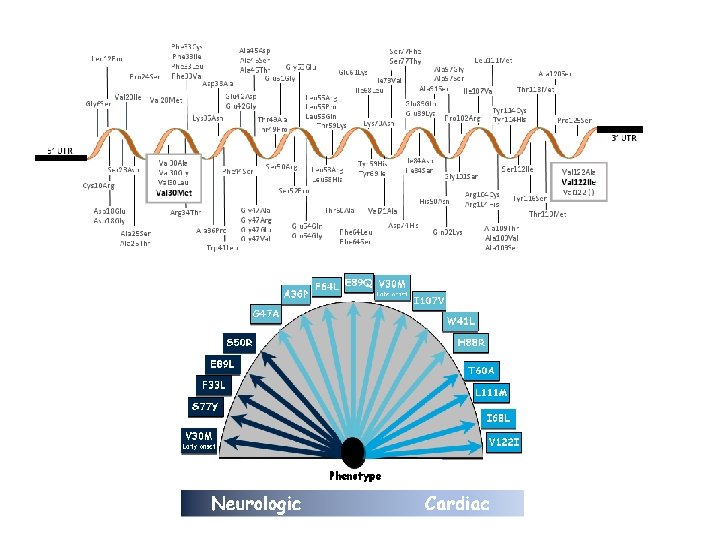
Hereditary transthyretin (ATTR) amyloidosis In endemic regions such as Sicily, a prevalence of 9 cases per million has been calculated. Despite a nation-wide point prevalence is not available, a total population of 5 -600 patients in Italy have been indicated in 2014.
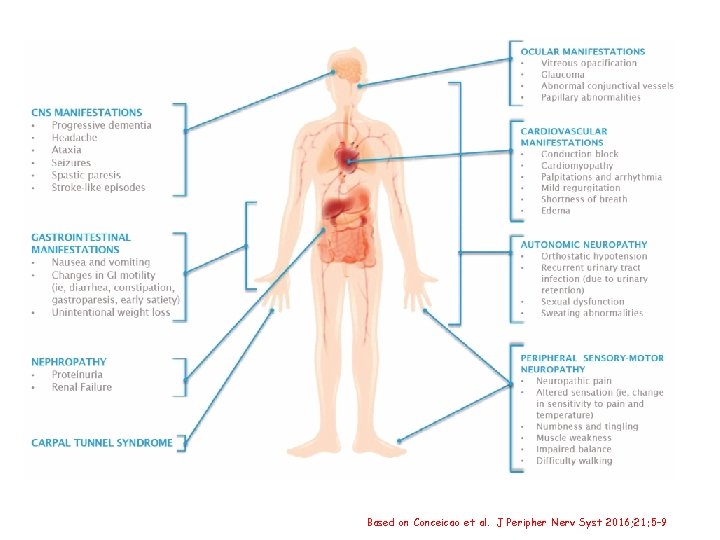
Based on Conceicao et al. J Peripher Nerv Syst 2016; 21: 5– 9
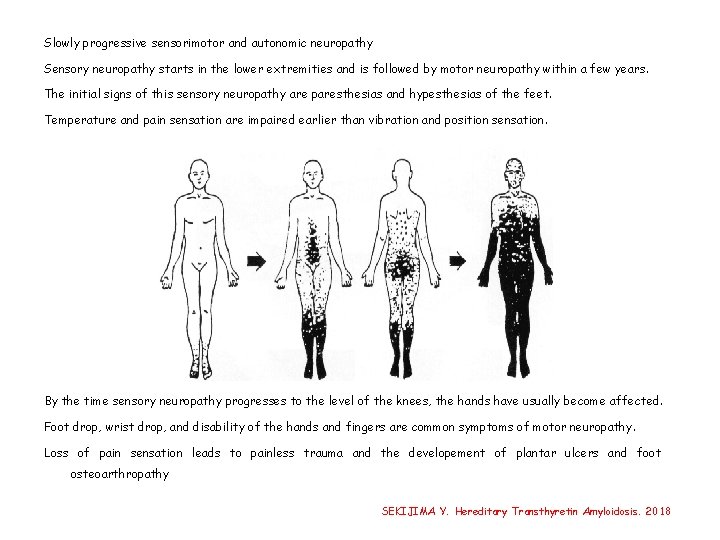
Slowly progressive sensorimotor and autonomic neuropathy Sensory neuropathy starts in the lower extremities and is followed by motor neuropathy within a few years. The initial signs of this sensory neuropathy are paresthesias and hypesthesias of the feet. Temperature and pain sensation are impaired earlier than vibration and position sensation. By the time sensory neuropathy progresses to the level of the knees, the hands have usually become affected. Foot drop, wrist drop, and disability of the hands and fingers are common symptoms of motor neuropathy. Loss of pain sensation leads to painless trauma and the developement of plantar ulcers and foot osteoarthropathy SEKIJIMA Y. Hereditary Transthyretin Amyloidosis. 2018
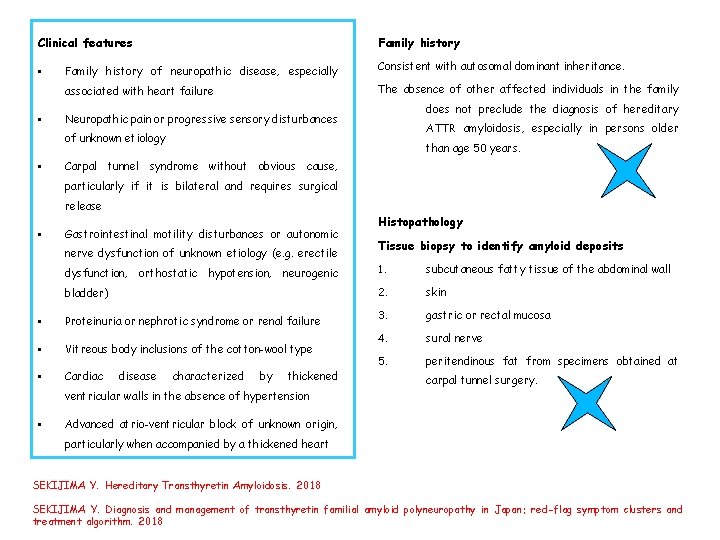
Clinical features • • Family history of neuropathic disease, especially Consistent with autosomal dominant inheritance. associated with heart failure The absence of other affected individuals in the family does not preclude the diagnosis of hereditary Neuropathic pain or progressive sensory disturbances ATTR amyloidosis, especially in persons older of unknown etiology • than age 50 years. Carpal tunnel syndrome without obvious cause, particularly if it is bilateral and requires surgical release • Gastrointestinal motility disturbances or autonomic nerve dysfunction of unknown etiology (e. g. erectile dysfunction, orthostatic hypotension, neurogenic bladder) • Proteinuria or nephrotic syndrome or renal failure • Vitreous body inclusions of the cotton-wool type • Cardiac disease characterized by thickened Histopathology Tissue biopsy to identify amyloid deposits 1. subcutaneous fatty tissue of the abdominal wall 2. skin 3. gastric or rectal mucosa 4. sural nerve 5. peritendinous fat from specimens obtained at carpal tunnel surgery. ventricular walls in the absence of hypertension • Advanced atrio-ventricular block of unknown origin, particularly when accompanied by a thickened heart SEKIJIMA Y. Hereditary Transthyretin Amyloidosis. 2018 SEKIJIMA Y. Diagnosis and management of transthyretin familial amyloid polyneuropathy in Japan: red-flag symptom clusters and treatment algorithm. 2018
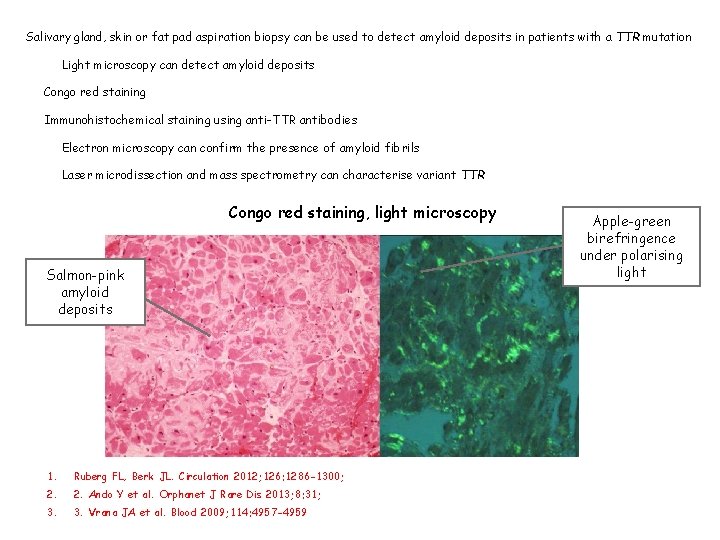
Salivary gland, skin or fat pad aspiration biopsy can be used to detect amyloid deposits in patients with a TTR mutation Light microscopy can detect amyloid deposits Congo red staining Immunohistochemical staining using anti-TTR antibodies Electron microscopy can confirm the presence of amyloid fibrils Laser microdissection and mass spectrometry can characterise variant TTR Congo red staining, light microscopy Salmon-pink amyloid deposits 1. Ruberg FL, Berk JL. Circulation 2012; 126: 1286 -1300; 2. Ando Y et al. Orphanet J Rare Dis 2013; 8: 31; 3. Vrana JA et al. Blood 2009; 114: 4957 -4959 Apple-green birefringence under polarising light
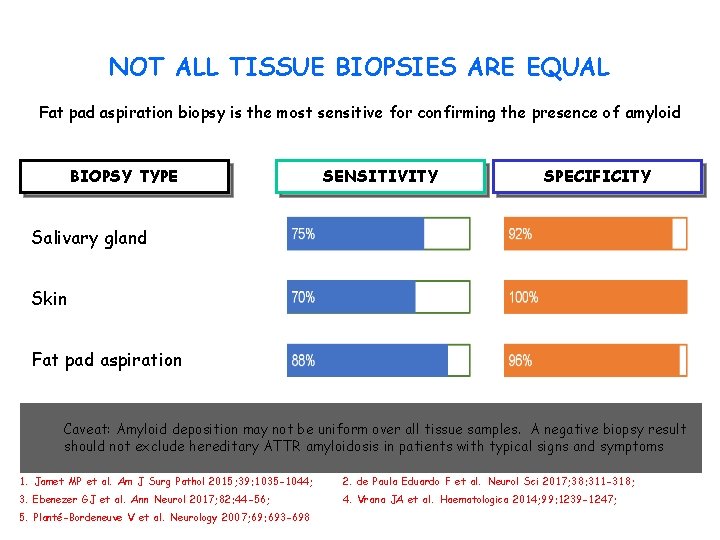
NOT ALL TISSUE BIOPSIES ARE EQUAL Fat pad aspiration biopsy is the most sensitive for confirming the presence of amyloid BIOPSY TYPE SENSITIVITY SPECIFICITY Salivary gland Skin Fat pad aspiration Caveat: Amyloid deposition may not be uniform over all tissue samples. A negative biopsy result should not exclude hereditary ATTR amyloidosis in patients with typical signs and symptoms 1. Jamet MP et al. Am J Surg Pathol 2015; 39: 1035 -1044; 2. de Paula Eduardo F et al. Neurol Sci 2017; 38: 311 -318; 3. Ebenezer GJ et al. Ann Neurol 2017; 82: 44 -56; 4. Vrana JA et al. Haematologica 2014; 99: 1239 -1247; 5. Planté-Bordeneuve V et al. Neurology 2007; 69: 693 -698
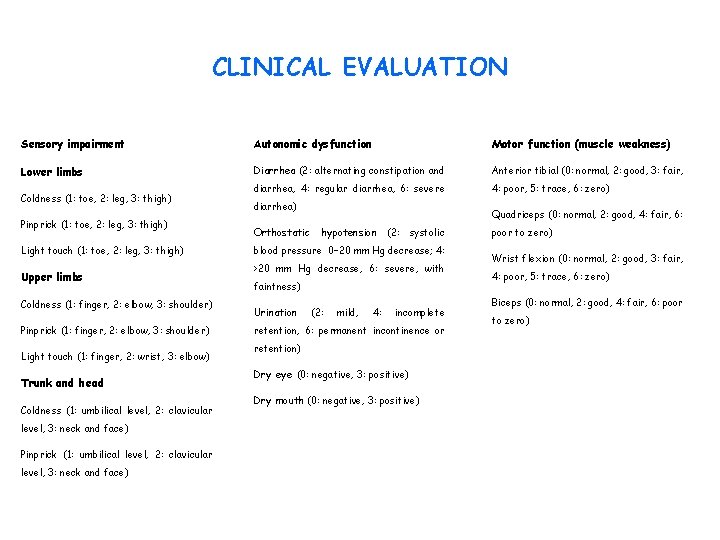
CLINICAL EVALUATION Sensory impairment Autonomic dysfunction Motor function (muscle weakness) Lower limbs Diarrhea (2: alternating constipation and Anterior tibial (0: normal, 2: good, 3: fair, diarrhea, 4: regular diarrhea, 6: severe 4: poor, 5: trace, 6: zero) Coldness (1: toe, 2: leg, 3: thigh) Pinprick (1: toe, 2: leg, 3: thigh) Light touch (1: toe, 2: leg, 3: thigh) Upper limbs Coldness (1: finger, 2: elbow, 3: shoulder) Pinprick (1: finger, 2: elbow, 3: shoulder) Light touch (1: finger, 2: wrist, 3: elbow) Trunk and head Coldness (1: umbilical level, 2: clavicular level, 3: neck and face) Pinprick (1: umbilical level, 2: clavicular level, 3: neck and face) diarrhea) Orthostatic Quadriceps (0: normal, 2: good, 4: fair, 6: hypotension (2: systolic blood pressure 0– 20 mm Hg decrease; 4: >20 mm Hg decrease, 6: severe, with faintness) Urination (2: mild, 4: incomplete retention, 6: permanent incontinence or retention) Dry eye (0: negative, 3: positive) Dry mouth (0: negative, 3: positive) poor to zero) Wrist flexion (0: normal, 2: good, 3: fair, 4: poor, 5: trace, 6: zero) Biceps (0: normal, 2: good, 4: fair, 6: poor to zero)
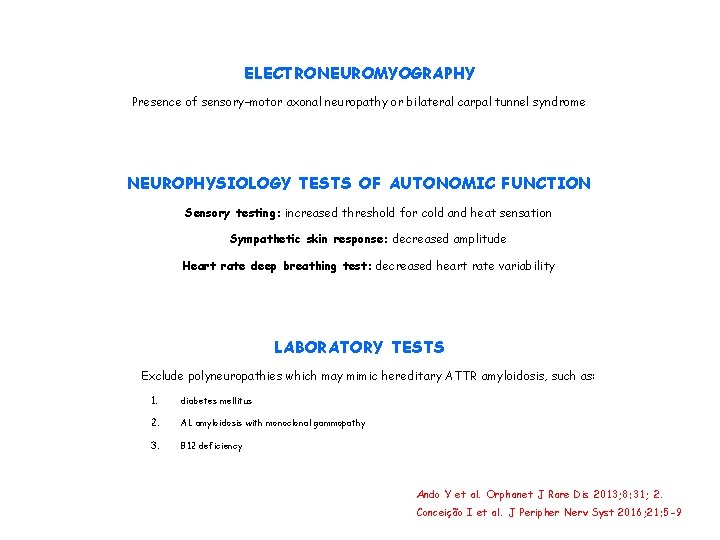
ELECTRONEUROMYOGRAPHY Presence of sensory–motor axonal neuropathy or bilateral carpal tunnel syndrome NEUROPHYSIOLOGY TESTS OF AUTONOMIC FUNCTION Sensory testing: increased threshold for cold and heat sensation Sympathetic skin response: decreased amplitude Heart rate deep breathing test: decreased heart rate variability LABORATORY TESTS Exclude polyneuropathies which may mimic hereditary ATTR amyloidosis, such as: 1. diabetes mellitus 2. AL amyloidosis with monoclonal gammopathy 3. B 12 deficiency Ando Y et al. Orphanet J Rare Dis 2013; 8: 31; 2. Conceição I et al. J Peripher Nerv Syst 2016; 21: 5 -9
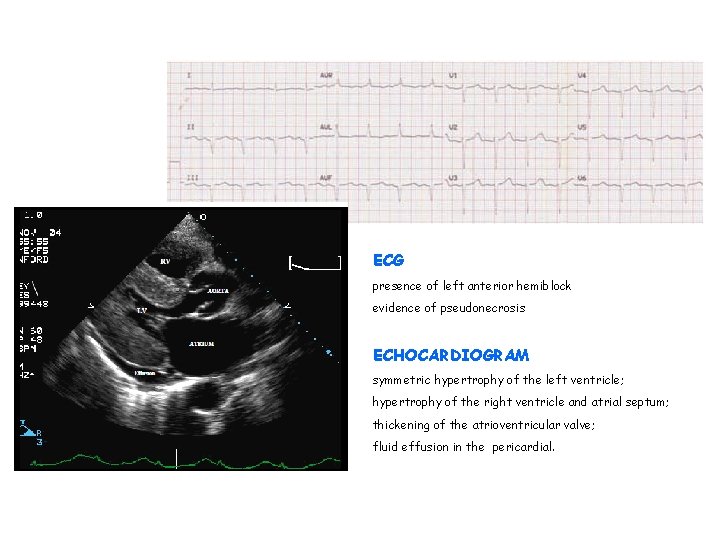
ECG presence of left anterior hemiblock evidence of pseudonecrosis ECHOCARDIOGRAM symmetric hypertrophy of the left ventricle; hypertrophy of the right ventricle and atrial septum; thickening of the atrioventricular valve; fluid effusion in the pericardial.
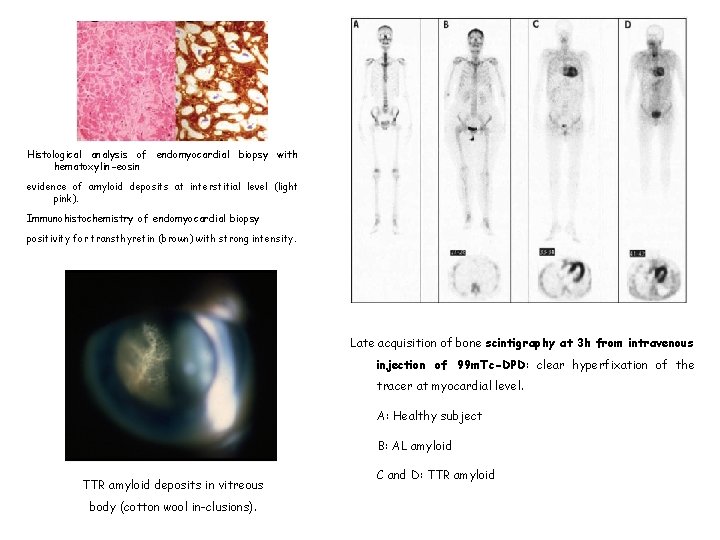
Histological analysis of endomyocardial biopsy with hematoxylin-eosin evidence of amyloid deposits at interstitial level (light pink). Immunohistochemistry of endomyocardial biopsy positivity for transthyretin (brown) with strong intensity. Late acquisition of bone scintigraphy at 3 h from intravenous injection of 99 m. Tc-DPD: clear hyperfixation of the tracer at myocardial level. A: Healthy subject B: AL amyloid TTR amyloid deposits in vitreous body (cotton wool in-clusions). C and D: TTR amyloid
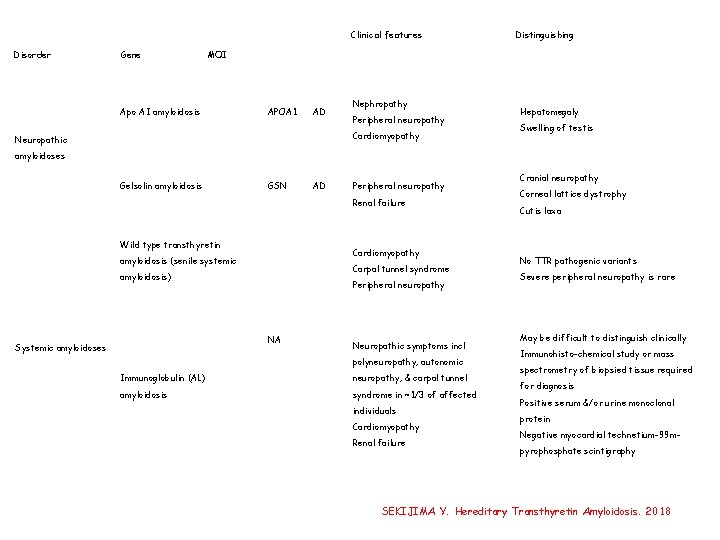
Clinical features Disorder Gene Distinguishing MOI Apo AI amyloidosis APOA 1 AD Nephropathy Peripheral neuropathy Cardiomyopathy Neuropathic Hepatomegaly Swelling of testis amyloidoses Gelsolin amyloidosis GSN AD Peripheral neuropathy Renal failure Wild type transthyretin Cardiomyopathy amyloidosis (senile systemic Carpal tunnel syndrome amyloidosis) Peripheral neuropathy NA Systemic amyloidoses Neuropathic symptoms incl polyneuropathy, autonomic Immunoglobulin (AL) neuropathy, & carpal tunnel amyloidosis syndrome in ~1/3 of affected individuals Cardiomyopathy Renal failure Cranial neuropathy Corneal lattice dystrophy Cutis laxa No TTR pathogenic variants Severe peripheral neuropathy is rare May be difficult to distinguish clinically Immunohisto-chemical study or mass spectrometry of biopsied tissue required for diagnosis Positive serum &/or urine monoclonal protein Negative myocardial technetium-99 mpyrophosphate scintigraphy SEKIJIMA Y. Hereditary Transthyretin Amyloidosis. 2018
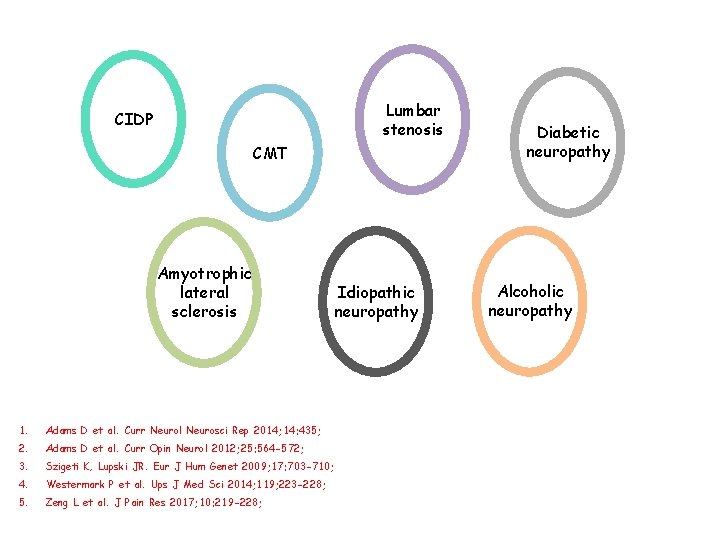
Lumbar stenosis CIDP CMT Amyotrophic lateral sclerosis 1. Adams D et al. Curr Neurol Neurosci Rep 2014; 14: 435; 2. Adams D et al. Curr Opin Neurol 2012; 25: 564 -572; 3. Szigeti K, Lupski JR. Eur J Hum Genet 2009; 17: 703 -710; 4. Westermark P et al. Ups J Med Sci 2014; 119; 223 -228; 5. Zeng L et al. J Pain Res 2017; 10: 219 -228; Idiopathic neuropathy Diabetic neuropathy Alcoholic neuropathy
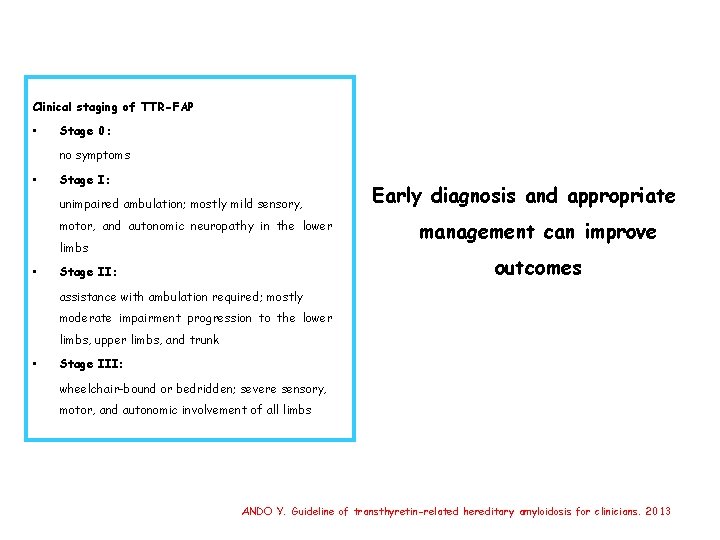
Clinical staging of TTR-FAP • Stage 0: no symptoms • Stage I: unimpaired ambulation; mostly mild sensory, motor, and autonomic neuropathy in the lower limbs • Early diagnosis and appropriate management can improve outcomes Stage II: assistance with ambulation required; mostly moderate impairment progression to the lower limbs, upper limbs, and trunk • Stage III: wheelchair-bound or bedridden; severe sensory, motor, and autonomic involvement of all limbs ANDO Y. Guideline of transthyretin-related hereditary amyloidosis for clinicians. 2013
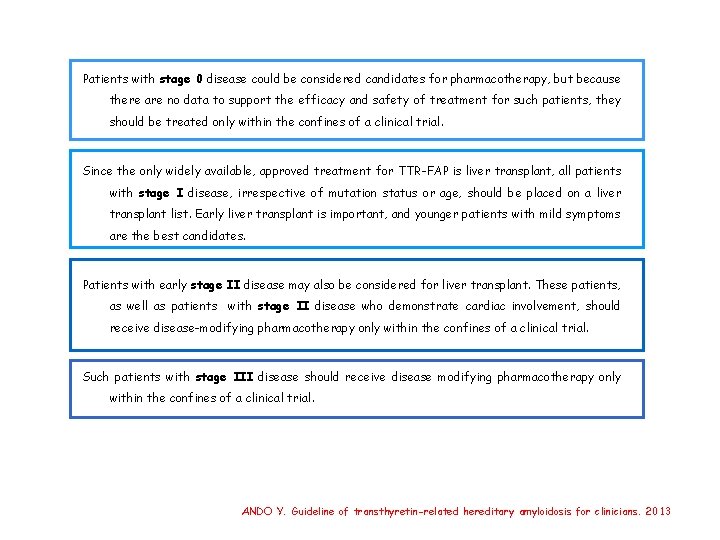
Patients with stage 0 disease could be considered candidates for pharmacotherapy, but because there are no data to support the efficacy and safety of treatment for such patients, they should be treated only within the confines of a clinical trial. Since the only widely available, approved treatment for TTR-FAP is liver transplant, all patients with stage I disease, irrespective of mutation status or age, should be placed on a liver transplant list. Early liver transplant is important, and younger patients with mild symptoms are the best candidates. Patients with early stage II disease may also be considered for liver transplant. These patients, as well as patients with stage II disease who demonstrate cardiac involvement, should receive disease-modifying pharmacotherapy only within the confines of a clinical trial. Such patients with stage III disease should receive disease modifying pharmacotherapy only within the confines of a clinical trial. ANDO Y. Guideline of transthyretin-related hereditary amyloidosis for clinicians. 2013
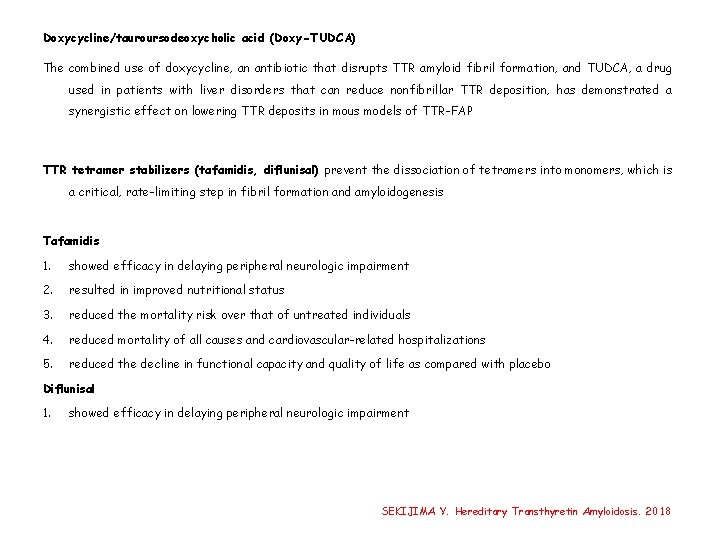
Doxycycline/tauroursodeoxycholic acid (Doxy-TUDCA) The combined use of doxycycline, an antibiotic that disrupts TTR amyloid fibril formation, and TUDCA, a drug used in patients with liver disorders that can reduce nonfibrillar TTR deposition, has demonstrated a synergistic effect on lowering TTR deposits in mous models of TTR-FAP TTR tetramer stabilizers (tafamidis, diflunisal) prevent the dissociation of tetramers into monomers, which is a critical, rate-limiting step in fibril formation and amyloidogenesis Tafamidis 1. showed efficacy in delaying peripheral neurologic impairment 2. resulted in improved nutritional status 3. reduced the mortality risk over that of untreated individuals 4. reduced mortality of all causes and cardiovascular-related hospitalizations 5. reduced the decline in functional capacity and quality of life as compared with placebo Diflunisal 1. showed efficacy in delaying peripheral neurologic impairment SEKIJIMA Y. Hereditary Transthyretin Amyloidosis. 2018
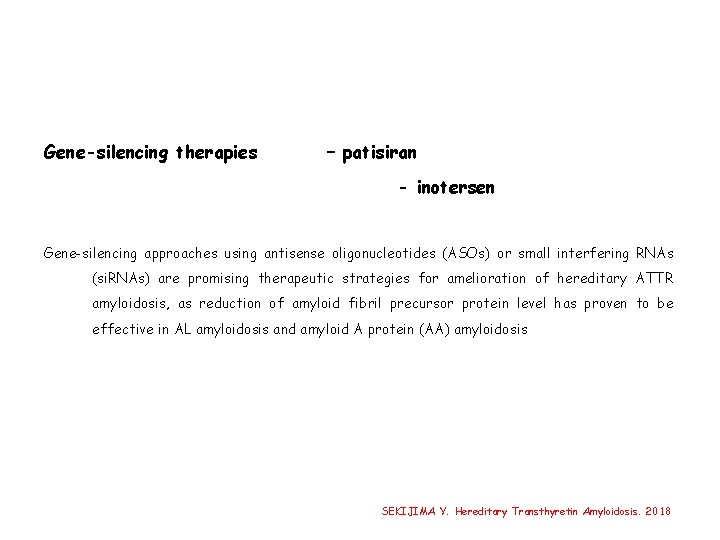
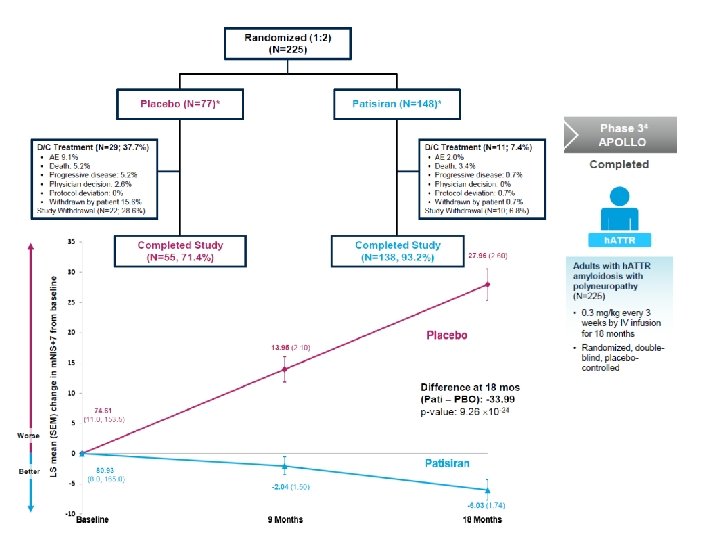
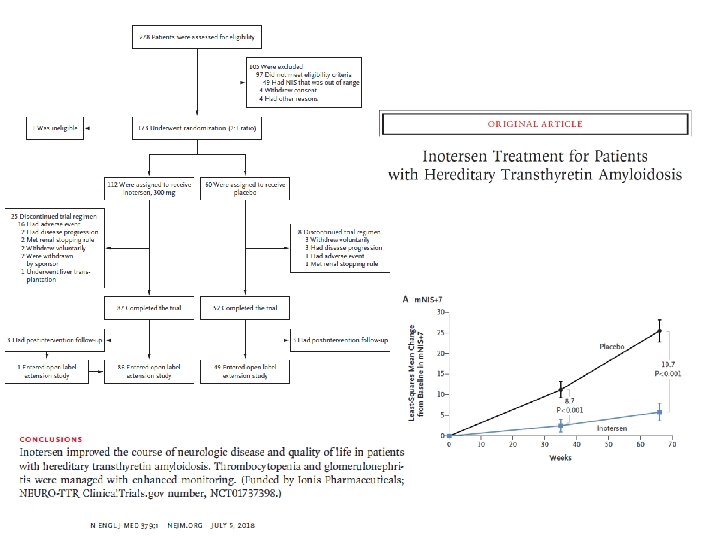
Gene-silencing therapies – patisiran - inotersen Gene-silencing approaches using antisense oligonucleotides (ASOs) or small interfering RNAs (si. RNAs) are promising therapeutic strategies for amelioration of hereditary ATTR amyloidosis, as reduction of amyloid fibril precursor protein level has proven to be effective in AL amyloidosis and amyloid A protein (AA) amyloidosis SEKIJIMA Y. Hereditary Transthyretin Amyloidosis. 2018
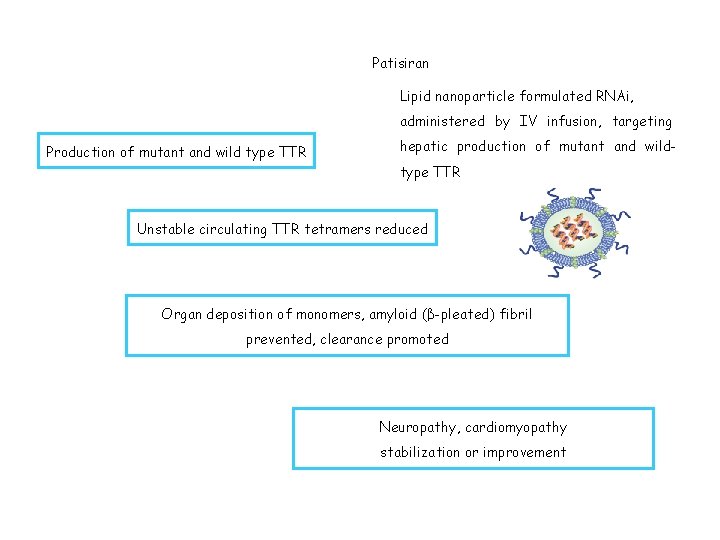
Patisiran Lipid nanoparticle formulated RNAi, administered by IV infusion, targeting Production of mutant and wild type TTR hepatic production of mutant and wildtype TTR Unstable circulating TTR tetramers reduced Organ deposition of monomers, amyloid (β-pleated) fibril prevented, clearance promoted Neuropathy, cardiomyopathy stabilization or improvement
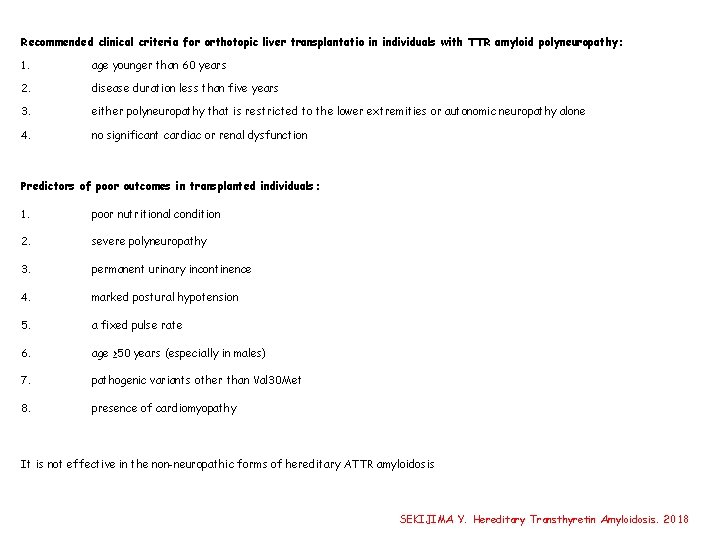
Recommended clinical criteria for orthotopic liver transplantatio in individuals with TTR amyloid polyneuropathy: 1. age younger than 60 years 2. disease duration less than five years 3. either polyneuropathy that is restricted to the lower extremities or autonomic neuropathy alone 4. no significant cardiac or renal dysfunction Predictors of poor outcomes in transplanted individuals: 1. poor nutritional condition 2. severe polyneuropathy 3. permanent urinary incontinence 4. marked postural hypotension 5. a fixed pulse rate 6. age ≥ 50 years (especially in males) 7. pathogenic variants other than Val 30 Met 8. presence of cardiomyopathy It is not effective in the non-neuropathic forms of hereditary ATTR amyloidosis SEKIJIMA Y. Hereditary Transthyretin Amyloidosis. 2018
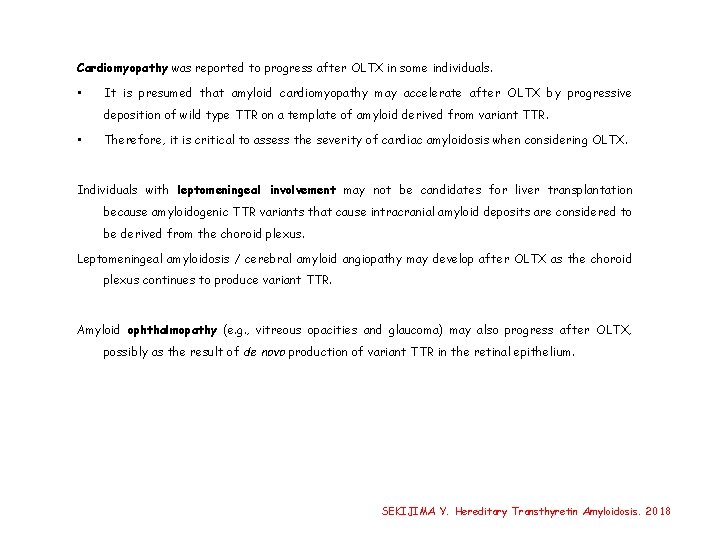
Cardiomyopathy was reported to progress after OLTX in some individuals. • It is presumed that amyloid cardiomyopathy may accelerate after OLTX by progressive deposition of wild type TTR on a template of amyloid derived from variant TTR. • Therefore, it is critical to assess the severity of cardiac amyloidosis when considering OLTX. Individuals with leptomeningeal involvement may not be candidates for liver transplantation because amyloidogenic TTR variants that cause intracranial amyloid deposits are considered to be derived from the choroid plexus. Leptomeningeal amyloidosis / cerebral amyloid angiopathy may develop after OLTX as the choroid plexus continues to produce variant TTR. Amyloid ophthalmopathy (e. g. , vitreous opacities and glaucoma) may also progress after OLTX, possibly as the result of de novo production of variant TTR in the retinal epithelium. SEKIJIMA Y. Hereditary Transthyretin Amyloidosis. 2018
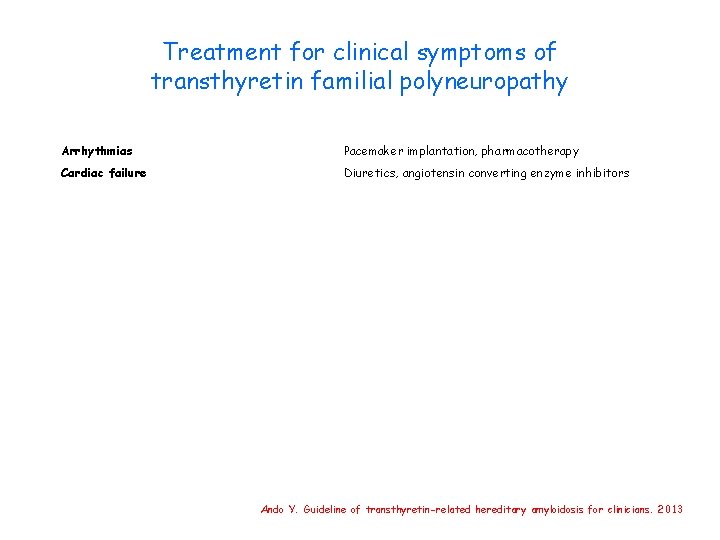
Treatment for clinical symptoms of transthyretin familial polyneuropathy Arrhythmias Pacemaker implantation, pharmacotherapy Cardiac failure Diuretics, angiotensin converting enzyme inhibitors Ando Y. Guideline of transthyretin-related hereditary amyloidosis for clinicians. 2013