
Criminalistics An Introduction to Forensic Science General Forensic
- Slides: 24
Criminalistics An Introduction to Forensic Science
General • Forensic science – broadest sense is application of science to law • As law enforcement agencies have expanded patrol/investigative functions to stem crime, looked to scientific community for advice and support • Science’s role relates to its ability to supply accurate & objective information reflecting events that have occurred at a crime
Interchangeable terms • Forensic Science – is the application of science to those criminal and civil laws that are enforced by police agencies in a criminal justice system • Criminalistics –better description for the services of a crime laboratory • Two terms can be used interchangeably
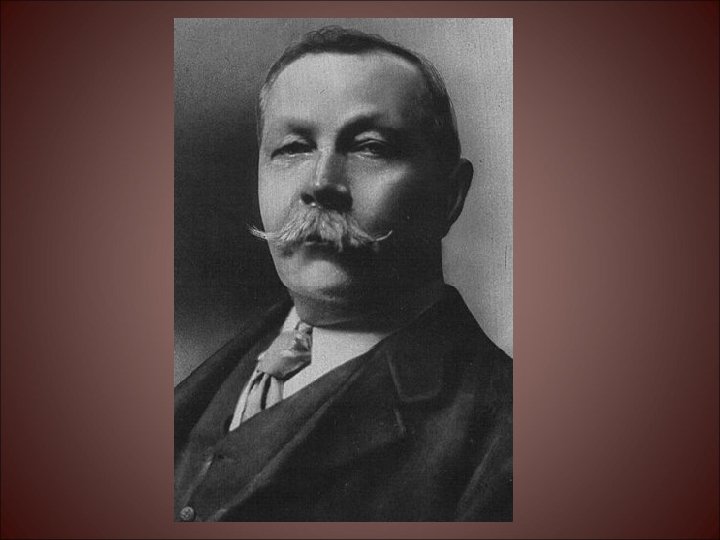
History and Development of Forensic Science • Sir Arthur Conan Doyle popularized scientific crime-detection methods through Sherlock Holmes • Sherlock Holmes applied the newly developing principles of serology (topics relating to blood), fingerprinting, firearm ID, questioned document examination
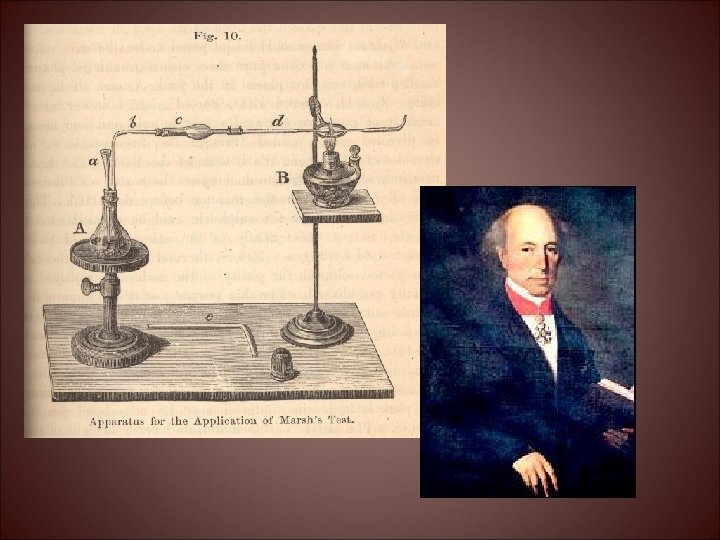
Mathieu Orfila (1787 -1853) • “Father of Toxicology” • Worked to make chemical analysis a routine part of forensic medicine • Studied asphyxiation, decomposition of bodies, and exhumation • Create tests for presence of blood • 1 st the use the microscope to assess blood and semen stains
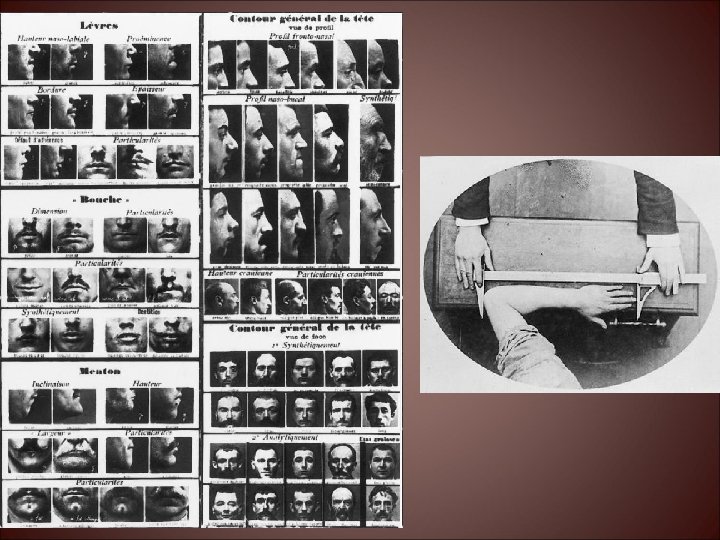
Allphonse Bertillon (1853 -1914) • He was a forensic criminologist and anthropologist • Created system of physical measurements, photography, and record keeping • ID body by measurements of head, body, shape of facial features, tattoos, scars, etc • Difficult to maintain consistency
Bertillon, cont • Created methods of photographing crime scenes and evidence, implemented metric grids • Worked to develop other techniques – handwriting analysis, create compounds to preserve footprints and impressions, ballistics
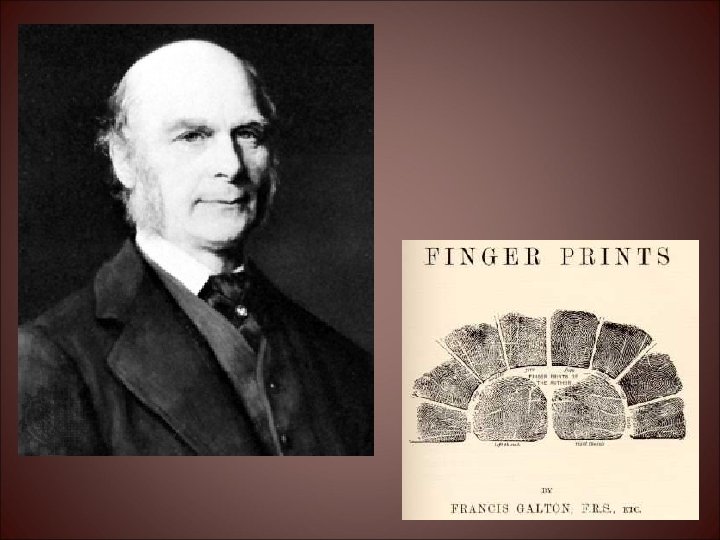
Francis Galton (1822 -1911) • 1 st definitive study of fingerprints & developed a methodology of classifying them for filing. • Collected large sample of fingerprints, studied them to get a basis for good comparison • Wrote a book about fingerprinting comparisons and gave statistical proof
Leone Lattes (1887 -1954) • Originally Dr. Karl Landsteiner discovered blood can be grouped into different categories • Lattes developed simple procedure for determining blood “group” of dried blood • This information was then applied to criminal investigations
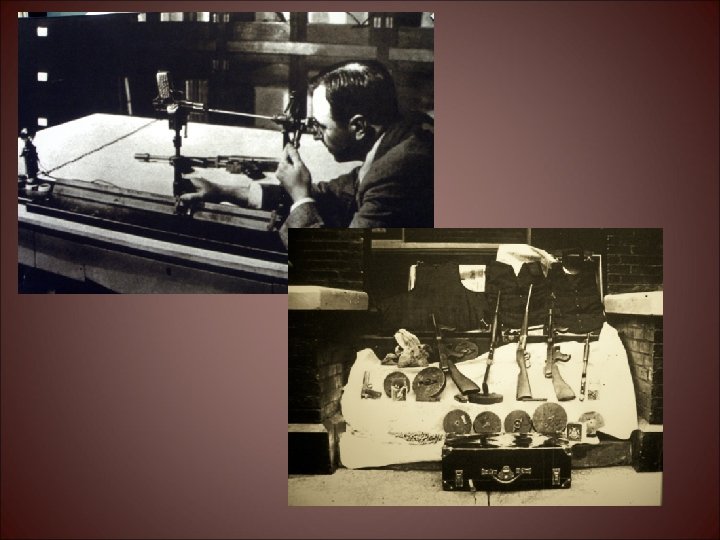
Calvin Goddard (1891 -1955) • U. S. Army colonel • Refined techniques in bullet analysis by using comparison microscope • Side-by-side analysis of test-fired bullet from suspected weapon and ones recovered from crime scene
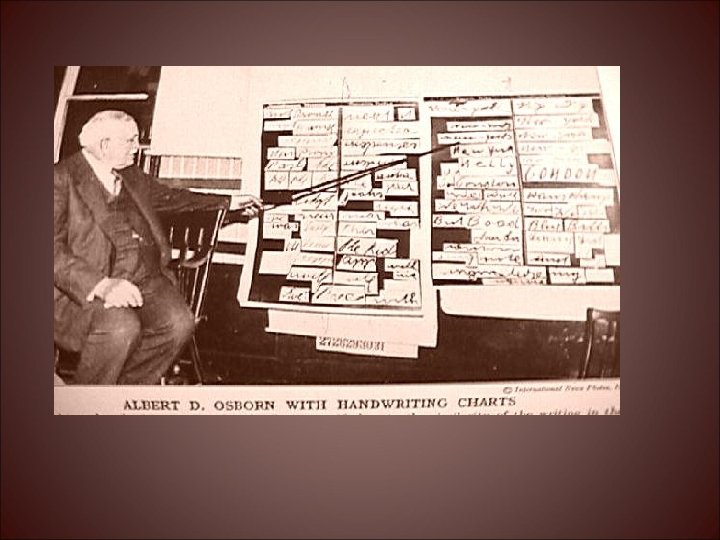
Albert Osborn (1858 -19446) • Looked into forgery detection • Courts began to accept presentation of forged documents as scientific evidence
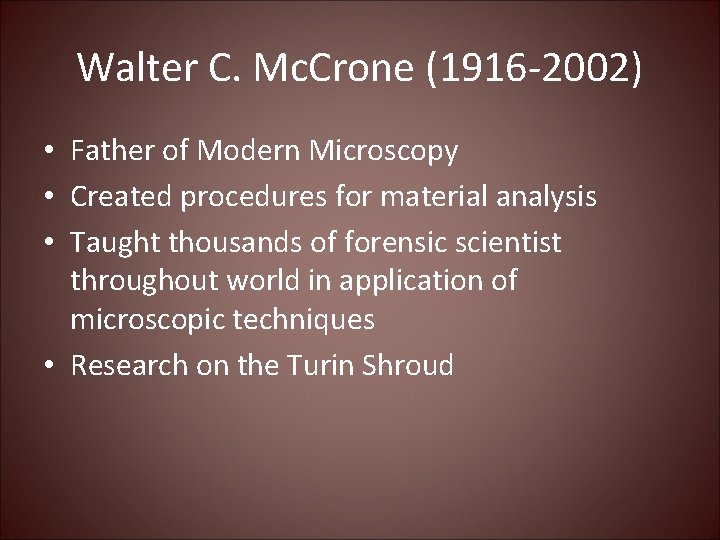
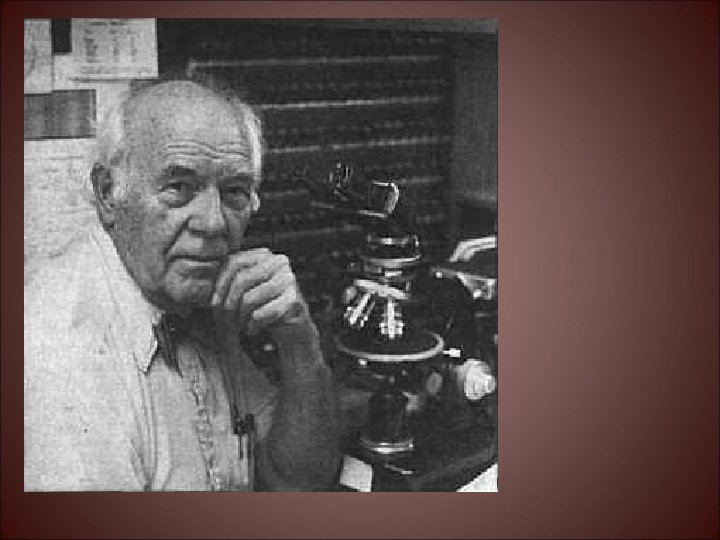
Walter C. Mc. Crone (1916 -2002) • Father of Modern Microscopy • Created procedures for material analysis • Taught thousands of forensic scientist throughout world in application of microscopic techniques • Research on the Turin Shroud
Hans Gross (1847 -1915) • Coined term “criminalistics” • Created a handbook for criminalistics, police officials, magistrates, and integrated everything into one field
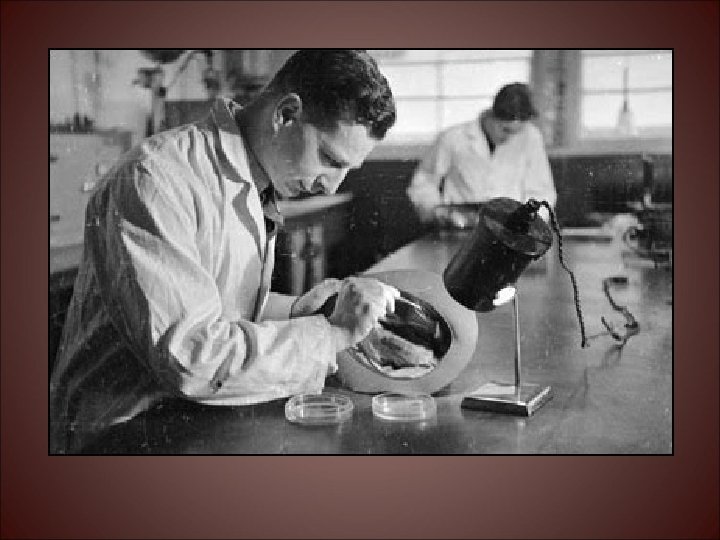
Edmond Locard (1877 -1966) • Expanded upon Gross’s fingerprint principles and demonstrated how used in crime lab • He came up with the fingerprint “match” principles – 12 concurring points and the print is sharp = certainty – Statistical evidence • Locard’s exchange principle = there is an exchange of material whenever something is touched
You’re the Scientist… • Role – You are one of the historical figures in forensic science. Basing your choice on the information in the power-point slides • Audience – A family member. Could be parent, grandparent, sister, brother, etc • Format – A letter. Since these scientists were around long before email! • Topic – Boast to the family member how you are your expertise help the police solve a case
Here’s how you’ll be graded • Must use the correct format and address the correct audience (5 pts) • As you are bragging to the family member about helping solve the case, elaborate on the case. What was the crime? How did you help? Any specific details you can include? (25 pts)