
Creative Compensation and Total Rewards Tools to Attract

- Slides: 31
Creative Compensation and Total Rewards Tools to Attract and Retain Employees From Different Generations Michael F. Maciekowich National Director Astron Solutions, LLC New York, New York 800 -520 -3889 Ext. 2 michaelm@astronsolutions. com www. astronsolutions. com
There Are Better Ways…. Maybe……………
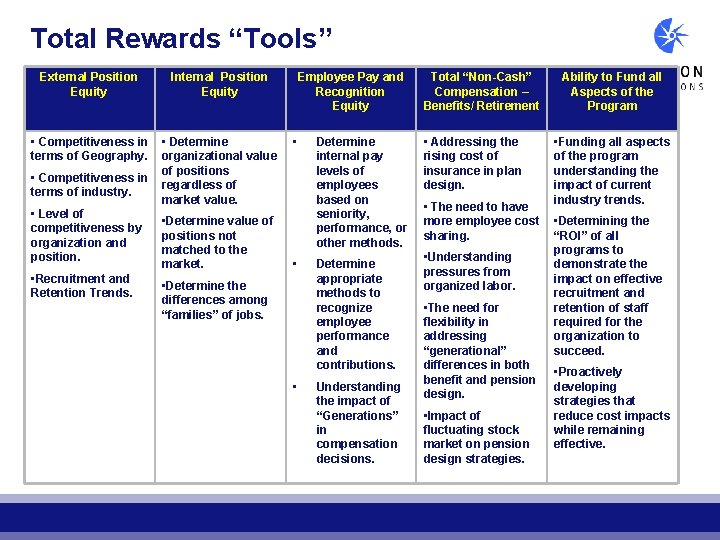
Total Rewards “Tools” External Position Equity Internal Position Equity • Competitiveness in terms of Geography. • Determine organizational value of positions regardless of market value. • Competitiveness in terms of industry. • Level of competitiveness by organization and position. • Recruitment and Retention Trends. • Determine value of positions not matched to the market. Employee Pay and Recognition Equity • • • Determine the differences among “families” of jobs. • Determine internal pay levels of employees based on seniority, performance, or other methods. Determine appropriate methods to recognize employee performance and contributions. Understanding the impact of “Generations” in compensation decisions. Total “Non-Cash” Compensation – Benefits/ Retirement • Addressing the rising cost of insurance in plan design. • The need to have more employee cost sharing. • Understanding pressures from organized labor. • The need for flexibility in addressing “generational” differences in both benefit and pension design. • Impact of fluctuating stock market on pension design strategies. Ability to Fund all Aspects of the Program • Funding all aspects of the program understanding the impact of current industry trends. • Determining the “ROI” of all programs to demonstrate the impact on effective recruitment and retention of staff required for the organization to succeed. • Proactively developing strategies that reduce cost impacts while remaining effective.
Introduction
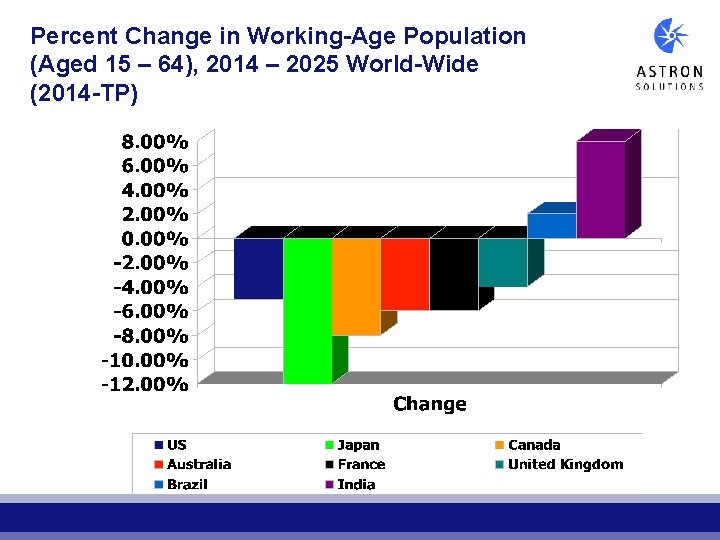
Percent Change in Working-Age Population (Aged 15 – 64), 2014 – 2025 World-Wide (2014 -TP)
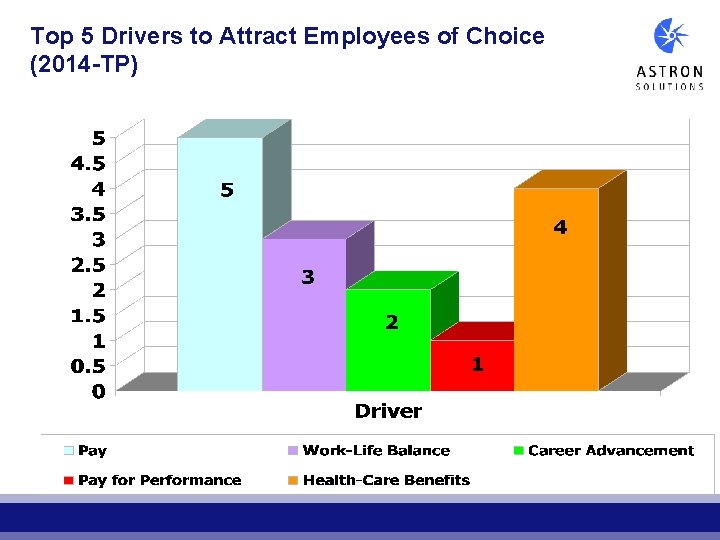
Top 5 Drivers to Attract Employees of Choice (2014 -TP)
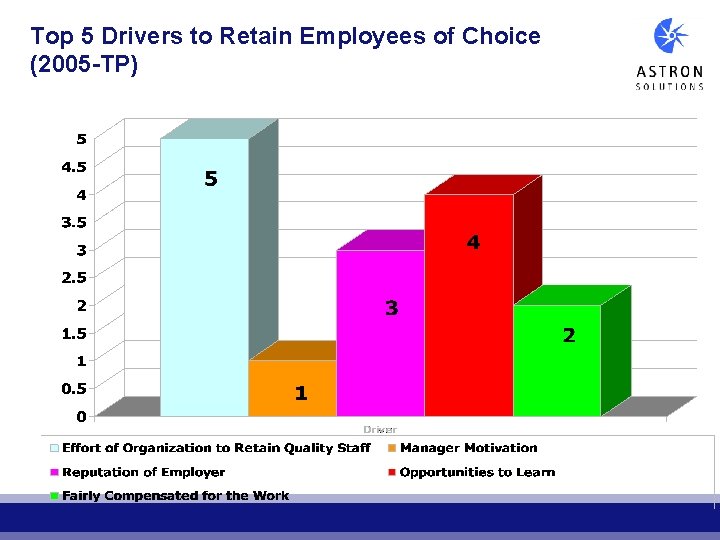
Top 5 Drivers to Retain Employees of Choice (2005 -TP)
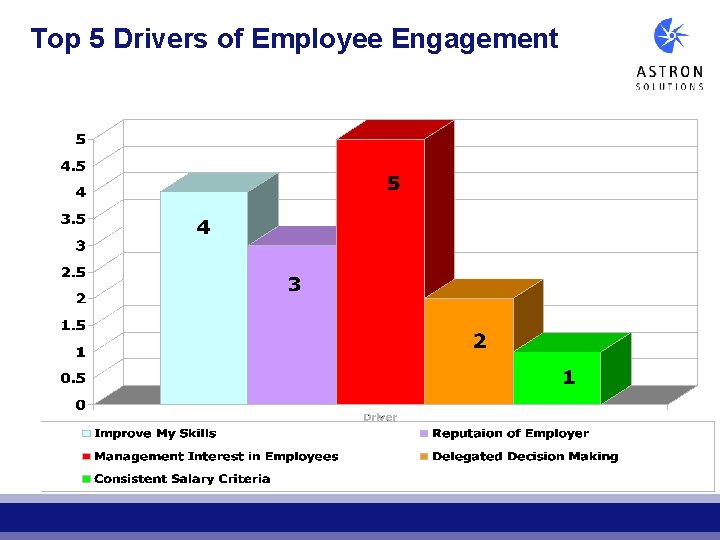
Top 5 Drivers of Employee Engagement
Balanced Scorecard Compensation Linking Employee and Organization Success Case Study
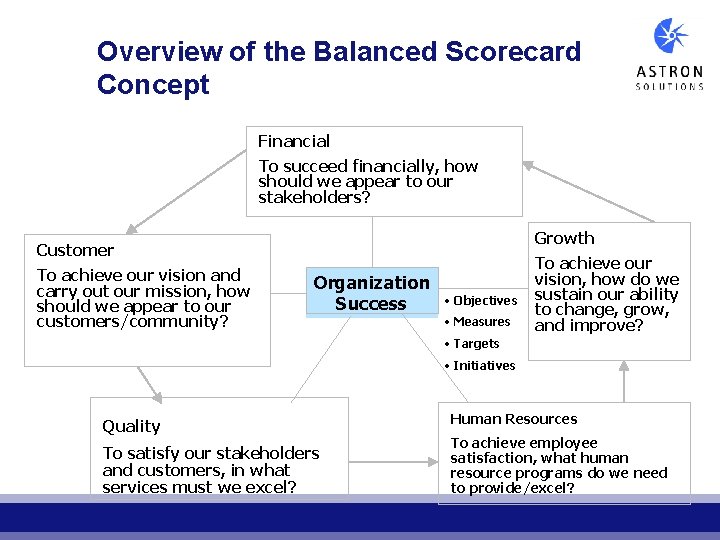
Overview of the Balanced Scorecard Concept Financial To succeed financially, how should we appear to our stakeholders? Growth Customer To achieve our vision and carry out our mission, how should we appear to our customers/community? Organization Success • Objectives • Measures To achieve our vision, how do we sustain our ability to change, grow, and improve? • Targets • Initiatives Quality To satisfy our stakeholders and customers, in what services must we excel? Human Resources To achieve employee satisfaction, what human resource programs do we need to provide/excel?
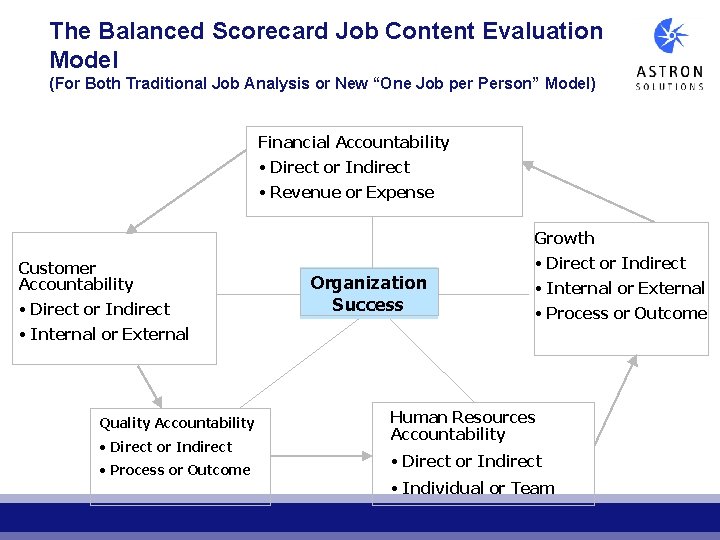
The Balanced Scorecard Job Content Evaluation Model (For Both Traditional Job Analysis or New “One Job per Person” Model) Financial Accountability • Direct or Indirect • Revenue or Expense Growth Customer Accountability • Direct or Indirect Organization Success • Direct or Indirect • Internal or External • Process or Outcome • Internal or External Quality Accountability • Direct or Indirect • Process or Outcome Human Resources Accountability • Direct or Indirect • Individual or Team
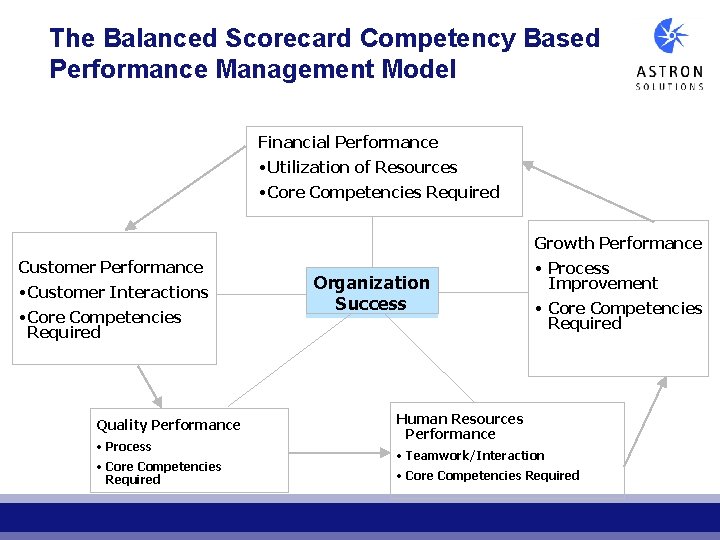
The Balanced Scorecard Competency Based Performance Management Model Financial Performance • Utilization of Resources • Core Competencies Required Growth Performance Customer Performance • Customer Interactions • Core Competencies Required Quality Performance • Process • Core Competencies Required Organization Success • Process Improvement • Core Competencies Required Human Resources Performance • Teamwork/Interaction • Core Competencies Required
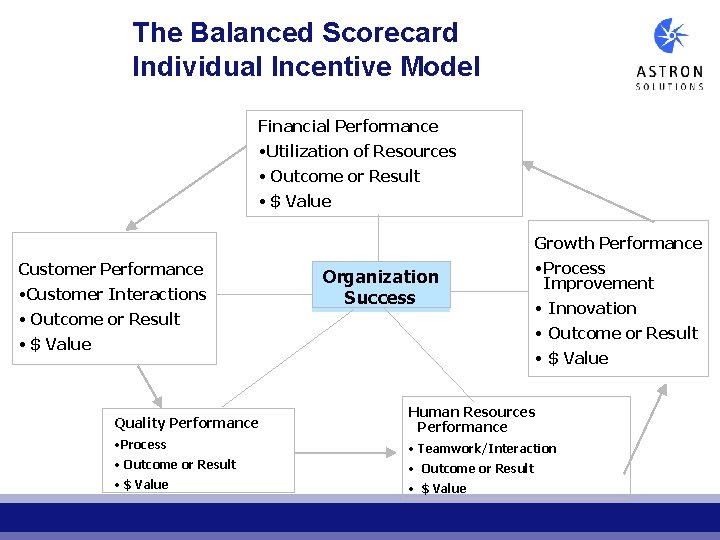
The Balanced Scorecard Individual Incentive Model Financial Performance • Utilization of Resources • Outcome or Result • $ Value Growth Performance Customer Performance • Customer Interactions Organization Success • Outcome or Result • Process Improvement • Innovation • Outcome or Result • $ Value Quality Performance Human Resources Performance • Process • Teamwork/Interaction • Outcome or Result • $ Value
Total Rewards “Tools” for the Generations
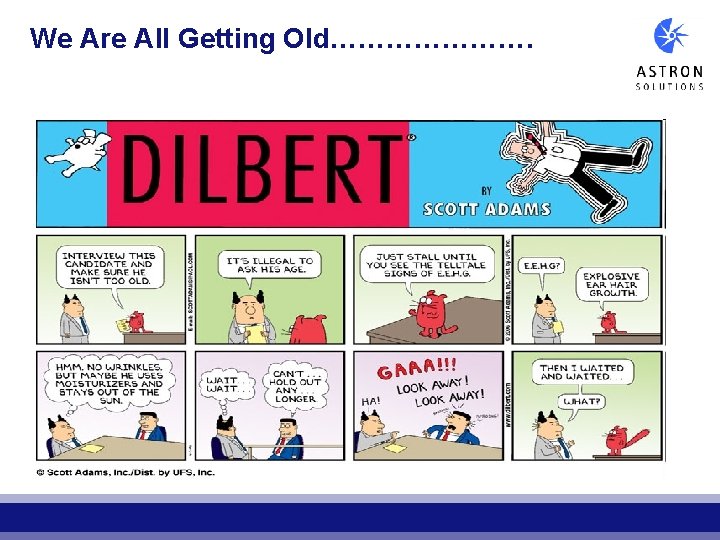
We Are All Getting Old………………….
Overview VETERANS (born between 1909 and 1945) – Have a sense of accomplishment and strong sense of self – Are motivated by their pride in knowing what they can accomplish – Act to take charge, make decisions and delegate responsibility – Operate in a command-control decision-making system – may translate to others as “having all the answers” BOOMERS (born 1945 – 1965) – Get involved because it is the right thing to do, because one should give back to their community – Hold a strong sense of hope – Value tradition, teamwork and loyalty – Have time to give to volunteer, as many women stayed home to raise a family
Overview GENERATION X (born 1965 – 1980) – Drawn to opportunities that offer them opportunities to learn, enjoy, and be recognized – Have been described as tough to motivate, too expectant, lazy, skeptics and loners – Describe themselves as caring, committed and seeking opportunities for learning and leadership – Value frequent feedback on their performance, recognition, increased responsibility and exposure to decision-makers – Attracting and retaining these members will depend upon an organization’s ability to be flexible, adaptive and responsive to their needs.
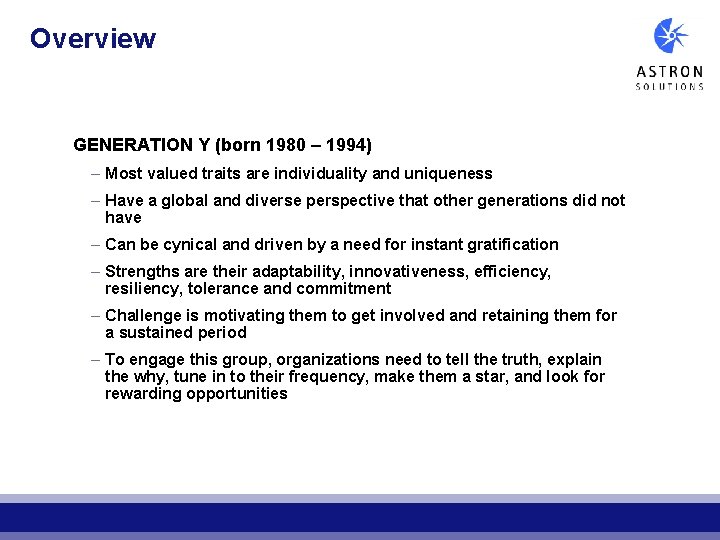
Overview GENERATION Y (born 1980 – 1994) – Most valued traits are individuality and uniqueness – Have a global and diverse perspective that other generations did not have – Can be cynical and driven by a need for instant gratification – Strengths are their adaptability, innovativeness, efficiency, resiliency, tolerance and commitment – Challenge is motivating them to get involved and retaining them for a sustained period – To engage this group, organizations need to tell the truth, explain the why, tune in to their frequency, make them a star, and look for rewarding opportunities
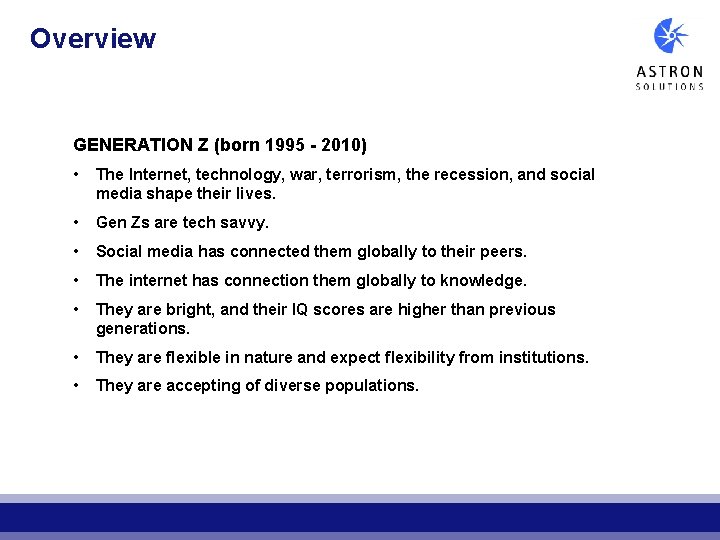
Overview GENERATION Z (born 1995 - 2010) • The Internet, technology, war, terrorism, the recession, and social media shape their lives. • Gen Zs are tech savvy. • Social media has connected them globally to their peers. • The internet has connection them globally to knowledge. • They are bright, and their IQ scores are higher than previous generations. • They are flexible in nature and expect flexibility from institutions. • They are accepting of diverse populations.
Case Study City of Claremont, California
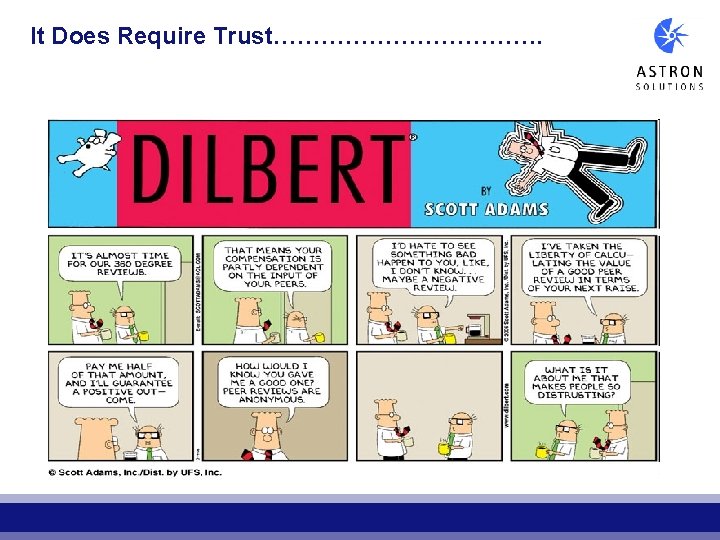
It Does Require Trust……………….
Issues Faced • Dramatic increase in retirements with in the next 5 years. Serious loss of talent with no plans to capture the experience and pass on to the younger generation. • More and more long term employees reaching the maximum of their pay range with increased work place dissatisfaction. • Increased competition from the for profit sector on current talent and in ability to attract talent required. • In ability to attract and retain younger staff.
Boomer Programs 80 -hour Longevity Leave Bonus—A Sabbatical – A one-time, 80 -hour longevity leave bonus is given on the date of the employee’s 10 th anniversary and every five years thereafter. The sabbatical was once awarded at the 15 th year but was moved to the 10 th to give employees something to focus on sooner. Moving the sabbatical to the 10 th year also allows employees to refresh and refocus earlier. Employees are encouraged to take longevity leave in conjunction with vacation time to make for a month-long “mini-sabbatical. ” Increased Vacation – Beginning with the 14 th year of service, another 40 hours of vacation are awarded to employees, bringing total vacation hours to 160 hours per year. Deferred-Compensation Incentive Match. – This program was established to provide tenure and savings incentives for employees. Beginning with an employee’s third consecutive year of service, the city will match up to 1 percent of base pay, payable into the deferredcompensation account. This percentage increases to 2 percent at the beginning of a person’s fifth year, 3 percent at the beginning of the sixth year, 4 percent at the beginning of the eighth year, and up to 5 percent at the beginning of the 10 th year. The employee’s match may come from any excess health benefit.
Boomer Programs Fitness Benefit – The city will reimburse up to $200 per year ($1, 200 for management employees) toward the cost of a fitness/exercise or health-related program. Studies consistently show that a healthy workforce is happier and more productive. To qualify, employees must be enrolled in an exercise program on a regular basis and/or be involved in a program to increase health. efforts. The average sickleave use citywide is fewer than 40 hours per year. Some-time Worker Program – A program that will allow recently retired baby boomers to return to work to serve as consultants, laborers, recreation leaders, or reserve police officers within Cal. PERS system guidelines. This program will allow retired employees to work part-time with the organization and continue to be recognized for their expertise while providing value to the organization. It allows the city to retain the expertise rapidly being lost by the retirement of experienced workers and to use these experienced workers to continue to train and mentor younger workers.
Gen X & Y Programs Employee Leadership Academy – The city partnered with the nationally recognized Kravis Leadership Institute of Claremont Mc. Kenna College to offer a nine-month seminar focused on leadership development. Seminar participants are 15 nonmanagement employees. The curriculum includes guest speakers, readings, exercises, and assessments. The goals of the seminar are to provide employees with experiences their current job assignment may not offer, and to develop these employees so they might become managers in the organization sooner than they would in other organizations. Mentoring and Access. – The department heads and city manager are readily accessible to all employees for discussions about careers and professional development. Our organization’s culture strongly encourages the mentoring of employees, if they so desire. It is common for managers to take younger employees with them to professional workshops and conferences, high-level meetings, and community events. Our door is always open to all employees. We enjoy hearing of their professional goals and are committed to ensuring that earnest employees are able to achieve them.
Gen X & Y Programs A Chance Behind the Wheel – Part of our culture involves giving younger employees experiences that they probably wouldn’t have in other organizations. Interns and administrative aides are given opportunities to make presentations before the city council. Management analysts chair citywide task forces. When the youngest was appointed as the city’s budget officer at the age of 27, he had only four years of full-time experience, but he was given the task of putting together and “selling” the city’s $42 million budget. The finance manager/city treasurer was appointed at the age of 31. Our experience has been that, when high expectations are set, these employees are able to deliver. Recognition and Incentive Bonuses. – The bonus program includes three levels of recognition, which can be instantly awarded to employees who exceed expectations in their work assignments. The gift-certificate recognition program awards a $25 gift card to employees who go above and beyond the call of duty on a particular assignment. – Employees can nominate each other for a cash bonus of up to $700 for an employee’s performance of an outstanding action not expected for his or her skill level; for outstanding one-time actions; for extraordinary courage, diligence, empathy, and patience; or for a commitment of an employee’s own time. Department heads must approve these bonuses. – The final level of recognition, the City Manager’s Award of Excellence, is a $1, 000 cash award presented by the city manager for exceptional performance on a project of great significance to the council and community.
Gen X & Y Programs Recruiting in the 21 st-century Process. – Through discussions with younger employees, we have found that the traditional three-month-long government hiring process consisting of tests, multiple oral boards, interviews, and eligibility lists detracts from the younger generation’s interest in public service. Gen Xers and Yers expect to apply for a job and to be hired within two weeks, in a process similar to that found in the private sector. – We have streamlined the recruitment process by tightening the notification and application period and promptly scheduling interviews. We now are able to hire employees within three weeks of the recruitment closing date. In some cases, for specialized positions, we encourage employees to recruit colleagues directly from other communities. In this situation, individuals are invited to interview with the city. If they accept, the assistant city manager and other members of the management team interview them. If these candidates are a “fit, ” they are hired immediately. This streamlined process is extremely appealing to younger workers.
Gen X & Y Programs Three Weeks of Vacation Granted After One Year of Service – During the first year of service, employees receive 96 hours of vacation. As an immediate reward for beginning the second year, the employees’ vacation amount is increased to 120 hours. Comprehensive Intranet Site – The organization is making every effort to create an innovative, effective, user-friendly technology infrastructure. In addition to making portable electronic devices and laptop computers available throughout the organization, we have developed an extensive intranet site. The site includes all staff reports, minutes, agendas, administrative policies, codes, and ordinances. It also interacts with the GIS system and includes department-specific sites. A Bulletin Board is Available for Employees to Post Information – The site is important because it allows all employees access to information, regardless of their positions, and gives them the opportunity to see and comment on what is going on in the organization.
Gen X & Y Programs Conversion of Administrative Leave into Cash – To encourage the use of administrative leave, management employees have the option to “cash out” 40 of their 80 hours of administrative leave each December, provided they’ve taken the other 40 hours off during the calendar year. This program encourages the use of leave time and allows the flexibility to each employee to receive additional cash compensation or time off at his or her discretion. Conversion of our Health-Benefit Cafeteria Plan into a 457 Deferred-Compensation Account – Employees receive $878 per month for health coverage. The cafeteria plan covers medical, dental, and vision coverage, along with expanded life insurance. Unlike some plans, our program allows employees to place any unused amount in their deferred-compensation plan. This option is popular with younger employees, who may not have families yet and therefore might normally be able to use the entire amount.
Gen X & Y Programs Alternative Work Schedule – Depending on the area of assignment, employees, with approval from their supervisors, may schedule an alternate workweek that works best for their personal and family needs. The city does not have an established alternative workweek applicable to all employees. Telecommuting – Working from home, as needed, is acceptable if arranged with an employee’s supervisor. Laptop computers are available for employees to check out, and dial-up access aids employees in connecting to the city’s network from home. Home Computer Program – Once a year, Claremont offers employees the chance to buy a desktop, laptop, or tablet computer system through an interest-free, two-year loan program. Computers are ordered through the city’s technology division and conform to the city’s technical specifications; this facilitates telecommuting and connection to the city’s network. Having a comparable system at their residence allows employees to work effectively at home, assisting them with maintenance of their personalprofessional balance. Payments are automatically deducted biweekly from an employee’s paycheck.
QUESTIONS?