
Creating an Inclusive Classroom Enhancing Student and Faculty

- Slides: 13
Creating an Inclusive Classroom: Enhancing Student and Faculty Comfort to Facilitate Learning Laura M. Frey, Ph. D, LMFT Jennifer S. Middleton, Ph. D, LCSW Kent School of Social Work University of Louisville February 10, 2017
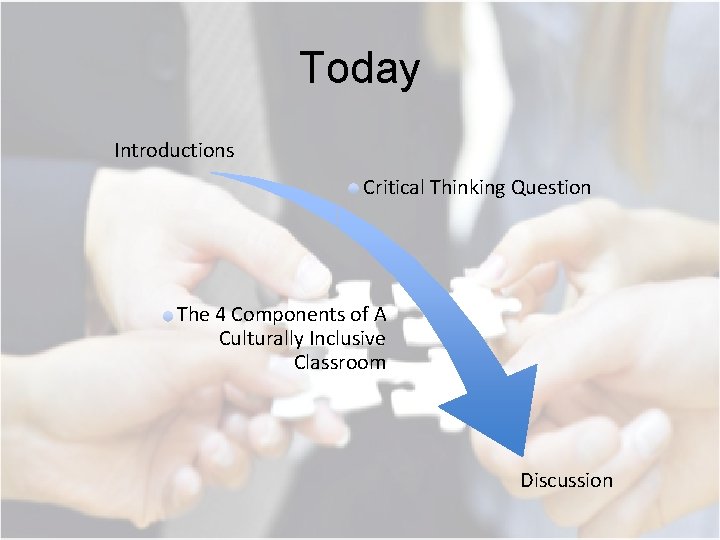
Today Introductions Critical Thinking Question The 4 Components of A Culturally Inclusive Classroom Discussion
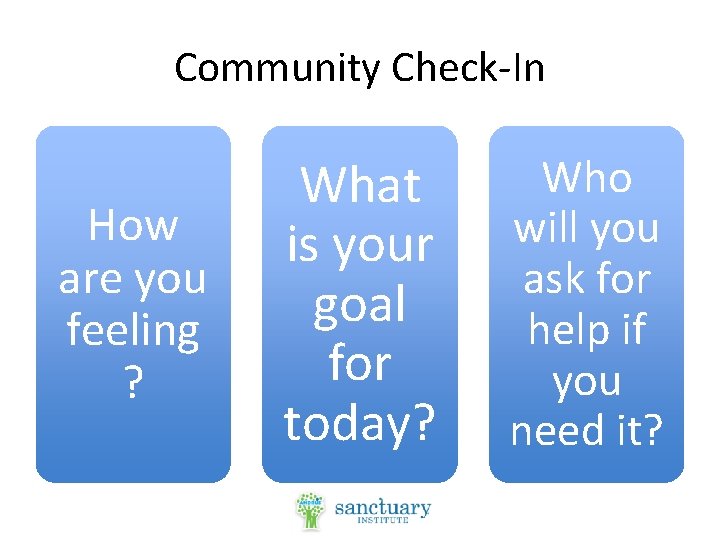
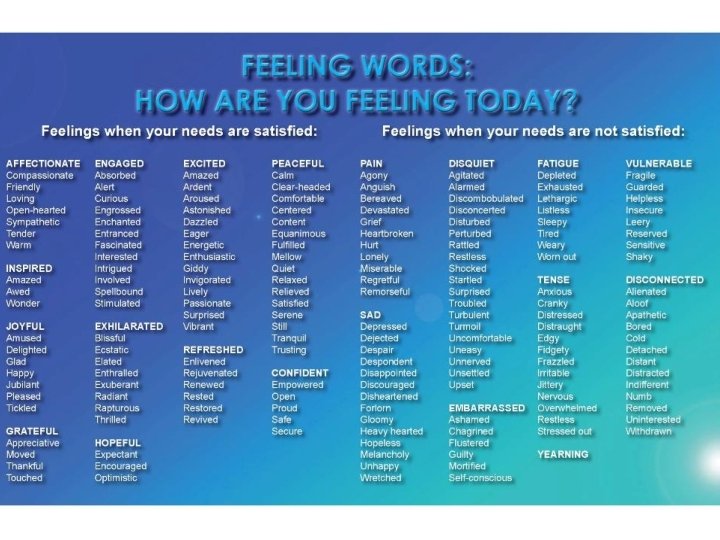
Community Check-In How are you feeling ? What is your goal for today? Who will you ask for help if you need it?
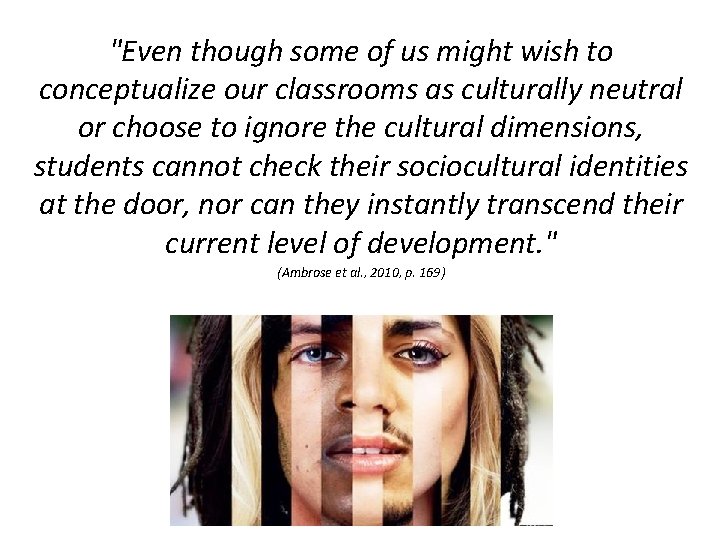
"Even though some of us might wish to conceptualize our classrooms as culturally neutral or choose to ignore the cultural dimensions, students cannot check their sociocultural identities at the door, nor can they instantly transcend their current level of development. " (Ambrose et al. , 2010, p. 169)
Critical Thinking Question What is your definition of diversity?
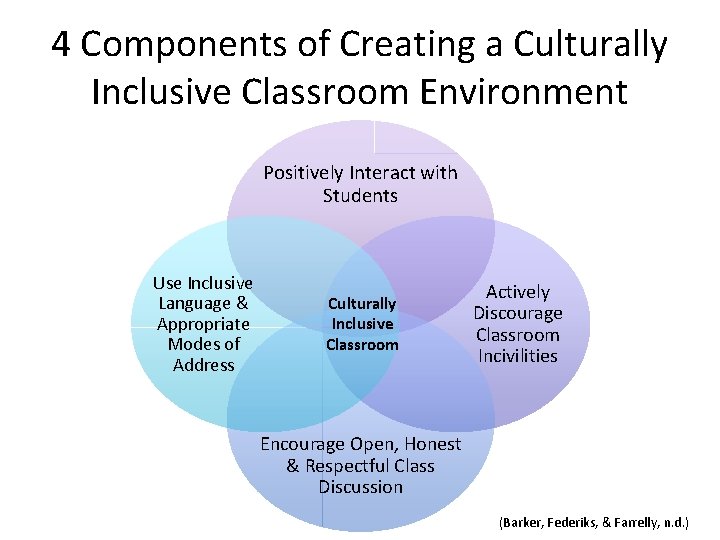
4 Components of Creating a Culturally Inclusive Classroom Environment Positively Interact with Students Use Inclusive Language & Appropriate Modes of Address Culturally Inclusive Classroom Actively Discourage Classroom Incivilities Encourage Open, Honest & Respectful Class Discussion (Barker, Federiks, & Farrelly, n. d. )
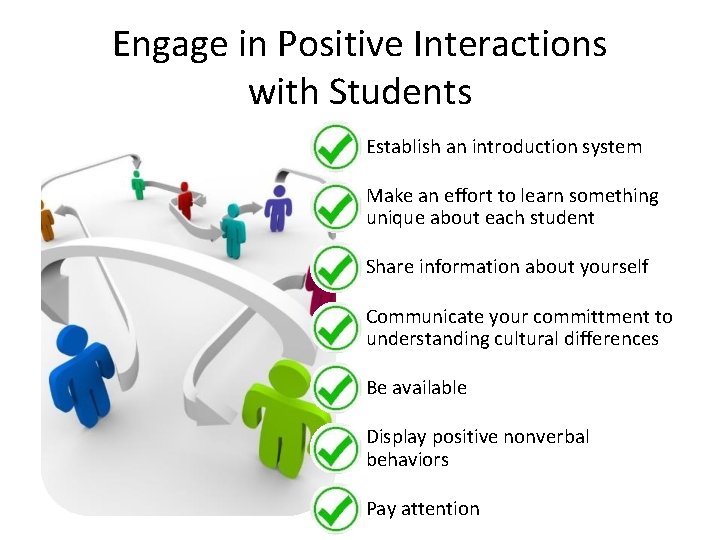
Engage in Positive Interactions with Students Establish an introduction system Make an effort to learn something unique about each student Share information about yourself Communicate your committment to understanding cultural differences Be available Display positive nonverbal behaviors Pay attention
Use Inclusive Language and Appropriate Modes of Address Ask for pronouns during introductions Refer to students by name or pronoun Include pronouns in email signature Use person-first language
Eliminate Classroom Incivilities Establish explicit ground rules for appropriate classroom conduct to protect against cultural exclusion and insensitivity Have groups develop their own ground rules before starting group projects Respond promptly to any behavior Address individual needs as early as possible Promote diversity through intentional teaching practices and course content Clearly cite published literature and research findings.
Encourage Open, Honest, and Respectful Classroom Discussion Prompt students to ask questions using openended statements Avoid singling out individual students Ask students how they prefer to learn and adapt accordingly Check-in with students regarding classroom climate
Questions? laura. frey@louisville. edu jennifer. middleton@louisville. edu
References • Ambrose, S. A. , Bridges, M. W. , Di. Pietro, M. , & Lovette, M. C. (2010). How learning works: Seven research-based principles for smart teaching. San Francisco, CA: Jossey Bass. • Barker, M. , Federiks, E. , & Farrelly, B. (n. d. ). Good practice resource booklet on designing culturally inclusive learning and teaching environments. Brisbane, Australia: Griffith Institute for Higher Education. Retrieved from https: //www. griffith. edu. au/__data/assets/pdf_file/0011/184853/ Creating-a-Culturally-Inclusive-Classroom-Environment-mcb 2. pdf • Cornell University Center for Teaching Excellence. (2012). Building inclusive classrooms. Retrieved from https: //cte. cornell. edu/teaching-ideas/building-inclusiveclassrooms/index. html