
Creating an Appropriate Relationship with Stakeholders the Art






- Slides: 55
Creating an Appropriate Relationship with Stakeholders & the Art of Negotiation Executive Leadership Program for Regulators
Session Introduction
Upon completion of the session, you will be able to: Learning Objectives § Build strong and appropriate relationships with key stakeholders with often different and competing mandates § Develop and implement successful strategies for dealing with the media § Build your own toolkit considering how learnings will be used in your work going forward
Upon completion of the session, you will be able to: Learning Objectives § Define and respect the respective roles and responsibilities of board and staff to ensure appropriate boundaries are maintained § Utilize key tips and tactics for negotiating as a regulator amidst differences in perspectives and motivation
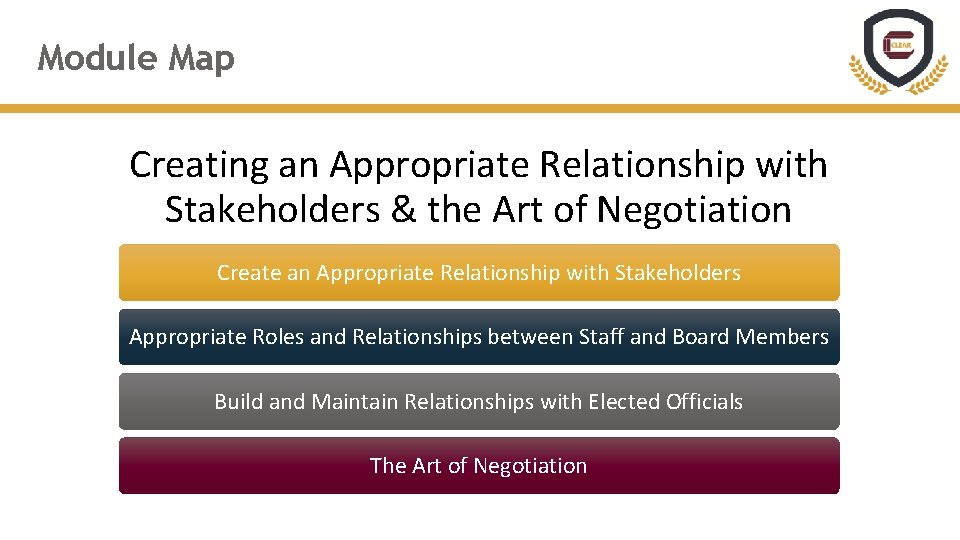
Module Map Creating an Appropriate Relationship with Stakeholders & the Art of Negotiation Create an Appropriate Relationship with Stakeholders Appropriate Roles and Relationships between Staff and Board Members Build and Maintain Relationships with Elected Officials The Art of Negotiation
Create an Appropriate Relationship with Stakeholders
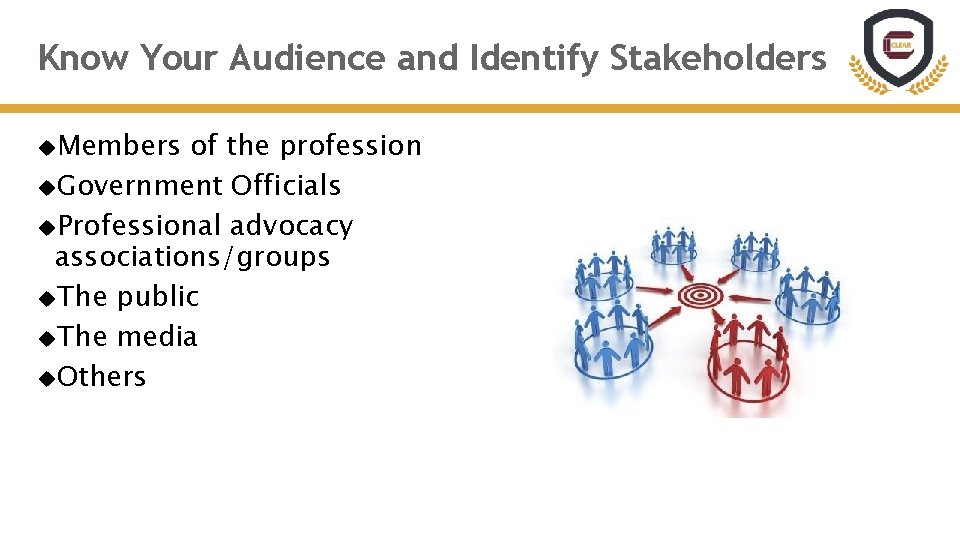
Know Your Audience and Identify Stakeholders Members of the profession Government Officials Professional advocacy associations/groups The public The media Others
Small Group Breakout Consider a challenge that arose in dealing with a stakeholder § What was the nature of the challenge? § How was it resolved? § What could have been done differently? § What lessons did you learn?
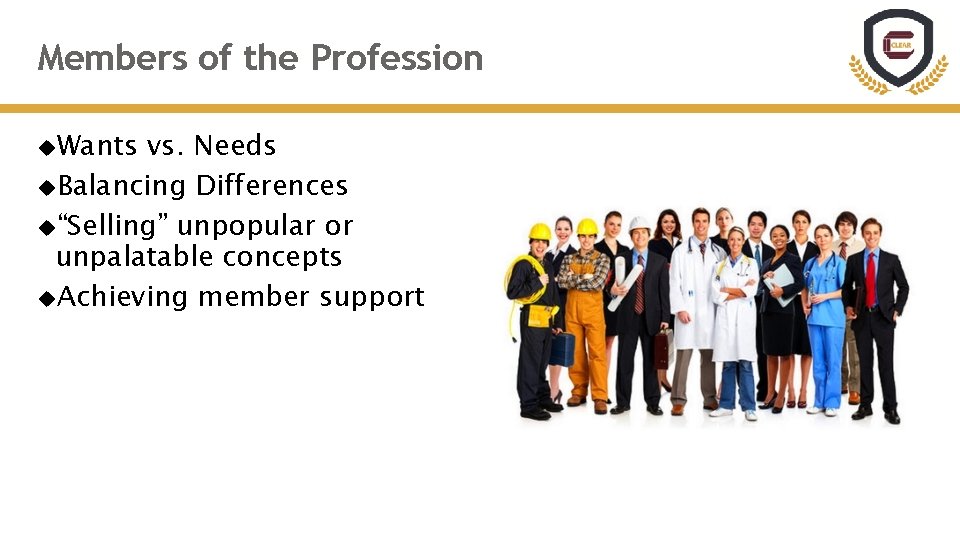
Members of the Profession Wants vs. Needs Balancing Differences “Selling” unpopular or unpalatable concepts Achieving member support
Government Officials Perceptions Credibility and Transparency Mutual Benefit Avoid Overpromising
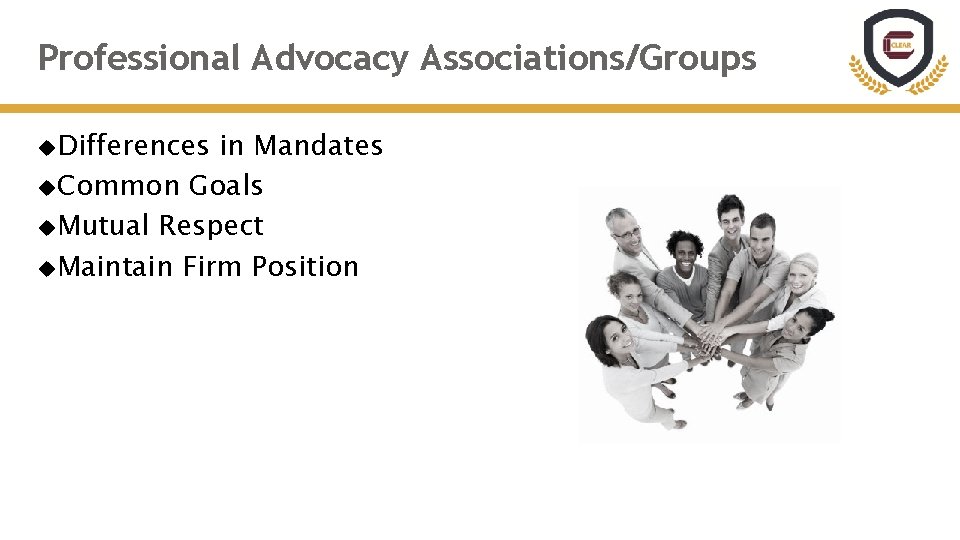
Professional Advocacy Associations/Groups Differences in Mandates Common Goals Mutual Respect Maintain Firm Position
The Public Credibility Criticality of Public Support Assure positions are grounded in public interest
The Media An opportunity and a challenge! § Opportunities § Challenges Maintain as Allies Steadfast Key Messages
Other Stakeholders Related Professions Turf Issues Workable Alternatives Common Interests/Concerns Support and Consultation
Stakeholder Summary Differences make an organization stronger Seek and build on areas of commonality Maintain “fine line” Training Never quote Legislation unless it is in front of you Know what can be shared, and with whom
Appropriate Roles and Relationships between Staff and Board Members
Generally Recognized Roles of Board Members Board Governance Vision and leadership Oversite of board staff activities Establish priorities and allocate resources Create formal policies Ensure mandate/mission appropriately fulfilled
Generally Recognized Roles of Board Members Professional and occupations experts Professional/ethical role model Knowledgeable of and adheres to laws and regulations Focus on public interest and its intersections with profession’s interest
Generally Recognized Roles of Board Staff Operationalize mission of board through effective management and administration of programs Ensure responsible and strategic use of resources allocated for Board use Provide regulatory construct and subject matter expertise related to laws and rules governing the Board
Generally Recognized Roles of Board Staff Provide expertise in interpreting and applying laws, rules, case law and board decisions Knowledge of the political landscape and legislative process Ensure that Board is provided with accurate and timely information as well as resources so they may fulfill their responsibility as a Board
Generally Recognized Roles of Board Staff Act as a professional and ethical role model that merits the trust and respect of the public, profession and the Board Interface with the public, law makers and media representing positions and interests of the Board Reinforce the role of public protection
Issues and Challenges Related to Maintaining Appropriate Roles and Relationships Discussion Topics Role drifting Defining of roles Developing appropriate working relationships Appropriate boundaries
Discussion Debrief What are the action steps you identified that can be implemented with staff and board members?
Build and Maintain Relationships with Elected Officials
Role of Board, Agency, and/or Organization May or may not actively lobby Represent broad public interest May be called upon to provide information and expert opinions Roles within the board/agency
Understanding the Perspectives of Elected Officials Concerns of constituents Position and level of experience Teamwork Budget, policy, administrative issues Relationship with agency, other elected officials Party relationships Political ambitions
The Art of Negotiation
The Art of Negotiation Introduction and Overview Not limited to work setting Negotiation strategies for conflict resolution Fundamentals of Negotiating
What is the definition of Negotiation? To deal or bargain with another or others, as in the preparation of a treaty or contract or in preliminaries to a business deal To confer with another so as to arrive at the settlement of some matter An effort to resolve a difference between two or more parties by the give-and-take process
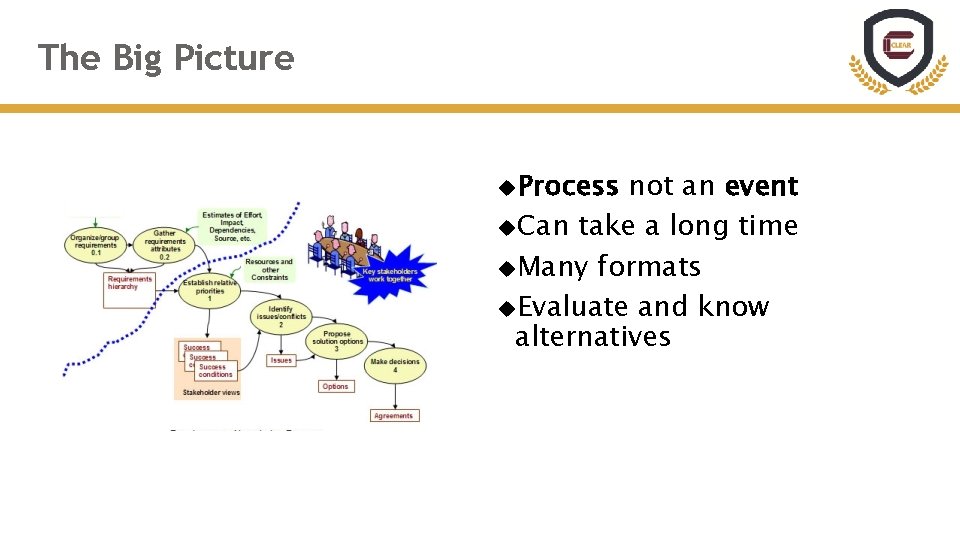
The Big Picture Process not an event Can take a long time Many formats Evaluate and know alternatives
Types, Differences, and Styles Types § Dot the i’s and cross the t’s § Broader less detailed approach Differences § Culture § History Do your homework! § Working styles
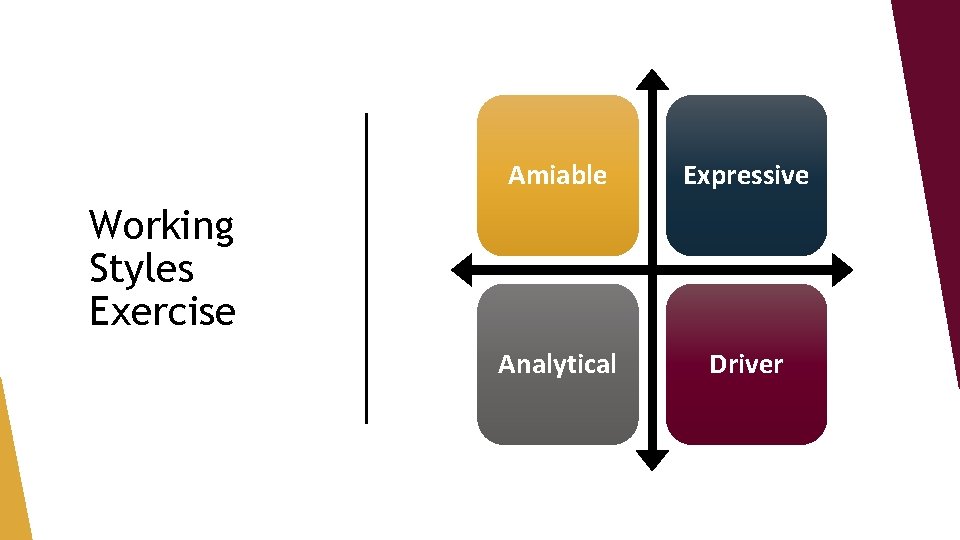
Amiable Expressive Analytical Driver Working Styles Exercise
Negotiating and Conflict Resolution Avoid being provoked into an emotional response Leverage “value creating” strategies Time is your friend
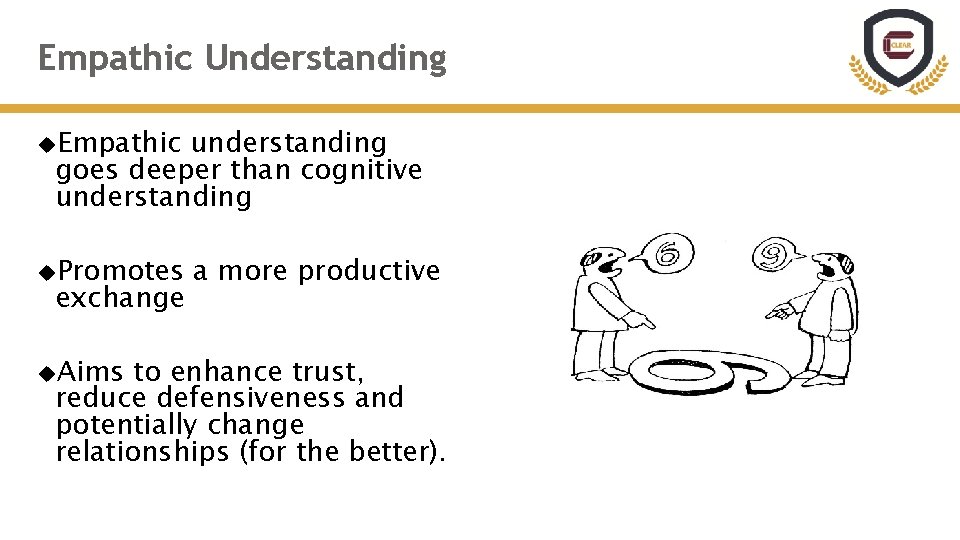
Empathic Understanding Empathic understanding goes deeper than cognitive understanding Promotes exchange Aims a more productive to enhance trust, reduce defensiveness and potentially change relationships (for the better).
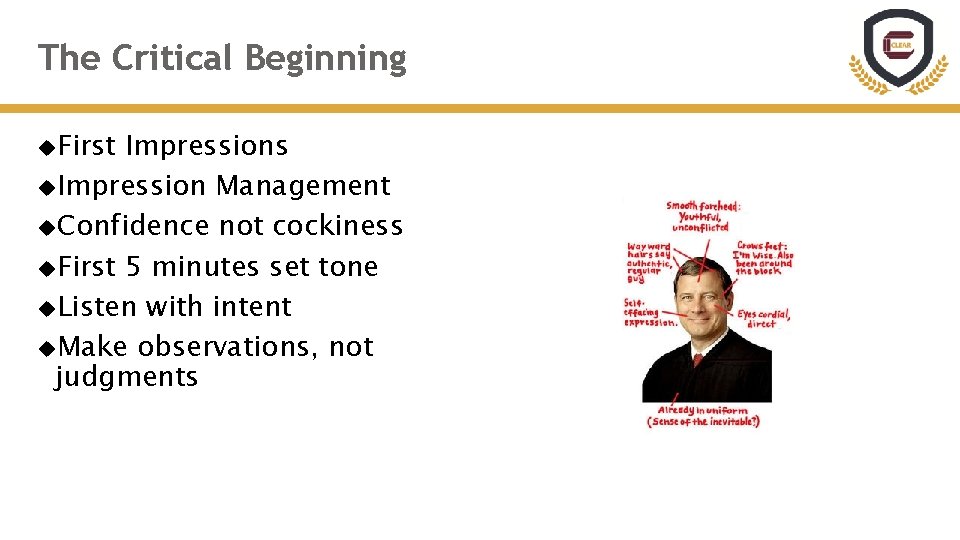
The Critical Beginning First Impressions Impression Management Confidence not cockiness First 5 minutes set tone Listen with intent Make observations, not judgments
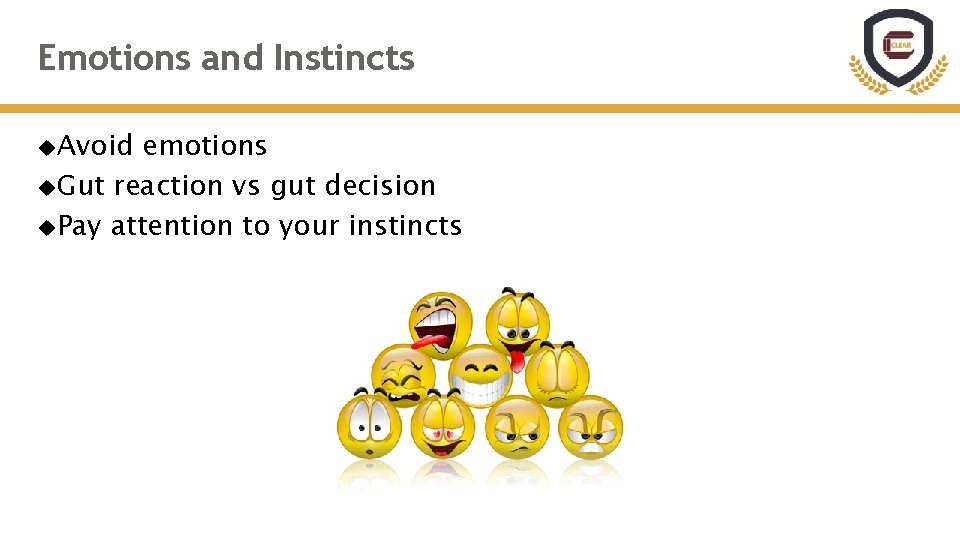
Emotions and Instincts Avoid emotions Gut reaction vs gut decision Pay attention to your instincts
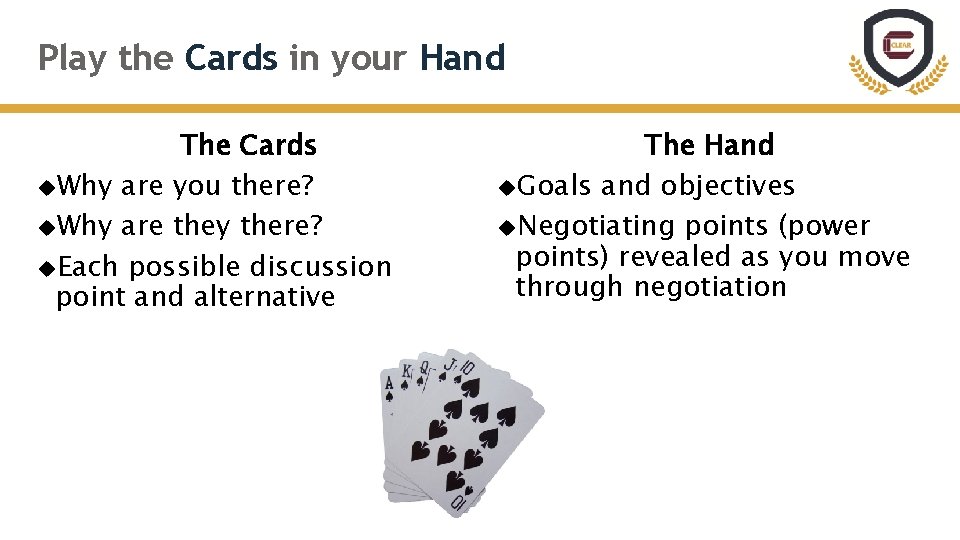
Play the Cards in your Hand The Cards Why are you there? Why are they there? Each possible discussion point and alternative The Hand Goals and objectives Negotiating points (power points) revealed as you move through negotiation
Set and Know Parameters in Advance Clarify boundaries Start from the high or low If goal is met, be happy with what you get
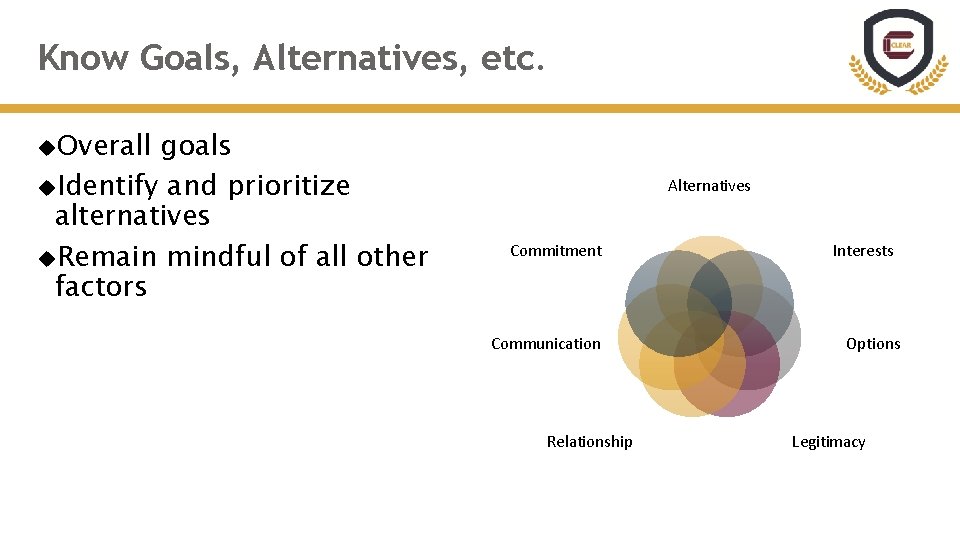
Know Goals, Alternatives, etc. Overall goals Identify and prioritize alternatives Remain mindful of all other factors Alternatives Commitment Communication Relationship Interests Options Legitimacy
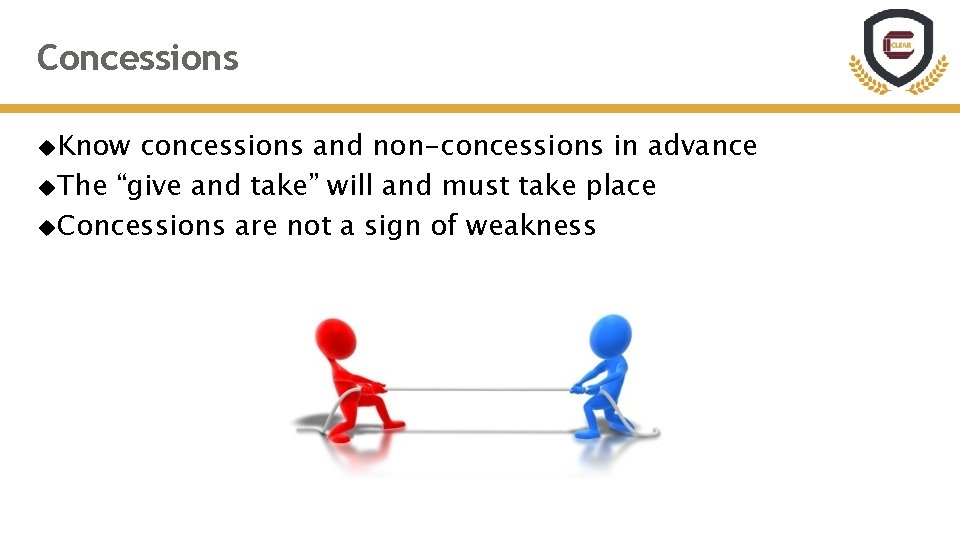
Concessions Know concessions and non-concessions in advance The “give and take” will and must take place Concessions are not a sign of weakness
Using Concessions List concessions to use to your advantage Circumstances under which to give them Early concession helps build trust Never divulge the severity of the concession Negotiations thrive on motion Concessions create motion
Understanding Limitations Asking/Expecting the impossible Understanding boundaries Is an “in kind” response expected? Unreasonable demands will likely lead to an impasse
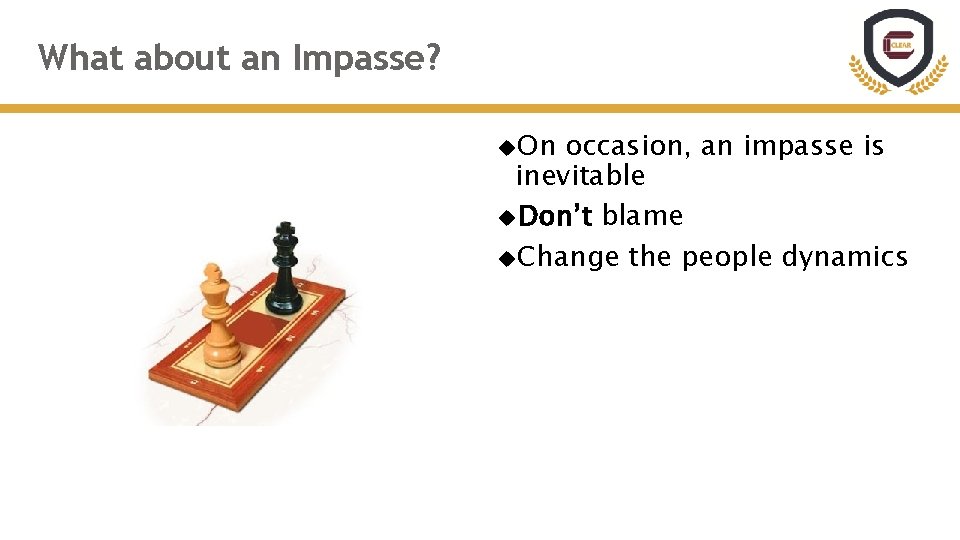
What about an Impasse? On occasion, an impasse is inevitable Don’t blame Change the people dynamics
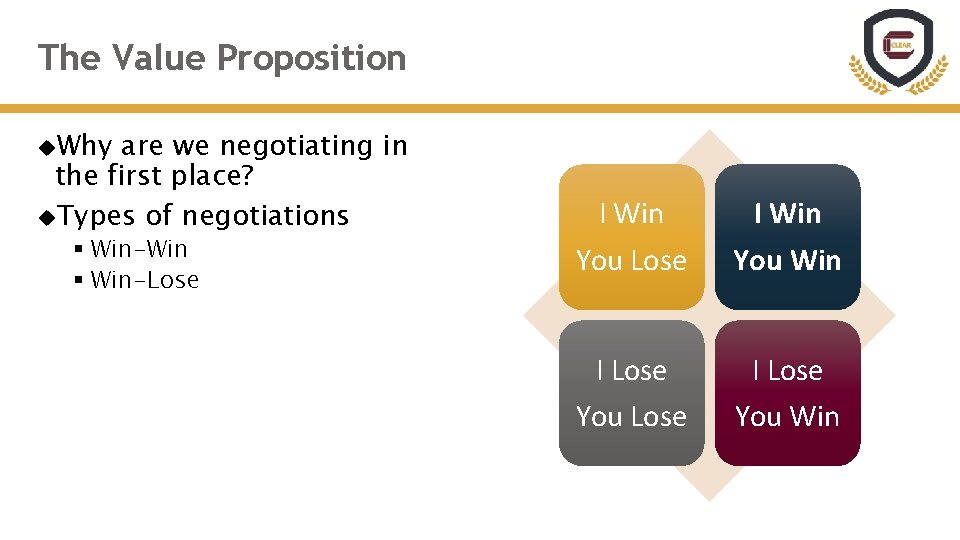
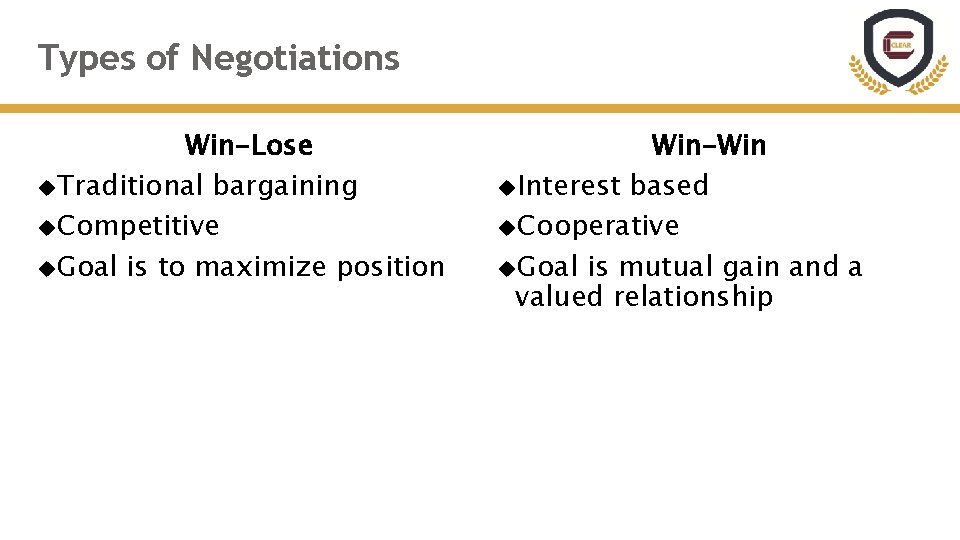
The Value Proposition Why are we negotiating in the first place? Types of negotiations § Win-Win § Win-Lose I Win You Win I Lose You Lose I Lose You Win
Types of Negotiations Win-Lose Traditional bargaining Competitive Goal is to maximize position Win-Win Interest based Cooperative Goal is mutual gain and a valued relationship
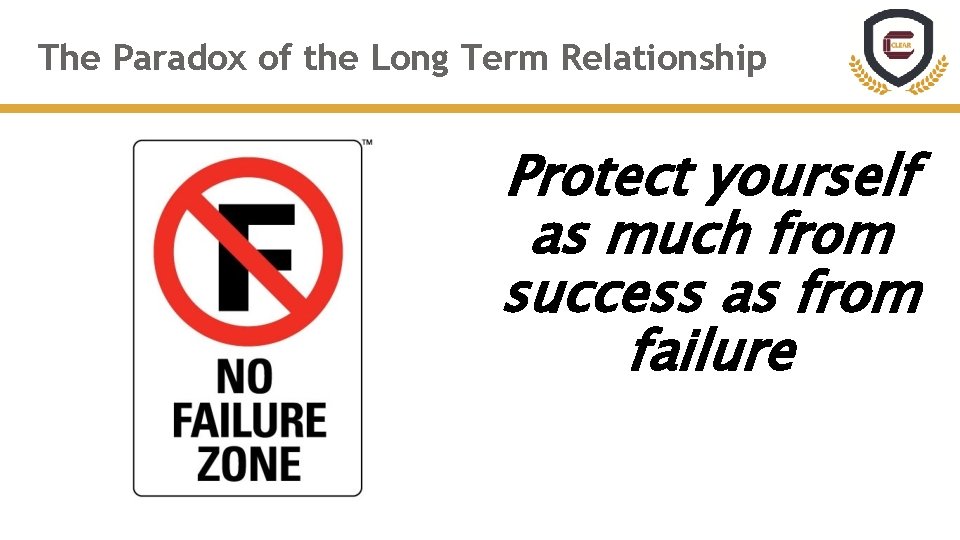
The Paradox of the Long Term Relationship Protect yourself as much from success as from failure
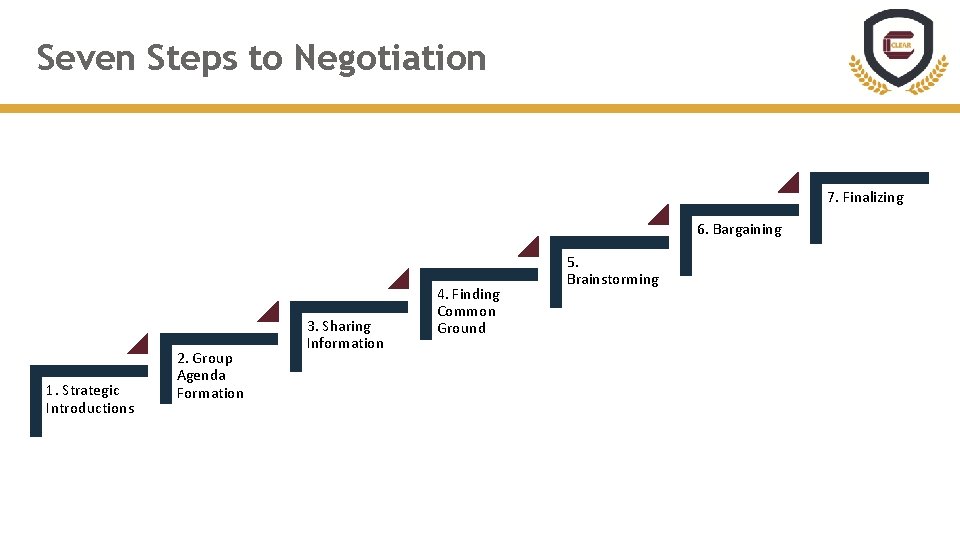
Seven Steps to Negotiation 7. Finalizing 6. Bargaining 1. Strategic Introductions 2. Group Agenda Formation 3. Sharing Information 4. Finding Common Ground 5. Brainstorming
Finalizing Debrief Reflect Debrief
Negotiation Summary Negotiating is a process that builds relationships Know your alternatives Understand negotiating styles of both sides Use your gut and avoid emotions Put your cards on the table early, not your hand
Negotiation Summary Establish and know your parameters Understand use concessions: Movement is key Watch the people dynamics Add Value Review your negotiated deals soon, and often Follow a process
Role Play Exercise
Session Review
You Learning Objectives Review should now be able to: § Build strong and appropriate relationships with key stakeholders with often different and competing mandates § Develop and implement successful strategies for dealing with the media § Build your own toolkit considering how learnings will be used in your work going forward
You Learning Objectives Review should now be able to: § Define and respect the respective roles and responsibilities of board and staff to ensure appropriate boundaries are maintained § Utilize key tips and tactics for negotiating as a regulator amidst differences in perspectives and motivation
Questions ?