
Creating a Positive Regulatory Reputation Through Public Outreach
Creating a Positive Regulatory Reputation Through Public Outreach and Relations Executive Leadership Program for Regulators
Upon completion of the session, you will be able to: Learning Objectives § Define the meaning of leading strategic and effective communication outside the organization § Create the regulatory reputation you want/deserve § Identify key considerations in building and maintaining an effective public relations and outreach program
Upon completion of the session, you will be able to: Learning Objectives § Utilize key considerations when creating your messages and choosing the appropriate media § Describe the key factors in dealing with media § Evaluate the effectiveness of your strategy § Recognize and apply principles of effective and outcomes-based communication overall
Upon completion of the session, you will be able to understand: Learning Objectives § The importance of transparency and its link to building public confidence and trust § The application of appropriate ‘branding and marketing’ strategies § How to develop meaningful engagement approaches within regulatory boundaries
Session Map Creating a Positive Regulatory Public Relations Program Overarching Considerations Transparency and its Link to Trust Strategies for Meaningful Engagement Use of Branding and Marketing Effective Communication

Overarching Considerations
Defining Your Strategy Provide guidance for all public relations activities of the organization, both planned and unplanned Present a positive image of your organization and its activities Ensure that your message gets out effectively Balancing need for meaningful engagement with the messaging appropriate for regulatory organizations
Why do You Need a Public Relations Strategy Ensure the consistency of message Identify priorities among communication needs Allow advance planning for all contingencies Ensure needed resources are identified and developed Provide single contact point for media activities Create and enforce brand identification
Major Considerations Messages consistent with mandate, and: § With reputation/image you want to build § Appropriate to the audience(s) § Sent to the right people at the right time(s) § Highlight your commitment to being transparent and accountable Risk Management Budget and Resources
Desired Outcome Win-Win § Public § Profession § Media § Your Organization
Discussion- Small Groups Consider Report” your “Annual What is the purpose of Public Reporting? What would your ‘public’ find meaningful in an annual report? Or not?
Beyond the ”Annual Report”- Examples Trends in risk within the profession/occupation Mini reports on policy decisions and feedback received Research reports on particular topics Self audit reports against standard

Transparency and its Link to Trust
Considering Transparency and Trust Perceptions are built on what others see and hear How “transparent” can we be ? What are the expectations of our public(s)? The upside and downside of being “open by default”
1 5 Building Our Reputation, Leading by Example
Strategies for Meaningful Engagement
Meaningful Engagement How do you engage the public/ the community now? Could engagement happen in a more meaningful way?
Building Community Relationships Identify and respond to needs of public Include public in changes to laws or regulations Open forums at board meetings Invite specific groups to meet with board to discuss issues affecting them
Building Community Relationships Create an outreach committee Attend and seek opportunities to speak at local and state/provincial professional meetings Prepare regular column for association newsletters
Tactics and Tips Tailor your message to your audience Pick spokesperson with care Be aware of what’s going on in the media Stay on message K. I. S. S. method Remember alternative media outlets Visual aids make communication more effective
Outreach and Communication Proactive Reactive Continuous/Ongoing
Proactive Communication Never be offensive on offense! Useful when communicating positive information § Determine the good things you want the public to know § Not limited to breaking news, can use to inform about good standard procedures Allows for “spin” prior to media release You determine what information the media gets
Reactive Communication Never be defensive on defense Useful when communicating negative information/perception § Whether info or perception is correct or incorrect Emphasize positive points during damage control
Continuous Communication Useful for communicating regularly occurring events § Summaries § Reports § Standard activities Identify information the public wants periodically
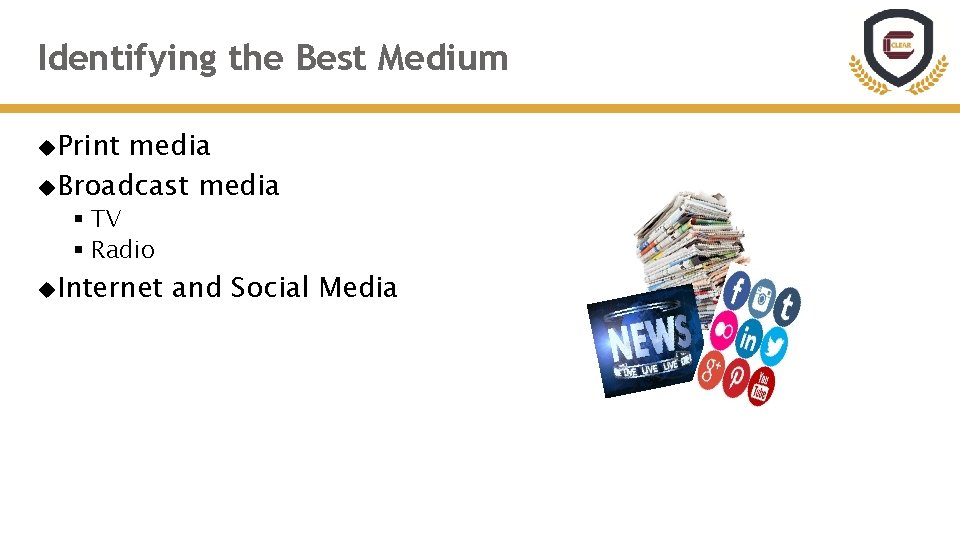
Identifying the Best Medium Print media Broadcast media § TV § Radio Internet and Social Media
In All Communication… Determine the message(s) Lead with authority (setting the tone) Align with mandate and budget Match your messages with the right medium
Different Media have Different Requirements Print § More information § Greater detail § Attention paid to grammar, spelling, and writing skills of author in addition to message Social Media § Links to other sources § Strong visuals, graphics TV § Strong visuals, movement, action Radio § Strong sound, clear verbiage, good voice Both § Info in short bursts or packets

Example: OCP Video Commercial

Example: OCT Video Commercial

Example: Radio Ad
Where Communication is Reactive or Defensive The emotionally intelligent leader: § Uses good instincts vs gut reaction(s) § Knows ‘when to hold and when to fold” § Develops key messages § Does not stray from them! § Always takes the high road § Never ”lose their cool” when challenged or baited
Meaningful Engagement With The Media In your regulatory organization: § Who speaks for the organization on a particular issue? § Is special ‘media training’ provided? § What special skills do you need to deal with media? Does Emotional Intelligence affect ability, and how?
The Interview – Your Basic Media Tool May be live, taped, or for a print medium Be sure you understand the purpose of the interview and the ground rules
Interview “Do’s” Be prepared Know key messages and stick to them Use bridging Be honest and factual Stay calm Pause before answering Always take the high road! Know where to go with concerns if they arise
Interview “Don’ts” Make up answers, quote with source in front of you Face the media unprepared Get into an argument Answer speculative questions Answer every question Answer “OFF THE CUFF” Repeat allegations Make promises you (know you) can’t keep

Use of Branding and Marketing
Regulatory Branding What image do we want others to have of us? What opportunities are there to get this out? Consider the benefits of a branding/marketing exercise Where might challenges lie?
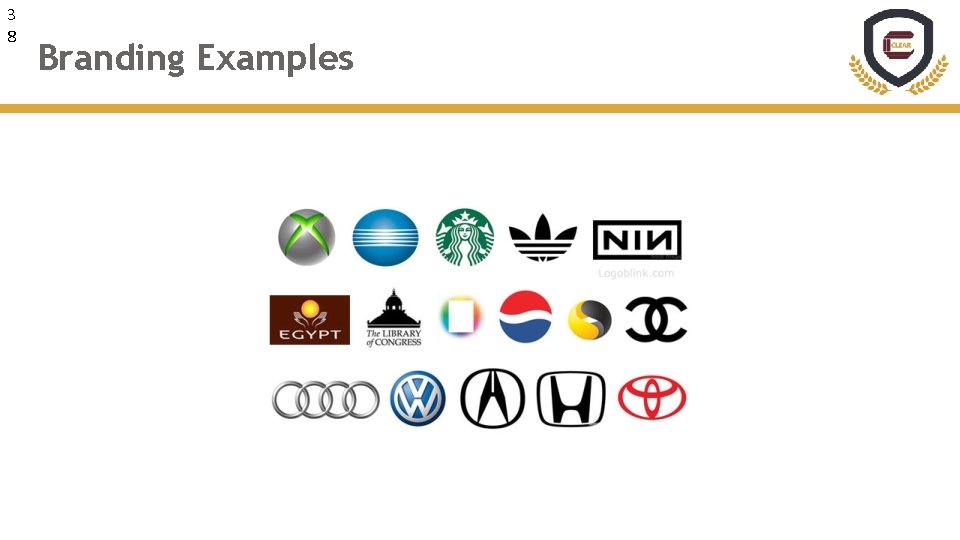
3 8 Branding Examples
3 9 Examples of Taglines Just do it Promoting Regulatory Excellence Putting Patients First Since 1871 Leadership, Excellence, Responsibility Pride in our Past; Confidence in our Future You’re in Good Hands
Effective Communication
Communicating in a Crisis The strategy for communicating ‘out’ would not be complete without a plan to deal with- and communicate out on - a crisis.
Elements of a Crisis Communication Plan Precise chain of command Notification plan Rules for providing info to media Background info on agency and key management officials
Crisis Communication Steps Assess what could happen Develop a plan Select a crisis communication team and spokesperson Train and hold simulations
Rules for Crisis Communication Get bad news out ASAP Control rumors Centralize all information Control site access Don’t hold back info Update frequently – including employees Be pre-emptive if necessary Demonstrate concern/empathy

Brainstorm Types of Crises
Desired Outcomes Your organization retains as much control as possible over communications The public receives information when and how you want them to receive it
Communicating Effectively The leadership link The audience The methods we use
The Effective Leader: Thinking about all we have talked about: § Can you be effective as a leader in the absence of good communication skills? § Ability to communicate well strongly impacts one’s success (or not) as a leader § § Building and sustaining relationships Building trust and confidence Dealing with conflicts and crises Retaining control as possible for messaging at all levels
Achieving Desired Outcomes The message sent is also the message received, and the message understood. § Start at the beginning of the story § Don’t make assumptions § Confirm what you have heard § Confirm you were understood
Perceptions and Why They Matter “Mental Model Constructs” § What they are? § How they are built? § How can we change them?
Problematic Communication How could each of these contribute to problematic communication? Eye contact Body language The way we respond A sender’s lack of awareness and insight
The Obvious? K. I. S. S. Knowing the rules of engagement Plain, understandable language Open-ness Authenticity Being genuine

Session Review
How does your organizational culture and structure appear to the outside world? Your Wrap Up organization must have a clearly established and accurate public image in order to form partnerships with appropriate stakeholders Relationships require knowledge of who the other partner is, which you accomplish through a public relations strategy
You Learning Objectives Review should now be able to: § Define the meaning of leading strategic and effective communication outside the organization § Create a regulatory public outreach strategy § Identify key considerations in building and maintaining effective public outreach program
You Learning Objectives Review should now be able to: § Utilize key considerations when creating your messages and choosing the appropriate media § Describe the key factors in dealing with media § Evaluate the effectiveness of your strategy
You should now be able to understand: Learning Objectives Review § The importance of transparency and its link to building public confidence and trust § The application of appropriate ‘branding and marketing’ strategies § How to develop meaningful engagement approaches within regulatory boundaries

Questions ?
- Slides: 58