
Craniometry and Functional Craniology Part I Anthropometry Craniometry





- Slides: 52
Craniometry and Functional Craniology Part I: Anthropometry, Craniometry and Cephalometry Michael S. Yuan, DDS, MA, Ph. D Assistant Professor of Clinical Dentistry Division of Orthodontics School of Dental and Oral Surgery Columbia University November 25, 2003
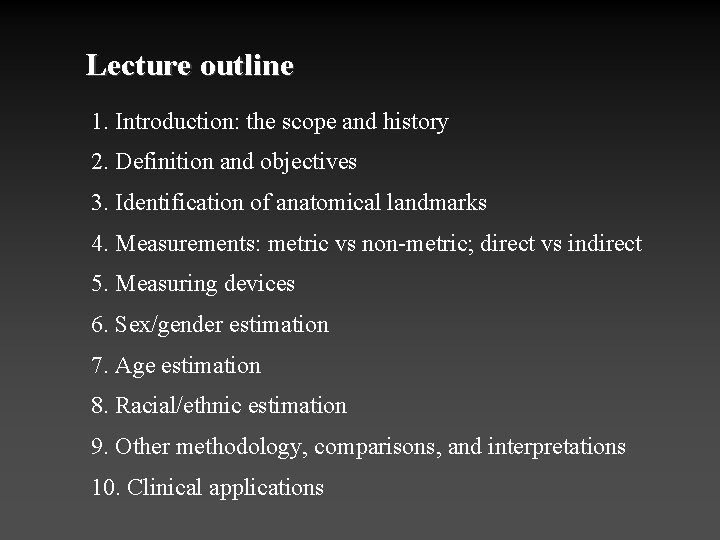
Lecture outline 1. Introduction: the scope and history 2. Definition and objectives 3. Identification of anatomical landmarks 4. Measurements: metric vs non-metric; direct vs indirect 5. Measuring devices 6. Sex/gender estimation 7. Age estimation 8. Racial/ethnic estimation 9. Other methodology, comparisons, and interpretations 10. Clinical applications
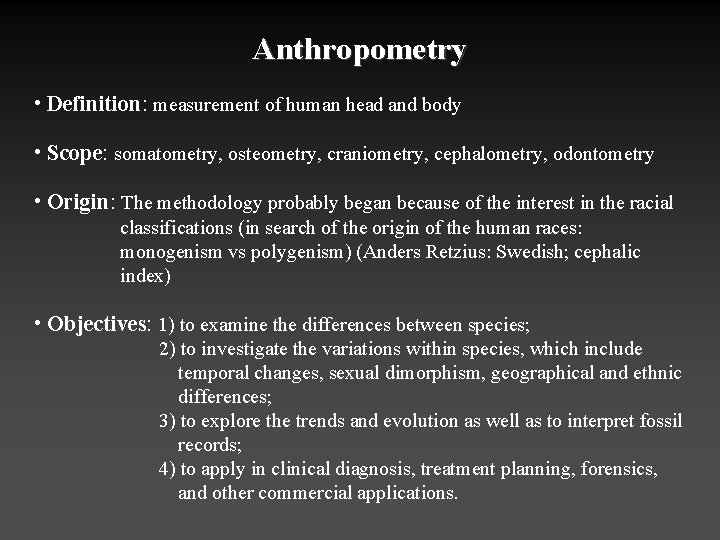
Anthropometry • Definition: measurement of human head and body • Scope: somatometry, osteometry, craniometry, cephalometry, odontometry • Origin: The methodology probably began because of the interest in the racial classifications (in search of the origin of the human races: monogenism vs polygenism) (Anders Retzius: Swedish; cephalic index) • Objectives: 1) to examine the differences between species; 2) to investigate the variations within species, which include temporal changes, sexual dimorphism, geographical and ethnic differences; 3) to explore the trends and evolution as well as to interpret fossil records; 4) to apply in clinical diagnosis, treatment planning, forensics, and other commercial applications.
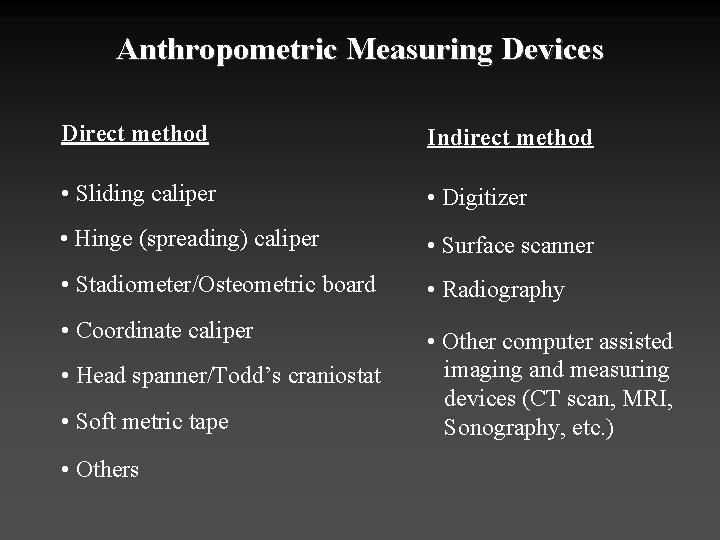
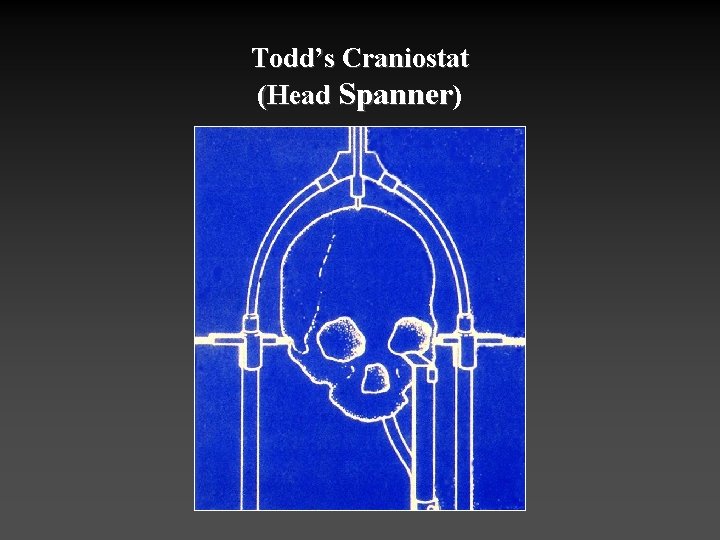
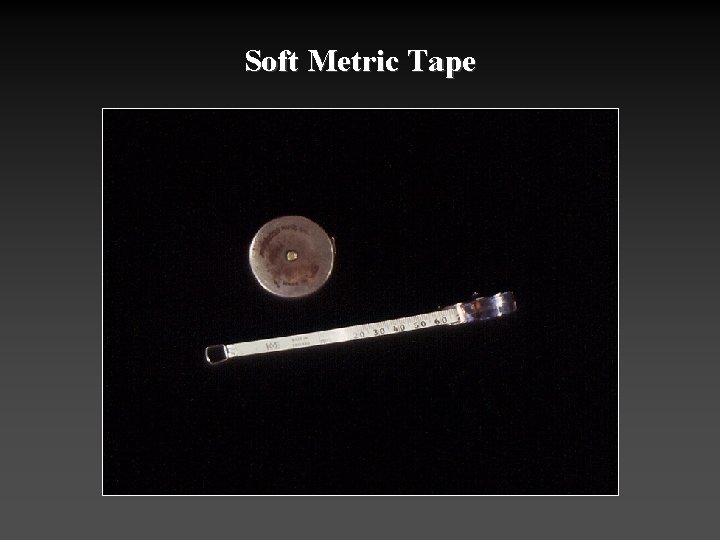
Anthropometric Measuring Devices Direct method Indirect method • Sliding caliper • Digitizer • Hinge (spreading) caliper • Surface scanner • Stadiometer/Osteometric board • Radiography • Coordinate caliper • Other computer assisted imaging and measuring devices (CT scan, MRI, Sonography, etc. ) • Head spanner/Todd’s craniostat • Soft metric tape • Others
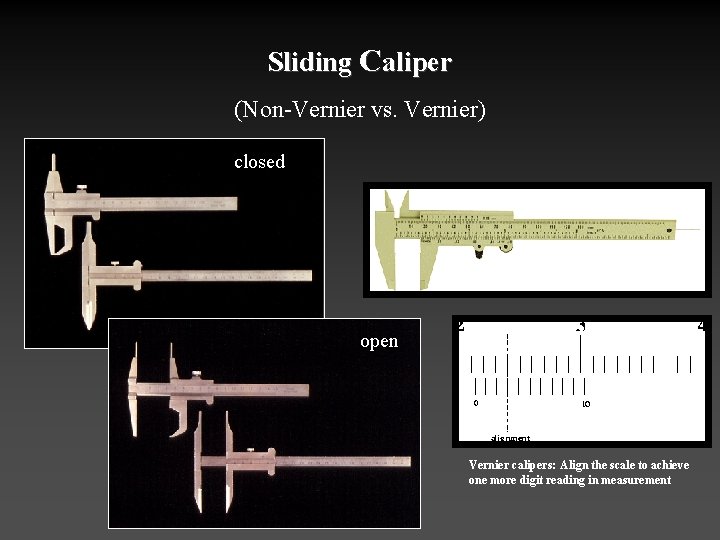
Sliding Caliper (Non-Vernier vs. Vernier) closed open Vernier calipers: Align the scale to achieve one more digit reading in measurement
The Mitutoyo Digital Sliding Caliper
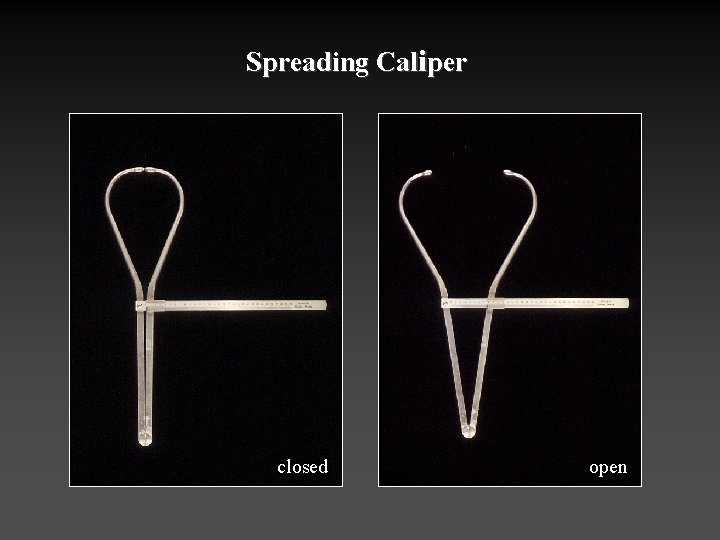
Spreading Caliper closed open
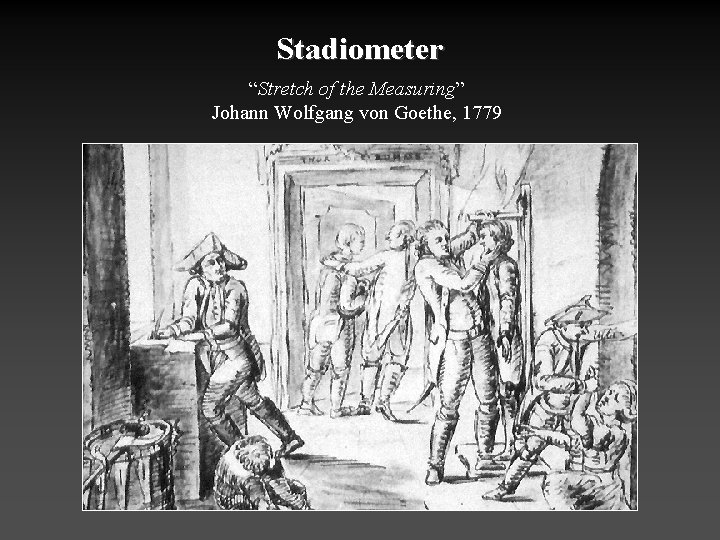
Stadiometer “Stretch of the Measuring” Johann Wolfgang von Goethe, 1779
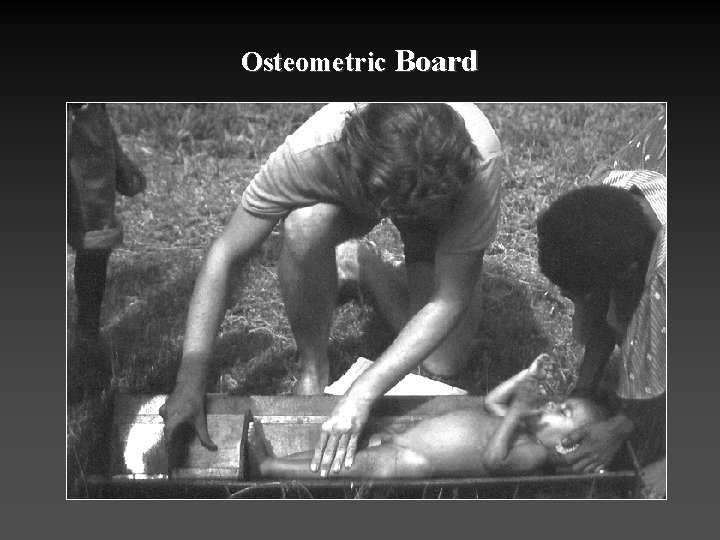
Osteometric Board
Todd’s Craniostat (Head Spanner)
Soft Metric Tape
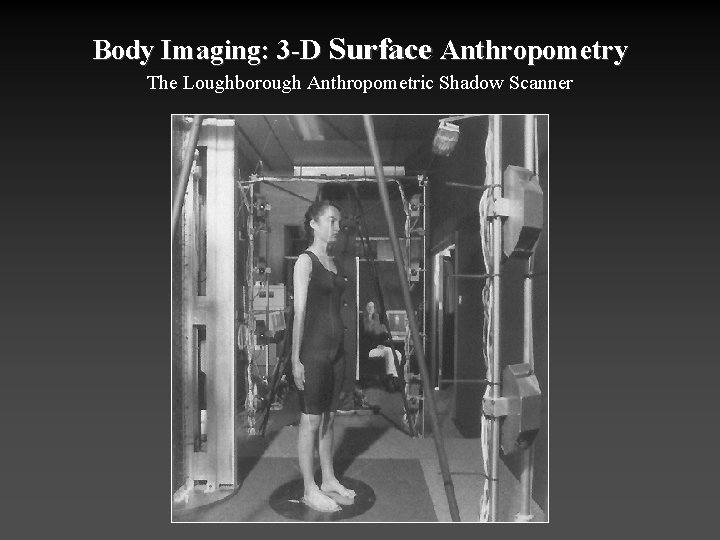
Body Imaging: 3 -D Surface Anthropometry The Loughborough Anthropometric Shadow Scanner
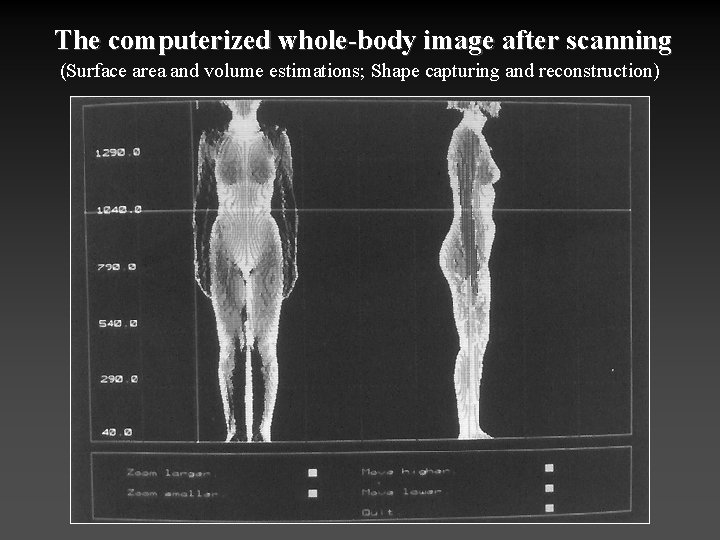
The computerized whole-body image after scanning (Surface area and volume estimations; Shape capturing and reconstruction)
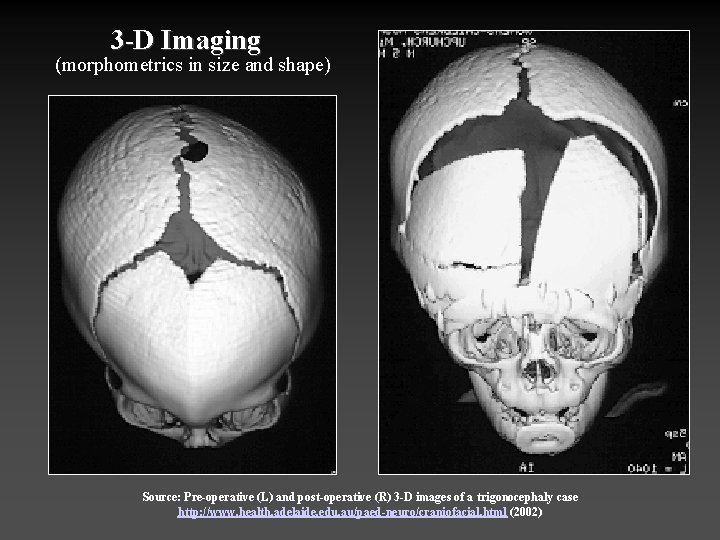
3 -D Imaging (morphometrics in size and shape) Source: Pre-operative (L) and post-operative (R) 3 -D images of a trigonocephaly case http: //www. health. adelaide. edu. au/paed-neuro/craniofacial. html (2002)
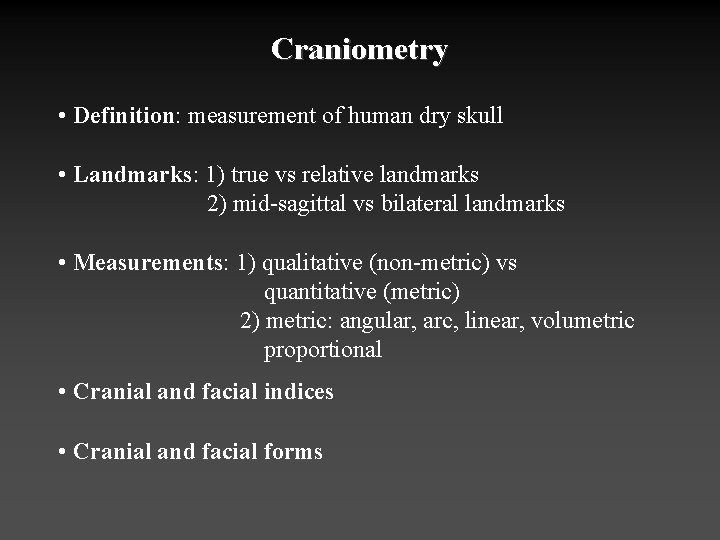
Craniometry • Definition: measurement of human dry skull • Landmarks: 1) true vs relative landmarks 2) mid-sagittal vs bilateral landmarks • Measurements: 1) qualitative (non-metric) vs quantitative (metric) 2) metric: angular, arc, linear, volumetric proportional • Cranial and facial indices • Cranial and facial forms
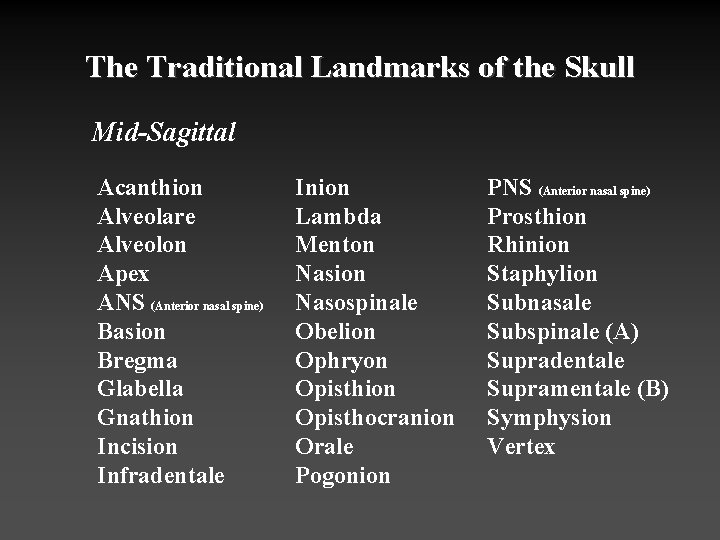
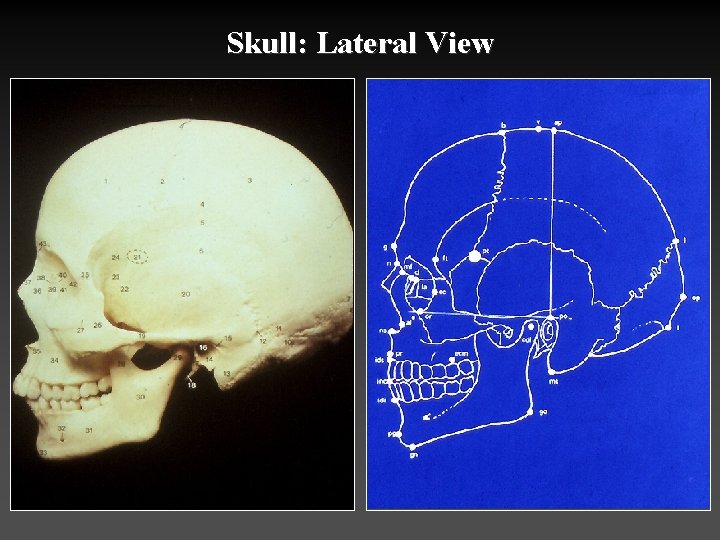
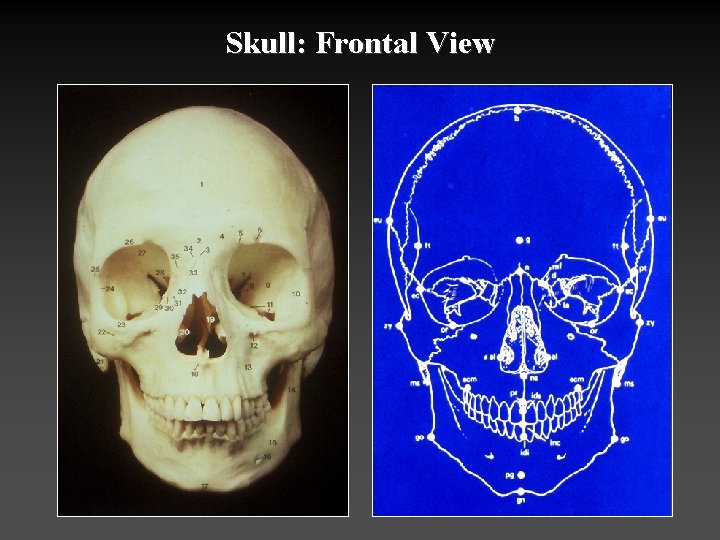
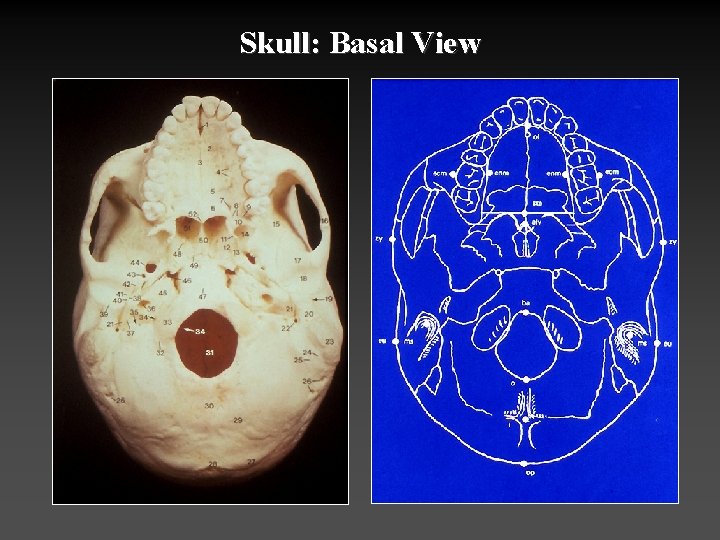
The Traditional Landmarks of the Skull Mid-Sagittal Acanthion Alveolare Alveolon Apex ANS (Anterior nasal spine) Basion Bregma Glabella Gnathion Incision Infradentale Inion Lambda Menton Nasion Nasospinale Obelion Ophryon Opisthion Opisthocranion Orale Pogonion PNS (Anterior nasal spine) Prosthion Rhinion Staphylion Subnasale Subspinale (A) Supradentale Supramentale (B) Symphysion Vertex
The Traditional Landmarks of the Skull Bilateral Alare Asterion Coronale Crotaphion Dacryon Ectoconchion Ectomolare Endomolare Euryon Frontotemporale Gonion Jugale Lacrimale Mastoidale Maxillofrontale Orbitale Porion Pterion Sphenion Stephanion Zygorbitale
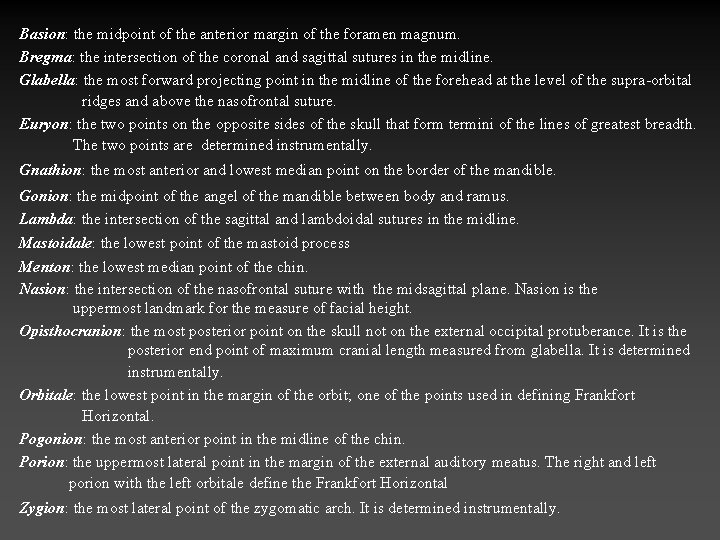
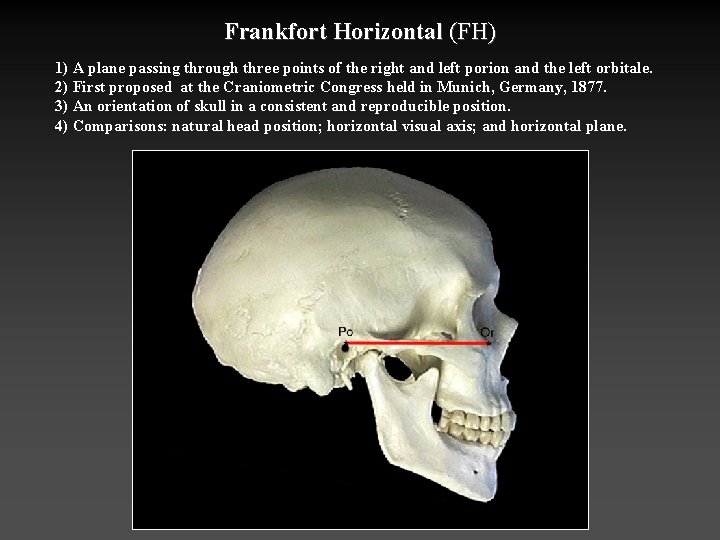
Basion: the midpoint of the anterior margin of the foramen magnum. Bregma: the intersection of the coronal and sagittal sutures in the midline. Glabella: the most forward projecting point in the midline of the forehead at the level of the supra-orbital ridges and above the nasofrontal suture. Euryon: the two points on the opposite sides of the skull that form termini of the lines of greatest breadth. The two points are determined instrumentally. Gnathion: the most anterior and lowest median point on the border of the mandible. Gonion: the midpoint of the angel of the mandible between body and ramus. Lambda: the intersection of the sagittal and lambdoidal sutures in the midline. Mastoidale: the lowest point of the mastoid process Menton: the lowest median point of the chin. Nasion: the intersection of the nasofrontal suture with the midsagittal plane. Nasion is the uppermost landmark for the measure of facial height. Opisthocranion: the most posterior point on the skull not on the external occipital protuberance. It is the posterior end point of maximum cranial length measured from glabella. It is determined instrumentally. Orbitale: the lowest point in the margin of the orbit; one of the points used in defining Frankfort Horizontal. Pogonion: the most anterior point in the midline of the chin. Porion: the uppermost lateral point in the margin of the external auditory meatus. The right and left porion with the left orbitale define the Frankfort Horizontal Zygion: the most lateral point of the zygomatic arch. It is determined instrumentally.
Frankfort Horizontal (FH) 1) A plane passing through three points of the right and left porion and the left orbitale. 2) First proposed at the Craniometric Congress held in Munich, Germany, 1877. 3) An orientation of skull in a consistent and reproducible position. 4) Comparisons: natural head position; horizontal visual axis; and horizontal plane.
Skull: Lateral View
Skull: Frontal View
Skull: Basal View
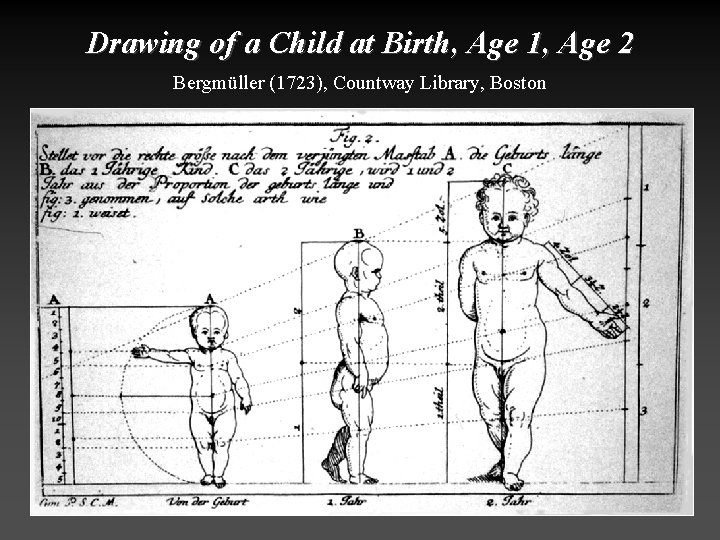
Drawing of a Child at Birth, Age 1, Age 2 Bergmüller (1723), Countway Library, Boston
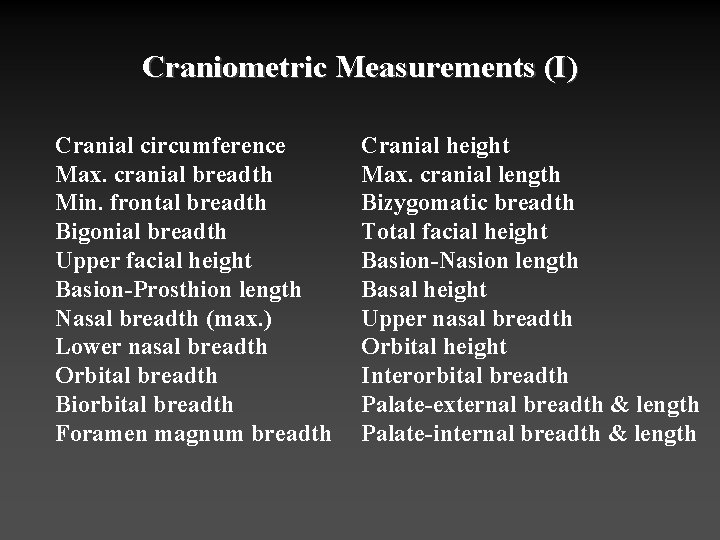
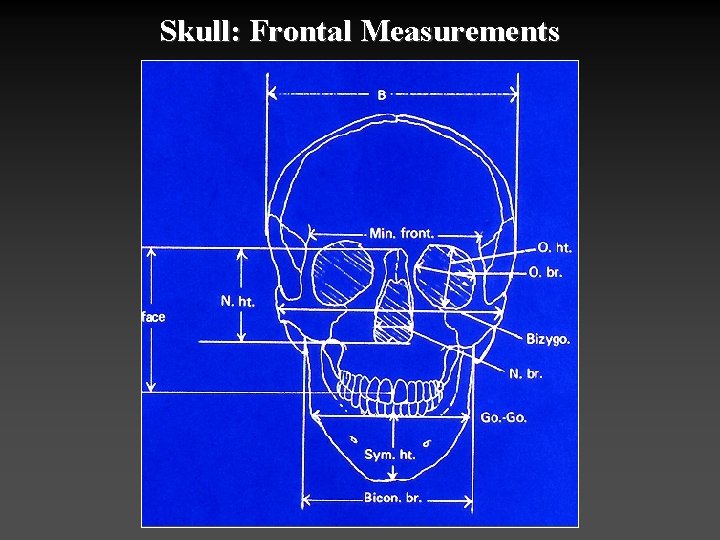
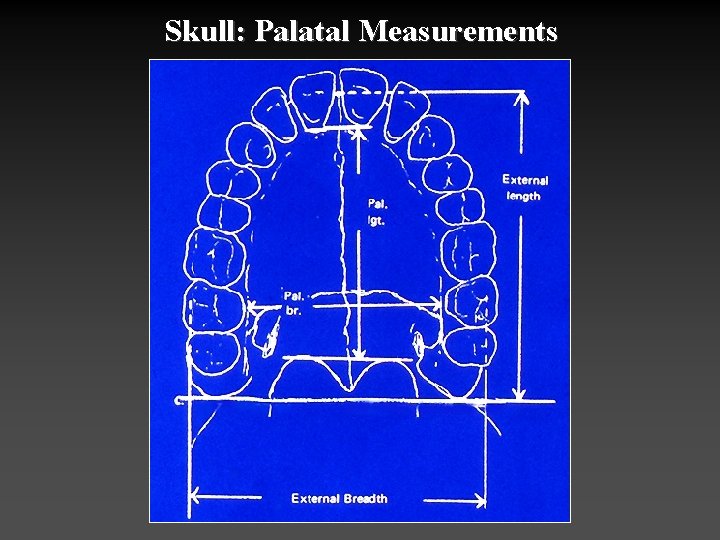
Craniometric Measurements (I) Cranial circumference Max. cranial breadth Min. frontal breadth Bigonial breadth Upper facial height Basion-Prosthion length Nasal breadth (max. ) Lower nasal breadth Orbital breadth Biorbital breadth Foramen magnum breadth Cranial height Max. cranial length Bizygomatic breadth Total facial height Basion-Nasion length Basal height Upper nasal breadth Orbital height Interorbital breadth Palate-external breadth & length Palate-internal breadth & length
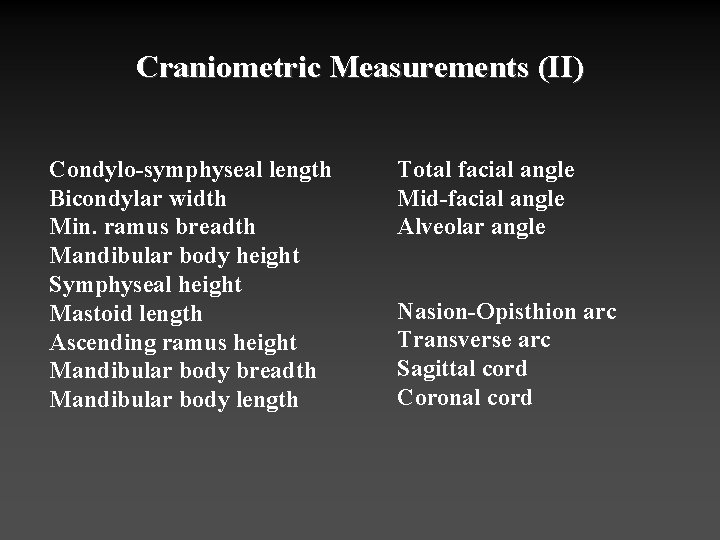
Craniometric Measurements (II) Condylo-symphyseal length Bicondylar width Min. ramus breadth Mandibular body height Symphyseal height Mastoid length Ascending ramus height Mandibular body breadth Mandibular body length Total facial angle Mid-facial angle Alveolar angle Nasion-Opisthion arc Transverse arc Sagittal cord Coronal cord
Skull: Frontal Measurements
Skull: Lateral Measurements
Skull: Palatal Measurements
Cranial and Facial Indices Cranial index Cranial length-height index Cranial breadth-height index Total facial index Upper facial index Nasal index Orbital index External palatal index
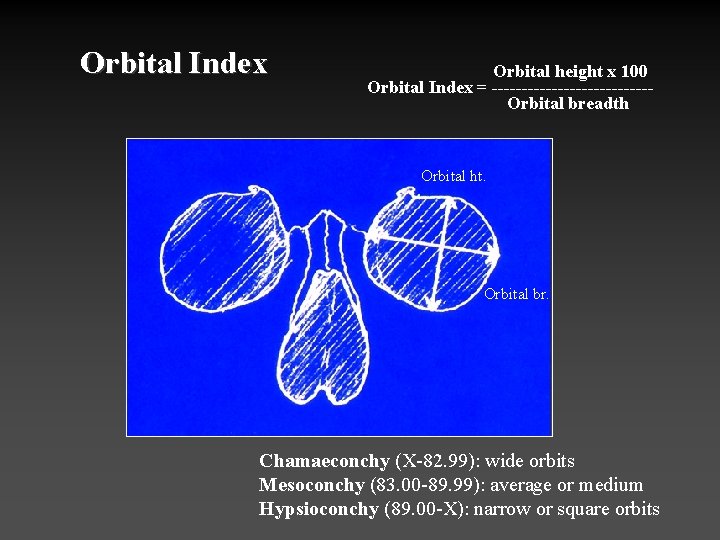
Orbital Index Orbital height x 100 Orbital Index = -------------Orbital breadth Orbital ht. Orbital br. Chamaeconchy (X-82. 99): wide orbits Mesoconchy (83. 00 -89. 99): average or medium Hypsioconchy (89. 00 -X): narrow or square orbits
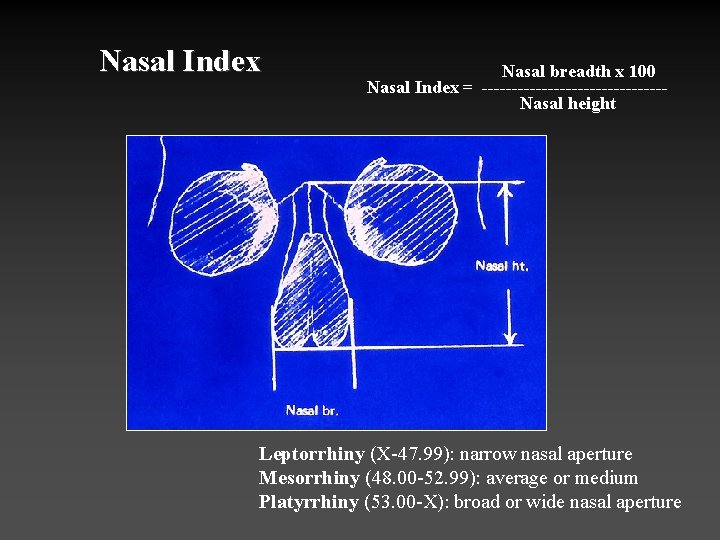
Nasal Index Nasal breadth x 100 Nasal Index = ---------------Nasal height Leptorrhiny (X-47. 99): narrow nasal aperture Mesorrhiny (48. 00 -52. 99): average or medium Platyrrhiny (53. 00 -X): broad or wide nasal aperture
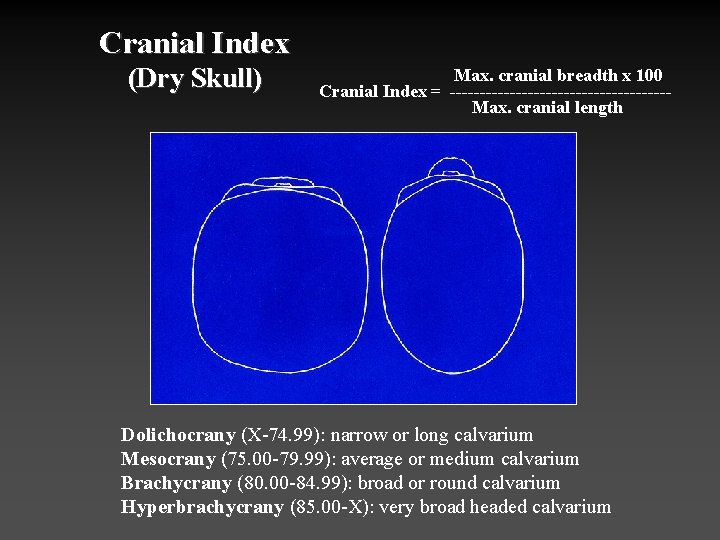
Cranial Index (Dry Skull) Max. cranial breadth x 100 Cranial Index = ------------------Max. cranial length Dolichocrany (X-74. 99): narrow or long calvarium Mesocrany (75. 00 -79. 99): average or medium calvarium Brachycrany (80. 00 -84. 99): broad or round calvarium Hyperbrachycrany (85. 00 -X): very broad headed calvarium
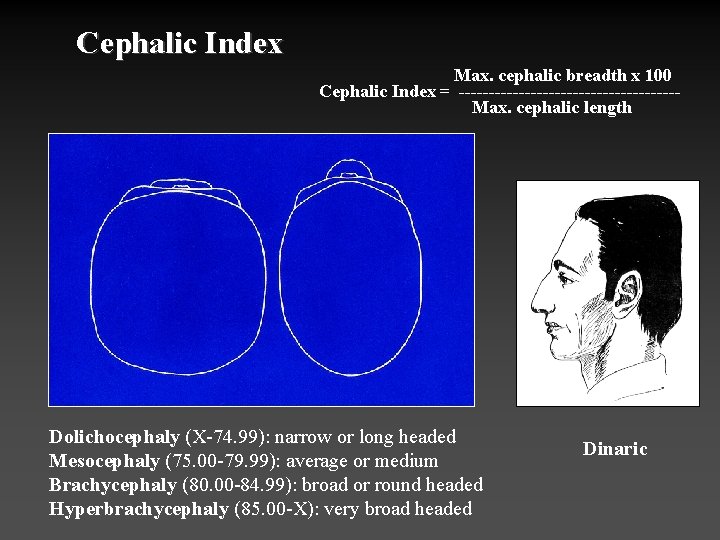
Cephalic Index Max. cephalic breadth x 100 Cephalic Index = ------------------Max. cephalic length Dolichocephaly (X-74. 99): narrow or long headed Mesocephaly (75. 00 -79. 99): average or medium Brachycephaly (80. 00 -84. 99): broad or round headed Hyperbrachycephaly (85. 00 -X): very broad headed Dinaric
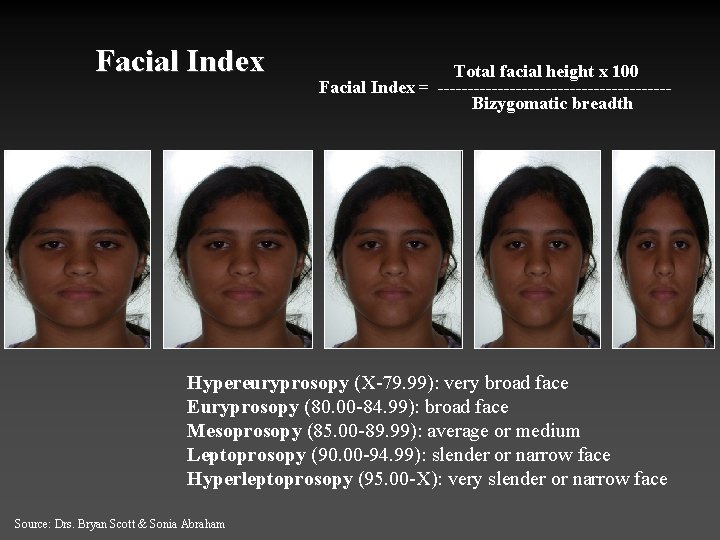
Facial Index Total facial height x 100 Facial Index = -------------------Bizygomatic breadth Hypereuryprosopy (X-79. 99): very broad face Euryprosopy (80. 00 -84. 99): broad face Mesoprosopy (85. 00 -89. 99): average or medium Leptoprosopy (90. 00 -94. 99): slender or narrow face Hyperleptoprosopy (95. 00 -X): very slender or narrow face Source: Drs. Bryan Scott & Sonia Abraham
Sex/Gender Estimation
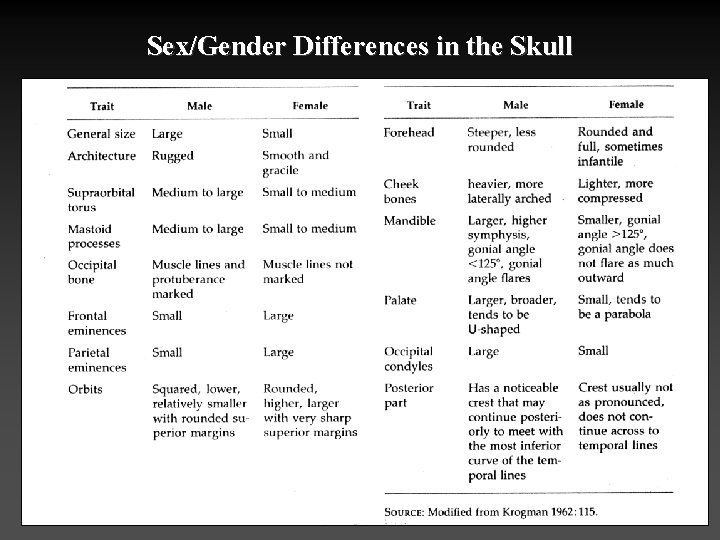
Sex/Gender Differences in the Skull
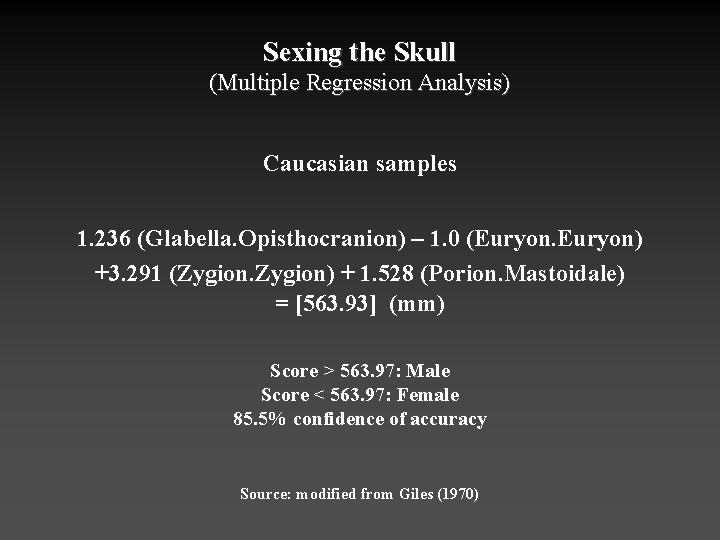
Sexing the Skull (Multiple Regression Analysis) Caucasian samples 1. 236 (Glabella. Opisthocranion) – 1. 0 (Euryon) +3. 291 (Zygion) + 1. 528 (Porion. Mastoidale) = [563. 93] (mm) Score > 563. 97: Male Score < 563. 97: Female 85. 5% confidence of accuracy Source: modified from Giles (1970)
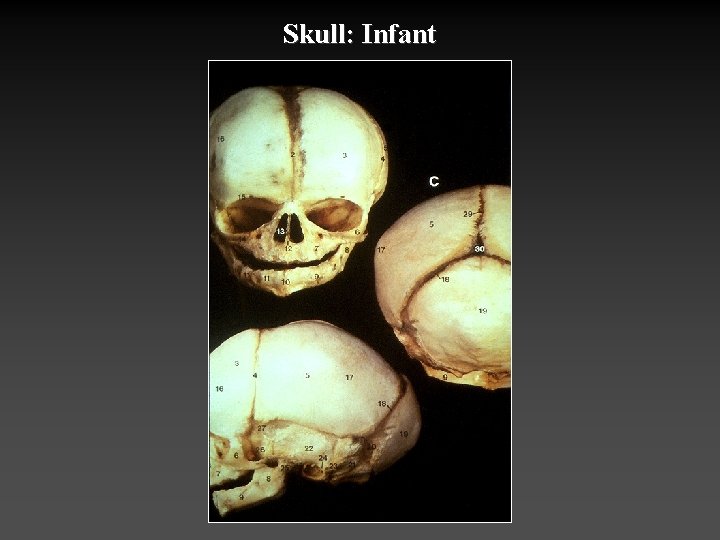
Skull: Infant
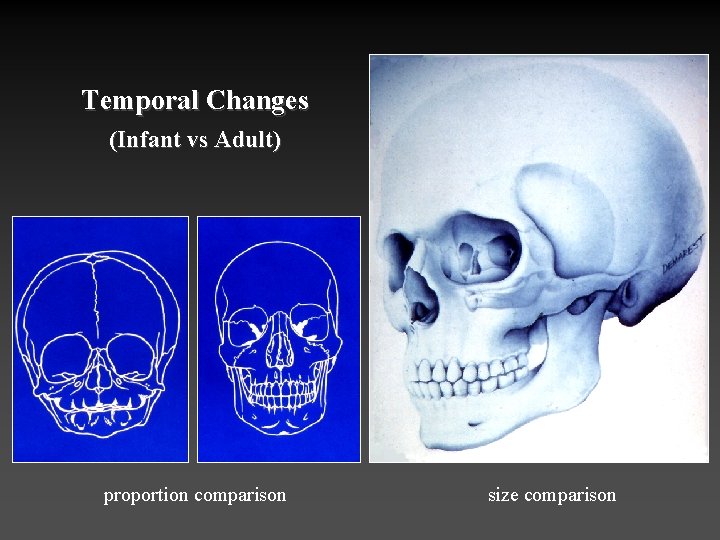
Temporal Changes (Infant vs Adult) proportion comparison size comparison
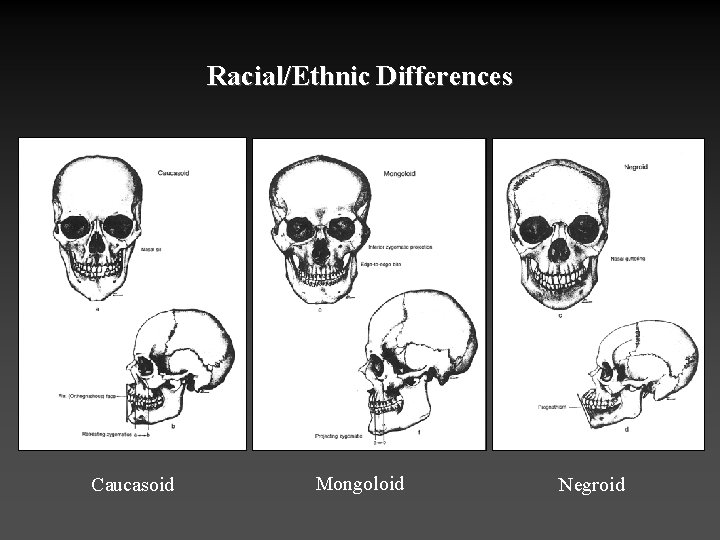
Racial/Ethnic Differences Caucasoid Mongoloid Negroid
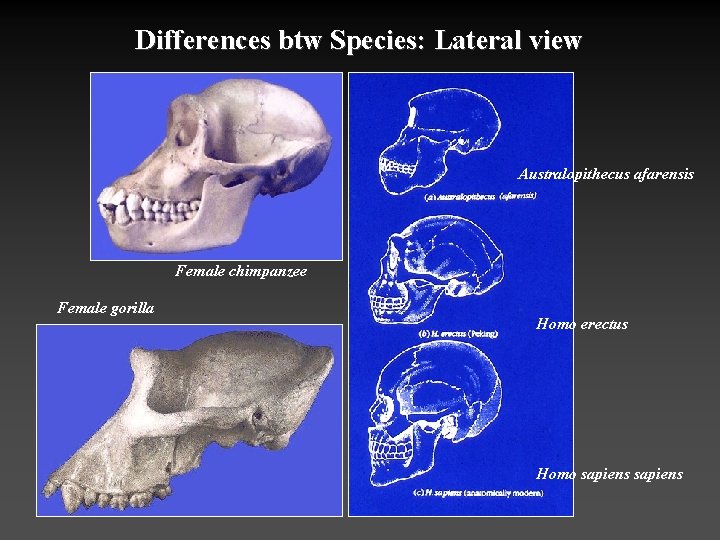
Differences btw Species: Lateral view Australopithecus afarensis Female chimpanzee Female gorilla Homo erectus Homo sapiens
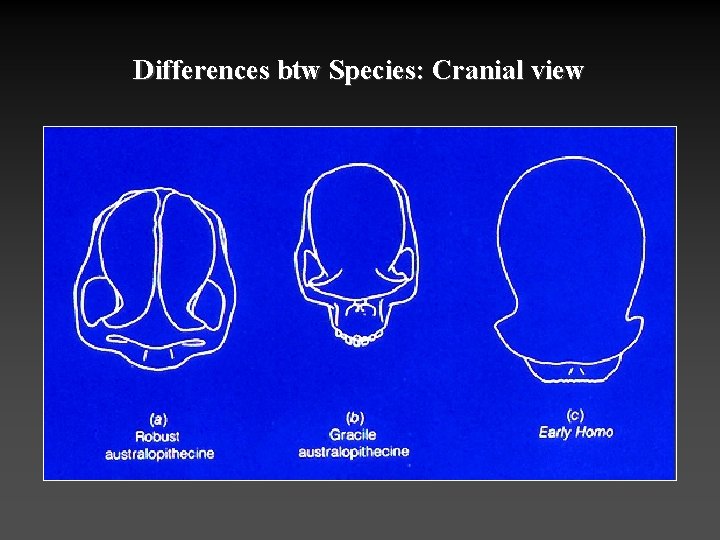
Differences btw Species: Cranial view
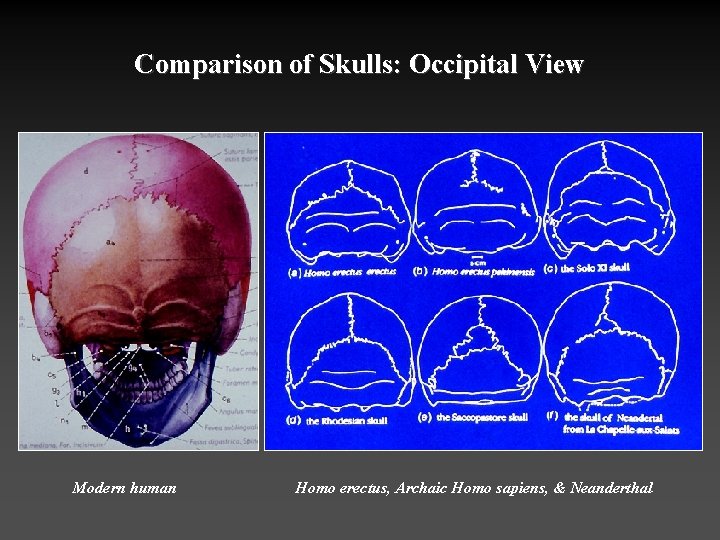
Comparison of Skulls: Occipital View Modern human Homo erectus, Archaic Homo sapiens, & Neanderthal
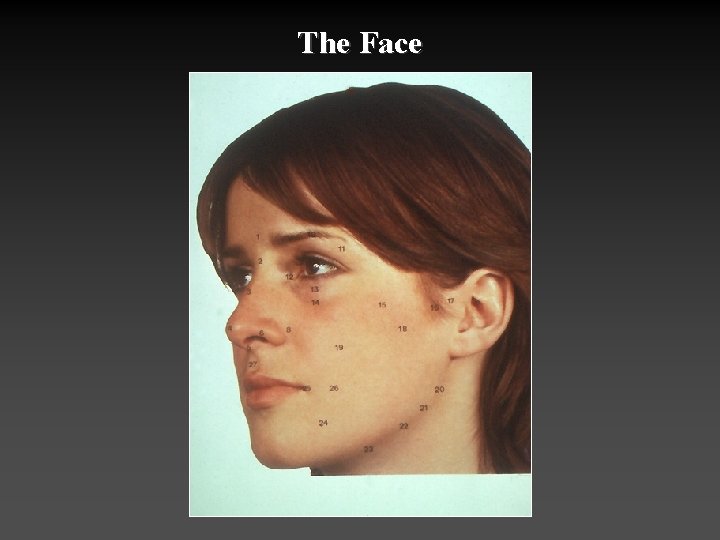
The Face
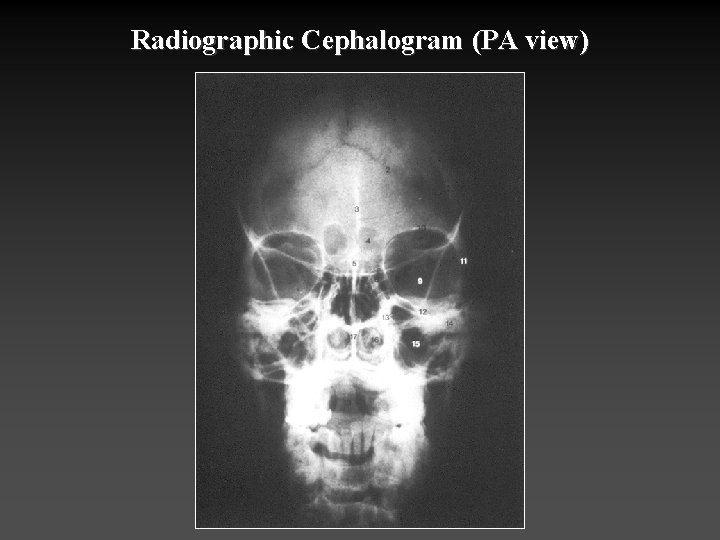
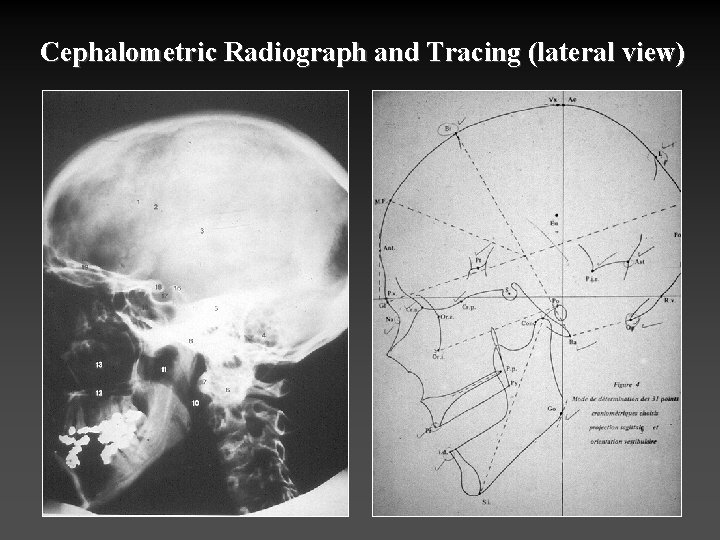
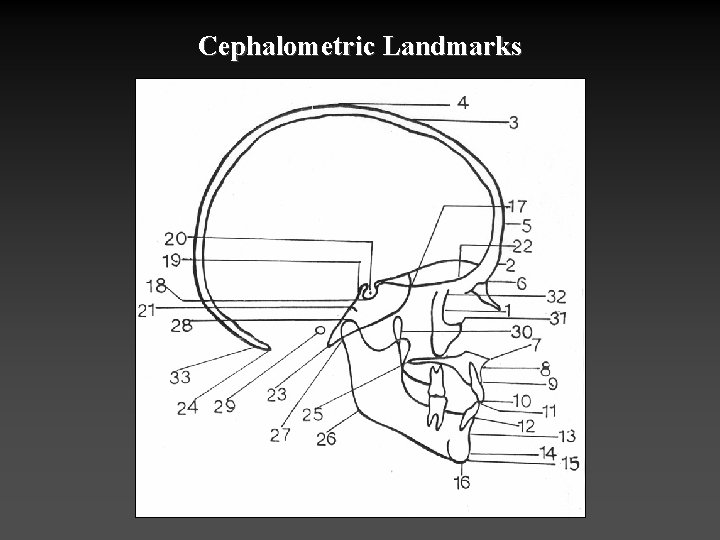
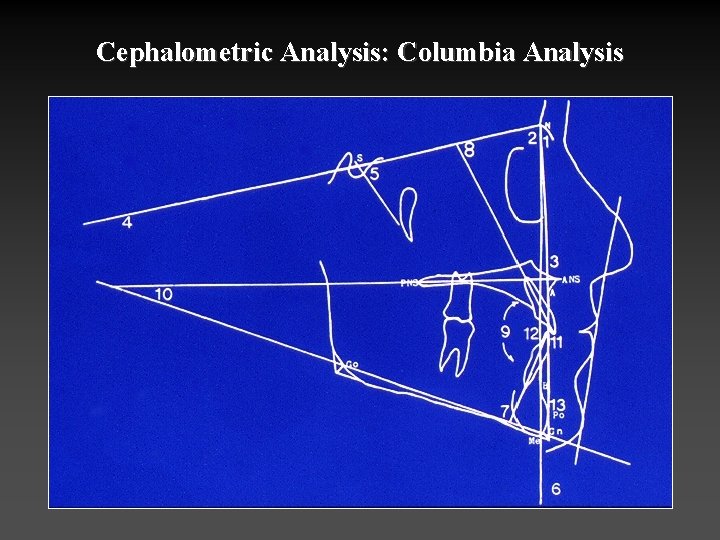
Cephalometry Radiographic Cephalometry 3 -D Imaging Growth norms Growth comparisons Growth estimation Growth prediction (? ) Clinical applications in orthodontics, dento-facial orthopedics, craniofacial surgery
Radiographic Cephalogram (PA view)
Cephalometric Radiograph and Tracing (lateral view)
Cephalometric Landmarks
Cephalometric Analysis: Columbia Analysis
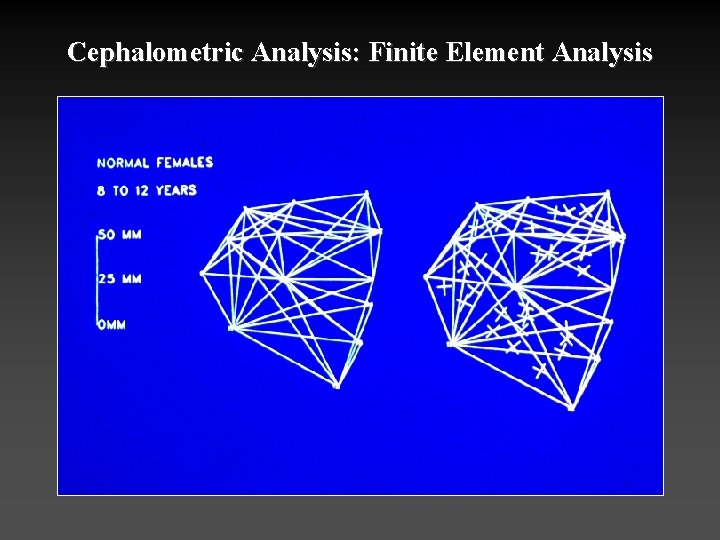
Cephalometric Analysis: Finite Element Analysis
References Bass, W. M. (1987). Human Osteology: A Laboratory and Field Manual (3 rd edition). Special Publication No. 2 of the Missouri Archeological Society. Columbia, Missouri: Missouri Archeologicall Soceity, Inc. . Krogman, W. M. & Iscan, M. Y. (1986). The Human Skeleton in Forensic Medicine. Springfield, Illinois: Charles C. Thomas Publisher. Steele, D. G. & Bramblett, C. A. (1998). The Anatomy and Biology of the Human Skeleton. College Station, Texas: Texas A & M University Press White, T. D. (2000). Human Osteology (2 nd edition). San Diego, California: Acadmic Press.
Acknowledgments Thanks to Professor Melvin Moss Professor Letty Moss-Salentijn Professor Alfonso Solimene Professor Ralph L. Holloway And Dr. Christel Hummert Dr. Sonia Abraham Dr. Bryan Scott