
Cranes Derricks Hoists Elevators and Conveyors Subpart N
Cranes, Derricks, Hoists, Elevators, and Conveyors - Subpart N Section 6 Robert Poole St. Paul Fire & Marine Insurance Company
n Cranes and Derricks - 1926. 550 n Helicopters - 1926. 551 n Material Hoists, Personnel Hoists, and Elevators - 1926. 552 n Base-Mounted Drum Hoists - 1926. 553 n Overhead Hoists - 1926. 554 n Conveyors - 1926. 555
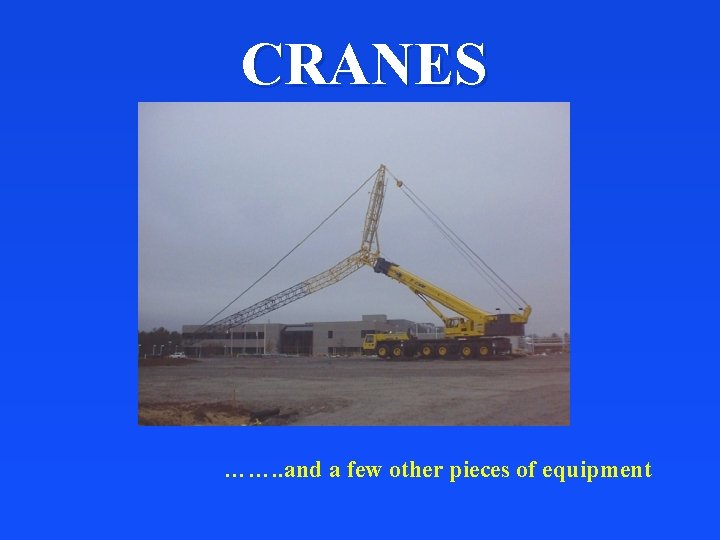
CRANES ……. . and a few other pieces of equipment
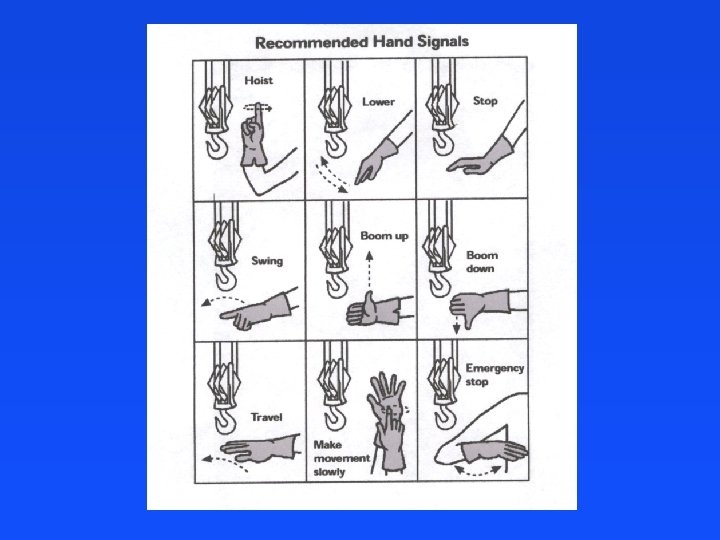
Cranes and Derricks - 1926. 550 n General Requirements – Follow manufacturer’s specs and limits – Capacities, speeds, warnings, instructions posted in view of operator – ANSI standard hand signals posted at site – Annual inspection documented
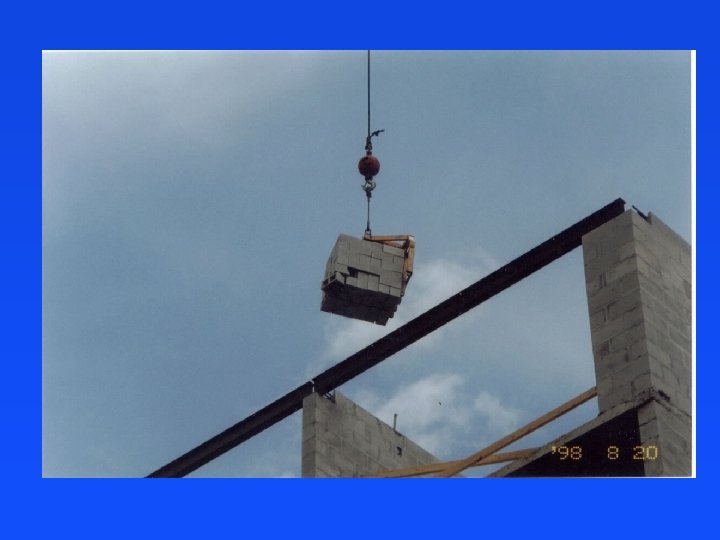
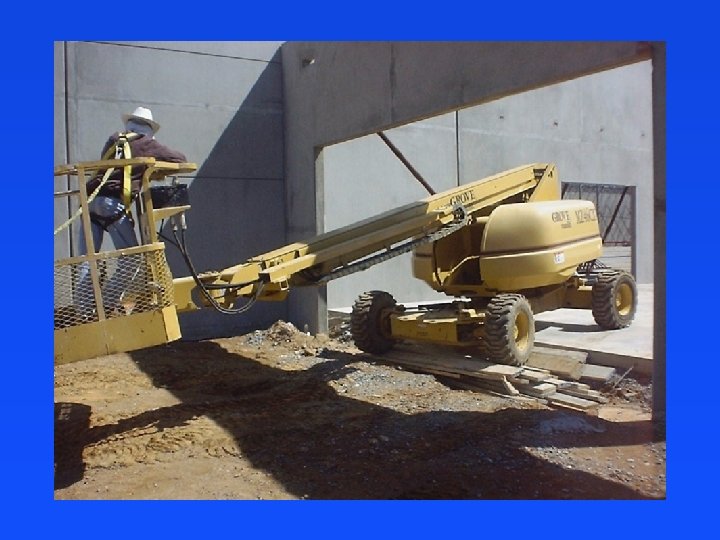
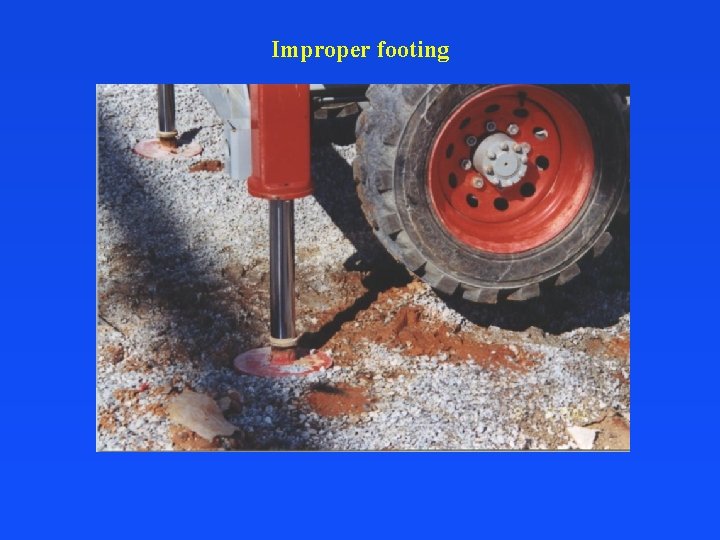
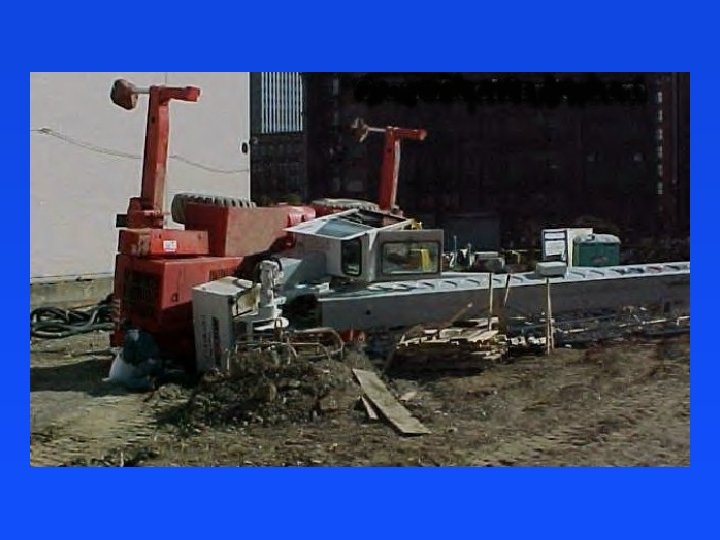
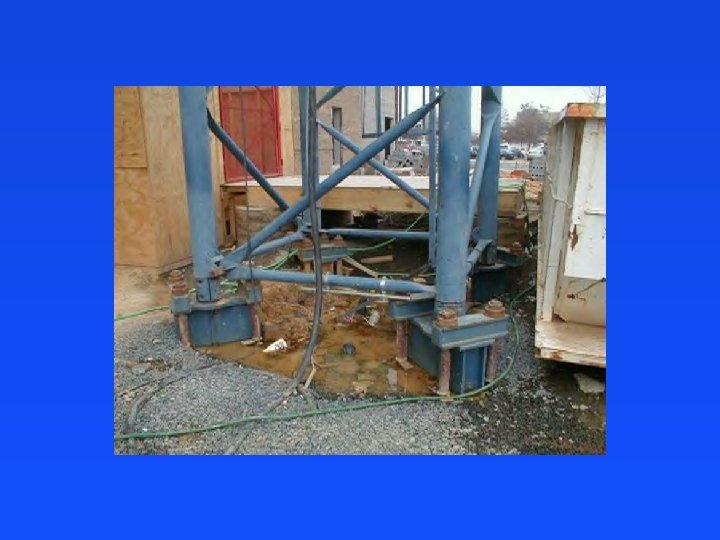
Improper footing
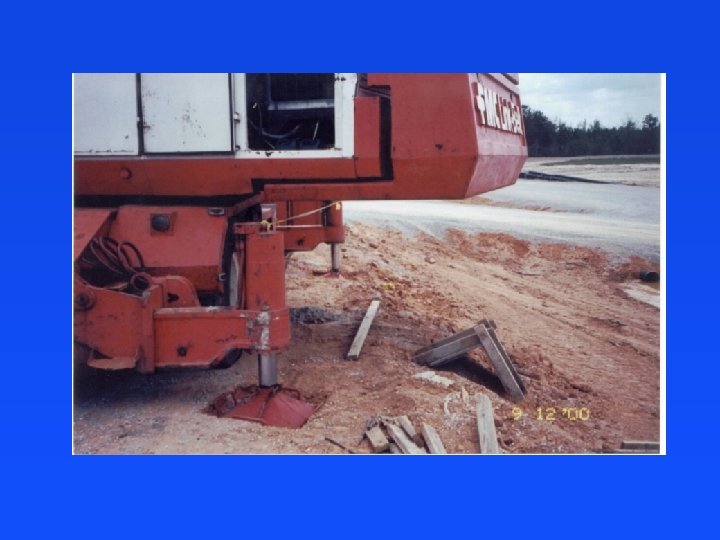

Wire ropes must be inspected prior to use each day. (Synthetic webbing slings must be inspected according to its specific standard 1926. 251(e). )
Wire Rope Removed From Use When: n 6 broken wires in 1 lay, 3 in 1 strand – for example 3/4 inch, 6 x 19 IWRC is one lay or six inches. n Outer wires worn 1/3 original diameter n Birdcaged, crushed, kinked n Heat damaged n Reductions from nominal diameter
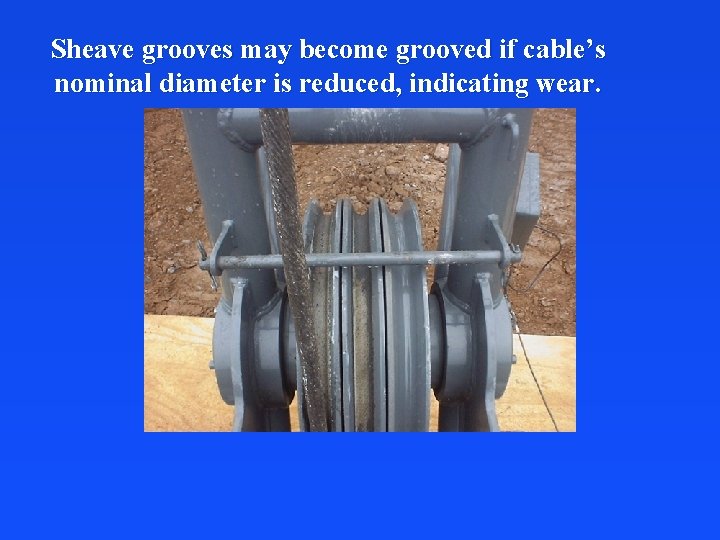
Sheave grooves may become grooved if cable’s nominal diameter is reduced, indicating wear.
Cranes and Derricks - 1926. 550 n Belts, gears, shafts, pulleys, etc. guarded n Swing radius barricaded n Exhaust pipes guarded or insulated n Exhaust in enclosed spaces - air monitoring
General Requirements n Windows in cabs - no distortion – Ladder or steps to cab roof – Guardrails, handholds, steps to cab – Anti-skid walking surfaces – Fire extinguisher of 5 BC rating
Crane Electrical Hazards n If operator has no clear view, spotter needed n Work near transmitter towers may require grounding cables
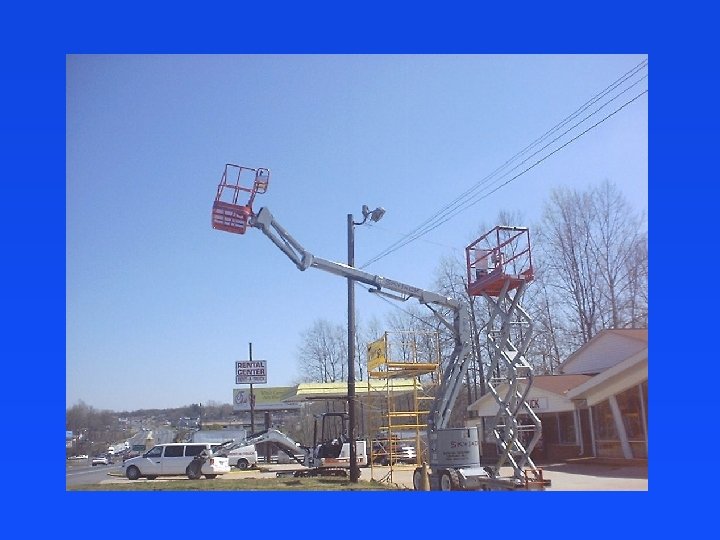
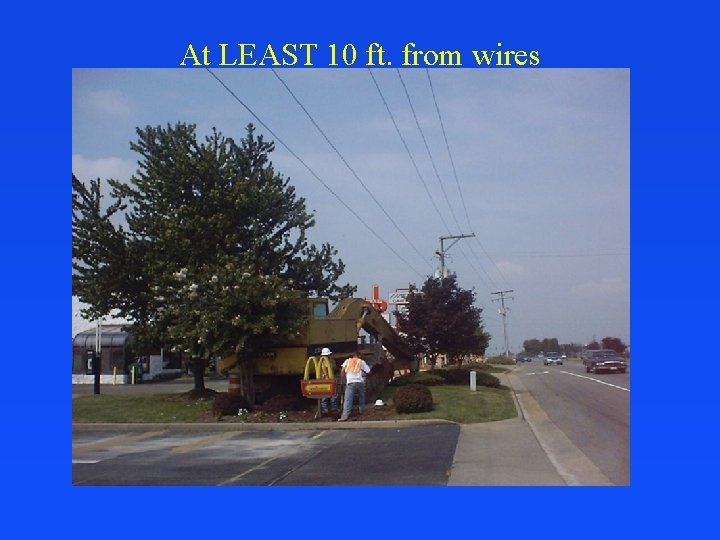
At LEAST 10 ft. from wires
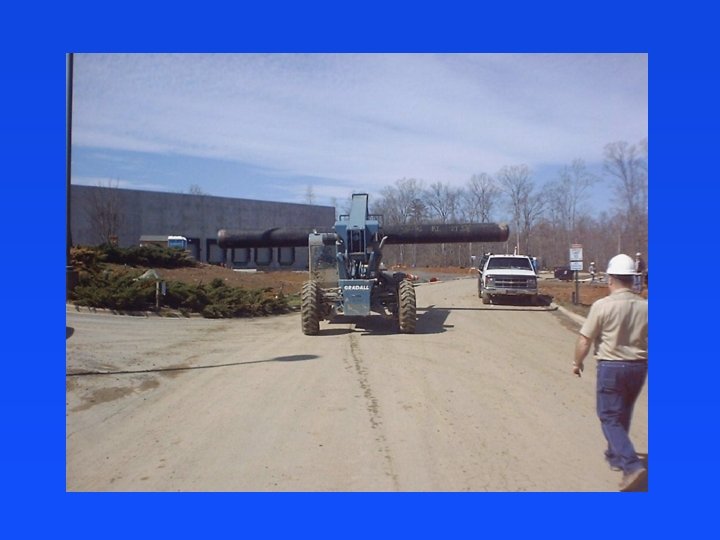
Cranes and Derricks - 1926. 550 n General Requirements – NO modifications or additions without manufacturer’s written approval. – All employees clear of suspended loads at all times.
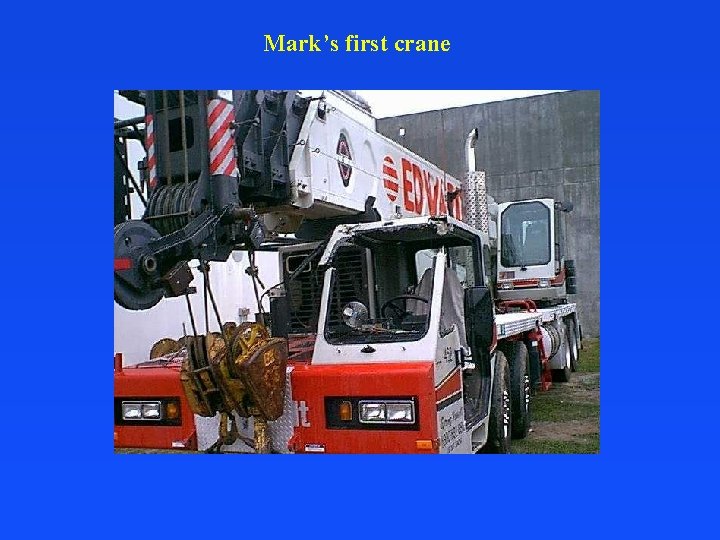
Mark’s first crane
Crawlers and Locomotives n Compliance with ANSI B 30. 5 -1968 n Record of inspections on file n Jibs have positive stops to prevent overbooming of more than 5 degrees above the straight line of the jib
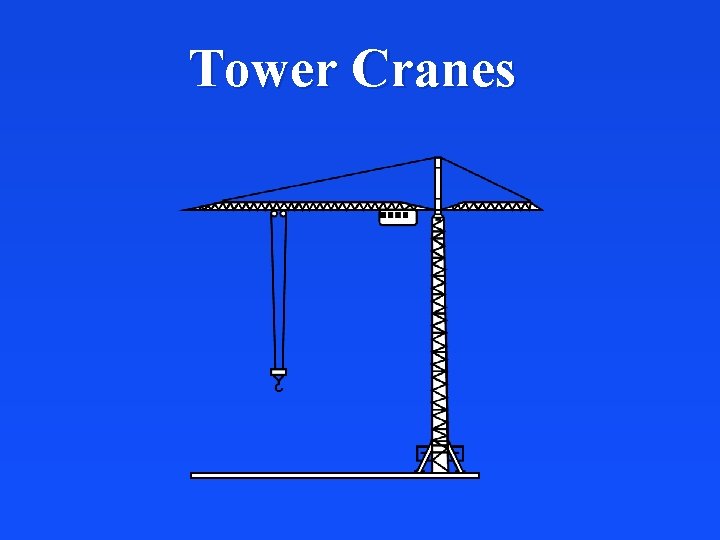
Tower Cranes

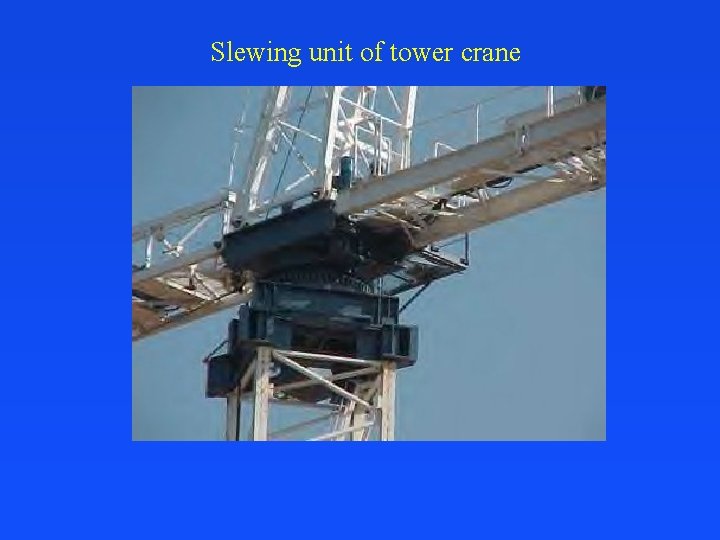
Slewing unit of tower crane
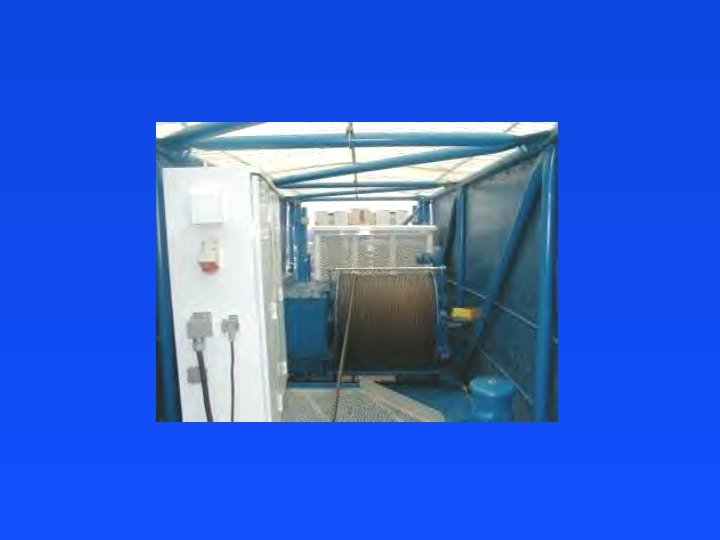
Hammerhead Tower Cranes - 1926. 550 n Employees tied off on horizontal booms n Buffers at each end of trolley n Limit switches in place n Manufacturer’s recommendations n Adequate clearances maintained

Suspended Personnel Platforms
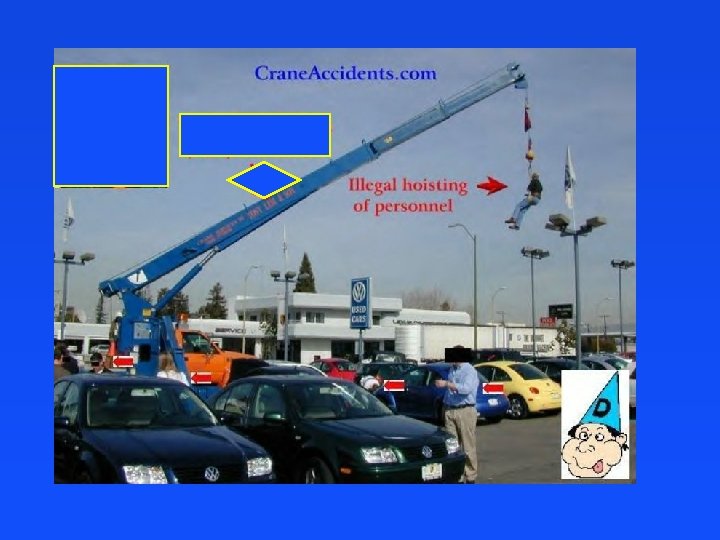
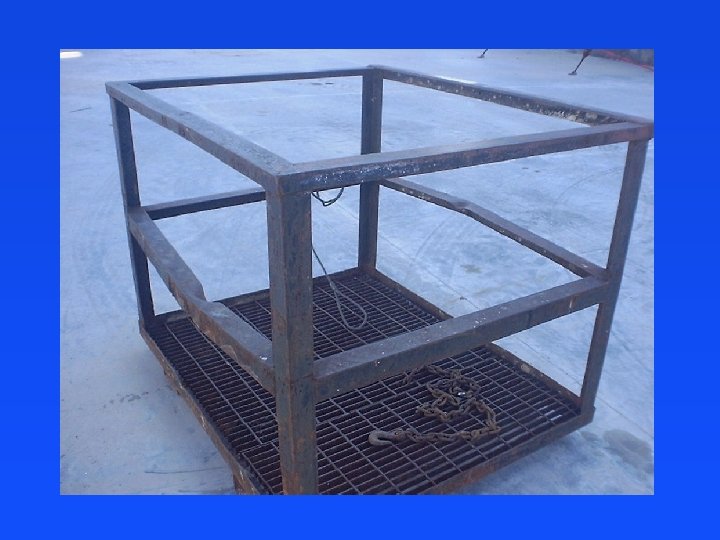
Personnel baskets (Personnel platforms) n Rule #1 - May only be used when there is NO OTHER safe means of performing the work! Personnel baskets are the tool of last resort.
Personnel basket crane specs Brakes set, level within 1% of grade Derate machine capacity 50% Load line safety factor 7 -10 times No live boom machines Telescoping boom length indicator No free fall- power up & power down

Positive anti-two block device
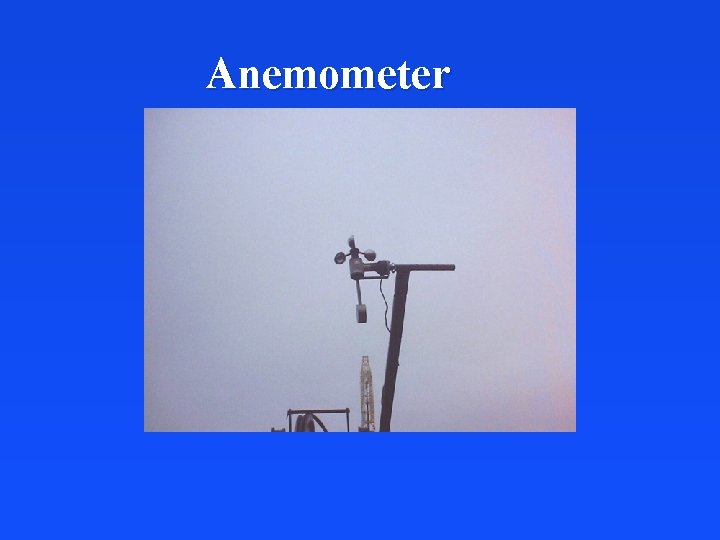
Anemometer
Cranes and Derricks - 1926. 550 n Suspended Personnel Platforms Design – Support 5 times intended load – Guardrail, enclosed from midrail to toeboard, grab rail installed inside – Hard hats and overhead protection – Welding by qualified welder – Weight of platform and rated capacity marked
Suspended Personnel Platforms - 1926. 550 n Master link or shackle for bridle legs – Eyes fabricated with thimbles n Rigging used only for personnel basket n Basket landed or secured before entry n Employees tied off to basket

Helicopters
Helicopters - 1926. 551 Federal Aviation Administration regulations n Briefing (includes emergency drop zone) n Slings and tag lines, cargo hooks n Personnel Protective Equipment n Hooking and unhooking (static electricity) n Signal systems, visibility, & communication n Approach distance and approaching n Fires n
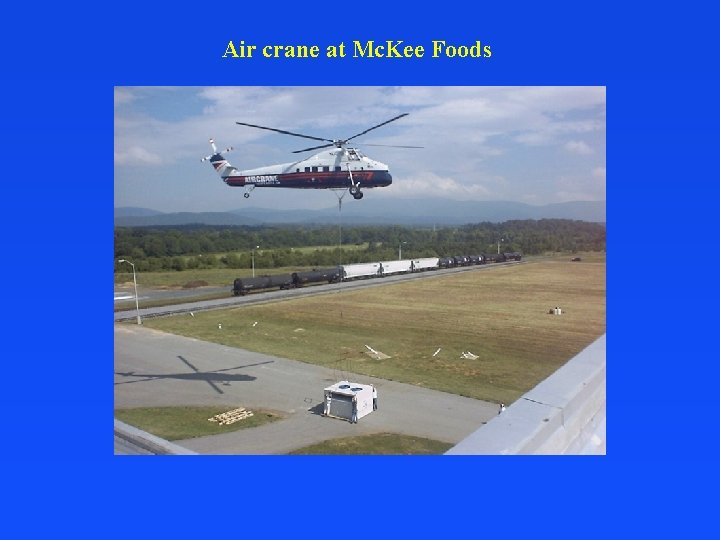
Air crane at Mc. Kee Foods


Material Hoists, Personnel Hoists, and Elevators - 1926. 552 n General Requirements – Manufacturer’s specifications and limitations – Capacities, speeds, hazard warnings posted – Removal of damaged wire rope
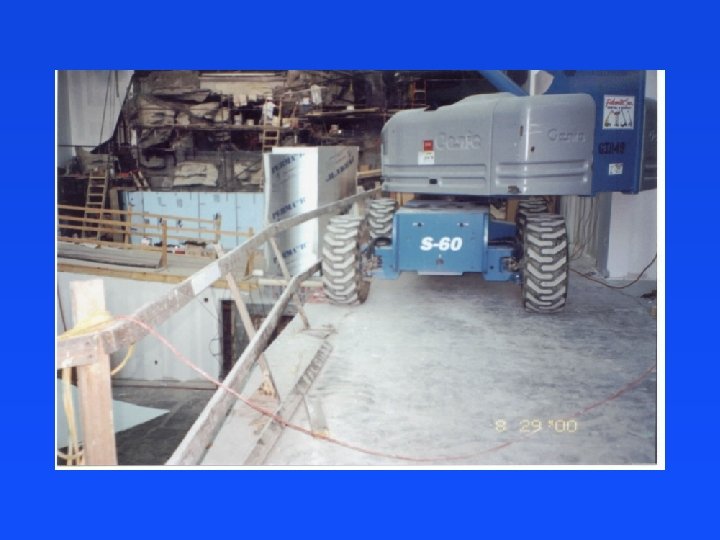

Material Hoists Operating rules established and posted at operator station - No riders n Entrances to hoistways protected n Overhead protection - cages, platforms, operator stations n Hoist tower enclosures n Car arresting devices in case of rope failure n Designed by professional engineer n

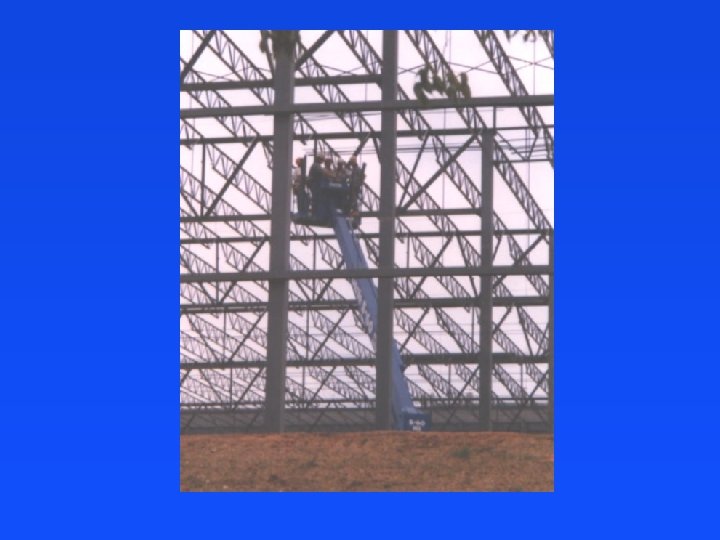
Personnel Hoists and Elevators - 1926. 552 Tower anchored to structure every 25 ft. n Cars permanently enclosed on all sides except entrance n Doors or 78”-high gates at each level n Electric safety contacts on doors/gates n Capacity and data posted n Emergency stop switch inside car n Inspection and testing before use and every 3 months n
The Most Frequent Citations: n Failure to guard swing radius n Operating near power lines n No load chart n Unnecessary use of personnel basket

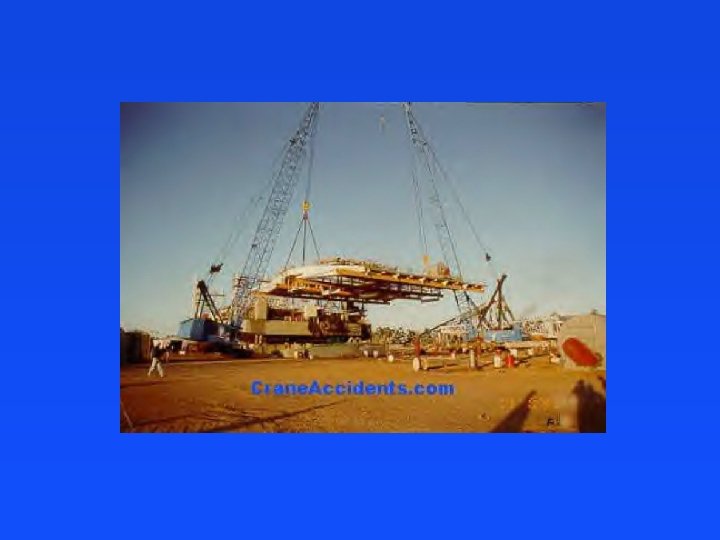
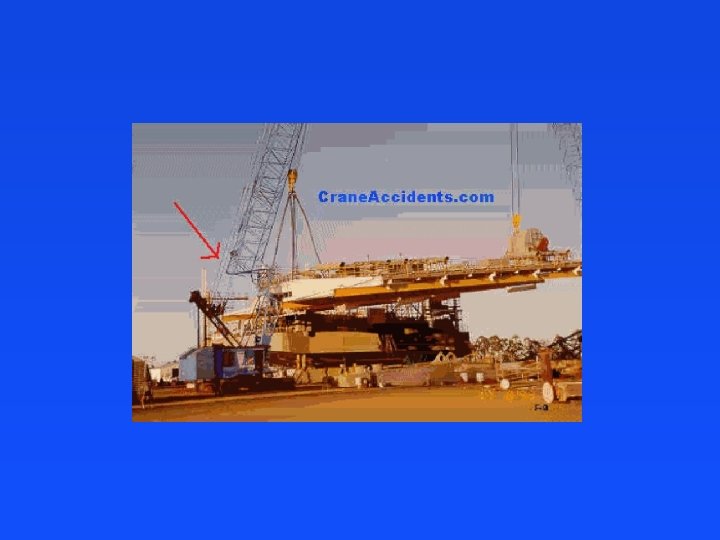
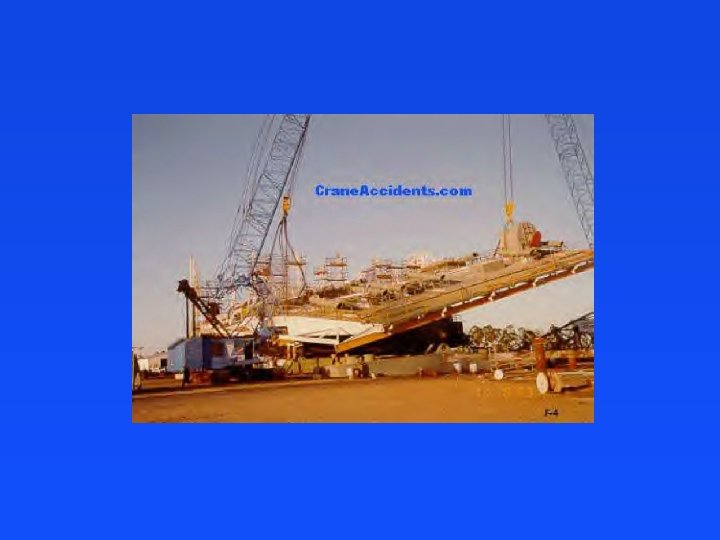
This lift should have been stopped before it got this far

What Questions Do You Have On Cranes, Derricks, Hoists, and Conveyors? n Now I have a few questions n Please turn to the Crane Test page in your handout material
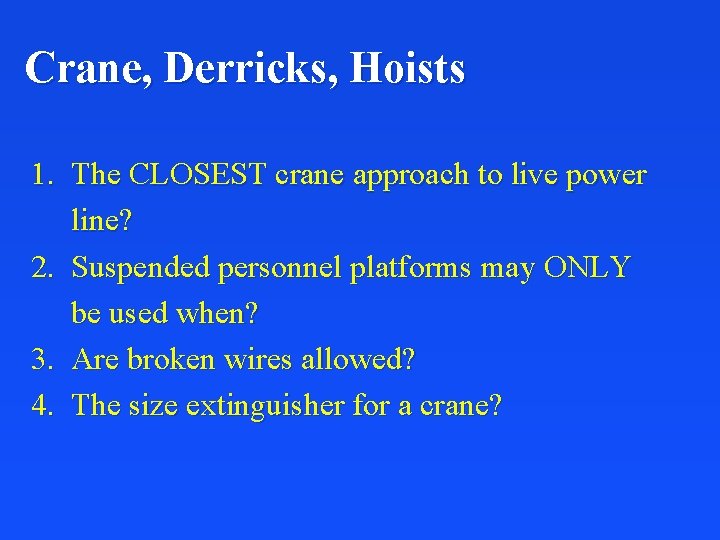
Crane, Derricks, Hoists 1. The CLOSEST crane approach to live power line? 2. Suspended personnel platforms may ONLY be used when? 3. Are broken wires allowed? 4. The size extinguisher for a crane?
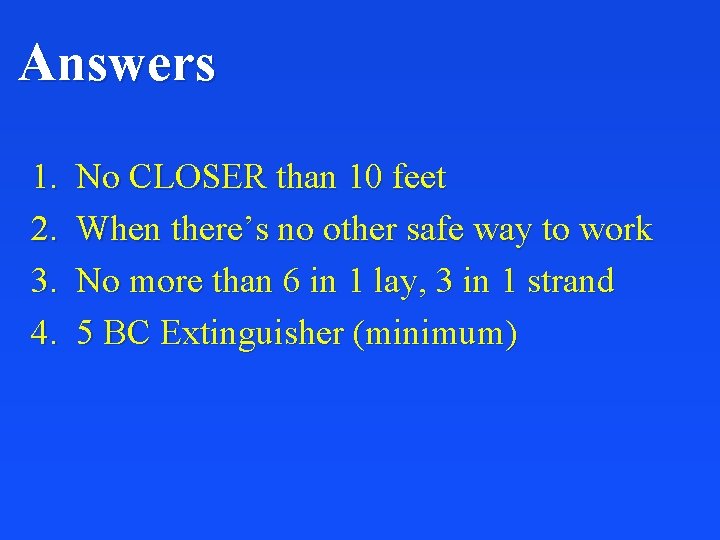
Answers 1. 2. 3. 4. No CLOSER than 10 feet When there’s no other safe way to work No more than 6 in 1 lay, 3 in 1 strand 5 BC Extinguisher (minimum)

Take a break ! Be back in TEN minutes
- Slides: 59