
Cradle to Cradle Group 4 Petri Huhtanen Jani
- Slides: 28
Cradle to Cradle Group 4: Petri Huhtanen, Jani Kiiski, Jacqueline German, Minna Vierula
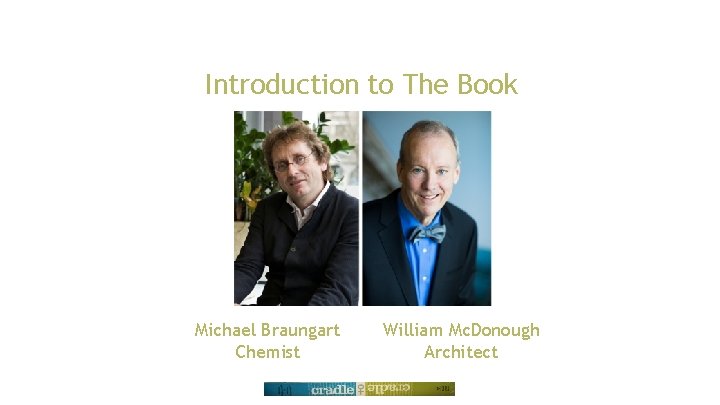
Introduction to The Book Michael Braungart Chemist William Mc. Donough Architect
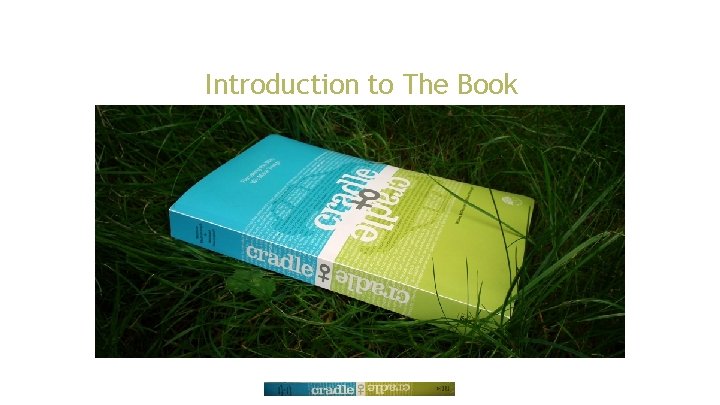
Introduction to The Book
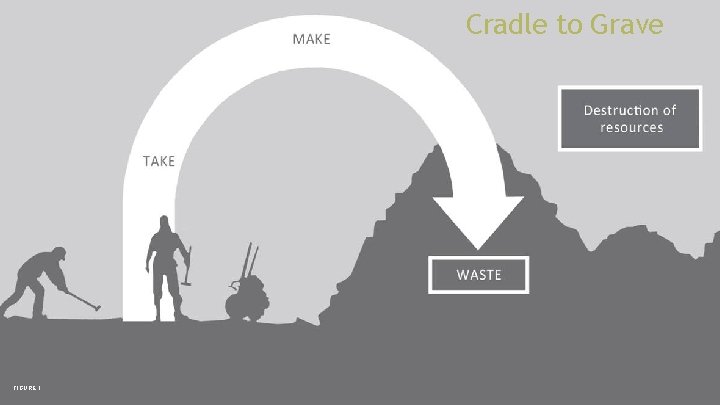
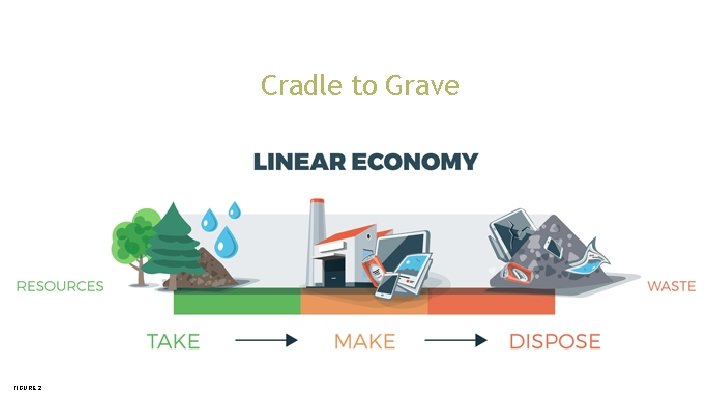
Cradle to Grave FIGURE 1
Cradle to Grave FIGURE 2
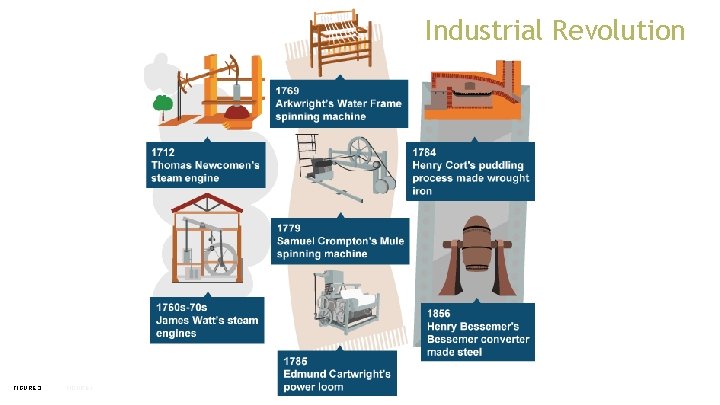
Industrial Revolution FIGURE 3 FIGURE 1
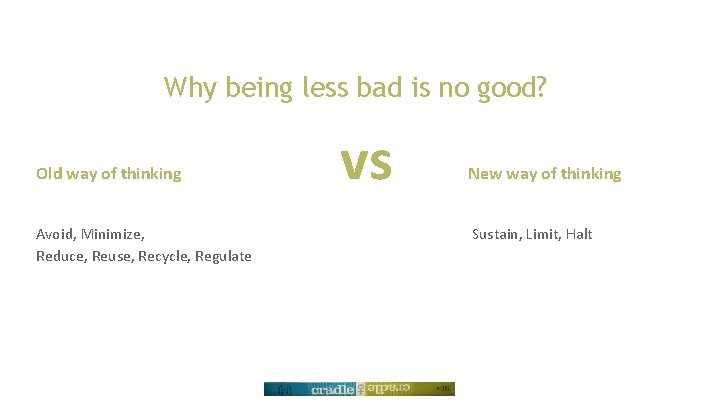
Why being less bad is no good? Old way of thinking Avoid, Minimize, Reduce, Reuse, Recycle, Regulate vs New way of thinking Sustain, Limit, Halt
Downcycling Waste in cases where the recycled material is of lower quality and functionality than the original material. Example: Aluminum soda cans consists of two types of aluminum. Walls consist of aluminum, manganese alloy with some magnesium, coating and paint.
Downcycling Harder top is aluminum magnesium alloy. Conventional recycling of this melted mixture leads to weaker and less useful product. Downcycling can also increase contamination of the biosphere. Paints and plastics that are melted into recycled steel, for example, contain harmful chemicals.
Downcycling Regulation shouldn’t be just a license to harm. “Relying on eco efficiency to save the environment will in fact achieve the opposite; it will let the industry finish off everything, quietly, persistently and completely. ” “the goal should be zero: zero waste, zero emissions, zero “ecological footprint”. ”
Upcycling Also known as creative reuse, is the process of transforming by-products, waste materials, useless, or unwanted products into new materials or products of better quality or for better environmental value. Any measure and activity in the design phase targeting at optimal handling of products as nutrients.
Waste equals food cradle-to-cradle Humans are the only species that takes from the soil vast quantities of nutrients but rarely puts them back in a usable form. According to the book one reason for the destruction of Rome was nutrient losses; agriculture and tree-felling drained soils of nutrient and led to erosion
A World of Two Metabolism To eliminate the concept of waste means to design things – product, packaging, and systems - from the very beginning on the understanding that waste does not exist FORM FOLLOWS EVOLUTION, NOT JUST FUNCTION! “If humans are truly going to prosper, we will have to learn to imitate nature’s effective cradle-to-cradle system of nutrient flow and metabolism”
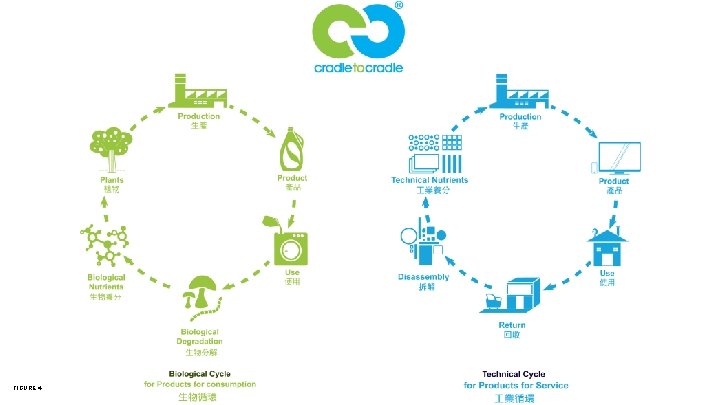
Biological Metabolism or biological cycle The cycle in which biological nutrients flow. Any material that comes into intentional or likely unintentional contact with the biological metabolism should be designed to safely come into contact with living organisms. “Most packaging which makes up about 50 % of the volume of municipal solid waste stream can be designed as biological nutrients. ”
Biological Nutrient A biological nutrient is a material or product that is designed to return to the biological cycle. A product usable by defined living organisms to carry on life processes. Organisms, organic macromolecules, minerals.
Technical Metabolism or technical cycle The cycle that technical nutrients flow in. Materials potentially hazardous to life and health may be used in a technical metabolism, if they are sequestered from uncontrolled contact with life. Biological nutrients may flow in technical cycles (e. g. , paper and bio-based polymers).
Technical Nutrient A technical nutrient is a material or product that is designed to go back into the technical cycle, into the industrial metabolism from which it came. A product capable to “feed” technical systems. Technical nutrients are deconstructed and constructed according to the following hierarchy: Dismantle and reuse, dismantle and physical transformation, dismantle and chemical transformation.
FIGURE 4
Implementation Real world examples I. C 2 C - Next packaging paradigm ? I. Real Estate: Criteria, Implementation, Case Biotope I. Spatial Planning: Criteria, Case Venlo, Limburg Principles, Case Tampere
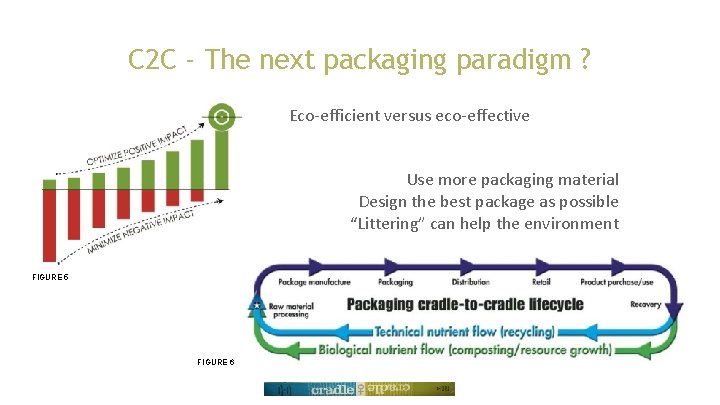
C 2 C - The next packaging paradigm ? Eco-efficient versus eco-effective Use more packaging material Design the best package as possible “Littering” can help the environment FIGURE 5 FIGURE 6
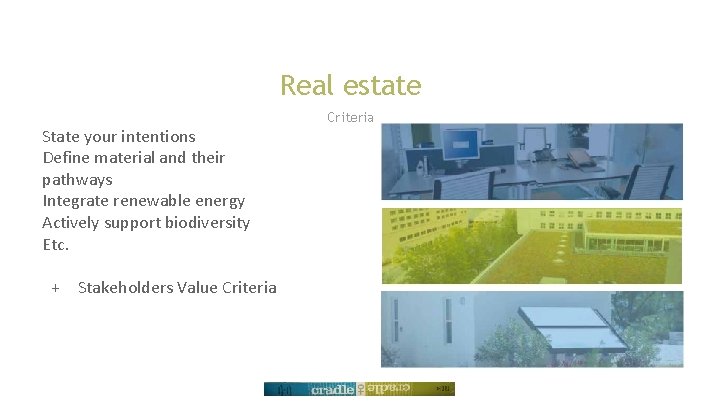
Real estate State your intentions Define material and their pathways Integrate renewable energy Actively support biodiversity Etc. + Stakeholders Value Criteria
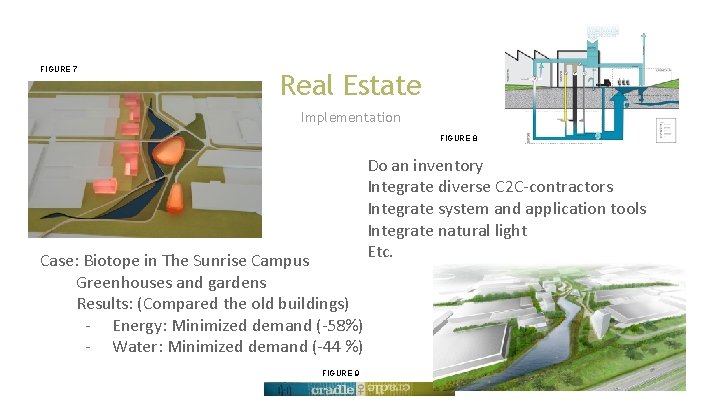
FIGURE 7 Real Estate Implementation FIGURE 8 Case: Biotope in The Sunrise Campus Greenhouses and gardens Results: (Compared the old buildings) - Energy: Minimized demand (-58%) - Water: Minimized demand (-44 %) FIGURE 9 Do an inventory Integrate diverse C 2 C-contractors Integrate system and application tools Integrate natural light Etc.
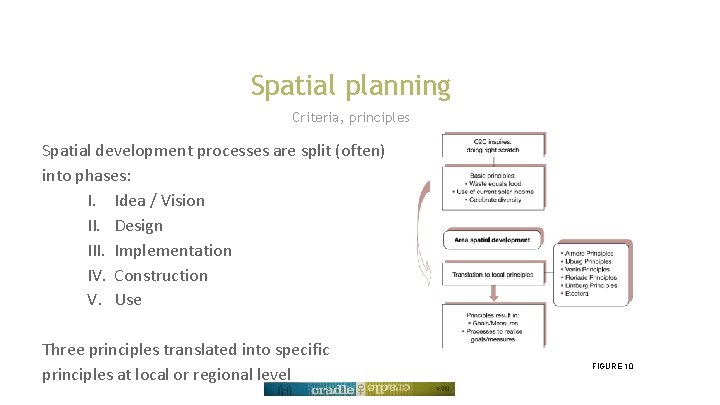
Spatial planning Criteria, principles Spatial development processes are split (often) into phases: I. Idea / Vision II. Design III. Implementation IV. Construction V. Use Three principles translated into specific principles at local or regional level FIGURE 10
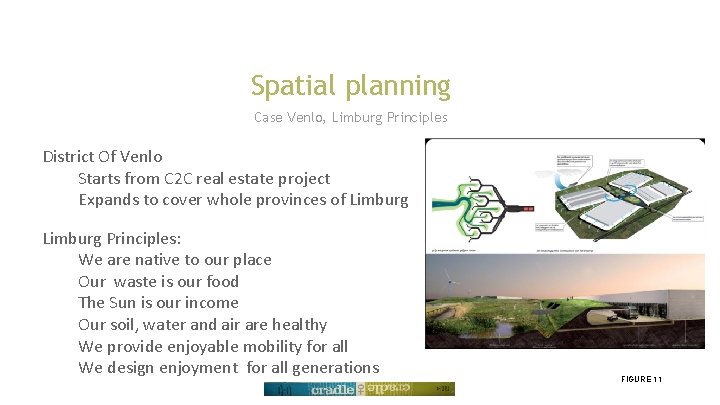
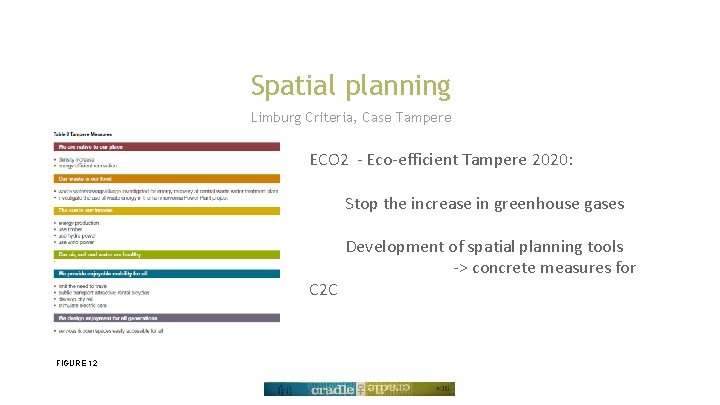
Spatial planning Case Venlo, Limburg Principles District Of Venlo Starts from C 2 C real estate project Expands to cover whole provinces of Limburg Principles: We are native to our place Our waste is our food The Sun is our income Our soil, water and air are healthy We provide enjoyable mobility for all We design enjoyment for all generations FIGURE 11
Spatial planning Limburg Criteria, Case Tampere ECO 2 - Eco-efficient Tampere 2020: Stop the increase in greenhouse gases C 2 C FIGURE 12 Development of spatial planning tools -> concrete measures for
Thanks
References:
Braungart, Michael; Mc. Donough, William (2002): Cradle to Cradle. Remaking the Way We Make Things Cradle to Cradle Terms & Definitions. Available: http: //www. c 2 cplatform. tw/en/c 2 c. php? Key=3 Figure 1. http: //dab 810 -blogger 2012. blogspot. fi/ Figure 2. www. linkedin. com/pulse/zero-waste-want-matthew-s-hollis Figure 3. http: //schoolworkhelper. net/economic-changes-during-industrial-revolution/ Figure 4. http: //www. c 2 cplatform. tw/en/c 2 c. php? Key=3 Figure 5. http: //www. sciencedirect. com/science/article/pii/S 2212827115001110 Figure 6. http: //nbis. org/nbisresources/sustainability_frameworks/cradle_to_cradel_concept. pdf Figure 7, 8, 9. http: //marcovermeulen. eu/themes/12/werklandschappen/85/sunrisecampus/english/ Figure 10, 12. http: //www. c 2 c-centre. com/sites/default/files/C 2 C%20 Network%20 -%20 C 2 C%20 PS%20 areaspatial. C 2 C. pdf Figure 11. https: //divisare. com/projects/110436 -andrea-abita-marco-vermeulen-c 2 c-greenport-klavertje-4 -venlo