
Covalent Bonding Orbitals Chapter 9 1 Copyright The
Covalent Bonding: Orbitals Chapter 9 1 Copyright © The Mc. Graw-Hill Companies, Inc. Permission required for reproduction or display.
How does Lewis theory explain the bonds in H 2 and F 2? Sharing of two electrons between the two atoms. Bond Enthalpy Bond Length Overlap Of H 2 436. 4 k. J/mol 74 pm 2 1 s F 2 150. 6 k. J/mol 142 pm 2 2 p Valence bond theory – bonds are formed by sharing of e- from overlapping atomic orbitals. 2
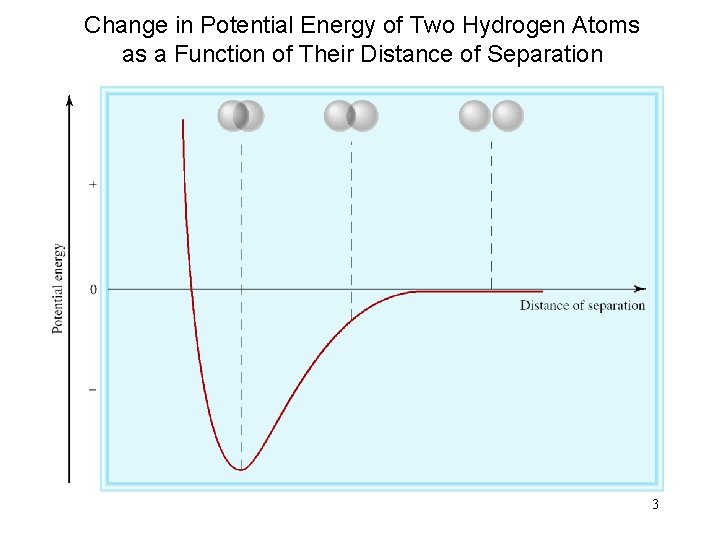
Change in Potential Energy of Two Hydrogen Atoms as a Function of Their Distance of Separation 3
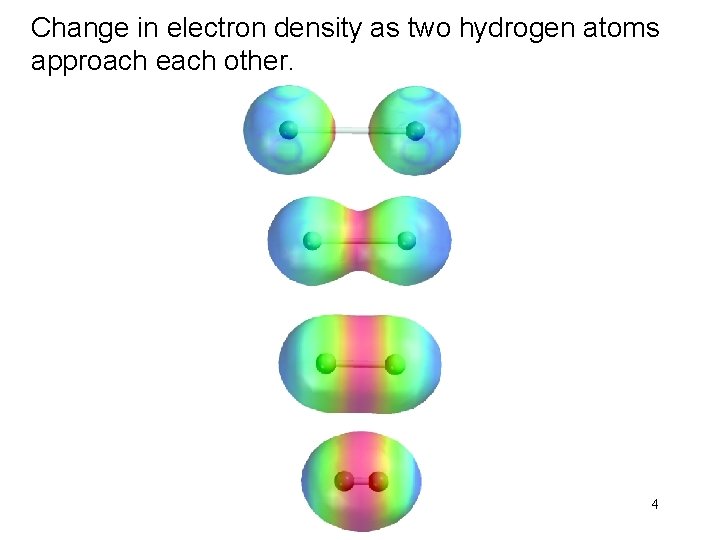
Change in electron density as two hydrogen atoms approach each other. 4
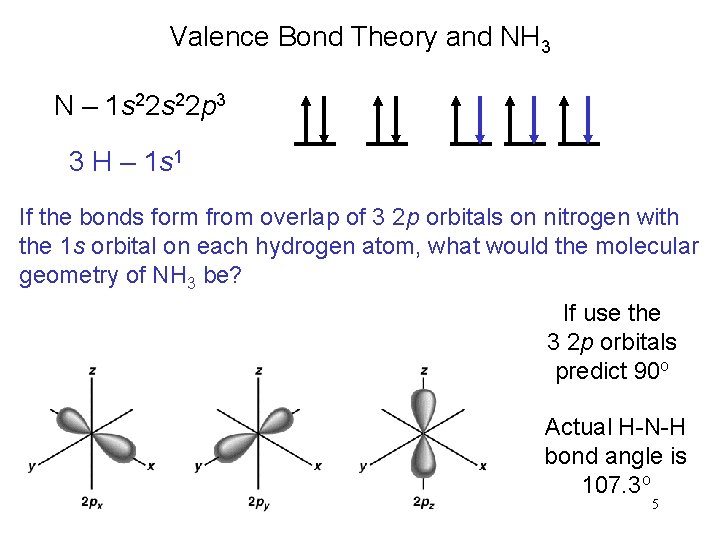
Valence Bond Theory and NH 3 N – 1 s 22 p 3 3 H – 1 s 1 If the bonds form from overlap of 3 2 p orbitals on nitrogen with the 1 s orbital on each hydrogen atom, what would the molecular geometry of NH 3 be? If use the 3 2 p orbitals predict 90 o Actual H-N-H bond angle is 107. 3 o 5
Hybridization – mixing of two or more atomic orbitals to form a new set of hybrid orbitals. 1. Mix at least 2 nonequivalent atomic orbitals (e. g. s and p). Hybrid orbitals have very different shape from original atomic orbitals. 2. Number of hybrid orbitals is equal to number of pure atomic orbitals used in the hybridization process. 3. Covalent bonds are formed by: a. Overlap of hybrid orbitals with atomic orbitals b. Overlap of hybrid orbitals with other hybrid orbitals 6
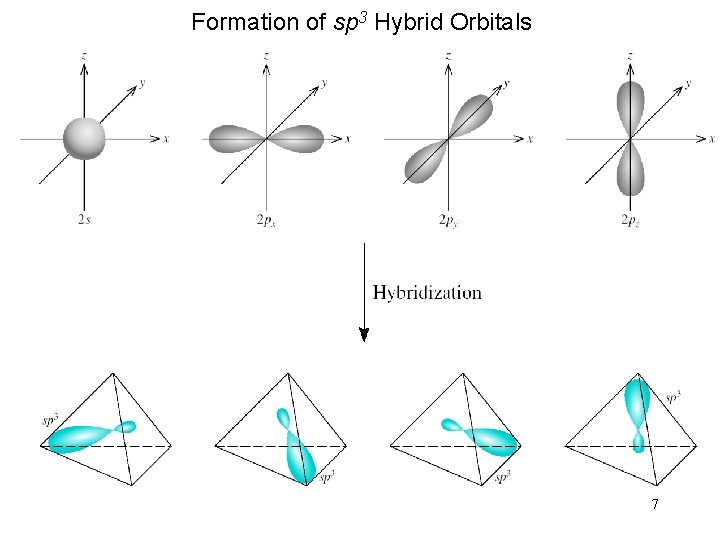
Formation of sp 3 Hybrid Orbitals 7
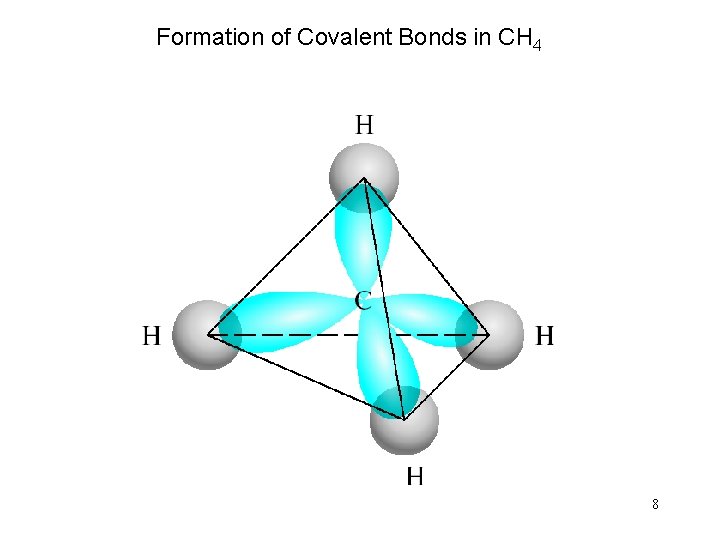
Formation of Covalent Bonds in CH 4 8
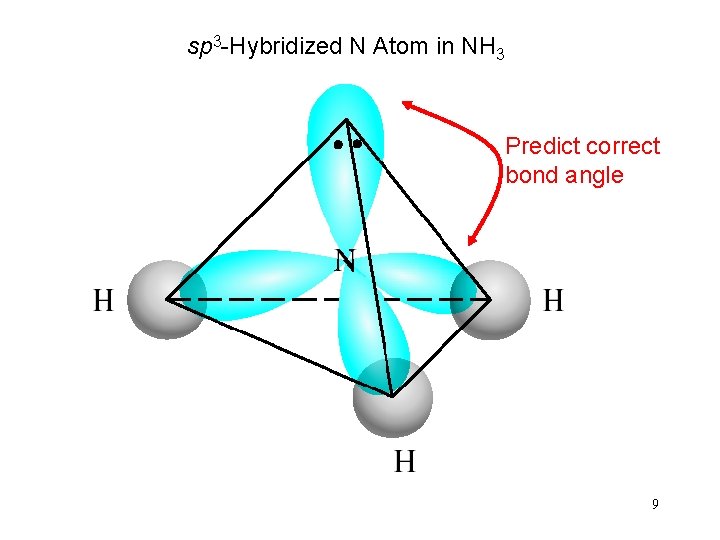
sp 3 -Hybridized N Atom in NH 3 Predict correct bond angle 9
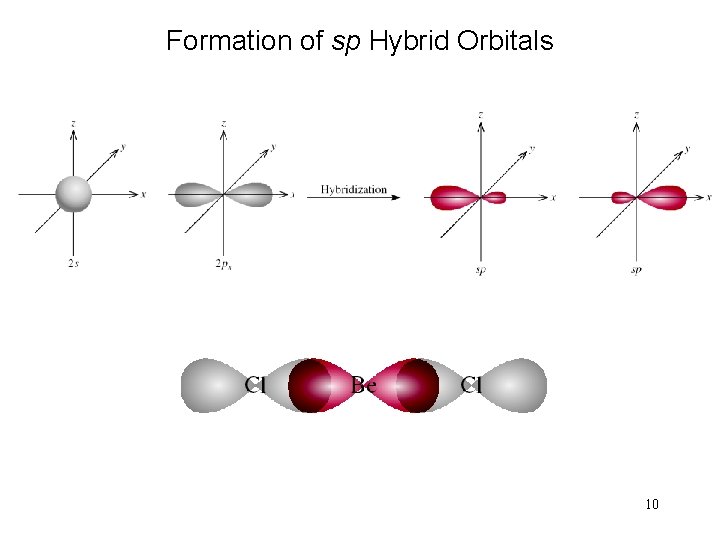
Formation of sp Hybrid Orbitals 10
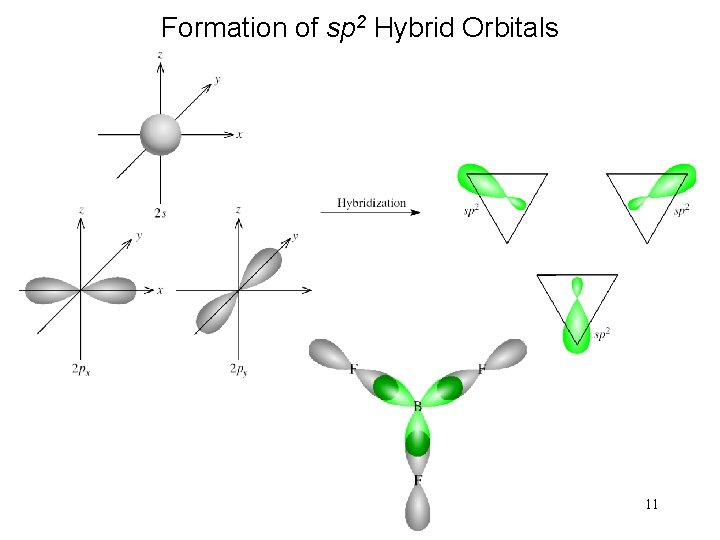
Formation of sp 2 Hybrid Orbitals 11
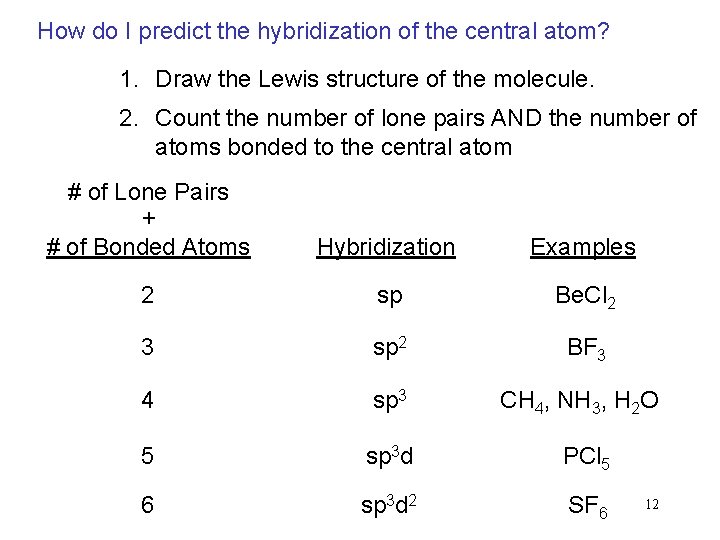
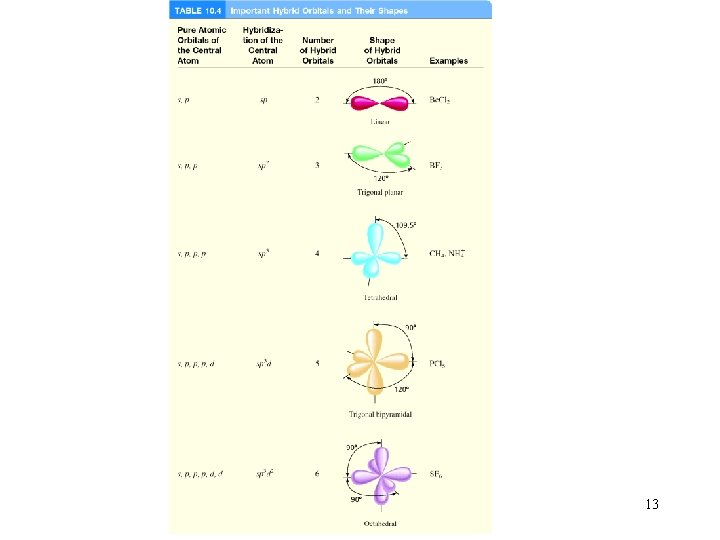
How do I predict the hybridization of the central atom? 1. Draw the Lewis structure of the molecule. 2. Count the number of lone pairs AND the number of atoms bonded to the central atom # of Lone Pairs + # of Bonded Atoms Hybridization Examples 2 sp Be. Cl 2 3 sp 2 BF 3 4 sp 3 CH 4, NH 3, H 2 O 5 sp 3 d PCl 5 6 sp 3 d 2 SF 6 12
13
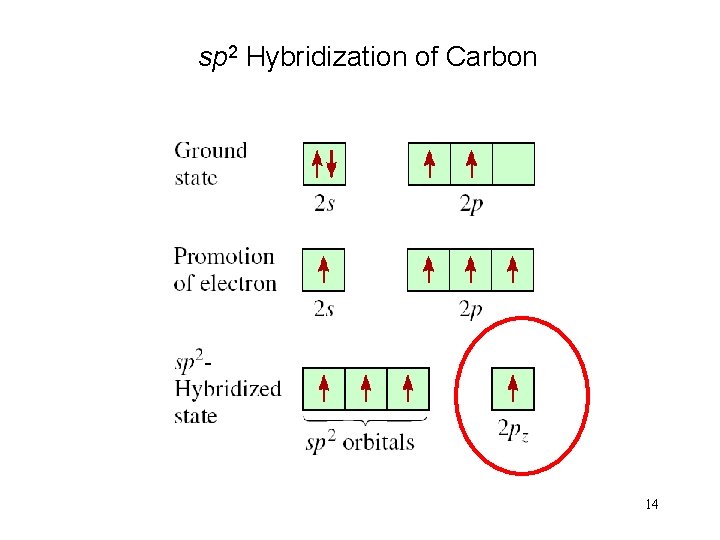
sp 2 Hybridization of Carbon 14
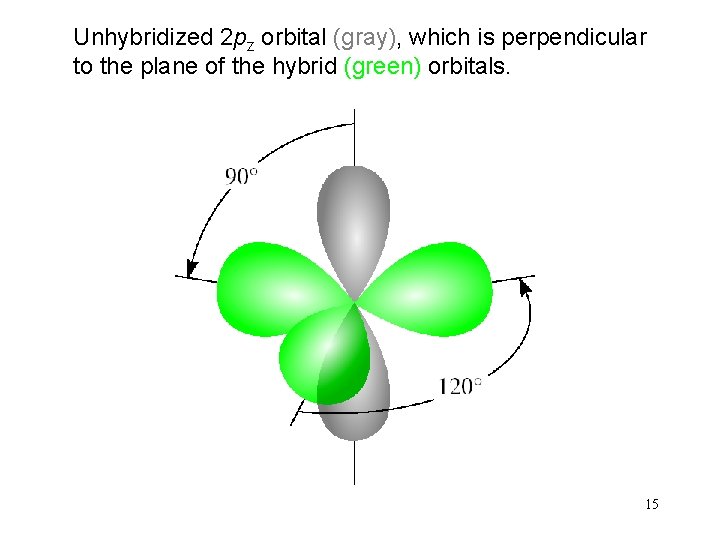
Unhybridized 2 pz orbital (gray), which is perpendicular to the plane of the hybrid (green) orbitals. 15
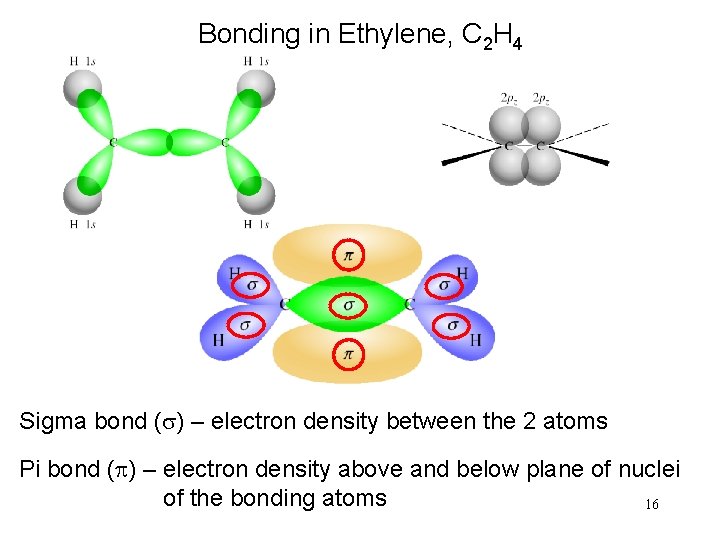
Bonding in Ethylene, C 2 H 4 Sigma bond (s) – electron density between the 2 atoms Pi bond (p) – electron density above and below plane of nuclei of the bonding atoms 16
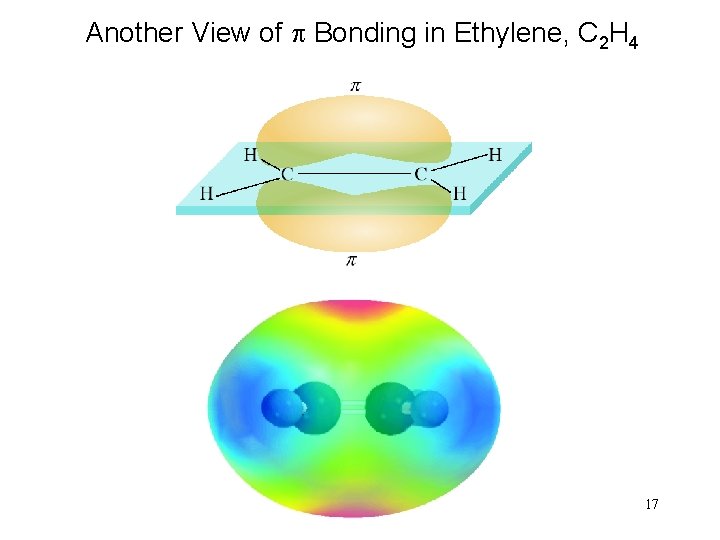
Another View of p Bonding in Ethylene, C 2 H 4 17
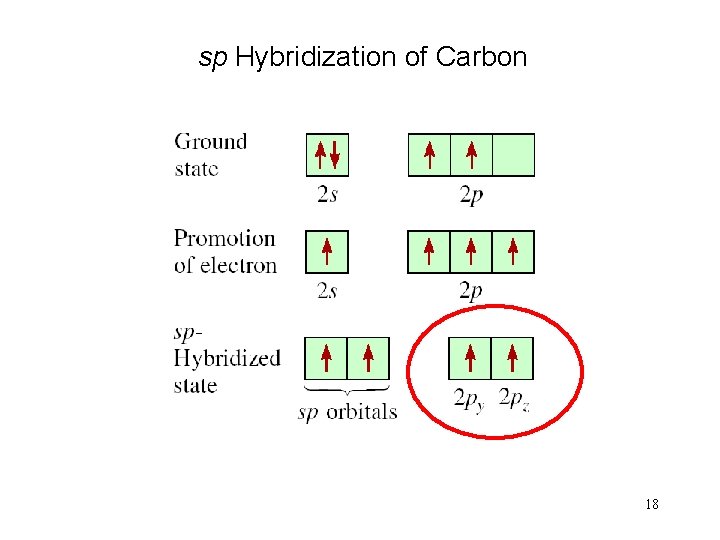
sp Hybridization of Carbon 18
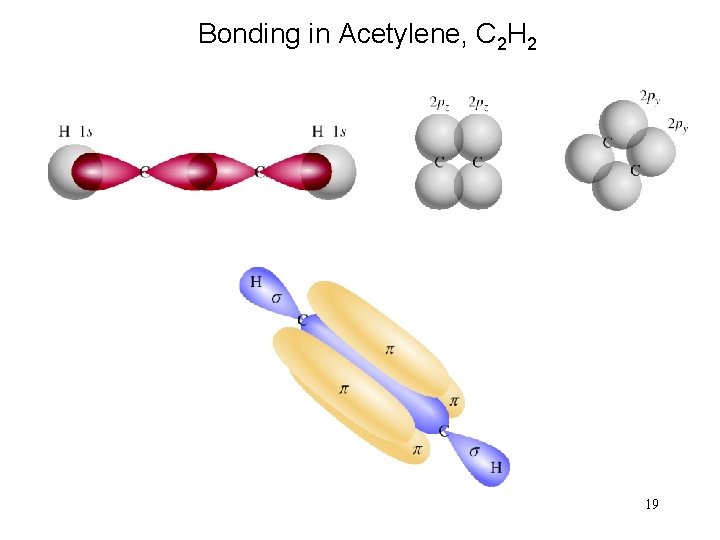
Bonding in Acetylene, C 2 H 2 19

Another View of the Bonding in Ethylene, C 2 H 4 20
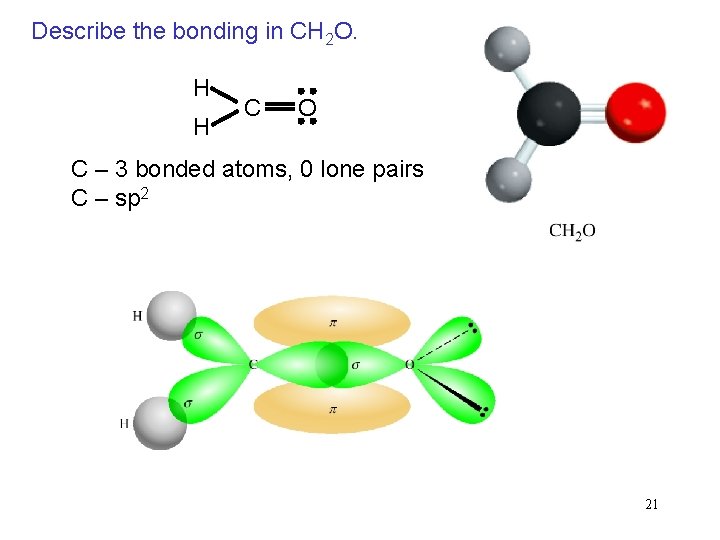
Describe the bonding in CH 2 O. H H C O C – 3 bonded atoms, 0 lone pairs C – sp 2 21
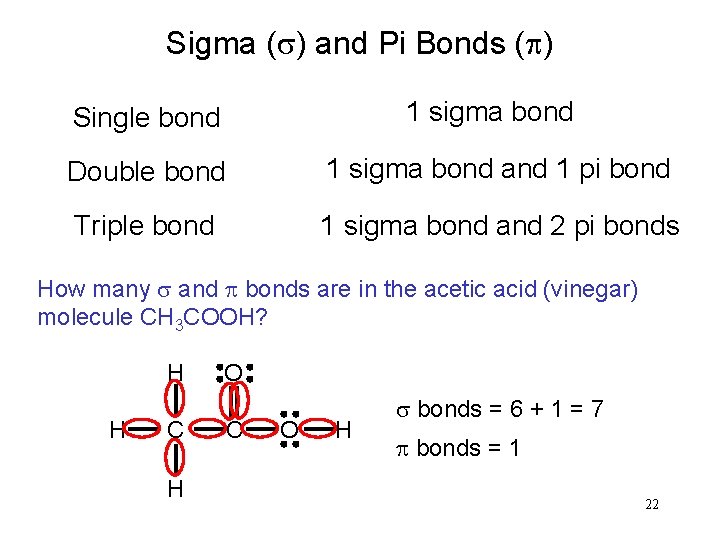
Sigma (s) and Pi Bonds (p) 1 sigma bond Single bond Double bond 1 sigma bond and 1 pi bond Triple bond 1 sigma bond and 2 pi bonds How many s and p bonds are in the acetic acid (vinegar) molecule CH 3 COOH? H C H O H C O H s bonds = 6 + 1 = 7 p bonds = 1 22
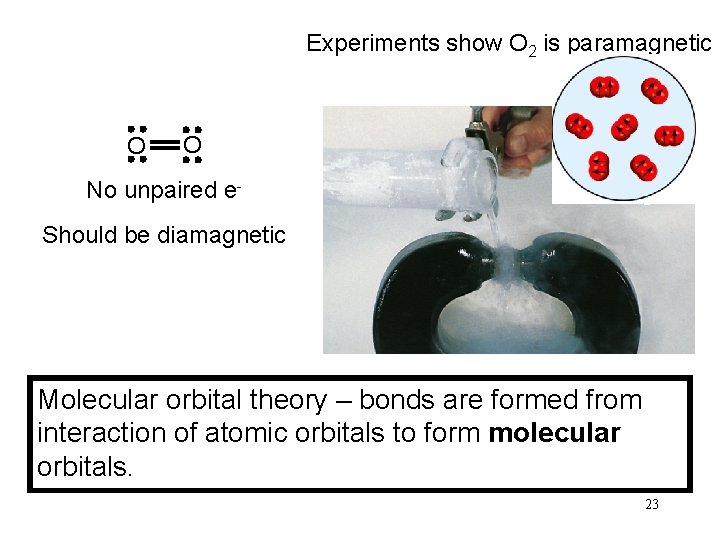
Experiments show O 2 is paramagnetic O O No unpaired e. Should be diamagnetic Molecular orbital theory – bonds are formed from interaction of atomic orbitals to form molecular orbitals. 23
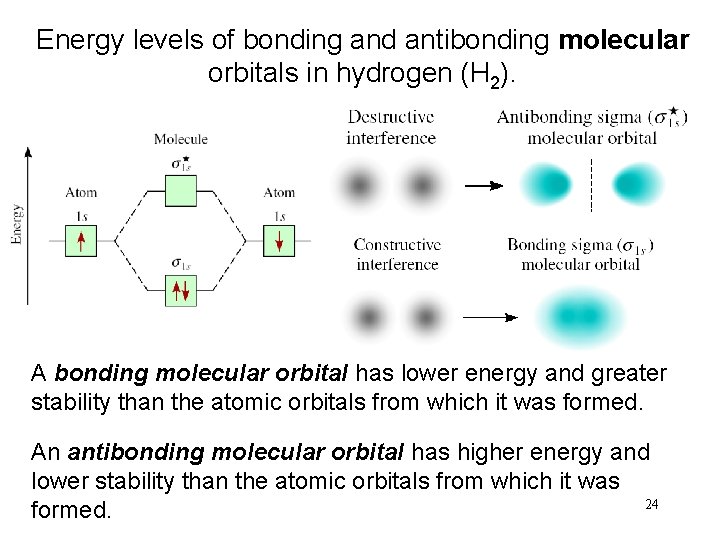
Energy levels of bonding and antibonding molecular orbitals in hydrogen (H 2). A bonding molecular orbital has lower energy and greater stability than the atomic orbitals from which it was formed. An antibonding molecular orbital has higher energy and lower stability than the atomic orbitals from which it was 24 formed.
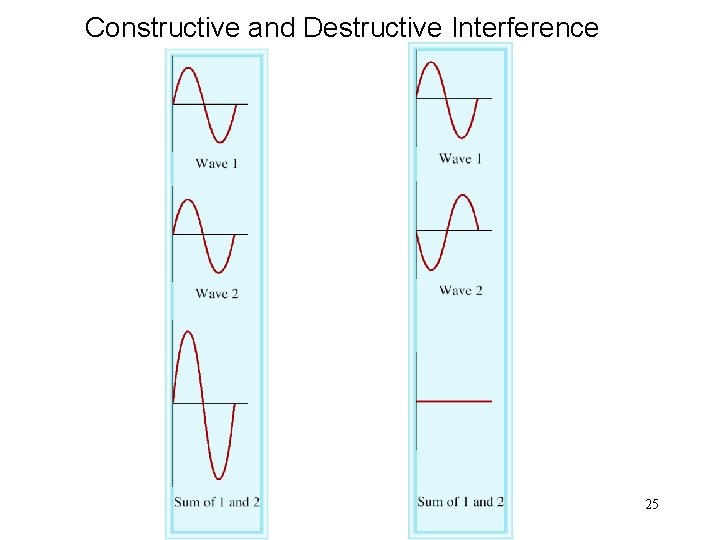
Constructive and Destructive Interference 25
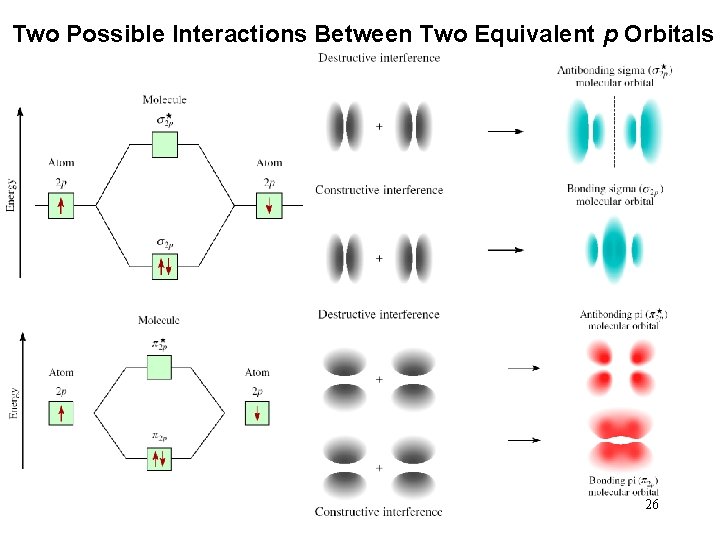
Two Possible Interactions Between Two Equivalent p Orbitals 26
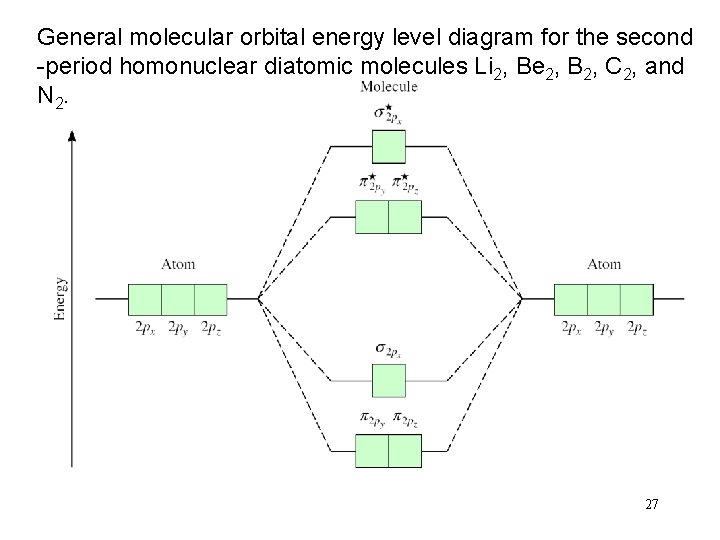
General molecular orbital energy level diagram for the second -period homonuclear diatomic molecules Li 2, Be 2, B 2, C 2, and N 2. 27
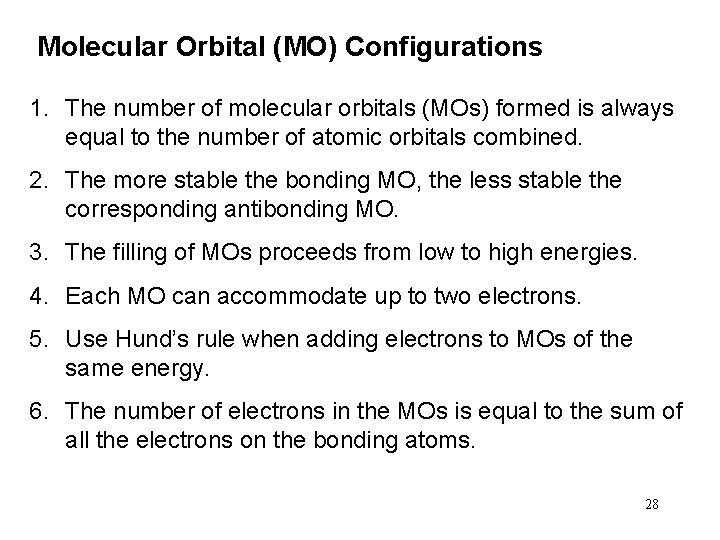
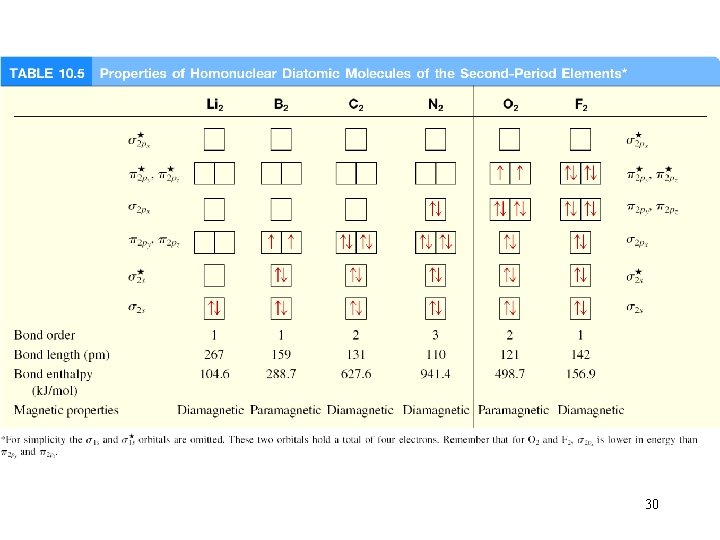
Molecular Orbital (MO) Configurations 1. The number of molecular orbitals (MOs) formed is always equal to the number of atomic orbitals combined. 2. The more stable the bonding MO, the less stable the corresponding antibonding MO. 3. The filling of MOs proceeds from low to high energies. 4. Each MO can accommodate up to two electrons. 5. Use Hund’s rule when adding electrons to MOs of the same energy. 6. The number of electrons in the MOs is equal to the sum of all the electrons on the bonding atoms. 28
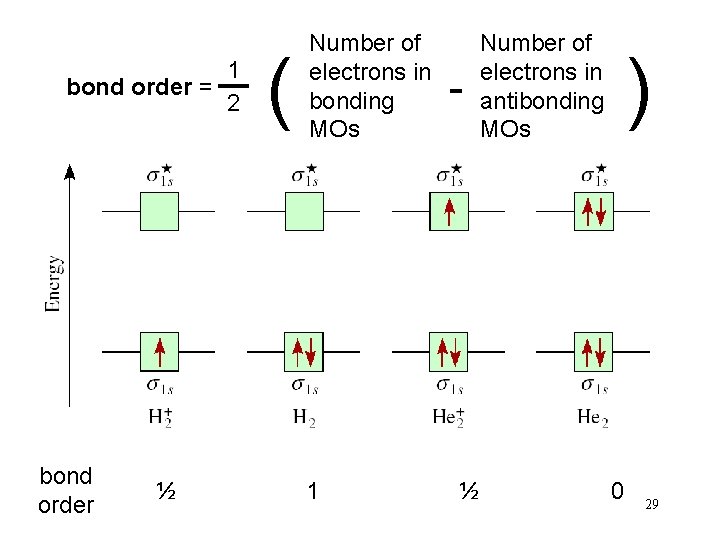
1 bond order = 2 bond order ½ ( Number of electrons in bonding MOs 1 - ½ Number of electrons in antibonding MOs ) 0 29
30
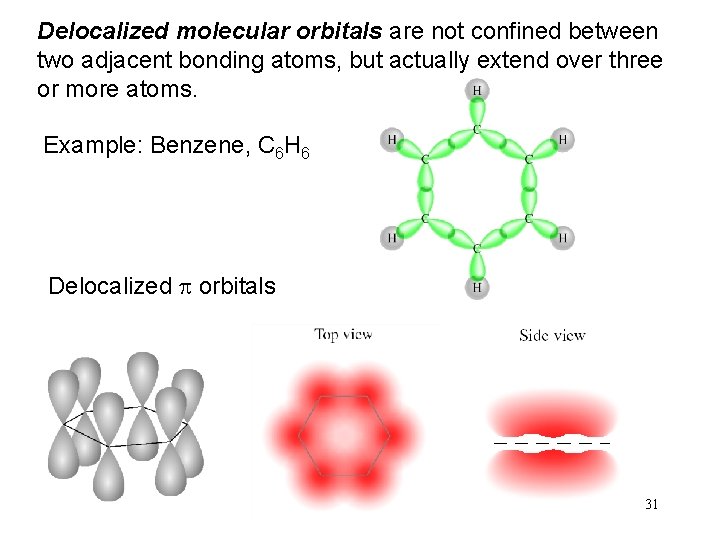
Delocalized molecular orbitals are not confined between two adjacent bonding atoms, but actually extend over three or more atoms. Example: Benzene, C 6 H 6 Delocalized p orbitals 31
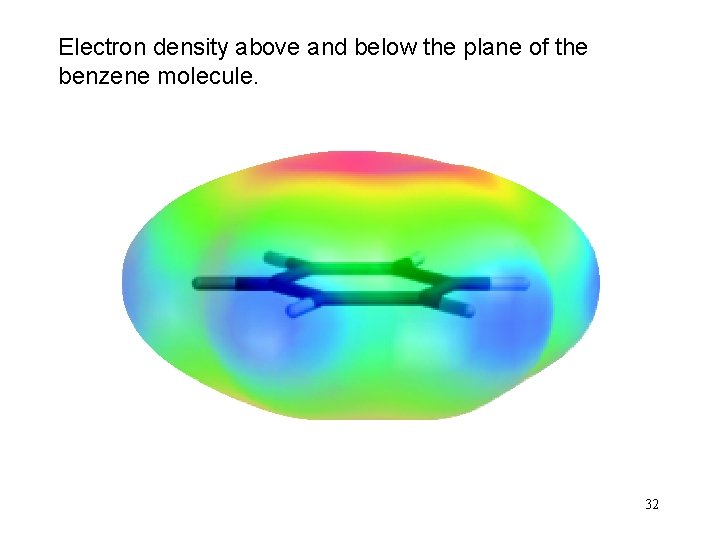
Electron density above and below the plane of the benzene molecule. 32
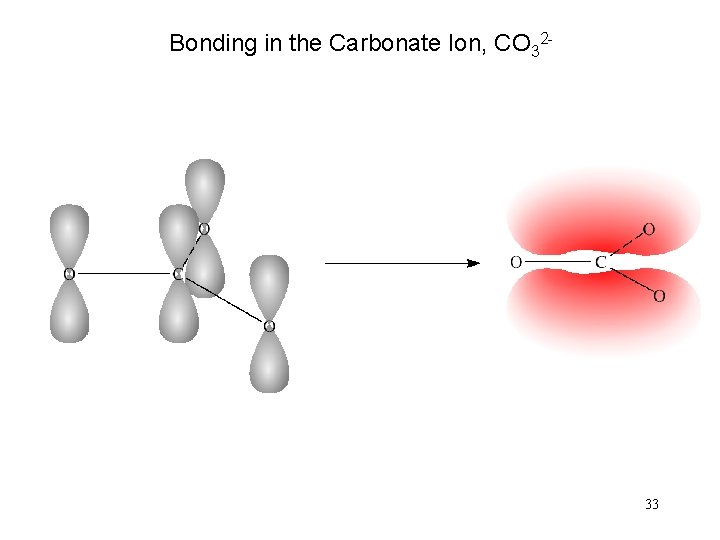
Bonding in the Carbonate Ion, CO 32 - 33
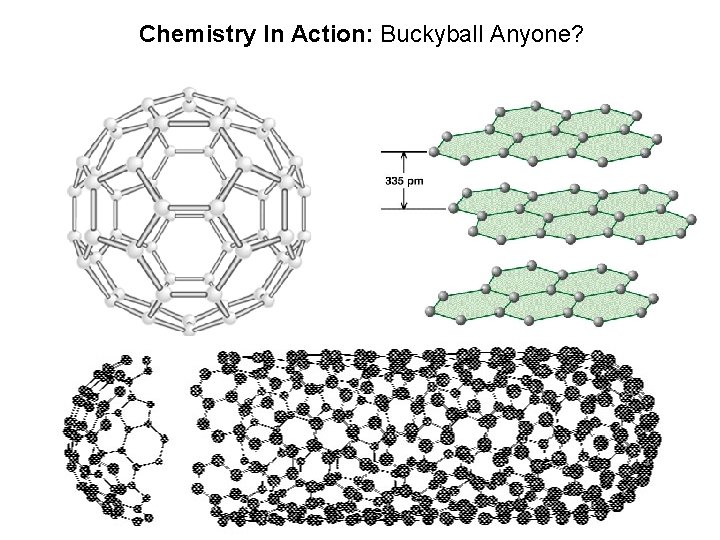
Chemistry In Action: Buckyball Anyone? 34

35
- Slides: 35