
County Lines Gangs and Young People Andrea Anderson








- Slides: 28
County Lines, Gangs and Young People Andrea Anderson, Team Manager 18+ Care Leavers Service Email: andrea. Anderson@kent. gov. uk
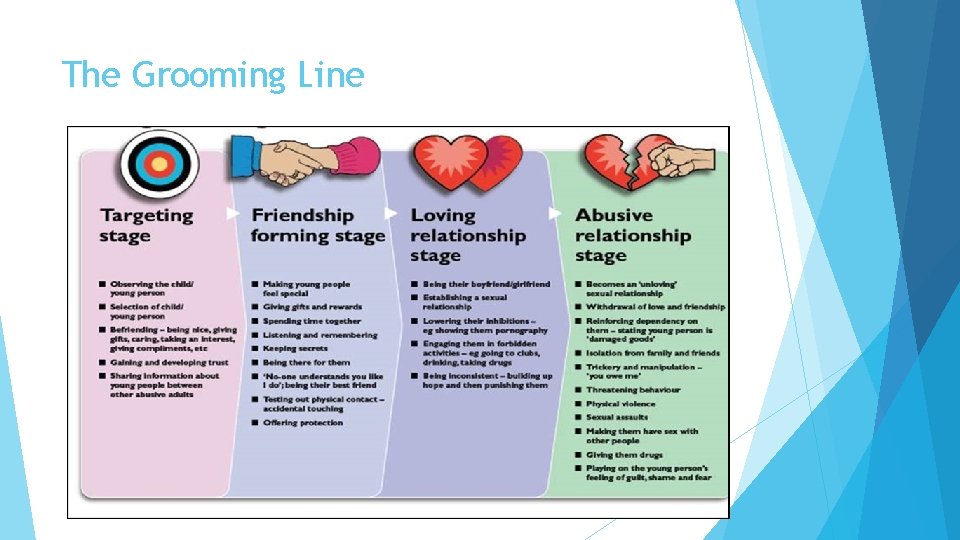
Aims and Objectives • Understanding of what constitutes a gang • Understanding of child criminal exploitation by gangs • Understanding of how gang exploitation effects vulnerable and young people • Understanding who is vulnerable to exploitation by gangs • Understanding of county lines gang activity • Know the signs of grooming and exploitation by gangs
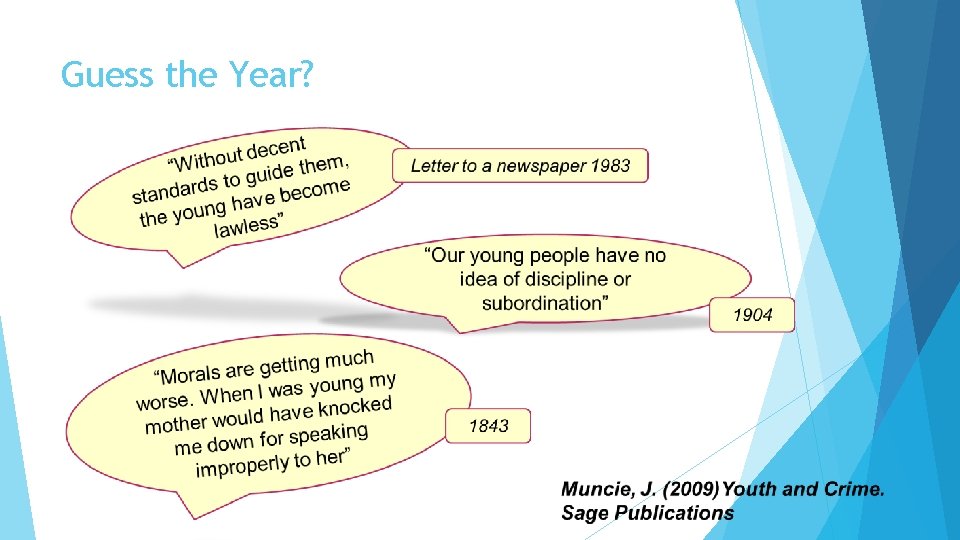
Guess the Year?
WHAT IS A GANG?
Definition – ‘Hallsworth and Young’
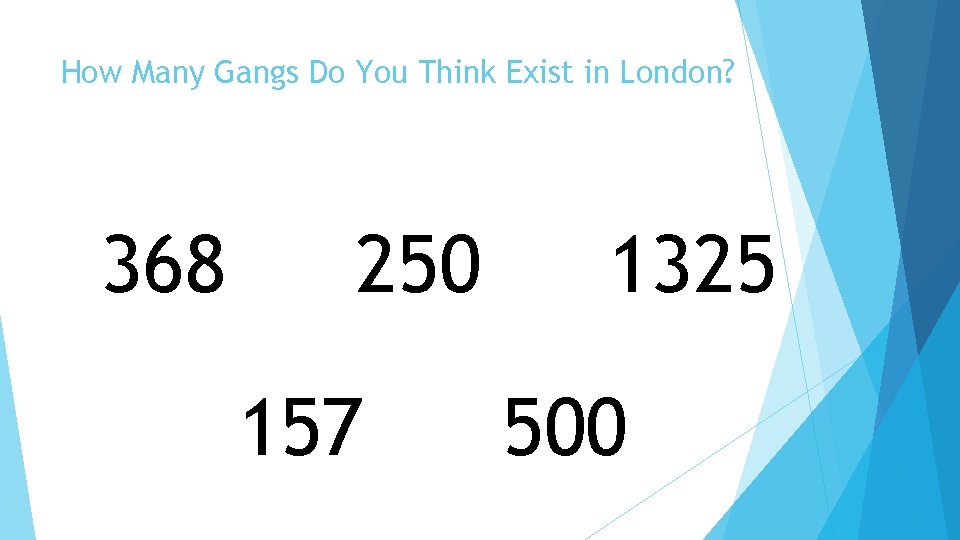
How Many Gangs Do You Think Exist in London? 368 250 157 1325 500
250 As estimated by New Scotland Yard
But there's 'no issue with gangs in Kent' Chatham C 4 gang – Medway The Medway Boys – Medway The Woolwich Boys - SE London G 4 – Gillingham MS 15 – Maidstone TN 10 – Tonbridge
• 3, 495 gang members in London in 250 gangs • 70 per cent of gang members are aged 17 -23 Facts • Two thirds of gang members have also been victims of crime • Most identified gang members on the Matrix are male (97. 8%) with only 40 females represented �in total • The majority of individuals are identified as BME (77. 6% of all individuals, with white ethnic description representing 10%)
• Gangs recruiting at primary school age • Drug use exacerbated amongst young people – increase in mental health issues • The normalisation of violence and young people within their communities Facts • Social economic conditions worsening among some of the most deprived communities – this increases the appeal to criminal lifestyle choices • Repetitive – without intervention the same groups reoccur again and again
• Support • Financial gain • Sense of worth Why do Young People Join Gangs • Sense of identity • Sense of belonging • Peer pressure • Reputation • Protection • Excitement • They make rational choice to join / be a part • They are recruited
Signs to look out for Acknowledging that many of the following are common behaviours for adolescents: • Child withdrawn from family. • Sudden loss of interest in school. Decline in attendance or academic achievement (although it should be noted that some gang members will maintain a good attendance record to avoid coming to notice). • Being emotionally ‘switched off’, but also containing frustration / rage. • Starting to use new or unknown slang words. • Holding unexplained money or possessions. • Staying out unusually late without reason, or breaking parental rules consistently. • Sudden change in appearance – dressing in a particular style or ‘uniform’ similar to that of other young people they hang around with, including a particular colour. • Dropping out of positive activities. • New nickname.
Signs to look out for • Unexplained physical injuries, and/or refusal to seek / receive medical treatment for injuries. • Graffiti style ‘tags’ on possessions, school books, walls. • Constantly talking about another young person who seems to have a lot of influence over them. • Breaking off with old friends and hanging around with one group of people. • Associating with known or suspected gang members, closeness to siblings or adults in the family who are gang members. • Starting to adopt certain codes of group behaviour e. g. ways of talking and hand signs. • Expressing aggressive or intimidating views towards other groups of young people, some of whom may have been friends in the past. • Being scared when entering certain areas. • Concerned by the presence of unknown youths in their neighbourhoods. An important feature of gang involvement is that, the more heavily a child is involved with a gang, the less likely they are to talk about it! Safeguarding children and young people who may be affected by gang activity - The Home Offices 2010
Video – Gangs https: //www. youtube. com/watch? v=h. UWp. S-Nt 1 E 8
The Grooming Line
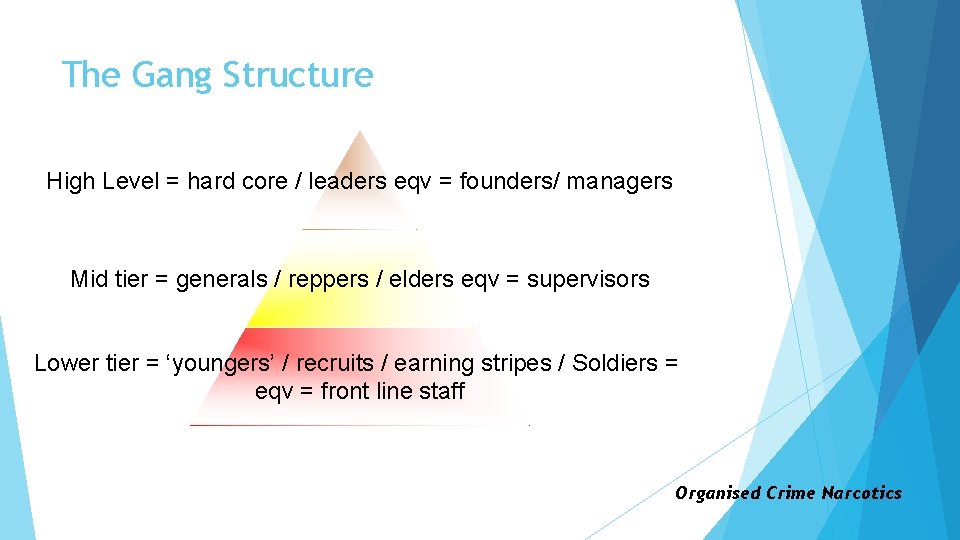
The Gang Structure High Level = hard core / leaders eqv = founders/ managers Mid tier = generals / reppers / elders eqv = supervisors Lower tier = ‘youngers’ / recruits / earning stripes / Soldiers = eqv = front line staff Organised Crime Narcotics
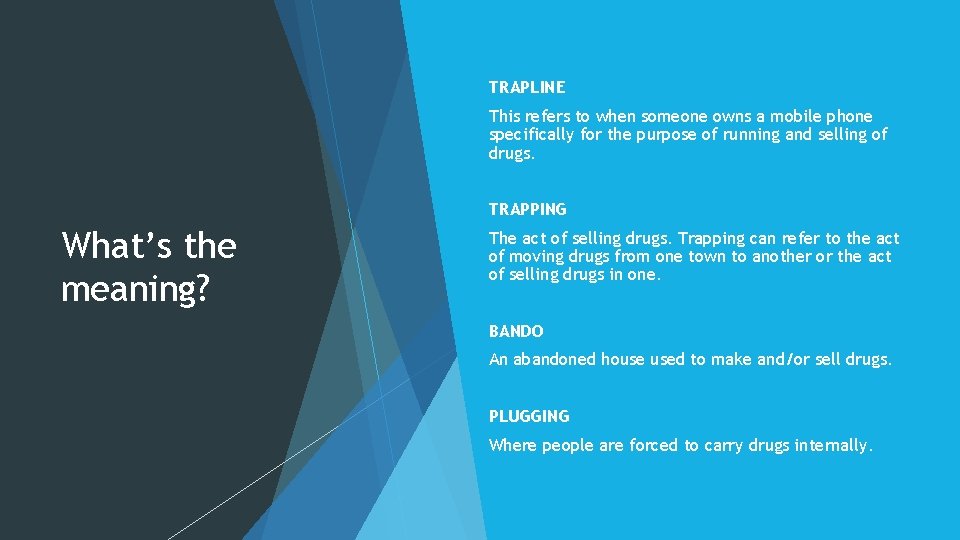
TRAPLINE This refers to when someone owns a mobile phone specifically for the purpose of running and selling of drugs. TRAPPING What’s the meaning? The act of selling drugs. Trapping can refer to the act of moving drugs from one town to another or the act of selling drugs in one. BANDO An abandoned house used to make and/or sell drugs. PLUGGING Where people are forced to carry drugs internally.
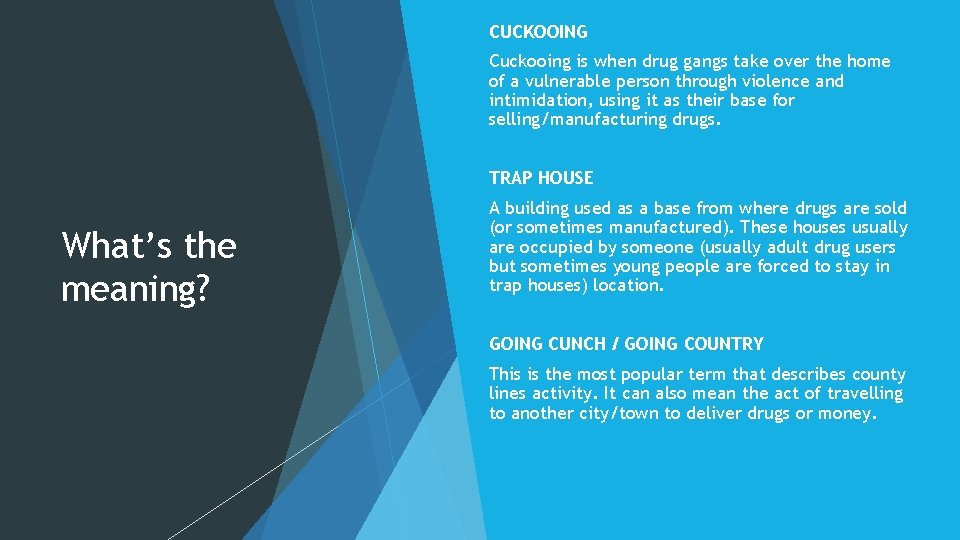
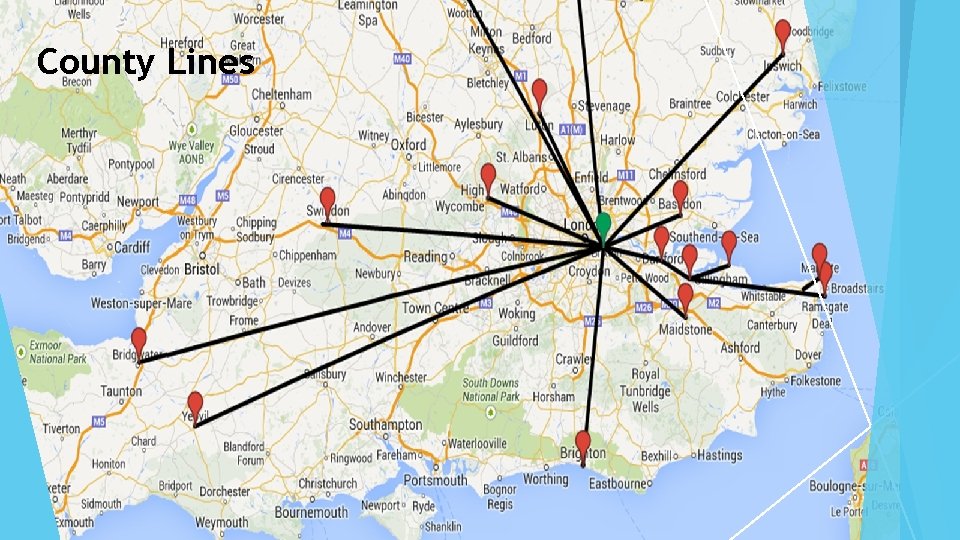
CUCKOOING Cuckooing is when drug gangs take over the home of a vulnerable person through violence and intimidation, using it as their base for selling/manufacturing drugs. TRAP HOUSE What’s the meaning? A building used as a base from where drugs are sold (or sometimes manufactured). These houses usually are occupied by someone (usually adult drug users but sometimes young people are forced to stay in trap houses) location. GOING CUNCH / GOING COUNTRY This is the most popular term that describes county lines activity. It can also mean the act of travelling to another city/town to deliver drugs or money.
Going Country is not what you think
County Lines Gangs recruit and exploit children as young as 12, however the most common age range 15 -17 years; in addition to vulnerable adults to courier drugs and cash. It is usually but not always boys, being exploited by gangs. Typically, users ask for drugs via a mobile phone line used by the gang. Couriers travel between the gang’s urban base and the county or coastal locations on a regular basis to collect cash and deliver drugs. Gangs recruit children and young people through deception, intimidation, violence, debt bondage and/or grooming. Gangs also violently assault children and young people working for them if they find their drugs or money to be missing. Weapons such as firearms, knives, bats, acid are sometimes used to make violent threats. Gangs use local property as a base for their activities, and this often involves taking over the home of a vulnerable adult who is unable to challenge them.
County Lines
Risk Factors The Home Office listed the following factors heightening young people’s vulnerability to county lines exploitation: • Having prior experience of neglect, physical and/or sexual abuse. • Lack of a safe/stable home environment, now or in the past (domestic violence or parental substance misuse, mental health issues or criminality). • Social isolation or social difficulties. • Economic vulnerability. • Homelessness or insecure accommodation status. • Connections with other people involved in gangs. • Having a physical or learning disability. • Having mental health or substance misuse issues. • Being in care (particularly those in residential care and those with interrupted care histories). The Home Office - 2017
Signs to look out for • Physical injuries: risk of serious violence and death. • Emotional and psychological trauma. • Sexual violence: sexual assault, rape, indecent images being taken and shared as part of initiation/revenge/punishment, internally inserting drugs. • Debt bondage - young person and families being ‘in debt’ to the exploiters; which is used to control the young person. • Neglect and basic needs not being met. • Living in unclean, dangerous and/or unhygienic environments. • Tiredness and sleep deprivation: child is expected to carry out criminal activities over long periods and through the night. • Poor attendance and/or attainment at school/college/university.
Video – County Lines https: //www. youtube. com/watch? v=22 -HIZNOq. WM
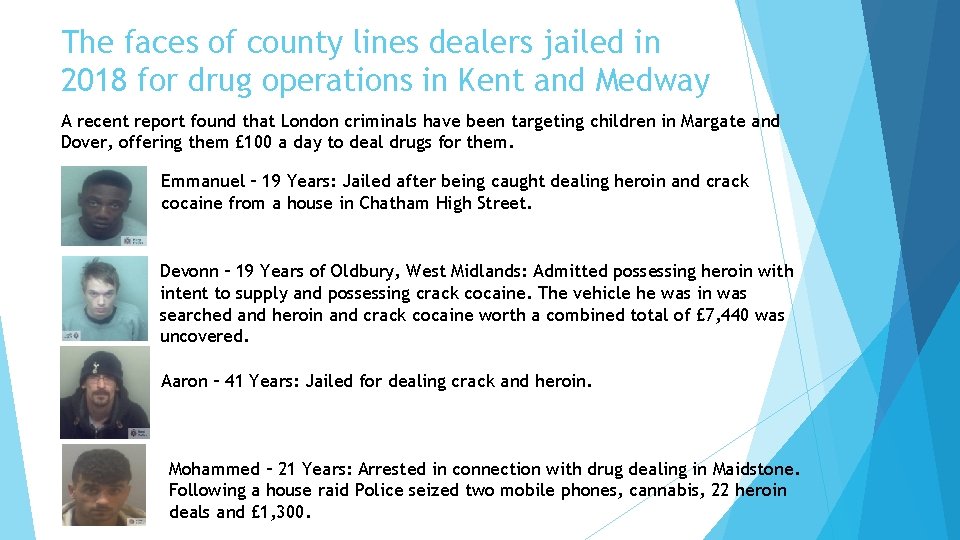
The faces of county lines dealers jailed in 2018 for drug operations in Kent and Medway A recent report found that London criminals have been targeting children in Margate and Dover, offering them £ 100 a day to deal drugs for them. Emmanuel – 19 Years: Jailed after being caught dealing heroin and crack cocaine from a house in Chatham High Street. Devonn – 19 Years of Oldbury, West Midlands: Admitted possessing heroin with intent to supply and possessing crack cocaine. The vehicle he was in was searched and heroin and crack cocaine worth a combined total of £ 7, 440 was uncovered. Aaron – 41 Years: Jailed for dealing crack and heroin. Mohammed – 21 Years: Arrested in connection with drug dealing in Maidstone. Following a house raid Police seized two mobile phones, cannabis, 22 heroin deals and £ 1, 300.
Kent’s Response Kent has secured £ 1. 3 m from the Government’s Supporting Families Against Youth Crime Fund to help prevent young people becoming involved in gangs and youth violence. The award will enable a partnership of Kent County Council (KCC), Medway Council, Kent Police, Met Police and the Kent Police and Crime Commissioner to deliver a collaborative two-year project to reduce the impact of gang activity in north Kent and Medway and protect children at risk of criminal exploitation. Kent will use the funding to provide support for vulnerable people across the county through peer mentoring and community support workers, linking up services for those who may otherwise become involved in knife crime and gang violence. By educating young people on the dangers of joining a gang and by providing peer mentors for young people at risk, communities will become more resilient and able to resist gang involvement.
Useful Information Kent and Medway Gangs Strategy 2018 -2021 Our Approach to Ending the Criminal Exploitation of Vulnerable Children and Adults by Gangs https: //www. kscb. org. uk/__data/assets/pdf_file/0005/81455/Final-Version-Kent-and-Medway-Gangs. Strategy. pdf Community Safety Panels are used to discuss adults at risk; it allows for a multi-agency approach in trying to provide them with additional support. Members from local housing organisations, Mental health, DAVVS, Social services, fire service and the council. Maidstone: Kelly Shurmer – Community Liaison Officer (Maidstone District), Kent Police Email: kelly. shurmer@kent. pnn. police. uk Tunbridge Wells: First Tuesday of every month at 10: 00 in Tunbridge Wells Town Hall – Committee Room A. PCSO Pearson - Adult Support Officer 58795: Email: 58795@kent. pnn. police. uk Tonbridge & Mailing: Alison Finch - Safer & Stronger Communities Manager Email: Alison. Finch@tmbc. gov. uk
Useful Information Gravesham: Yvonne Griffiths - Community Safety Administrator, Community Safety Team. Email: community. safetyunit@gravesham. gov. uk Medway: Tim Harris - Senior Community Safety Officer, Community Safety Team. Email: timothy. harris@medway. gov. uk Dartford: Jade Ransley – Community Safety Officer Email: jade. ransley@dartford. gov. uk Swale: Swale Community Safety Unit, Sittingbourne Kent Email: csu. swale@kent. pnn. police. uk