
Corynebacterium Listeria Two aerobic Grampositive bacilli L monocytogenes
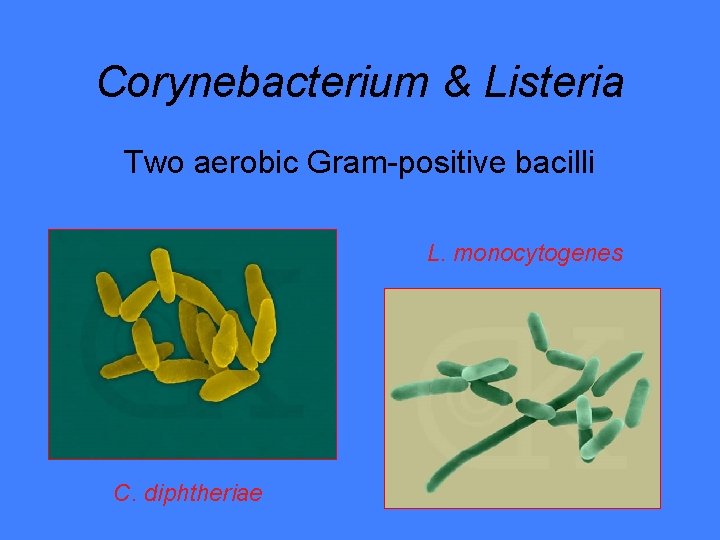
Corynebacterium & Listeria Two aerobic Gram-positive bacilli L. monocytogenes C. diphtheriae
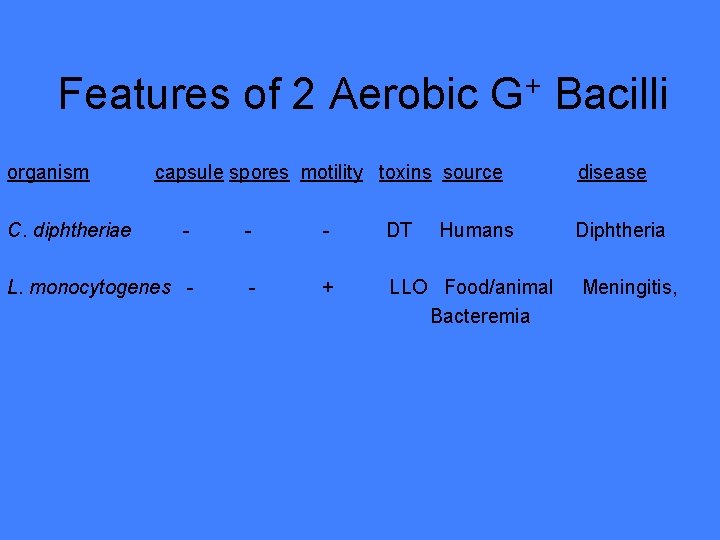
Features of 2 Aerobic G+ Bacilli organism C. diphtheriae capsule spores motility toxins source - - - DT Humans L. monocytogenes - - + LLO Food/animal Bacteremia disease Diphtheria Meningitis,

Corynebacterium diphtheriae light microscopy electron
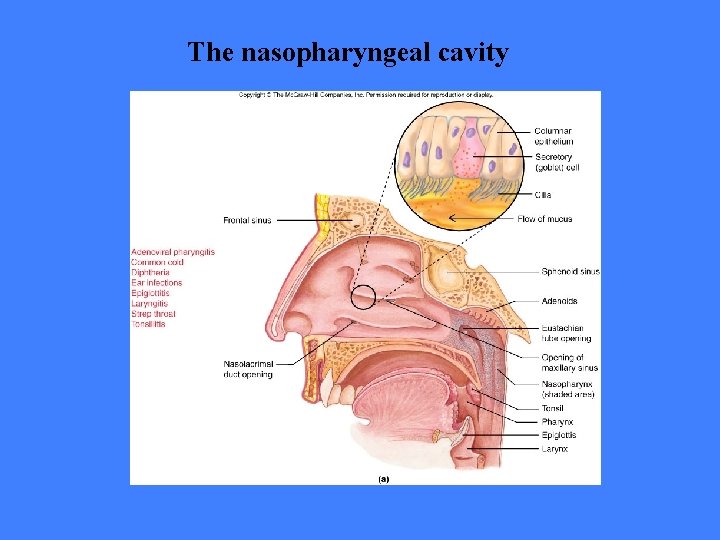
The nasopharyngeal cavity

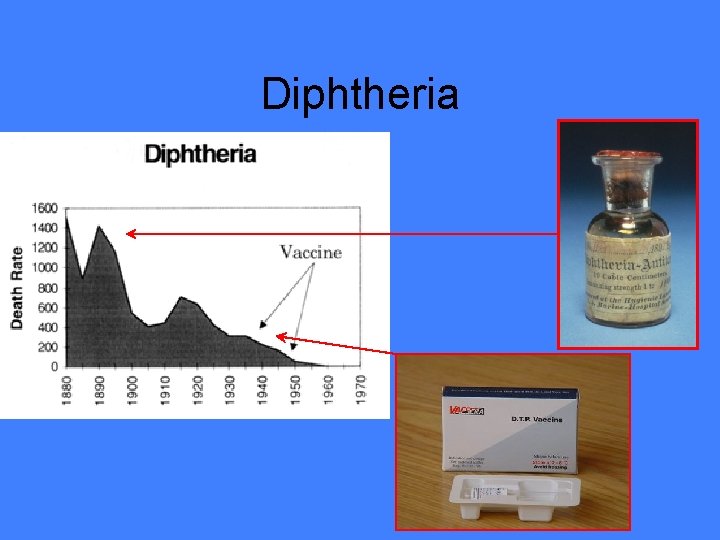
Diphtheria
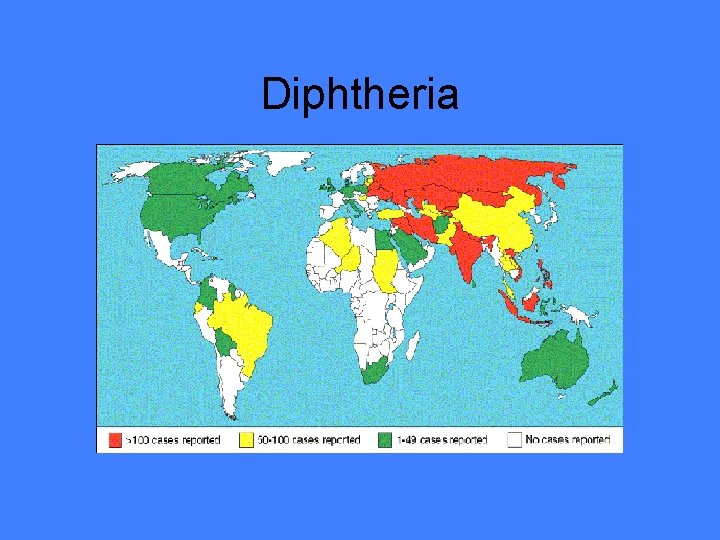
Diphtheria
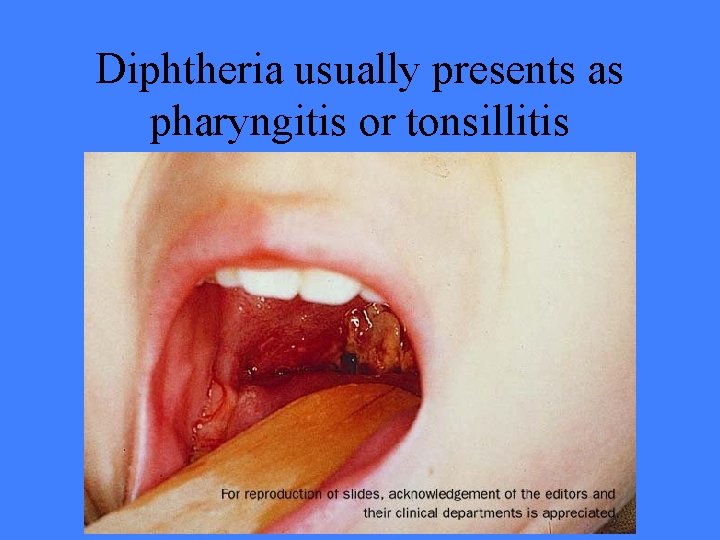
Diphtheria usually presents as pharyngitis or tonsillitis
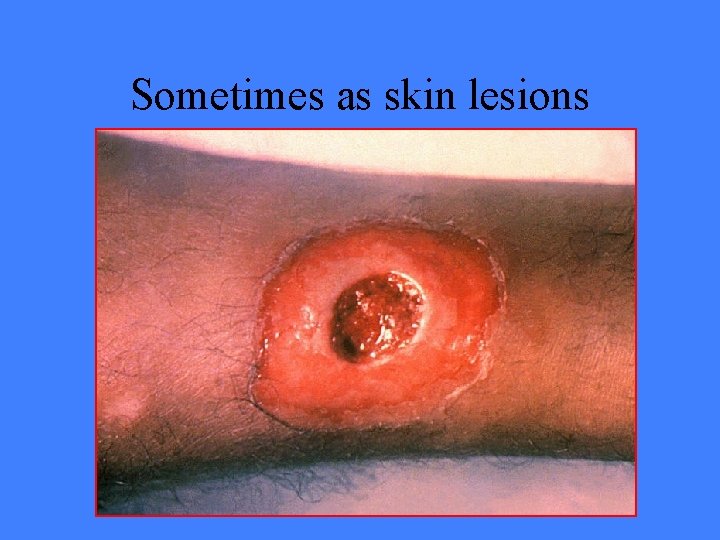
Sometimes as skin lesions
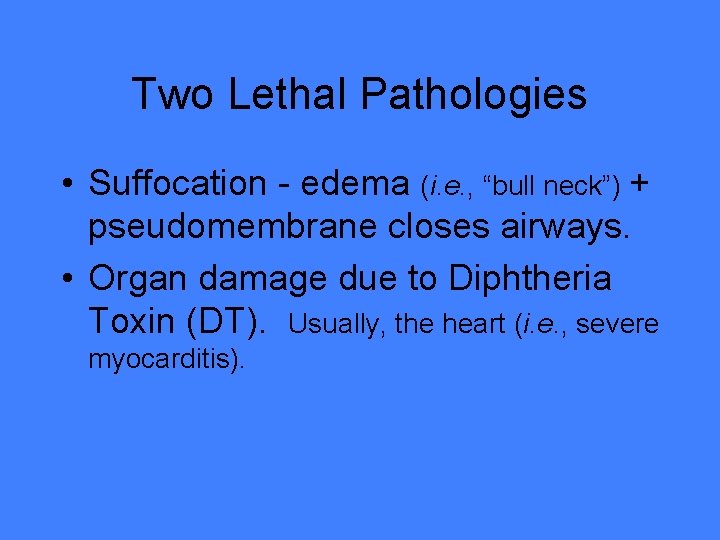
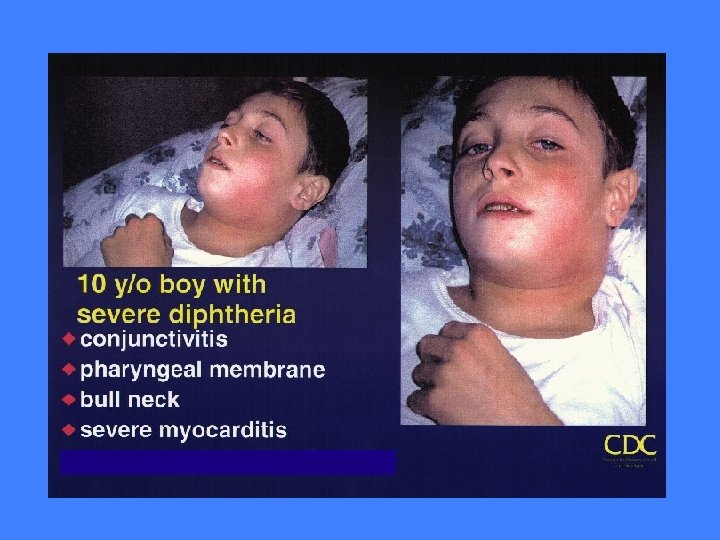
Two Lethal Pathologies • Suffocation - edema (i. e. , “bull neck”) + pseudomembrane closes airways. • Organ damage due to Diphtheria Toxin (DT). Usually, the heart (i. e. , severe myocarditis).
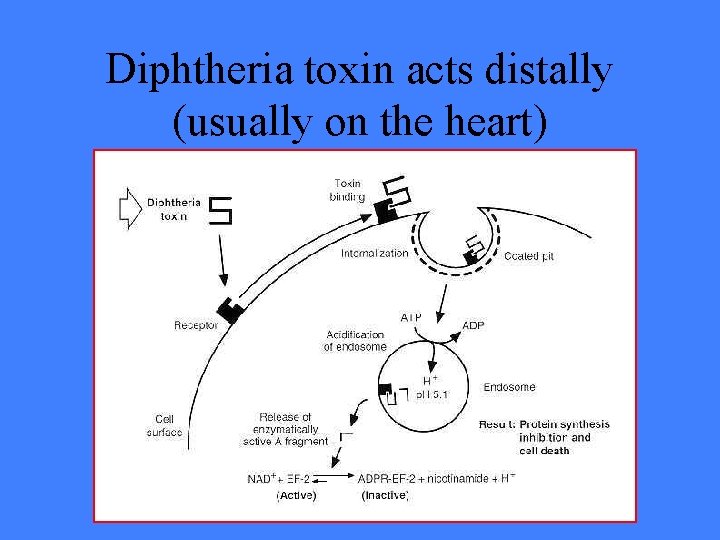
Diphtheria toxin acts distally (usually on the heart)
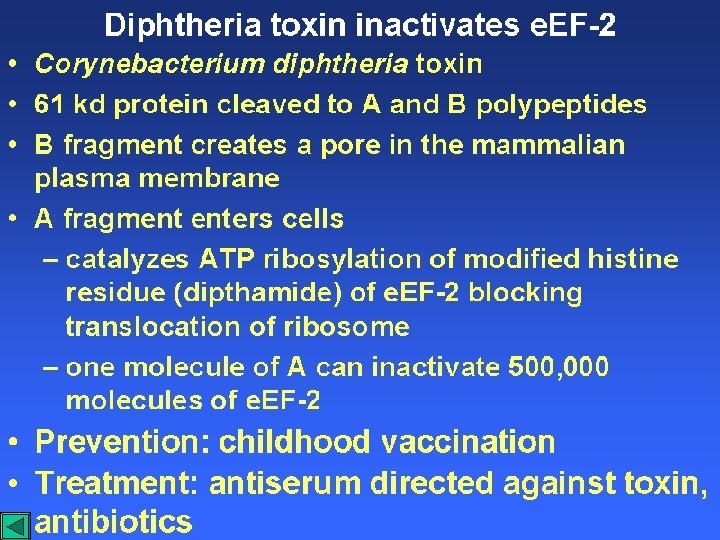
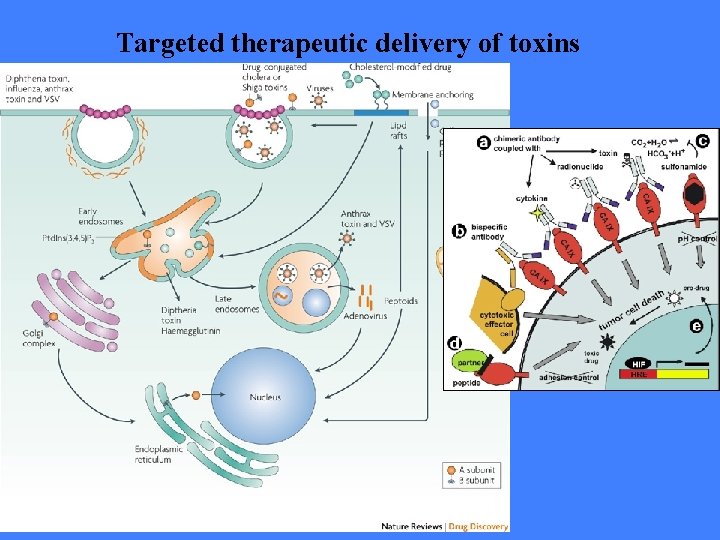
Targeted therapeutic delivery of toxins

Listeria monocytognes • • Gram-positive rods -hemolytic on blood plates Can grow at 4 o C - in food! Present in meats, cheese & other dairy products
L. monocytogenes • Widespread in nature. • Causes listeriosis. • Very Rare: 2, 500 cases, 500 deaths, 230% fatality. • At risk: immunosupressed, pregnant, elderly, newborn, fetuses.
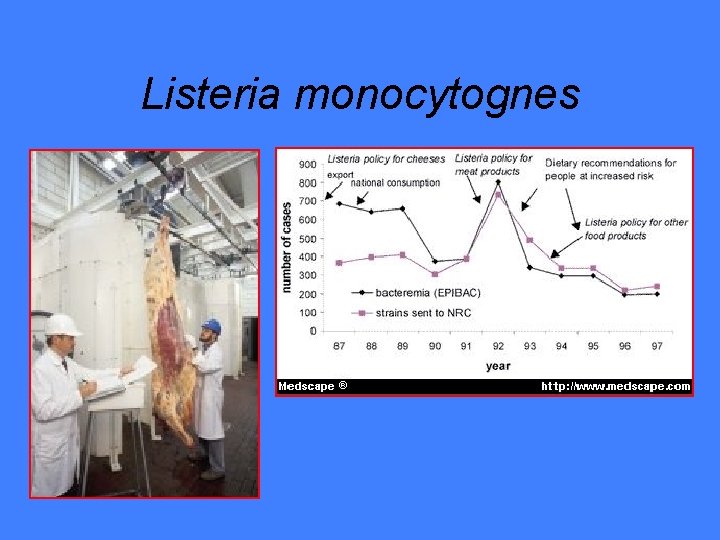
Listeria monocytognes
Listerosis • Asymptomatic, or mild GI, unless disseminated infection. • Bacteremia • Meningitis • Requires cellular immune response to clear. INTRACELLULAR PATHOGEN. • Newborns, pregnant, immunocompromised. • May be transmitted transplacentally.
Clinical syndromes associated with Listeria monocytogenes Febrile gastroenteritis: self-limited disease of healthy hosts. Incubation 6 -49 h (median 20 -25 h); symptoms include diarrhea, fever, abdominal pain, chills, headache, myalgias. Symptoms resolve in 1 d (fever) to 2 d (diarrhea). Invasive listeriosis: rare disease, with 896 cases reported to the CDC in 2005 (0. 28 cases per 105). However, rates higher in at-risk populations, e. g. pregnant women (12 cases per 105) or patients with AIDS (115 cases per 105). Includes bacteremia and meningitis.
At-risk populations for invasive listeriosis Pregnant women/fetuses Patients at extremes of age Patients with AIDS Patients taking immunosuppressive medications Patients with immunosuppressing co-morbidities (cancer, autoimmune disease, alcoholism, diabetes mellitus)
Invasive listeriosis in pregnancy Fever, chills, headache mark period of bacteremia in mother. Organism can be recovered from amniotic fluid, placenta Spontaneous abortion or stillbirth in 20% (early in pregnancy) Preterm delivery Neonatal infection in up to 2/3 of surviving neonates: pneumonia, bacteremia, meningitis

L. monocytogenes Survival is a Multi-Step Process • Internalin = stimulates entry into cells • Listeriolysin O = pore-forming toxin for escape from phagolysosome. • Act. A = actin polymerization for intracellular movement. • 2 Phospholipase Toxins = entry into 2 nd cell. • Antibodies do not work! INTRACELLULAR.
Listeria monocytogenes • L. monocytogenes is a soil organism • L. monocytogenes has been isolated from, and may transiently colonize, the GI tracts of domestic and wild mammals (42 sp. ), domestic and wild birds (17 sp. ), crustaceans, oysters, fish, ticks, flies…and apparently healthy humans. • Listeria is killed by pasteurization or cooking. So why does it contaminate things like cold cuts or cantaloupes?
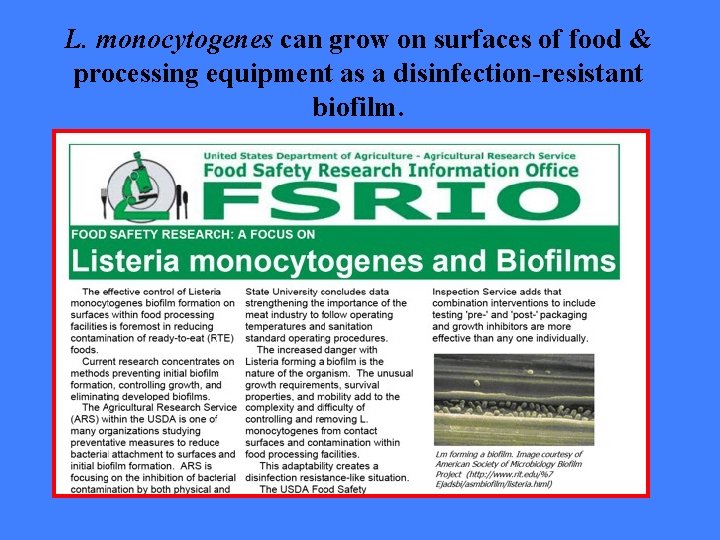
L. monocytogenes can grow on surfaces of food & processing equipment as a disinfection-resistant biofilm.
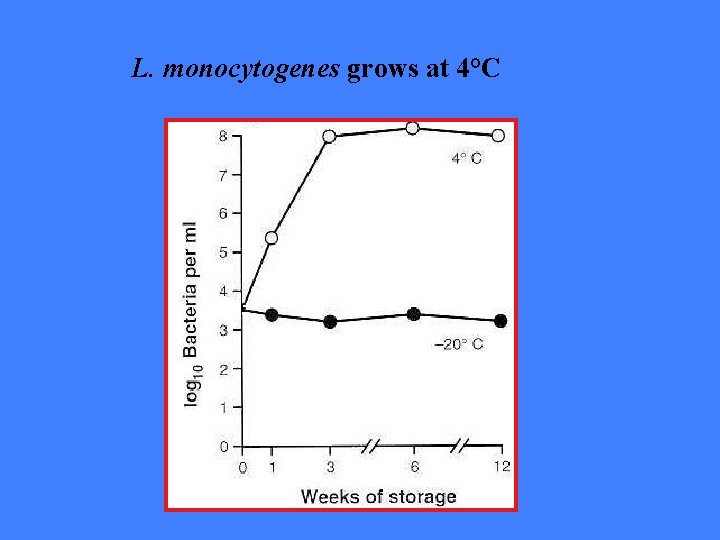
L. monocytogenes grows at 4°C
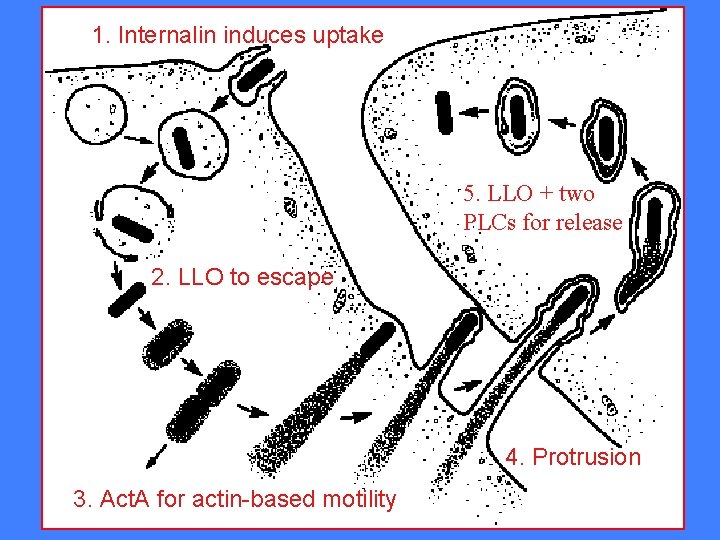
1. Internalin induces uptake 5. LLO + two PLCs for release 2. LLO to escape 4. Protrusion 3. Act. A for actin-based motility

Bacteria escape from the phagosome into cytoplasm from Tilney and Portnoy, 1989 J. Cell Biol. 109: 1597 -1608
Listeriolysin O (LLO; from hly gene) A cholesterol-dependent cytolysin secreted by Listeria monocytogenes Necessary for bacterial transfer from vacuoles (phagosomes) into cytoplasm Perforates vacuolar membranes; maximal intracellular activity at p. H 6
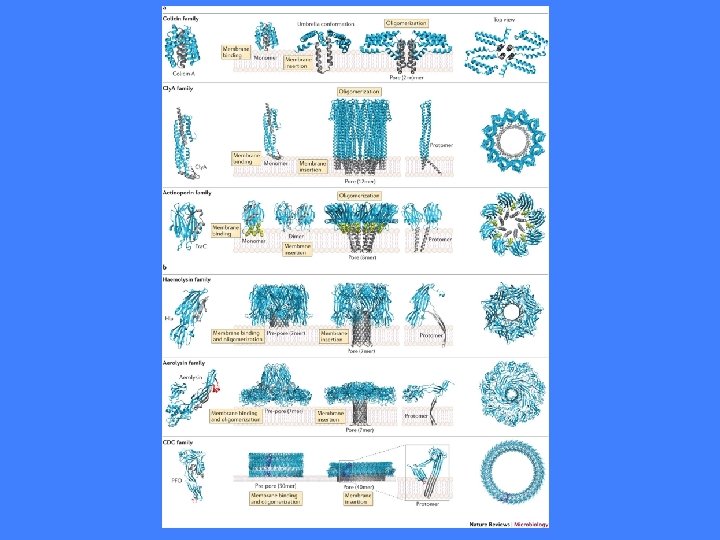
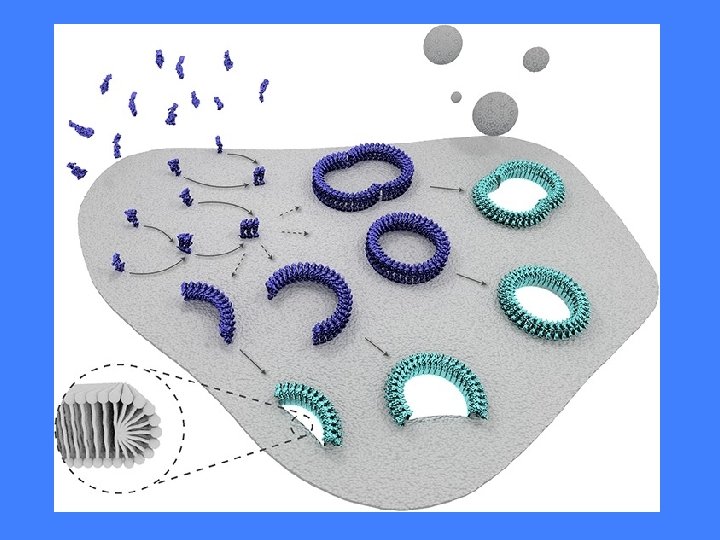
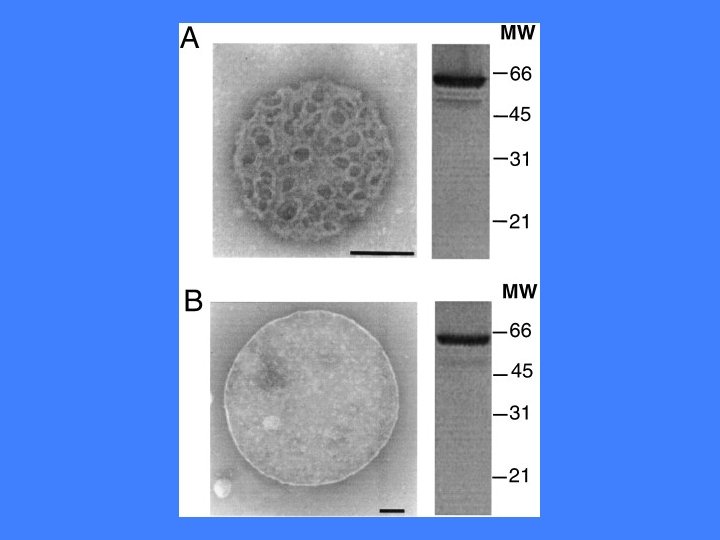
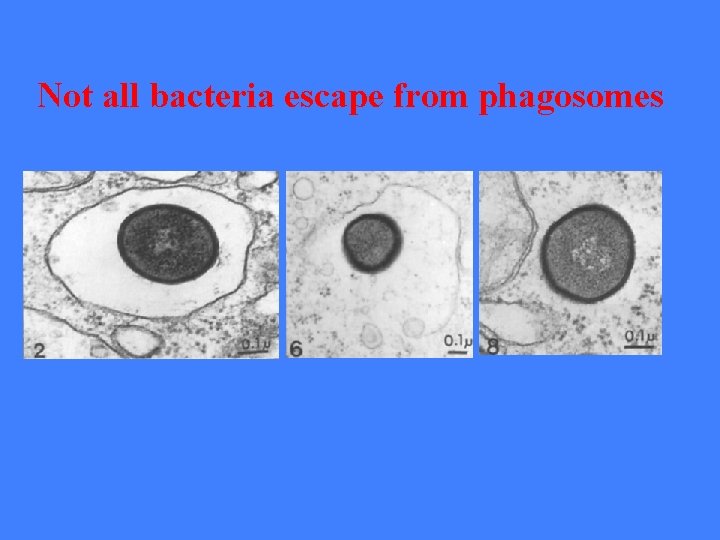
Not all bacteria escape from phagosomes
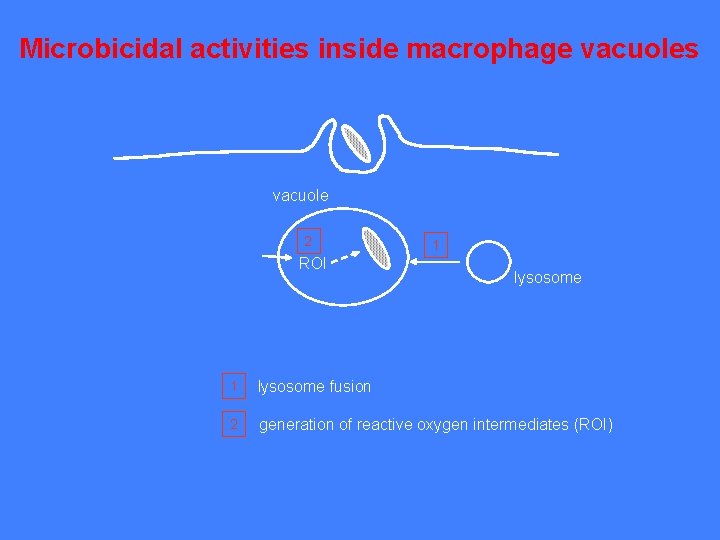
Microbicidal activities inside macrophage vacuoles vacuole 2 ROI 1 lysosome fusion 2 generation of reactive oxygen intermediates (ROI)
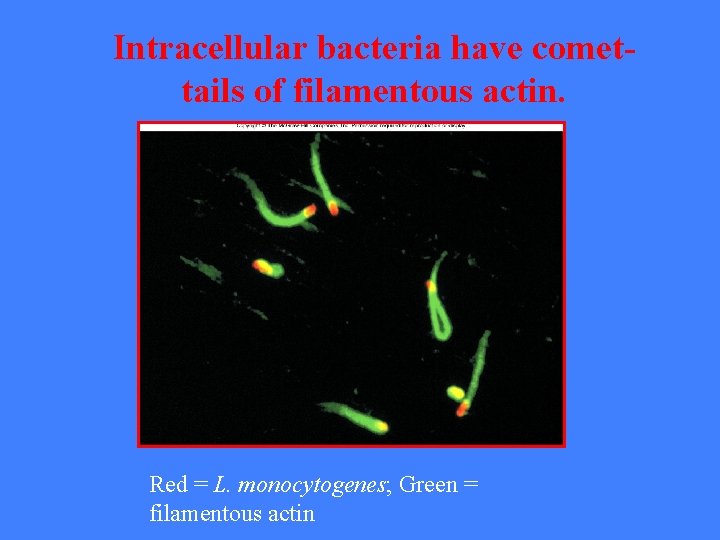
Intracellular bacteria have comettails of filamentous actin. Red = L. monocytogenes; Green = filamentous actin

The Listeria monocytogenes protein Act. A organizes actin polymerization
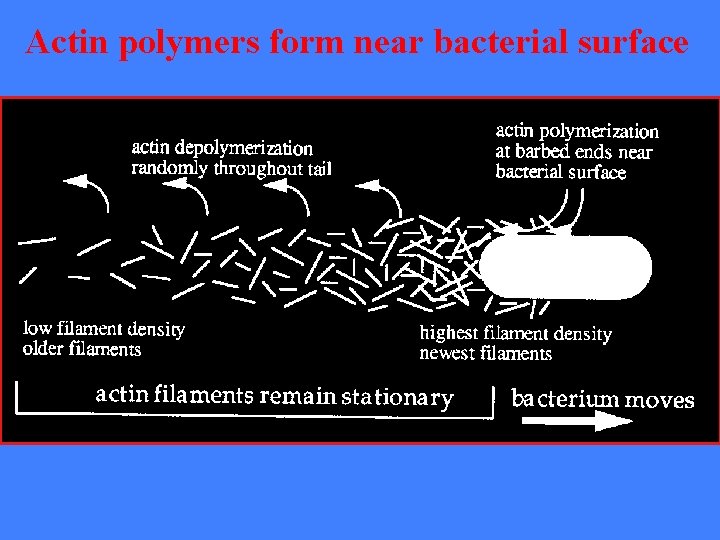
Actin polymers form near bacterial surface
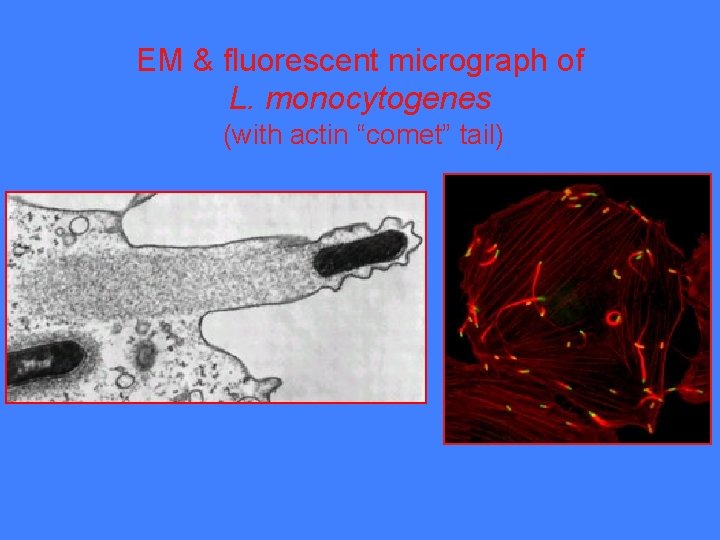
EM & fluorescent micrograph of L. monocytogenes (with actin “comet” tail)

Bacteria are propelled into cellular extensions, which are engulfed by neighboring cells
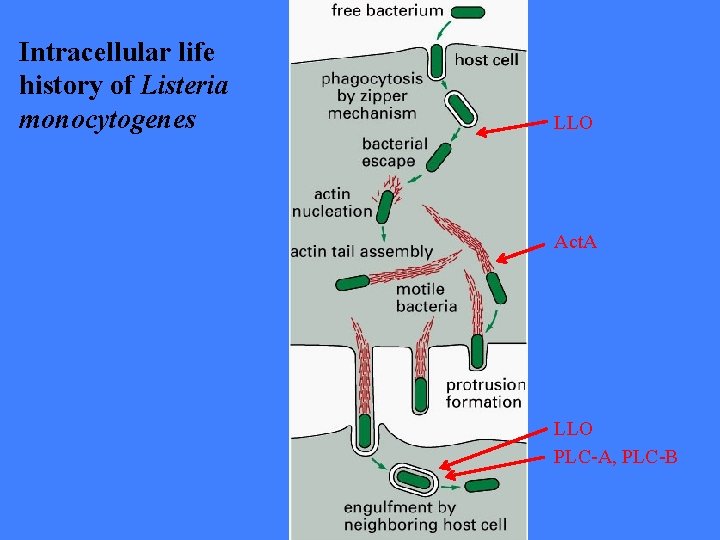
Intracellular life history of Listeria monocytogenes LLO Act. A LLO PLC-A, PLC-B
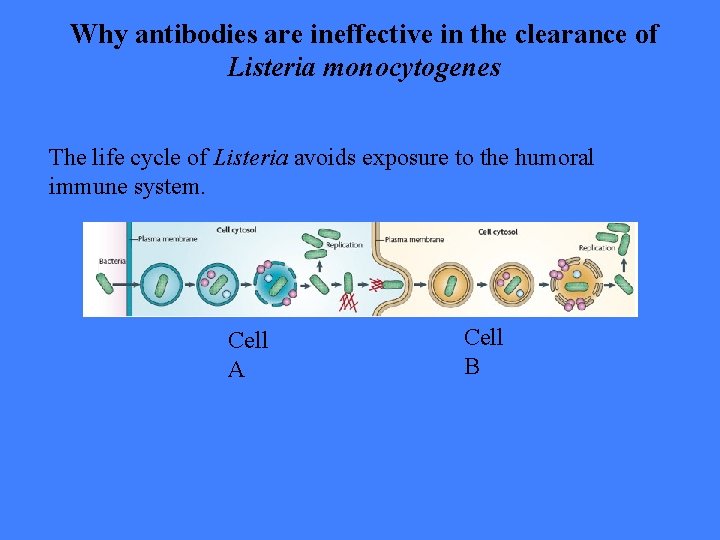
Why antibodies are ineffective in the clearance of Listeria monocytogenes The life cycle of Listeria avoids exposure to the humoral immune system. Cell A Cell B
IMMUNITY • • • L. monocytogenes lives intracellularly. Humoral response does not clear. Requires acquired cellular response. CD 4+ & CD 8+ T-cell subsets required. Neutrophils can assist in early stages. Those people lacking full T-cell capabilities are at risk.
- Slides: 43