
Corporate Social Responsibility What is Corporate Social Responsibility
Corporate Social Responsibility
What is Corporate Social Responsibility? • Looks at ethical issues on the organization level. • Obligates organizations to act in ways that serve both its own interests and the interests of external stakeholders.
Corporate Social Responsibility • Definition: The obligation of an organization to act in ways that serve the various interests of stakeholders. Organizational Stakeholders • Those who are directly affected by the behaviour of the organization and hold a stake in its performance • E. g. employees, shareholders (people who own stock in the company), customers, suppliers, etc.
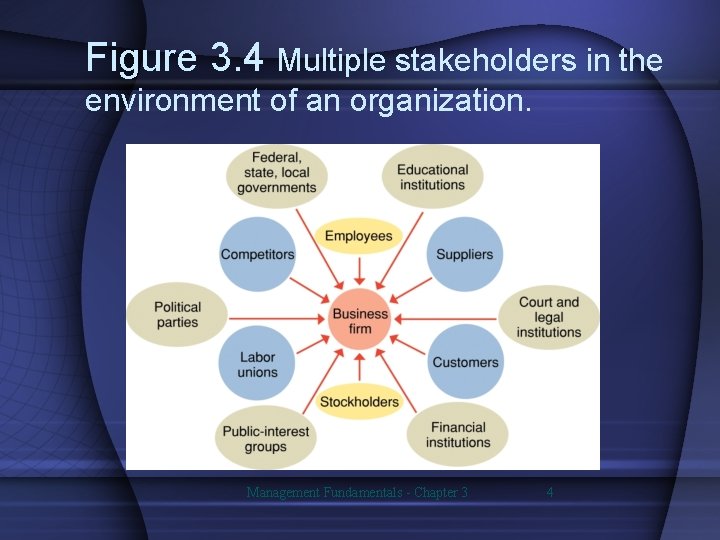
Figure 3. 4 Multiple stakeholders in the environment of an organization. Management Fundamentals - Chapter 3 4
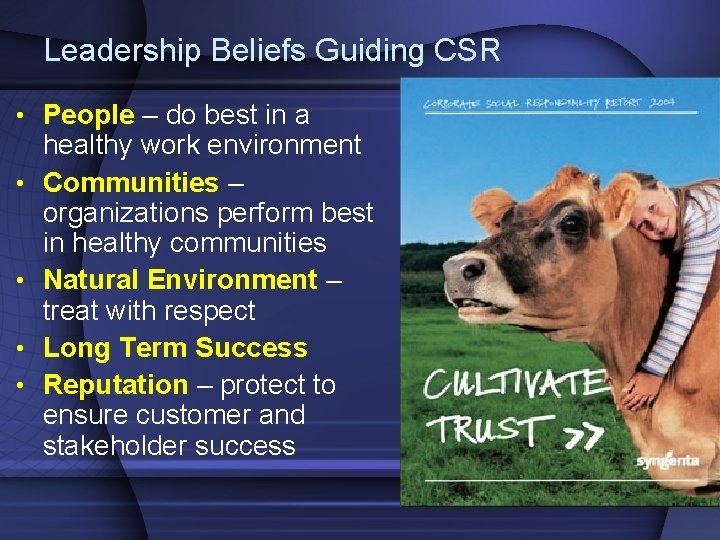
Leadership Beliefs Guiding CSR • People – do best in a • • healthy work environment Communities – organizations perform best in healthy communities Natural Environment – treat with respect Long Term Success Reputation – protect to ensure customer and stakeholder success
Perspectives on Social Responsibility Classical view • Management’s only responsibility is to maximize profits. Socioeconomic view • Management must be concerned for the broader social welfare, not just profits.
Arguments For Social Responsibility • Adds long-run profits • Better public image • Avoids more government regulation • Businesses have resources and ethical obligation • Better environment • Public wants it
Arguments Against Social Responsibility • Reduced business profits • Higher business costs • Dilution of business purpose • Too much social power for business • Lack of public accountability

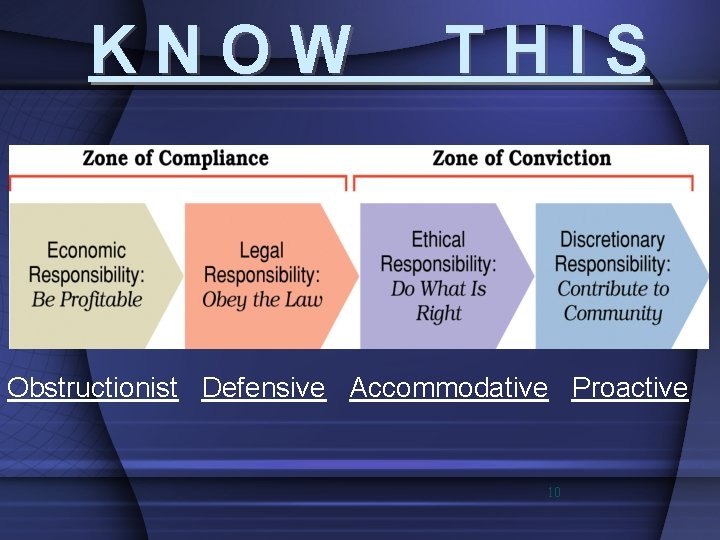
Criteria for Evaluation Is the organization’s … • Economic responsibility met? • Legal responsibility met? • Ethical responsibility met? • Discretionary responsibility met?
KNOW THIS Obstructionist Defensive Accommodative Proactive 10

KNOW THIS Strategies for Pursuing Social Responsibility • Obstructionist: meets economic responsibilities. • Defensive: meets economic and legal responsibilities. • Accommodative: meets economic, legal, and ethical responsibilities. • Proactive: meets economic, legal, ethical, and discretionary responsibilities.
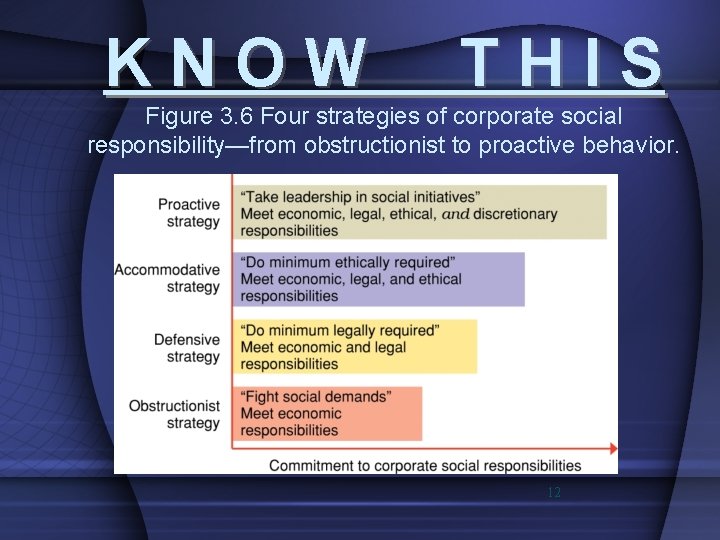
KNOW THIS Figure 3. 6 Four strategies of corporate social responsibility—from obstructionist to proactive behavior. 12
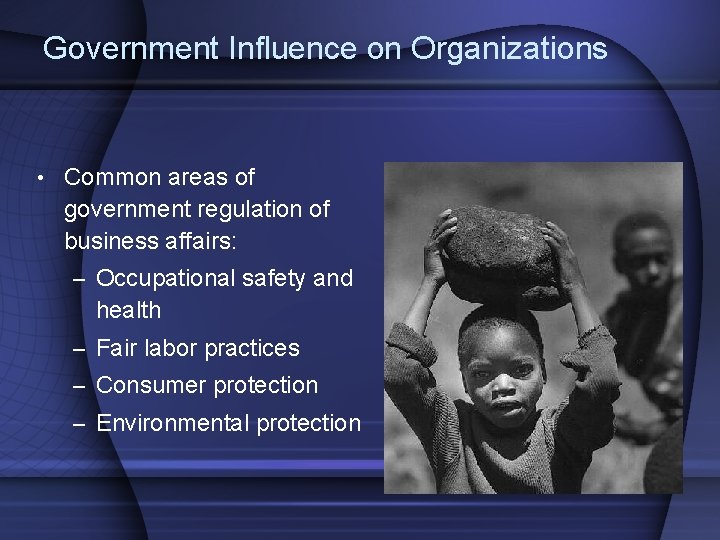
Government Influence on Organizations • Common areas of government regulation of business affairs: – Occupational safety and health – Fair labor practices – Consumer protection – Environmental protection
How Organizations’ Influence Government • Personal contacts and networks • Public relations campaigns • Lobbying • Political action committees • Illegal acts, such as bribery or illegal financial contributions
CSR Exercise • The Polluters Dilemma
- Slides: 15