
CORONARY ARTERY DISEASEVALVE DISEASES SURGICAL ASPECTS Mahmoud ABUABEELEH
CORONARY ARTERY DISEASE/VALVE DISEASES SURGICAL ASPECTS Mahmoud ABU-ABEELEH Associate Professor of Surgery Division of Cardiothoracic Surgery School of Medicine The University Of Jordan 24 -10 -2016
INTRODUCTION HISTORY OF CARDIAC SURGERY CORONARY ARTERY ANATOMY ATHEROSCLEROSIS CAD DIAGNOSIS MANAGEMENT VALVE DISEASES SURGICAL INDICATIONS /TECHNIQUES
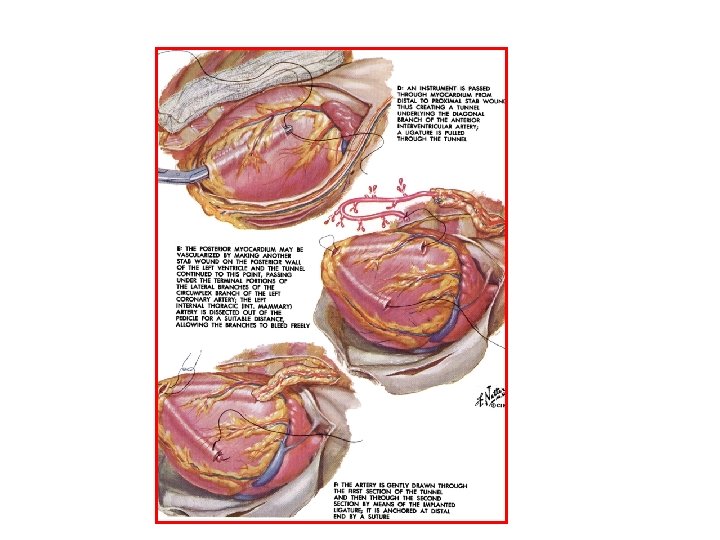
Adult Cardiac Surgery: Ischemic Heart Disease (History) Arthur Vineberg 1940’s- Mobilization of left internal mammary artery with implantation of bleeding end into the left ventricle. 1964 - follow-up study on 140 patients 33% mortality 85% relief from angina
Adult Cardiac Surgery: Ischemic Heart Disease (History) Mason Sones, 1962 - direct and reproducible catheterization of the coronary arteries. “Collectively, all of the cardiological advances in this century pale in comparison with this priceless achievement. ” Floyd Loop, MD
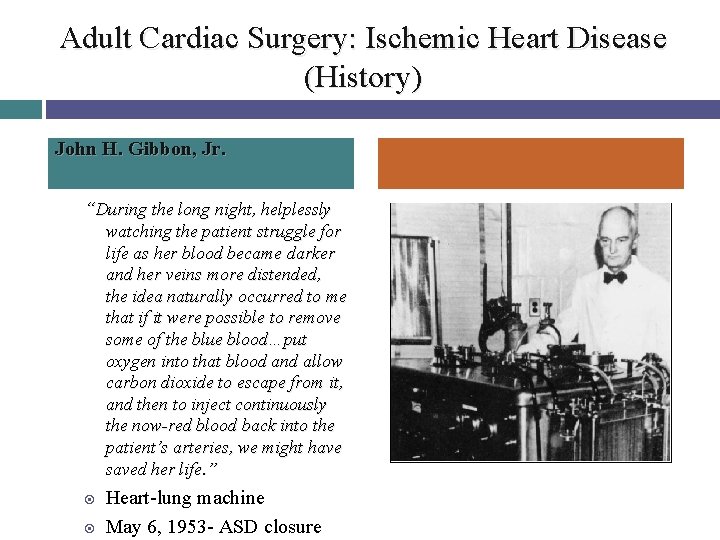
Adult Cardiac Surgery: Ischemic Heart Disease (History) John H. Gibbon, Jr. “During the long night, helplessly watching the patient struggle for life as her blood became darker and her veins more distended, the idea naturally occurred to me that if it were possible to remove some of the blue blood…put oxygen into that blood and allow carbon dioxide to escape from it, and then to inject continuously the now-red blood back into the patient’s arteries, we might have saved her life. ” Heart-lung machine May 6, 1953 - ASD closure
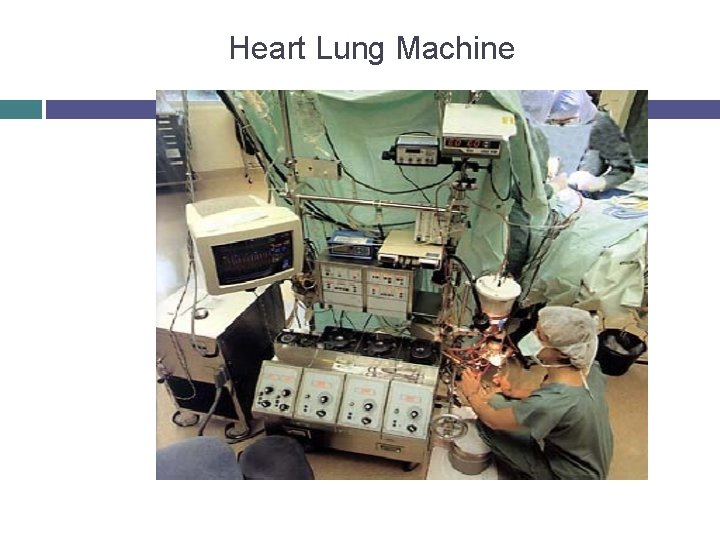
Heart Lung Machine
Adult Cardiac Surgery: Ischemic Heart Disease (History) KOLOSOV LIMA -LAD 1964 IN Russia Frank Spencer/George Green Internal mammary artery
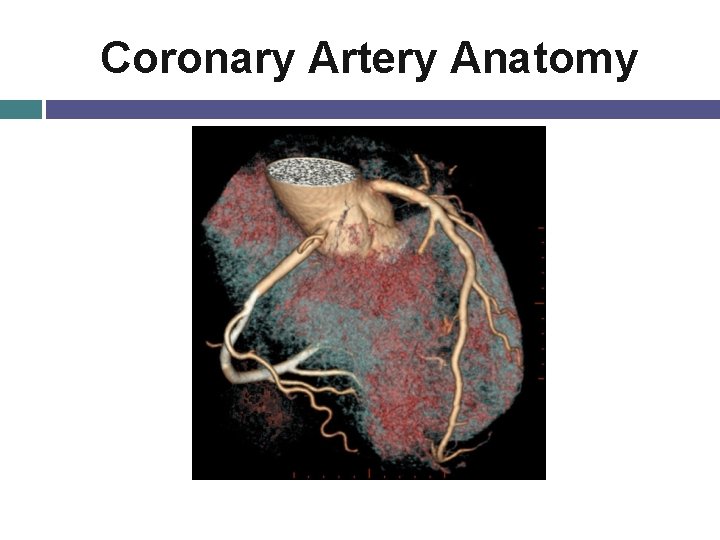
Coronary Artery Anatomy
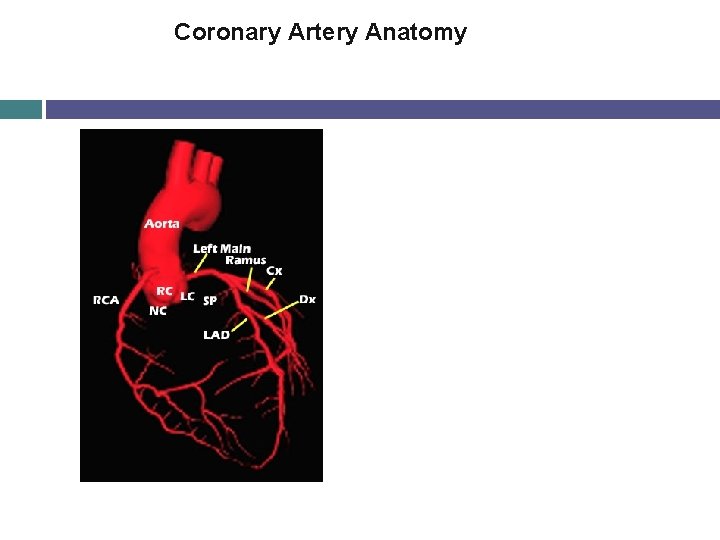
Coronary Artery Anatomy
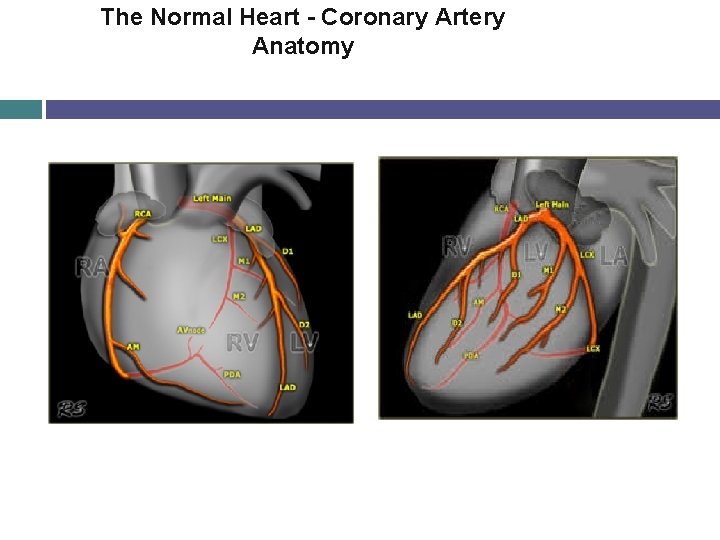
The Normal Heart - Coronary Artery Anatomy
Ischaemic Heart Disease It results from imbalance between oxygen demand supply
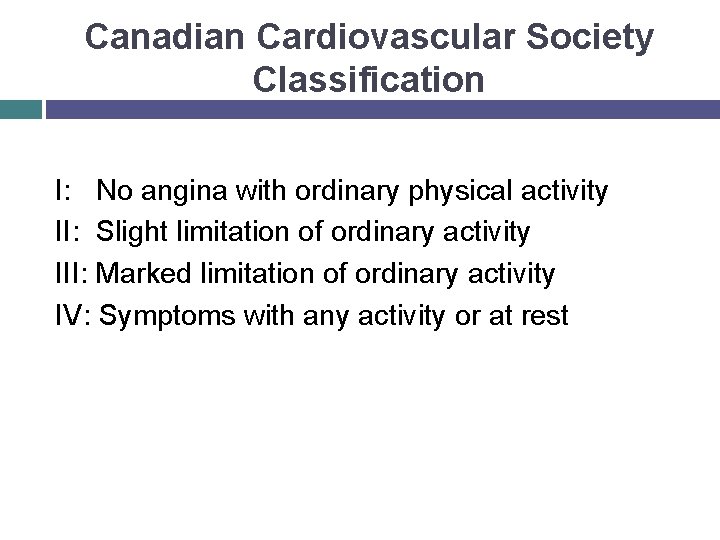
Canadian Cardiovascular Society Classification I: No angina with ordinary physical activity II: Slight limitation of ordinary activity III: Marked limitation of ordinary activity IV: Symptoms with any activity or at rest
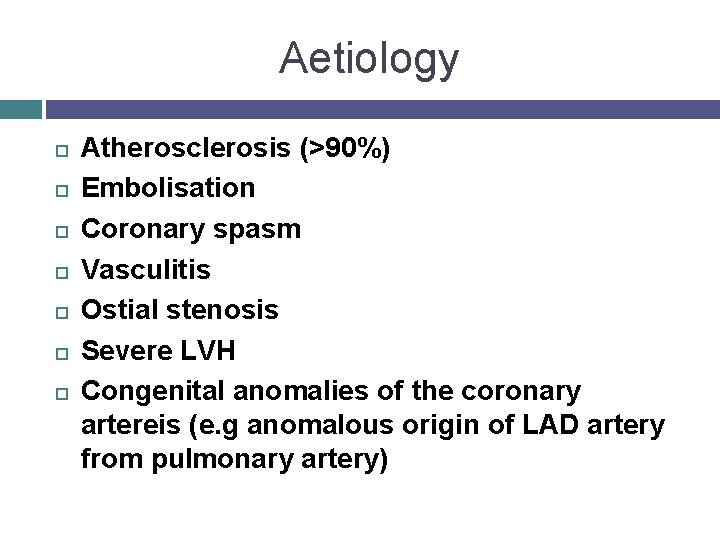
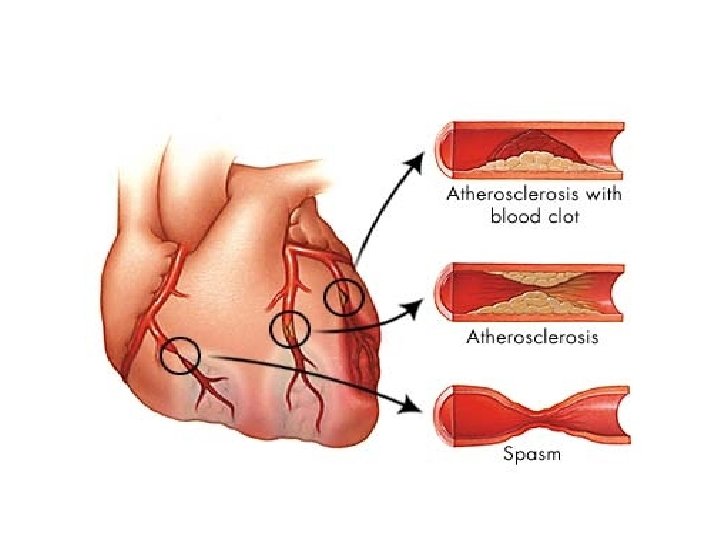
Aetiology Atherosclerosis (>90%) Embolisation Coronary spasm Vasculitis Ostial stenosis Severe LVH Congenital anomalies of the coronary artereis (e. g anomalous origin of LAD artery from pulmonary artery)
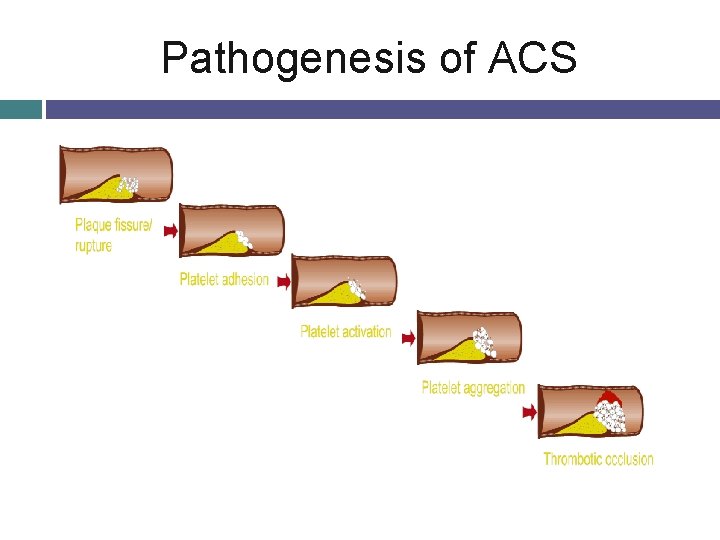
Pathogenesis of ACS
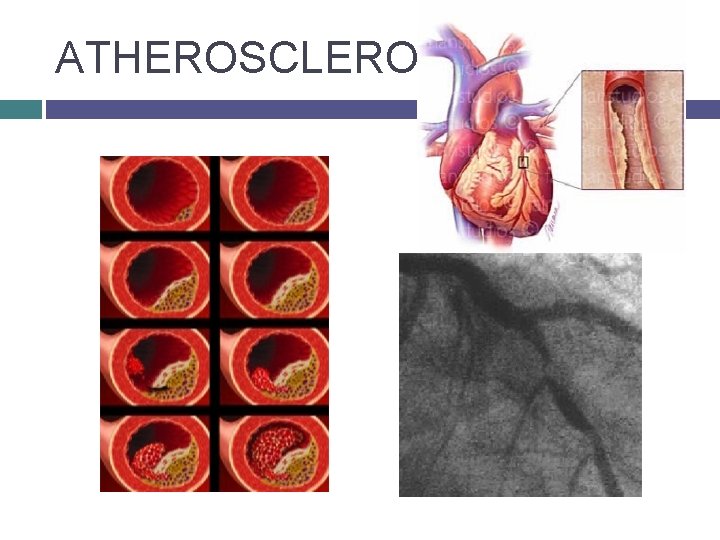
ATHEROSCLEROSIS
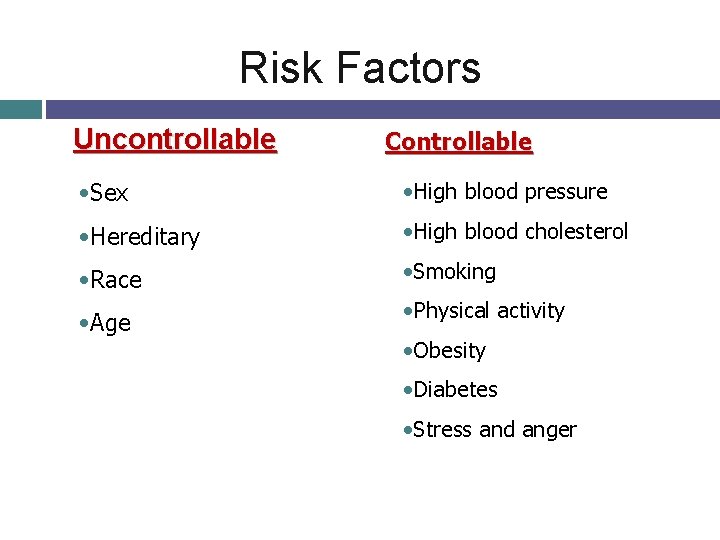
Risk Factors Uncontrollable Controllable • Sex • High blood pressure • Hereditary • High blood cholesterol • Race • Smoking • Age • Physical activity • Obesity • Diabetes • Stress and anger 18
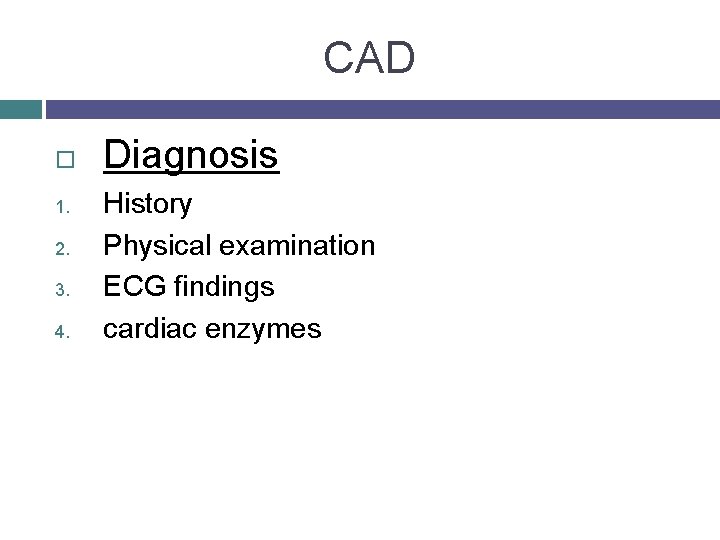
CAD 1. 2. 3. 4. Diagnosis History Physical examination ECG findings cardiac enzymes
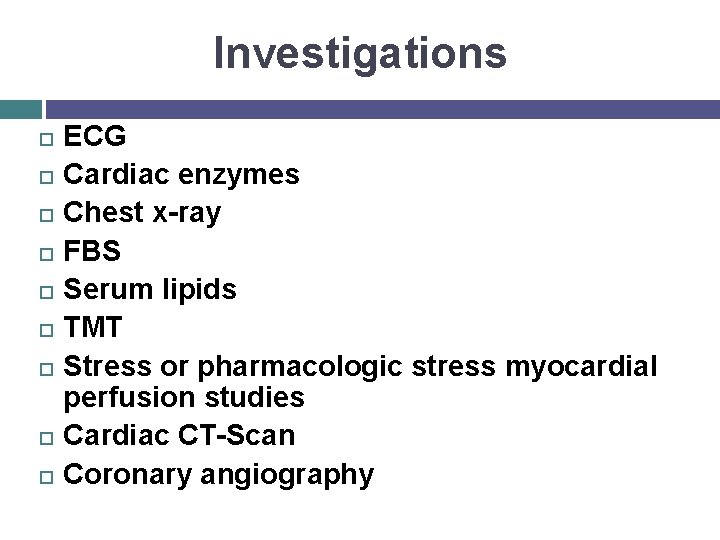
Investigations ECG Cardiac enzymes Chest x-ray FBS Serum lipids TMT Stress or pharmacologic stress myocardial perfusion studies Cardiac CT-Scan Coronary angiography
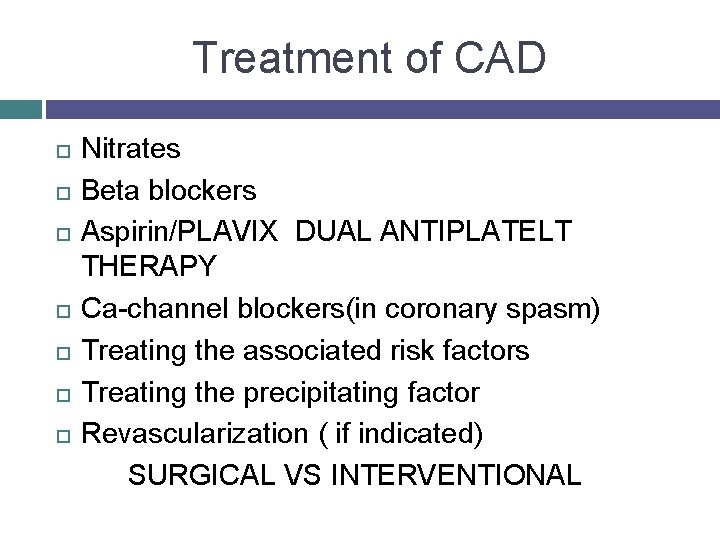
Treatment of CAD Nitrates Beta blockers Aspirin/PLAVIX DUAL ANTIPLATELT THERAPY Ca-channel blockers(in coronary spasm) Treating the associated risk factors Treating the precipitating factor Revascularization ( if indicated) SURGICAL VS INTERVENTIONAL
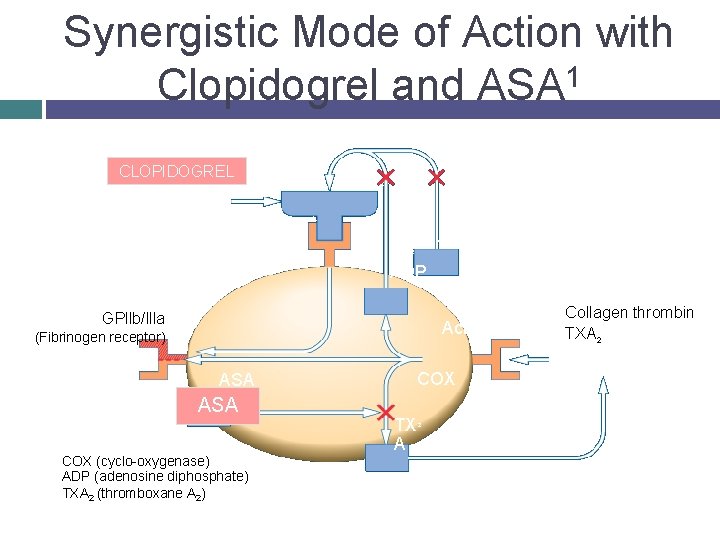
Synergistic Mode of Action with Clopidogrel and ASA 1 CLOPIDOGREL C ADP GPllb/llla Activation (Fibrinogen receptor) ASA COX (cyclo-oxygenase) ADP (adenosine diphosphate) TXA 2 (thromboxane A 2) COX TX A 2 Collagen thrombin TXA 2
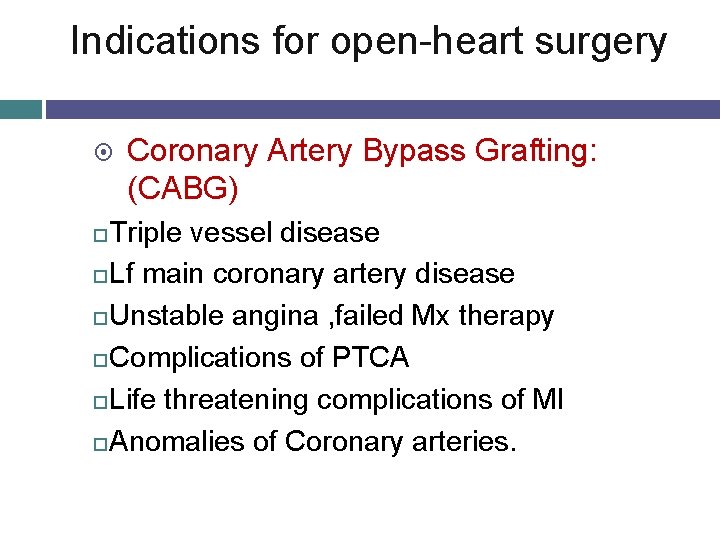
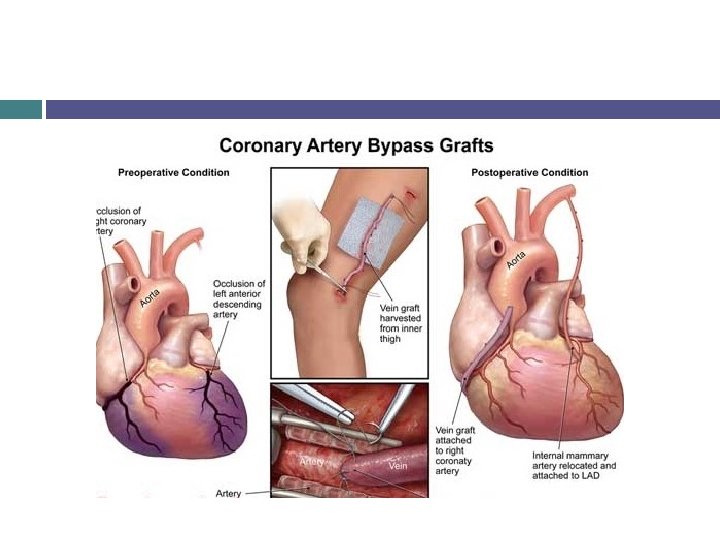
Indications for open-heart surgery Coronary Artery Bypass Grafting: (CABG) Triple vessel disease Lf main coronary artery disease Unstable angina , failed Mx therapy Complications of PTCA Life threatening complications of MI Anomalies of Coronary arteries.
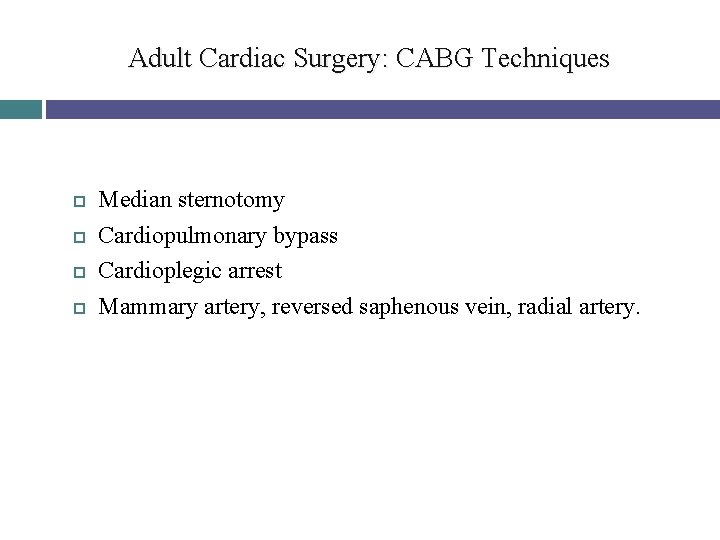
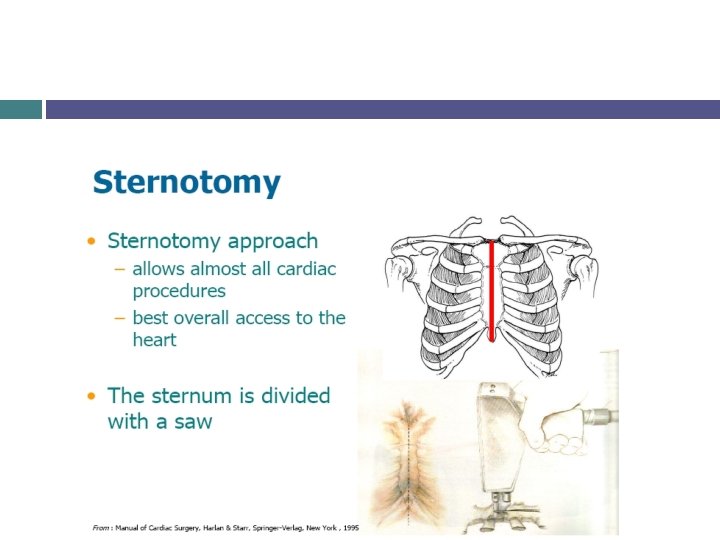
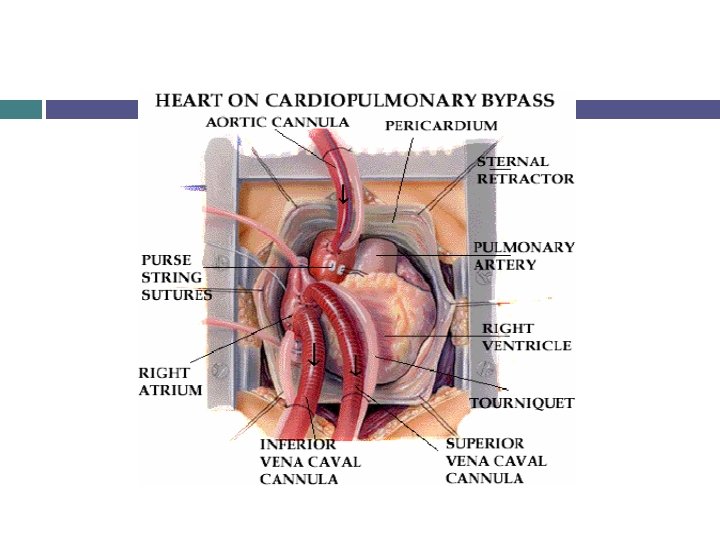
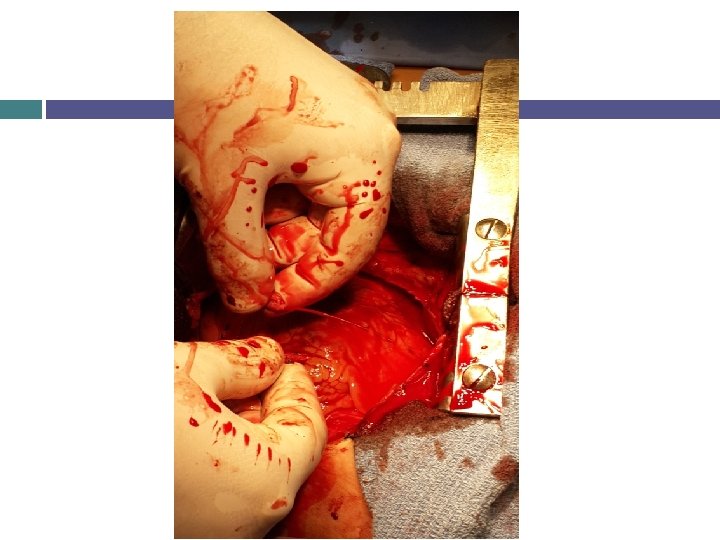
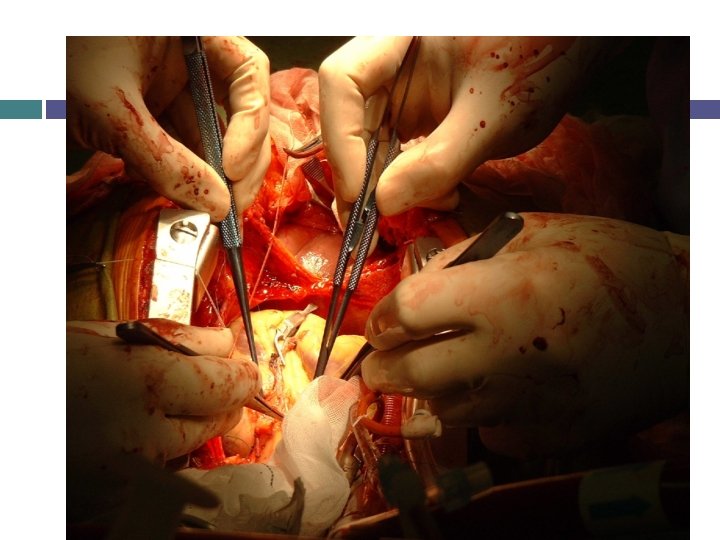
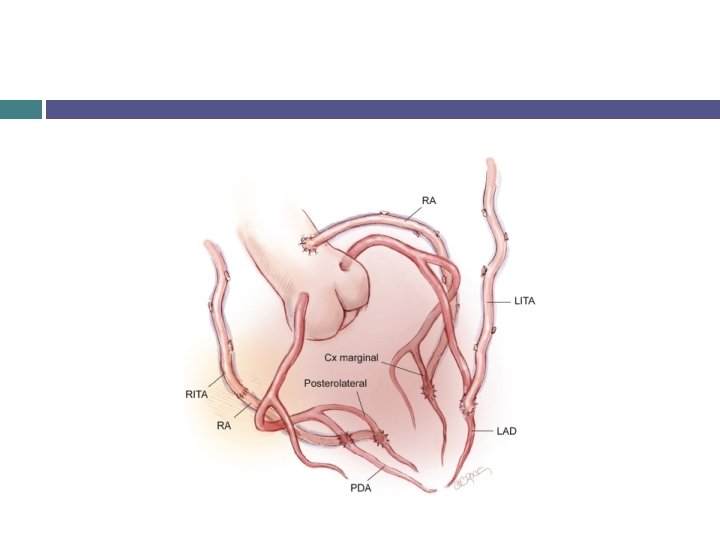
Adult Cardiac Surgery: CABG Techniques Median sternotomy Cardiopulmonary bypass Cardioplegic arrest Mammary artery, reversed saphenous vein, radial artery.
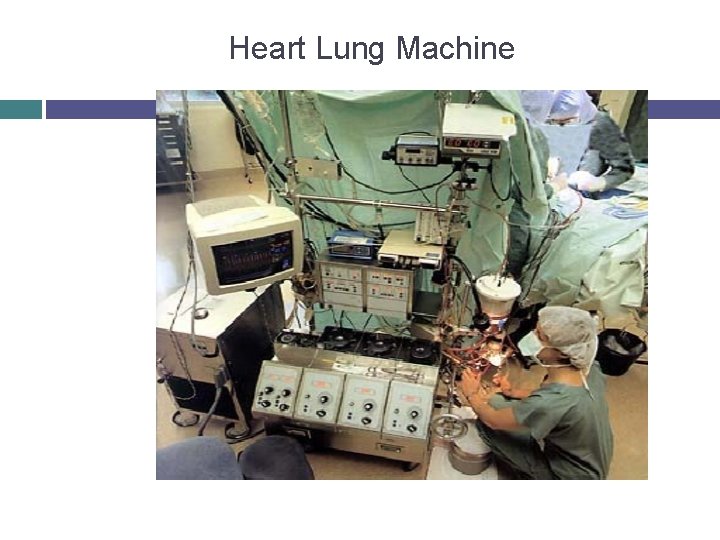
Heart Lung Machine
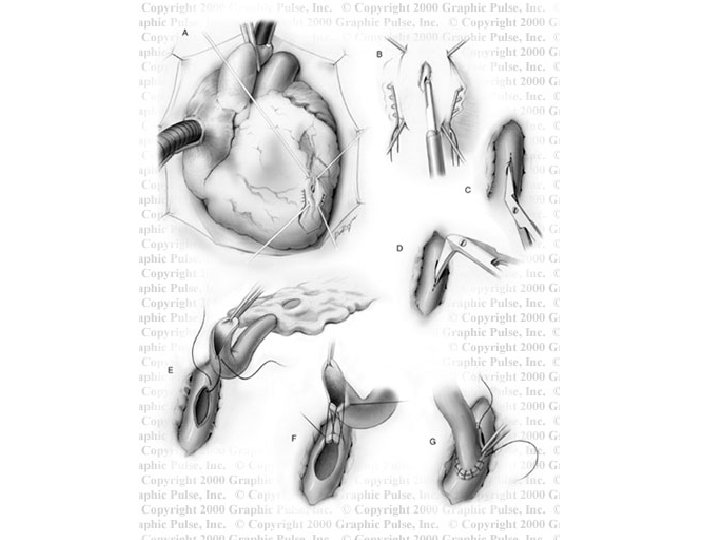
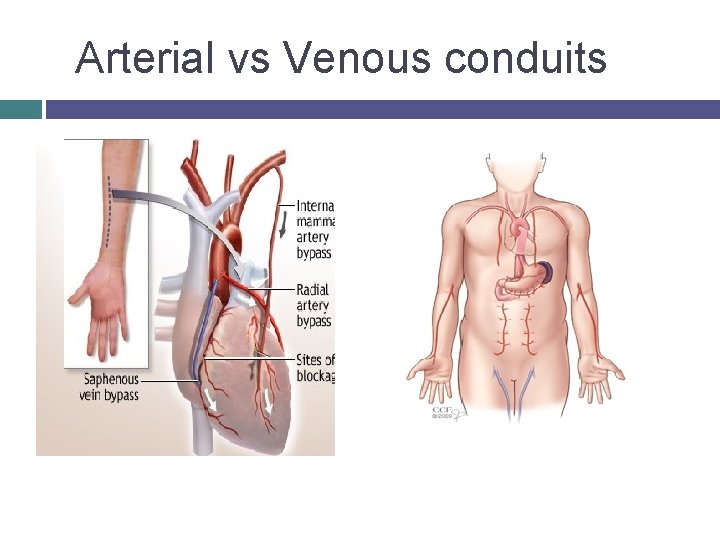
Arterial vs Venous conduits
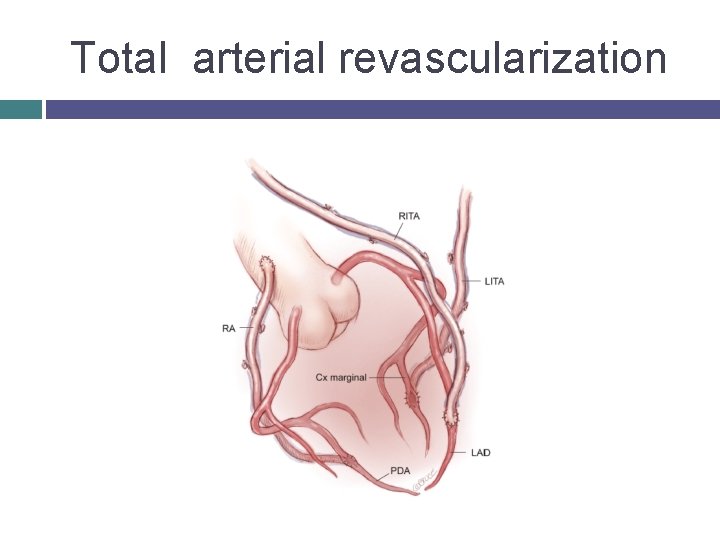
Total arterial revascularization
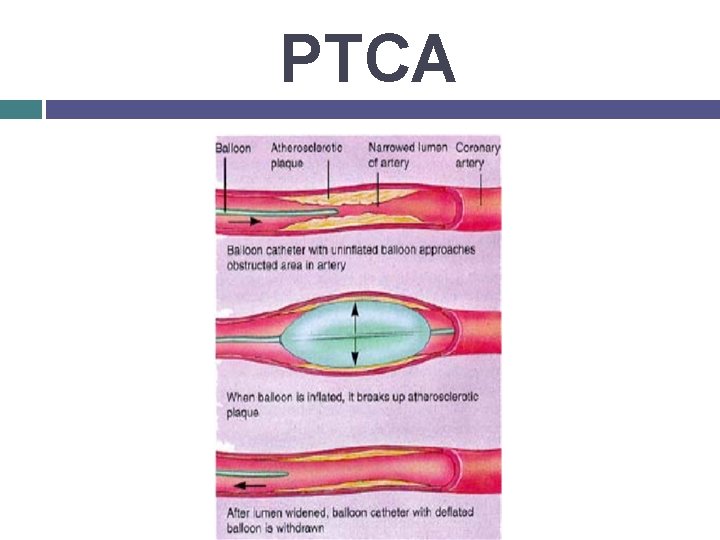
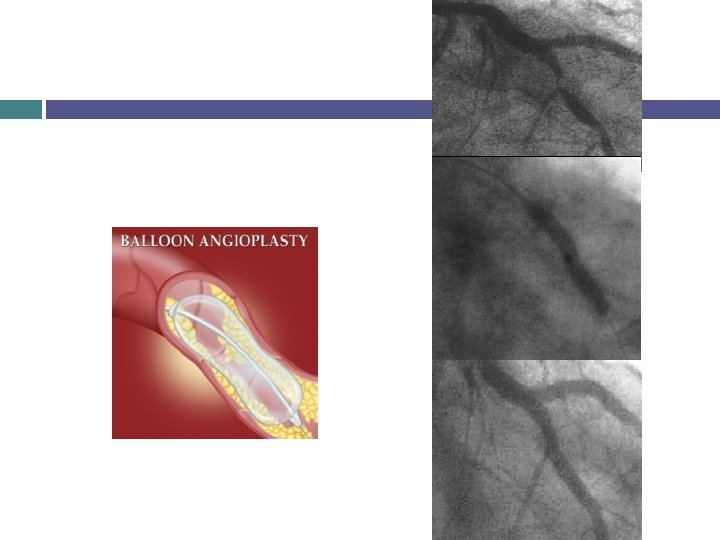
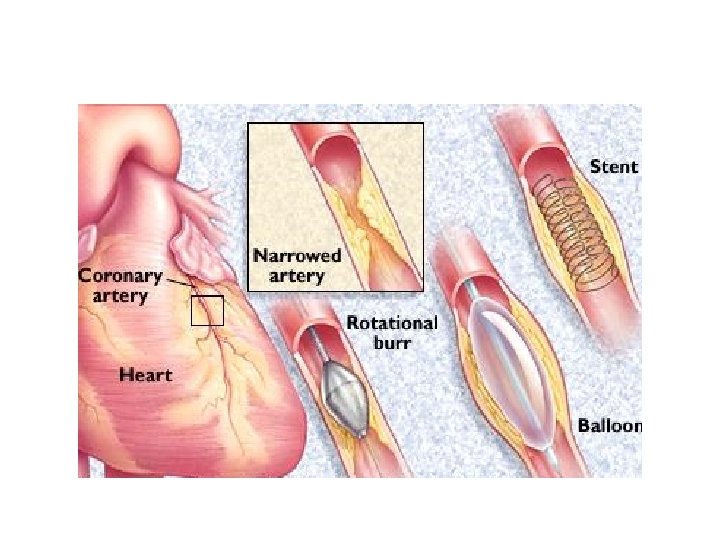
PTCA
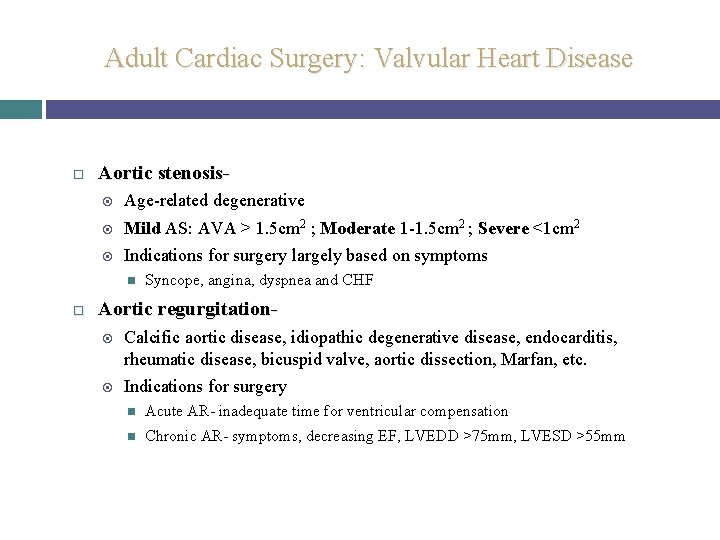
Adult Cardiac Surgery: Valvular Heart Disease Aortic stenosis Age-related degenerative Mild AS: AVA > 1. 5 cm 2 ; Moderate 1 -1. 5 cm 2 ; Severe <1 cm 2 Indications for surgery largely based on symptoms Syncope, angina, dyspnea and CHF Aortic regurgitation Calcific aortic disease, idiopathic degenerative disease, endocarditis, rheumatic disease, bicuspid valve, aortic dissection, Marfan, etc. Indications for surgery Acute AR- inadequate time for ventricular compensation Chronic AR- symptoms, decreasing EF, LVEDD >75 mm, LVESD >55 mm
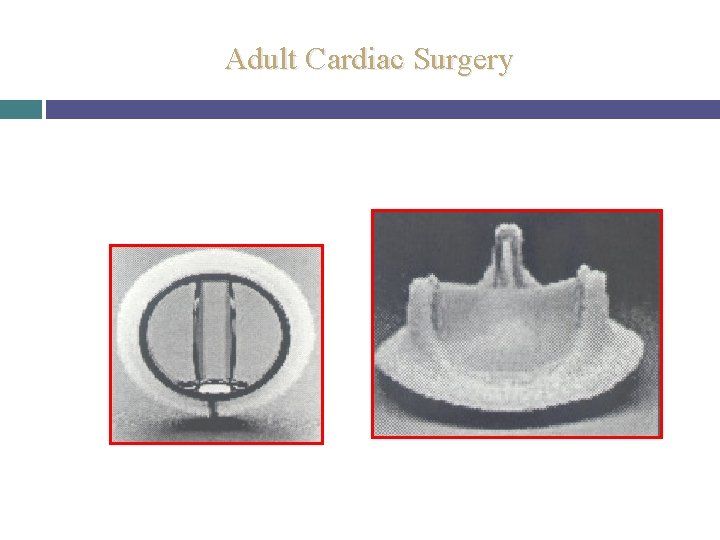
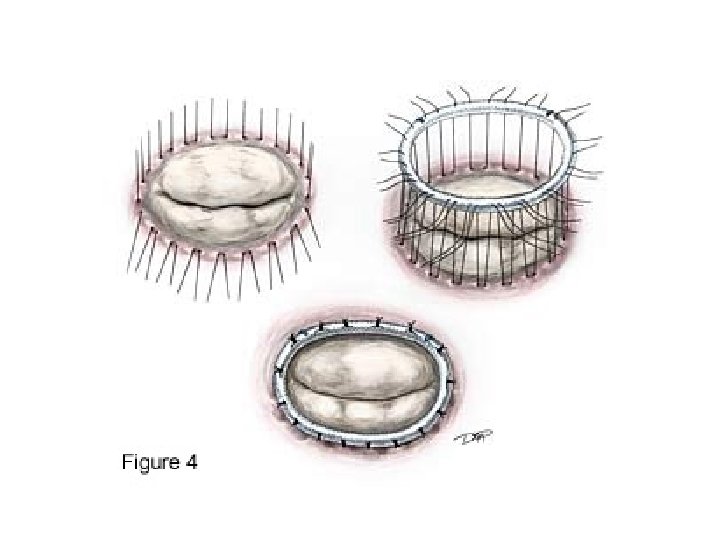
Adult Cardiac Surgery: Valve Prostheses Mechanical Valves Caged-ball valves Tilting disc valves single leaflet bileaflet Tissue Valves Animal tissue (porcine aortic valves, bovine pericardium) Human tissue (Homografts, Autografts)
Adult Cardiac Surgery
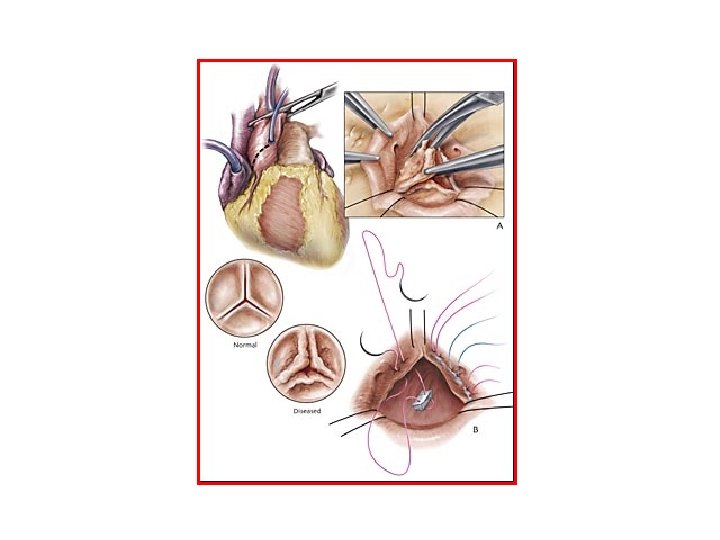
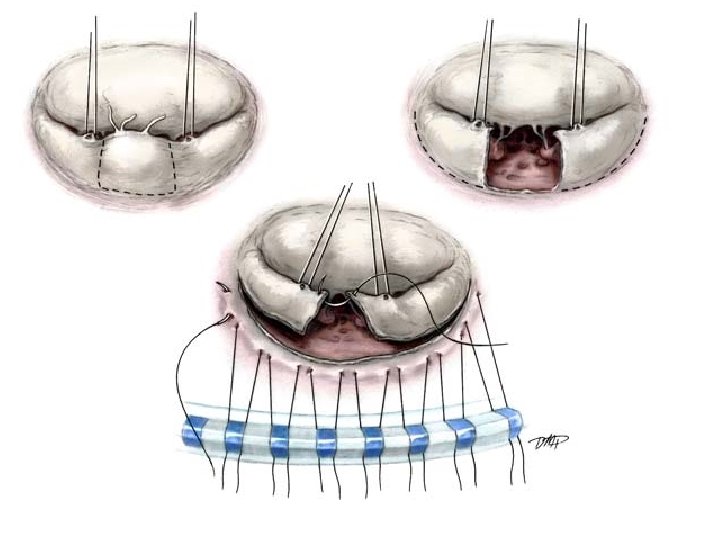
Adult Cardiac Surgery: Aortic Valve Replacement Median sternotomy, hemi-sternotomy Cardiopulmonary bypass Cardioplegic arrest Excision of the valve Debridement Implantation
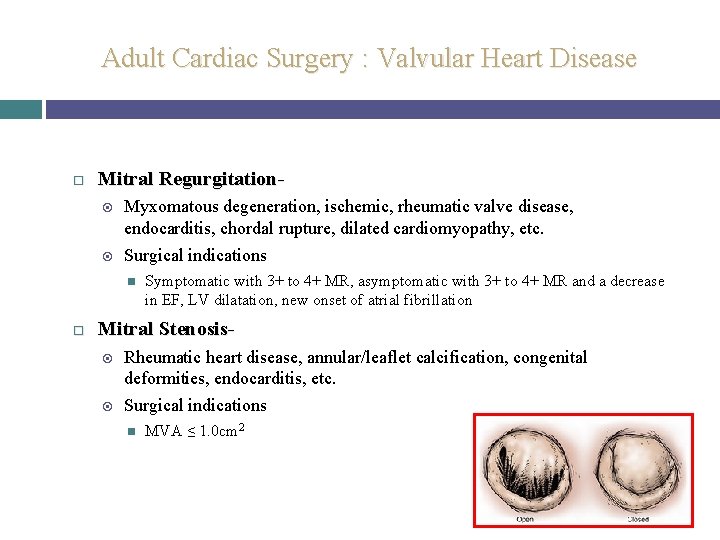
Adult Cardiac Surgery : Valvular Heart Disease Mitral Regurgitation Myxomatous degeneration, ischemic, rheumatic valve disease, endocarditis, chordal rupture, dilated cardiomyopathy, etc. Surgical indications Symptomatic with 3+ to 4+ MR, asymptomatic with 3+ to 4+ MR and a decrease in EF, LV dilatation, new onset of atrial fibrillation Mitral Stenosis Rheumatic heart disease, annular/leaflet calcification, congenital deformities, endocarditis, etc. Surgical indications MVA ≤ 1. 0 cm 2
Adult Cardiac Surgery : Mitral Valve Surgery Repair more commonly performed than replacement. Replacement necessary in some cases Rheumatic heart disease, endocarditis, complications of MI, etc. Median sternotomy Minimal access incisions Cardiopulmonary bypass Cardioplegic arrest
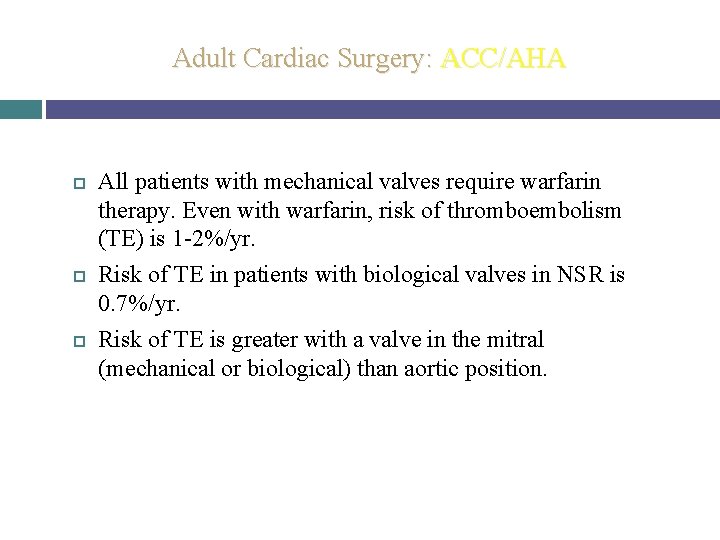
Adult Cardiac Surgery: ACC/AHA All patients with mechanical valves require warfarin therapy. Even with warfarin, risk of thromboembolism (TE) is 1 -2%/yr. Risk of TE in patients with biological valves in NSR is 0. 7%/yr. Risk of TE is greater with a valve in the mitral (mechanical or biological) than aortic position.
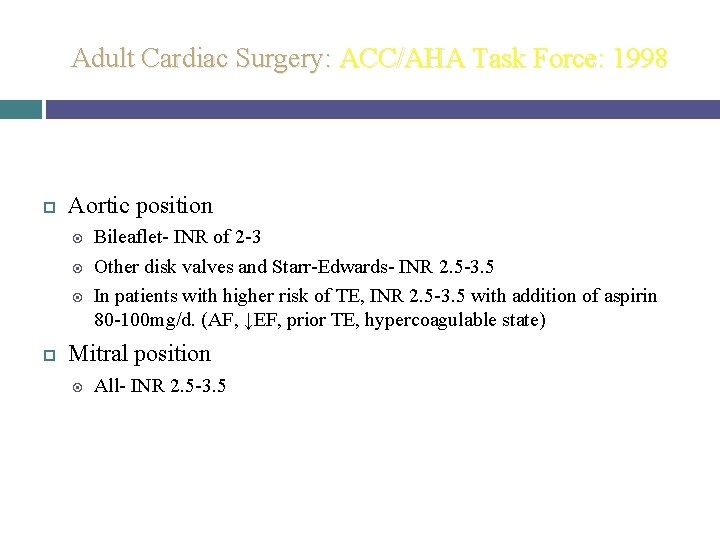
Adult Cardiac Surgery: ACC/AHA Task Force: 1998 Aortic position Bileaflet- INR of 2 -3 Other disk valves and Starr-Edwards- INR 2. 5 -3. 5 In patients with higher risk of TE, INR 2. 5 -3. 5 with addition of aspirin 80 -100 mg/d. (AF, ↓EF, prior TE, hypercoagulable state) Mitral position All- INR 2. 5 -3. 5
Adult Cardiac Surgery: ACC/AHA Tissue prosthesis Anticoagulation recommended in first 3 months, although aspirin alone in aortic position in some centers. INR 2. 5 -3. 5 After 3 months, discontinue unless other circumstances
Recovery for all patients after heart surgery Quitting smoking Treating high cholesterol Managing high blood pressure and diabetes Exercising regularly Maintaining a healthy weight Eating a heart-healthy diet Participating in a cardiac rehabilitation program Following up for regular clinic visits

Any Questions

SUMMARY
- Slides: 52