
Cornerstones of Compassion Foundation of Caring for Ourselves

- Slides: 38
Cornerstones of Compassion: Foundation of Caring for Ourselves and Others MARK ROSENBERG, MD AND BECCA HAWKINS, ARNP DIRECTORS OF COMPASSIONATE CARE PROVIDENCE ST JOSEPH HEALTH
Faculty Disclosures: s t flic No n Co Dis No clo sur e s Mark Rosenberg and Becca Hawkins have no disclosures or conflicts of interest
Objectives • Explore the connection between compassion and burnout • Recognize Compassion Cornerstones as a potential avenue for building resilience in self and/or team • Experience how Compassion Cornerstones could be put into practice
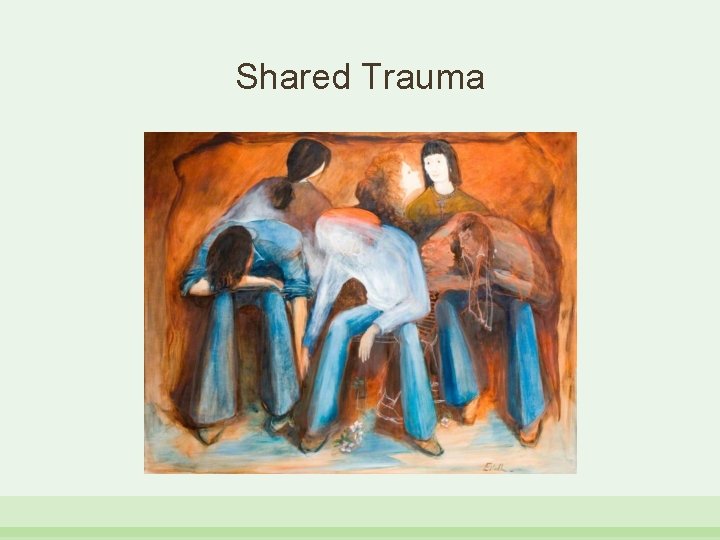
Shared Trauma
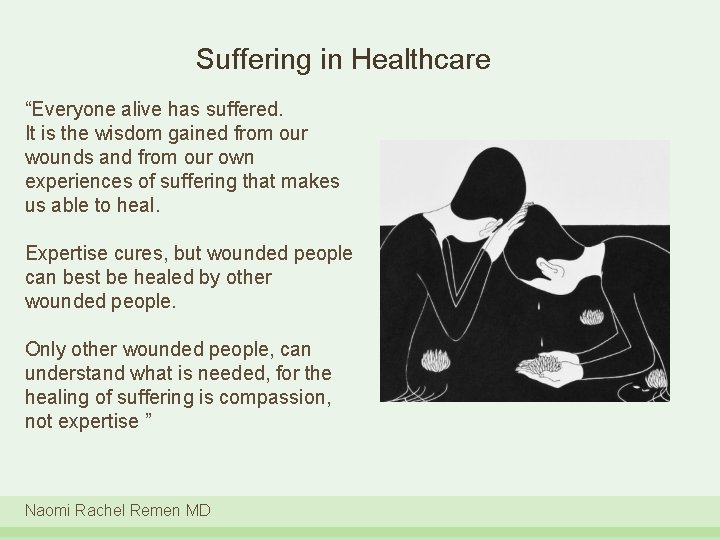
Suffering in Healthcare “Everyone alive has suffered. It is the wisdom gained from our wounds and from our own experiences of suffering that makes us able to heal. Expertise cures, but wounded people can best be healed by other wounded people. Only other wounded people, can understand what is needed, for the healing of suffering is compassion, not expertise ” Naomi Rachel Remen MD
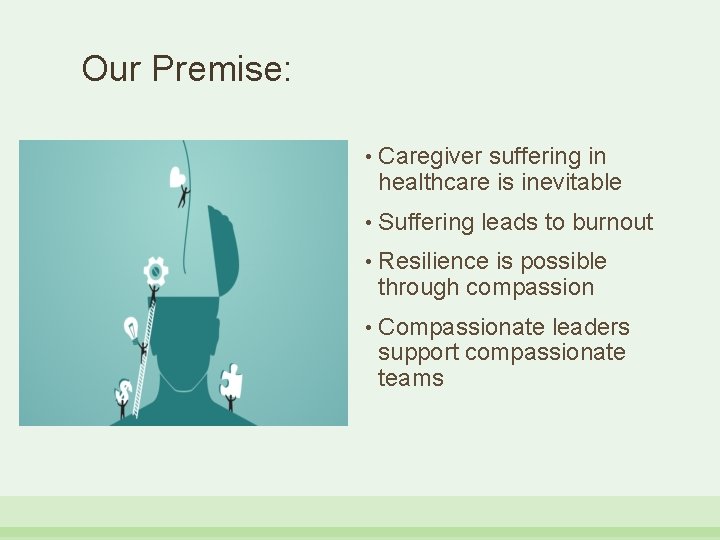
Our Premise: • Caregiver suffering in healthcare is inevitable • Suffering leads to burnout • Resilience is possible through compassion • Compassionate leaders support compassionate teams
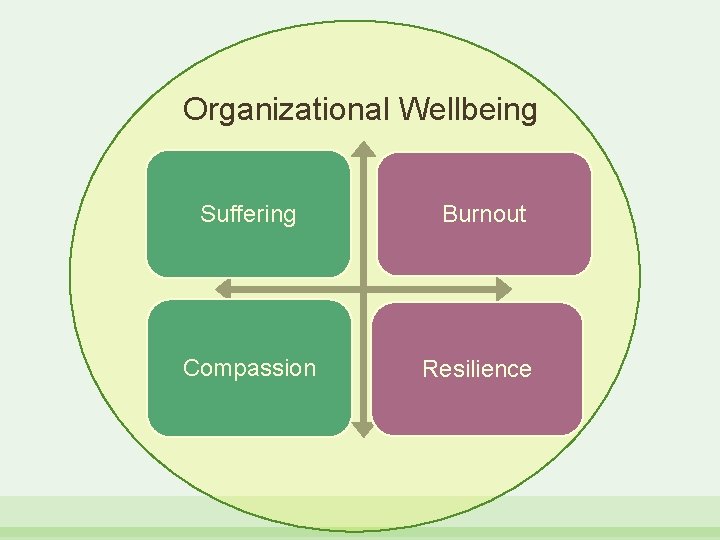
Organizational Wellbeing Suffering Burnout Compassion Resilience
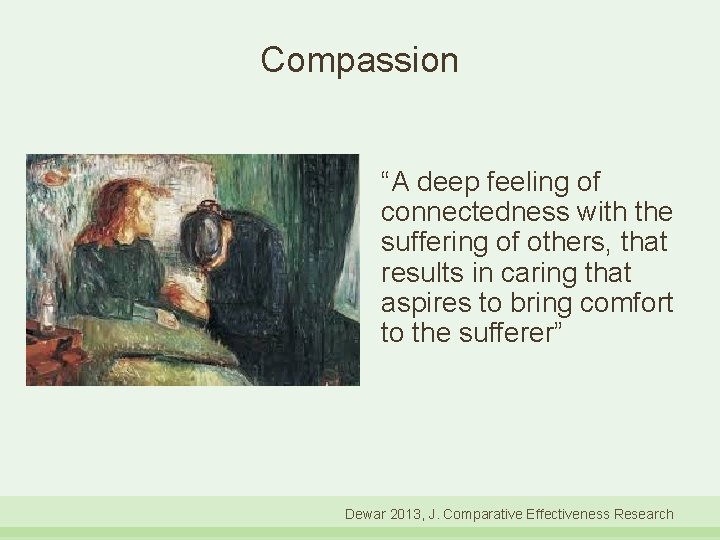
Compassion “A deep feeling of connectedness with the suffering of others, that results in caring that aspires to bring comfort to the sufferer” Dewar 2013, J. Comparative Effectiveness Research
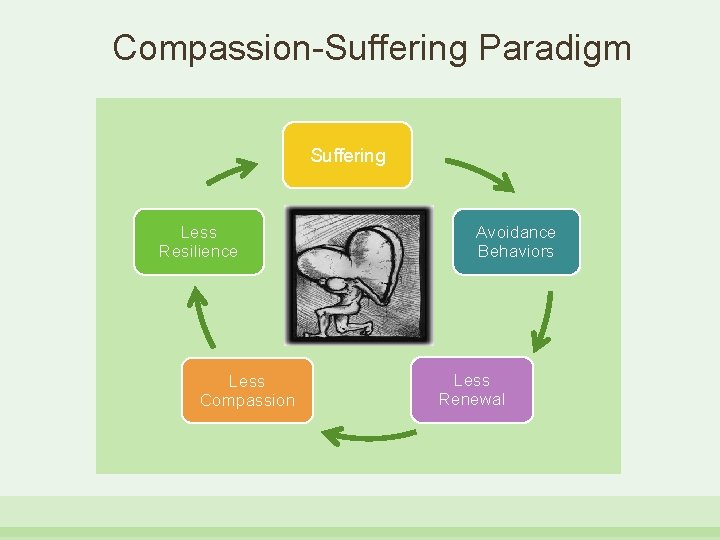
Compassion-Suffering Paradigm Suffering Less Resilience Less Compassion Avoidance Behaviors Less Renewal
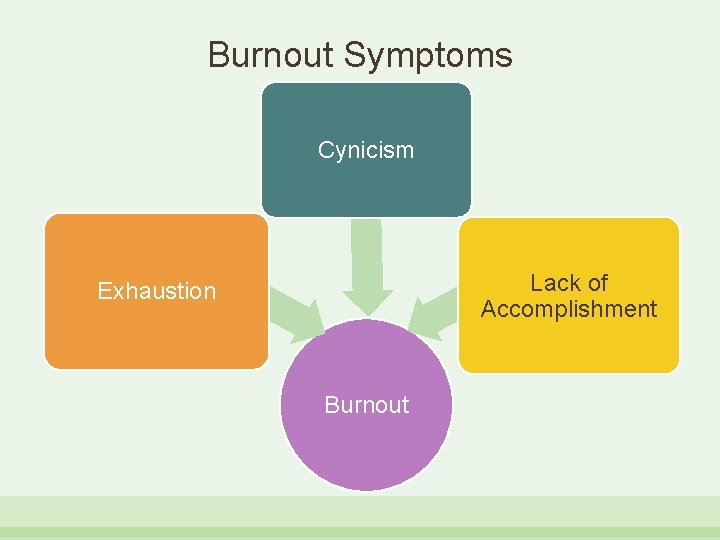
Burnout Symptoms Cynicism Lack of Accomplishment Exhaustion Burnout
What Causes Burnout in Your Team?
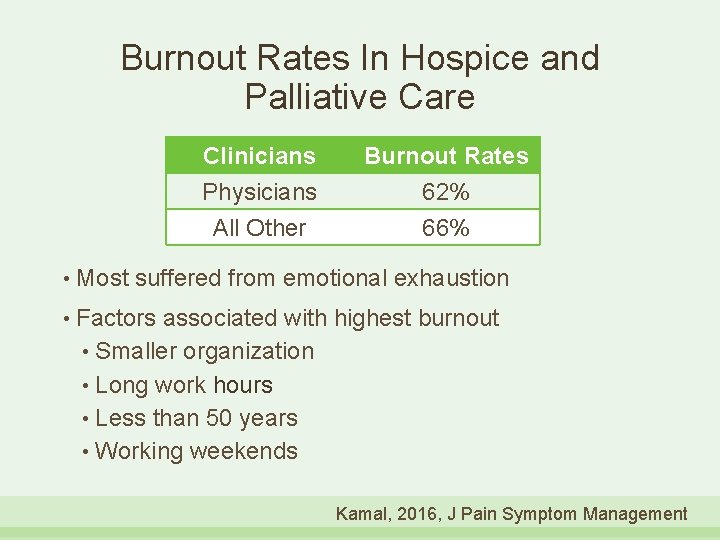
Burnout Rates In Hospice and Palliative Care Clinicians Physicians All Other Burnout Rates 62% 66% • Most suffered from emotional exhaustion • Factors associated with highest burnout • Smaller organization • Long work hours • Less than 50 years • Working weekends Kamal, 2016, J Pain Symptom Management
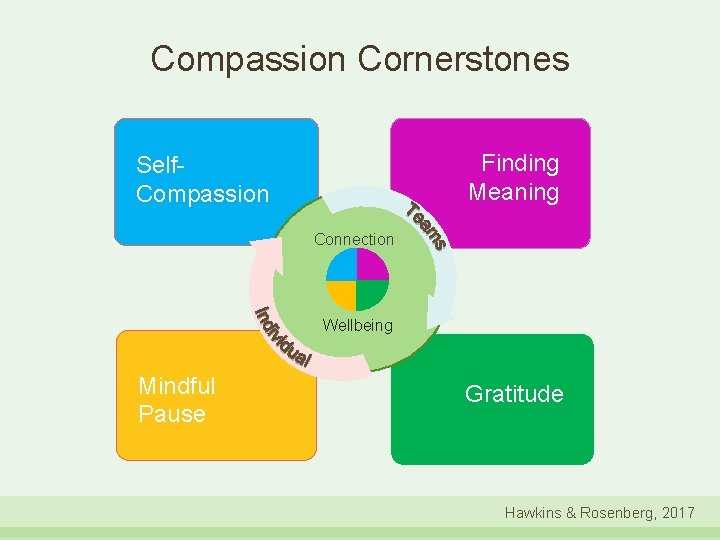
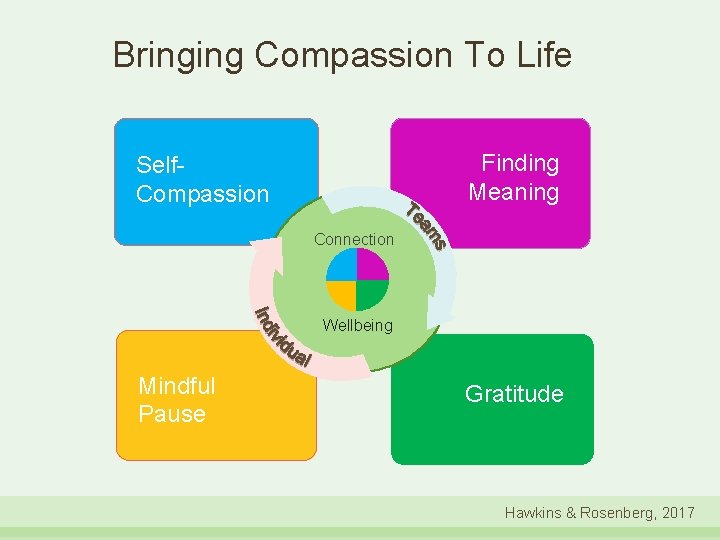
Compassion Cornerstones Finding Meaning Self. Compassion Connection Wellbeing Mindful Pause Gratitude Hawkins & Rosenberg, 2017
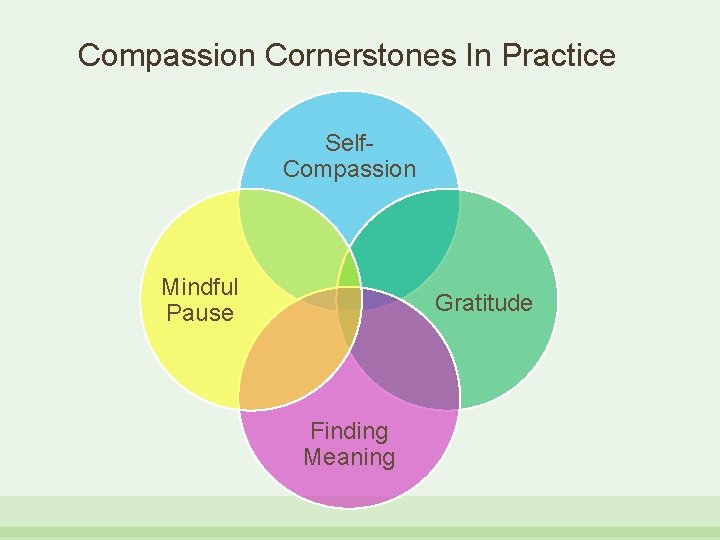
Compassion Cornerstones In Practice Self. Compassion Mindful Pause Gratitude Finding Meaning
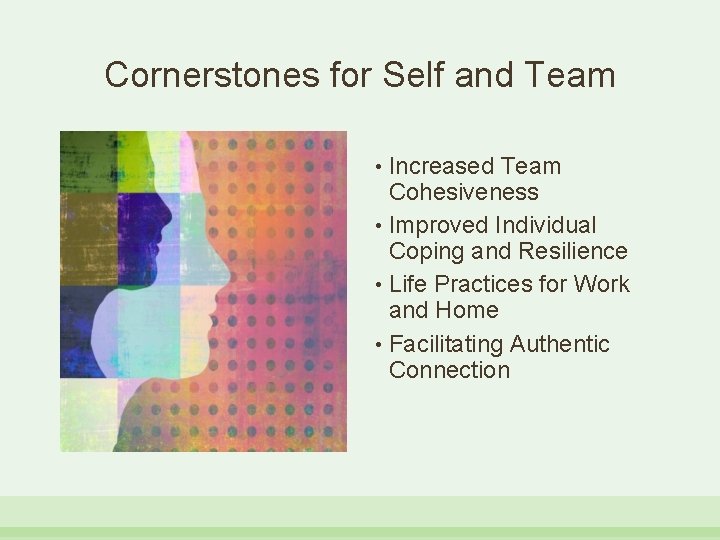
Cornerstones for Self and Team Increased Team Cohesiveness • Improved Individual Coping and Resilience • Life Practices for Work and Home • Facilitating Authentic Connection •
Gratitude
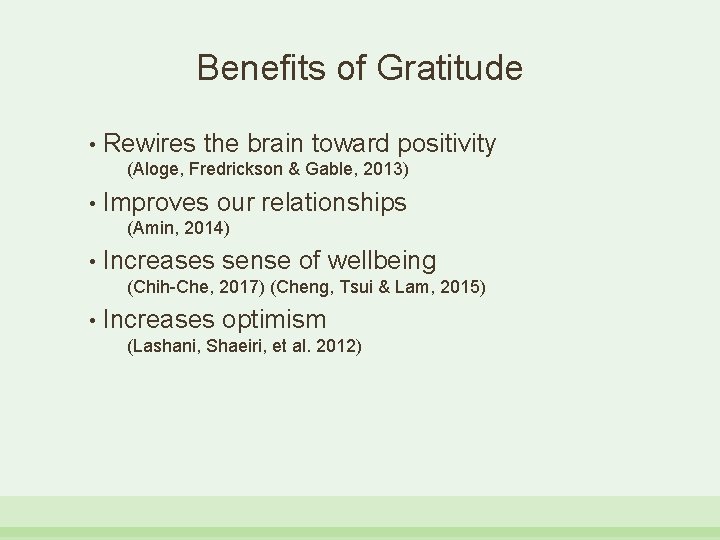
Benefits of Gratitude • Rewires the brain toward positivity (Aloge, Fredrickson & Gable, 2013) • Improves our relationships (Amin, 2014) • Increases sense of wellbeing (Chih-Che, 2017) (Cheng, Tsui & Lam, 2015) • Increases optimism (Lashani, Shaeiri, et al. 2012)
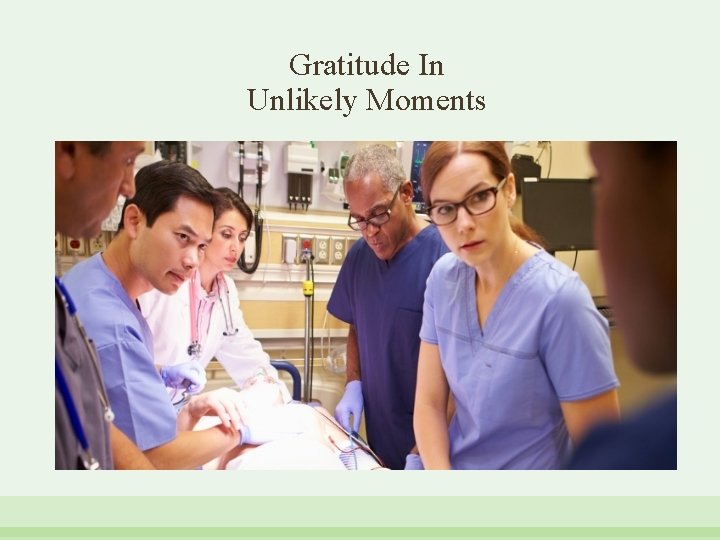
Gratitude In Unlikely Moments
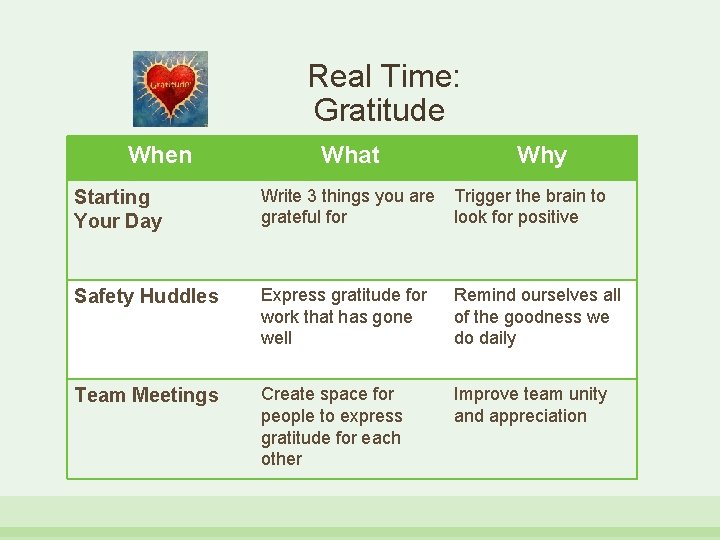
Real Time: Gratitude When What Why Starting Your Day Write 3 things you are grateful for Trigger the brain to look for positive Safety Huddles Express gratitude for work that has gone well Remind ourselves all of the goodness we do daily Team Meetings Create space for people to express gratitude for each other Improve team unity and appreciation
Mindful Pause
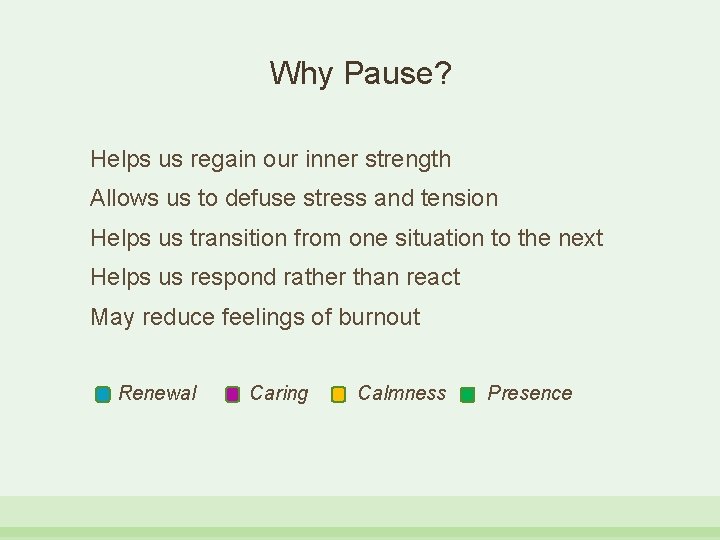
Why Pause? Helps us regain our inner strength Allows us to defuse stress and tension Helps us transition from one situation to the next Helps us respond rather than react May reduce feelings of burnout Renewal Caring Calmness Presence
A Mindful Pause
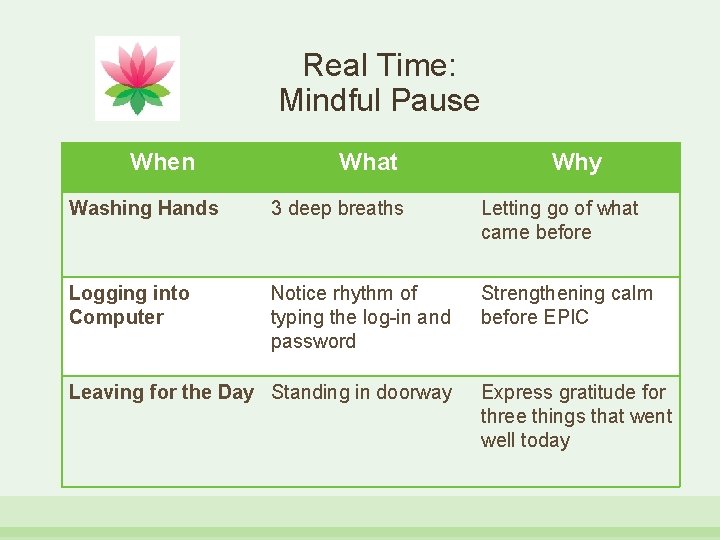
Real Time: Mindful Pause When What Why Washing Hands 3 deep breaths Letting go of what came before Logging into Computer Notice rhythm of typing the log-in and password Strengthening calm before EPIC Leaving for the Day Standing in doorway Express gratitude for three things that went well today
Finding Meaning:
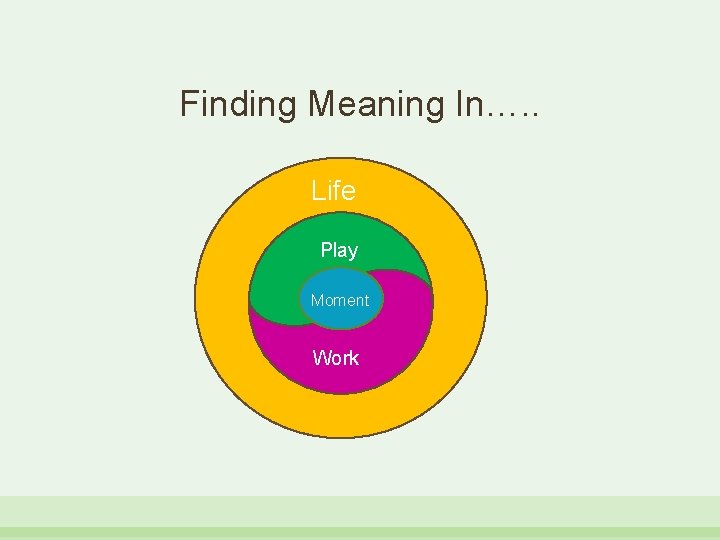
Finding Meaning In…. . Life Play Moment Work
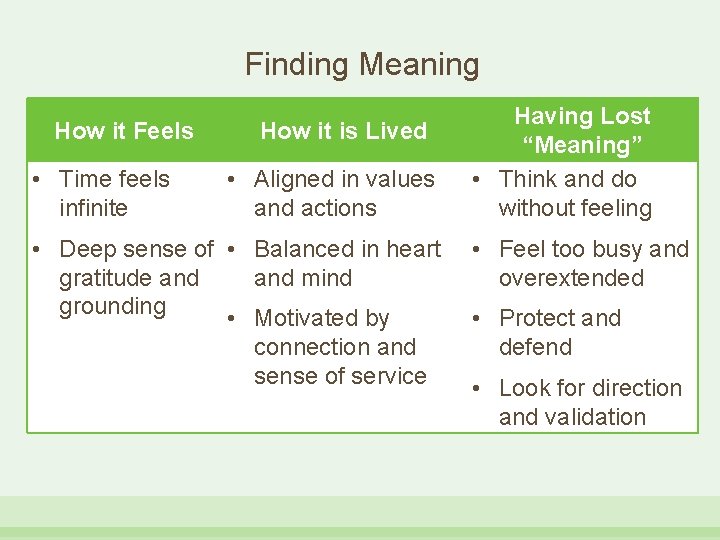
Finding Meaning How it Feels • Time feels infinite How it is Lived • Aligned in values and actions • Deep sense of • Balanced in heart gratitude and mind grounding • Motivated by connection and sense of service Having Lost “Meaning” • Think and do without feeling • Feel too busy and overextended • Protect and defend • Look for direction and validation
Reflective Exercise Recall a moment at work that filled you with a sense of meaning and purpose
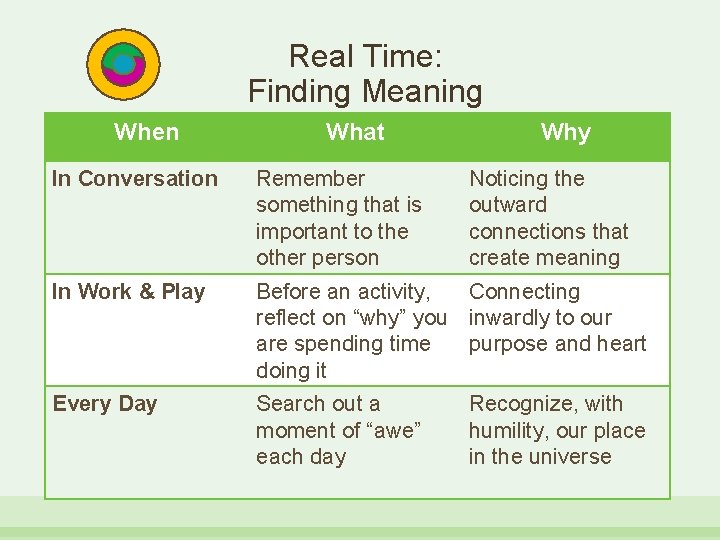
Real Time: Finding Meaning When What Why In Conversation Remember something that is important to the other person Noticing the outward connections that create meaning In Work & Play Before an activity, Connecting reflect on “why” you inwardly to our are spending time purpose and heart doing it Every Day Search out a moment of “awe” each day Recognize, with humility, our place in the universe
Self Compassion
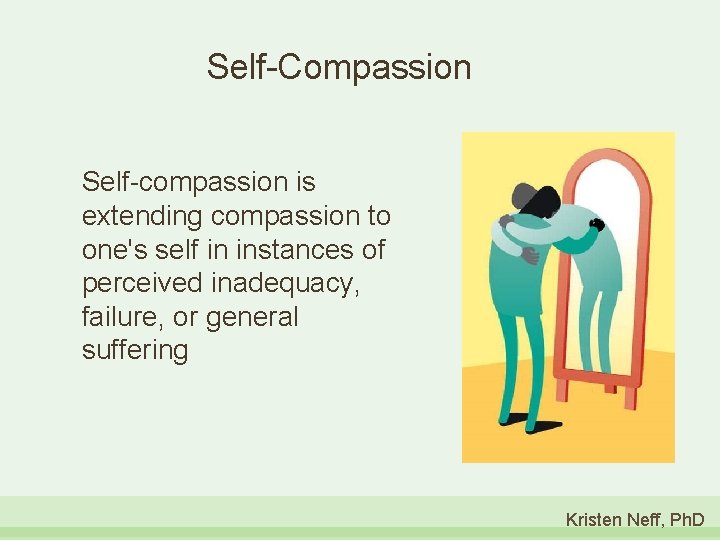
Self-Compassion Self-compassion is extending compassion to one's self in instances of perceived inadequacy, failure, or general suffering Kristen Neff, Ph. D
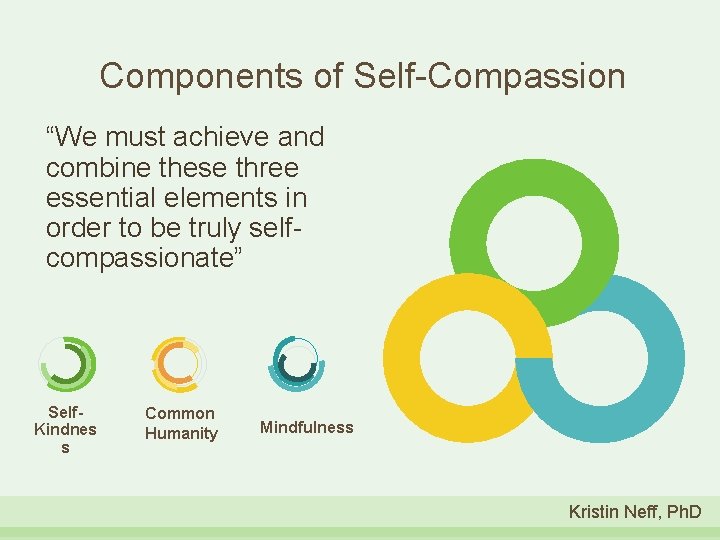
Components of Self-Compassion “We must achieve and combine these three essential elements in order to be truly selfcompassionate” Self. Kindnes s Common Humanity Mindfulness Kristin Neff, Ph. D
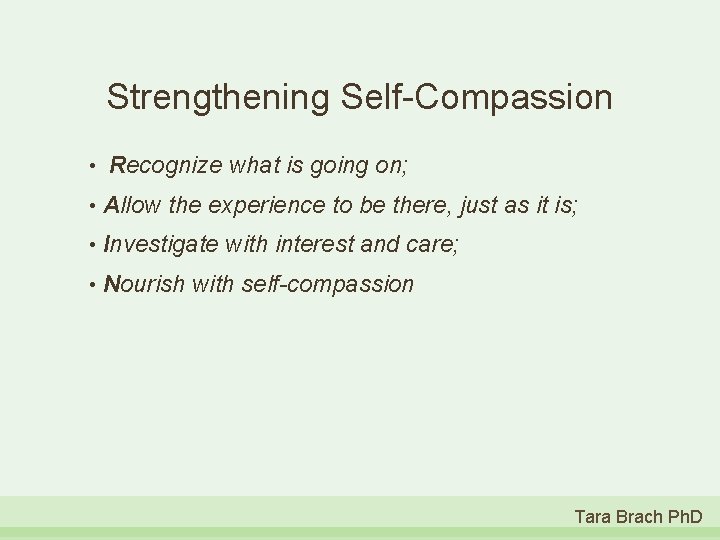
Strengthening Self-Compassion • Recognize what is going on; • Allow the experience to be there, just as it is; • Investigate with interest and care; • Nourish with self-compassion Tara Brach Ph. D
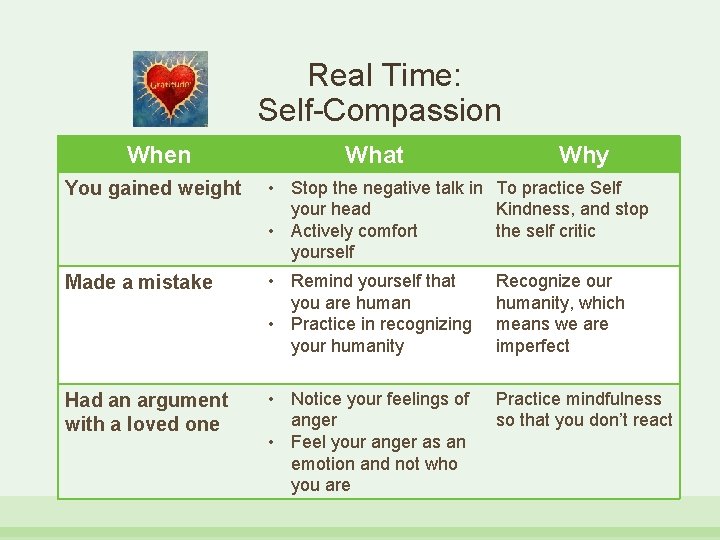
Real Time: Self-Compassion When What Why You gained weight • Stop the negative talk in To practice Self your head Kindness, and stop • Actively comfort the self critic yourself Made a mistake • Remind yourself that you are human • Practice in recognizing your humanity Recognize our humanity, which means we are imperfect Had an argument with a loved one • Notice your feelings of anger • Feel your anger as an emotion and not who you are Practice mindfulness so that you don’t react
Bringing Compassion To Life Finding Meaning Self. Compassion Connection Wellbeing Mindful Pause Gratitude Hawkins & Rosenberg, 2017
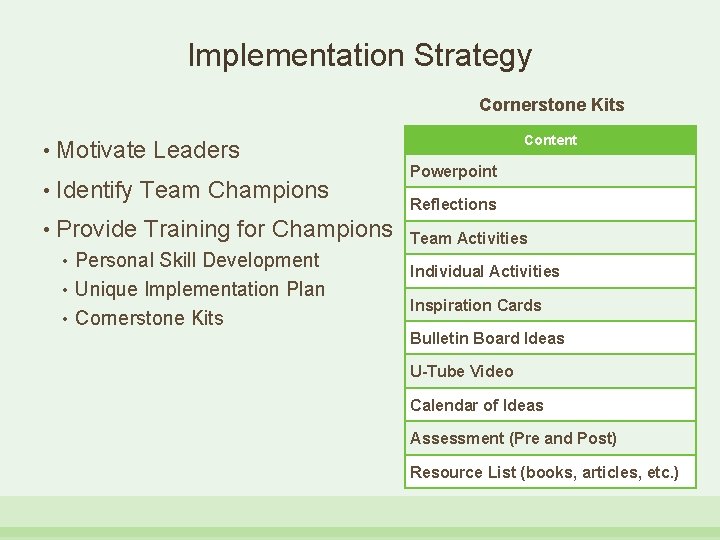
Implementation Strategy Cornerstone Kits • Motivate Leaders • Identify Team Champions • Provide Training for Champions Personal Skill Development • Unique Implementation Plan • Cornerstone Kits • Content Powerpoint Reflections Team Activities Individual Activities Inspiration Cards Bulletin Board Ideas U-Tube Video Calendar of Ideas Assessment (Pre and Post) Resource List (books, articles, etc. )
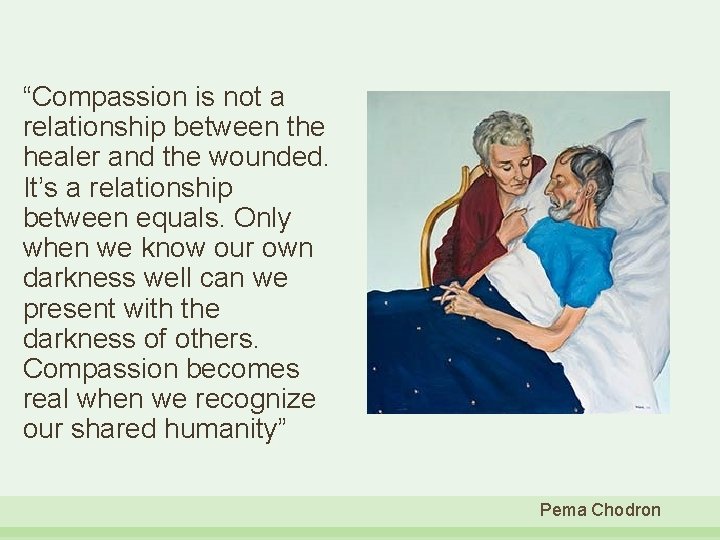
“Compassion is not a relationship between the healer and the wounded. It’s a relationship between equals. Only when we know our own darkness well can we present with the darkness of others. Compassion becomes real when we recognize our shared humanity” Pema Chodron
To Contact Us: PHS. Compassion. Program@providence. org Compassion Team: Becca Hawkins, MSN, ARNP Director, Compassionate Care Rebecca. Hawkins@providence. org Laura Chun, MPM, PMP Manager, Compassionate Care Laura. Chun@providence. org Mark Rosenberg, MD, FACP Director, Compassionate Care Mark. Rosenberg@providence. org Krista Nelson, MSW, LCSW, OSW-C Connecting Conversations Program Krista. Nelson@providence. org