
Core 1 Introduction Overall structure Groupsinvestigators Algorithms and
- Slides: 10
Core 1 Introduction • • • Overall structure Groups/investigators Algorithms and engineering Algorithms goals and DBPs Aims and preliminary results
Core 1 Structure • Core 1 a – Algorithms – New methodologies to address DBPs – Implementations of algorithms • NA-MIC kit ready/compatible – Coordination with DBPs data/needs/engineering • Core 1 b – Engineering – Software infrastructure – End-user applications – More from Will Schroeder…
The Algorithms PIs • • • Martin Styner – UNC Polina Golland – MIT Guido Gerig – Utah Allen Tannenbaum – Georgia Tech Ross Whitaker – Utah
Organizational Details • Annual Algorithms retreat – Coordination with engineering • Project weeks (semi-annual) • Other one-off NA-MIC events – DTI shoot out, Registration retreat • DBPs point of contact • Engineering t-cons as needed
Algorithms in the Renewal • Personalized medicine – Patient-specific analysis of images • Challenges – Sequences of images of the same patient – Patients with pronounced pathologies – Anatomy with high geometric variability
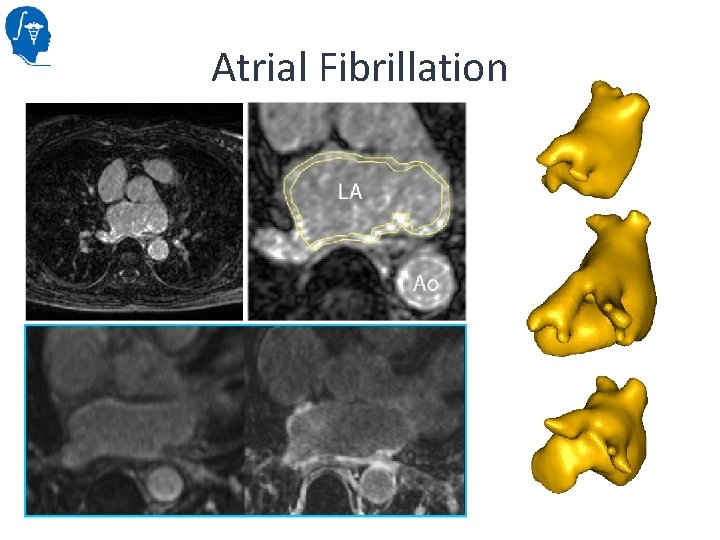
Atrial Fibrillation
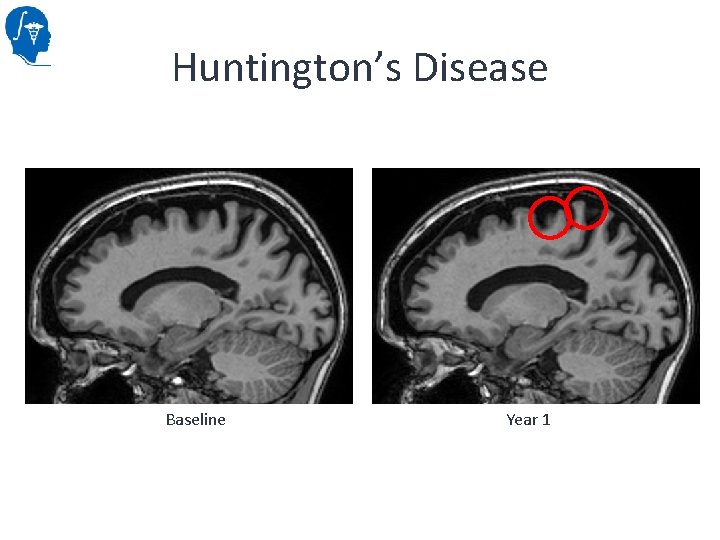
Huntington’s Disease Baseline Year 1
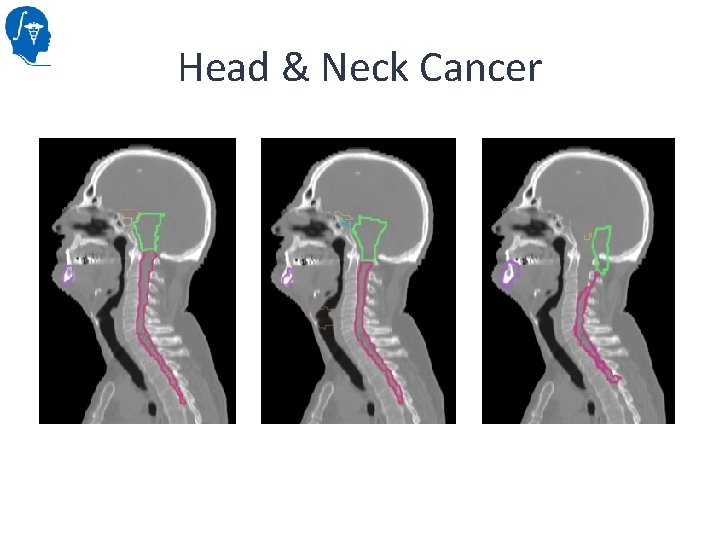
Head & Neck Cancer
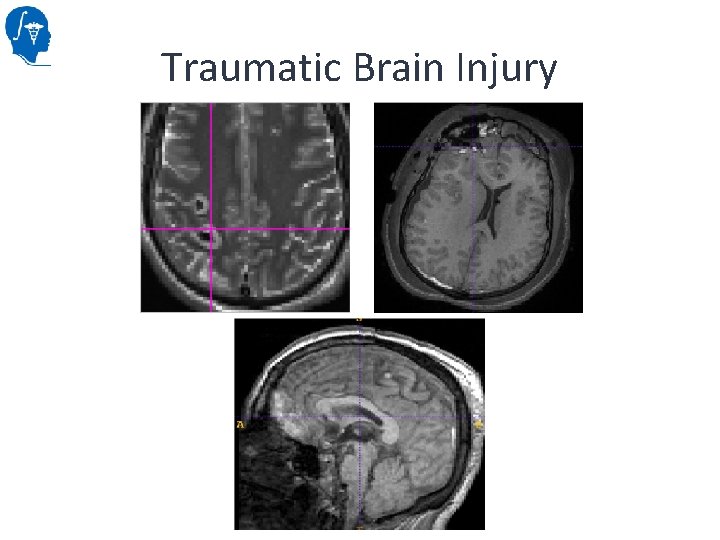
Traumatic Brain Injury
Algorithms – Aims • Statistical models of anatomy and pathology – Polina Golland • Geometric correspondence – Allen Tannenbaum • User interactive tools for segmentation – Guido Gerig • Longitudinal and time-series analysis – Martin Styner