
Coping Skills for COVID19 Resiliency While Socially Distant

- Slides: 38
Coping Skills for COVID-19: Resiliency While Socially Distant Larry Long, Ph. D, LP (he, him, his) Director, Counseling & Educational Support Services Assistant Vice Chancellor for Academic and Student Affairs University of Kansas Medical Center * Special thanks to Amy Bucher, Ph. D, LP (Associate Professor, School of Psychology, Avila University) and Monica Oh, Ph. D (Postdoctoral Psychology Fellow-Multicultural Emphasis in KUMC Counseling & Educational Support Services) for providing content and feedback concerning this presentation.
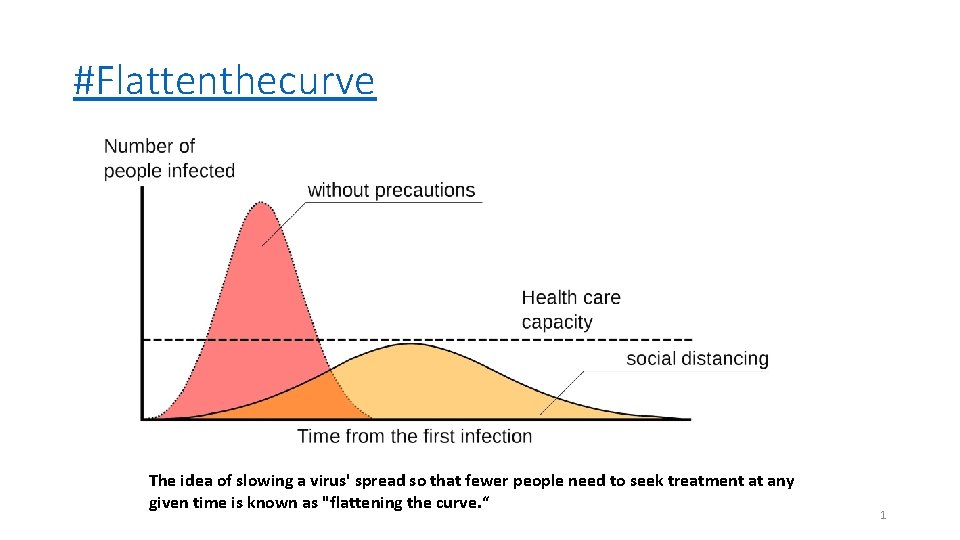
#Flattenthecurve The idea of slowing a virus' spread so that fewer people need to seek treatment at any given time is known as "flattening the curve. “ 1
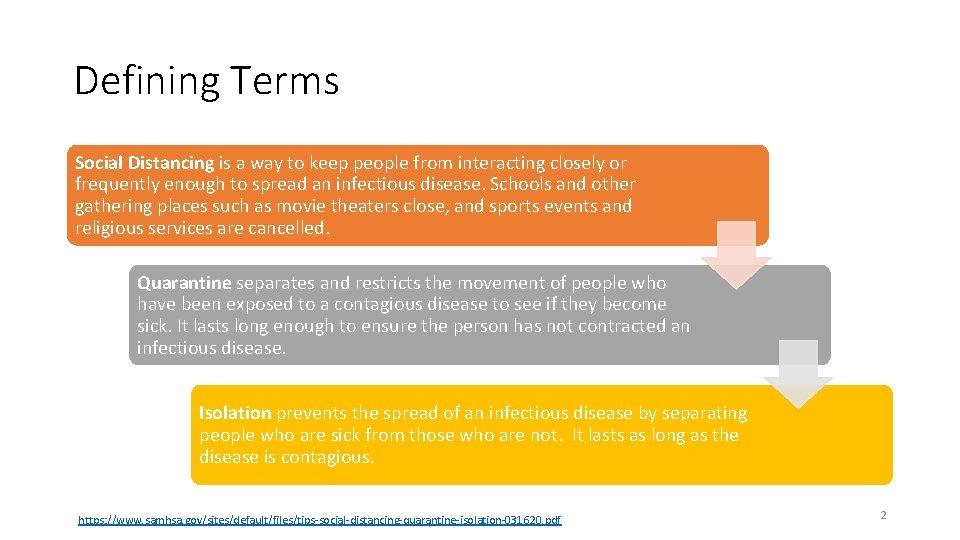
Defining Terms Social Distancing is a way to keep people from interacting closely or frequently enough to spread an infectious disease. Schools and other gathering places such as movie theaters close, and sports events and religious services are cancelled. Quarantine separates and restricts the movement of people who have been exposed to a contagious disease to see if they become sick. It lasts long enough to ensure the person has not contracted an infectious disease. Isolation prevents the spread of an infectious disease by separating people who are sick from those who are not. It lasts as long as the disease is contagious. https: //www. samhsa. gov/sites/default/files/tips-social-distancing-quarantine-isolation-031620. pdf 2
Fear and Anxiety FEAR is the emotional response to real or perceived imminent threat, whereas ANXIETY is anticipation of future threat (DSM-5) 3
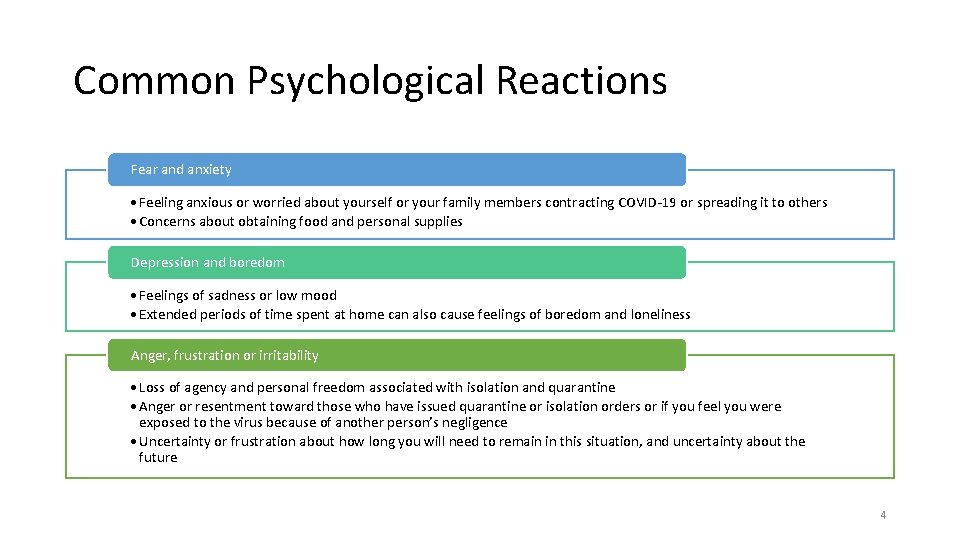
Common Psychological Reactions Fear and anxiety • Feeling anxious or worried about yourself or your family members contracting COVID-19 or spreading it to others • Concerns about obtaining food and personal supplies Depression and boredom • Feelings of sadness or low mood • Extended periods of time spent at home can also cause feelings of boredom and loneliness Anger, frustration or irritability • Loss of agency and personal freedom associated with isolation and quarantine • Anger or resentment toward those who have issued quarantine or isolation orders or if you feel you were exposed to the virus because of another person’s negligence • Uncertainty or frustration about how long you will need to remain in this situation, and uncertainty about the future 4
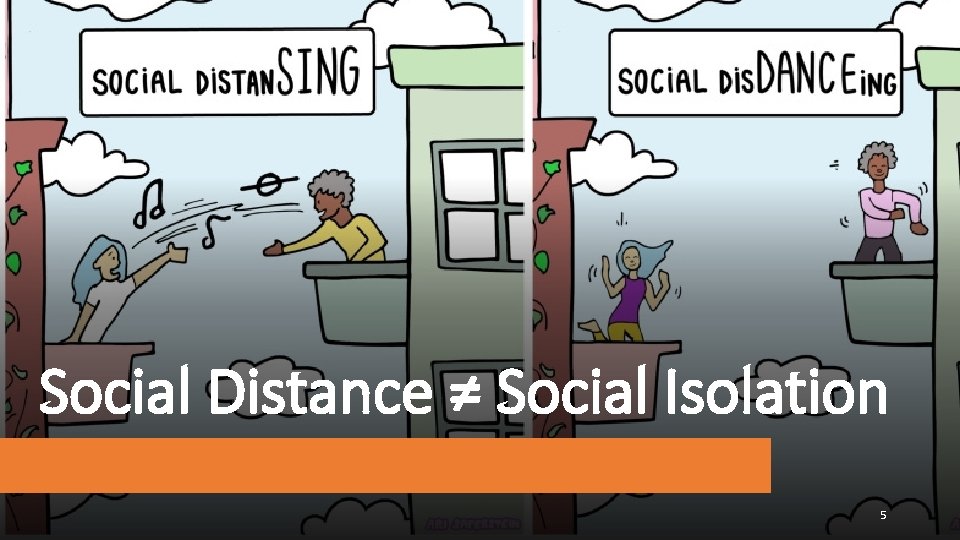
Social Distance ≠ Social Isolation 5
Strategies for Resiliency While Socially Distant 6
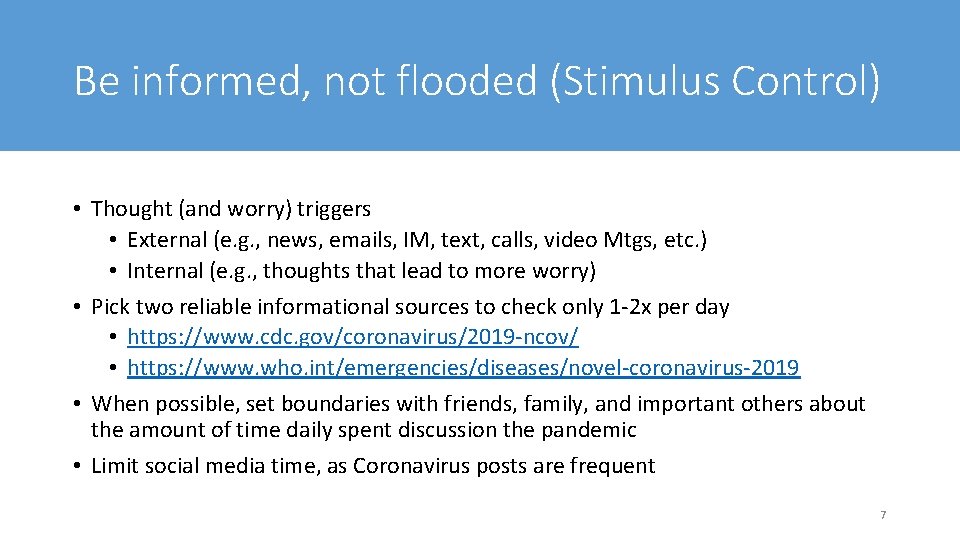
Be informed, not flooded (Stimulus Control) • Thought (and worry) triggers • External (e. g. , news, emails, IM, text, calls, video Mtgs, etc. ) • Internal (e. g. , thoughts that lead to more worry) • Pick two reliable informational sources to check only 1 -2 x per day • https: //www. cdc. gov/coronavirus/2019 -ncov/ • https: //www. who. int/emergencies/diseases/novel-coronavirus-2019 • When possible, set boundaries with friends, family, and important others about the amount of time daily spent discussion the pandemic • Limit social media time, as Coronavirus posts are frequent 7
Activate Your Brain Through Meaningful Activity (Behavioral Activation) • Depression and anxiety tend to worsen when one does not engage in enriching activities • Flex your adaptation skills by establishing a routine with values-based activities • Create a concrete, structured schedule that you follow throughout the day • Exercise daily • Practice good sleep hygiene 8
Take Your Dog On A Walk 9
• Set up regular days & times for online social “dates” with friends Be Social From A Distance • Play photo scavenger hunt or charades (via Zoom, Skype, or Facetime) • Host a Netflix Party • Host an online karaoke party • Play social games on your phone • Join-host an online book or journal club • Engage in virtual team building activities 10
Social distancing does not require you to become a shut-in Be in Nature: Go Outside • Set specific times where you’ll walk, keeping 6 ft of distance from others • Breathe and be mindful of your surroundings • As you walk, do a grounding exercise: what 5 things do you see? Hear? Smell? Touch? Taste? • Go on a run (keeping 6 ft distance from others) • Open a window and get some fresh air 11
Eat Mindfully and Deliberately Changes in routine and stress often lead to anxious, mindless eating Eat regularly as part of your schedule Challenge yourself to make a meal from scratch Eat slowly, and turn off all screens 12
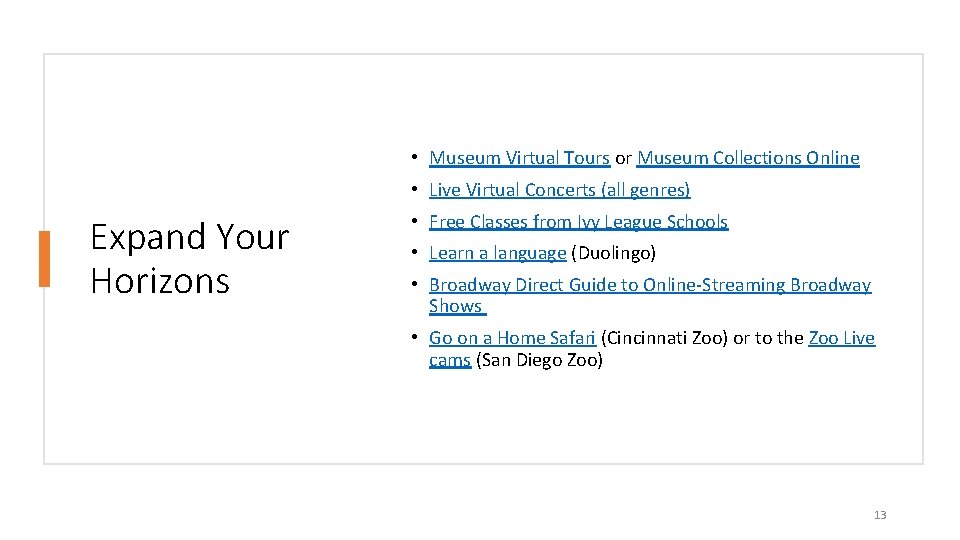
• Museum Virtual Tours or Museum Collections Online • Live Virtual Concerts (all genres) Expand Your Horizons • Free Classes from Ivy League Schools • Learn a language (Duolingo) • Broadway Direct Guide to Online-Streaming Broadway Shows • Go on a Home Safari (Cincinnati Zoo) or to the Zoo Live cams (San Diego Zoo) 13
Re-Tool Your Thinking (Cognitive Restructuring) 14
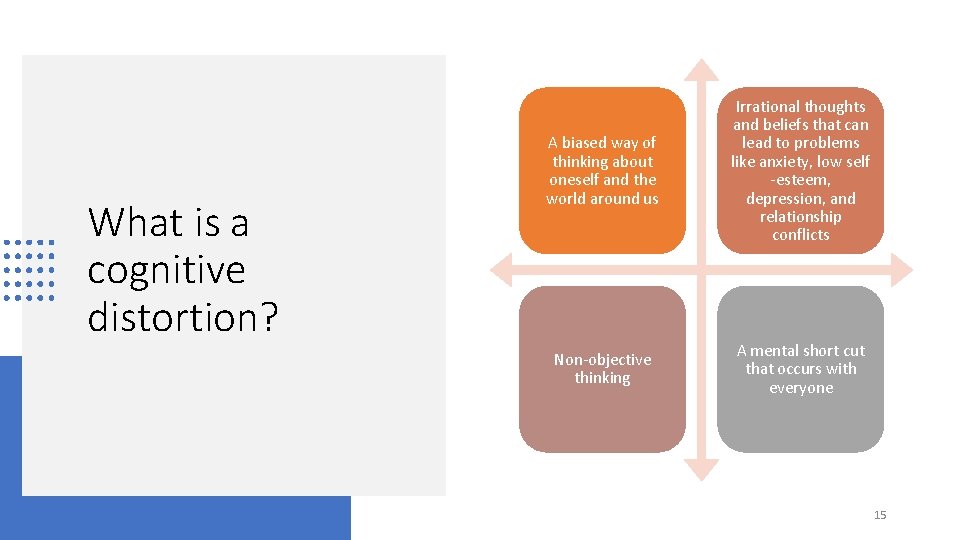
What is a cognitive distortion? A biased way of thinking about oneself and the world around us Irrational thoughts and beliefs that can lead to problems like anxiety, low self -esteem, depression, and relationship conflicts Non-objective thinking A mental short cut that occurs with everyone 15
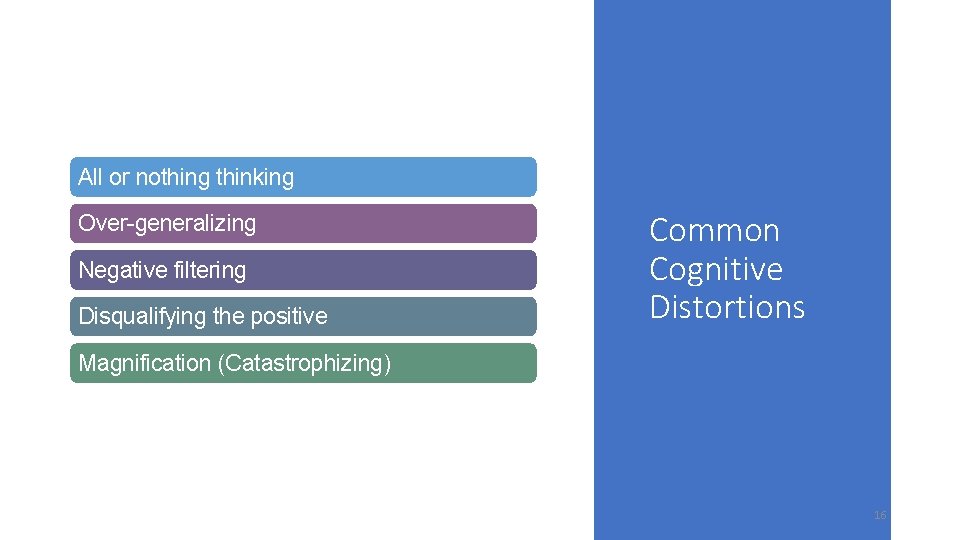
All or nothing thinking Over-generalizing Negative filtering Disqualifying the positive Common Cognitive Distortions Magnification (Catastrophizing) 16
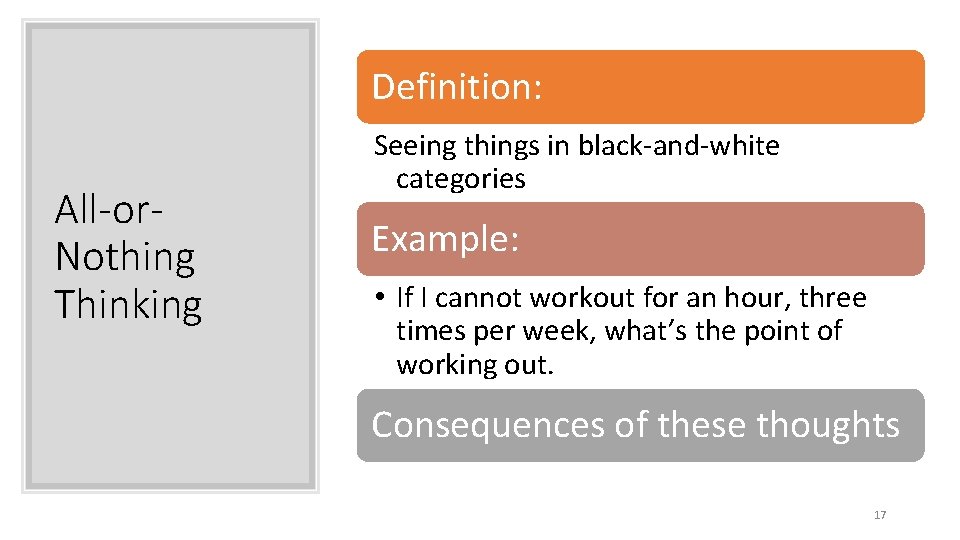
Definition: All-or. Nothing Thinking Seeing things in black-and-white categories Example: • If I cannot workout for an hour, three times per week, what’s the point of working out. Consequences of these thoughts 17
18
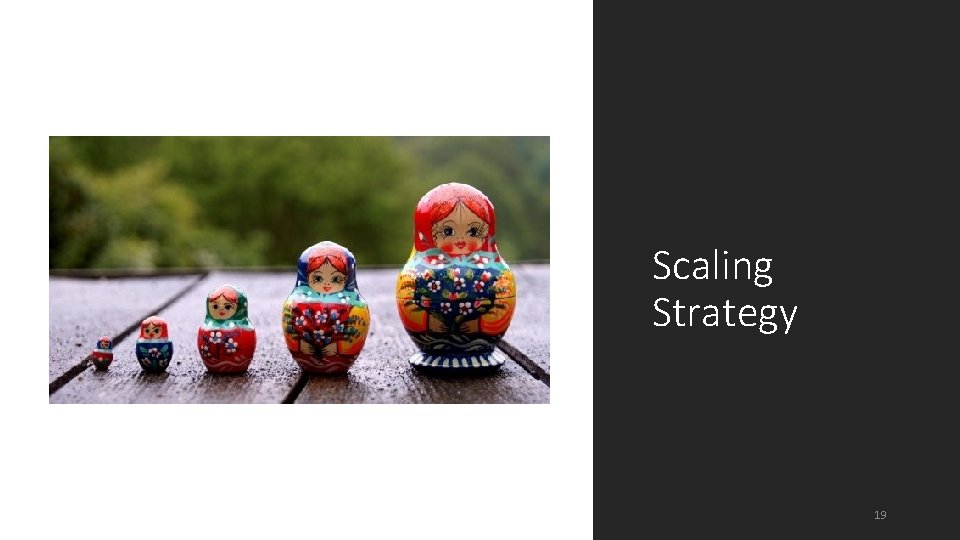
Scaling Strategy 19
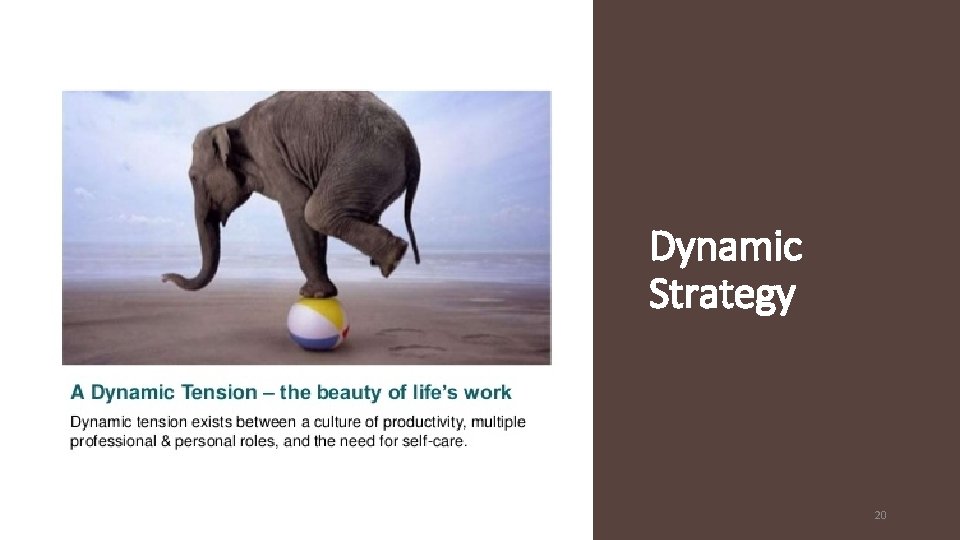
Dynamic Strategy 20
Other Common Cognitive Distortions • Overgeneralizing: Seeing a pattern based upon a single event or being overly broad in the conclusions we draw • Magnification (catastrophizing): Blowing things out of proportion 21
Other Common Cognitive Distortions • Negative filtering: Only paying attention to certain types of evidence • Disqualifying the positive: Discounting the good things that have happened or that you have done for some reason or another 22
Temporal Distancing and Perspective Taking Five years from now… (Temporal Distancing) • “We’ve been through disasters before and have recovered” • Believing in your resiliency and the resiliency of other humans Perspective taking… • “While I feel sad and scared, at least I have a home to ‘shelter in place, ’ have technology to connect with others, am currently in good health, etc” • Think about the perspective of someone who may be less fortunate or privileged than you 23
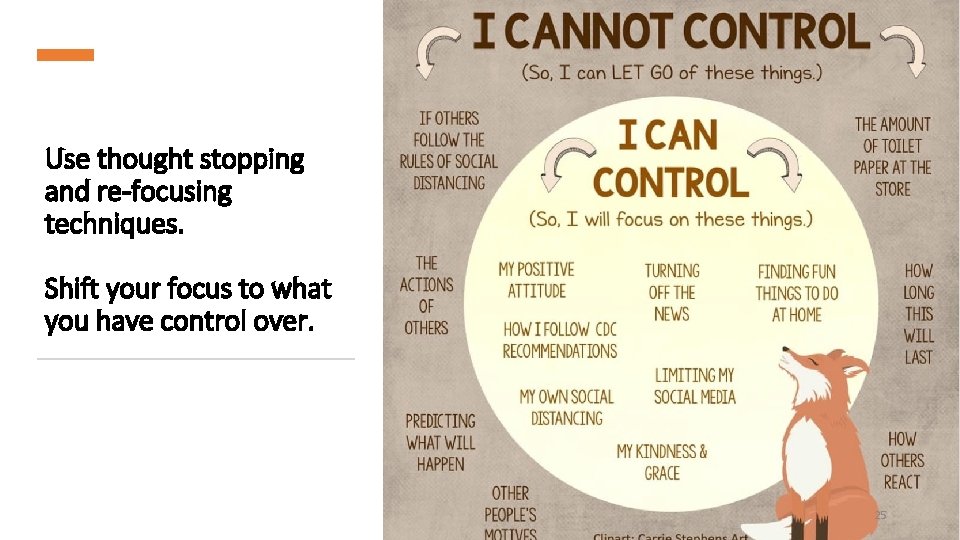
Shift Thinking to Internal Locus of Control “What if? ” → “What can I do right now? ” 24
Use thought stopping and re-focusing techniques. Shift your focus to what you have control over. 25
Practice Self-Compassion 26
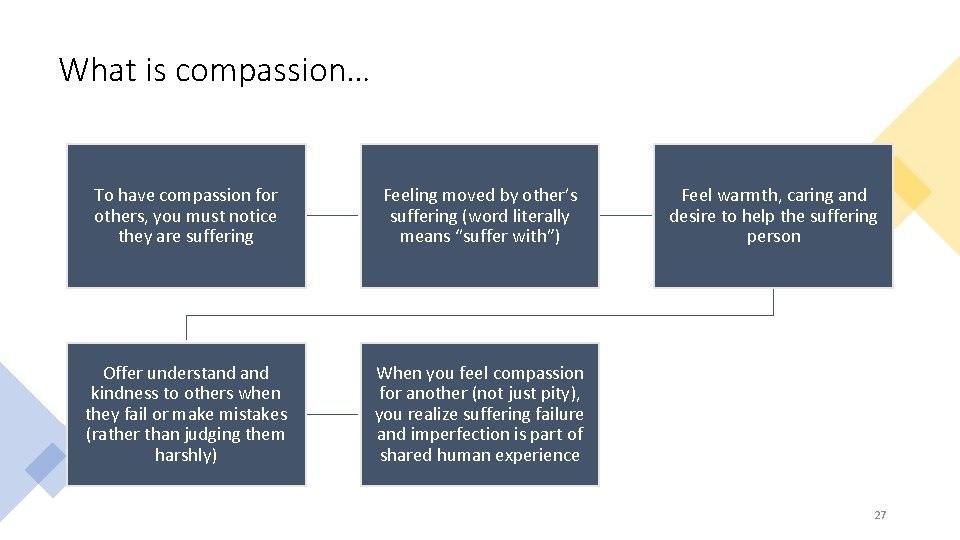
What is compassion… To have compassion for others, you must notice they are suffering Feeling moved by other’s suffering (word literally means “suffer with”) Offer understand kindness to others when they fail or make mistakes (rather than judging them harshly) When you feel compassion for another (not just pity), you realize suffering failure and imperfection is part of shared human experience Feel warmth, caring and desire to help the suffering person 27
What is self-compassion? ACTING THE SAME WAY TOWARDS YOURSELF THREE ELEMENTS OF SELFCOMPASSION 28
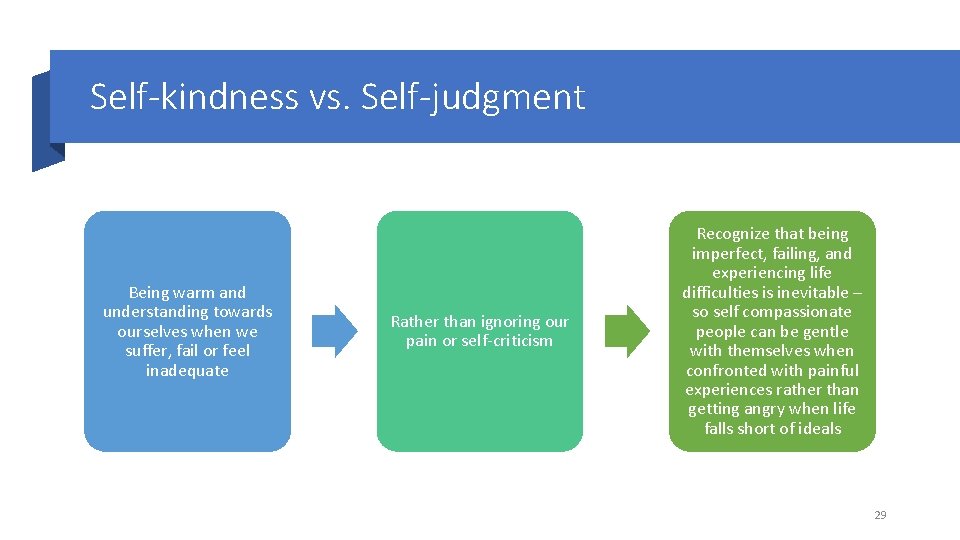
Self-kindness vs. Self-judgment Being warm and understanding towards ourselves when we suffer, fail or feel inadequate Rather than ignoring our pain or self-criticism Recognize that being imperfect, failing, and experiencing life difficulties is inevitable – so self compassionate people can be gentle with themselves when confronted with painful experiences rather than getting angry when life falls short of ideals 29
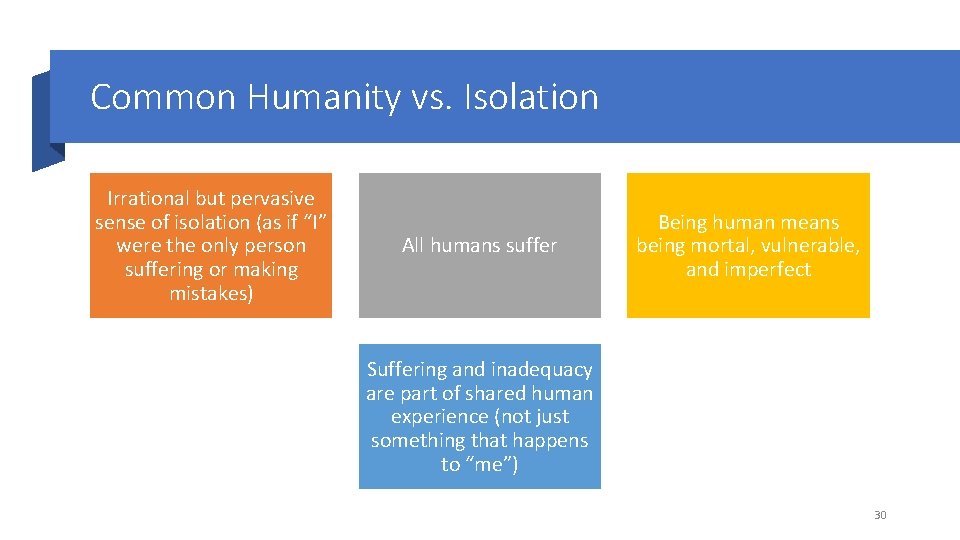
Common Humanity vs. Isolation Irrational but pervasive sense of isolation (as if “I” were the only person suffering or making mistakes) All humans suffer Being human means being mortal, vulnerable, and imperfect Suffering and inadequacy are part of shared human experience (not just something that happens to “me”) 30
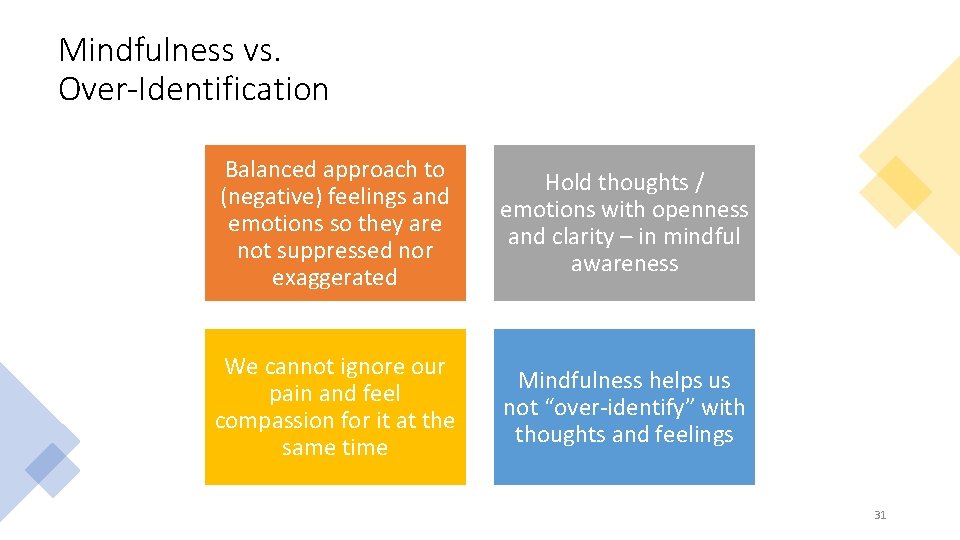
Mindfulness vs. Over-Identification Balanced approach to (negative) feelings and emotions so they are not suppressed nor exaggerated Hold thoughts / emotions with openness and clarity – in mindful awareness We cannot ignore our pain and feel compassion for it at the same time Mindfulness helps us not “over-identify” with thoughts and feelings 31
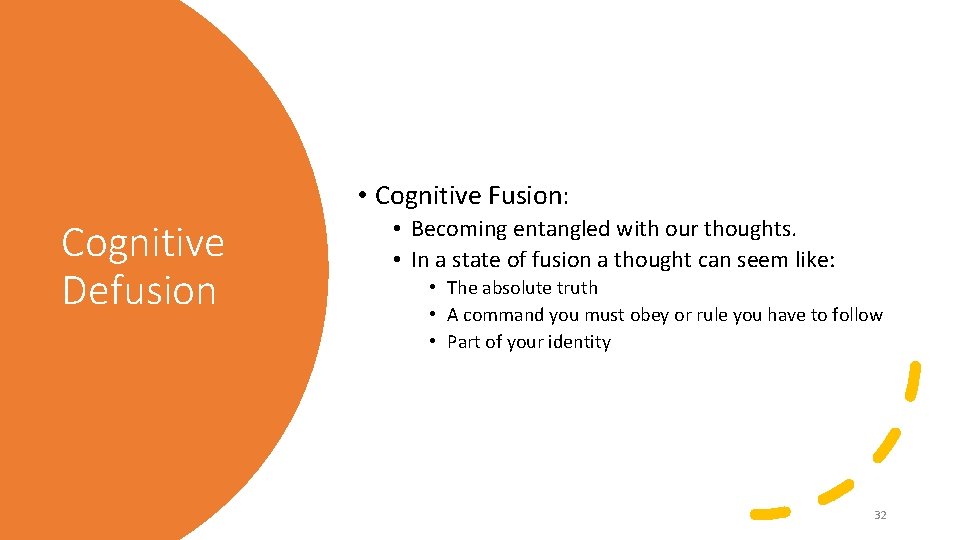
• Cognitive Fusion: Cognitive Defusion • Becoming entangled with our thoughts. • In a state of fusion a thought can seem like: • The absolute truth • A command you must obey or rule you have to follow • Part of your identity 32
• Cognitive Defusion: Cognitive Defusion • Observing our thoughts and seeing them for what they are – just products of our busy minds • In a state of defusion, you recognize that a thought: • • • May or may not be true Is not a command you have to obey Is not a threat to you Is not something happening in the physical world Is not part of your identity 33
Cognitive Defusion How do I defuse? • Label your experience accurately, for what it really is Examples: • I’m having the thought that I am going to fail vs. I am going to fail • I’m having the thought that I shouldn’t have to ask for help vs. I shouldn’t have to ask for help • I’m having anxious thoughts vs. I am anxious Engaging in cognitive defusion helps you to be more active 34
• Research shows that giving thanks can make you happier Practice Gratitude • Practice strategies • Write a thank-you note • Thank someone mentally • Keep a gratitude journal • Count your blessings (identify 3 -5 things daily) • Examples 35
Coping Resources Online KUMC Coping with COVID-19 American Psychological Association Help Center CDC’s Stress and Coping Guide During the Pandemic 7 Science-Based Strategies to Cope with Coronavirus Anxiety 36
Psychologist locator (American Psychological Association) Find a Community Mental Health Provider Find a therapist (Psychology Today) Find a marriage and family therapist (AAMFT) Find a psychiatrist (American Psychiatric Association) Membership director (Greater KC Psychological Association) 37