
Control of the cardiovascular system Reverend Dr David

- Slides: 18
Control of the cardiovascular system Reverend Dr. David C. M. Taylor School of Medicine dcmt@liverpool. ac. uk http: //www. liv. ac. uk/~dcmt
Resources All physiology textbooks cover this material. Your basic textbook will be sufficient grounding to start with, but some parts of it might not be in sufficient detail. Alongside this you might like to look at my video on the cardiac cycle… http: //pcwww. liv. ac. uk/~dcmt/cardic%20 cycle. mp 4
Learning outcomes By the end of this lecture you should be able to discuss The role of the cardiovascular system The factors that affect stroke volume Physical factors and inotropic agents. Pacemaker activity The factors that affect heart rate Chronotropic agents The control of cardiac output
What is the role of the cardiovascular system?
Blood Pressure Depends upon the amount of blood leaving the heart cardiac output and the resistance of the vasculature total peripheral resistance
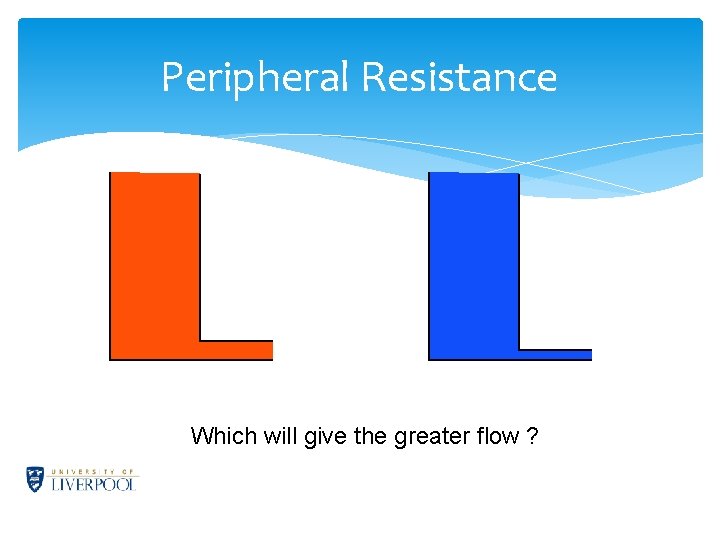
Peripheral Resistance Which will give the greater flow ?
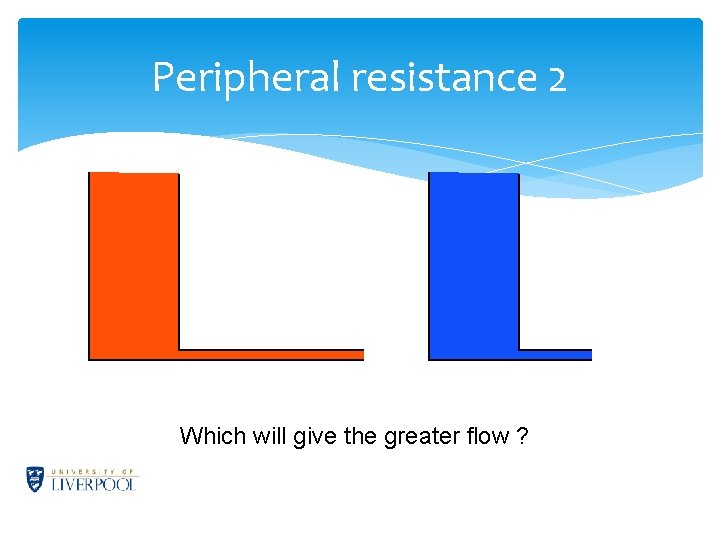
Peripheral resistance 2 Which will give the greater flow ?
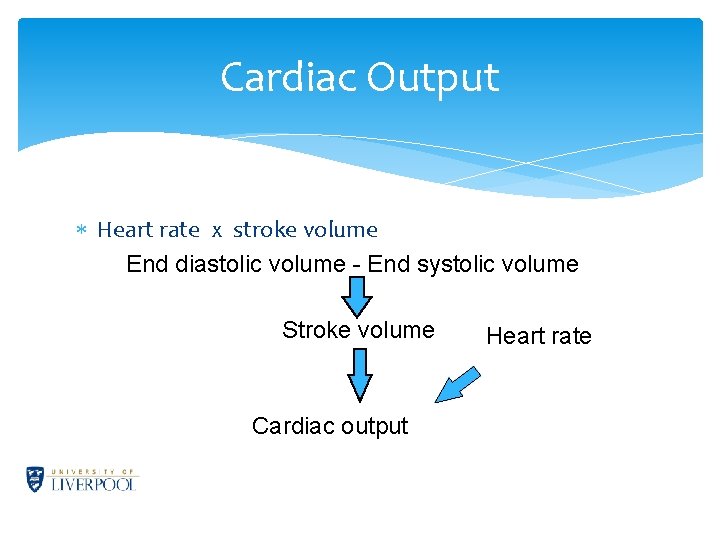
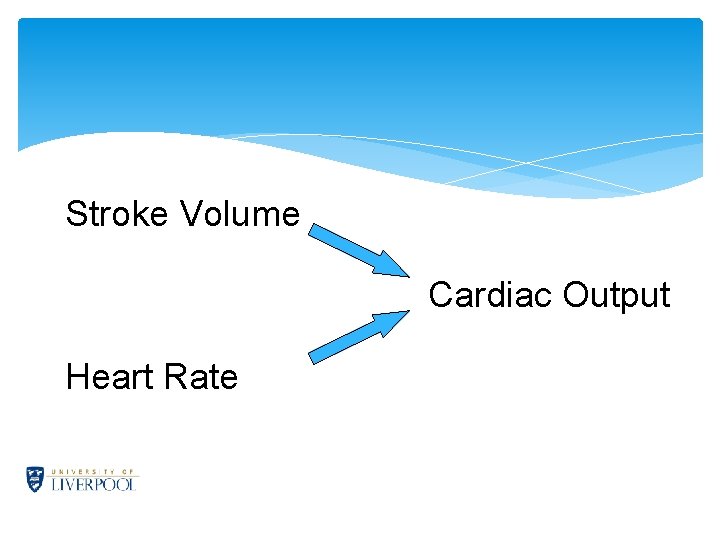
Cardiac Output Heart rate x stroke volume End diastolic volume - End systolic volume Stroke volume Cardiac output Heart rate
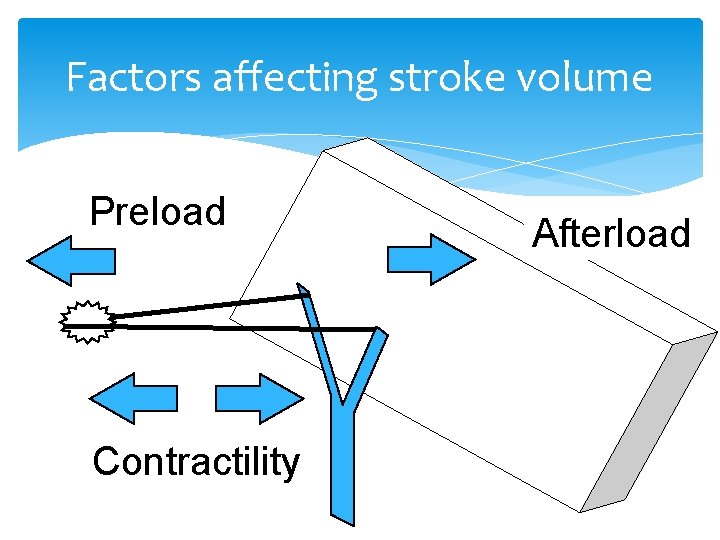
Factors affecting stroke volume Preload Contractility Afterload
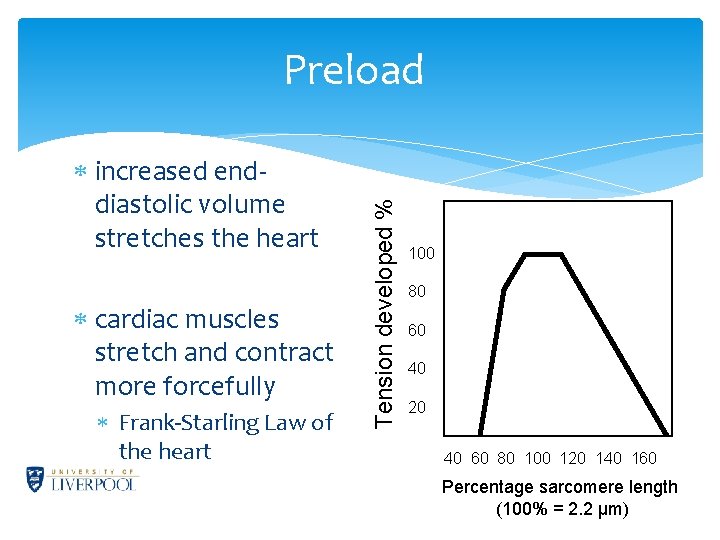
increased enddiastolic volume stretches the heart cardiac muscles stretch and contract more forcefully Frank-Starling Law of the heart Tension developed % Preload 100 80 60 40 20 40 60 80 100 120 140 160 Percentage sarcomere length (100% = 2. 2 µm)
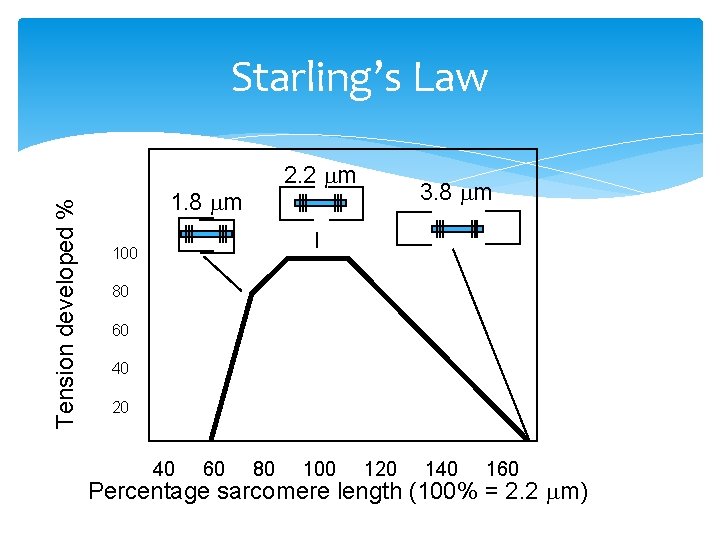
Tension developed % Starling’s Law 2. 2 m 1. 8 m 3. 8 m 100 80 60 40 20 40 60 80 100 120 140 160 Percentage sarcomere length (100% = 2. 2 m)
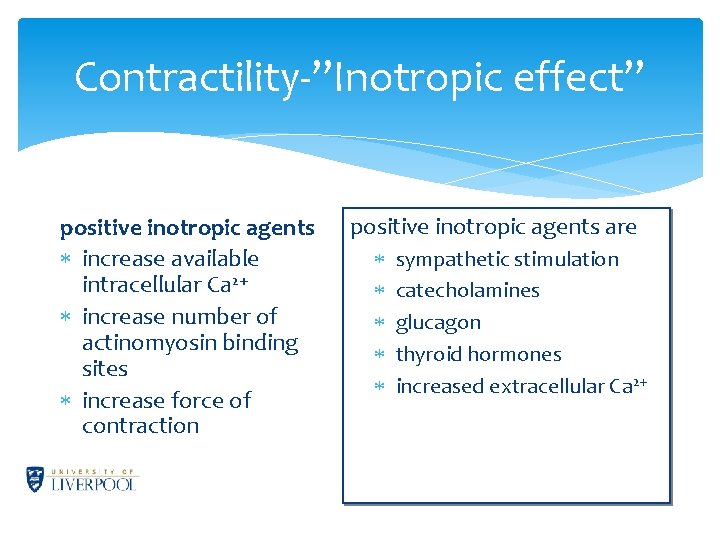
Contractility-”Inotropic effect” positive inotropic agents increase available intracellular Ca 2+ increase number of actinomyosin binding sites increase force of contraction positive inotropic agents are sympathetic stimulation catecholamines glucagon thyroid hormones increased extracellular Ca 2+
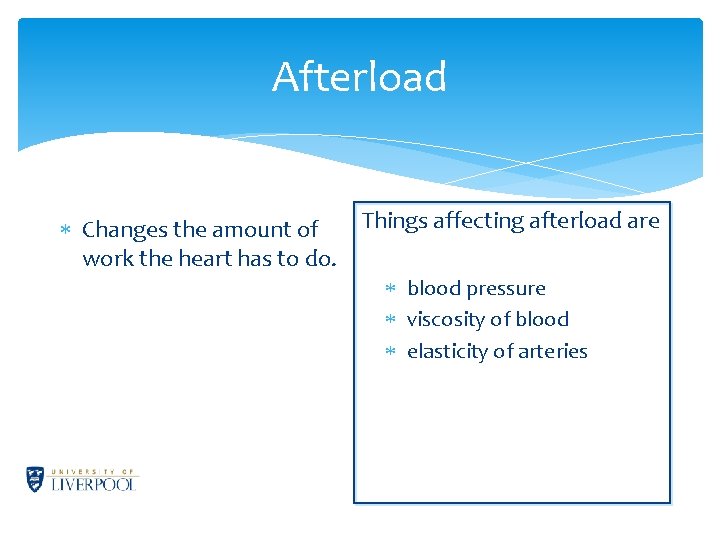
Afterload Things affecting afterload are Changes the amount of work the heart has to do. blood pressure viscosity of blood elasticity of arteries
Stroke Volume Cardiac Output Heart Rate
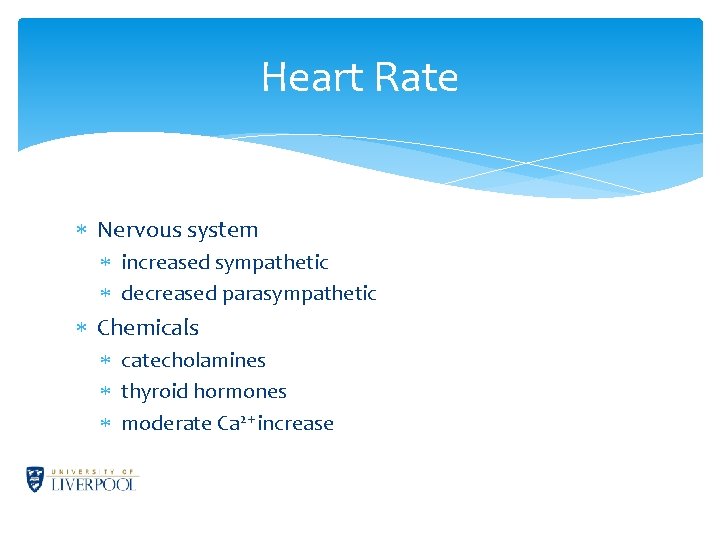
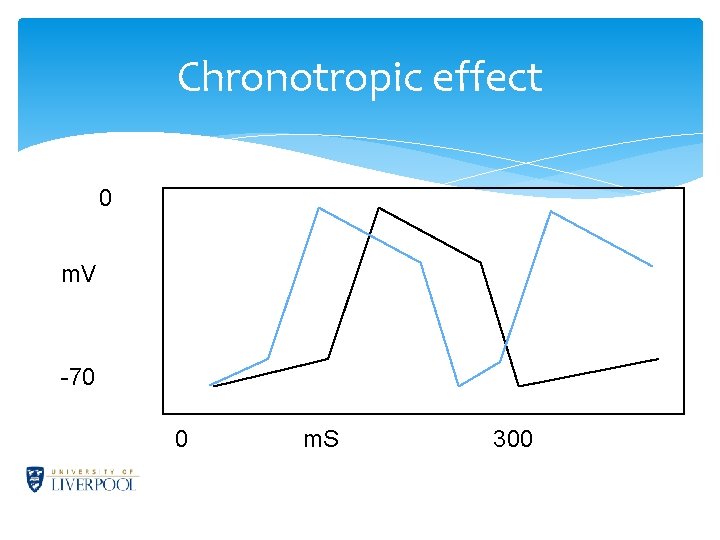
Heart Rate Nervous system increased sympathetic decreased parasympathetic Chemicals catecholamines thyroid hormones moderate Ca 2+ increase
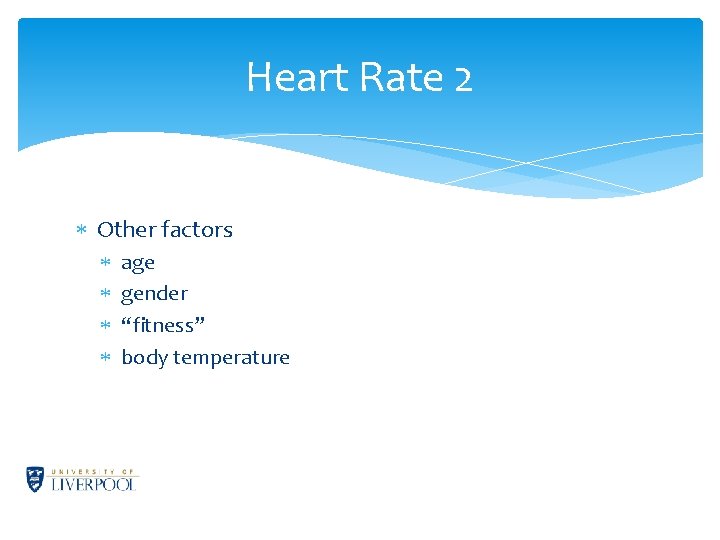
Heart Rate 2 Other factors age gender “fitness” body temperature
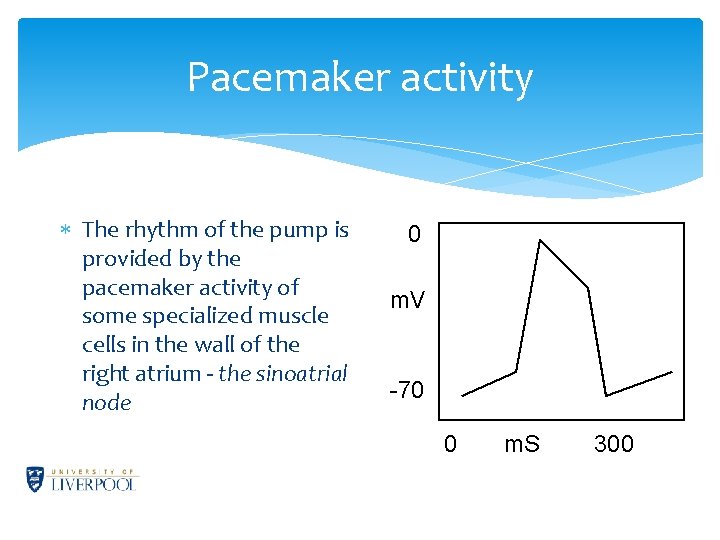
Pacemaker activity The rhythm of the pump is provided by the pacemaker activity of some specialized muscle cells in the wall of the right atrium - the sinoatrial node 0 m. V -70 0 m. S 300
Chronotropic effect 0 m. V -70 0 m. S 300