
Control of metabolism Mechanism of hormone and neurotransmitter
Control of metabolism Mechanism of hormone and neurotransmitter action Biochemistry II Lecture 6 2009 (J. S. )
There are three formal levels, in which the control of metabolism is achieved: – Regulation of metabolic events within particular compartment (cellular organelle) that depends only on interactions between molecules in the compartment; – regulations that occur within complete cells without any regard to extracellular signals, in which proteosynthesis and transport across membranes that separate individual compartments have the important roles have; – regulations that are consequences of communication between cells in particular tissues, organs, or the whole organism, depending on extracellular signals – neurotransmitters, hormones, cytokines, and other signal molecules. Numerous metabolic pathways are controlled usually in only one or few check-points (rate-limiting steps) by more than one different mechanisms. These formal levels of metabolism control mostly overlap. 2
Some factors important in control of metabolism: – Primarily, the equipment of cells with enzymes and other proteins (the proteome), which is determinated by the expression of genes in the given cell type within the given time period. – Specific receptors, which enable recognition of extracellular signal molecules as well as reactions of the cell or body to changes in the environment. – The existence of multiple enzyme forms (isoenzymes) allows to control particular reaction types by different mechanisms in various compartments, various tissues, or in various time periods. –- Accessibility of nutrients and other essential substances, on which the energetic state of the cell depends. 3
Three major mechanisms that provide control of metabolism 1 Regulation of the amount of enzymes (number of enzyme molecules) present in the cell. 2 Regulation of enzyme activity or activity of regulatory proteins, on which the activities of enzymes depend. 3 Regulation of transport across membranes that separate intracellular and extracellular spaces as well as individual cellular compartments. 4
1 Regulation of the amount of enzymes – Regulation of proteosynthesis: The expression of some genes occurs at a nearly constant rate (synthesis of constitutive enzymes). Numerous genes are expressed in response to specific regulatory signals, expression of some other may be silenced. The enzymes controlled in this way are adaptable enzymes (mostly inducible, see chapter Regulation of gene expression). Regulation of proteosynthesis may occur at the level of gene amplification, transcription, posttranscriptional hn. RNA processing (alternate m. RNA splicing), export of m. RNA from nucleus, degradation of m. RNA, translation, and posttranslational modification. In eukaryotes, expression of genes can be induced by binding of signal molecules on specific membrane receptors (e. g. growth factors, cytokines, and insulin), or by interactions of hydrophobic signal molecules (steroid hormones, iodothyronines, retinoates) with specific intracellular receptors. 5
1 Regulation of the amount of enzymes – Regulation of enzyme degradation: Rates of degradation of specific enzymes are selectively regulated, namely of those that catalyze the rate-limiting steps in biochemical pathways or represent important metabolic control points. Those enzymes are mostly short-lived proteins (biological half-lives from several minutes to few hours) and their degradation is provided by cytosolic ubiquitin system, or by other systems not yet known. The susceptibility of an enzyme to proteolytic degradation depends upon its conformation that may be altered by the presence or absence of substrates, coenzymes, and metal ions. Long-lived proteins, under physiological conditions, are degraded at nearly constant rates, mostly nonselectively. Nutritional deprivation (starving) increases selectively the degradation rates of enzymes that can be missed and are not necessary for survival of the cell. 6
2 Regulation of enzyme activity is a more rapid type of control than the control of enzyme synthesis. The enzyme activities can be changed effectively in several ways: – activation of proenzymes by partial proteolysis of the proenzyme, – allosteric control and cooperative effects of enzymes that consist of several identical subunits, – control arising from interactions with regulatory proteins (e. g. activation of enzymes by releasing of inhibitory subunits or another regulatory protein), – control by reversible covalent modification of enzymes or of regulatory proteins; the most important example of this is reversible phosphorylation, catalyzed by protein kinases and controlled by extracellular signals. 7
2 Regulation of enzyme activity – Activation of an enzyme by partial proteolysis of the proenzyme Active enzymes are formed from proenzymes molecules by irreversible splitting of certain part(s) in their polypeptide chain. This principle of activation is frequent among proteinases, because it prevents against unwanted breakdown of proteins. Examples: Extracellular – "big“ proteinases of the gastrointestinal tract (pepsin, chymotrypsin, etc. ), – proteinases in the blood clotting cascade (coagulation factors IX, X, XI, and thrombin); intracellular proteinases – activation of caspases that initiate apoptosis). 8
2 Regulation of enzyme activity – Allosteric regulation of activity and cooperative effects Regulatory enzymes are frequently oligomers that consist of several identical subunits (protomers). Their saturation curves usually deviate from hyperbolic (Michaelis) shape, they are sigmoid. Cooperative effect – In these oligomeric enzymes (and also in some noncatalysts, e. g. haemoglobin) the binding of substrates (or O 2 to haemoglobin, resp. ) to one of the active sites can affect the affinity of active sites for substrates in the other subunits. The effect becomes positively cooperative, when it facilitates, due to induced changes in conformation, substrate binding to the other subunits and so activates the enzyme. Allosteric effectors are molecules that are allosteric to the substrate (having structures distinct from the substrate) and can bind reversibly to specific sites other than the enzymes´ active sites (to the allosteric sites). The induced change in conformation results either in higher activity of the enzymes or in inhibition. 9

2 Regulation of enzyme activity Regulation of allosteric enzymes – examples: Allosteric enzyme Cooperative effect of the substrate Glycogen synthase – Glycogen phosphorylase – Phosphofructokinase Fru-1, 6 -bisphosphatase Fru-6 -P Fru-1, 6 -P 2 Allosteric activator Allosteric inhibitor Glc-6 -P - Glc-1 -P, AMP Glc-6 -P Fru-2, 6 -P 2, ADP phosphoenolpyruvate citrate, ATP Fru-2, 6 -P 2 phosphoenolpyruvate Fru-1, 6 -P 2 Pyruvate dehydrogenase – – acetyl-Co. A, ATP, NADH Isocitrate dehydrogenase – ADP ATP, NADH Pyruvate kinase Pyruvate carboxylase – acetyl-Co. A alanine citrate 10
2 Regulation of enzyme activity – Control of enzyme activity by regulatory protein Examples: Protein kinase A forms inactive tetramers C 2 R 2. If two regulatory subunits R bind four molecules c. AMP, two catalytically active subunits C are released. The decrease in c. AMP concentration supports interactions between C and R subunits, the inactive tetramer is restored. Phosphoprotein phosphatase 1 has a regulatory subunit, which keeps up active complex of glycogen with the catalytic subunit. If the regulatory unit is phosphorylated by PK A, it releases the catalytic subunit (exhibiting low activity) that is then fully inactivated by binding with an similarly phosphorylated protein inhibitor. If it is phosphorylated at another site by insulin-dependent PK, the phosphatase activity of the complex of glycogen and the catalytic subunit will increase. Proteinases often occur in the inactive forms, bound reversibly to the more or less specific proteins (proteinase inhibitors). Plasma proteinase thrombin is inactivated by binding to antithrombin, intracellular Ser- or Cysproteinases are inhibited by various types of serpins and cystatins. 11
2 Regulation of enzyme activity – Reversible covalent modification of proteins: – phosphorylation of proteins catalyzed by protein kinases (PK); phosphate ester originates by the transfer of -phosphate from ATP, dephosphorylation (hydrolysis) is catalyzed by phosphoprotein phosphatases; – acetylation (e. g. , of histones in nucleosomes), through transfer of acetyl from acetyl-Co. A; – ADP-ribosylation (e. g. G S, EF-2, RNA polymerases), transfer of ADP-ribosyl from NAD+, nicotinamide is released; – myristoylation, farnesylation (prenylation), and many other. -Carboxylation of glutamyl residues side chains (prothrombin and other factors in the blood-clotting cascade, osteocalcin, etc. ) is obviously irreversible, but it is important in formation of binding centres for Ca 2+ ions, essential for the biological activity of the protein. 12
2 Regulation of enzyme activity Reversible phosphorylation of proteins is an intracellular reaction. ATP is the donor of phosphate. Phosphorylation is catalyzed by highly specific protein kinases (PK). Protein kinases are the largest family of homologous enzymes known – there are more than 550 human types of protein kinases. Proteins are phosphorylated either on serine or threonine residues (alcoholic groups), or on residues of tyrosine (phenolic hydroxyl), at specific positions within the polypeptide chains. Activation of various protein kinases is specific – e. g. c. AMP, c. GMP, Ca 2+-calmodulin complex, etc. (see next table). The signal that activates protein kinases is amplified (activation of one enzyme molecule results in phosphorylation of numerous protein molecules). Dephosphorylation of phosphoproteins (hydrolysis of the ester bond) is catalyzed by phosphoprotein phosphatases. 13

2 Regulation of enzyme activity Examples of protein kinases (PKs): Phosphorylation of Ser/Thr residues Activated by Protein kinases A Protein kinases G Protein kinases C AMP-dependent PK Ca 2+/Ca. M-dependent PKs PIP 3 -dependent PK-1 Mitogen-activated PKs (MAP, MAPKK) Cyclin-dependent PK c. AMP c. GMP diacylglycerol (and Ca 2+) AMP Ca 2+ or Ca 2+-calmodulin phosphoinositide 3, 4, 5 -trisphosphate growth factors, cellular stress cyclins (regulatory proteins) Phosphorylation of tyrosine residues (tyrosine kinases) – receptor types – e. g. , insulin receptor or receptors of some growth factors (IGF 1, 2, epidermal growth factor) – intracellular, non-receptor types (e. g. , Janus kinases) activated by membrane receptors of growth hormone, prolactin, erythropoietin, cytokines. 14
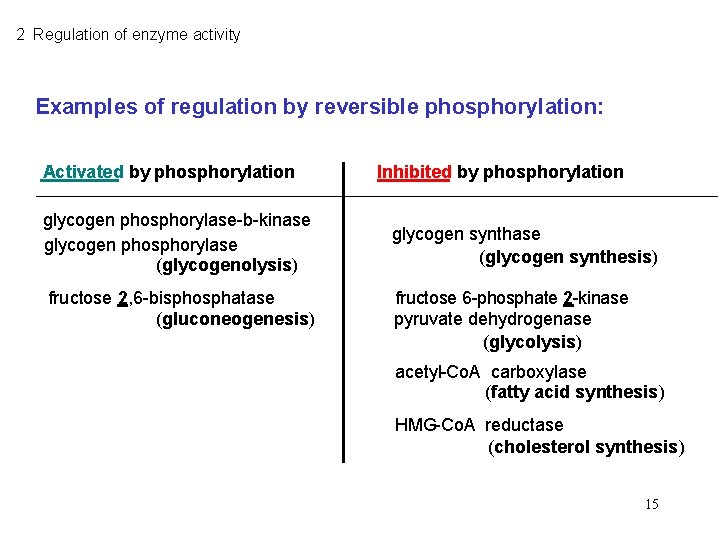
2 Regulation of enzyme activity Examples of regulation by reversible phosphorylation: Activated by phosphorylation glycogen phosphorylase-b-kinase glycogen phosphorylase (glycogenolysis) fructose 2, 6 -bisphosphatase (gluconeogenesis) Inhibited by phosphorylation glycogen synthase (glycogen synthesis) fructose 6 -phosphate 2 -kinase pyruvate dehydrogenase (glycolysis) acetyl-Co. A carboxylase (fatty acid synthesis) HMG-Co. A reductase (cholesterol synthesis) 15
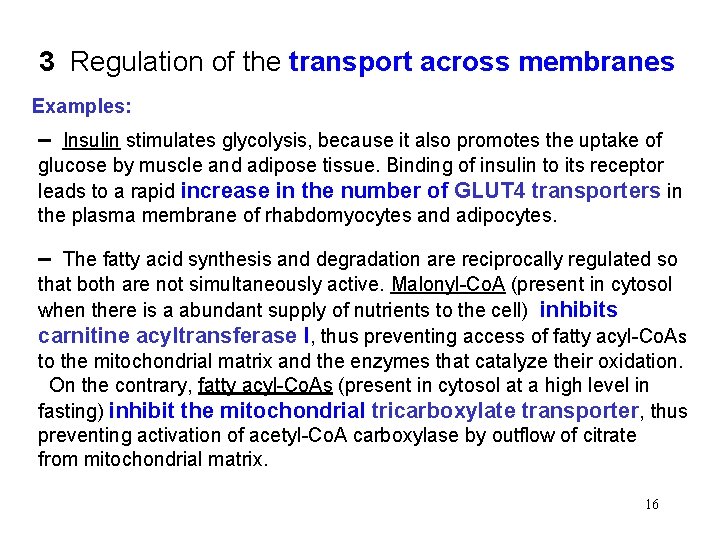
3 Regulation of the transport across membranes Examples: – Insulin stimulates glycolysis, because it also promotes the uptake of glucose by muscle and adipose tissue. Binding of insulin to its receptor leads to a rapid increase in the number of GLUT 4 transporters in the plasma membrane of rhabdomyocytes and adipocytes. – The fatty acid synthesis and degradation are reciprocally regulated so that both are not simultaneously active. Malonyl-Co. A (present in cytosol when there is a abundant supply of nutrients to the cell) inhibits carnitine acyltransferase I, thus preventing access of fatty acyl-Co. As to the mitochondrial matrix and the enzymes that catalyze their oxidation. On the contrary, fatty acyl-Co. As (present in cytosol at a high level in fasting) inhibit the mitochondrial tricarboxylate transporter, thus preventing activation of acetyl-Co. A carboxylase by outflow of citrate from mitochondrial matrix. 16
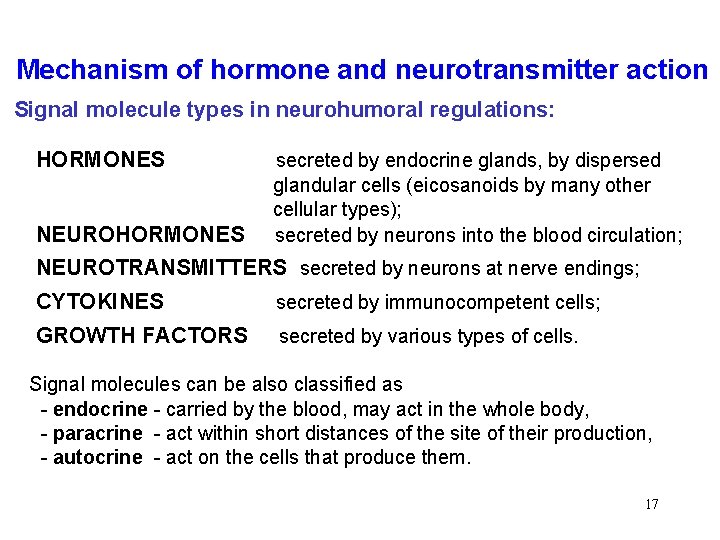
Mechanism of hormone and neurotransmitter action Signal molecule types in neurohumoral regulations: HORMONES secreted by endocrine glands, by dispersed glandular cells (eicosanoids by many other cellular types); secreted by neurons into the blood circulation; NEUROHORMONES NEUROTRANSMITTERS secreted by neurons at nerve endings; CYTOKINES secreted by immunocompetent cells; GROWTH FACTORS secreted by various types of cells. Signal molecules can be also classified as - endocrine - carried by the blood, may act in the whole body, - paracrine - act within short distances of the site of their production, - autocrine - act on the cells that produce them. 17
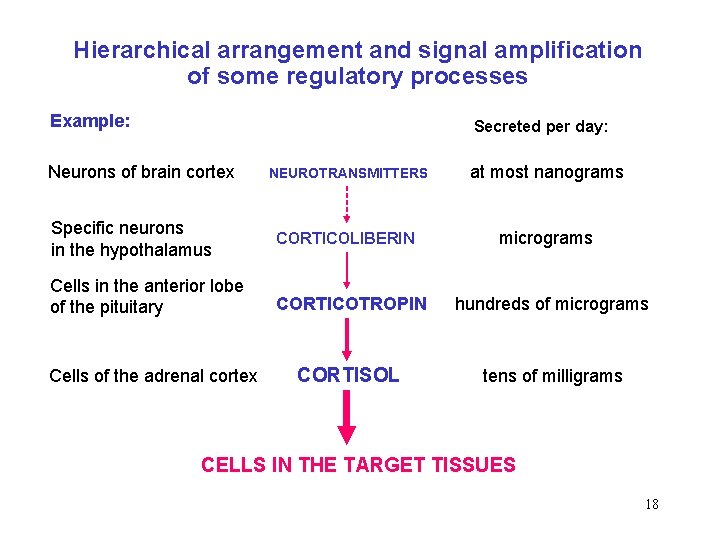
Hierarchical arrangement and signal amplification of some regulatory processes Example: Secreted per day: Neurons of brain cortex NEUROTRANSMITTERS at most nanograms Specific neurons in the hypothalamus CORTICOLIBERIN micrograms Cells in the anterior lobe of the pituitary CORTICOTROPIN hundreds of micrograms CORTISOL tens of milligrams Cells of the adrenal cortex CELLS IN THE TARGET TISSUES 18
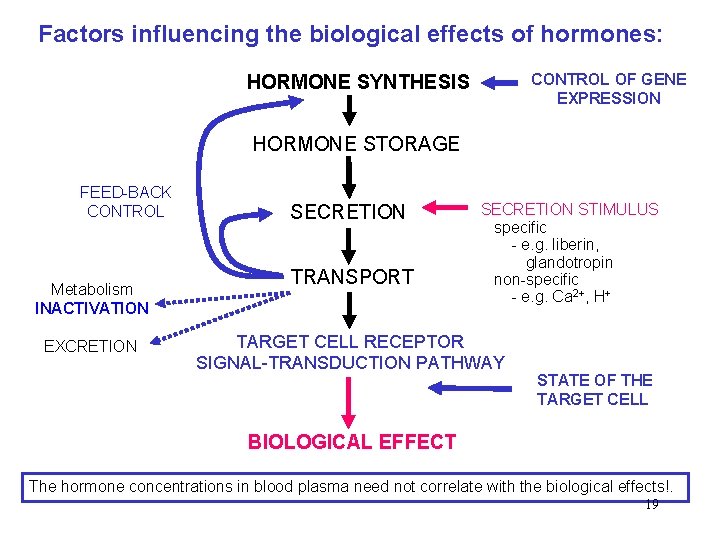
Factors influencing the biological effects of hormones: CONTROL OF GENE EXPRESSION HORMONE SYNTHESIS HORMONE STORAGE FEED-BACK CONTROL Metabolism INACTIVATION EXCRETION SECRETION TRANSPORT SECRETION STIMULUS specific - e. g. liberin, glandotropin non-specific - e. g. Ca 2+, H+ TARGET CELL RECEPTOR SIGNAL-TRANSDUCTION PATHWAY STATE OF THE TARGET CELL BIOLOGICAL EFFECT The hormone concentrations in blood plasma need not correlate with the biological effects!. 19
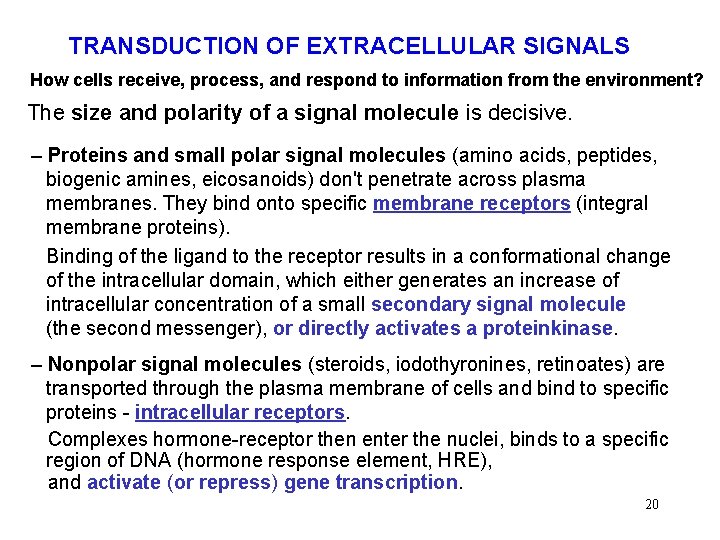
TRANSDUCTION OF EXTRACELLULAR SIGNALS How cells receive, process, and respond to information from the environment? The size and polarity of a signal molecule is decisive. – Proteins and small polar signal molecules (amino acids, peptides, biogenic amines, eicosanoids) don't penetrate across plasma membranes. They bind onto specific membrane receptors (integral membrane proteins). Binding of the ligand to the receptor results in a conformational change of the intracellular domain, which either generates an increase of intracellular concentration of a small secondary signal molecule (the second messenger), or directly activates a proteinkinase. – Nonpolar signal molecules (steroids, iodothyronines, retinoates) are transported through the plasma membrane of cells and bind to specific proteins - intracellular receptors. Complexes hormone-receptor then enter the nuclei, binds to a specific region of DNA (hormone response element, HRE), and activate (or repress) gene transcription. 20
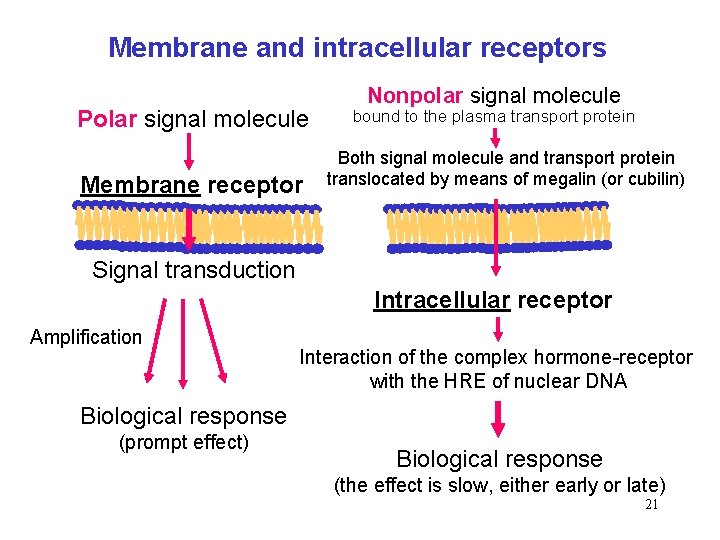
Membrane and intracellular receptors Polar signal molecule Membrane receptor Nonpolar signal molecule bound to the plasma transport protein Both signal molecule and transport protein translocated by means of megalin (or cubilin) Signal transduction Intracellular receptor Amplification Interaction of the complex hormone-receptor with the HRE of nuclear DNA Biological response (prompt effect) Biological response (the effect is slow, either early or late) 21
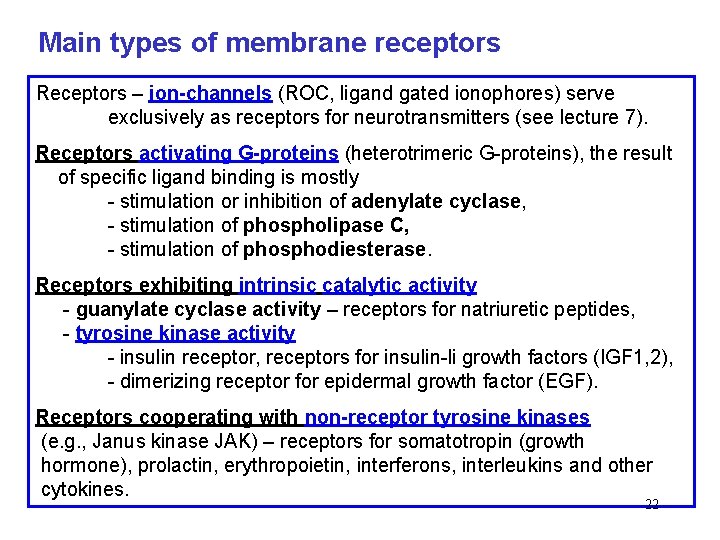
Main types of membrane receptors Receptors – ion-channels (ROC, ligand gated ionophores) serve exclusively as receptors for neurotransmitters (see lecture 7). Receptors activating G-proteins (heterotrimeric G-proteins), the result of specific ligand binding is mostly - stimulation or inhibition of adenylate cyclase, - stimulation of phospholipase C, - stimulation of phosphodiesterase. Receptors exhibiting intrinsic catalytic activity - guanylate cyclase activity – receptors for natriuretic peptides, - tyrosine kinase activity - insulin receptor, receptors for insulin-li growth factors (IGF 1, 2), - dimerizing receptor for epidermal growth factor (EGF). Receptors cooperating with non-receptor tyrosine kinases (e. g. , Janus kinase JAK) – receptors for somatotropin (growth hormone), prolactin, erythropoietin, interferons, interleukins and other cytokines. 22
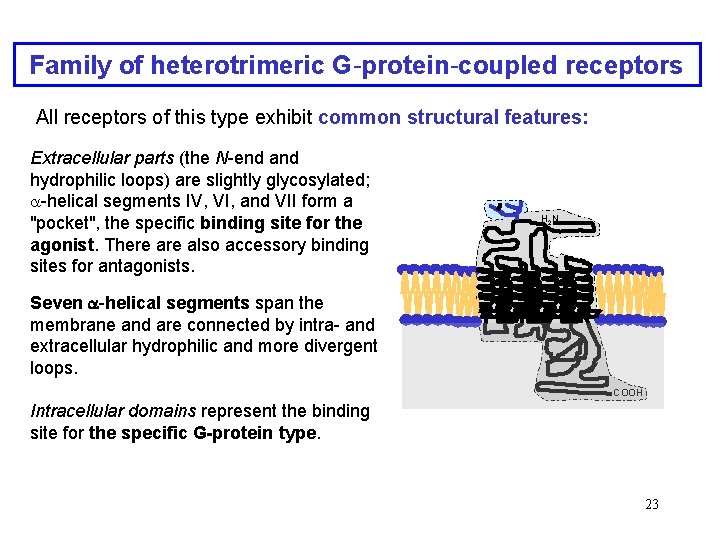
Family of heterotrimeric G-protein-coupled receptors All receptors of this type exhibit common structural features: Extracellular parts (the N-end and hydrophilic loops) are slightly glycosylated; -helical segments IV, VI, and VII form a "pocket", the specific binding site for the agonist. There also accessory binding sites for antagonists. H 2 N Seven -helical segments span the membrane and are connected by intra- and extracellular hydrophilic and more divergent loops. -COOH Intracellular domains represent the binding site for the specific G-protein type. 23

G-proteins are GTP- and/or GDP-binding proteins, mostly freely membrane-bound (they can move along the inner surface of the plasma membrane). G-proteins participate in various types of the second messenger production. All types of those G-proteins have a similar structure and mechanism of activation. Heterotrimers consist of subunits , , and . G and G subunits are hydrophobic and nonspecific, G subunit is the largest, hydrophilic, it binds GTP or GDP, and is specific for particular mechanism of second messenger production. More than 20 different subunits have been identified. Examples – see table (picture number 26). 24

The cycle of G-proteins activation Complex receptor-specific ligand GTP Complex receptor-ligand-trimer G -GDP, G GDP Trimer G -GDP, G Dimer G , G Inactive subunit G -GDP Pi Activated subunit G -GTP Interaction with the target protein PRODUCTION OF THE SECOND MESSENGER 25
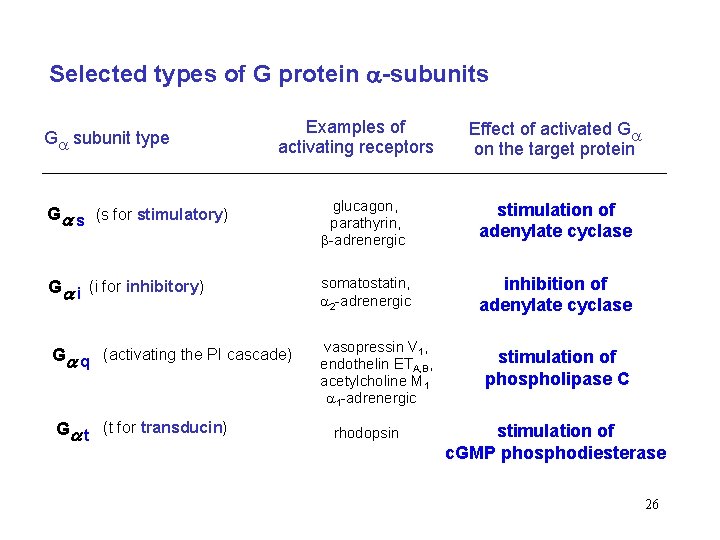
Selected types of G protein -subunits G subunit type Examples of activating receptors Effect of activated G on the target protein G s (s for stimulatory) glucagon, parathyrin, -adrenergic stimulation of adenylate cyclase G i (i for inhibitory) somatostatin, 2 -adrenergic inhibition of adenylate cyclase G q (activating the PI cascade) vasopressin V 1, endothelin ETA, B, acetylcholine M 1 1 -adrenergic G t (t for transducin) rhodopsin stimulation of phospholipase C stimulation of c. GMP phosphodiesterase 26
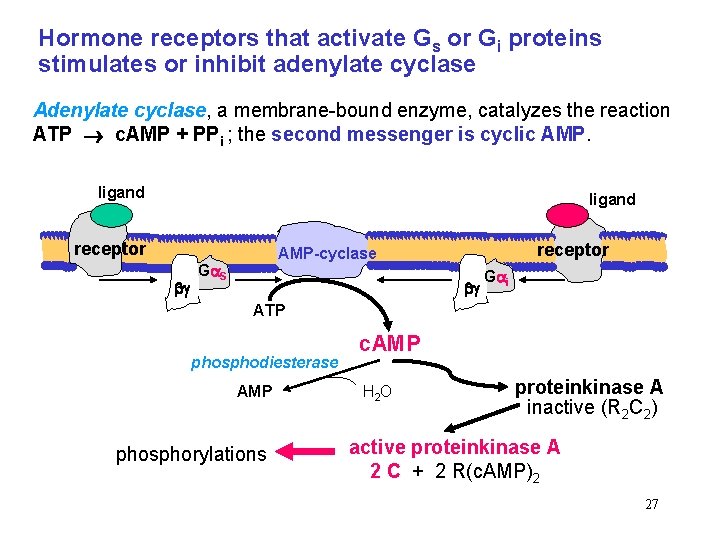
Hormone receptors that activate Gs or Gi proteins stimulates or inhibit adenylate cyclase Adenylate cyclase, a membrane-bound enzyme, catalyzes the reaction ATP c. AMP + PPi ; the second messenger is cyclic AMP. ligand receptor AMP-cyclase G S G i ATP phosphodiesterase AMP phosphorylations c. AMP H 2 O proteinkinase A inactive (R 2 C 2) active proteinkinase A 2 C + 2 R(c. AMP)2 27
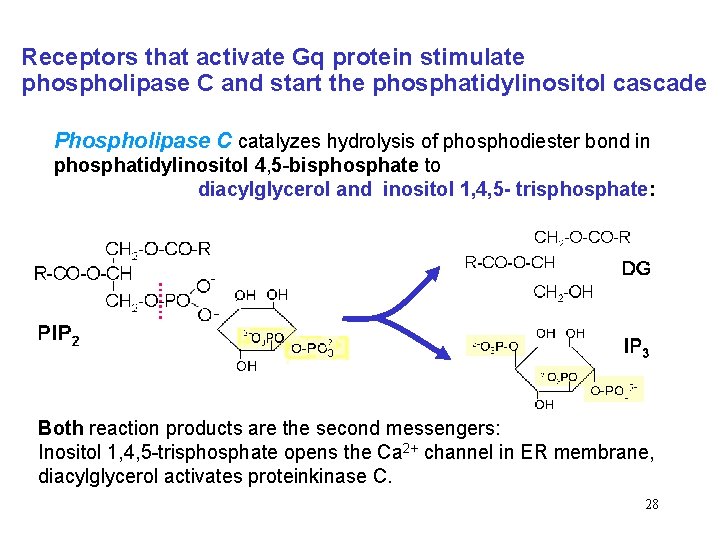
Receptors that activate Gq protein stimulate phospholipase C and start the phosphatidylinositol cascade Phospholipase C catalyzes hydrolysis of phosphodiester bond in phosphatidylinositol 4, 5 -bisphosphate to diacylglycerol and inositol 1, 4, 5 - trisphosphate: Both reaction products are the second messengers: Inositol 1, 4, 5 -trisphosphate opens the Ca 2+ channel in ER membrane, diacylglycerol activates proteinkinase C. 28
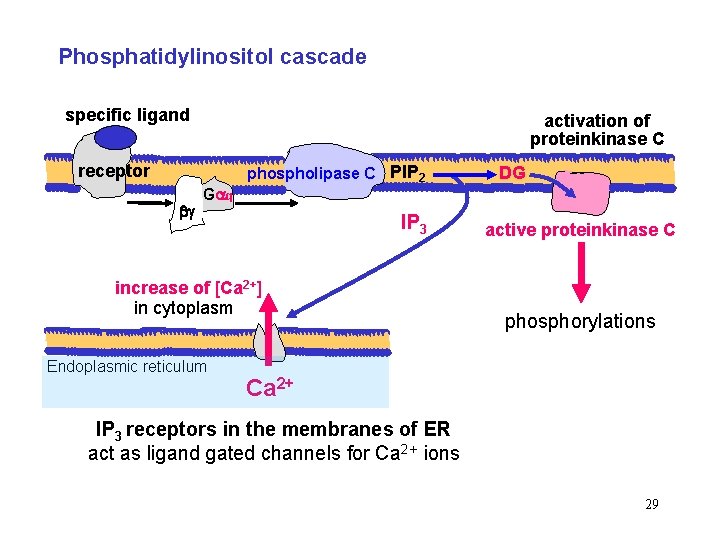
Phosphatidylinositol cascade specific ligand activation of proteinkinase C receptor phospholipase C PIP 2 DG G q IP 3 increase of [Ca 2+] in cytoplasm Endoplasmic reticulum active proteinkinase C phosphorylations Ca 2+ IP 3 receptors in the membranes of ER act as ligand gated channels for Ca 2+ ions 29
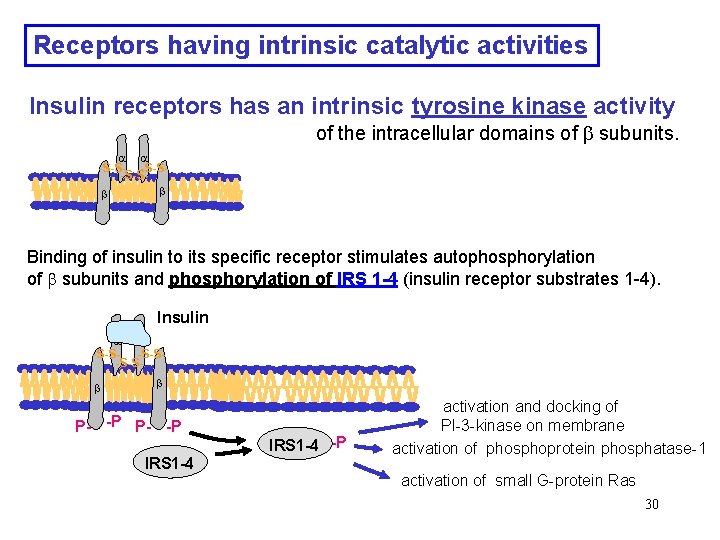
Receptors having intrinsic catalytic activities Insulin receptors has an intrinsic tyrosine kinase activity of the intracellular domains of subunits. -S-S-S-S Binding of insulin to its specific receptor stimulates autophosphorylation of subunits and phosphorylation of IRS 1 -4 (insulin receptor substrates 1 -4). Insulin -S-S-S-S P- -P IRS 1 -4 -P activation and docking of PI-3 -kinase on membrane activation of phosphoprotein phosphatase-1 activation of small G-protein Ras 30
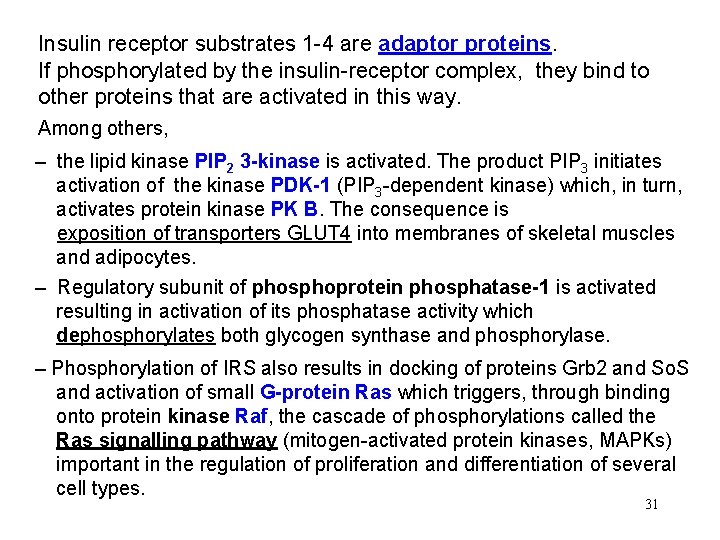
Insulin receptor substrates 1 -4 are adaptor proteins. If phosphorylated by the insulin-receptor complex, they bind to other proteins that are activated in this way. Among others, – the lipid kinase PIP 2 3 -kinase is activated. The product PIP 3 initiates activation of the kinase PDK-1 (PIP 3 -dependent kinase) which, in turn, activates protein kinase PK B. The consequence is exposition of transporters GLUT 4 into membranes of skeletal muscles and adipocytes. – Regulatory subunit of phosphoprotein phosphatase-1 is activated resulting in activation of its phosphatase activity which dephosphorylates both glycogen synthase and phosphorylase. – Phosphorylation of IRS also results in docking of proteins Grb 2 and So. S and activation of small G-protein Ras which triggers, through binding onto protein kinase Raf, the cascade of phosphorylations called the Ras signalling pathway (mitogen-activated protein kinases, MAPKs) important in the regulation of proliferation and differentiation of several cell types. 31
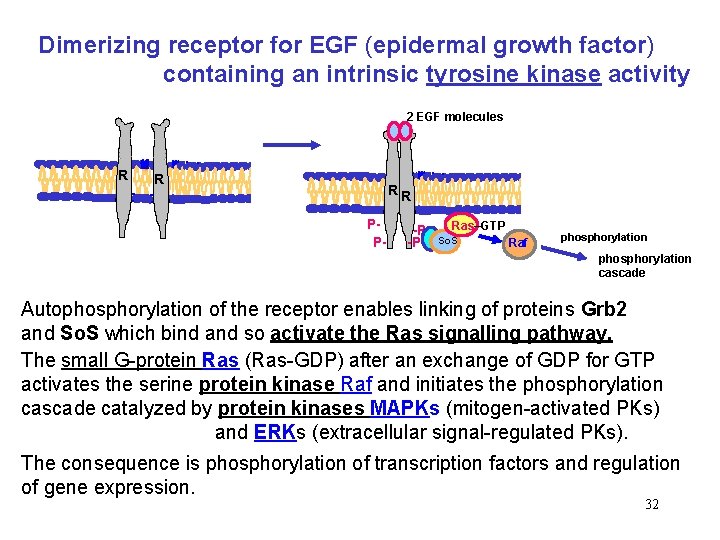
Dimerizing receptor for EGF (epidermal growth factor) containing an intrinsic tyrosine kinase activity 2 EGF molecules R R RR PP- -P -P Ras–GTP So. S Raf phosphorylation cascade Autophosphorylation of the receptor enables linking of proteins Grb 2 and So. S which bind and so activate the Ras signalling pathway. The small G-protein Ras (Ras-GDP) after an exchange of GDP for GTP activates the serine protein kinase Raf and initiates the phosphorylation cascade catalyzed by protein kinases MAPKs (mitogen-activated PKs) and ERKs (extracellular signal-regulated PKs). The consequence is phosphorylation of transcription factors and regulation of gene expression. 32
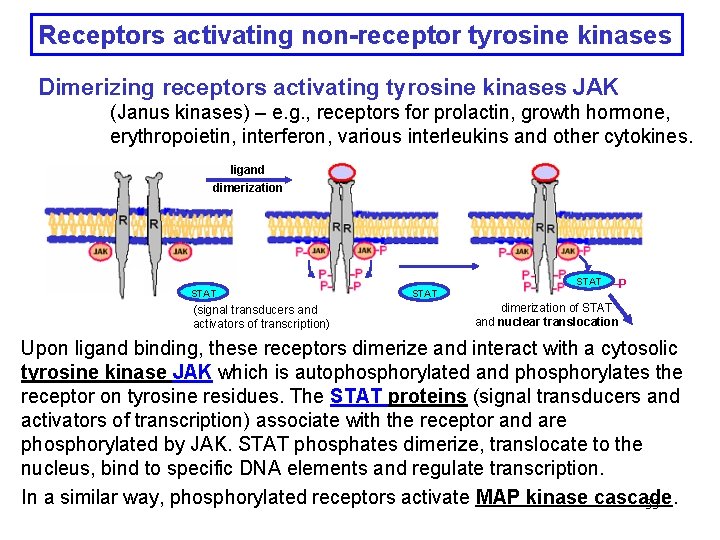
Receptors activating non-receptor tyrosine kinases Dimerizing receptors activating tyrosine kinases JAK (Janus kinases) – e. g. , receptors for prolactin, growth hormone, erythropoietin, interferon, various interleukins and other cytokines. ligand dimerization STAT (signal transducers and activators of transcription) STAT –P dimerization of STAT and nuclear translocation Upon ligand binding, these receptors dimerize and interact with a cytosolic tyrosine kinase JAK which is autophosphorylated and phosphorylates the receptor on tyrosine residues. The STAT proteins (signal transducers and activators of transcription) associate with the receptor and are phosphorylated by JAK. STAT phosphates dimerize, translocate to the nucleus, bind to specific DNA elements and regulate transcription. In a similar way, phosphorylated receptors activate MAP kinase cascade. 33
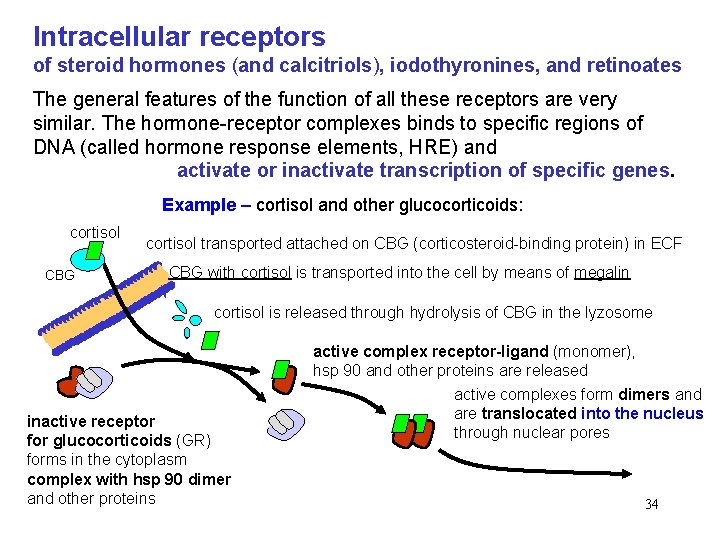
Intracellular receptors of steroid hormones (and calcitriols), iodothyronines, and retinoates The general features of the function of all these receptors are very similar. The hormone-receptor complexes binds to specific regions of DNA (called hormone response elements, HRE) and activate or inactivate transcription of specific genes. Example – cortisol and other glucocorticoids: cortisol CBG cortisol transported attached on CBG (corticosteroid-binding protein) in ECF CBG with cortisol is transported into the cell by means of megalin cortisol is released through hydrolysis of CBG in the lyzosome inactive receptor for glucocorticoids (GR) forms in the cytoplasm complex with hsp 90 dimer and other proteins active complex receptor-ligand (monomer), hsp 90 and other proteins are released active complexes form dimers and are translocated into the nucleus through nuclear pores 34
For a long time, it has been assumed that only the lipid-soluble readily-diffusible free steroid hormones and other hydrophobic signal molecules (iodothyronines, retinoates) are biologically active and that only free hormones traverse cell membranes and enter cells by passive diffusion, owing to their lipophilic nature. The recently characterized protein megalin, however, functions as a transport protein on cell surfaces to carry steroid-globulin complexes (as well as bound forms of other signal molecules) across the plasma membrane. Another membrane glycoprotein cubilin binds to megalin and this interaction also provides the transport of many different ligands of cubilin across the plasma membrane. Membrane glycoproteins megalin and cubilin are so able to internalize hydrophobic signal molecules in connexion with the extracellular transport proteins. Upon hydrolysis of hormone-associated binding protein in lysosomes, free hormone is liberated and may exert biological effects in the cell. 35
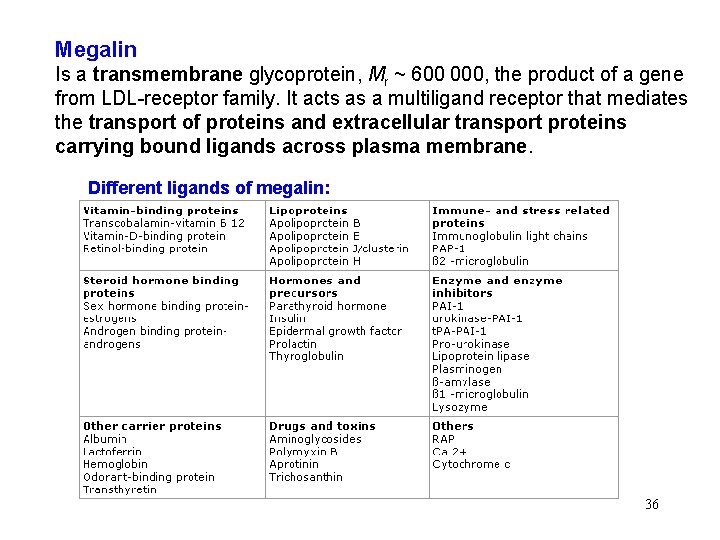
Megalin Is a transmembrane glycoprotein, Mr ~ 600 000, the product of a gene from LDL-receptor family. It acts as a multiligand receptor that mediates the transport of proteins and extracellular transport proteins carrying bound ligands across plasma membrane. Different ligands of megalin: 36
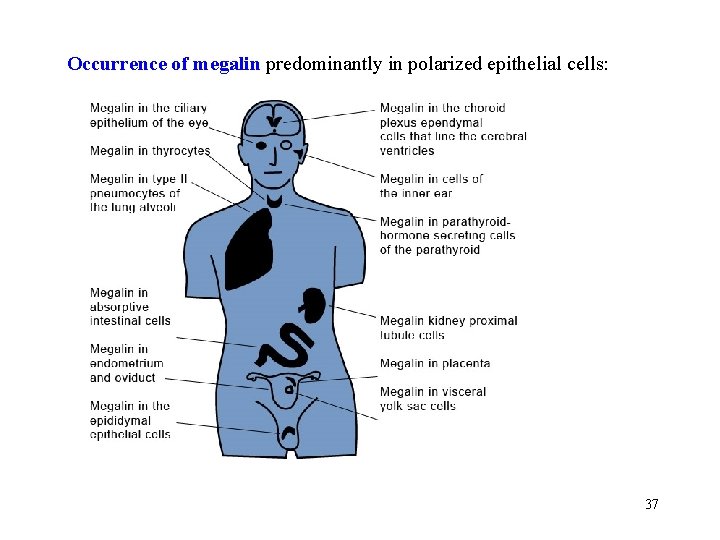
Occurrence of megalin predominantly in polarized epithelial cells: 37
Cubilin is a peripheral membrane glycoprotein, Mr ~ 456 000. In the structure of cubilin, there are several EGFsequences and nearly thirty repeats of CUB sequences (domains) that give the name cubilin for the protein. C derived from sequences coincident with the complement components C 1 r/C 1 s, u derived from a domain named u. EGF (urchin protein with EGF-like domains), B from the protein BMP-1 (bone morphogenetic protein 1). Cubilin is a peripheral protein lacking the signal sequence responsible for initiating endocytosis. Internalization of cubilin (with different ligands attached) is mediated by megalin. . 38
It seems that, besides the megalin/cubilin transport system, a less significant transport of steroids exists that is independent on megalin/cubilin. The findings mentioned above have changed the clinical view onto the distinguishing between plasma concentrations of free and bound hydrophobic hormones. 39
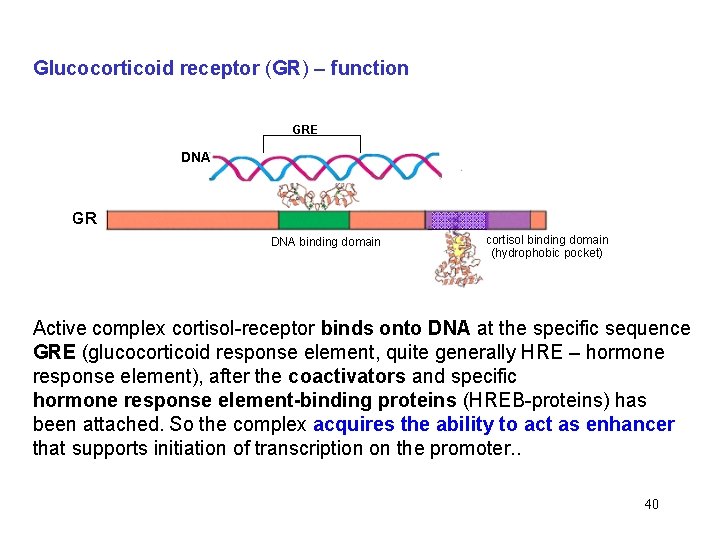
Glucocorticoid receptor (GR) – function GRE DNA GR DNA binding domain cortisol binding domain (hydrophobic pocket) Active complex cortisol-receptor binds onto DNA at the specific sequence GRE (glucocorticoid response element, quite generally HRE – hormone response element), after the coactivators and specific hormone response element-binding proteins (HREB-proteins) has been attached. So the complex acquires the ability to act as enhancer that supports initiation of transcription on the promoter. . 40

Initiation of transcription by cortisol Active complex cortisol-receptor binds onto DNA at the specific sequence GRE (glucocorticoid response element, one of the HRE – hormone response elements). The coactivator and specific hormone response element-binding proteins (GREB-proteins) are also attached. This complex acquires the ability to act as enhancer that supports initiation of transcription on the promoter by means of mediator proteins. cortisol-GR dimer complex GREB protein enhancer coactivator mediator proteins > 1 000 bp CTD TF IID Pol II basal transcription apparatus promoter GR dimer – intracellular glucocorticoid receptor (dimer) GRE – glucocorticoid response element GREB protein – GRE binding protein (a specific transcription factor) 41
- Slides: 41