
Control of Gene Expression Chapter 16 Control of
- Slides: 44
Control of Gene Expression Chapter 16
Control of Gene Expression • Controlling gene expression is often accomplished by controlling transcription initiation. • Regulatory proteins bind to DNA to either block or stimulate transcription, depending on how they interact with RNA polymerase. 2
Control of Gene Expression • Prokaryotic organisms regulate gene expression in response to their environment. • Eukaryotic cells regulate gene expression to maintain homeostasis in the organism. 3
Regulatory Proteins • Gene expression is often controlled by regulatory proteins binding to specific DNA sequences. – regulatory proteins gain access to the bases of DNA at the major groove – regulatory proteins possess DNAbinding motifs 4
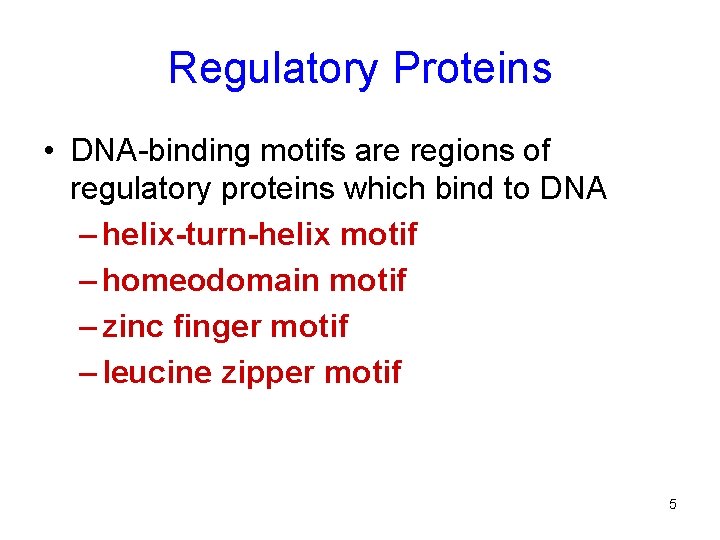
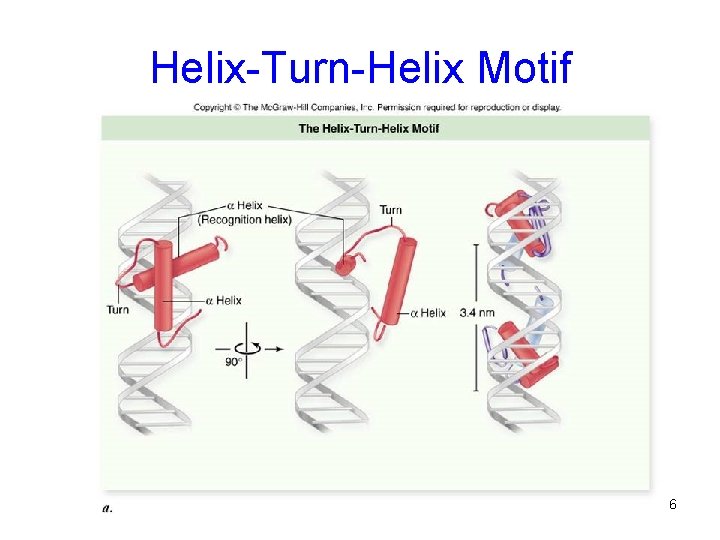
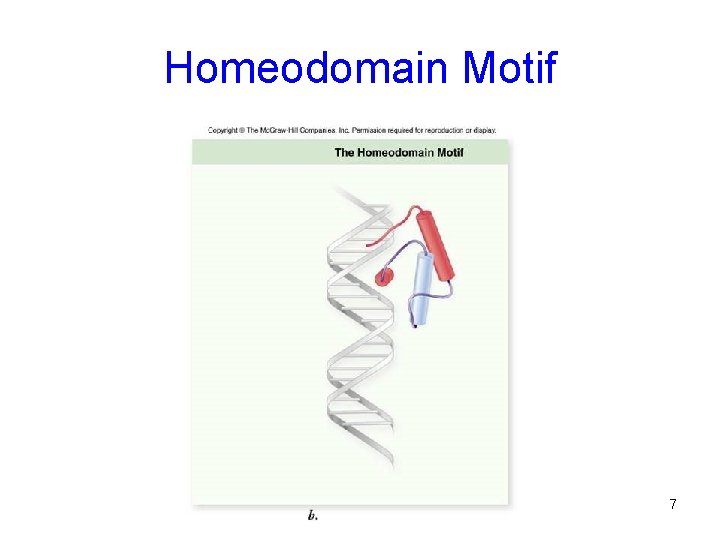
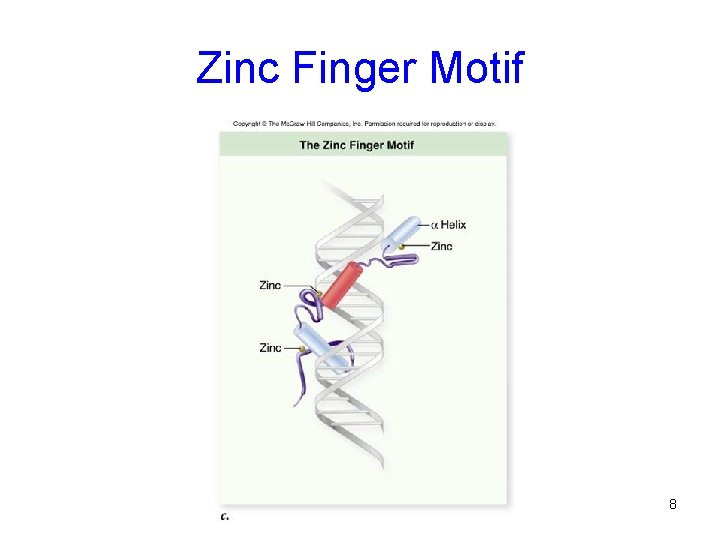
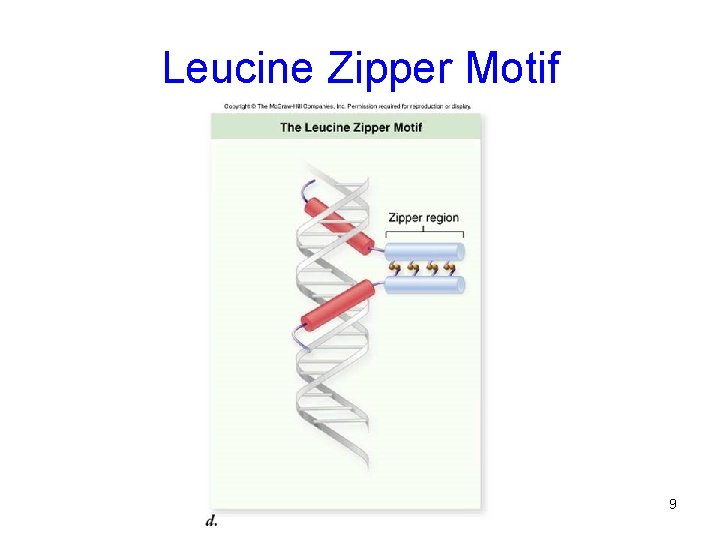
Regulatory Proteins • DNA-binding motifs are regions of regulatory proteins which bind to DNA – helix-turn-helix motif – homeodomain motif – zinc finger motif – leucine zipper motif 5
Helix-Turn-Helix Motif 6
Homeodomain Motif 7
Zinc Finger Motif 8
Leucine Zipper Motif 9
Prokaryotic Regulation • Control of transcription initiation can be: – positive control – increases transcription when activators bind DNA – negative control – reduces transcription when repressors bind to DNA regulatory regions called operators 10
Prokaryotic Regulation • Prokaryotic cells often respond to their environment by changes in gene expression. • Genes involved in the same metabolic pathway are organized in operons. • Some operons are induced when the metabolic pathway is needed. • Some operons are repressed when the metabolic pathway is no longer needed. 11
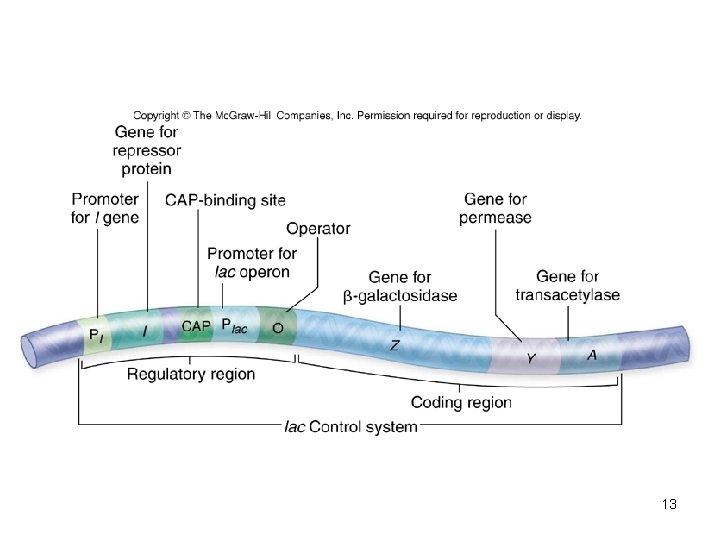
Prokaryotic Regulation • The lac operon contains genes for the use of lactose as an energy source. • Regulatory regions of the operon include the CAP binding site, promoter, and the operator. • The coding region contains genes for 3 enzymes: – b-galactosidase, permease, and transacetylase 12
13
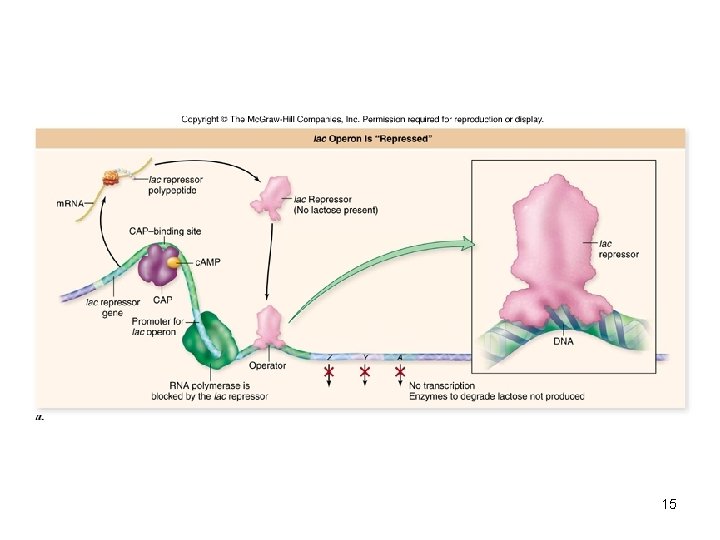
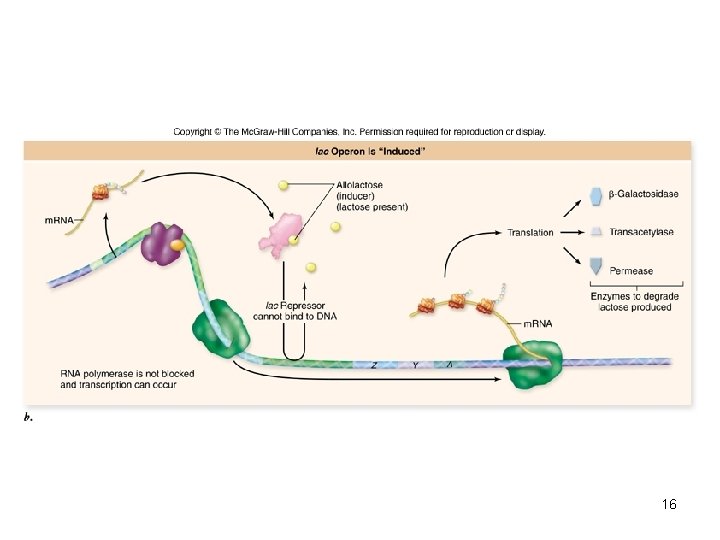
Prokaryotic Regulation • The lac operon is negatively regulated by a repressor protein: – lac repressor binds to the operator to block transcription – in the presence of lactose, an inducer molecule binds to the repressor protein – repressor can no longer bind to operator – transcription proceeds 14
15
16
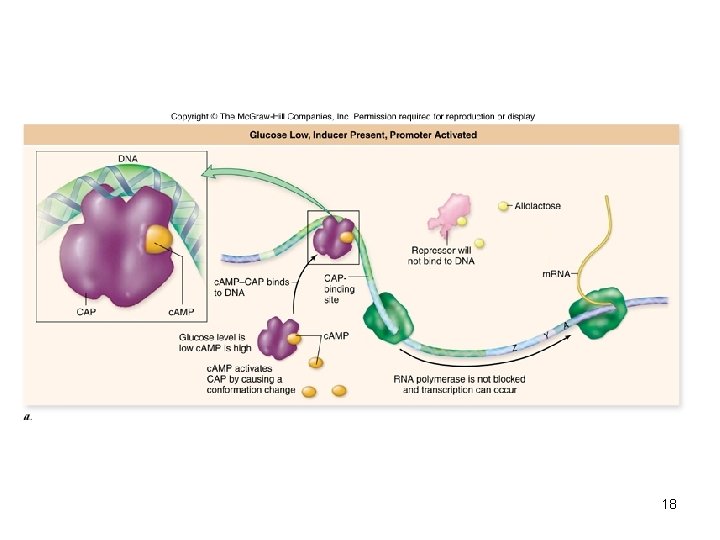
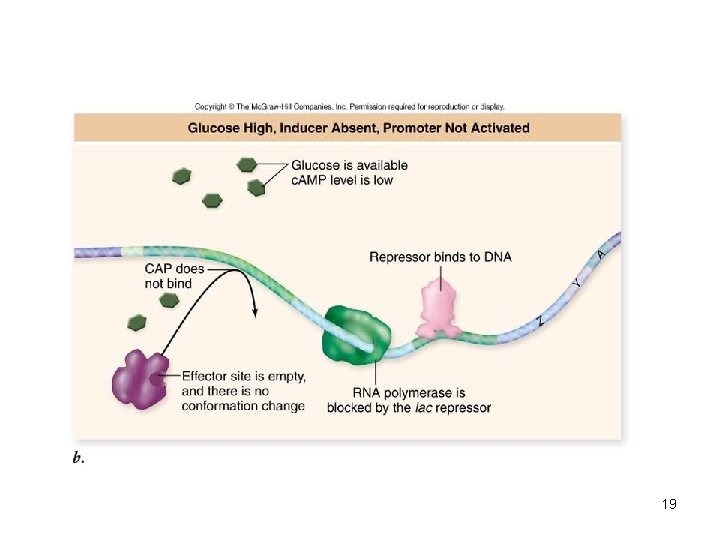
Prokaryotic Regulation • In the presence of both glucose and lactose, bacterial cells prefer to use glucose. • Glucose prevents induction of the lac operon. – binding of CAP – c. AMP complex to the CAP binding site is required for induction of the lac operon – high glucose levels cause low c. AMP levels – high glucose low c. AMP no induction 17
18
19
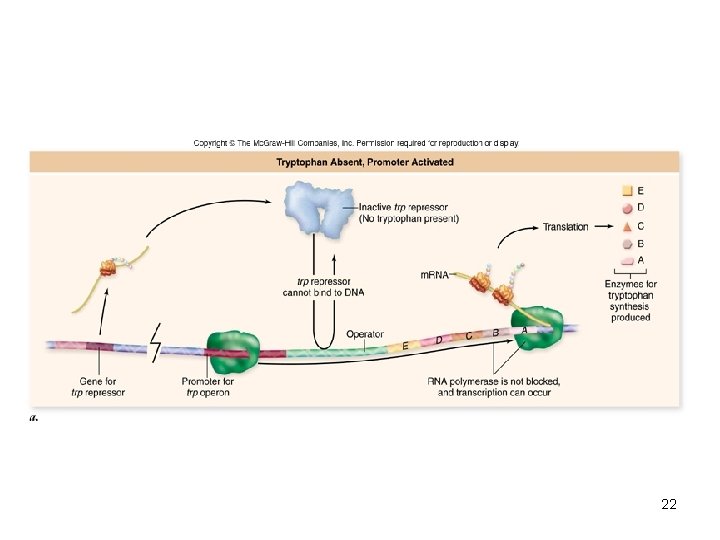
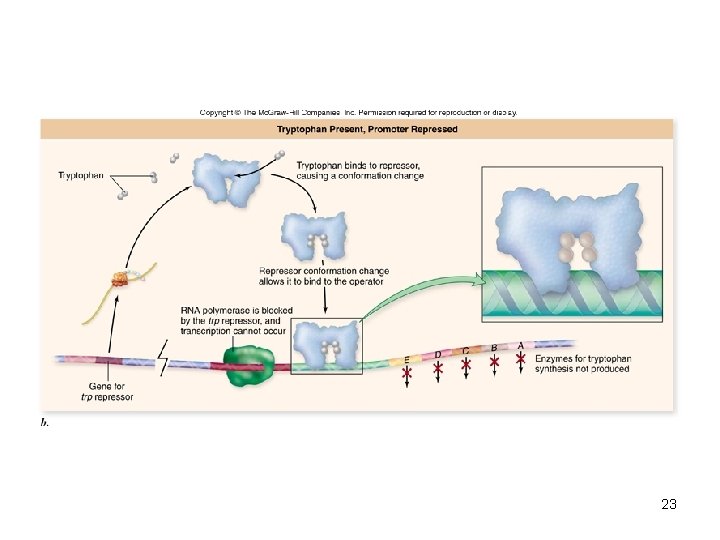
Prokaryotic Regulation • The trp operon encodes genes for the biosynthesis of tryptophan. • The operon is not expressed when the cell contains sufficient amounts of tryptophan. • The operon is expressed when levels of tryptophan are low. 20
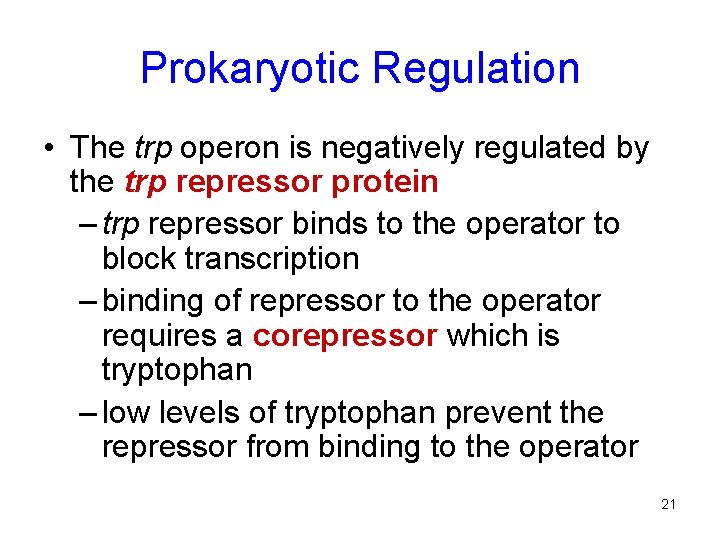
Prokaryotic Regulation • The trp operon is negatively regulated by the trp repressor protein – trp repressor binds to the operator to block transcription – binding of repressor to the operator requires a corepressor which is tryptophan – low levels of tryptophan prevent the repressor from binding to the operator 21
22
23
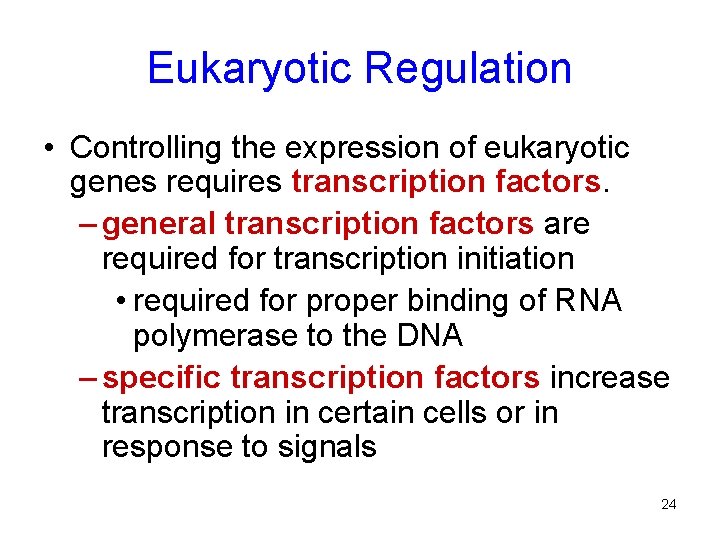
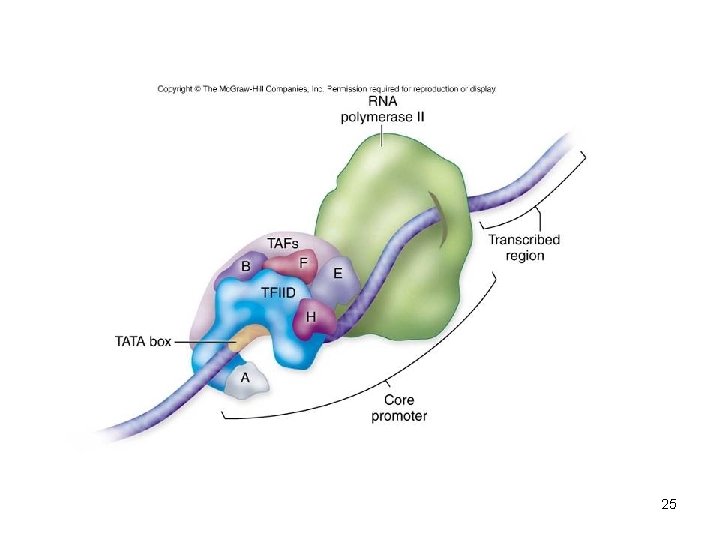
Eukaryotic Regulation • Controlling the expression of eukaryotic genes requires transcription factors. – general transcription factors are required for transcription initiation • required for proper binding of RNA polymerase to the DNA – specific transcription factors increase transcription in certain cells or in response to signals 24
25
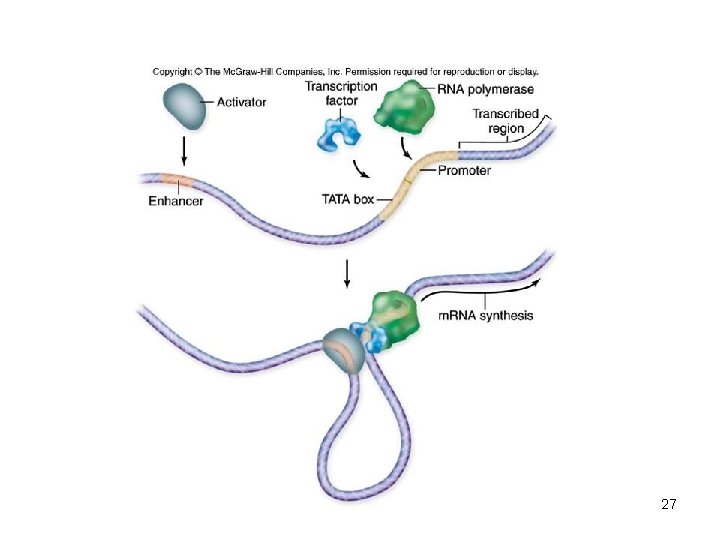
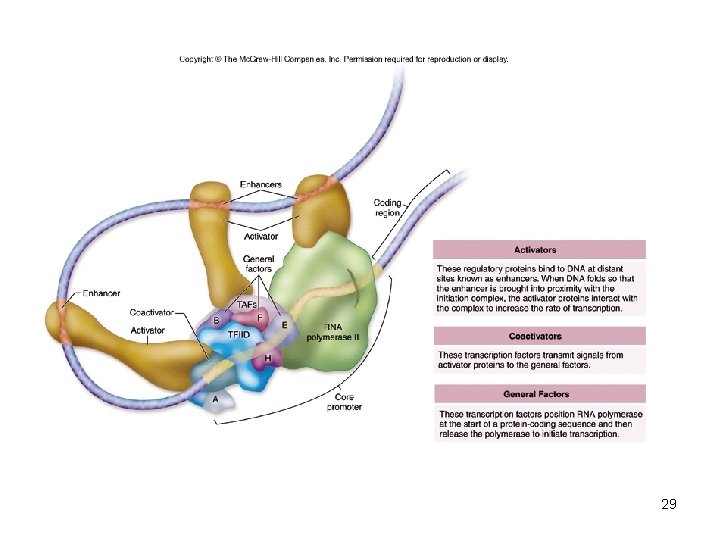
Eukaryotic Transcription • General transcription factors bind to the promoter region of the gene. • RNA polymerase II then binds to the promoter to begin transcription at the start site (+1). • Enhancers are DNA sequences to which specific transcription factors (activators) bind to increase the rate of transcription. 26
27
Eukaryotic Transcription • Coactivators and mediators are also required for the function of transcription factors. – coactivators and mediators bind to transcription factors and bind to other parts of the transcription apparatus 28
29
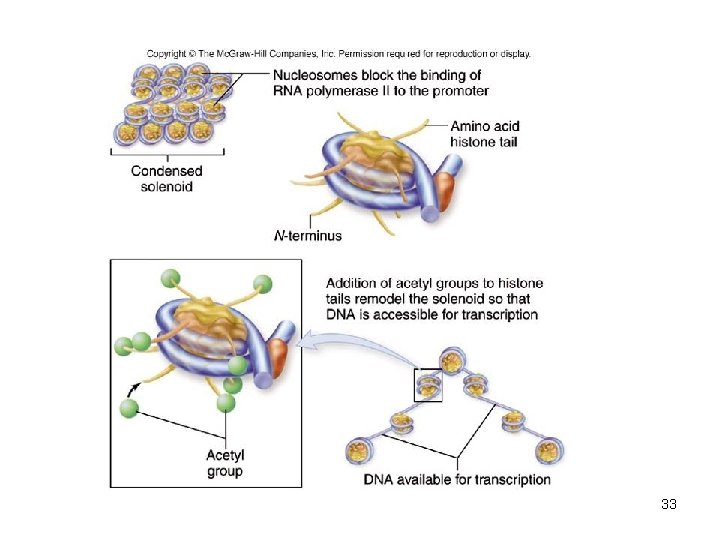
Eukaryotic Chromosome Structure • Eukaryotic DNA is packaged into chromatin. • Chromatin structure is directly related to the control of gene expression. • Chromatin structure begins with the organization of the DNA into nucleosomes. • Nucleosomes may block RNA polymerase II from gaining access to promoters. 30
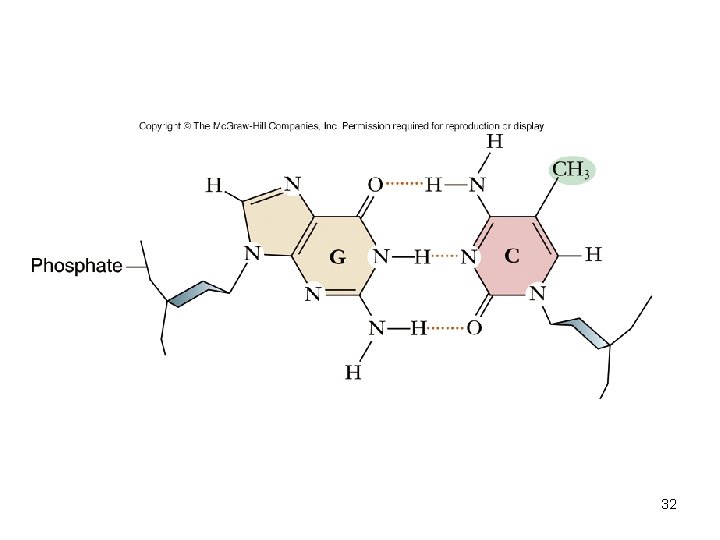
Eukaryotic Chromosome Structure • Methylation (the addition of –CH 3) of DNA or histone proteins is associated with the control of gene expression. • Clusters of methylated cytosine nucleotides bind to a protein that prevents activators from binding to DNA. • Methylated histone proteins are associated with inactive regions of chromatin. 31
32
33
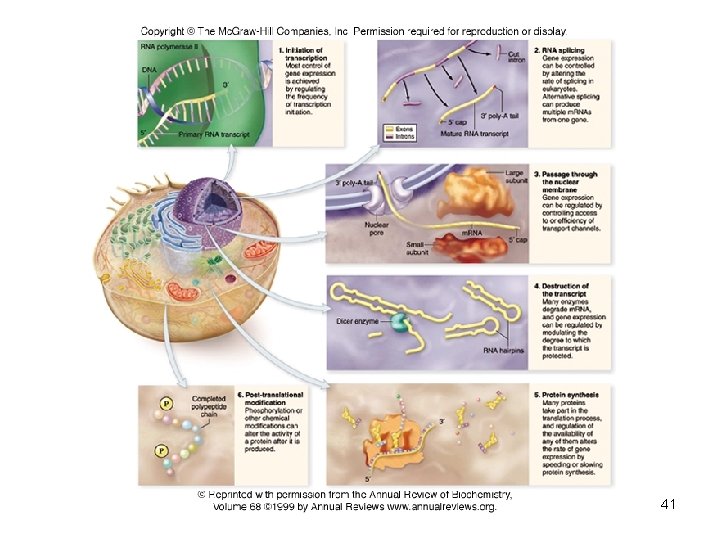
Posttranscriptional Regulation • Control of gene expression usually involves the control of transcription initiation. • But gene expression can be controlled after transcription, with mechanisms such as: – RNA interference – alternative splicing – RNA editing – m. RNA degradation 34
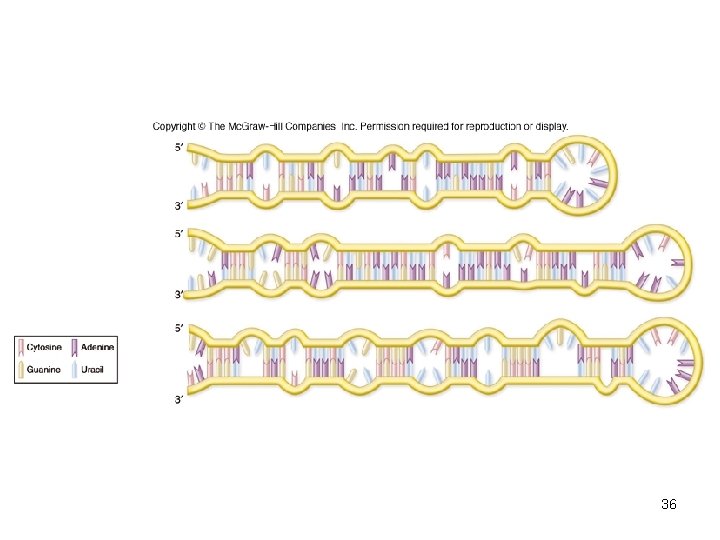
Posttranscriptional Regulation • RNA interference involves the use of small RNA molecules • The enzyme Dicer chops double stranded RNA into small pieces of RNA – micro-RNAs bind to complementary RNA to prevent translation – small interfering RNAs degrade particular m. RNAs before translation 35
36
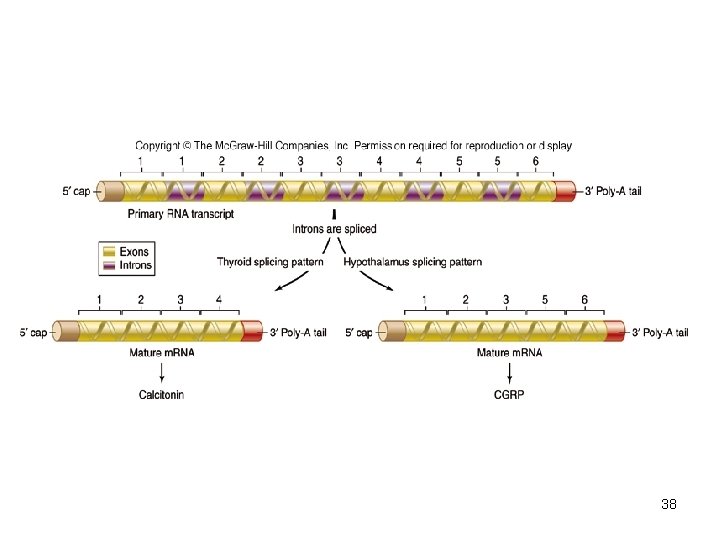
Posttranscriptional Regulation • Introns are spliced out of pre-m. RNAs to produce the mature m. RNA that is translated. • Alternative splicing recognizes different splice sites in different tissue types. • The mature m. RNAs in each tissue possess different exons, resulting in different polypeptide products from the same gene. 37
38
Posttranscriptional Regulation • RNA editing creates mature m. RNA that are not truly encoded by the genome. • For example – – apolipoprotein B exists in 2 isoforms – one isoform is produced by editing the m. RNA to create a stop codon – this RNA editing is tissue-specific 39
Posttranscriptional Regulation • Mature m. RNA molecules have various half -lives depending on the gene and the location (tissue) of expression. • The amount of polypeptide produced from a particular gene can be influenced by the half-life of the m. RNA molecules. 40
41
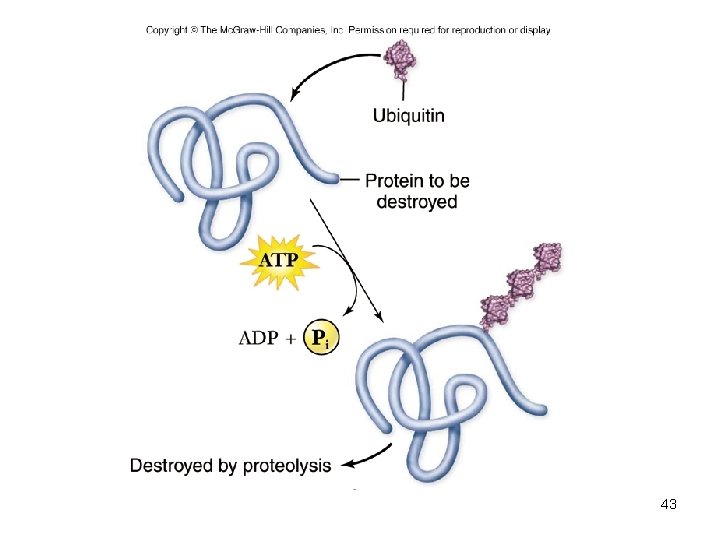
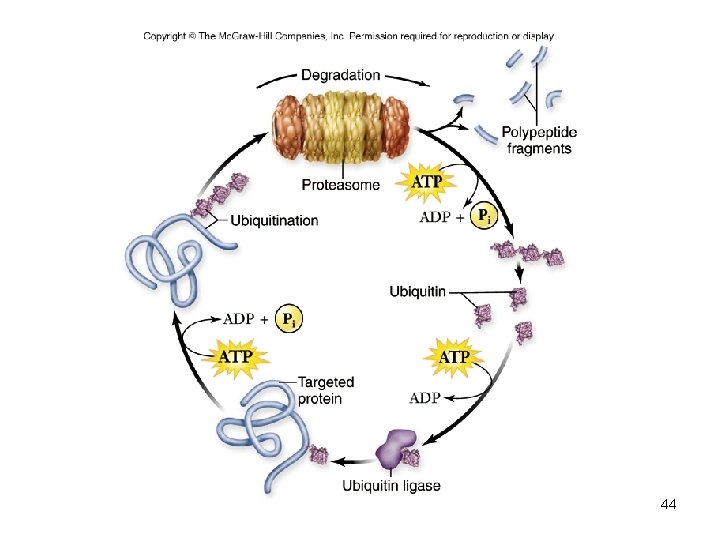
Protein Degradation • Proteins are produced and degraded continually in the cell. • Proteins to be degraded are tagged with ubiquitin. • Degradation of proteins marked with ubiquitin occurs at the proteasome. 42
43
44