
Control of cell divisionCancer Figure 12 1 The
- Slides: 63
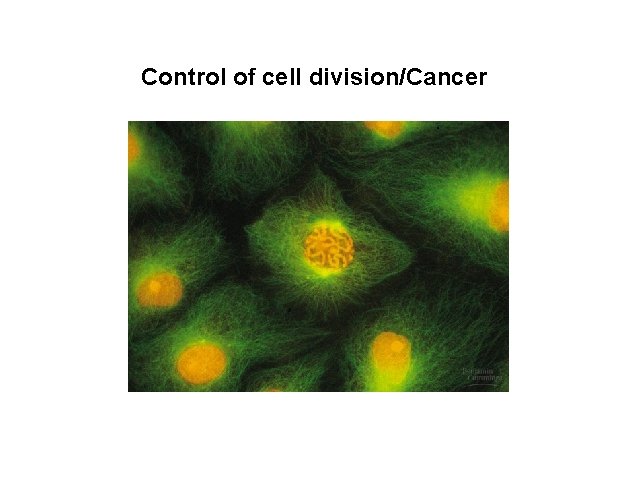
Control of cell division/Cancer
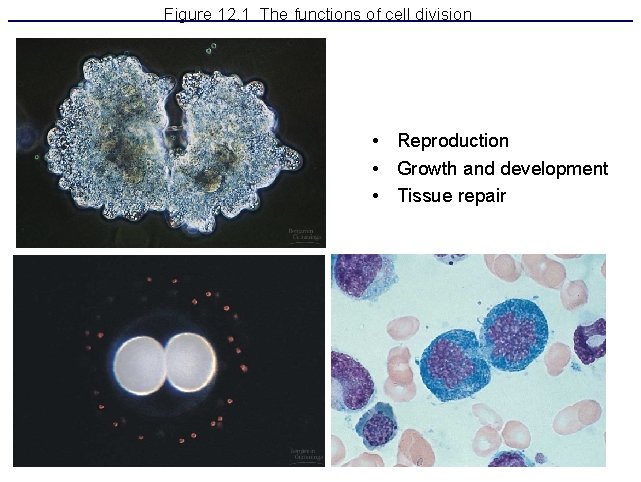
Figure 12. 1 The functions of cell division • Reproduction • Growth and development • Tissue repair
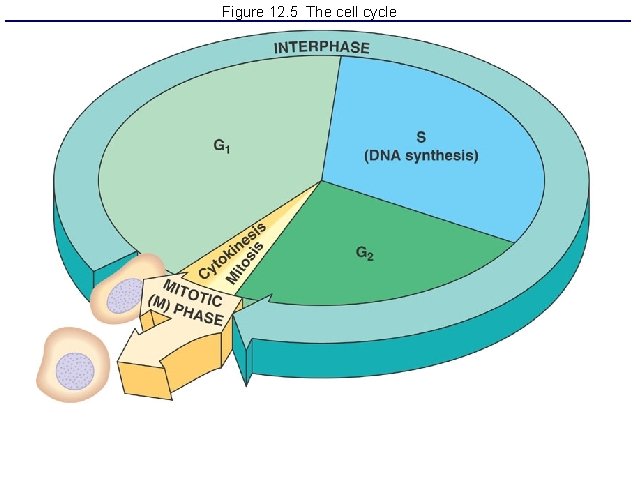
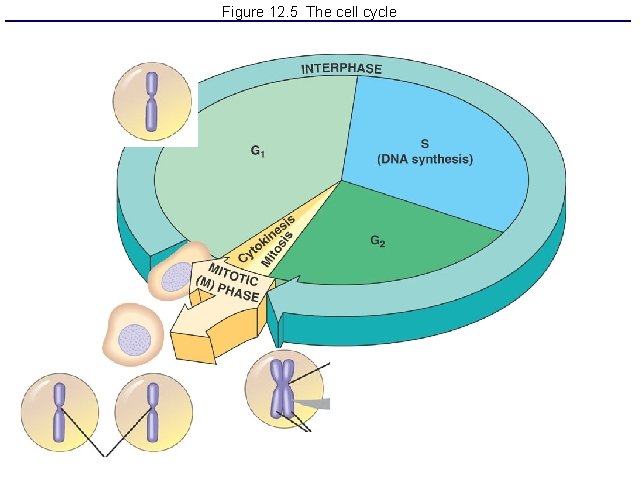
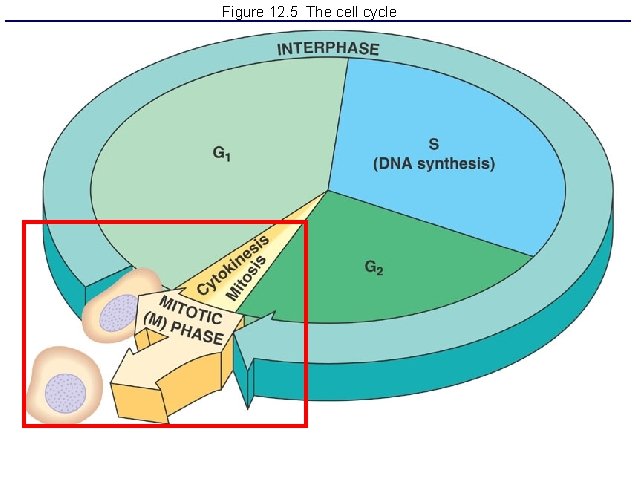
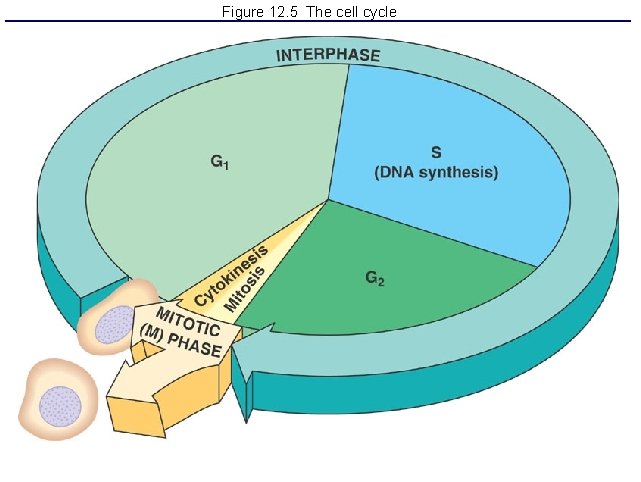
Figure 12. 5 The cell cycle
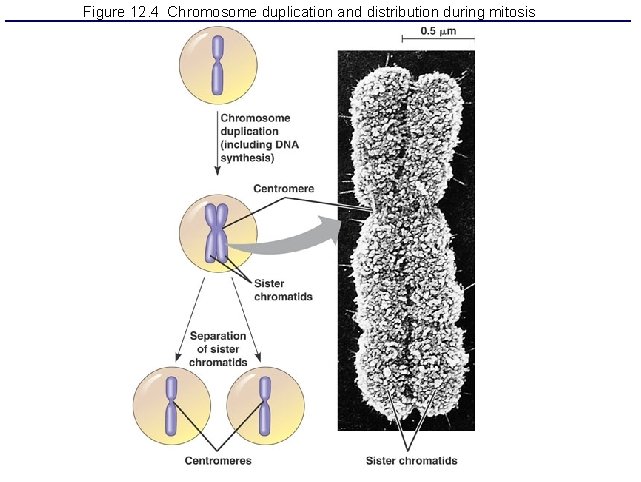
Figure 12. 4 Chromosome duplication and distribution during mitosis
Figure 12. 5 The cell cycle
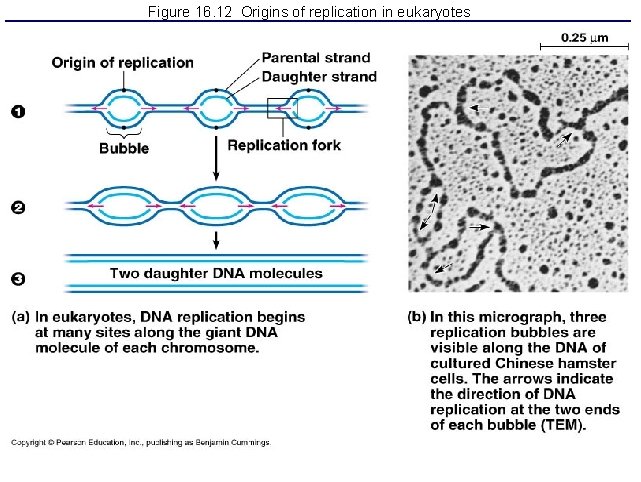
Figure 16. 12 Origins of replication in eukaryotes
Figure 12. 5 The cell cycle
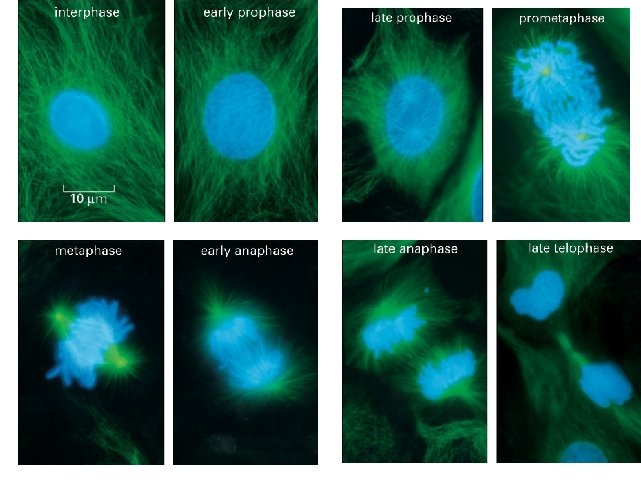
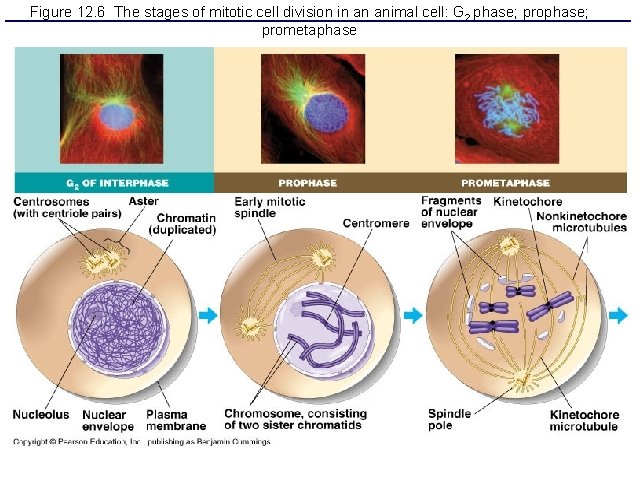
Figure 12. 6 The stages of mitotic cell division in an animal cell: G 2 phase; prometaphase
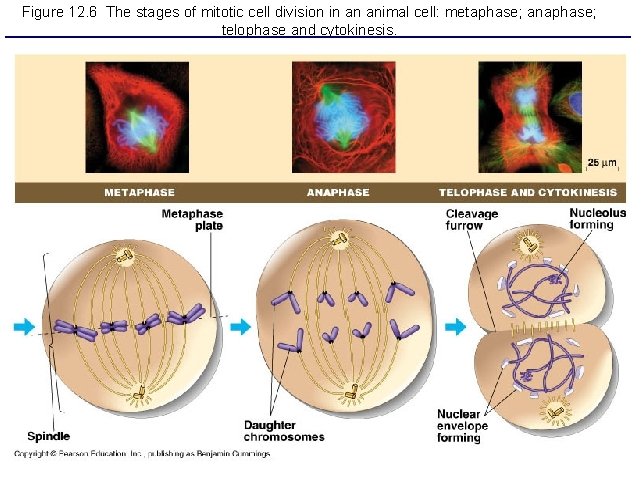
Figure 12. 6 The stages of mitotic cell division in an animal cell: metaphase; anaphase; telophase and cytokinesis.
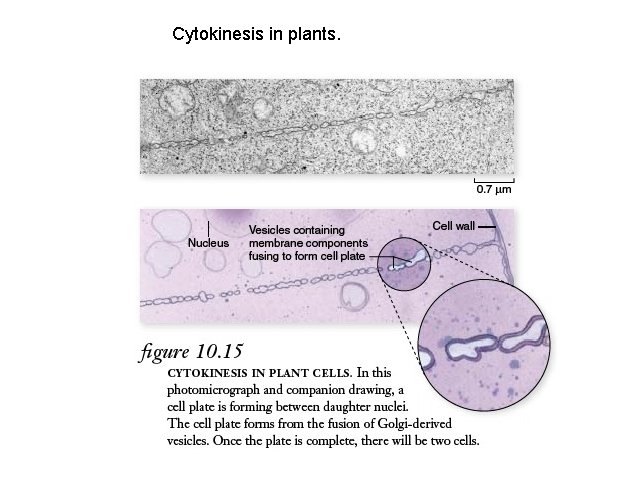
Cytokinesis in plants.
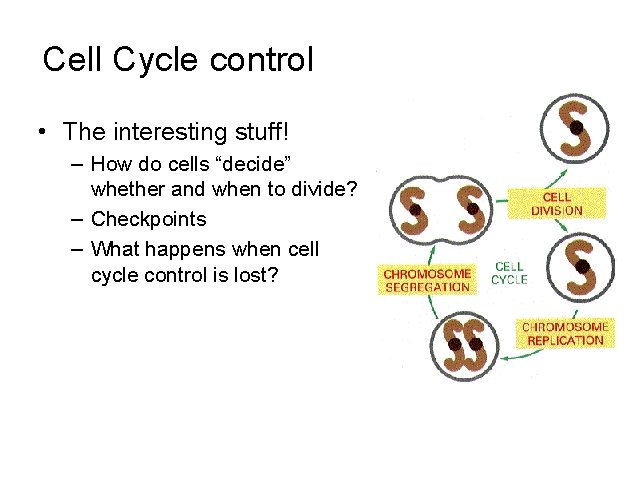
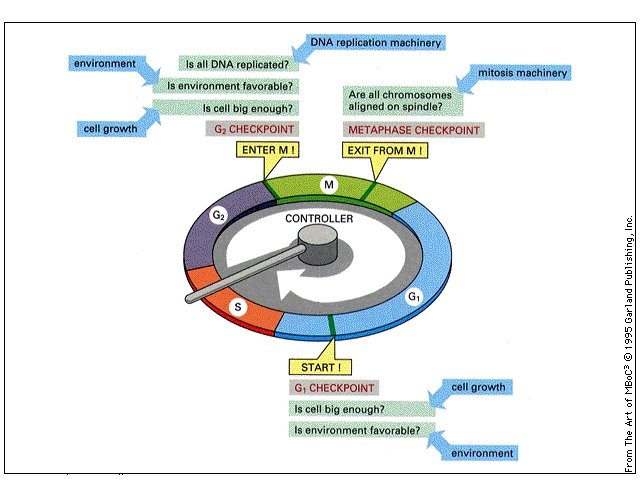
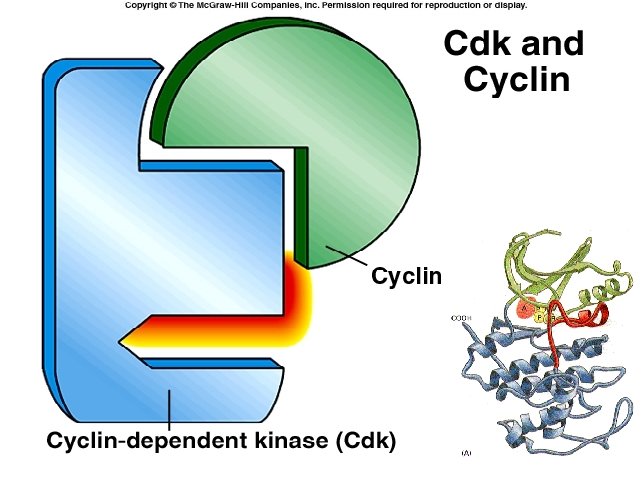
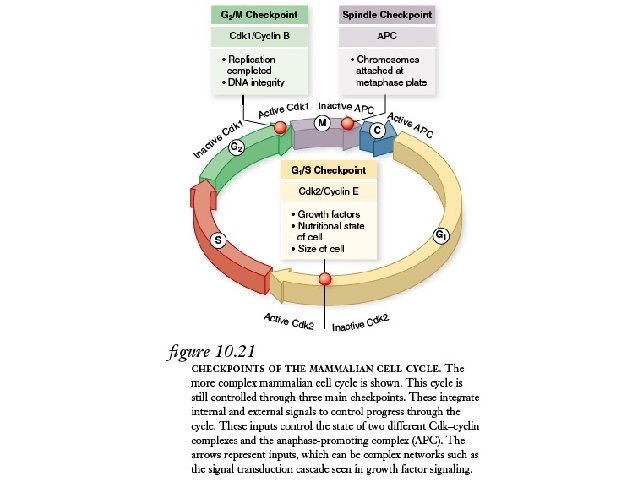
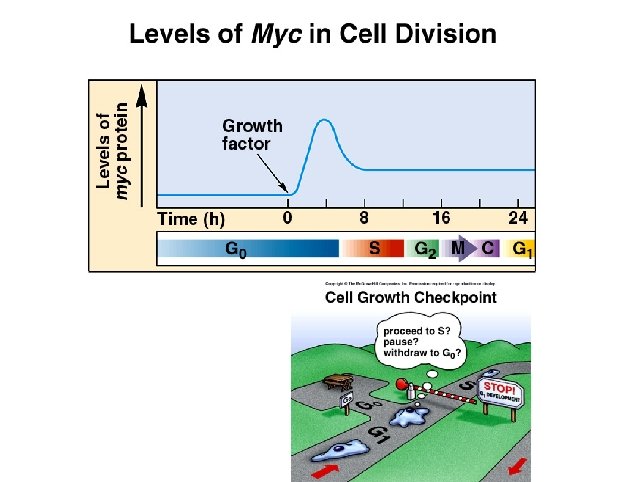
Cell Cycle control • The interesting stuff! – How do cells “decide” whether and when to divide? – Checkpoints – What happens when cell cycle control is lost?
Figure 12. 5 The cell cycle
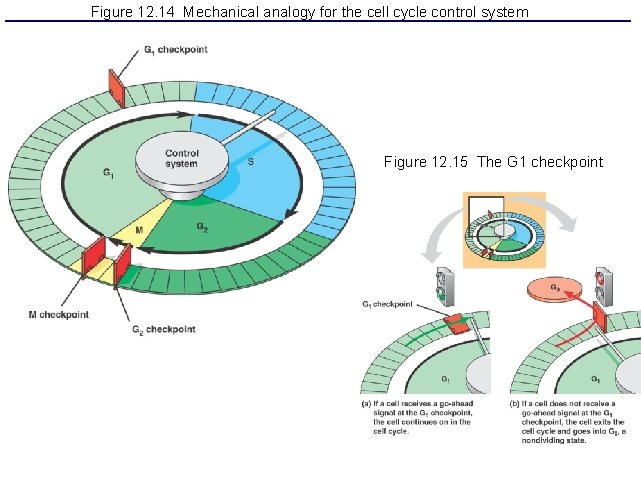
Figure 12. 14 Mechanical analogy for the cell cycle control system Figure 12. 15 The G 1 checkpoint
Cell and Organismal Biology 2009
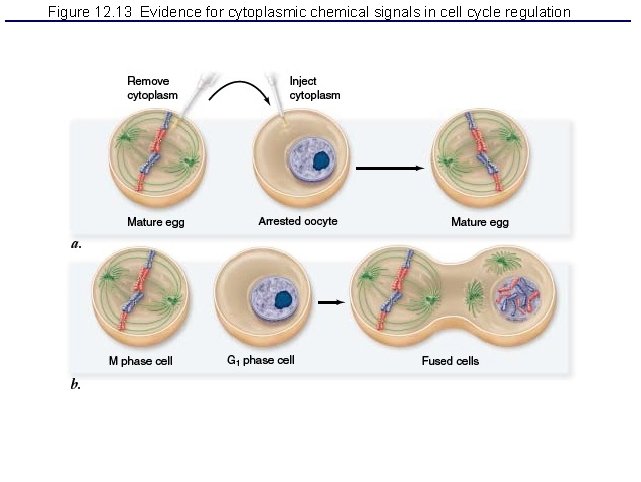
Figure 12. 13 Evidence for cytoplasmic chemical signals in cell cycle regulation
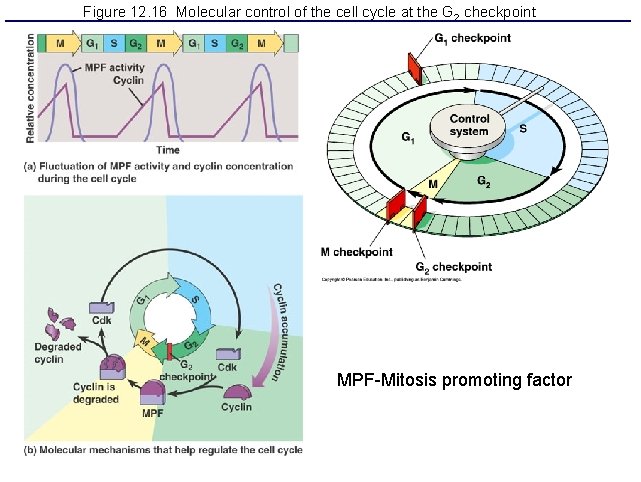
Figure 12. 16 Molecular control of the cell cycle at the G 2 checkpoint MPF-Mitosis promoting factor
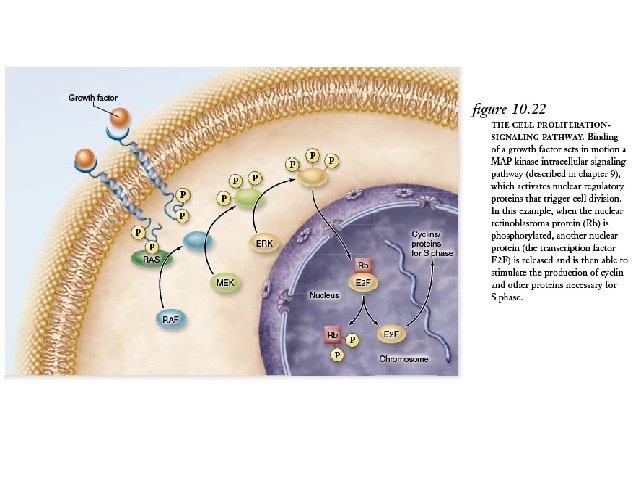
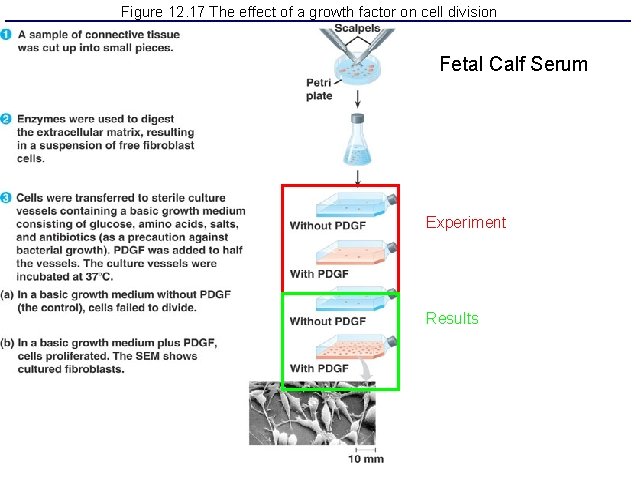
Figure 12. 17 The effect of a growth factor on cell division Fetal Calf Serum Experiment Results
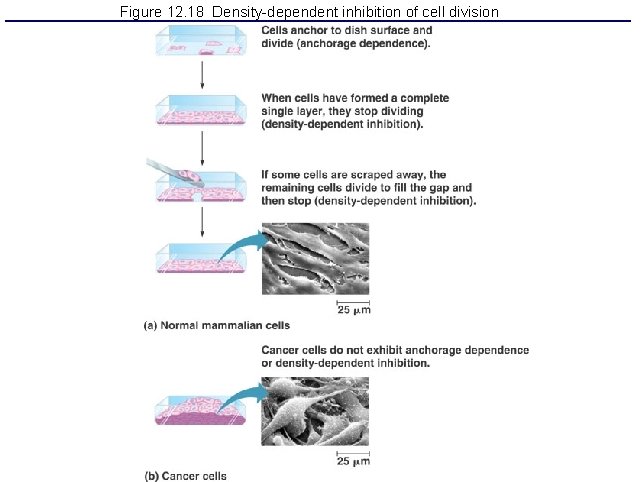
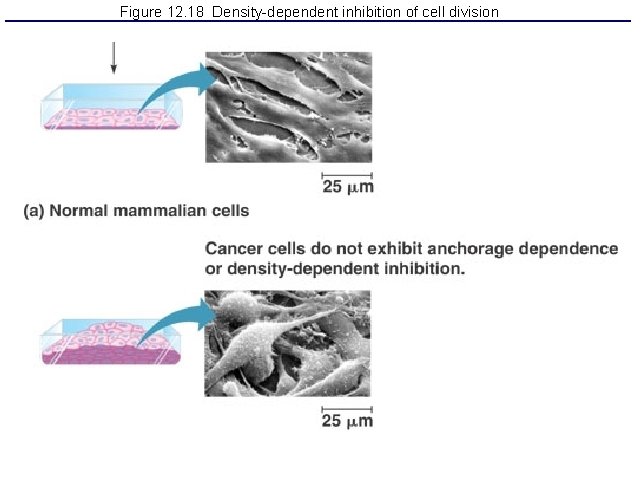
Figure 12. 18 Density-dependent inhibition of cell division
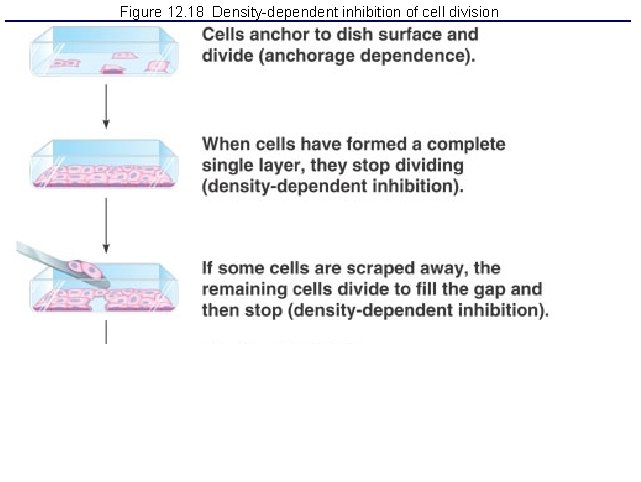
Figure 12. 18 Density-dependent inhibition of cell division
Figure 12. 18 Density-dependent inhibition of cell division
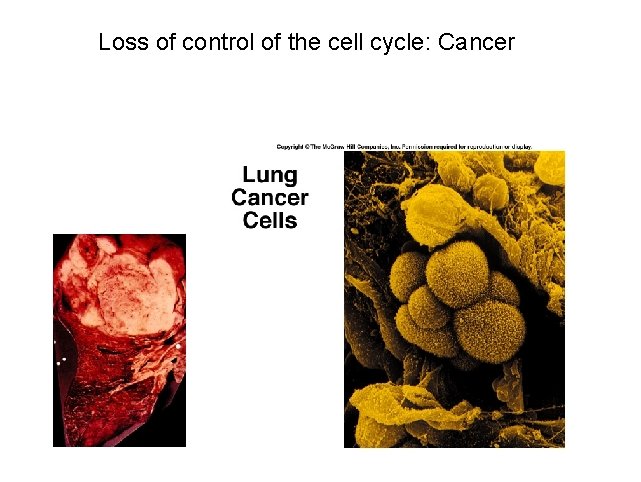
Loss of control of the cell cycle: Cancer
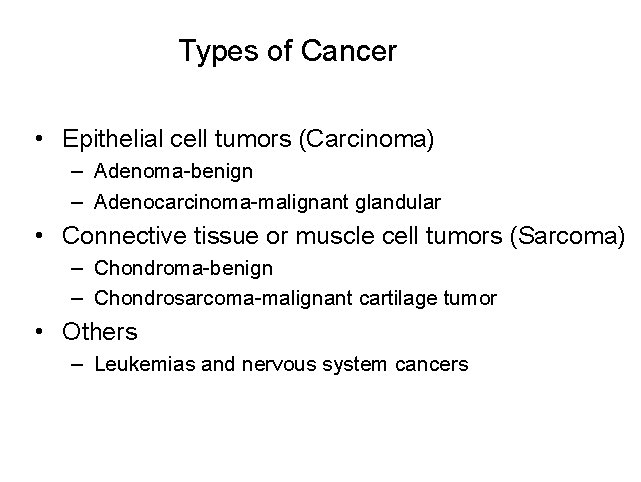
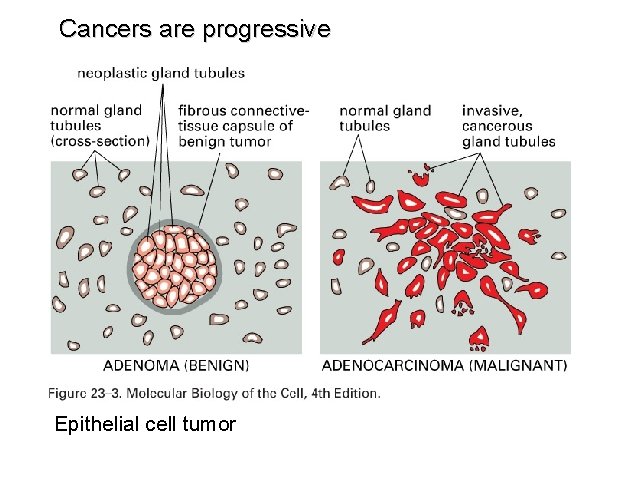
Types of Cancer • Epithelial cell tumors (Carcinoma) – Adenoma-benign – Adenocarcinoma-malignant glandular • Connective tissue or muscle cell tumors (Sarcoma) – Chondroma-benign – Chondrosarcoma-malignant cartilage tumor • Others – Leukemias and nervous system cancers
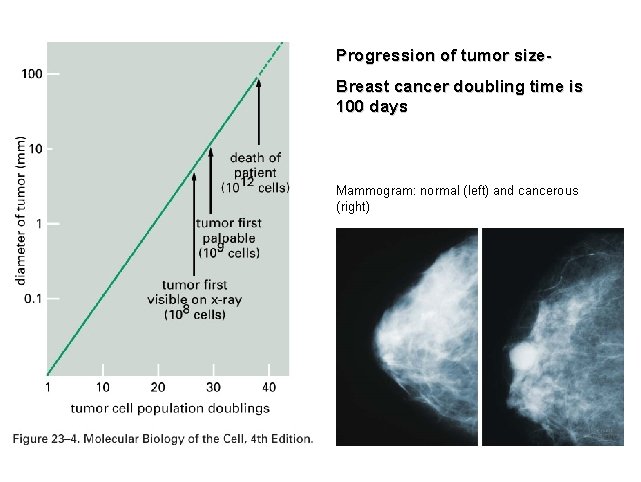
Progression of tumor size. Breast cancer doubling time is 100 days Mammogram: normal (left) and cancerous (right)
Cancers are progressive Epithelial cell tumor
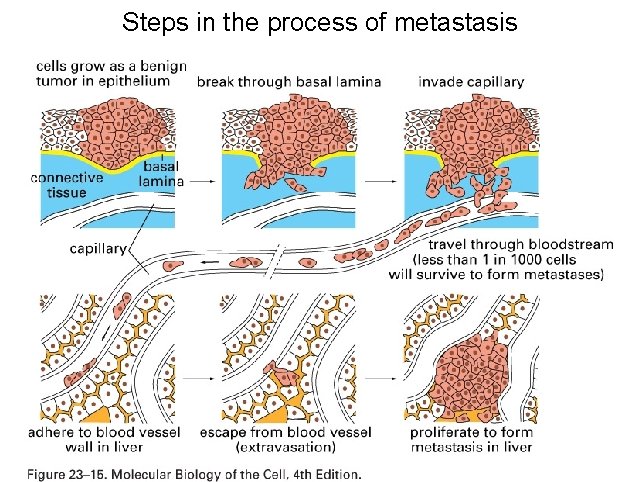
Steps in the process of metastasis
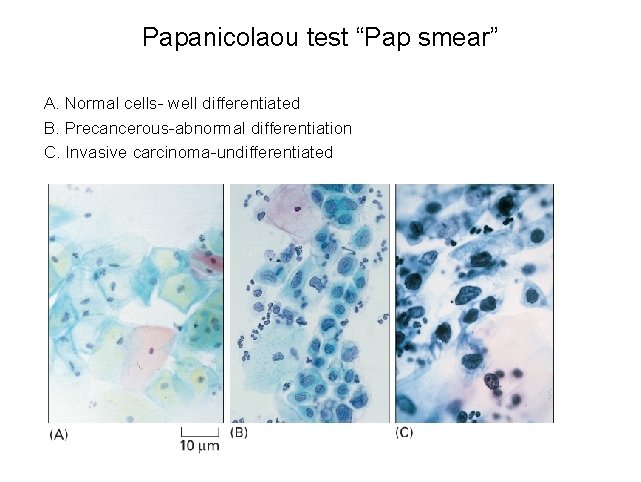
Papanicolaou test “Pap smear” A. Normal cells- well differentiated B. Precancerous-abnormal differentiation C. Invasive carcinoma-undifferentiated
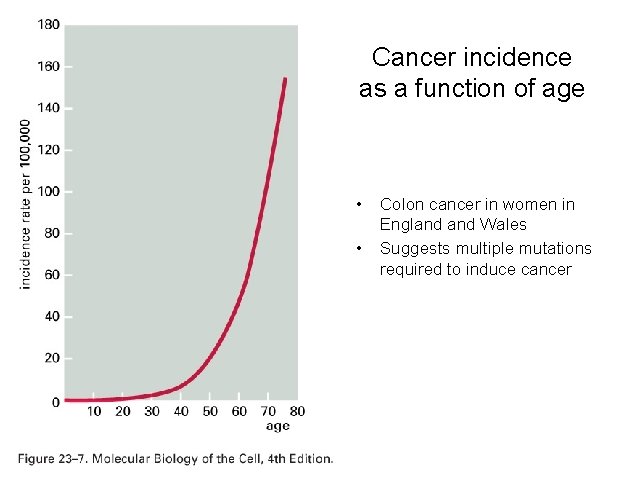
Cancer incidence as a function of age • • Colon cancer in women in England Wales Suggests multiple mutations required to induce cancer
So how is cancer caused? Genes involved in cell cycle regulation are mutated
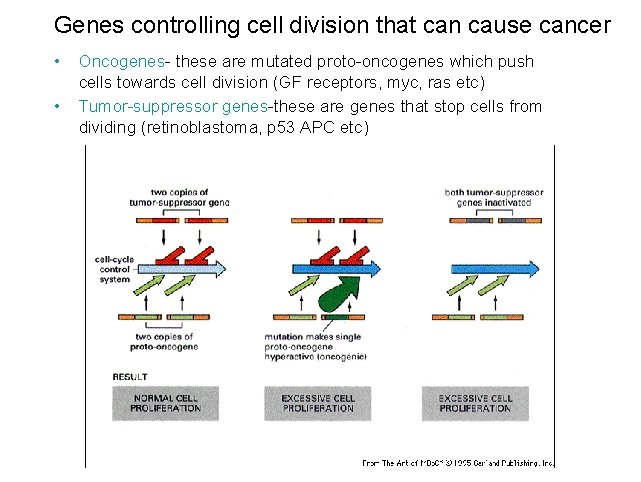
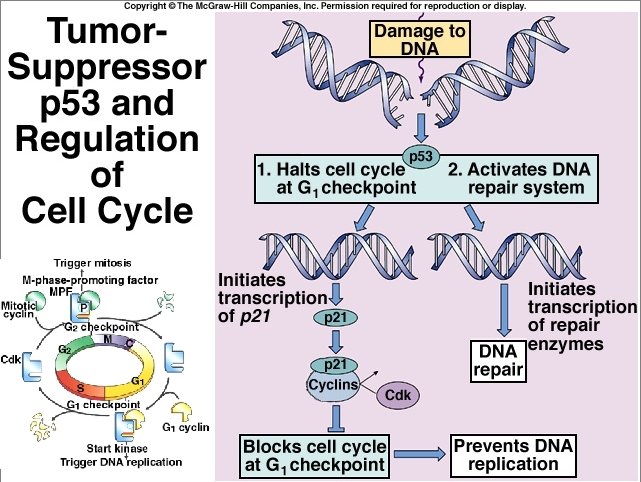
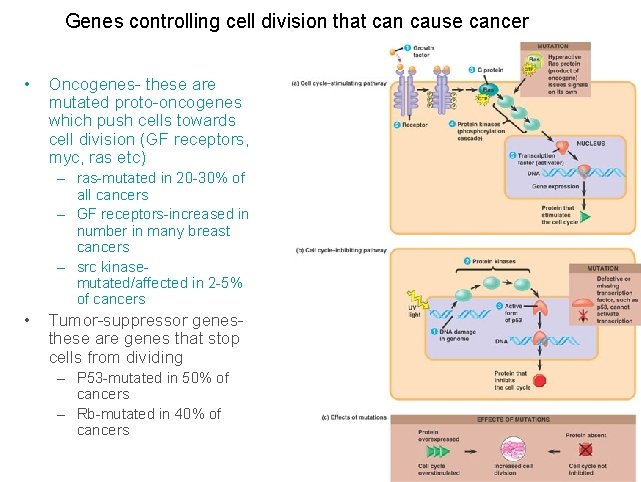
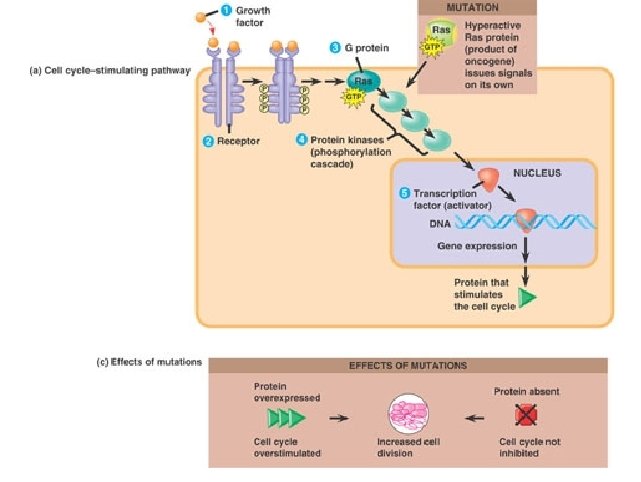
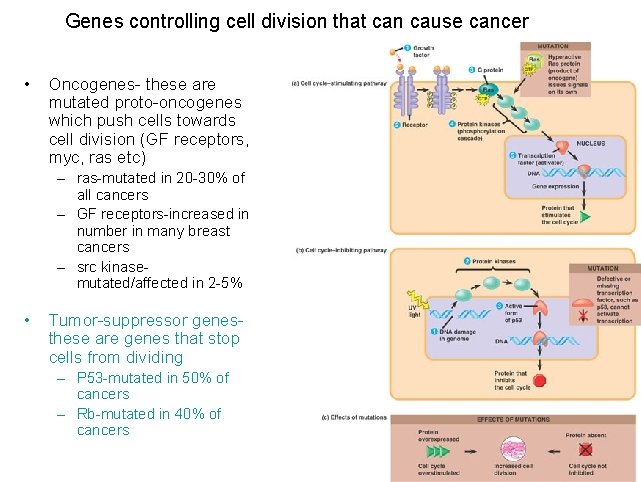
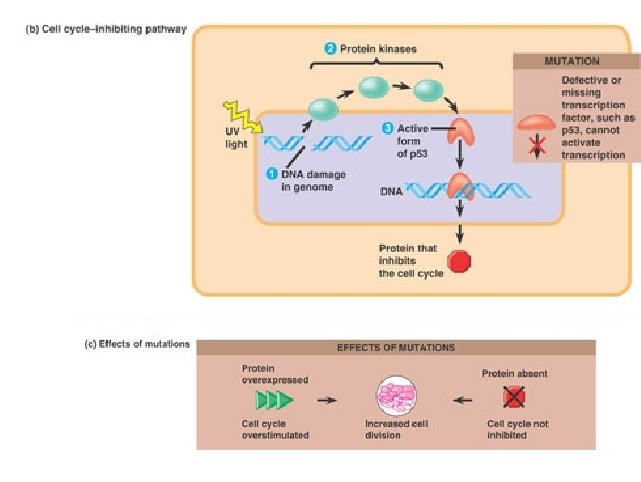
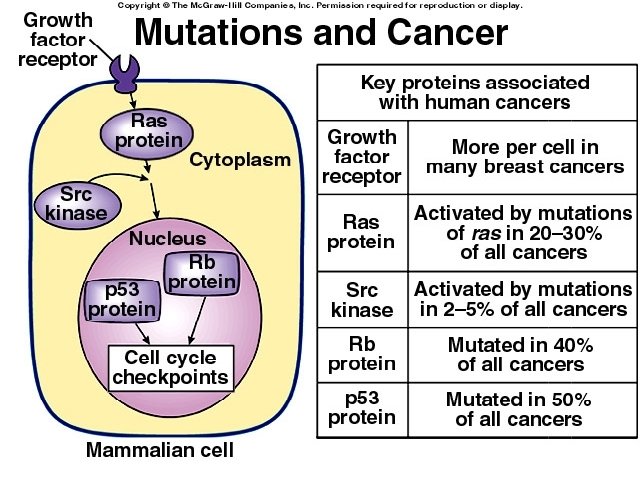
Genes controlling cell division that can cause cancer • • Oncogenes- these are mutated proto-oncogenes which push cells towards cell division (GF receptors, myc, ras etc) Tumor-suppressor genes-these are genes that stop cells from dividing (retinoblastoma, p 53 APC etc)
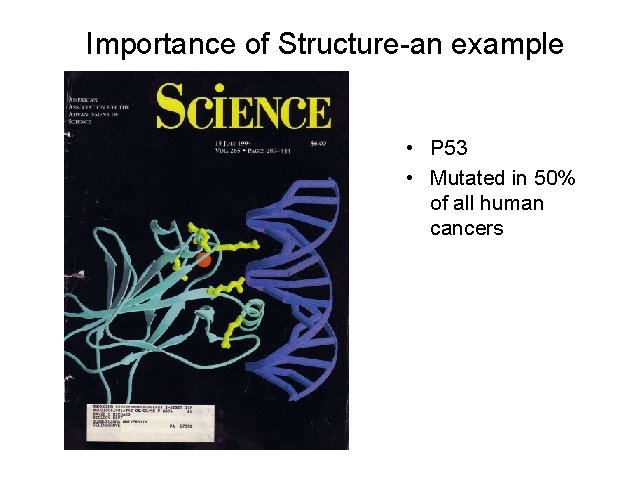
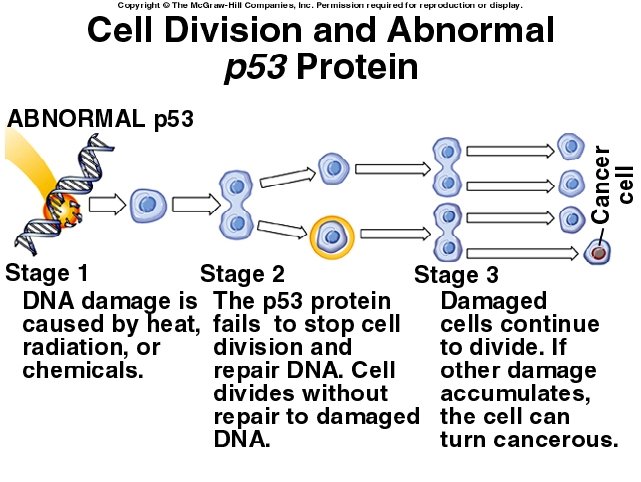
Importance of Structure-an example • P 53 • Mutated in 50% of all human cancers
Cell and Organismal Biology 2009
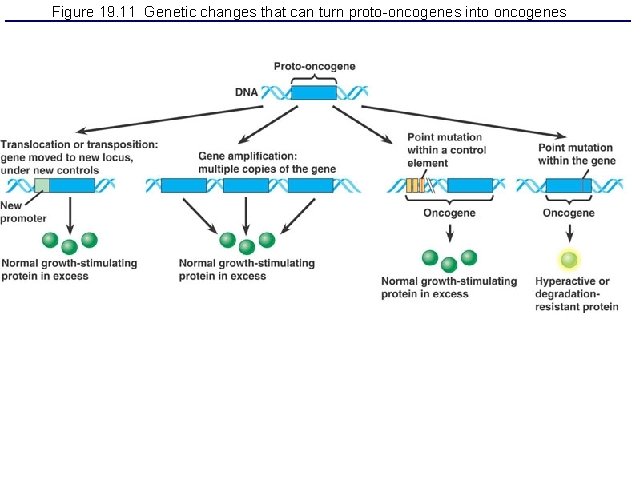
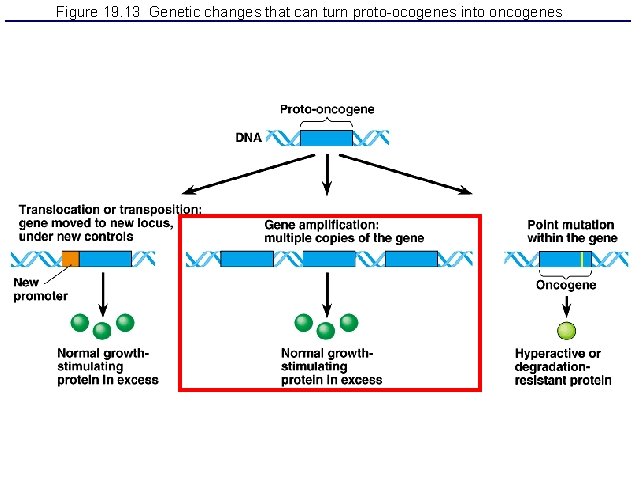
Figure 19. 11 Genetic changes that can turn proto-oncogenes into oncogenes
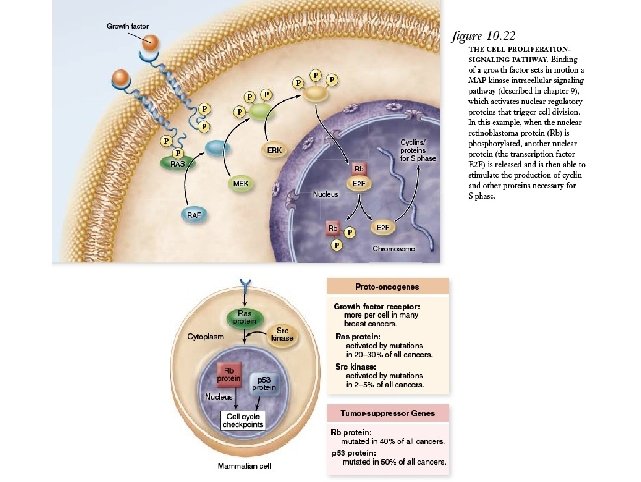
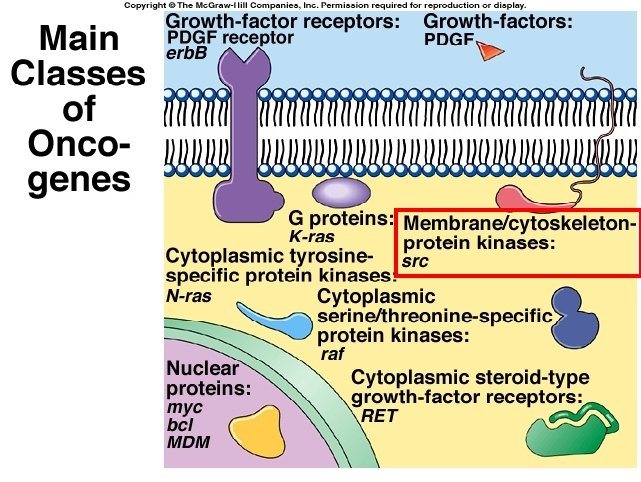
Genes controlling cell division that can cause cancer • Oncogenes- these are mutated proto-oncogenes which push cells towards cell division (GF receptors, myc, ras etc) – ras-mutated in 20 -30% of all cancers – GF receptors-increased in number in many breast cancers – src kinasemutated/affected in 2 -5% of cancers • Tumor-suppressor genesthese are genes that stop cells from dividing – P 53 -mutated in 50% of cancers – Rb-mutated in 40% of cancers
Genes controlling cell division that can cause cancer • Oncogenes- these are mutated proto-oncogenes which push cells towards cell division (GF receptors, myc, ras etc) – ras-mutated in 20 -30% of all cancers – GF receptors-increased in number in many breast cancers – src kinasemutated/affected in 2 -5% of cancers • Tumor-suppressor genesthese are genes that stop cells from dividing – P 53 -mutated in 50% of cancers – Rb-mutated in 40% of cancers
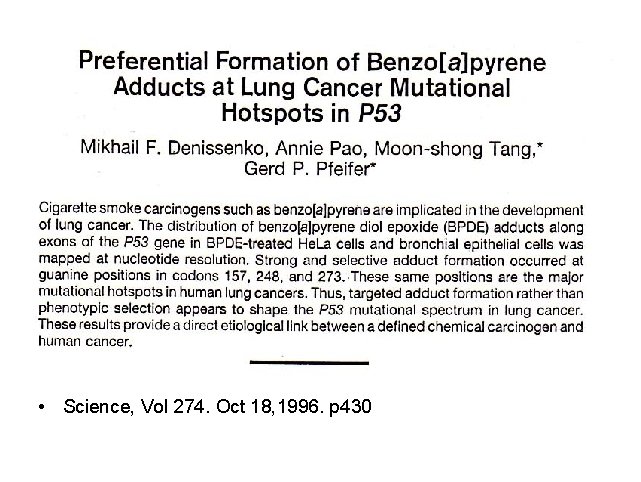
• Science, Vol 274. Oct 18, 1996. p 430
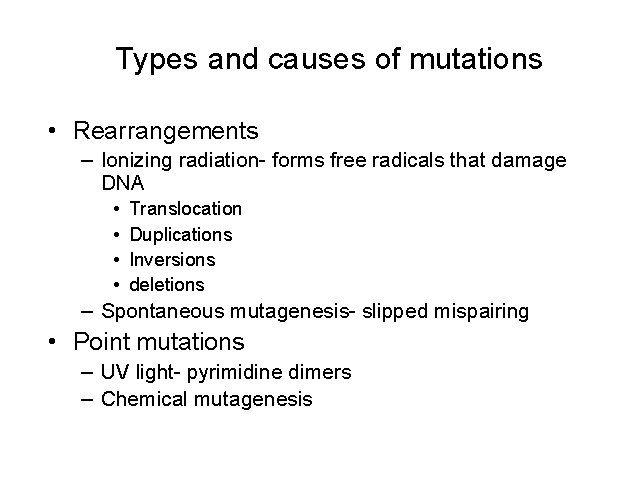
Types and causes of mutations • Rearrangements – Ionizing radiation- forms free radicals that damage DNA • • Translocation Duplications Inversions deletions – Spontaneous mutagenesis- slipped mispairing • Point mutations – UV light- pyrimidine dimers – Chemical mutagenesis
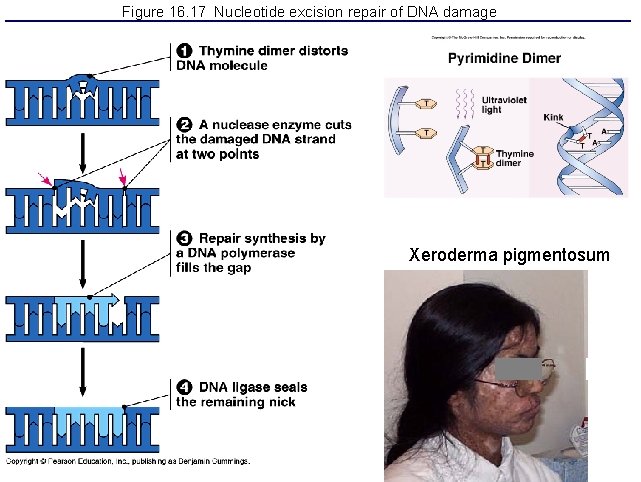
Figure 16. 17 Nucleotide excision repair of DNA damage Xeroderma pigmentosum
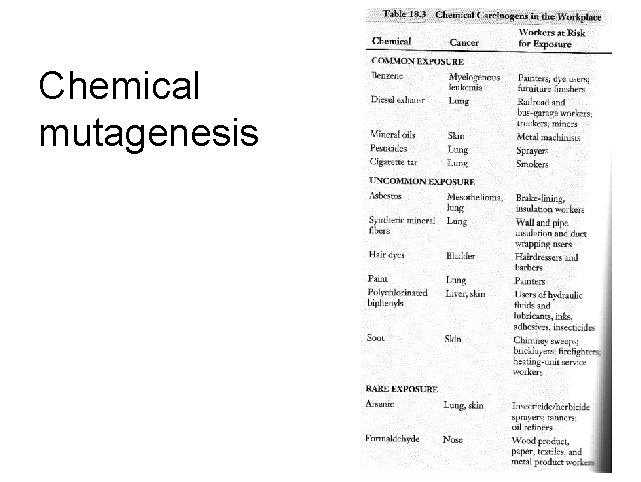
Chemical mutagenesis
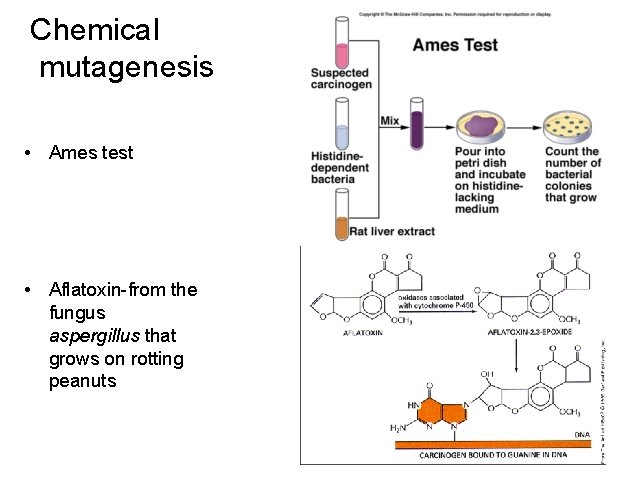
Chemical mutagenesis • Ames test • Aflatoxin-from the fungus aspergillus that grows on rotting peanuts
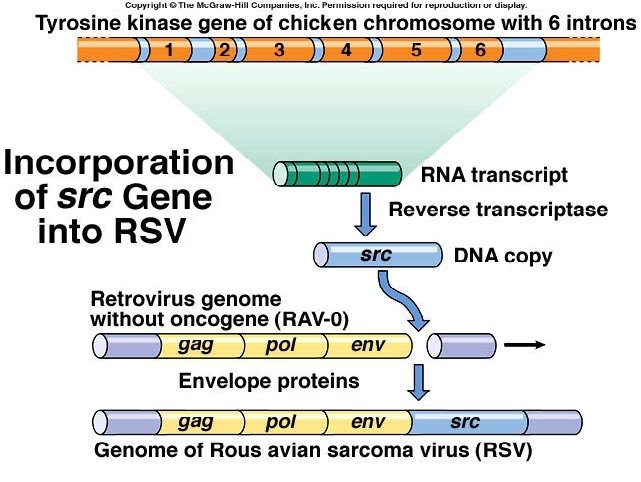
Viruses cause cancer • RNA viruses (retroviruses). Cause cancer by adding oncogenes to cells. – Pick up RNA copies of proto-oncogenes and transfer them to other cells by infection • DNA viruses. Cause cancer by blocking tumor-suppressor proteins.
Figure 19. 13 Genetic changes that can turn proto-ocogenes into oncogenes
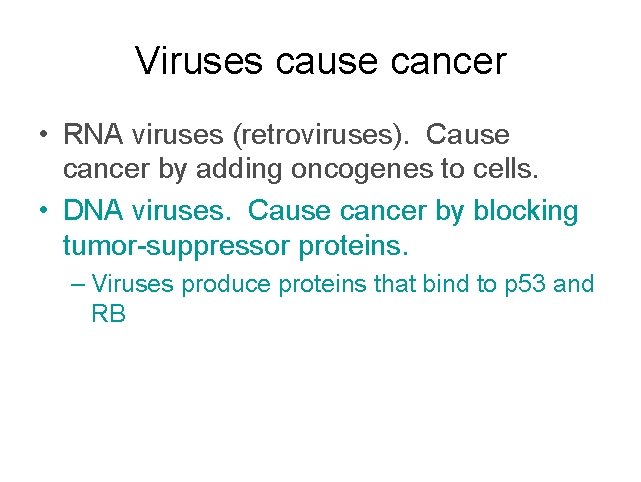
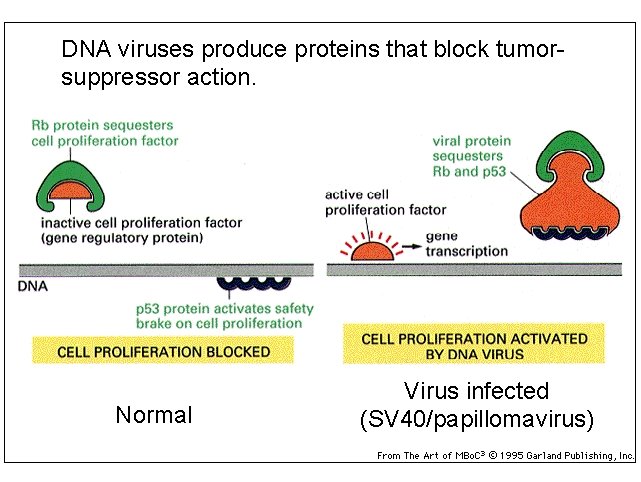
Viruses cause cancer • RNA viruses (retroviruses). Cause cancer by adding oncogenes to cells. • DNA viruses. Cause cancer by blocking tumor-suppressor proteins. – Viruses produce proteins that bind to p 53 and RB
DNA viruses produce proteins that block tumorsuppressor action. Normal Virus infected (SV 40/papillomavirus)
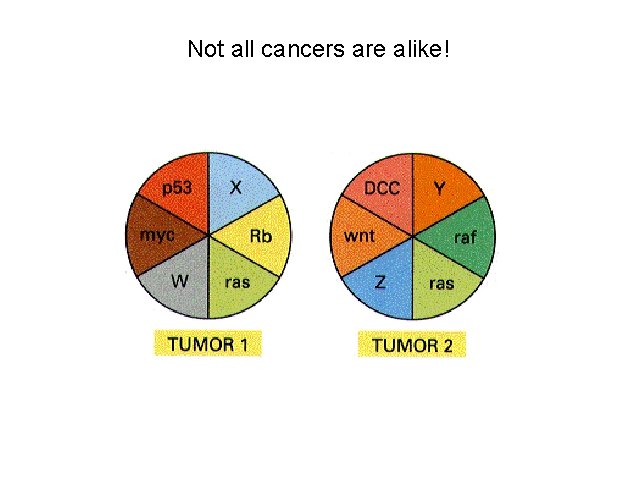
Not all cancers are alike!