
Contributions if Interferometry for Orion M Robberto ESASTSc
Contributions if Interferometry for Orion M. Robberto (ESA/STSc. I)
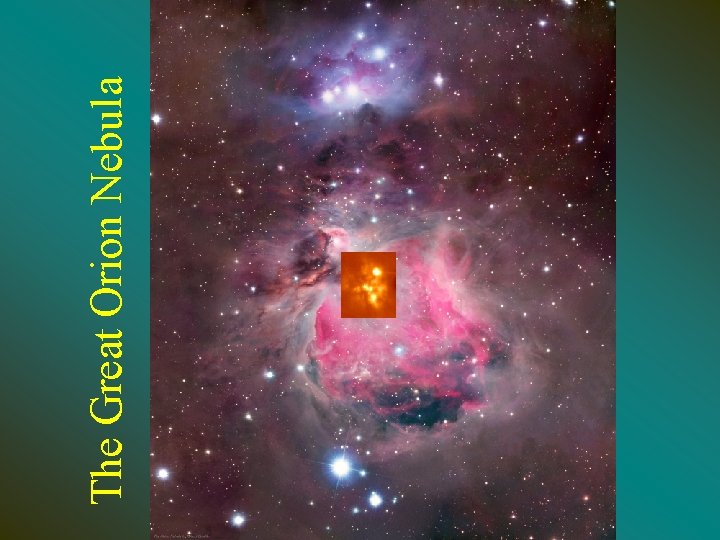
The Great Orion Nebula
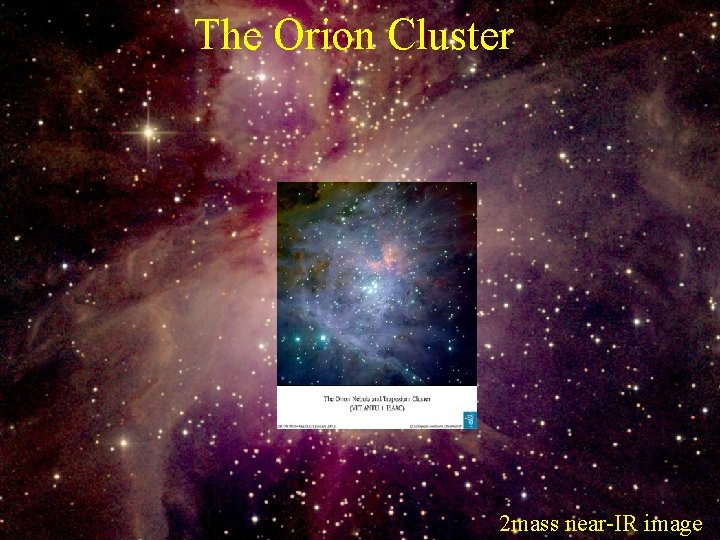
The Orion Cluster 2 mass near-IR image
Why Orion is important? • Is the nearest GMC and the most recent episode of massive star formation • Distance is fairly well known (~450 pc) • Background contamination is low • Is the paradigm for typical star formation • Is the paradigm for typical planet formation?
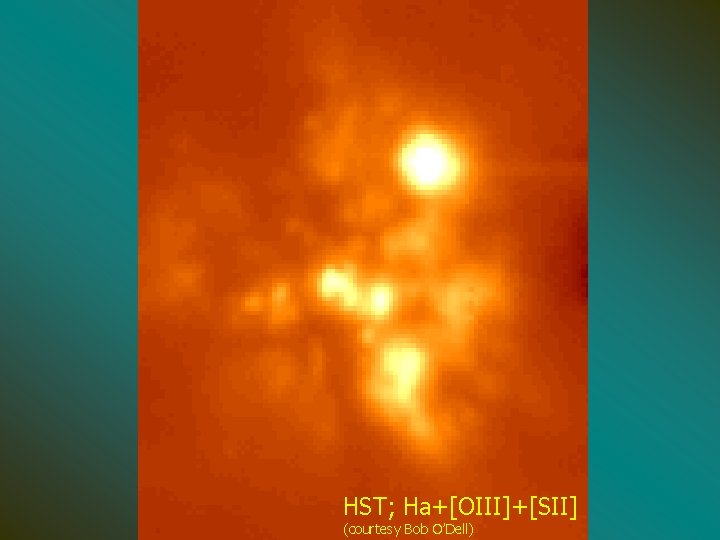
The HST mosaic HST; Ha+[OIII]+[SII] (courtesy Bob O’Dell)
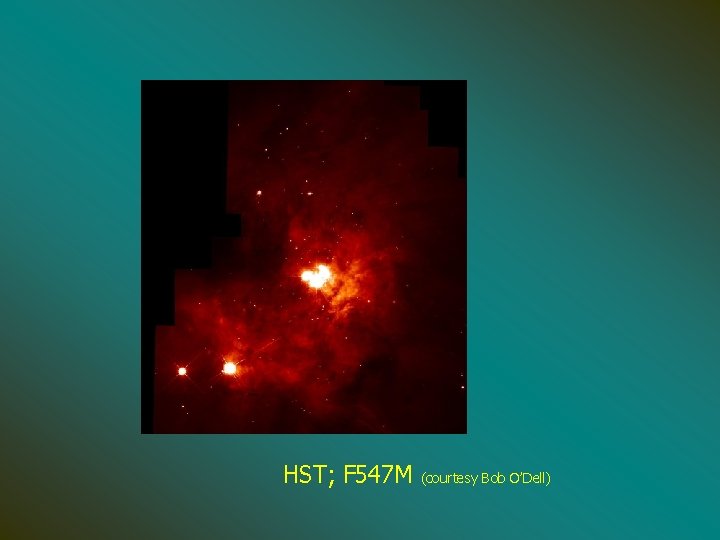
HST; F 547 M (courtesy Bob O’Dell)
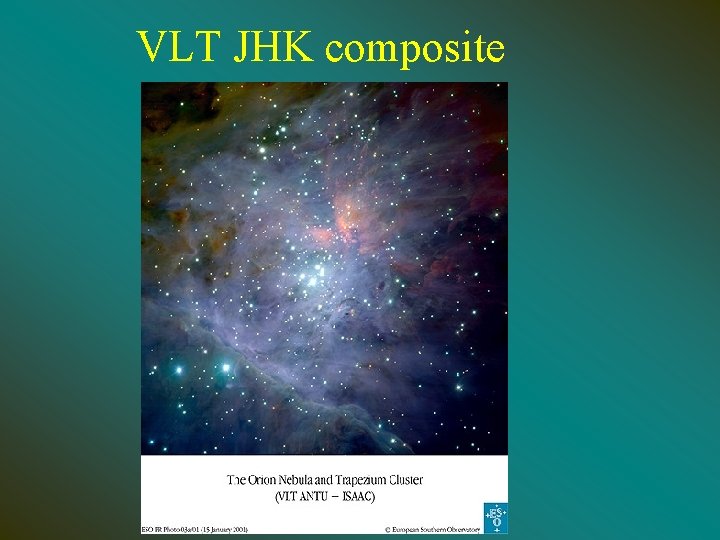
VLT JHK composite
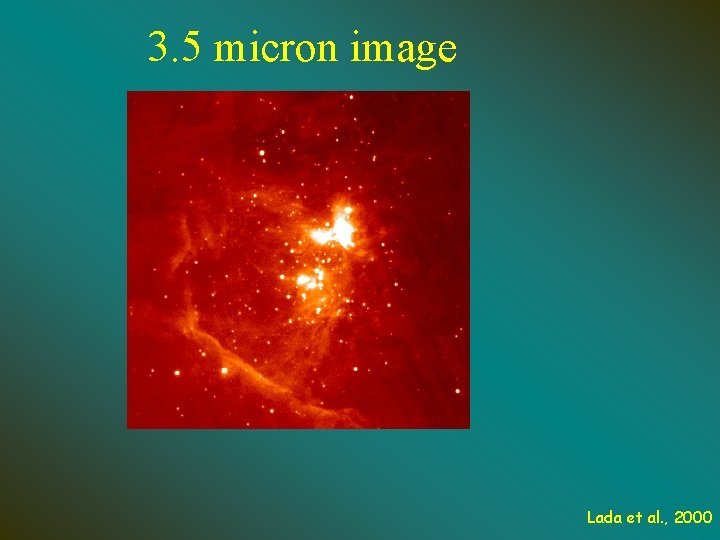
3. 5 micron image Lada et al. , 2000
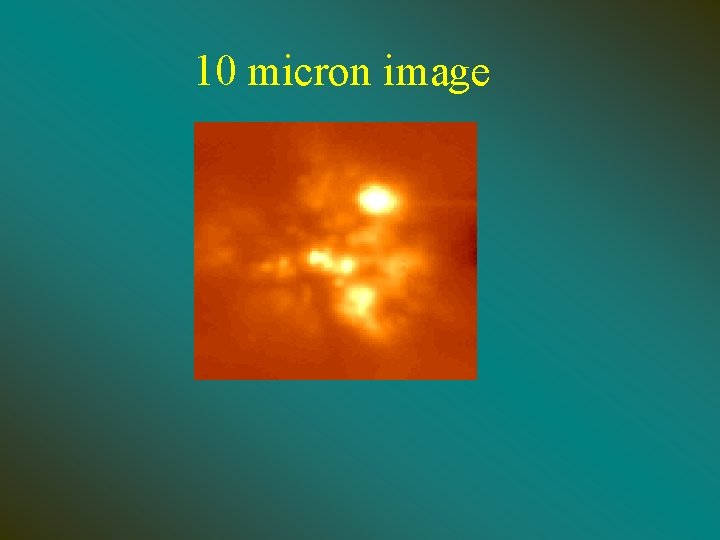
10 micron image
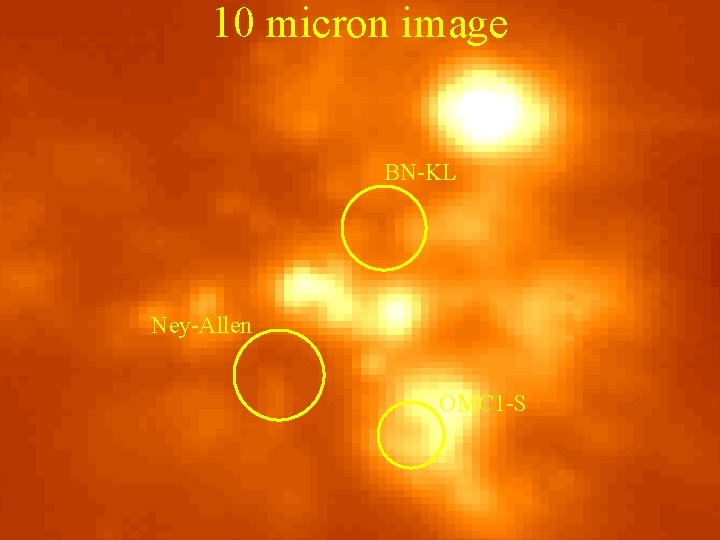
10 micron image BN-KL Ney-Allen OMC 1 -S
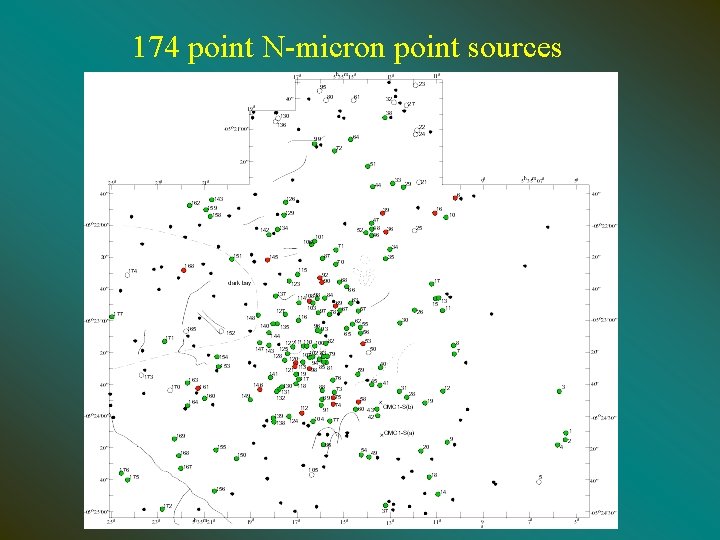
174 point N-micron point sources
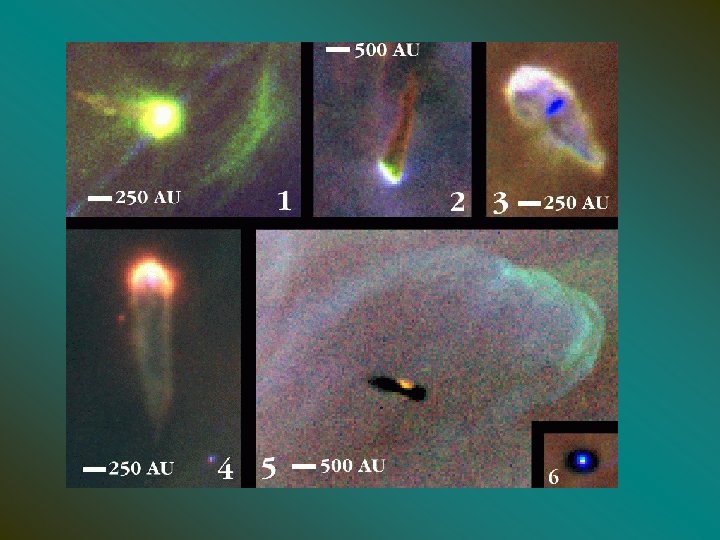
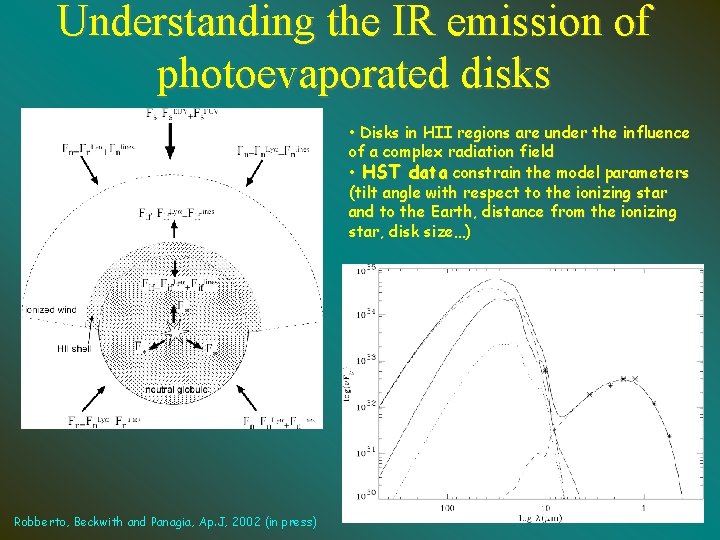
Understanding the IR emission of photoevaporated disks • Disks in HII regions are under the influence of a complex radiation field • HST data constrain the model parameters (tilt angle with respect to the ionizing star and to the Earth, distance from the ionizing star, disk size…) Robberto, Beckwith and Panagia, Ap. J, 2002 (in press)
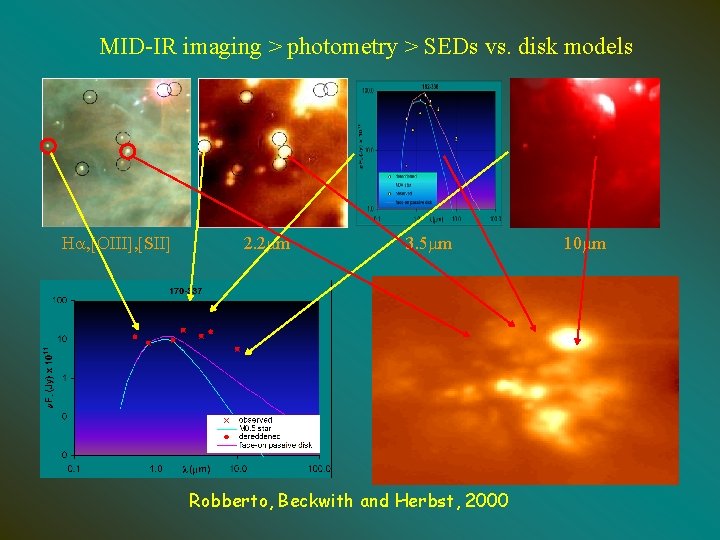
MID-IR imaging > photometry > SEDs vs. disk models Ha, [OIII], [SII] 2. 2 mm 3. 5 mm Robberto, Beckwith and Herbst, 2000 10 mm
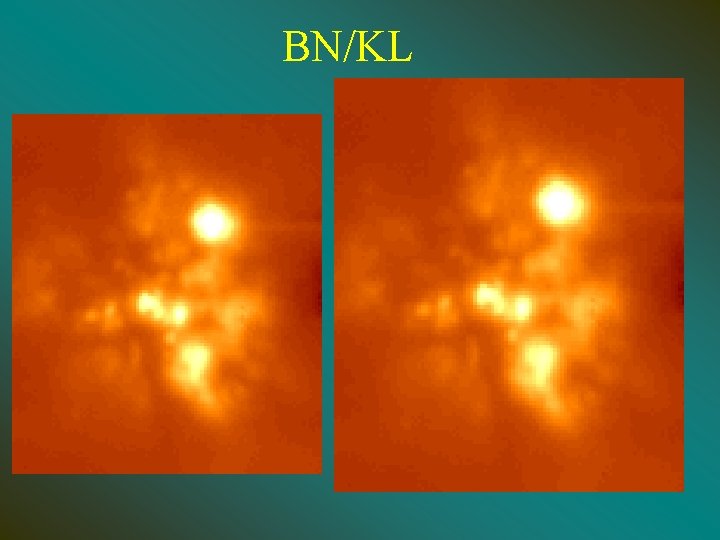
BN/KL
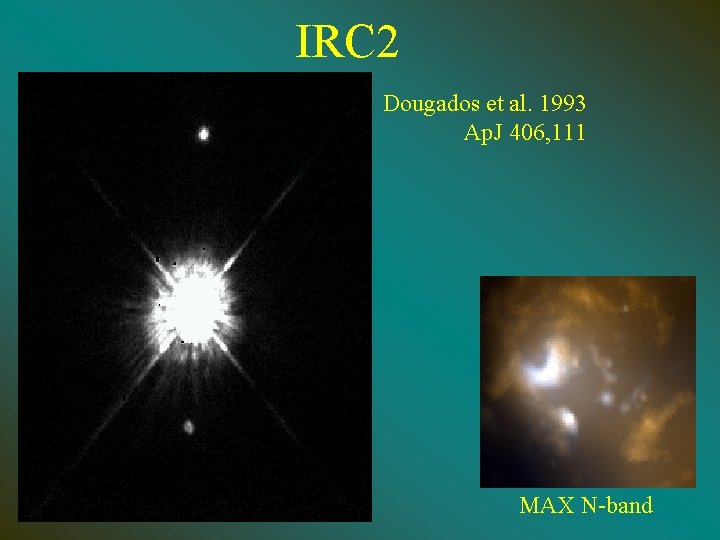
IRC 2 Dougados et al. 1993 Ap. J 406, 111 MAX N-band
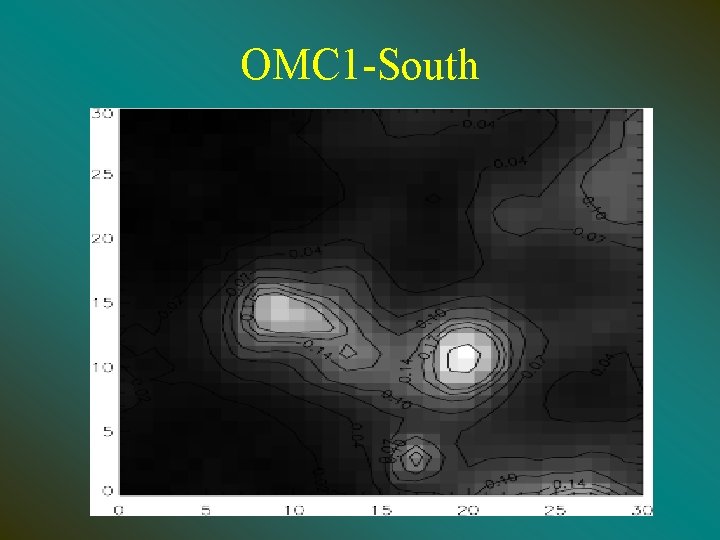
OMC 1 -South
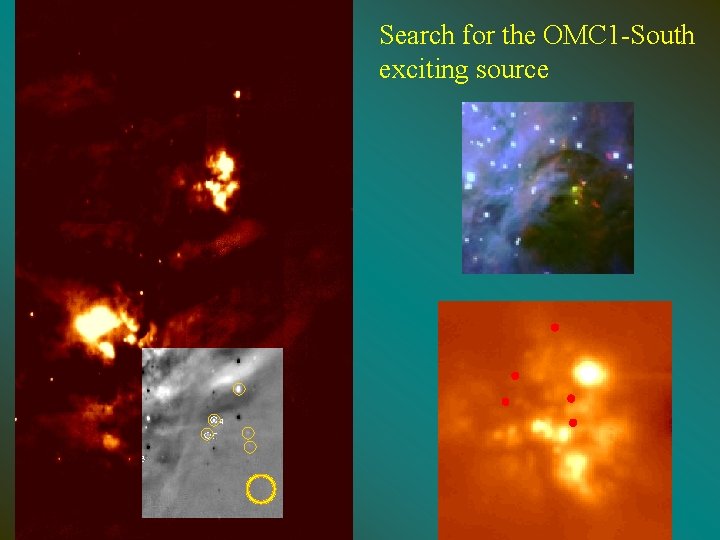
Search for the OMC 1 -South exciting source
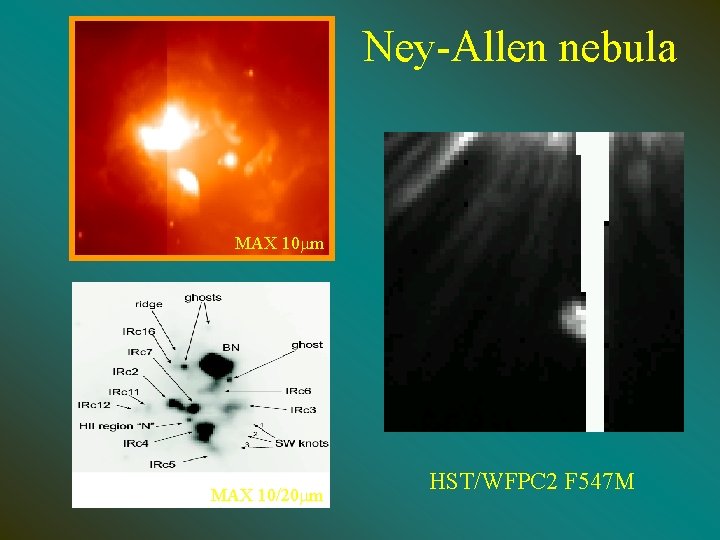
Ney-Allen nebula MAX 10 mm MAX 10/20 mm HST/WFPC 2 F 547 M

1 q Ori-C and SC 3 F 336 W – PC 1 s
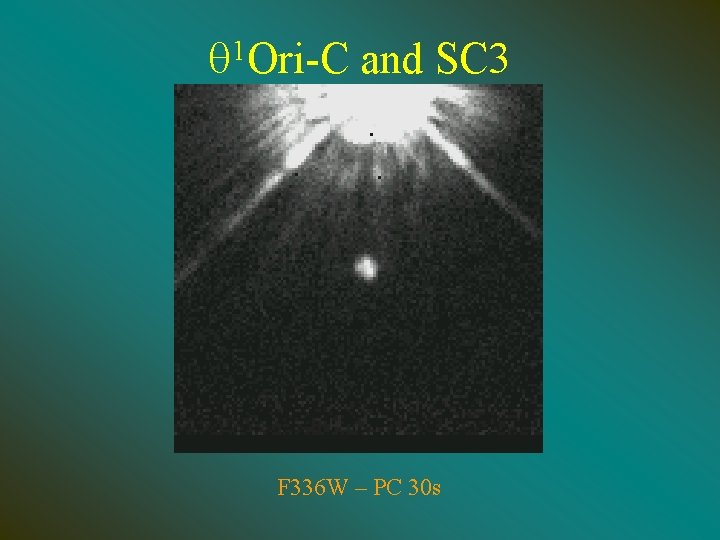
1 q Ori-C and SC 3 F 336 W – PC 30 s
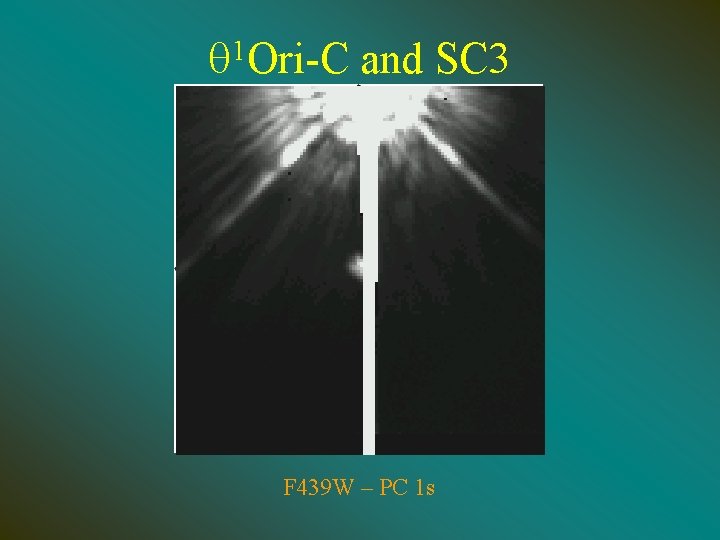
1 q Ori-C and SC 3 F 439 W – PC 1 s
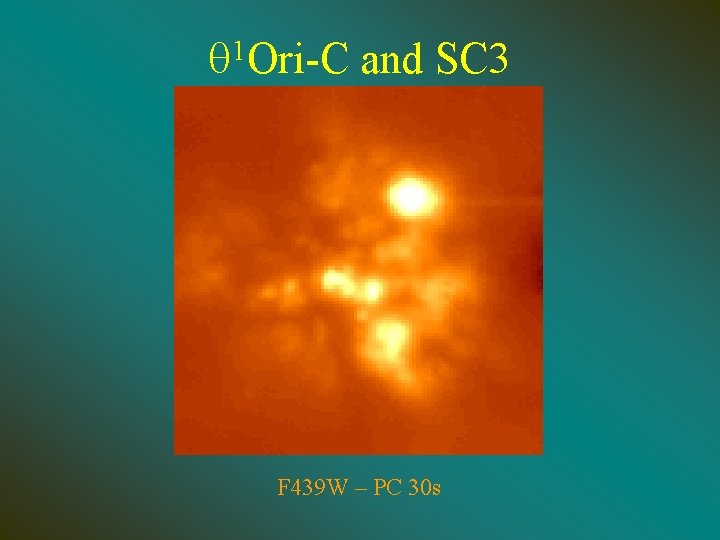
1 q Ori-C and SC 3 F 439 W – PC 30 s
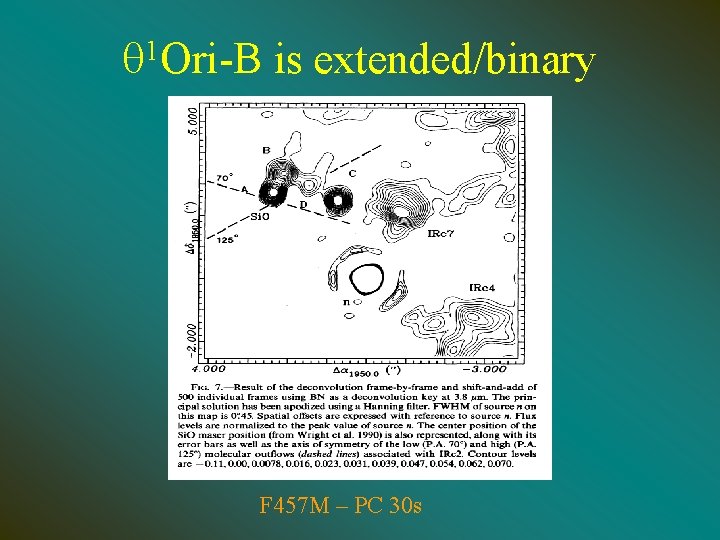
1 q Ori-B is extended/binary F 457 M – PC 30 s
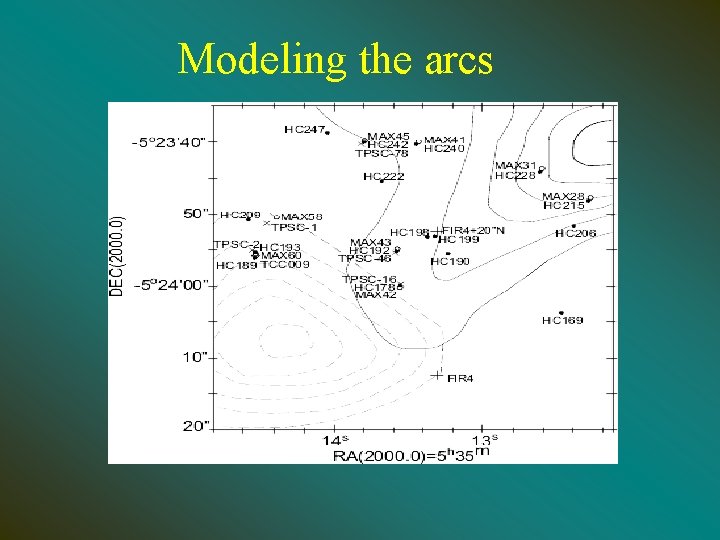
Modeling the arcs
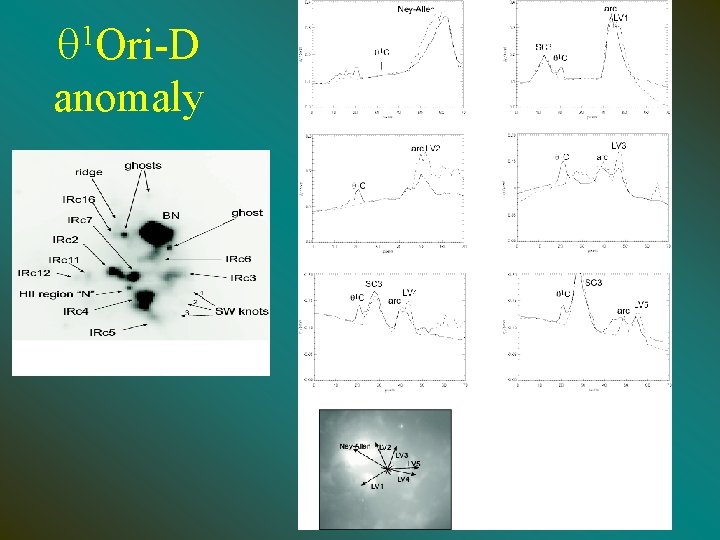
q 1 Ori-D anomaly
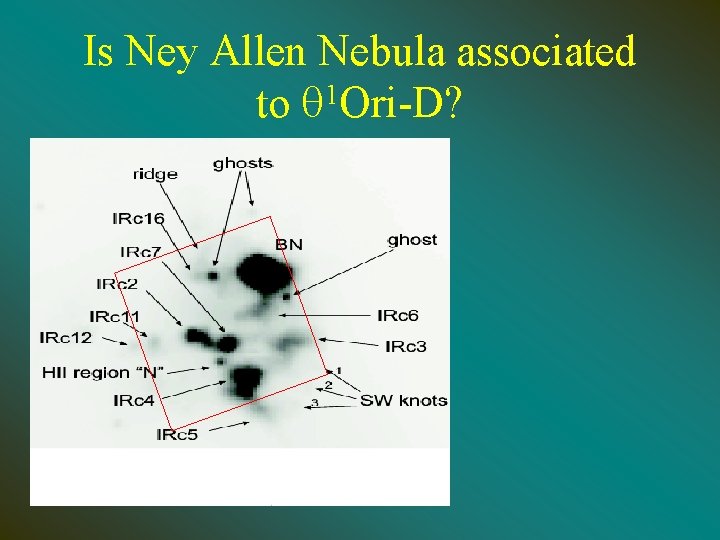
Is Ney Allen Nebula associated to q 1 Ori-D?
- Slides: 27