
CONTRAST MEDIA Venipuncture Tomography Brief Review of Contrast
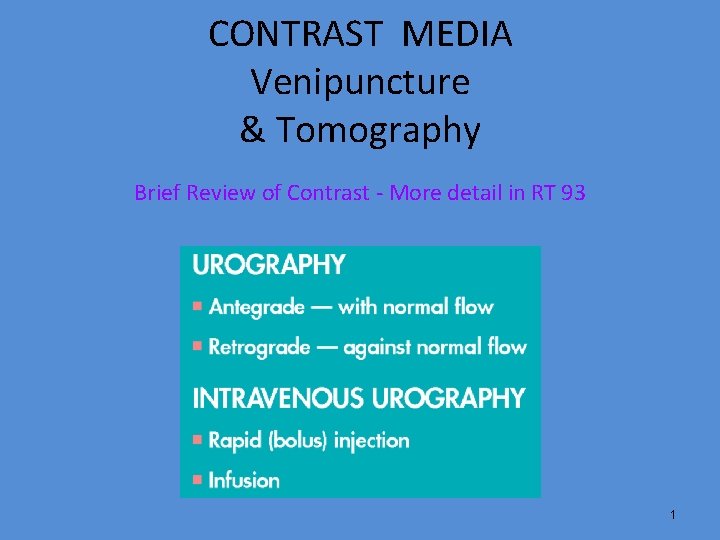
CONTRAST MEDIA Venipuncture & Tomography Brief Review of Contrast - More detail in RT 93 1
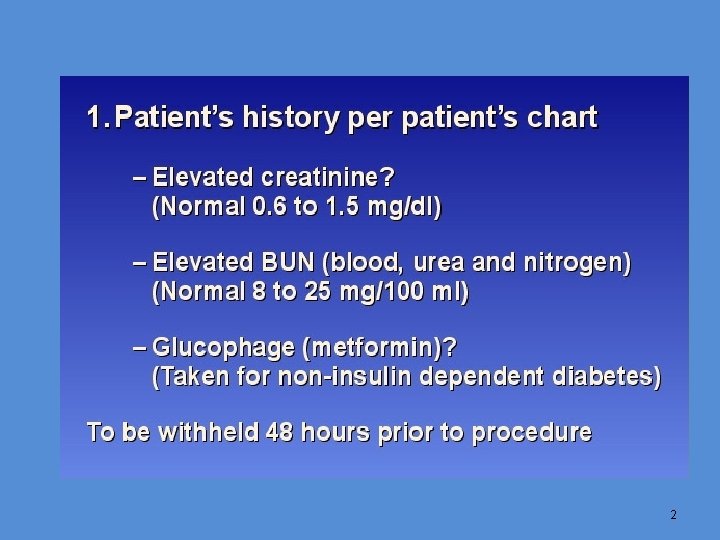
2
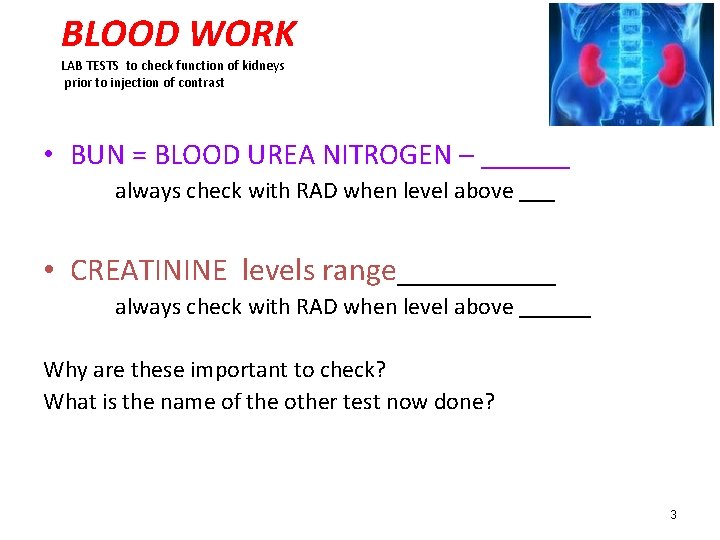
BLOOD WORK LAB TESTS to check function of kidneys prior to injection of contrast • BUN = BLOOD UREA NITROGEN – ______ always check with RAD when level above ___ • CREATININE levels range_____ always check with RAD when level above ______ Why are these important to check? What is the name of the other test now done? 3
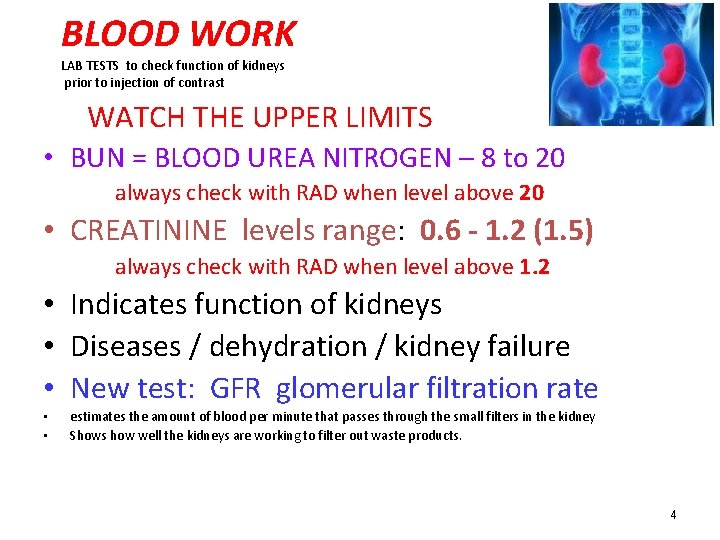
BLOOD WORK LAB TESTS to check function of kidneys prior to injection of contrast WATCH THE UPPER LIMITS • BUN = BLOOD UREA NITROGEN – 8 to 20 always check with RAD when level above 20 • CREATININE levels range: 0. 6 - 1. 2 (1. 5) always check with RAD when level above 1. 2 • Indicates function of kidneys • Diseases / dehydration / kidney failure • New test: GFR glomerular filtration rate • • estimates the amount of blood per minute that passes through the small filters in the kidney Shows how well the kidneys are working to filter out waste products. 4
Contrast Induced NEPHROPATHY • ANGIOS • CT SCAN (includes urography) • • • 30 % MORTALITY MORE THAN JUST BUN & CREATININE LAB WILL DO ANALYSIS Should be taken with last month – Most over 50 need blood work before contrast injection 5
• Requirements for CREATININE testing prior to iodinated contrast media injections (for the purpose of reducing the chance of contrast-induced renal failure): • Patients > 50 years of age are to have a recent (within 30 days) serum creatinine prior to contrast injection. • Patients < 50 years of age do not require labs, UNLESS the patient has one or more of the following: • An underlying medical condition that impairs the renal system • Cancer • Recently (within 30 days) had chemotherapy • History of renal disease. • Diabetes mellitus • Receiving treatment with potentially nephrotoxic drugs • Guidelines from UCSD 6
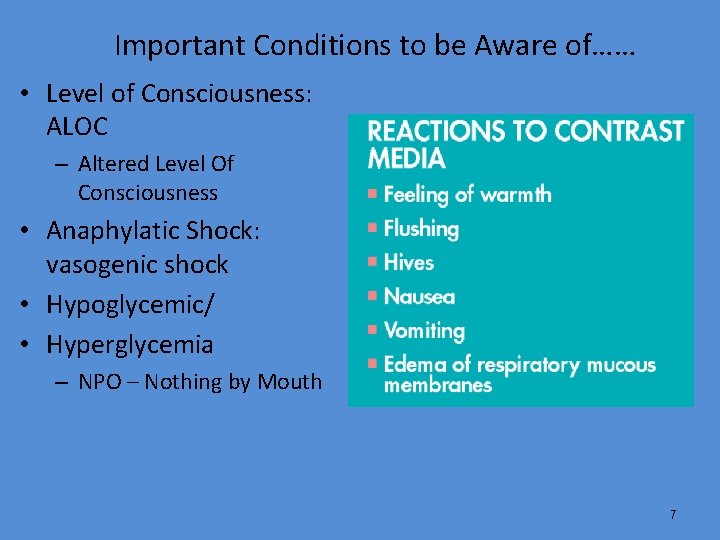
Important Conditions to be Aware of…… • Level of Consciousness: ALOC – Altered Level Of Consciousness • Anaphylatic Shock: vasogenic shock • Hypoglycemic/ • Hyperglycemia – NPO – Nothing by Mouth 7
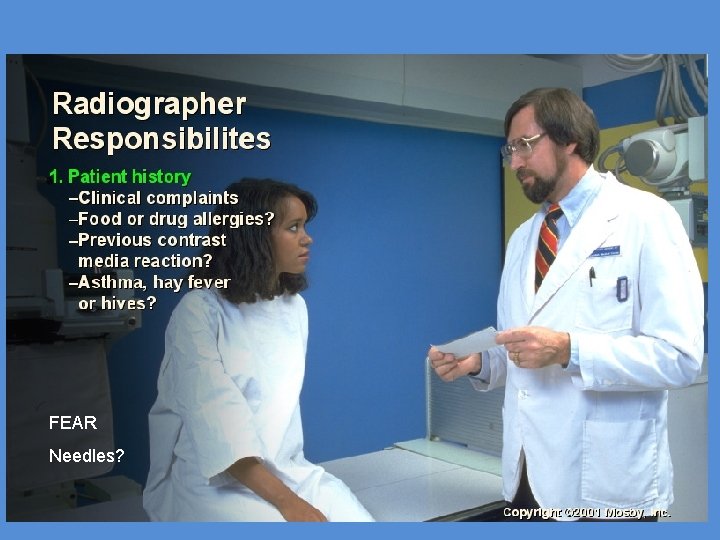
FEAR Needles? 8
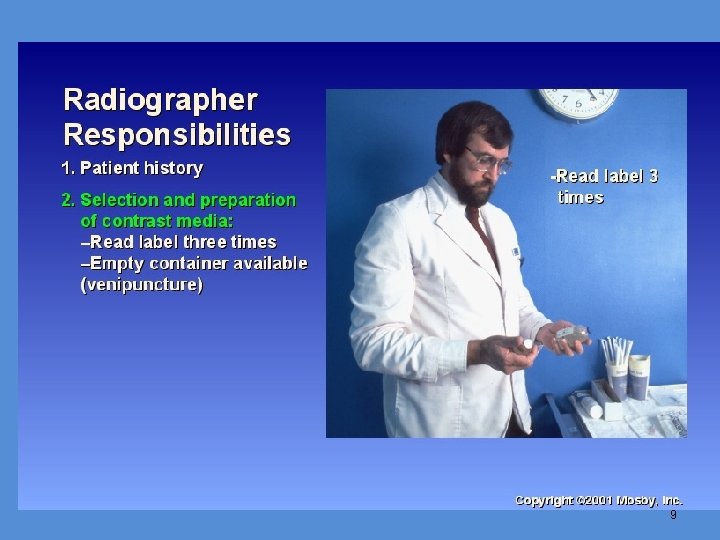
9
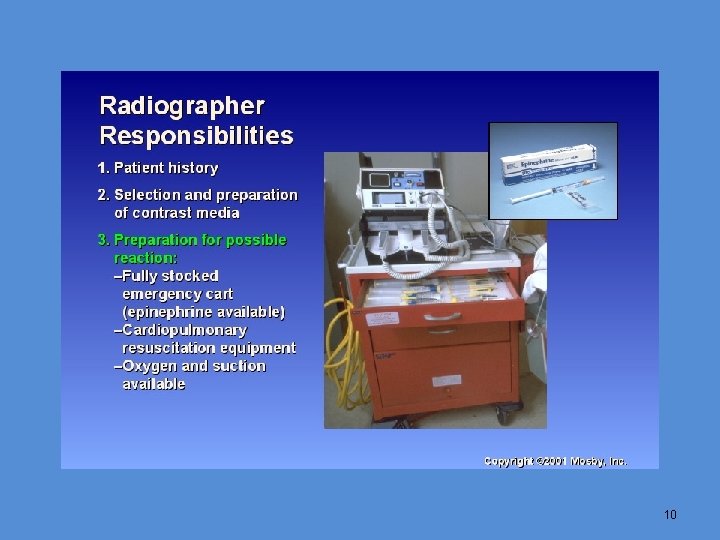
10
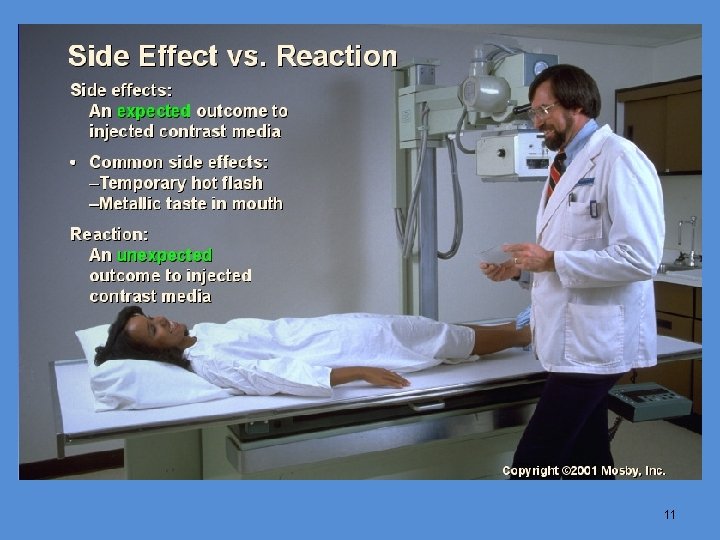
11
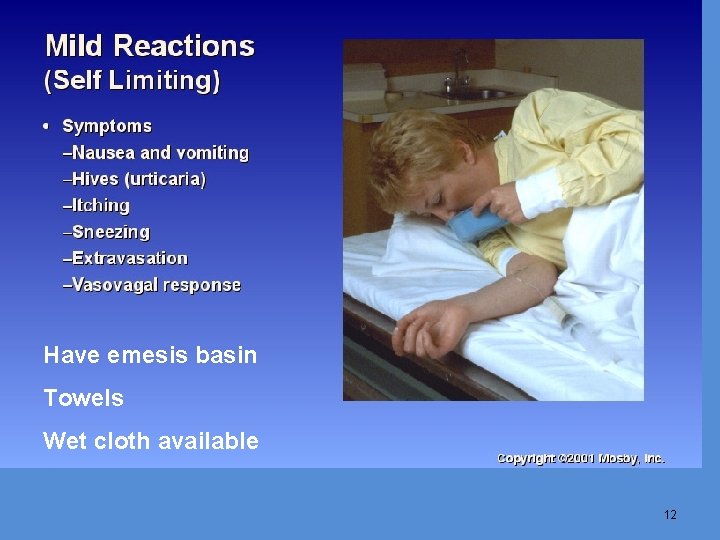
Have emesis basin Towels Wet cloth available 12
13
14
15
16
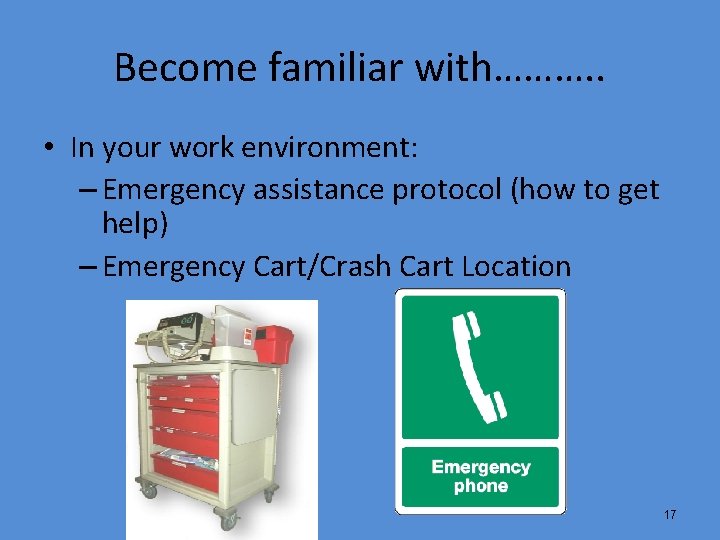
Become familiar with………. . • In your work environment: – Emergency assistance protocol (how to get help) – Emergency Cart/Crash Cart Location 17
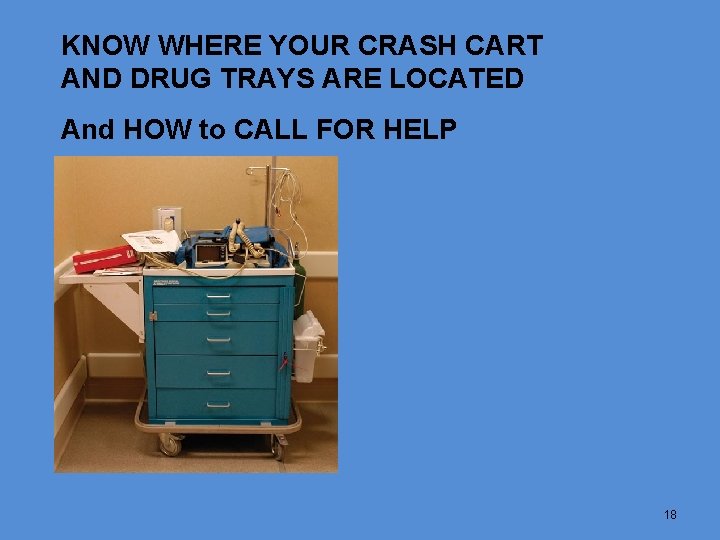
KNOW WHERE YOUR CRASH CART AND DRUG TRAYS ARE LOCATED And HOW to CALL FOR HELP 18
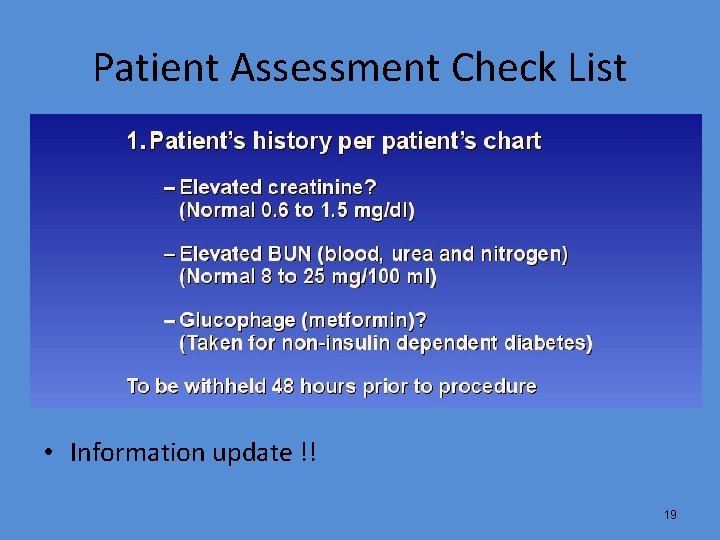
Patient Assessment Check List • Information update !! 19

20
21
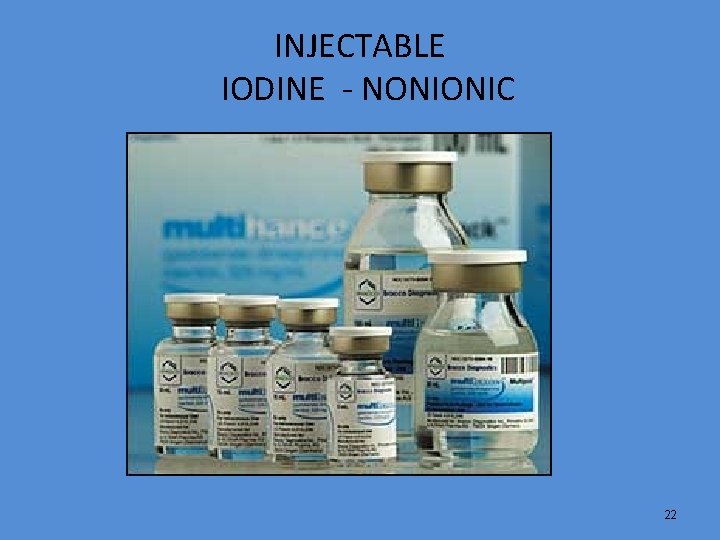
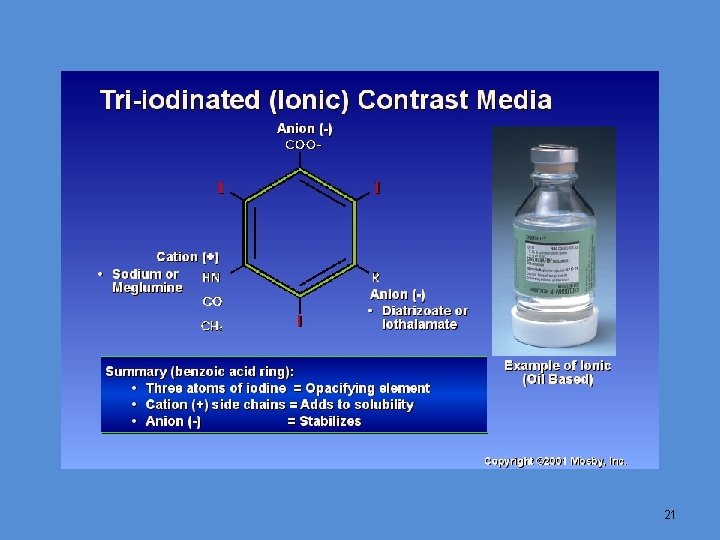
INJECTABLE IODINE - NONIONIC 22
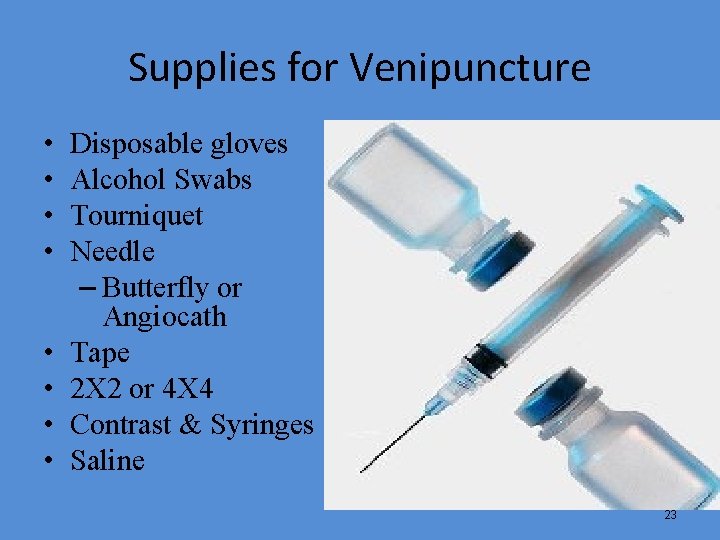
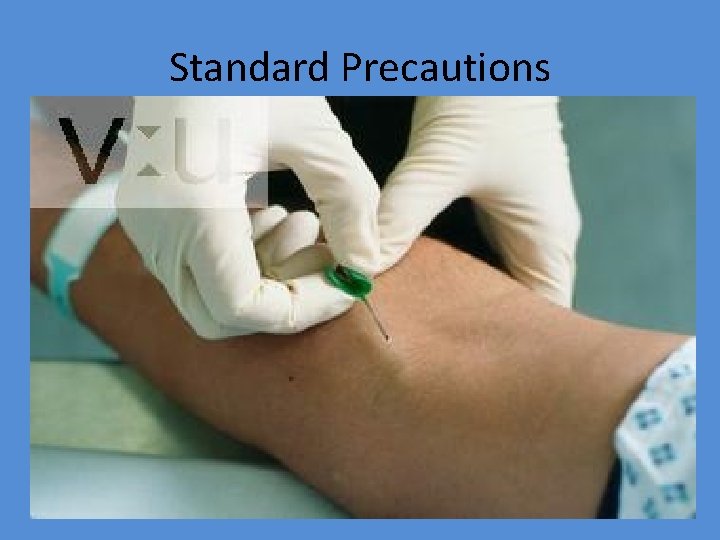
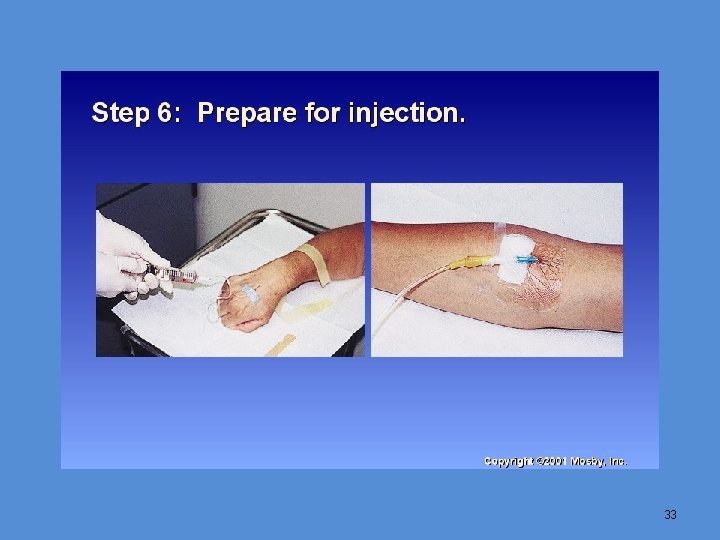
Supplies for Venipuncture • • Disposable gloves Alcohol Swabs Tourniquet Needle – Butterfly or Angiocath Tape 2 X 2 or 4 X 4 Contrast & Syringes Saline 23
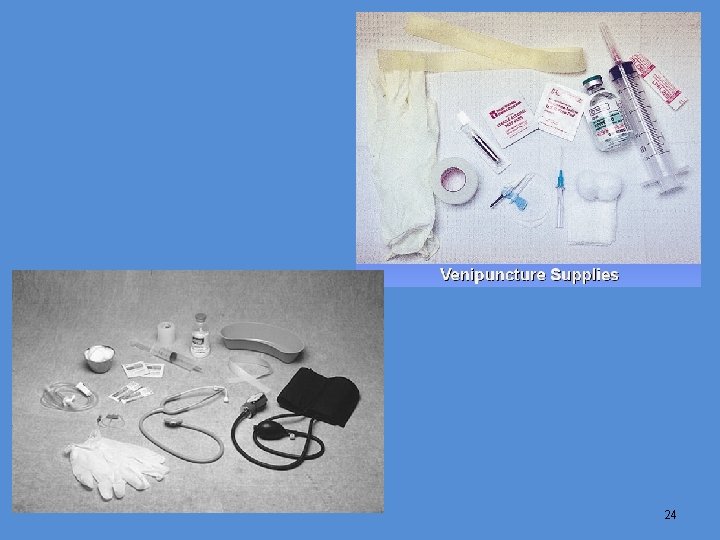
24
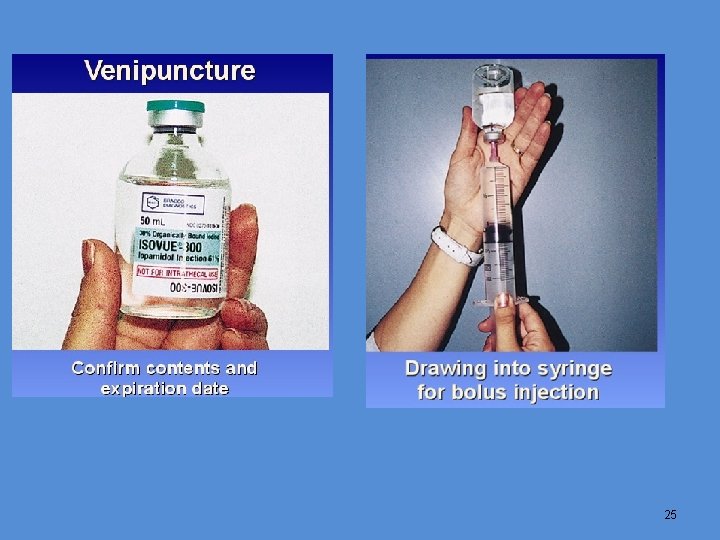
25
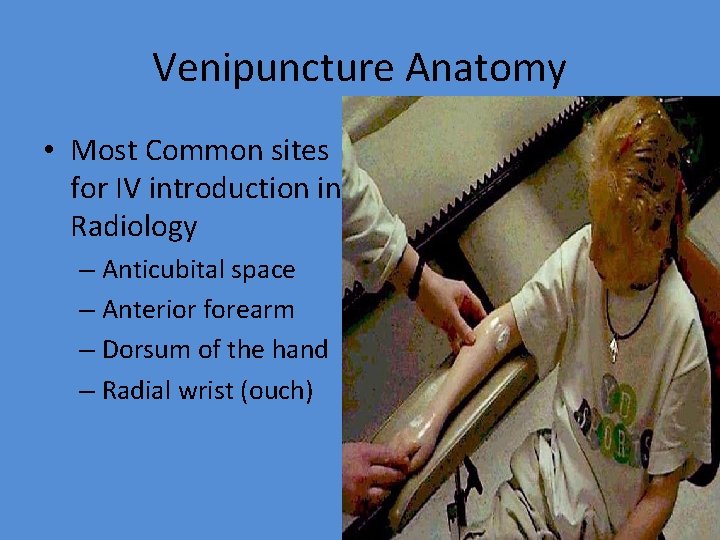
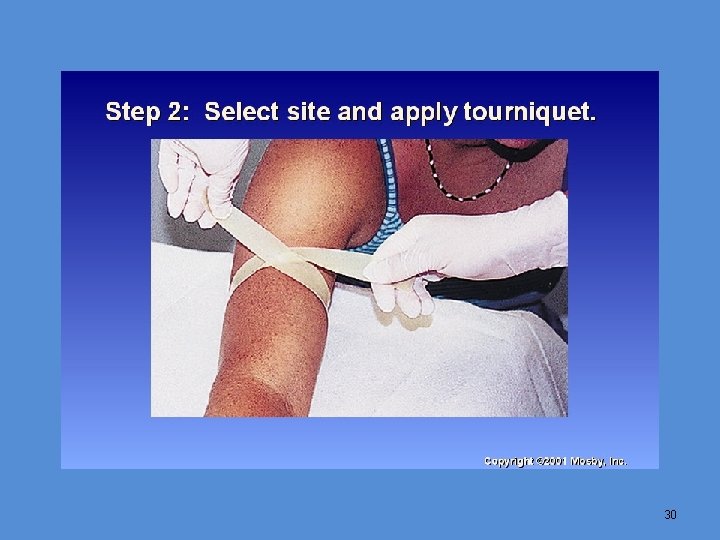
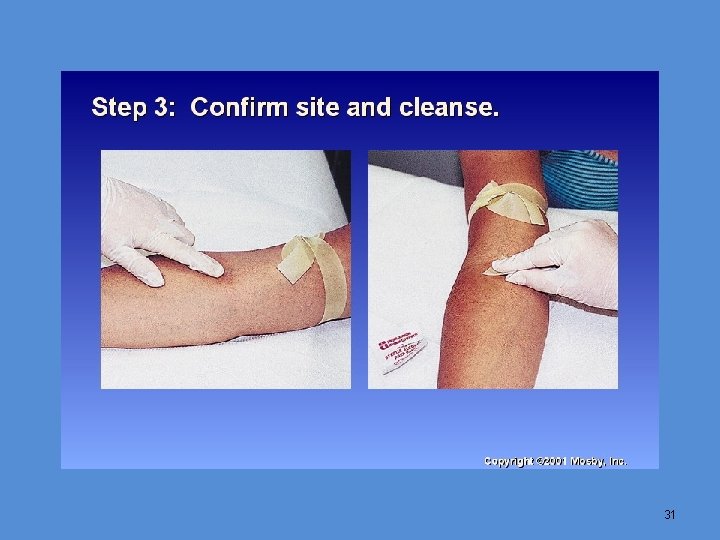
Venipuncture Anatomy • Most Common sites for IV introduction in Radiology – Anticubital space – Anterior forearm – Dorsum of the hand – Radial wrist (ouch) 26
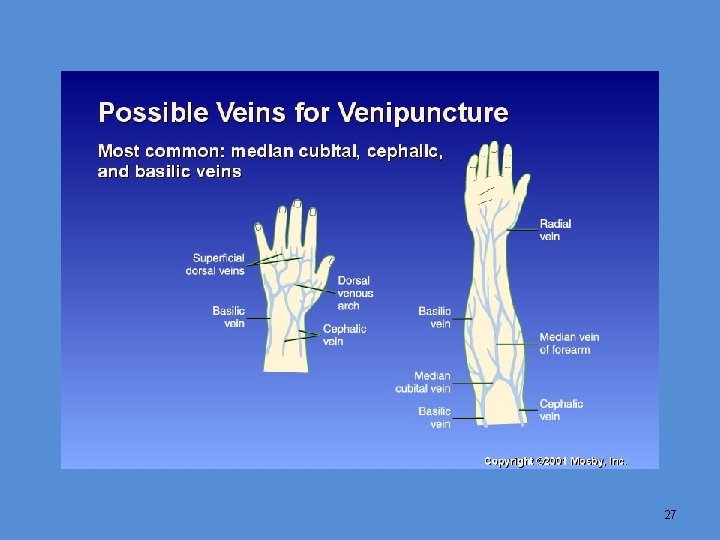
27
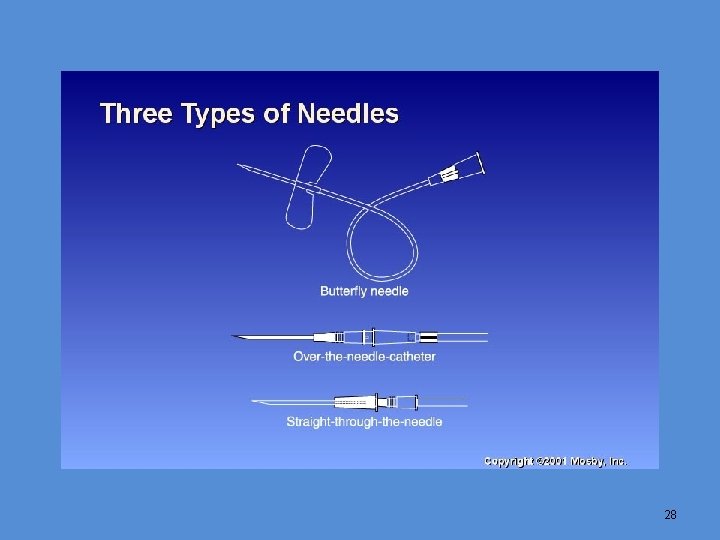
28
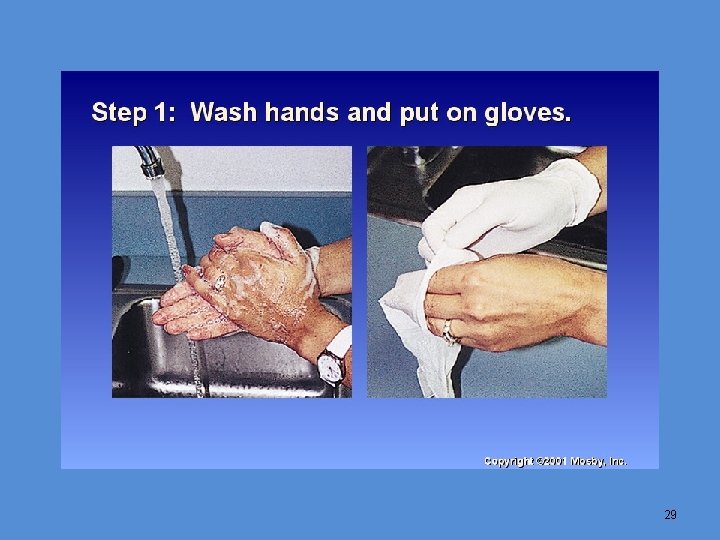
29
30
31
Standard Precautions 32
33
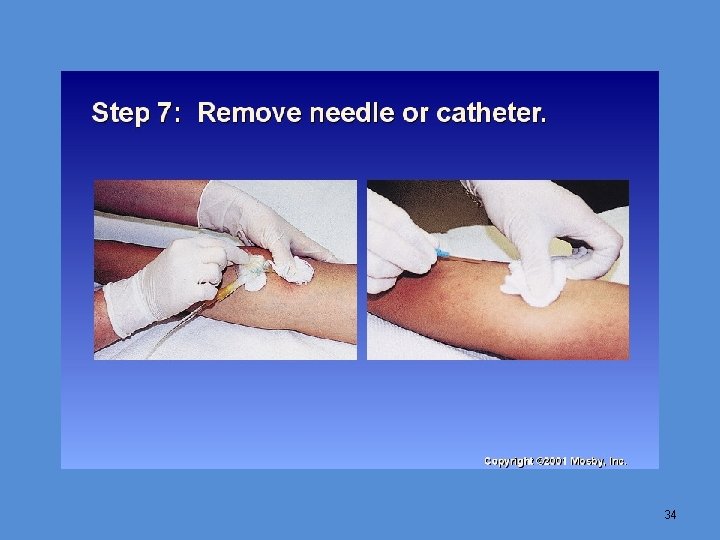
34
Principles of Drug Administration • “The golden rules of drug administration” • The five rights of drug administration • Right drug • Right patient • Right route Right amount Right time 35
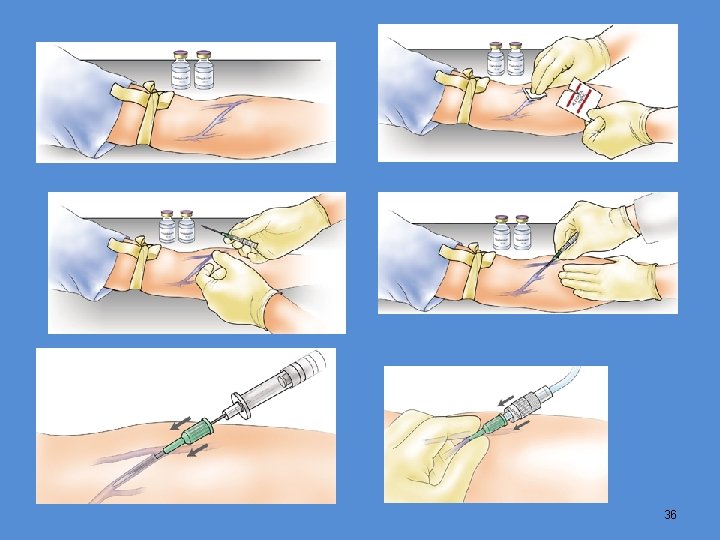
36
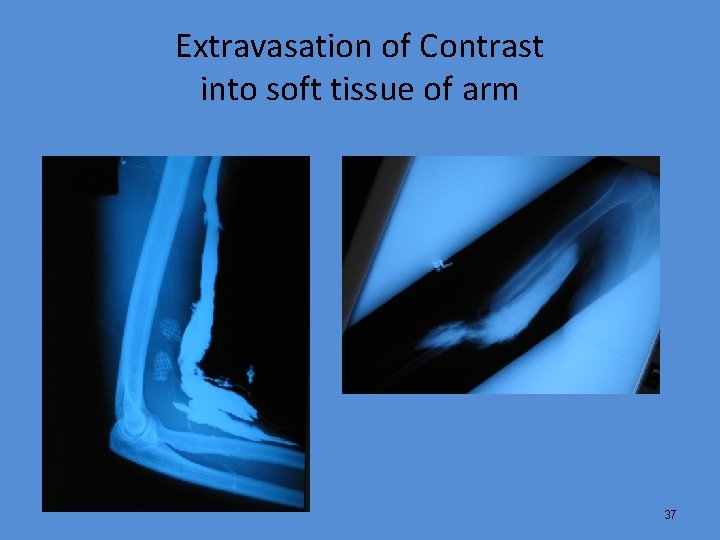
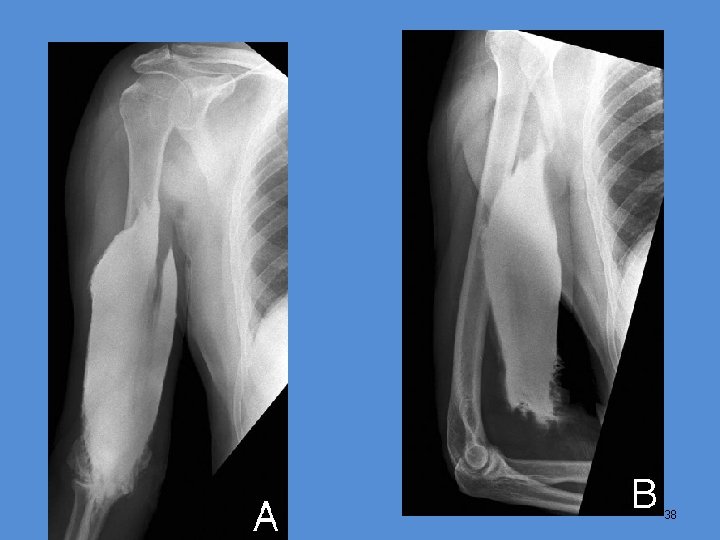
Extravasation of Contrast into soft tissue of arm 37
38
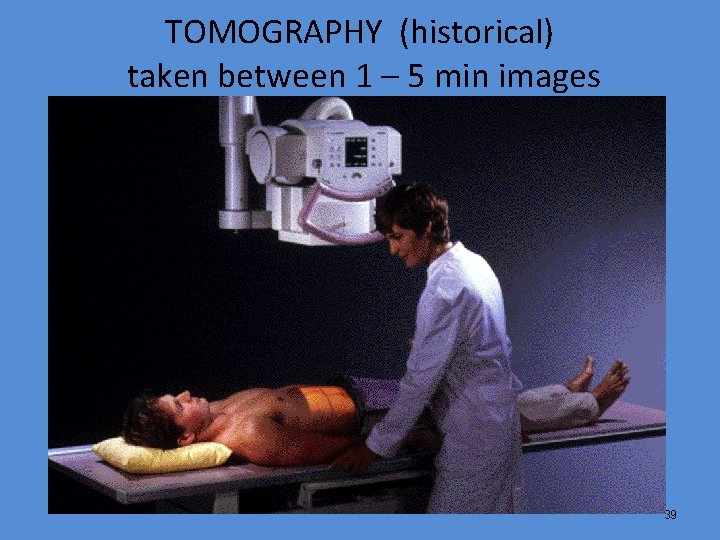
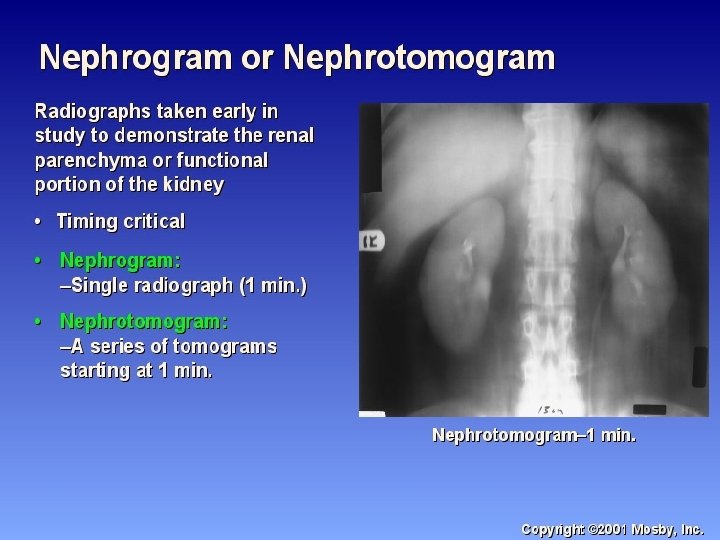
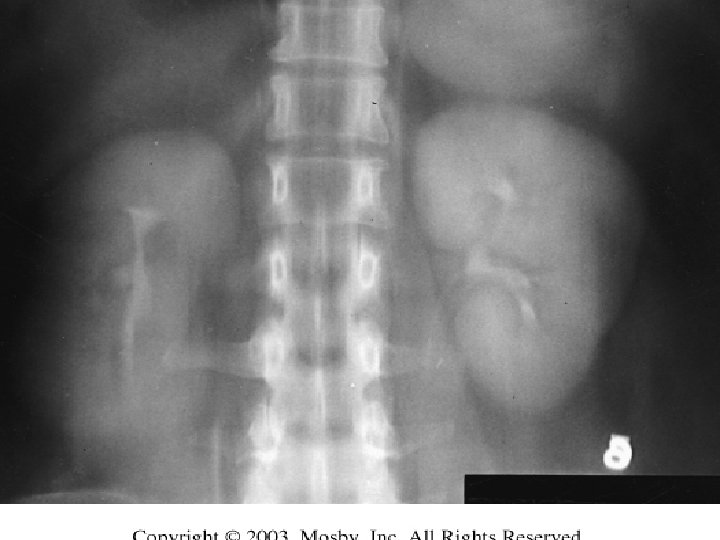
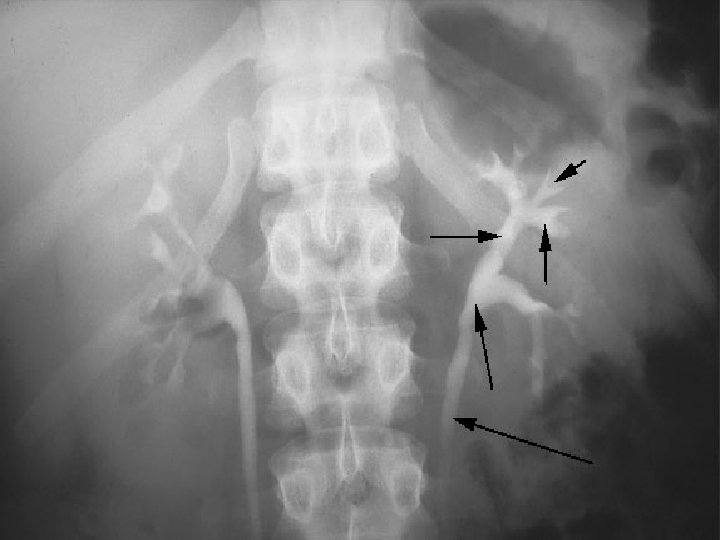
TOMOGRAPHY (historical) taken between 1 – 5 min images 39
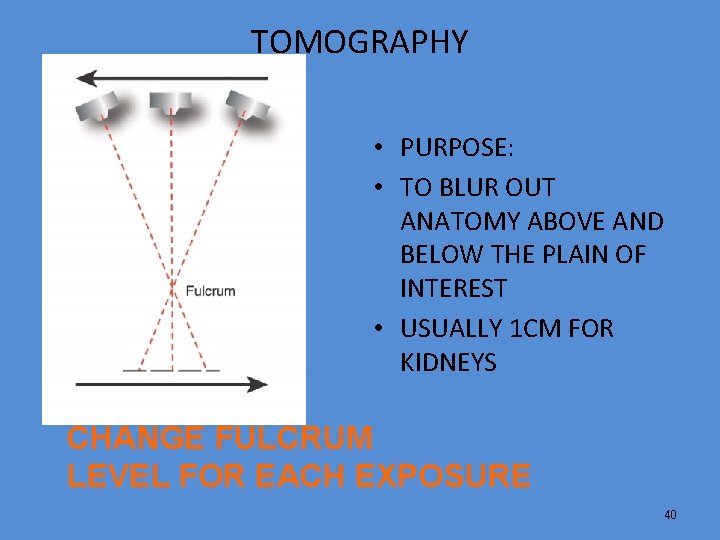
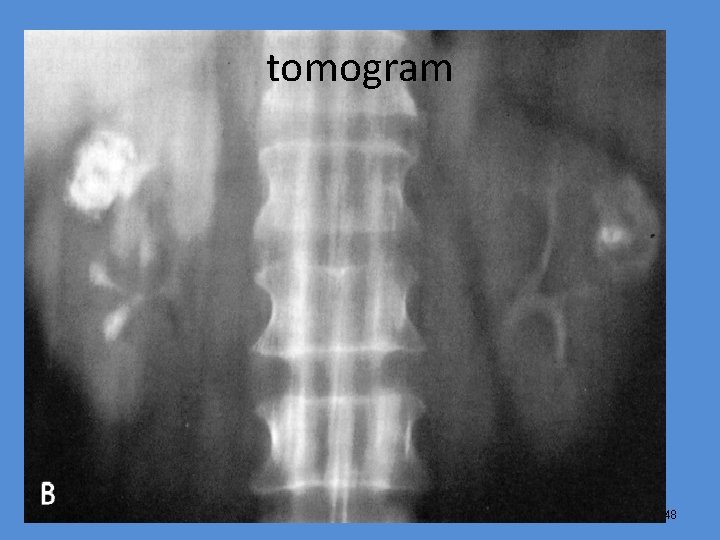
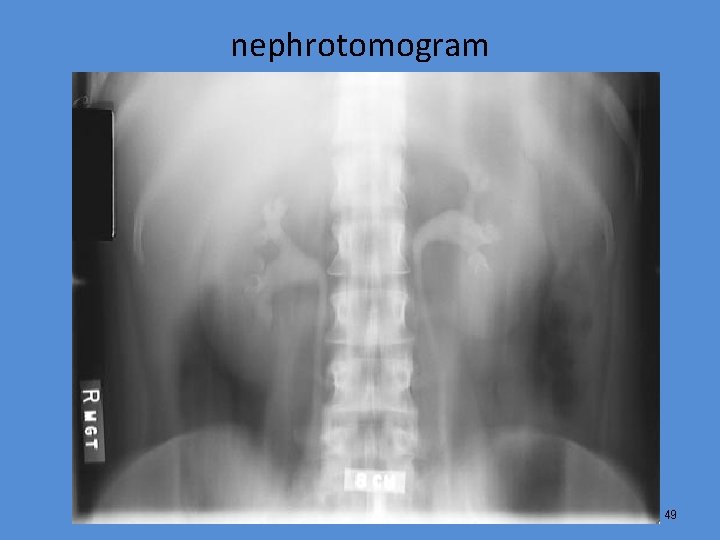
TOMOGRAPHY • PURPOSE: • TO BLUR OUT ANATOMY ABOVE AND BELOW THE PLAIN OF INTEREST • USUALLY 1 CM FOR KIDNEYS CHANGE FULCRUM LEVEL FOR EACH EXPOSURE 40
41
42
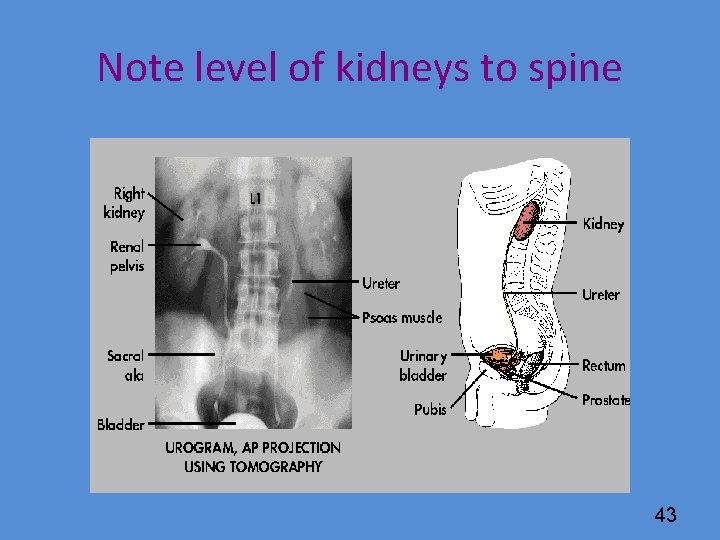
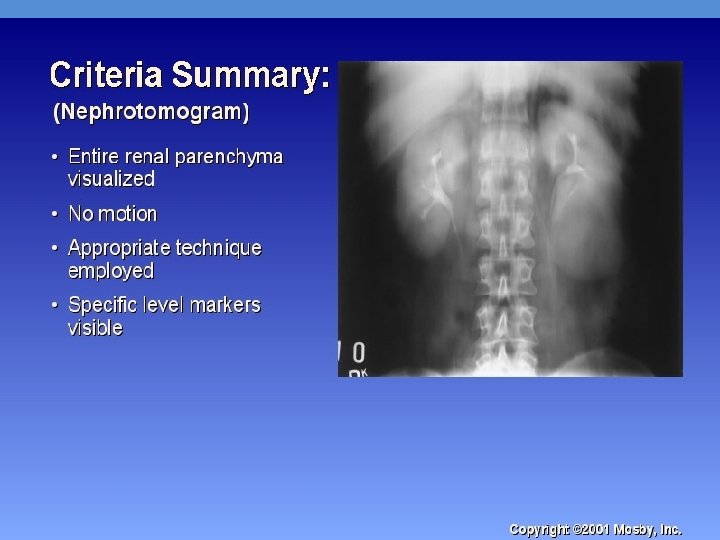
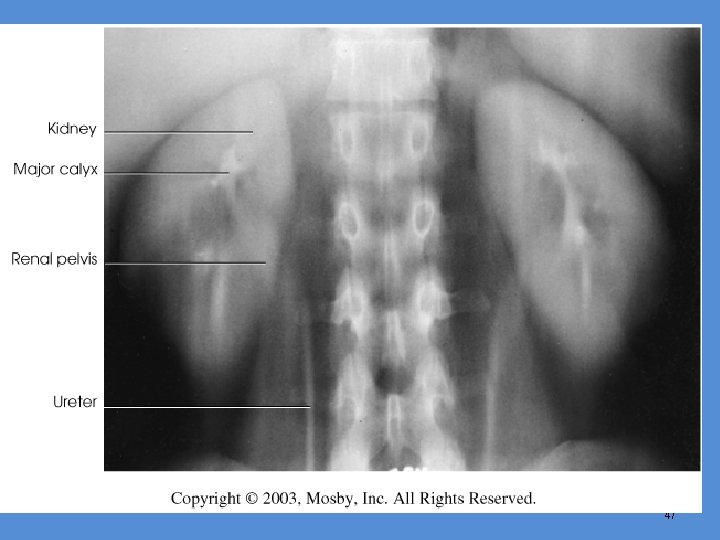
Note level of kidneys to spine 43
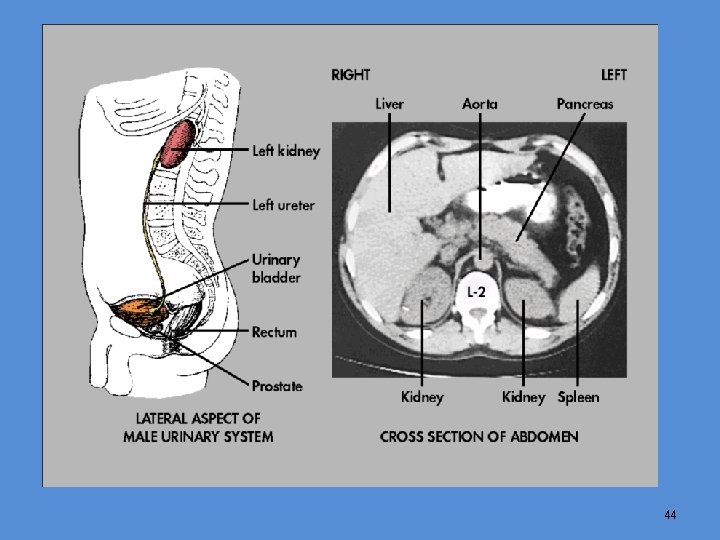
44
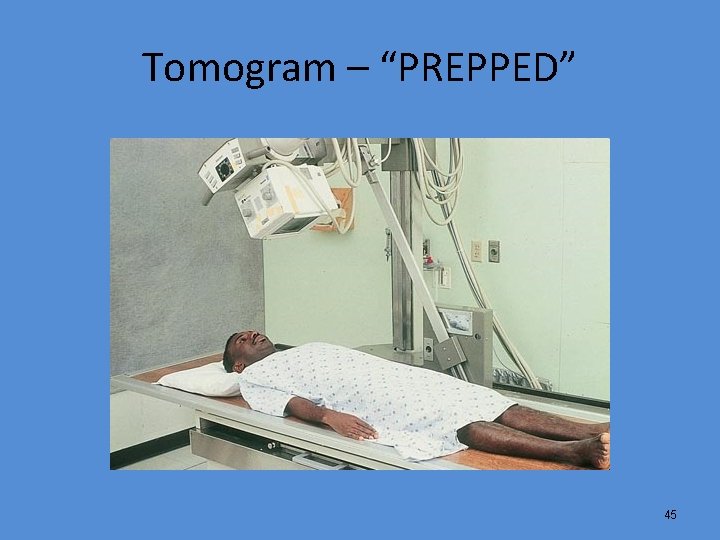
Tomogram – “PREPPED” 45
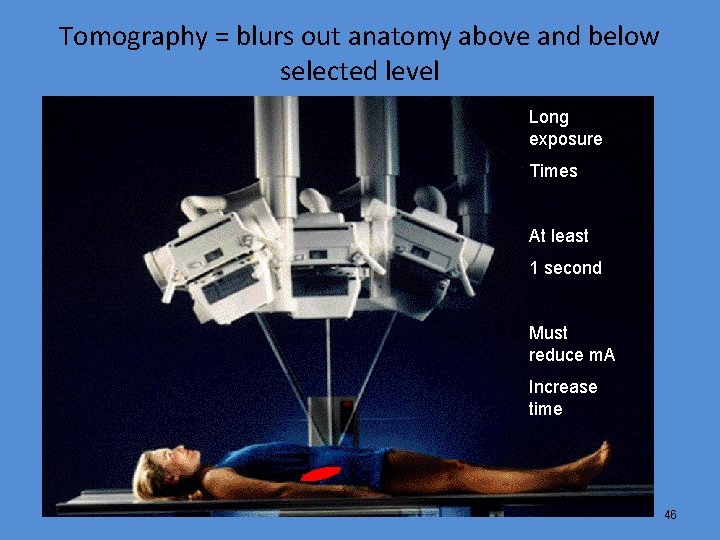
Tomography = blurs out anatomy above and below selected level Long exposure Times At least 1 second Must reduce m. A Increase time 46
47
tomogram 48
nephrotomogram 49
50
51

Why is this blurry? Why taken? 52
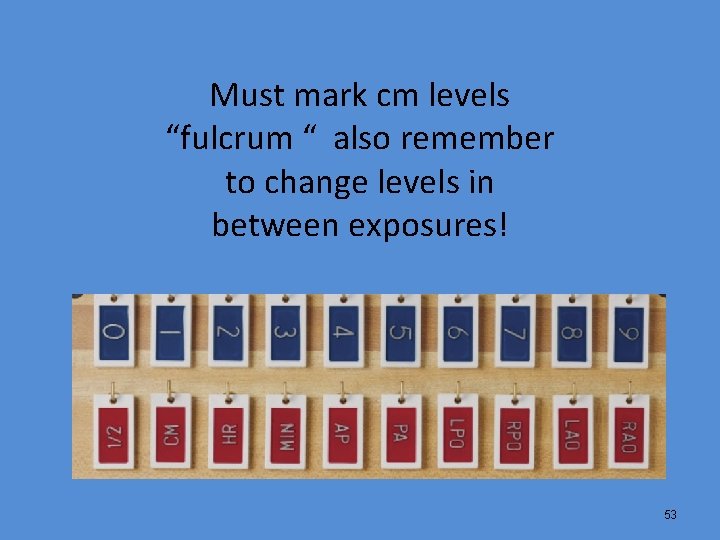
Must mark cm levels “fulcrum “ also remember to change levels in between exposures! 53
- Slides: 53