
Continue on to Set 16 C Teeth Jaw


- Slides: 31
Continue on to Set # 16 C Teeth / Jaw Diet
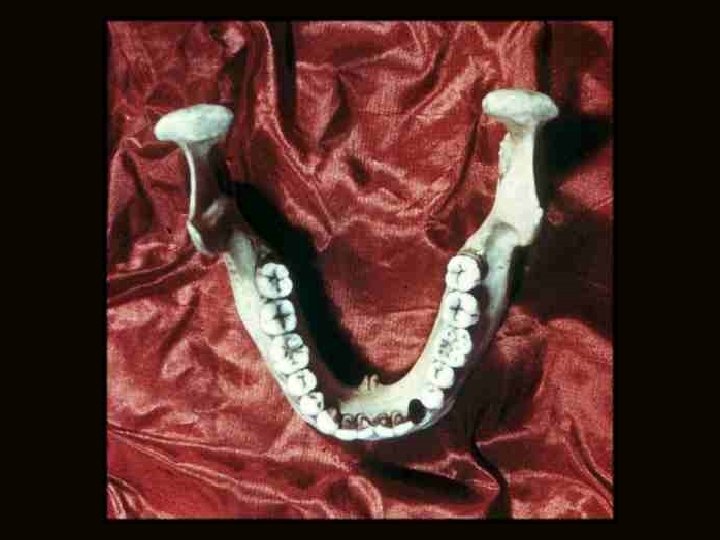
the lower jaw = mandible related term: “mandibular torus”
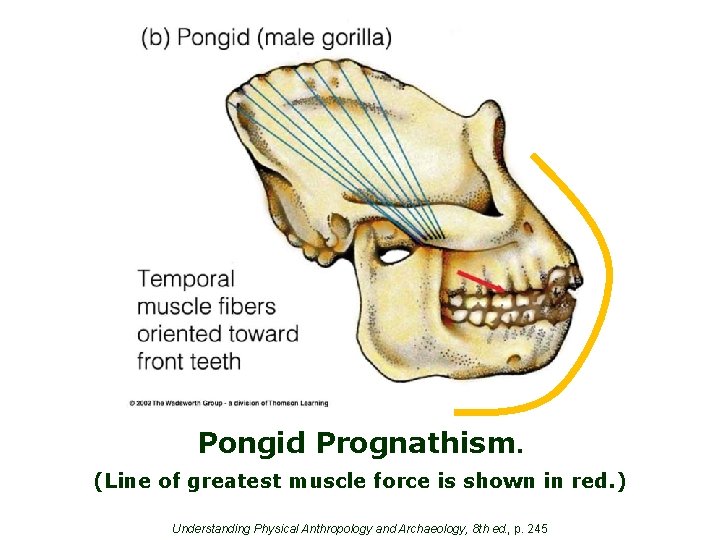
The jaw. . . in apes mandibles slant outward and downward, without a chin (“prognathism”)
Pongid Prognathism. (Line of greatest muscle force is shown in red. ) Understanding Physical Anthropology and Archaeology, 8 th ed. , p. 245
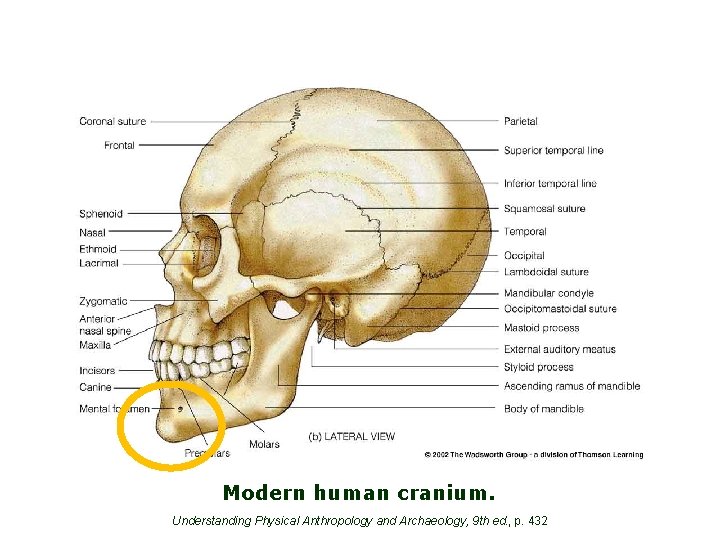
The jaw. . . in humans lower jaw is comparatively small, but always has a distinct chin
Modern human cranium. Understanding Physical Anthropology and Archaeology, 9 th ed. , p. 432
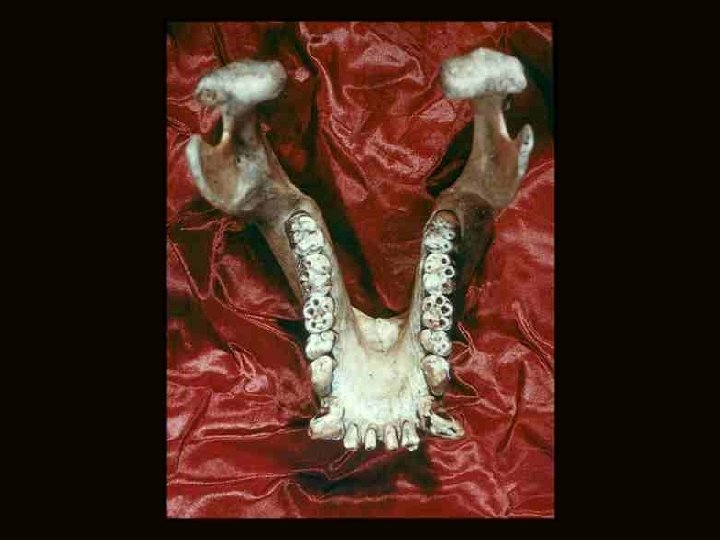
The teeth. . . apes have a “simian shelf” rather than a chin
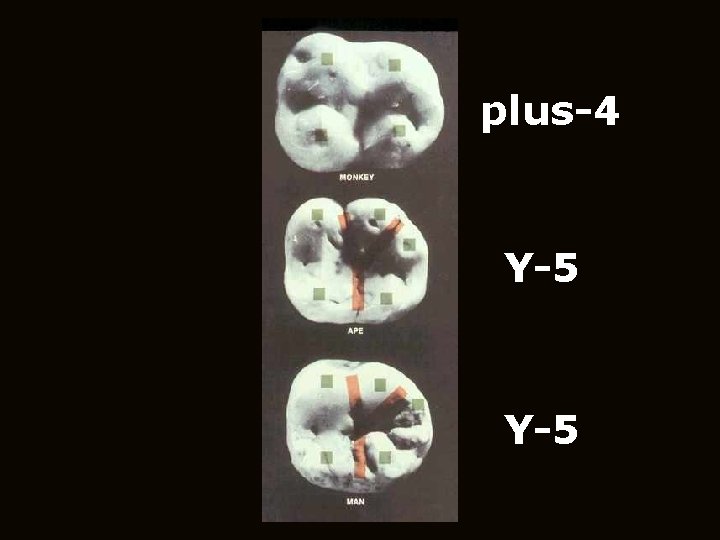
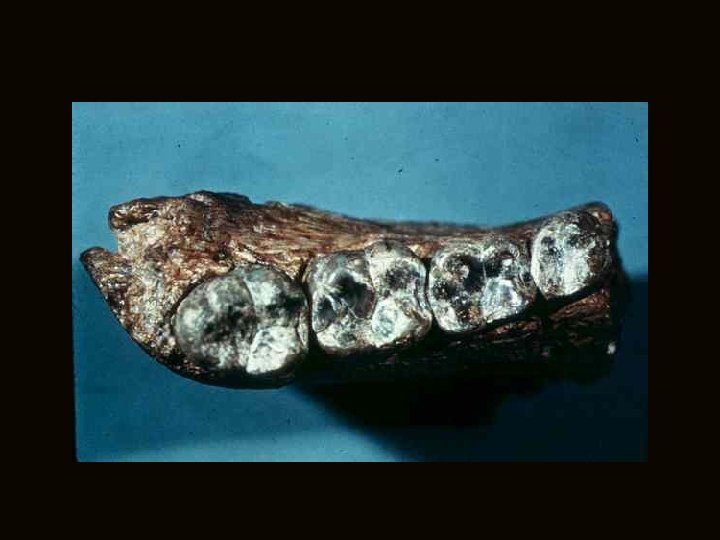
The teeth. . . ape teeth have cusp patterns for the lower molars similar to those of humans. . .
The teeth. . . apes have a “Y-5” pattern rather than a “plus-4” pattern. . .
plus-4 Y-5
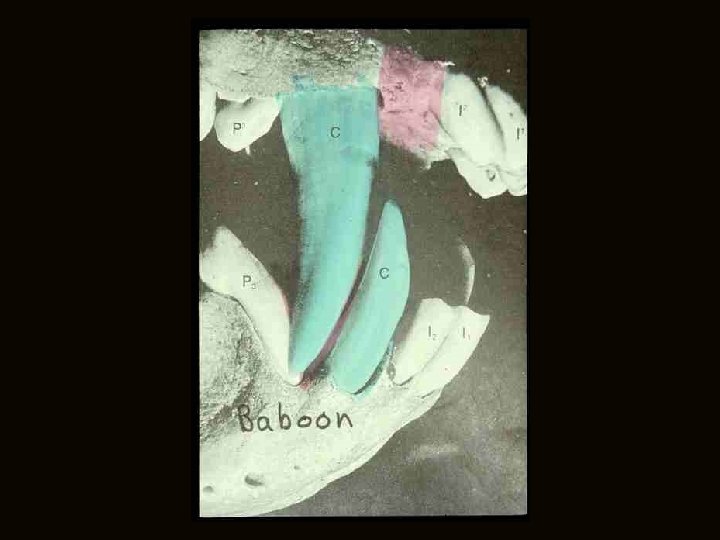
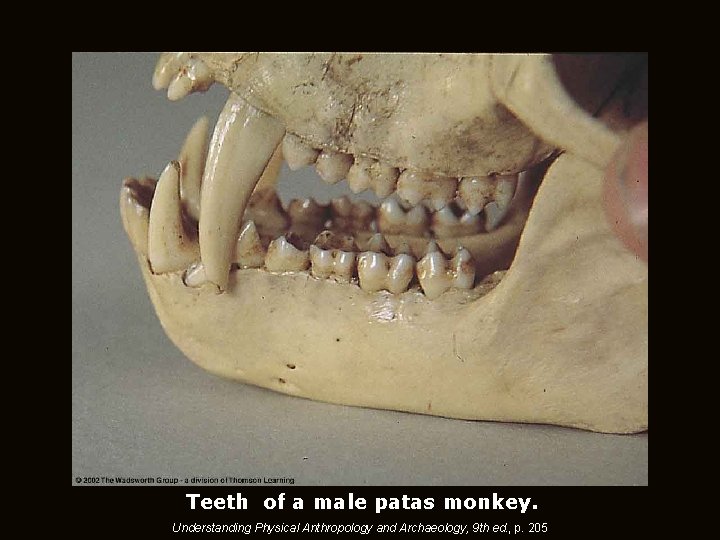
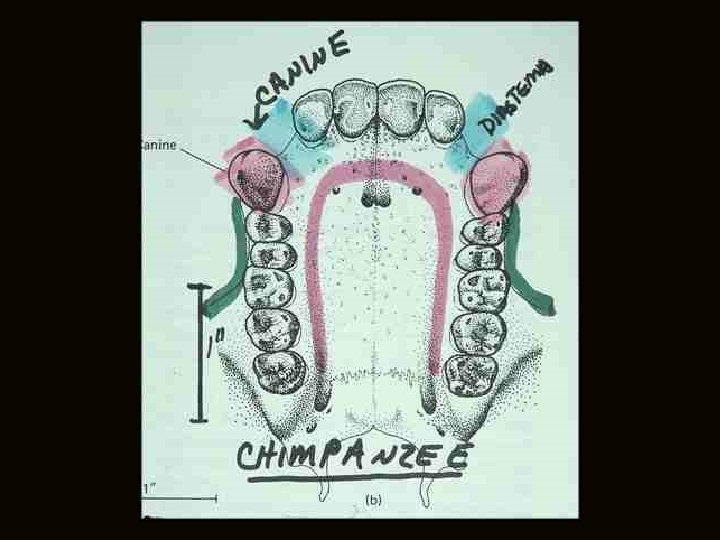
The teeth. . . apes (and monkeys) still possess conical, daggerish canines which project well beyond the surface of the opposite teeth. . .
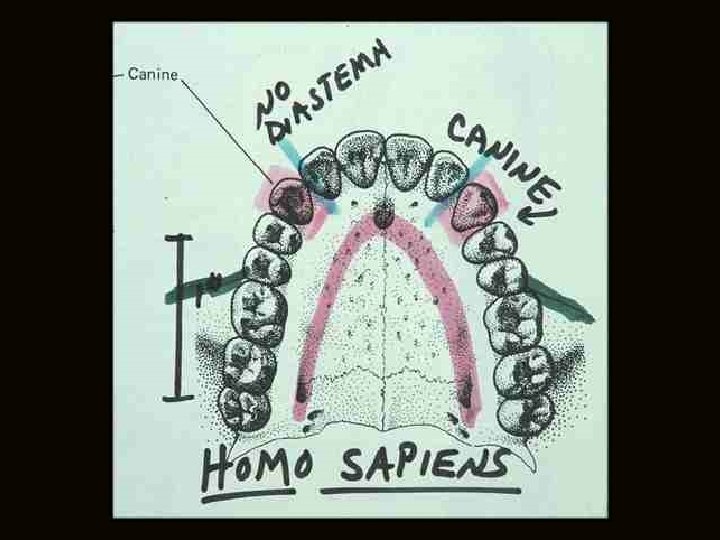
The teeth. . . apes (and monkeys) have diastemata, spaces opposite the large canine teeth. . . (“diastemata” = plural of “diastema”)
The teeth. . . diastema = a space in the tooth row that accommodates one or more teeth from the opposite jaw
Teeth of a male patas monkey. Understanding Physical Anthropology and Archaeology, 9 th ed. , p. 205
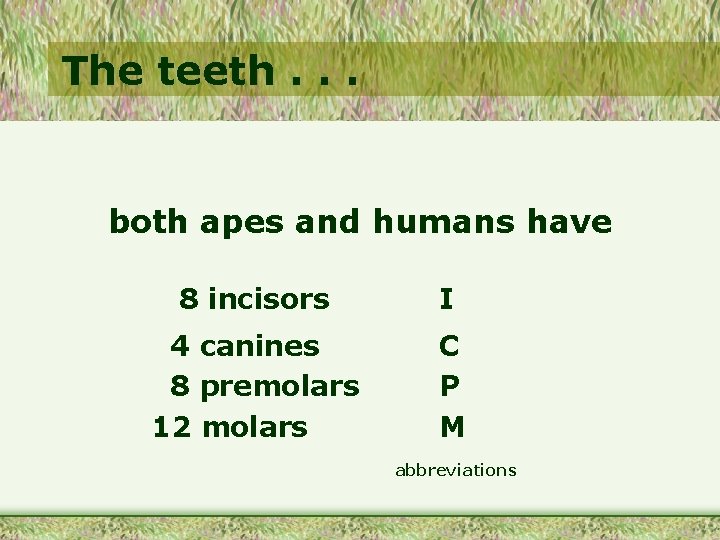
The teeth. . . both apes and humans have 8 incisors I 4 canines 8 premolars 12 molars C P M abbreviations
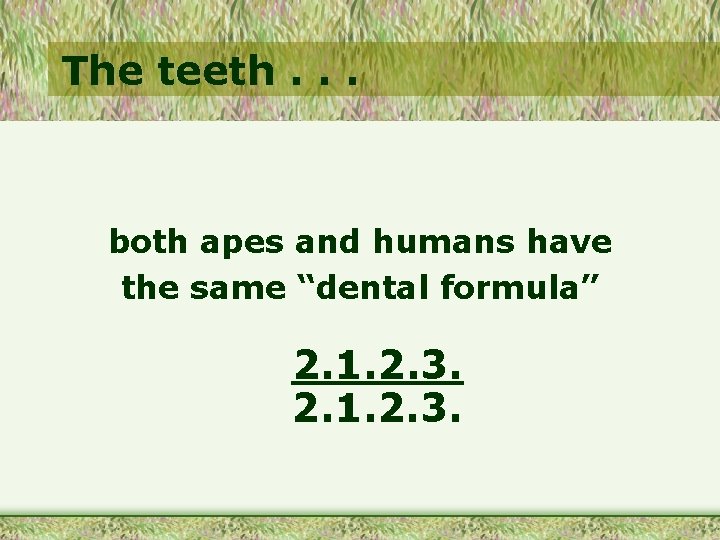
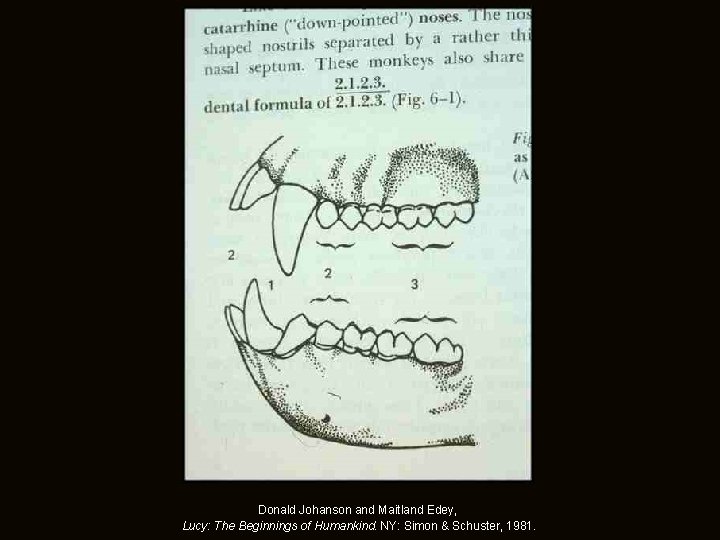
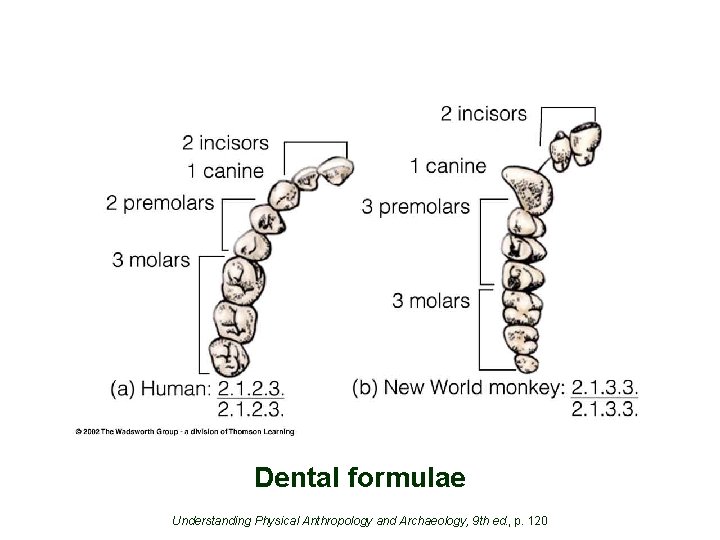
The teeth. . . both apes and humans have the same “dental formula” 2. 1. 2. 3.
Donald Johanson and Maitland Edey, Lucy: The Beginnings of Humankind. NY: Simon & Schuster, 1981.
Dental formulae Understanding Physical Anthropology and Archaeology, 9 th ed. , p. 120
The teeth. . . apes have a “U”-shaped jaw . . .
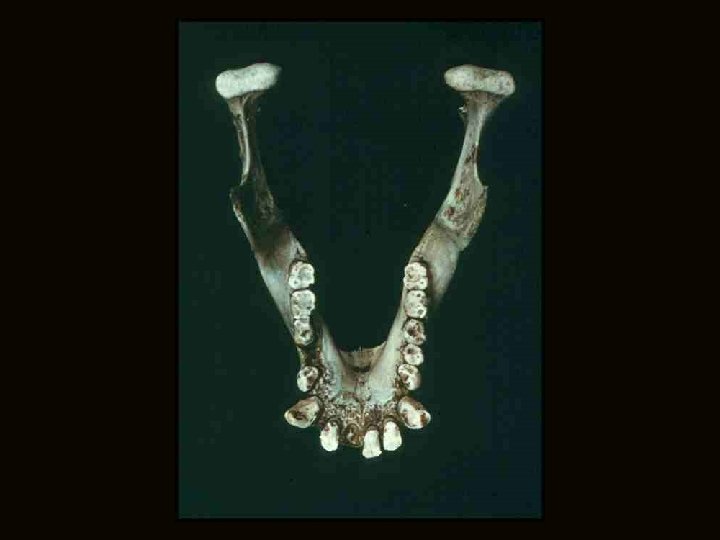
The teeth. . . in humans the plate is arched and curves outward at the back (parabolic arch). . .
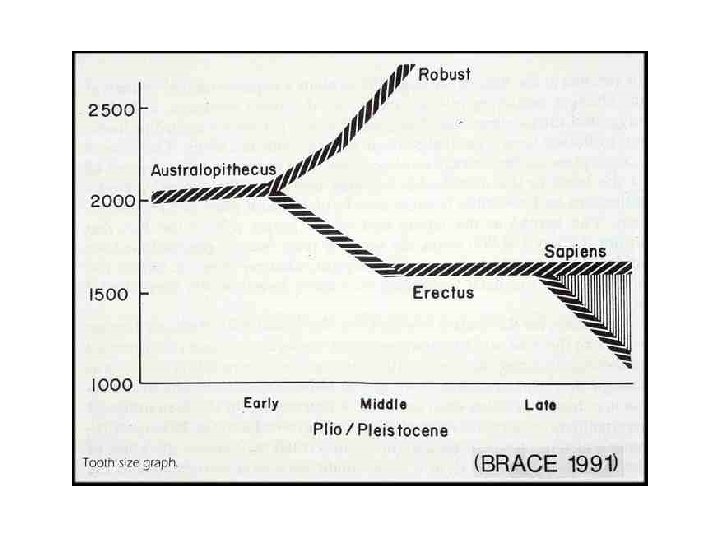
The teeth. . . the overall evolutionary trend is toward smaller teeth
Continue on to Set # 16 D Next: Other Changes Understanding Physical Anthropology and Archaeology, 9 th ed. , p. 136