
Context and Culture How People Learn II Learners






- Slides: 42
Context and Culture How People Learn II: Learners, Context, and Cultures Heather Rohr , HCI 530 Spring 2019
How People Learn : Brain, Mind, Experience, and School (2000) • • • Learning: From Speculation to Science How Experts Differ from Novices Learning and Transfer How Children Learn Mind and Brain The Design of Learning Environments Effective Teaching (Examples in History, Math, Science) Teaching Learning Technology to Support Learning
How People Learn II (2018) • • • Context and Culture Types of Learning and the Developing Brain Processes That Support Learning Knowledge and Reasoning Motivation to Learn Implication for Learning in School Digital Technology Learning Across the Life Span Research Agenda
Culture • Culture is reflected in the behavior ad beliefs of a single individual, but also social. • People can be the bearers of the culture received from prior generation • People can become the generators and carriers of culture into the future or adapt it.
Culture and the Community • Sometimes comparable to a membership in a group • A way of living that sustains a community • People live in, reflect, and transfer their culture • Reflecting socialization and morals
Culture and the Community Schools in the community – Teachers teaching – Parents raising children – Parents volunteering for events – Children getting involved in community service – Children growing up, and adapting to become a part of society Culture may also promote or hamper learning
Culture and “meme” • Memes are habits, skills, behaviors, or stories that are copied from person to person by imitation. • • • Like genes, memes complete to be copied, but instead of being chemicals locked inside cells, they are information that jumps from brain to brain. Or sometimes from brains to computers, books, and works of art. Memes can be linguistic; passing down a person’s language. The winning memes spread across the globe, shaping our minds and cultures as they go. Other memes fade away or die out. Memes can be contagious like “germs. ” Others memes can be passed down from grown-up to child like “genes” instead. Word meme was used by Richard Dawkins (author of Selfish Gene). • Not to be confused with an internet meme, that also spread to others like crazy. * ”meme” definition sourced from Susan Blackmore’s book (2017), Consciousness: A Very Short Introduction (2 nd Edition). Oxford University Press.
“Race” and “Ethnicity” Ethnicity * Cultural identification * Nationality Race * Used in Western Societies * Physical Appearance -Skin Color -Eyes -Hair Texture
Social Activities and Tools • Can bring people together • Community Practices • Pass tools and behaviors across generations
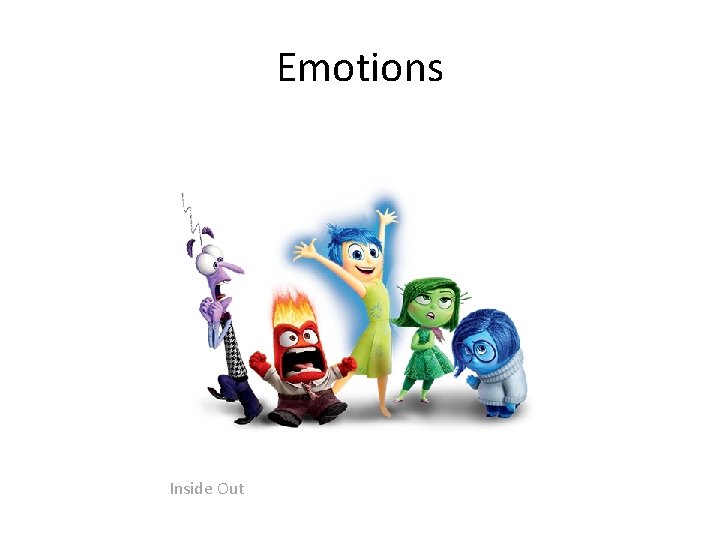
Emotions Inside Out
Emotional and Social Influences • Emotions at home and school can influence the behavior of students • People can grow up to take of themselves – But it is difficult to manage life without relying on many other people • Students may downgrade in educational performance if not developing a meaningful, stable relationship with a caring person – Sad example: Romanian children and their social deprivation has dangerous effect on brain and cognitive function
Physical Influences • • Nutrition Exercise Sleep Environmental Toxins
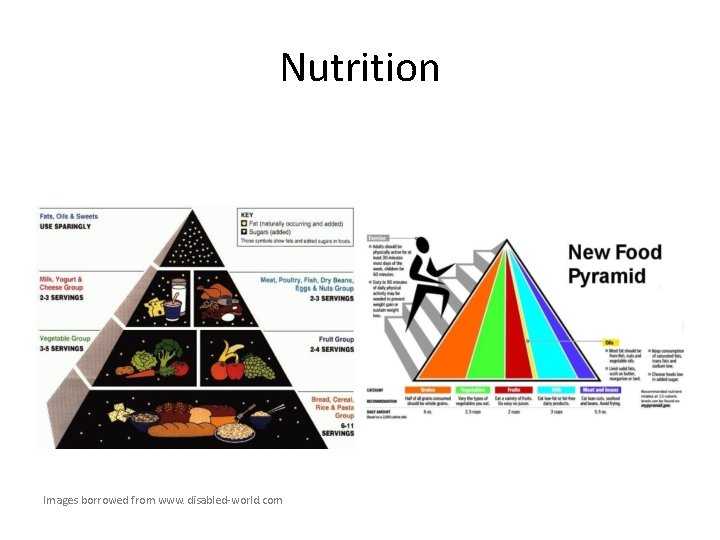
Nutrition Images borrowed from www. disabled-world. com
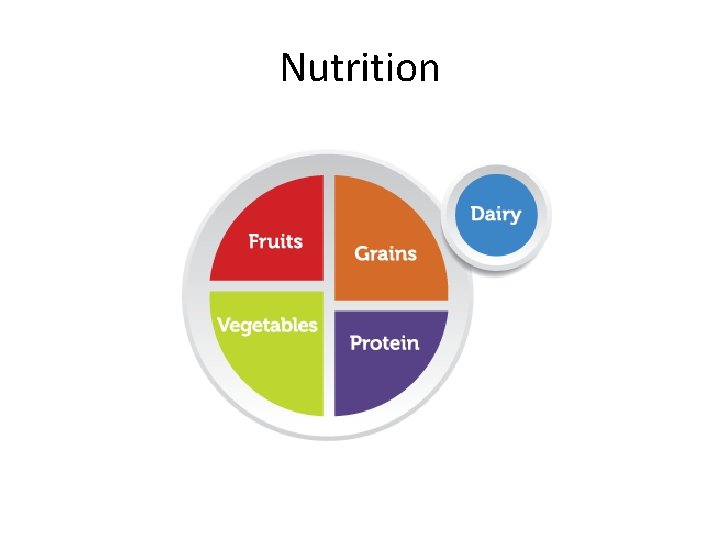
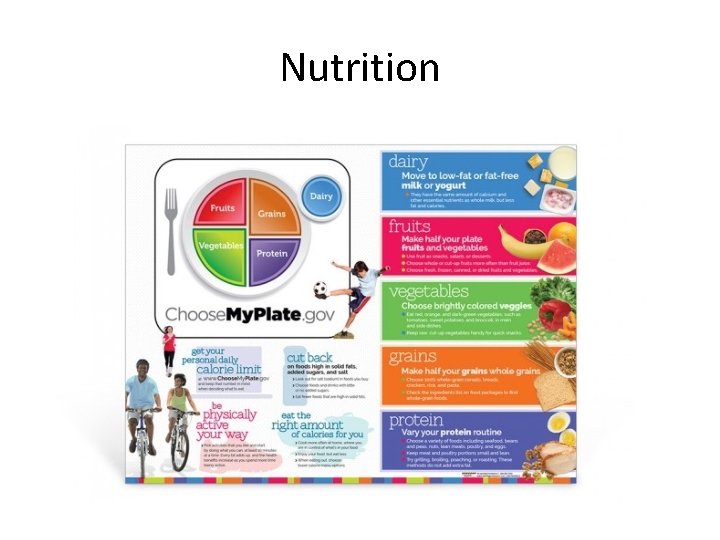
Nutrition Images for next slides: Wikipedia. org, choose. My. Plate. gov, Learning. Zone. Express. com
Nutrition
Nutrition
Nutrition • Nutrients are needed for brain development – such as adequate protein and calories • Nutrition is important through the years of adolescence and childhood because of the protracted course of brain development • Deficiencies in protein, calories, and other essential nutrients have been linked to negative effects on cognitive functioning and emotional functioning – such as inhibitory control and executive function
Nutrition - Iron deficiency
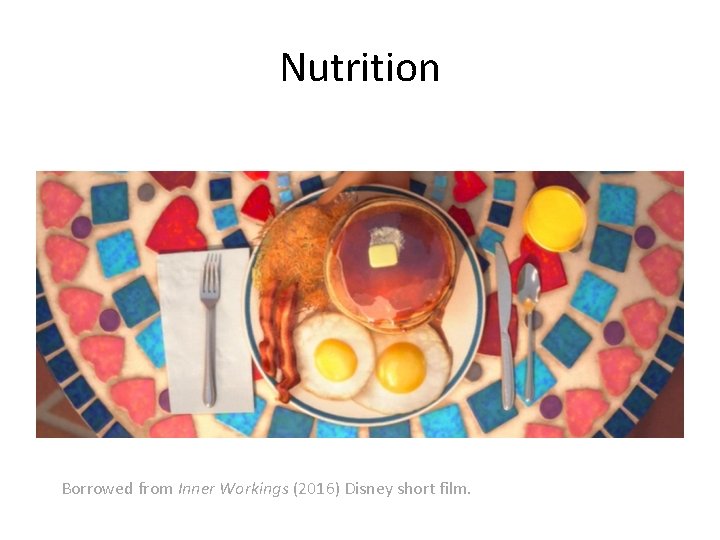
Nutrition Borrowed from Inner Workings (2016) Disney short film.
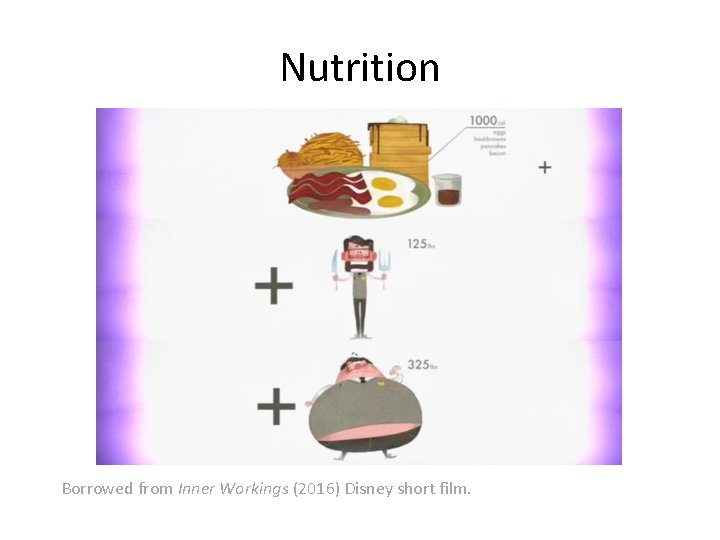
Nutrition Borrowed from Inner Workings (2016) Disney short film.
Exercise
Exercise
Exercise
Exercise
Exercise
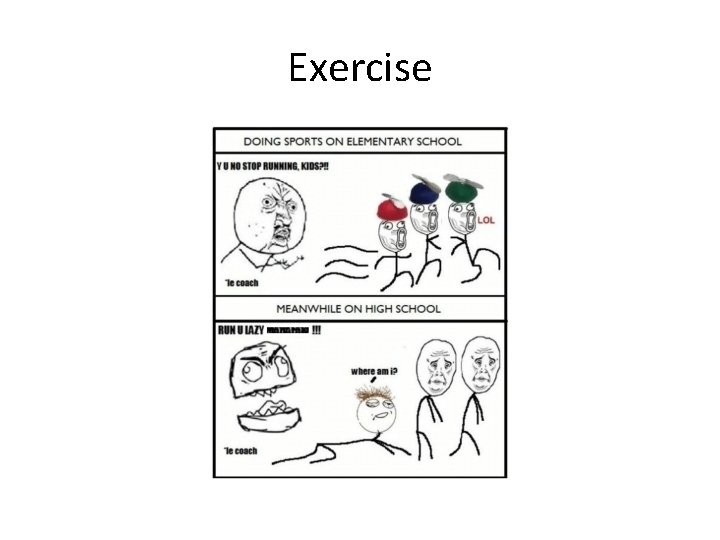
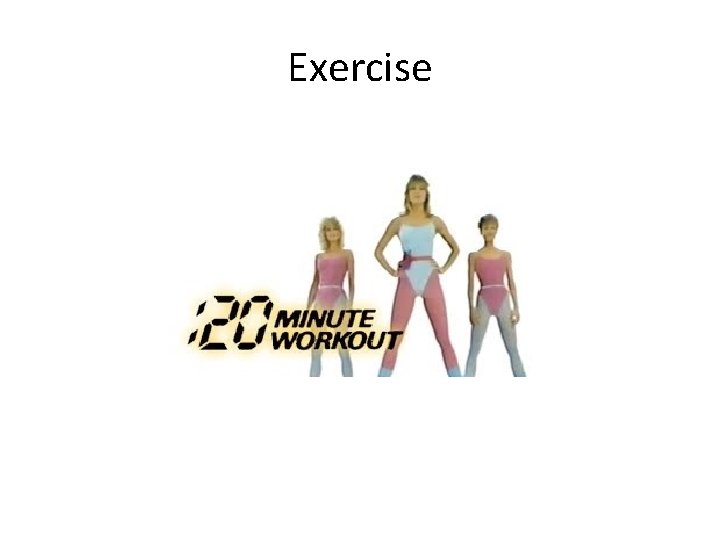
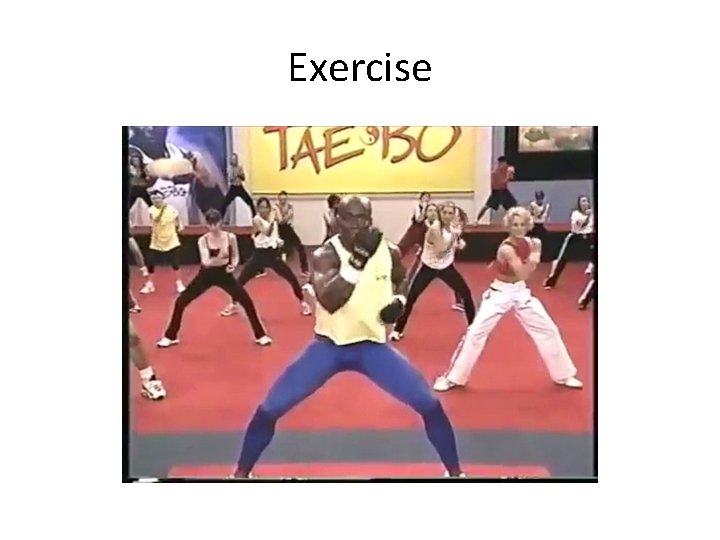
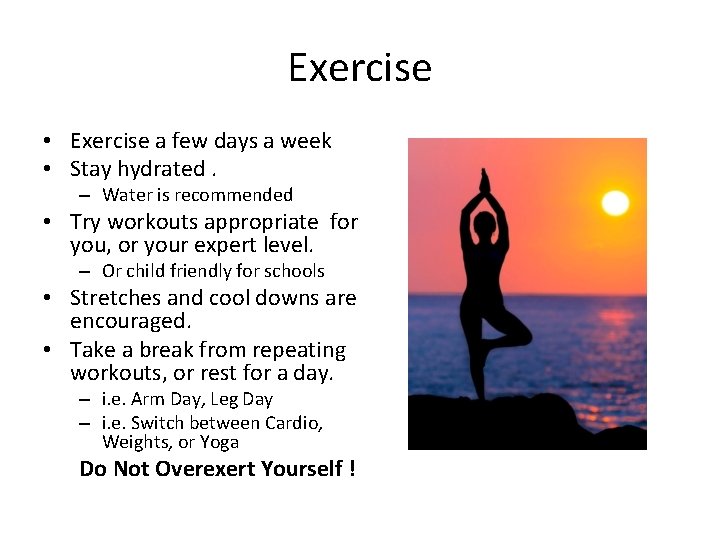
Exercise • Exercise a few days a week • Stay hydrated. – Water is recommended • Try workouts appropriate for you, or your expert level. – Or child friendly for schools • Stretches and cool downs are encouraged. • Take a break from repeating workouts, or rest for a day. – i. e. Arm Day, Leg Day – i. e. Switch between Cardio, Weights, or Yoga Do Not Overexert Yourself !
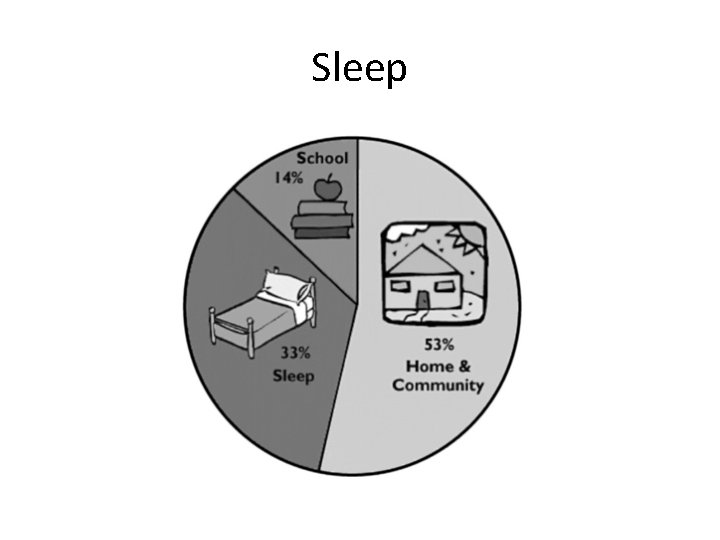
Sleep
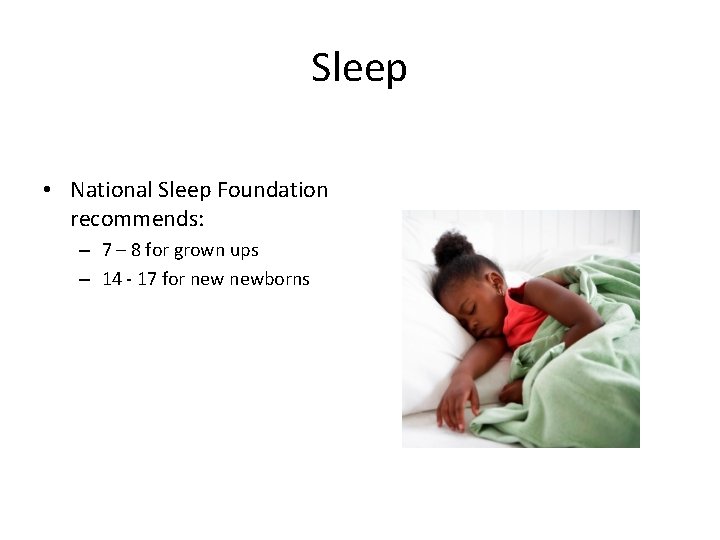
Sleep • National Sleep Foundation recommends: – 7 – 8 for grown ups – 14 - 17 for newborns
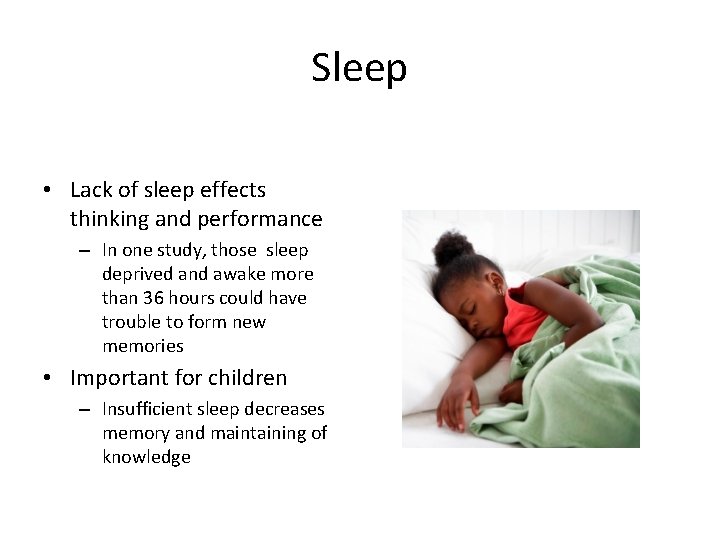
Sleep • Lack of sleep effects thinking and performance – In one study, those sleep deprived and awake more than 36 hours could have trouble to form new memories • Important for children – Insufficient sleep decreases memory and maintaining of knowledge
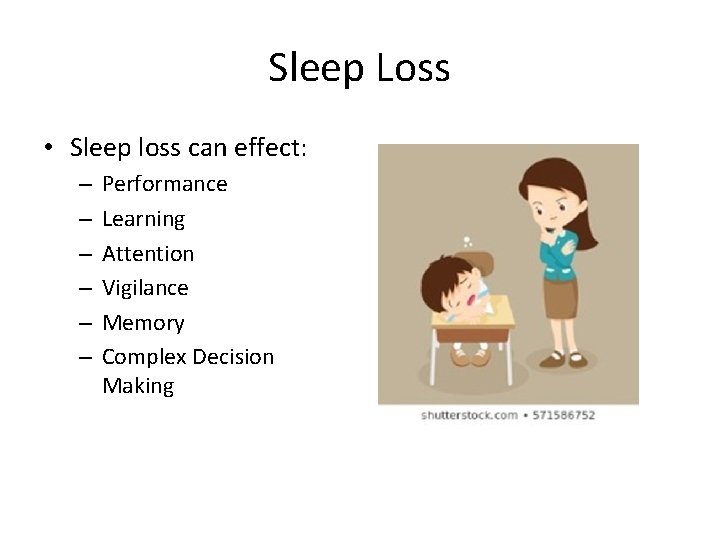
Sleep Loss • Sleep loss can effect: – – – Performance Learning Attention Vigilance Memory Complex Decision Making
Insufficient Sleep • • • General cognitive functioning Emotional regulation Mood disorders Engaging in risky behavior Academic issues Association with Health Problems
Insufficient Sleep Associated With Health Problems • Long term effects of the lack of sleep can include an increase of: – Diabetes – Obesity – Depression – Heart Attacks – Strokes
Environmental Toxins
Toxins - Lead toxicity and American Children • Prohibition of the use of leaded paint in schools (by legislation in 1971) • Prohibition of the use of leaded gasoline (1984) • Concerns for contaminated drinking water in select schools, including Flint, Michigan – Unfortunately, a current issue.
Effects of blood-lead levels • According to current guidance from the Centers for Disease Control and Prevention, even very low levels of blood-lead reduces: – Children’s scores on reading – Children’s scores on writing – Children’s scores on IQ tests • No blood-lead level is safe • The consequences of lead exposures are said to be irreversible
Each learner develops a unique array of knowledge and cognitive resources in the course of life that are molded by the interplay of that learner’s cultural, social, cognitive, and biological contexts. Understanding the developmental, cultural, contextual, and historical diversity of learners is central to understanding how people learn. -Ending from Chapter 2