
Constructive Processes Many of Earths surface features form


- Slides: 23
Constructive Processes • Many of Earth’s surface features form due to constructive processes. • Constructive has the word _______ in it, which means that these processes build up the Earth. © Love. Learning 2014
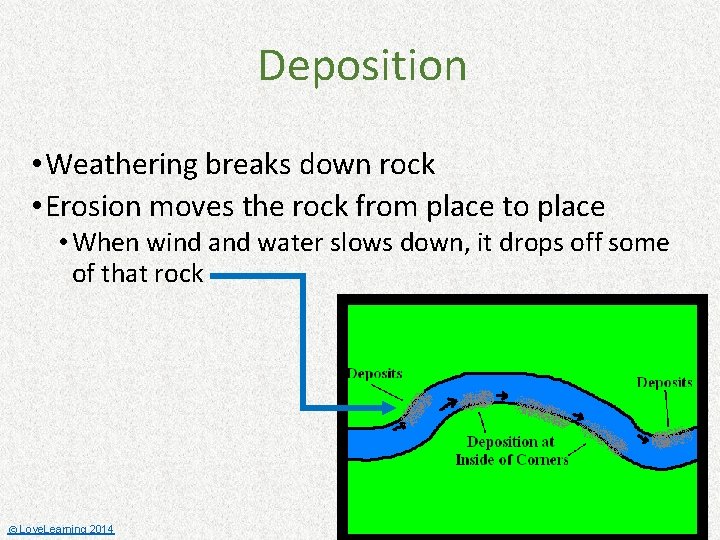
Deposition • Weathering breaks down rock • Erosion moves the rock from place to place • When wind and water slows down, it drops off some of that rock © Love. Learning 2014
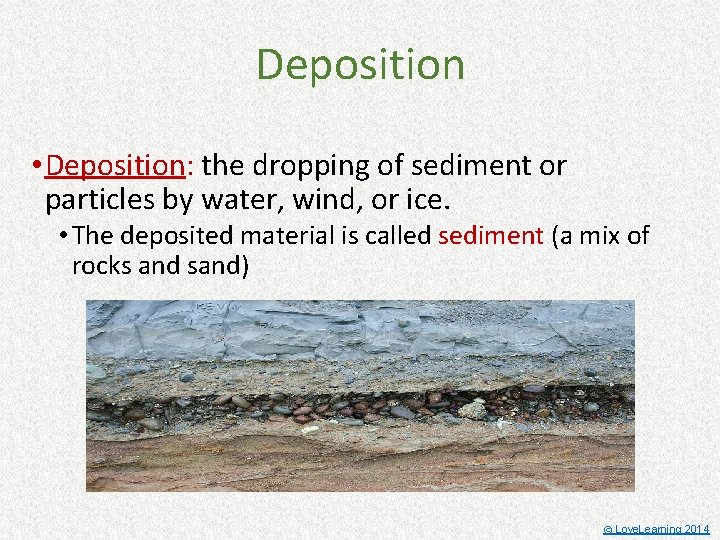
Deposition • Deposition: the dropping of sediment or particles by water, wind, or ice. • The deposited material is called sediment (a mix of rocks and sand) © Love. Learning 2014
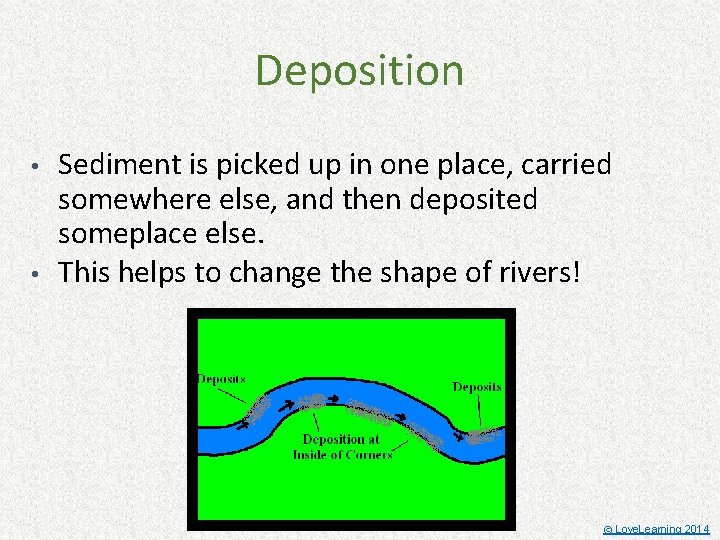
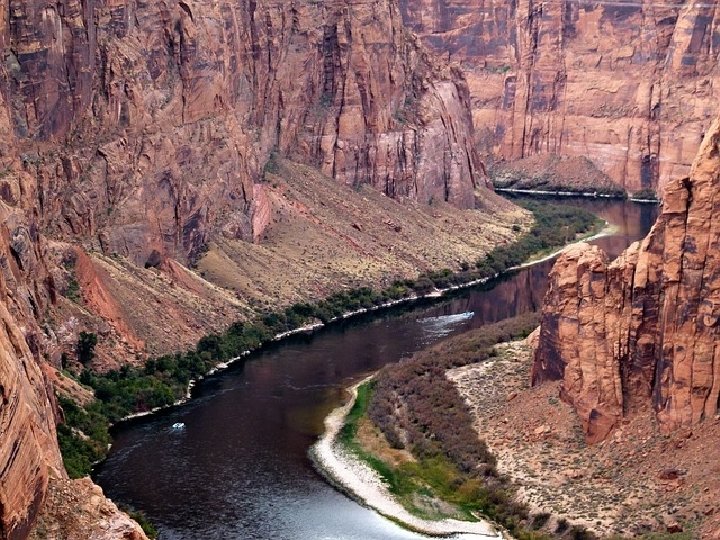
Deposition • • Sediment is picked up in one place, carried somewhere else, and then deposited someplace else. This helps to change the shape of rivers! © Love. Learning 2014
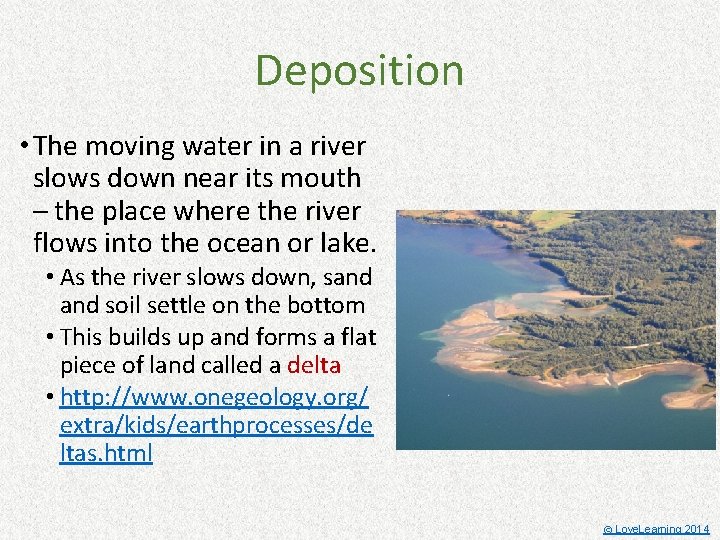
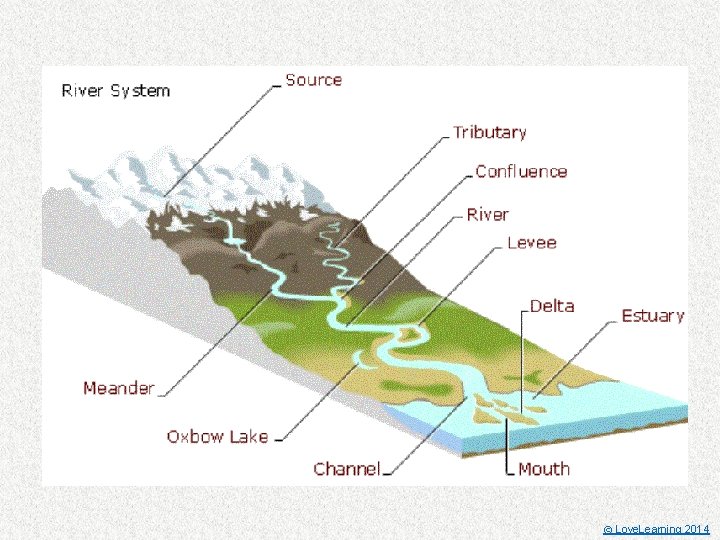
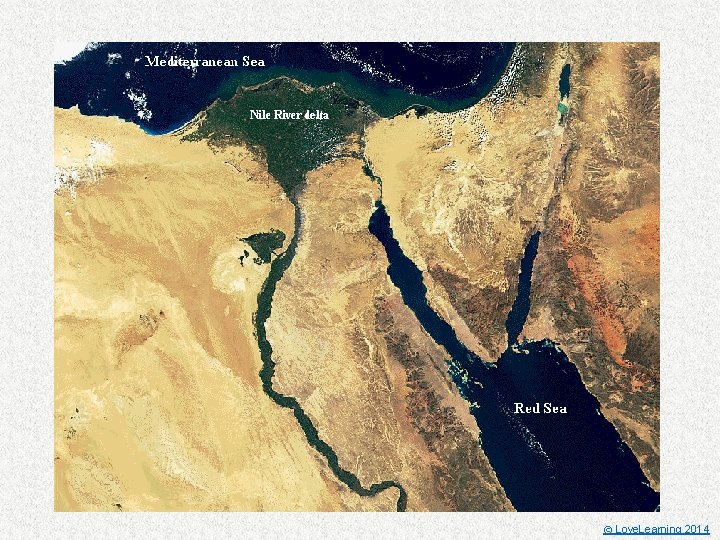
Deposition • The moving water in a river slows down near its mouth – the place where the river flows into the ocean or lake. • As the river slows down, sand soil settle on the bottom • This builds up and forms a flat piece of land called a delta • http: //www. onegeology. org/ extra/kids/earthprocesses/de ltas. html © Love. Learning 2014
© Love. Learning 2014
© Love. Learning 2014
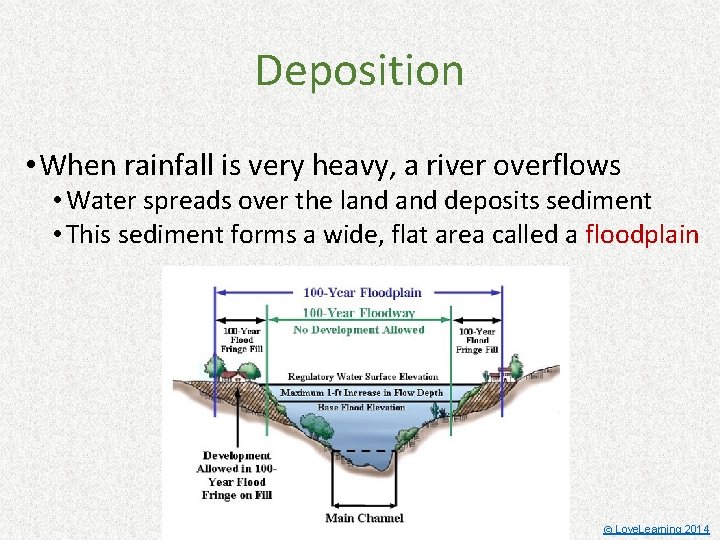
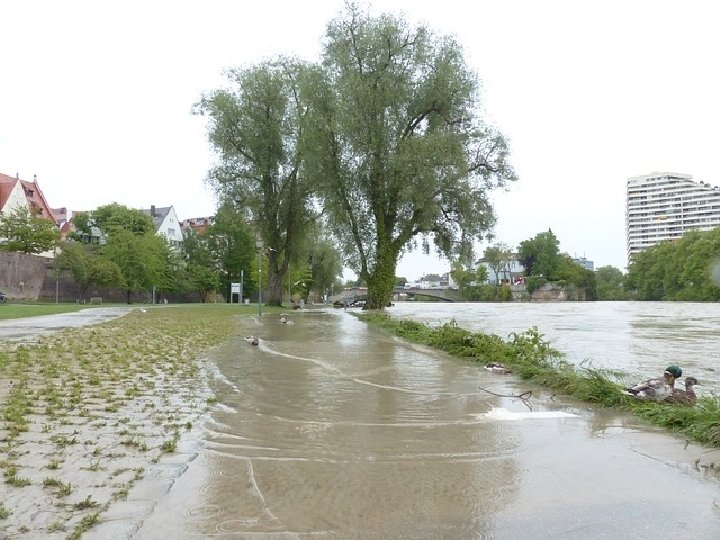
Deposition • When rainfall is very heavy, a river overflows • Water spreads over the land deposits sediment • This sediment forms a wide, flat area called a floodplain © Love. Learning 2014
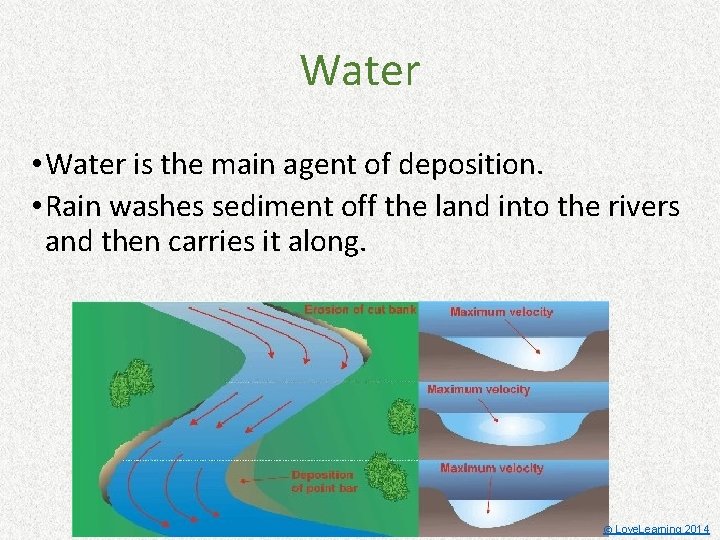
Water • Water is the main agent of deposition. • Rain washes sediment off the land into the rivers and then carries it along. © Love. Learning 2014
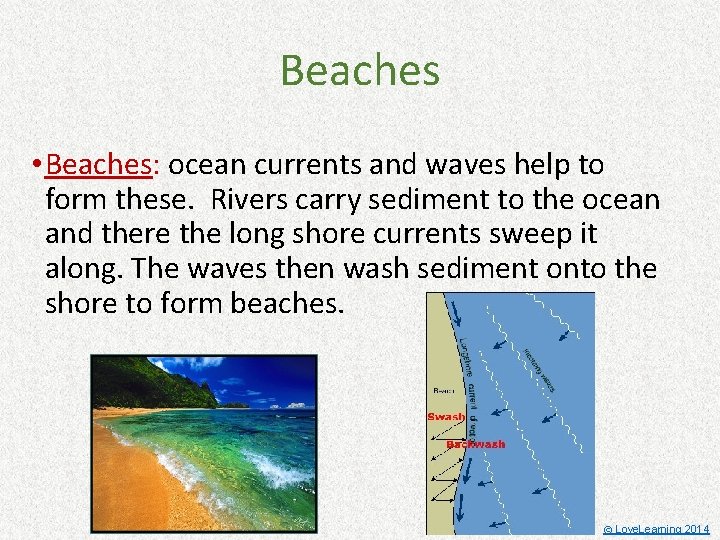
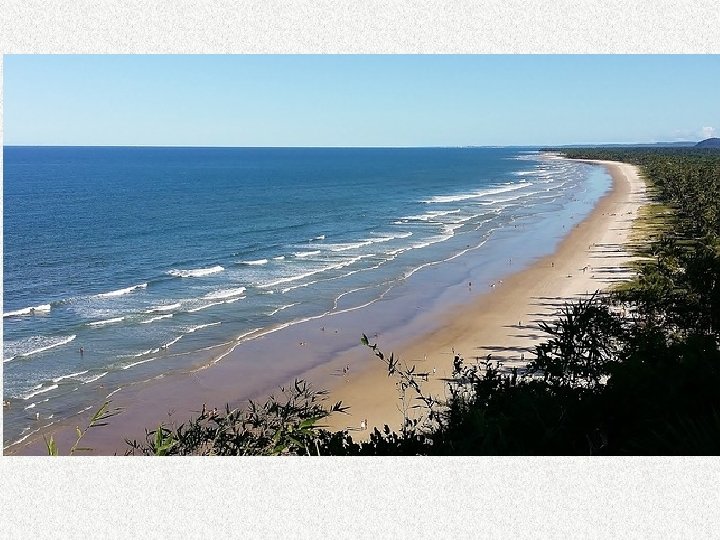
Beaches • Beaches: ocean currents and waves help to form these. Rivers carry sediment to the ocean and there the long shore currents sweep it along. The waves then wash sediment onto the shore to form beaches. © Love. Learning 2014
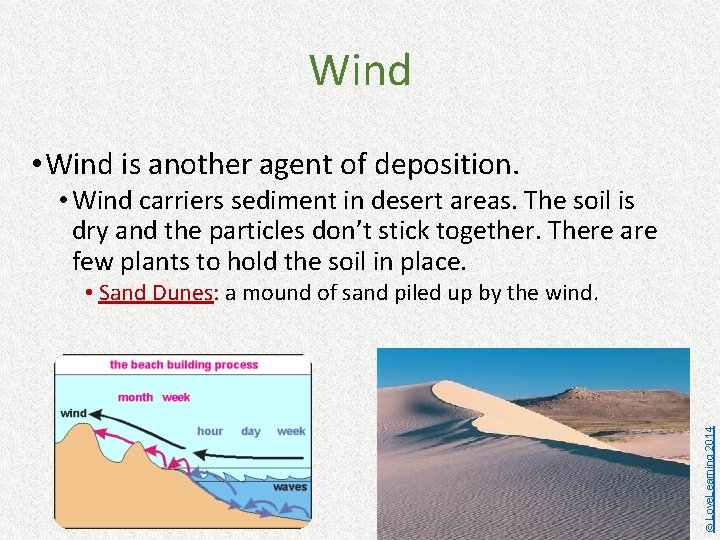
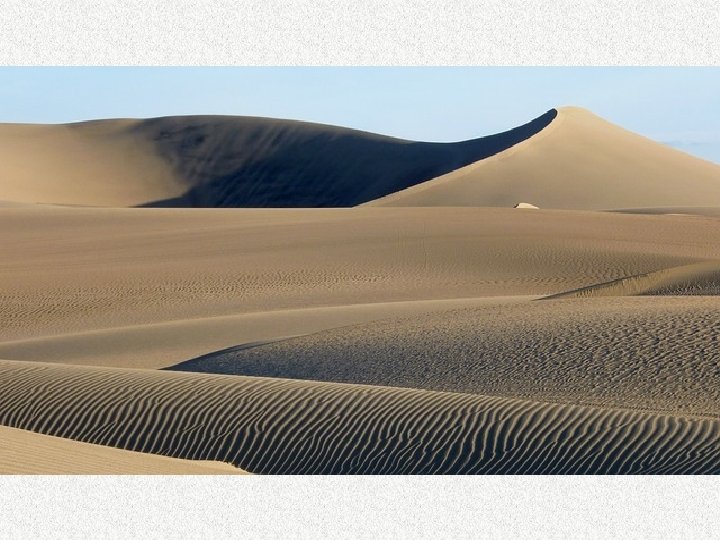
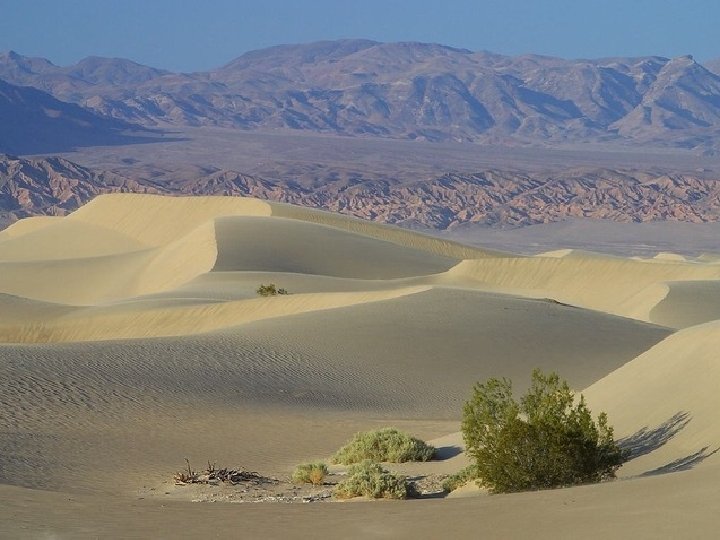
Wind • Wind is another agent of deposition. • Wind carriers sediment in desert areas. The soil is dry and the particles don’t stick together. There are few plants to hold the soil in place. © Love. Learning 2014 • Sand Dunes: a mound of sand piled up by the wind.
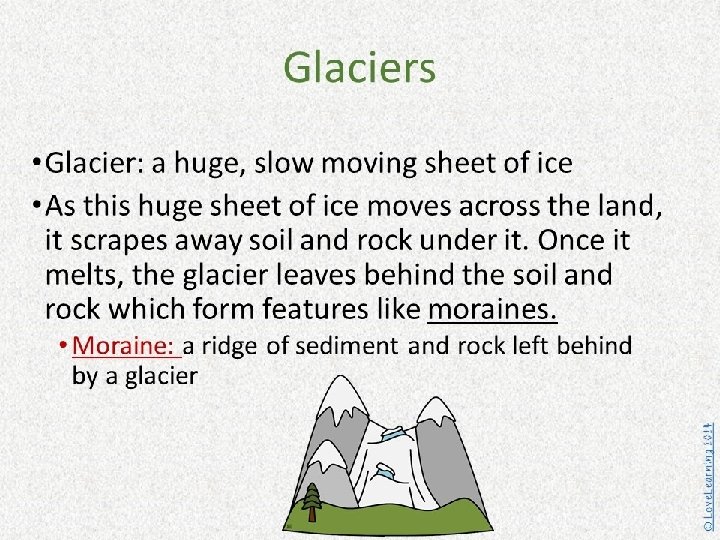
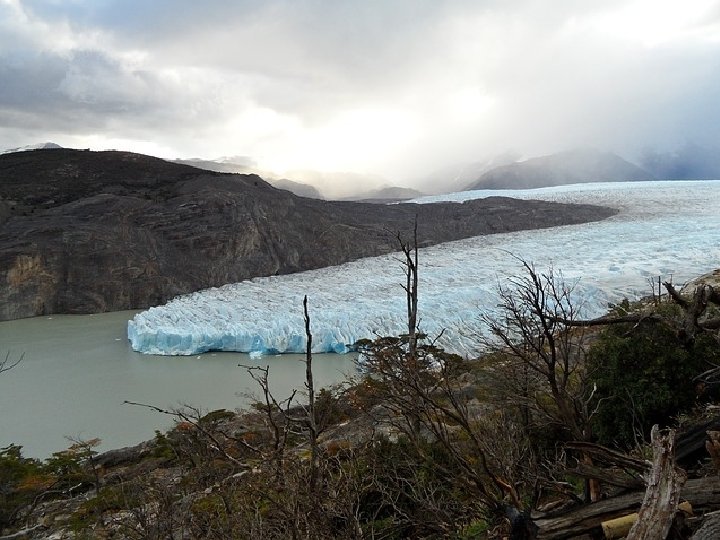
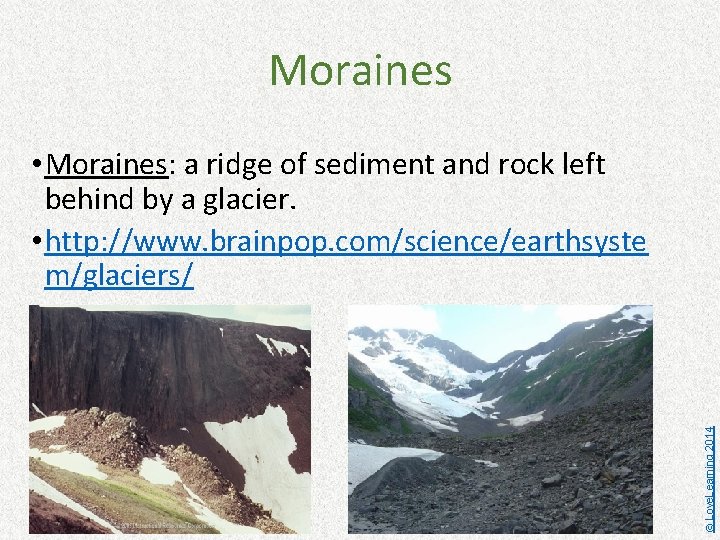
Moraines © Love. Learning 2014 • Moraines: a ridge of sediment and rock left behind by a glacier. • http: //www. brainpop. com/science/earthsyste m/glaciers/
Formation of a Glacier http: //safeshare. tv/w/PXph. ZCclfk © Love. Learning 2014
Terms of Use • Thank you for downloading this product! The purchase of this product entitles you to single classroom use. Please be respectful of my work and do not share with your entire grade level or post this anywhere online (including your personal website). If you wish to share this with colleagues, please purchase multiple user licenses. • If you have any questions or need clarification, please contact me at lovelearning. TPT@yahoo. com Other science, social studies, common core math, and writing resources
Graphics From: www. pixabay. com