
Constructive Forces GPS S 5 E 1 Students
- Slides: 14
Constructive Forces
GPS: S 5 E 1. Students will identify surface features of the Earth caused by constructive and destructive processes. • Identify surface features caused by constructive processes. • Deposition (Deltas, sand dunes, etc. ) • Earthquakes • Volcanoes • Faults Essential Question: How do constructive forces change the Earth’s surface?
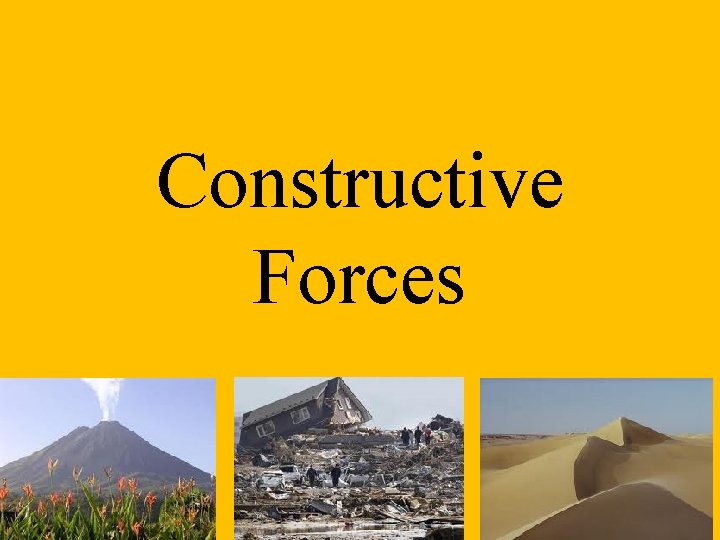
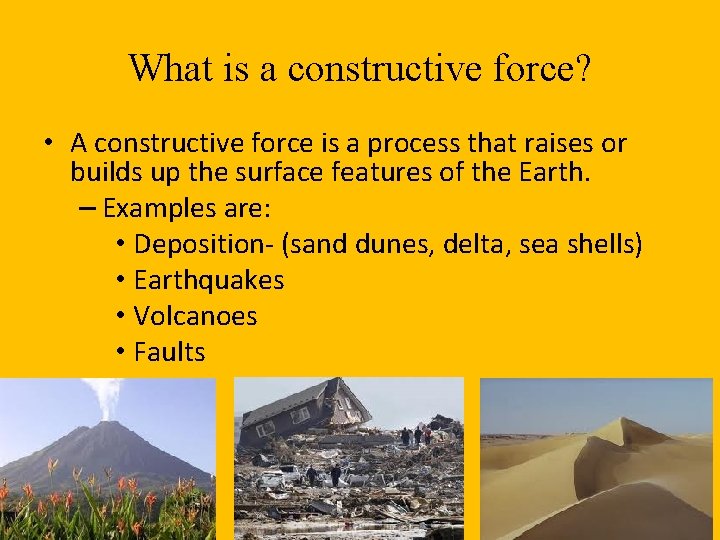
What is a constructive force? • A constructive force is a process that raises or builds up the surface features of the Earth. – Examples are: • Deposition- (sand dunes, delta, sea shells) • Earthquakes • Volcanoes • Faults
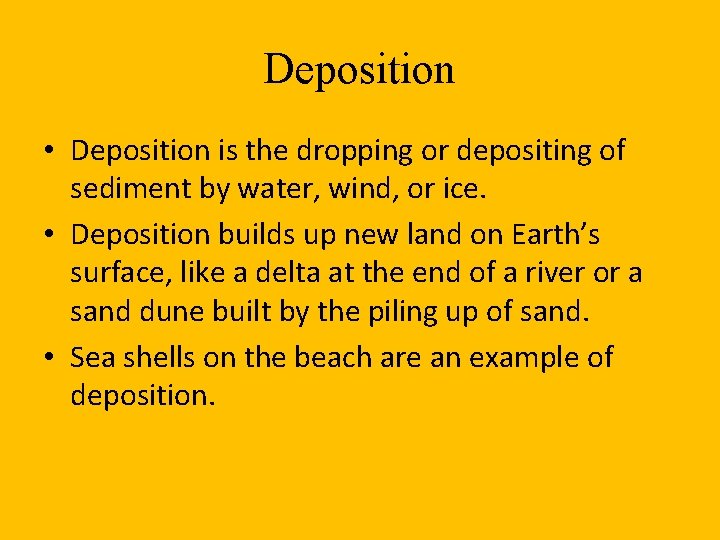
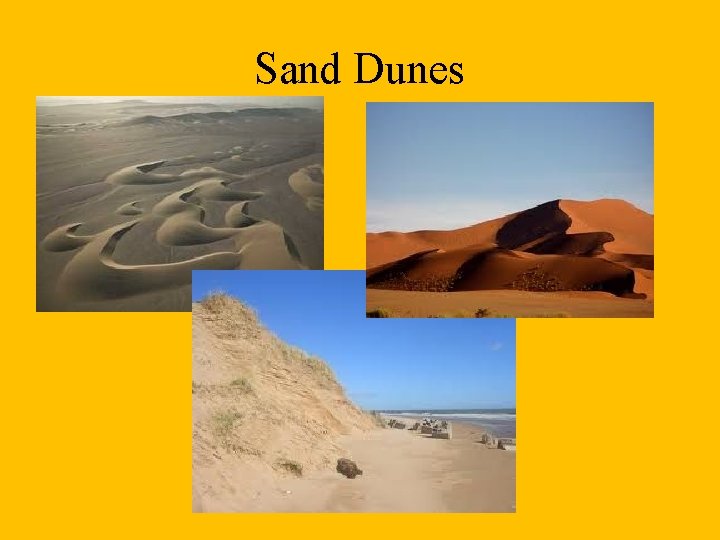
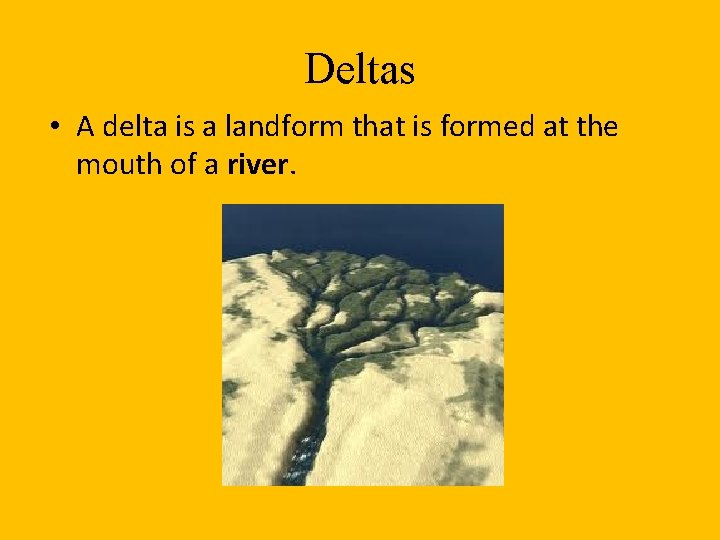
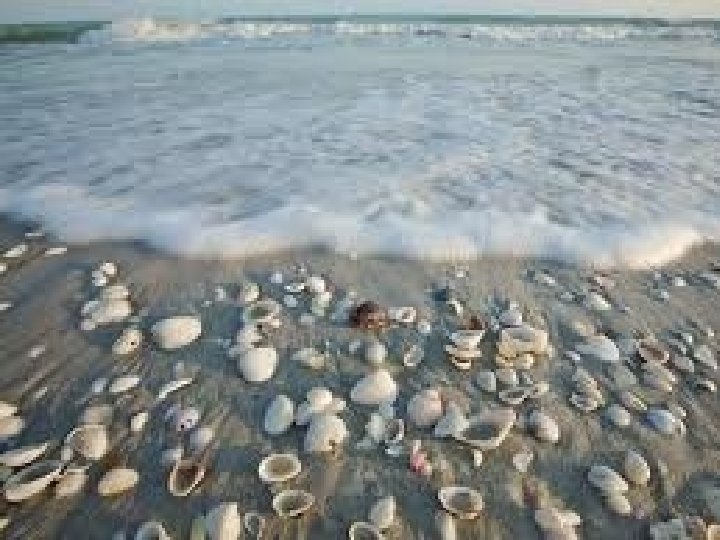
Deposition • Deposition is the dropping or depositing of sediment by water, wind, or ice. • Deposition builds up new land on Earth’s surface, like a delta at the end of a river or a sand dune built by the piling up of sand. • Sea shells on the beach are an example of deposition.
Sand Dunes
Deltas • A delta is a landform that is formed at the mouth of a river.
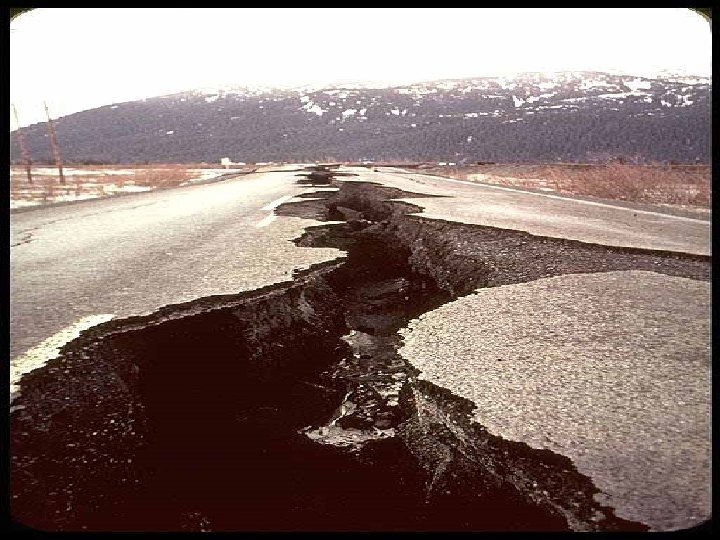
Earthquakes • Earthquakes are vibrations on Earth’s surface caused by sudden movement on Earth, often along a fault, a break in the Earth’s surface. • Large earthquakes can cause landslides and tsunamis. http: //www. brainpop. com/science/earthsystem/earthquakes/
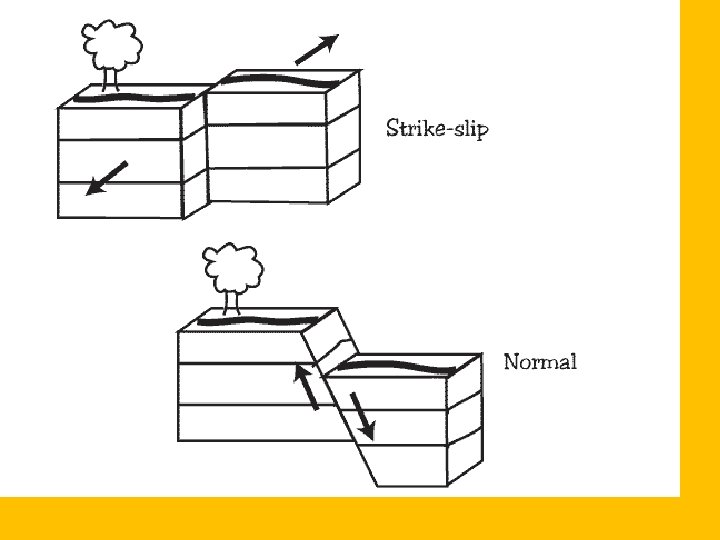
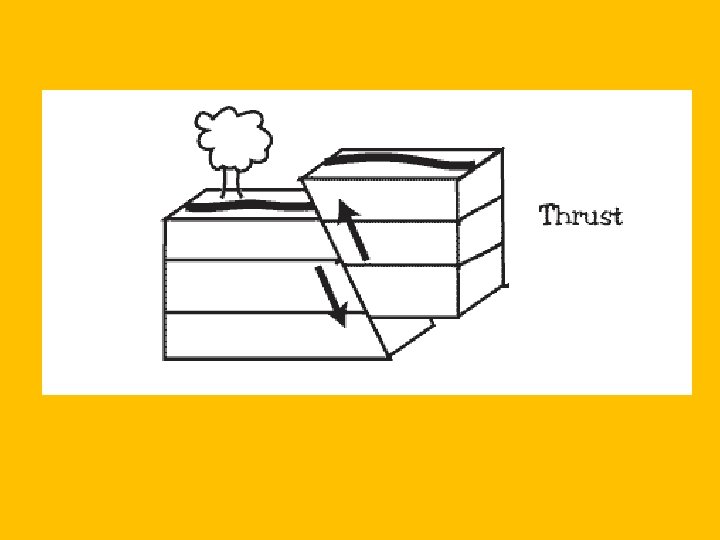
Fault Lines • A fault line is a break or fracture in the ground that occurs when the Earth's tectonic plates move or shift and areas where earthquakes are likely to occur.
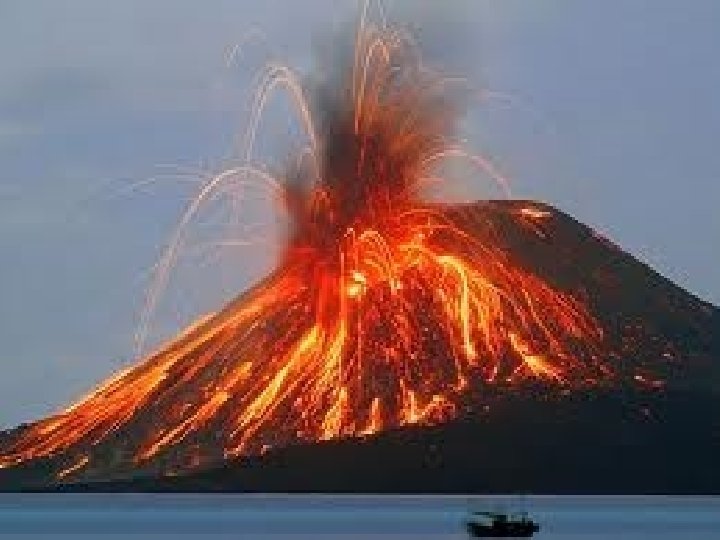
Volcanoes • Volcanoes are mountains with an opening in the Earth’s crust. • Magma, gases, and ash come through the opening to reach Earth’s surface. • When the magma erupts from the volcanoes, the top of the mountain can be changed. The top of the mountain can get larger or explode off. • The ash and lava can destroy forests and farms. http: //www. brainpop. com/science/earthsystem/volcanoes/