
Constructive Conversation Skills Science How can an organism
- Slides: 10
Constructive Conversation Skills Science
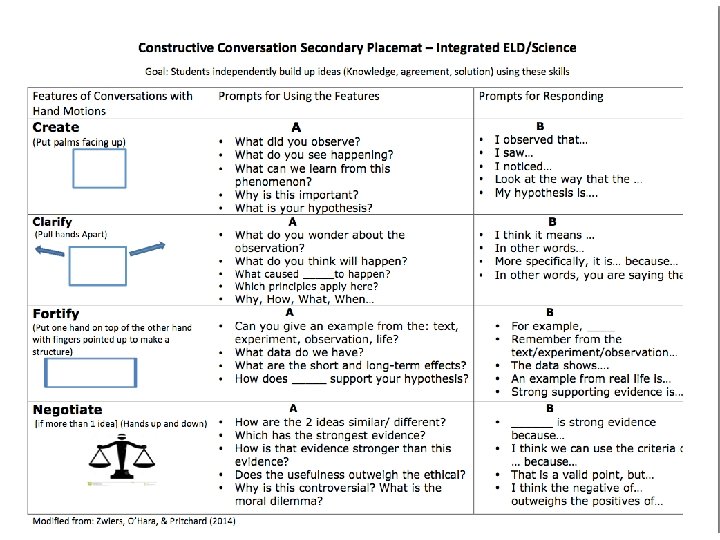
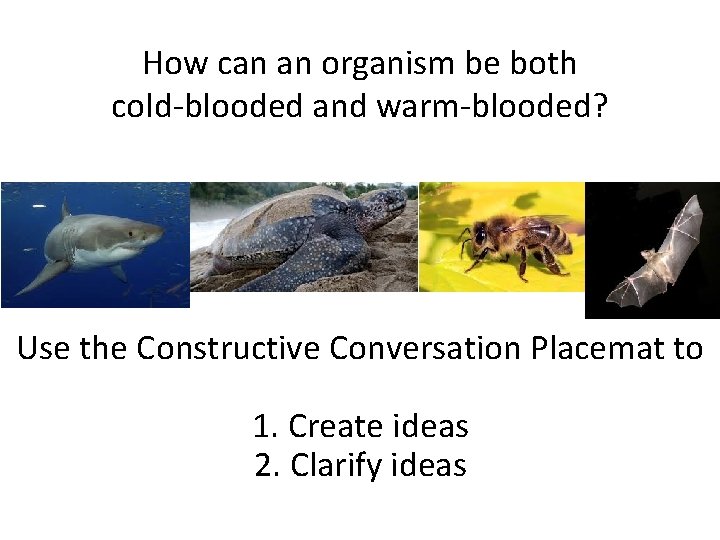
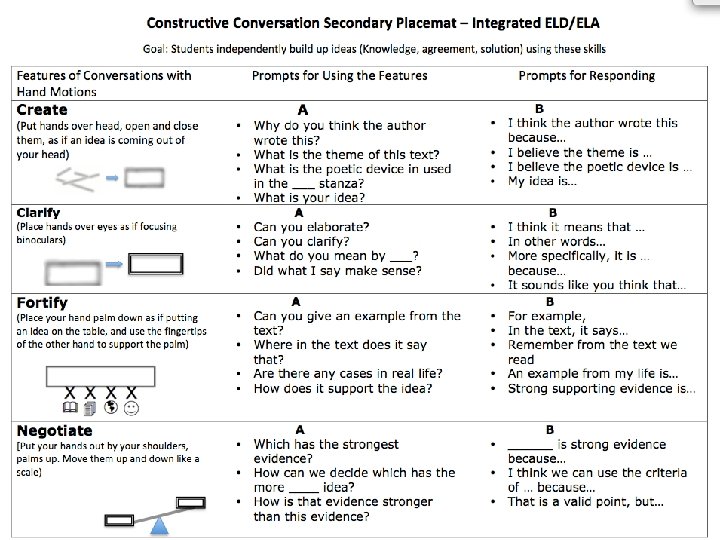
How can an organism be both cold-blooded and warm-blooded? Use the Constructive Conversation Placemat to 1. Create ideas 2. Clarify ideas
Were dinosaurs cold-blooded or warm -blooded? • Scientists still haven't settled the hot debate over whether dinosaurs were warm-blooded like birds and mammals or cold blooded like reptiles, fish and amphibians. • And some research suggests that dinos may be somewhere in between. • The following video explains the mesothermy theory, which may help explain how the giant prehistoric creatures could have stayed active in cold weather-when cold blooded animals could not have--and conserve energy when needed.
Could dinosaurs have been warmblooded?
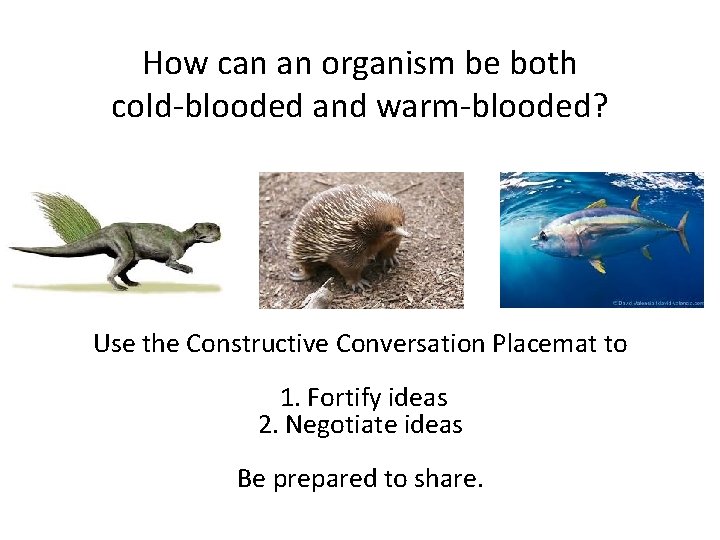
How can an organism be both cold-blooded and warm-blooded? Use the Constructive Conversation Placemat to 1. Fortify ideas 2. Negotiate ideas Be prepared to share.
Constructive Conversation Skills ELA
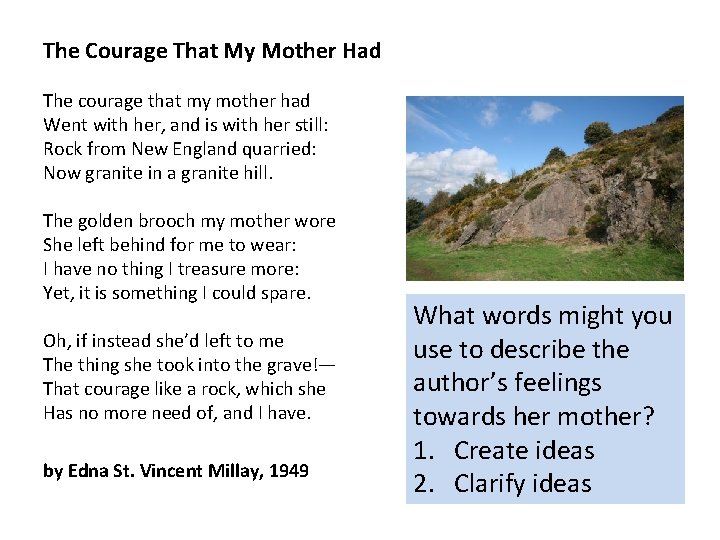
The Courage That My Mother Had The courage that my mother had Went with her, and is with her still: Rock from New England quarried: Now granite in a granite hill. The golden brooch my mother wore She left behind for me to wear: I have no thing I treasure more: Yet, it is something I could spare. Oh, if instead she’d left to me The thing she took into the grave!— That courage like a rock, which she Has no more need of, and I have. by Edna St. Vincent Millay, 1949 What words might you use to describe the author’s feelings towards her mother? 1. Create ideas 2. Clarify ideas
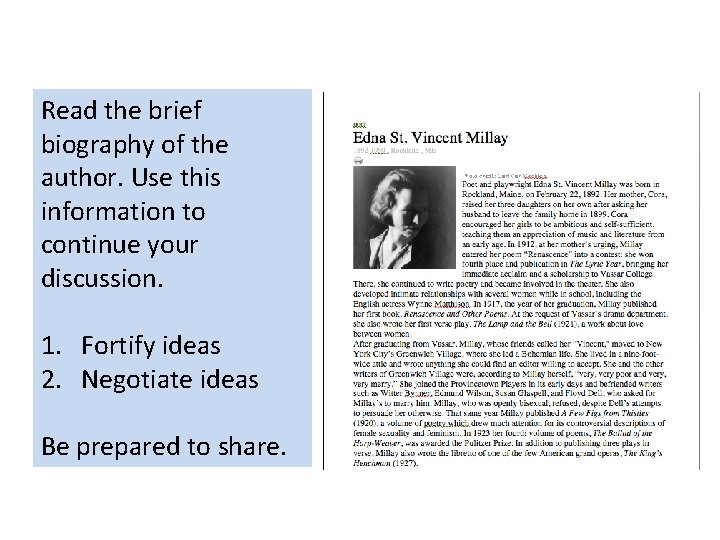
Read the brief biography of the author. Use this information to continue your discussion. 1. Fortify ideas 2. Negotiate ideas Be prepared to share.