
Constrictive Restrictive physiology clinical diagnostic differentiation Dr Daya



- Slides: 47
Constrictive & Restrictive physiology - clinical & diagnostic differentiation Dr. Daya. Sagar Rao. V DM(Cardiology) FRCP(Canada) FRCP(Edinburgh)
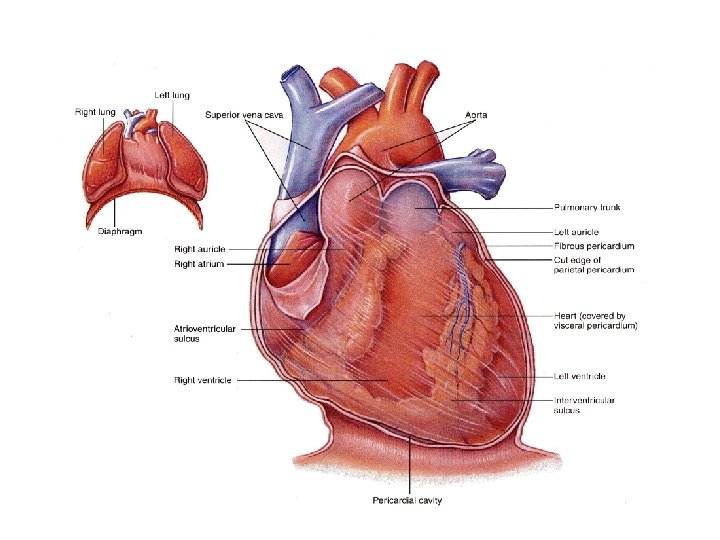
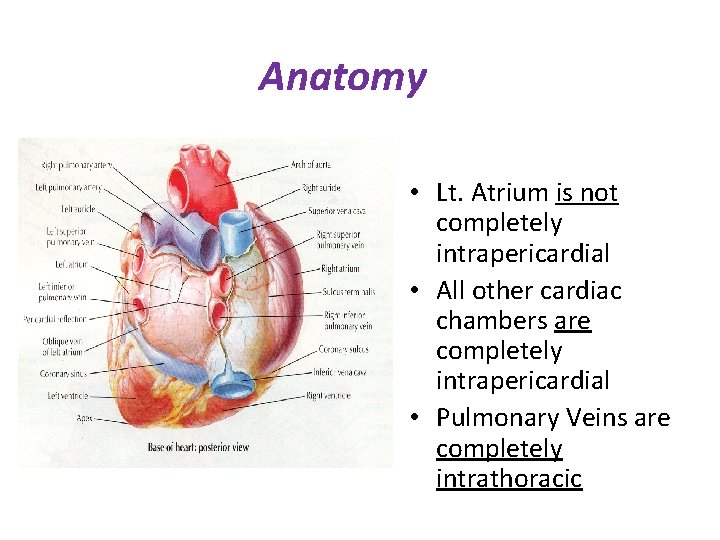
Anatomy • Lt. Atrium is not completely intrapericardial • All other cardiac chambers are completely intrapericardial • Pulmonary Veins are completely intrathoracic
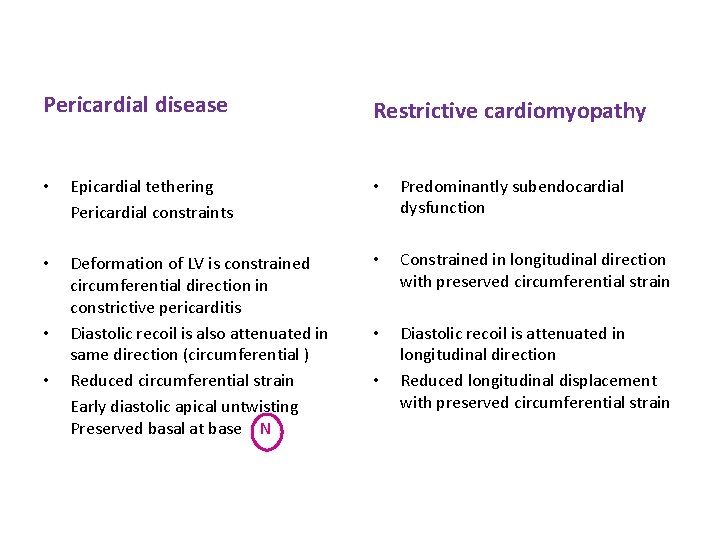
Pericardial disease Restrictive cardiomyopathy • Epicardial tethering Pericardial constraints • Predominantly subendocardial dysfunction • Deformation of LV is constrained circumferential direction in constrictive pericarditis Diastolic recoil is also attenuated in same direction (circumferential ) Reduced circumferential strain Early diastolic apical untwisting Preserved basal at base N • Constrained in longitudinal direction with preserved circumferential strain • Diastolic recoil is attenuated in longitudinal direction Reduced longitudinal displacement with preserved circumferential strain • • •
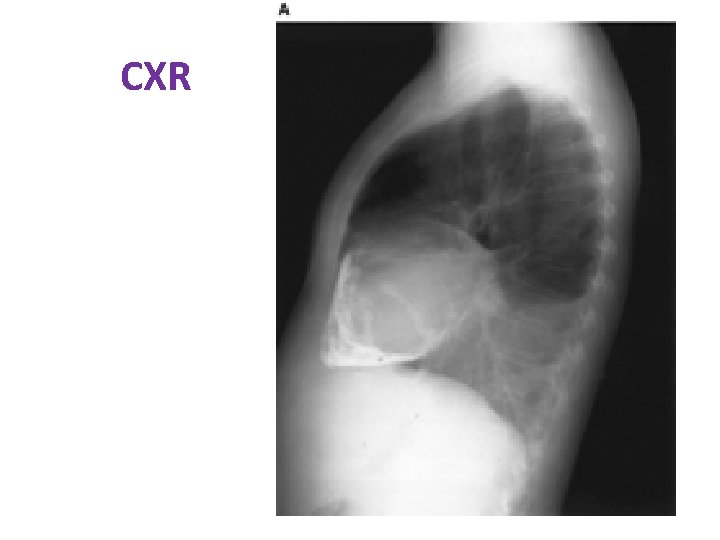
CXR
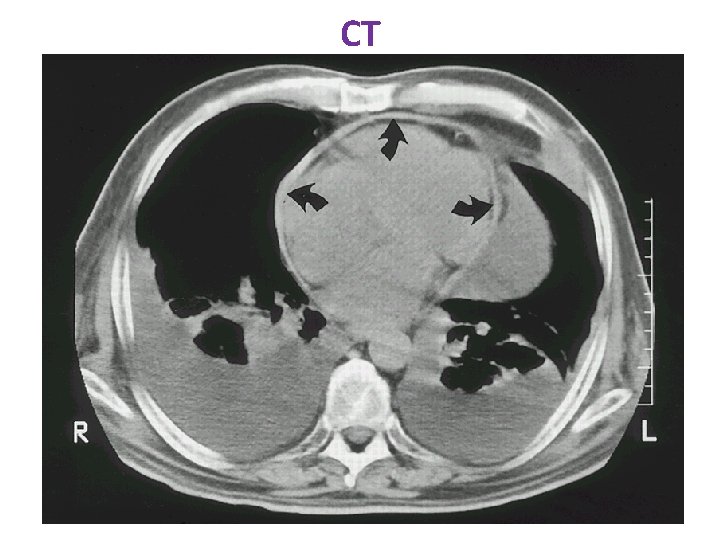
CT
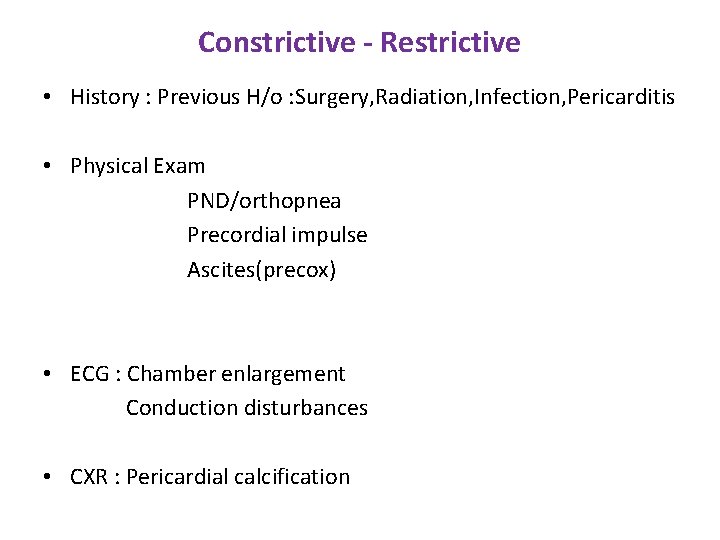
Constrictive - Restrictive • History : Previous H/o : Surgery, Radiation, Infection, Pericarditis • Physical Exam PND/orthopnea Precordial impulse Ascites(precox) • ECG : Chamber enlargement Conduction disturbances • CXR : Pericardial calcification
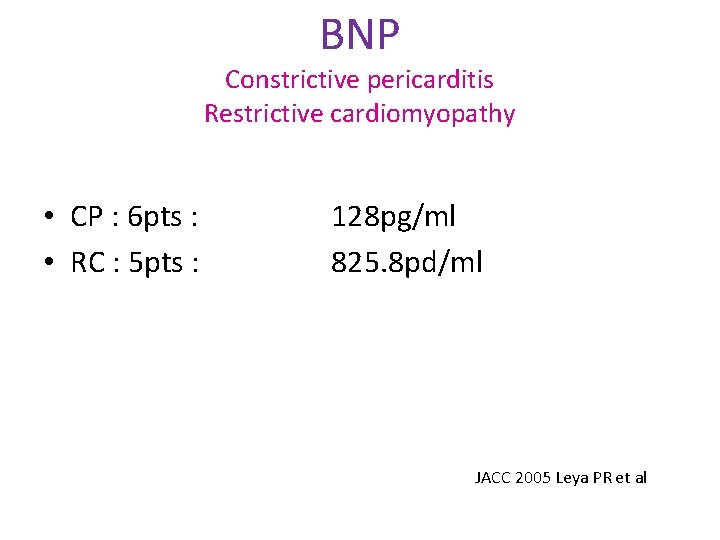
BNP Constrictive pericarditis Restrictive cardiomyopathy • CP : 6 pts : • RC : 5 pts : 128 pg/ml 825. 8 pd/ml JACC 2005 Leya PR et al
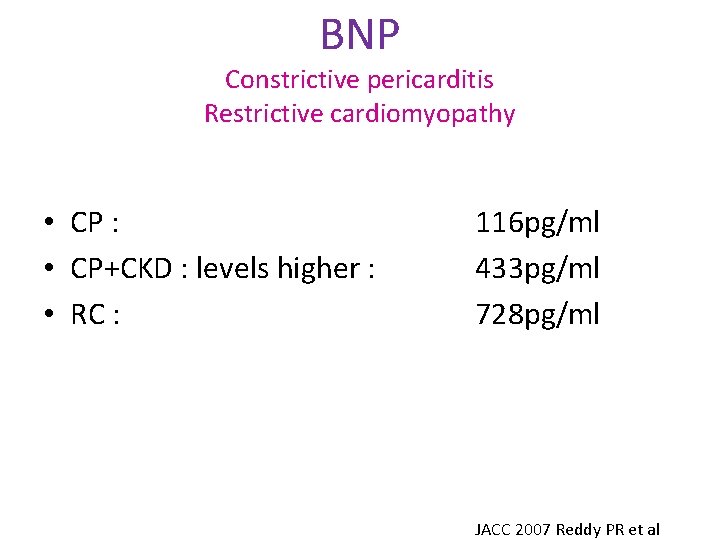
BNP Constrictive pericarditis Restrictive cardiomyopathy • CP : • CP+CKD : levels higher : • RC : 116 pg/ml 433 pg/ml 728 pg/ml JACC 2007 Reddy PR et al
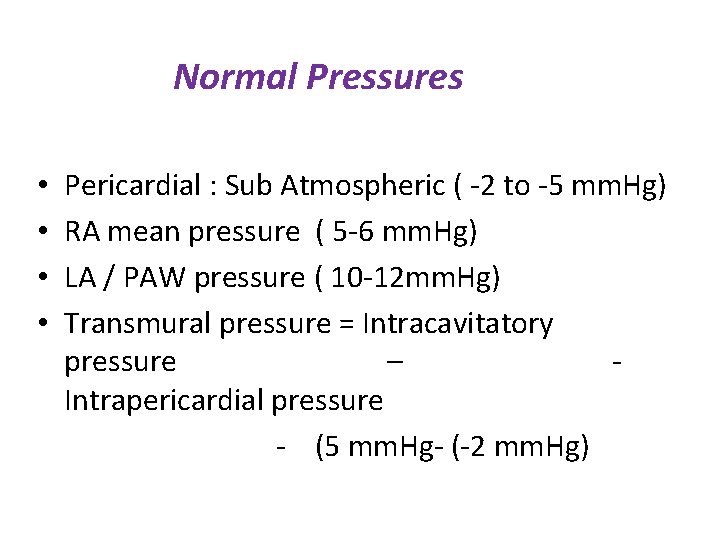
Normal Pressures • • Pericardial : Sub Atmospheric ( -2 to -5 mm. Hg) RA mean pressure ( 5 -6 mm. Hg) LA / PAW pressure ( 10 -12 mm. Hg) Transmural pressure = Intracavitatory pressure – Intrapericardial pressure - (5 mm. Hg- (-2 mm. Hg)
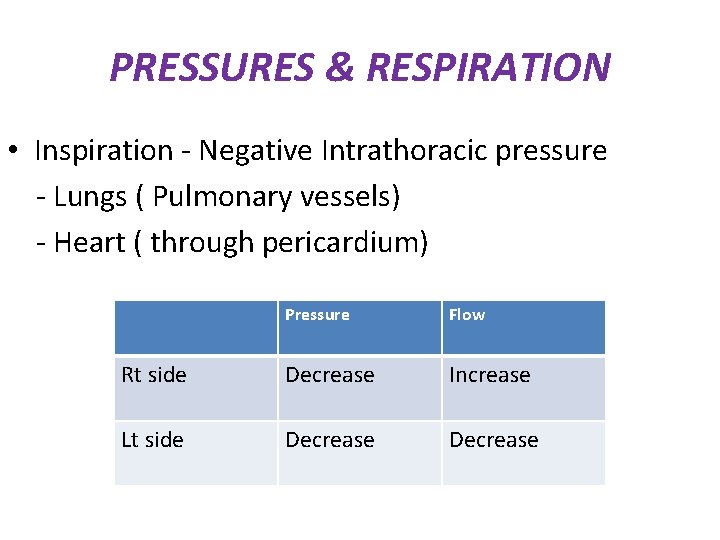
PRESSURES & RESPIRATION • Inspiration - Negative Intrathoracic pressure - Lungs ( Pulmonary vessels) - Heart ( through pericardium) Pressure Flow Rt side Decrease Increase Lt side Decrease
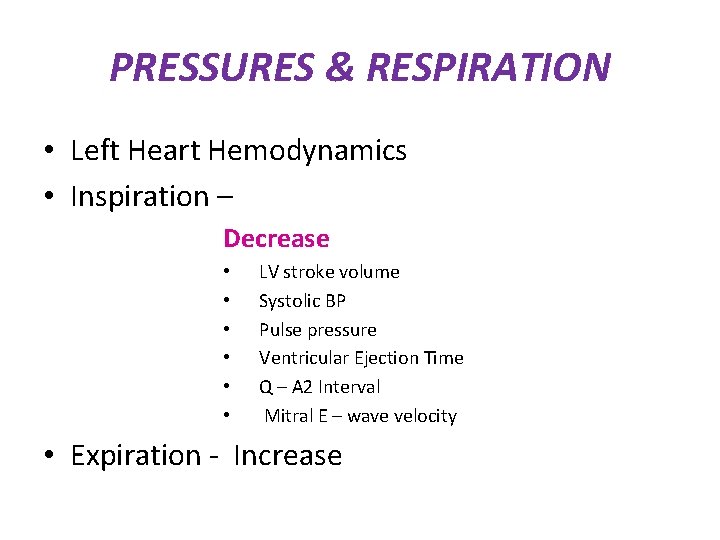
PRESSURES & RESPIRATION • Left Heart Hemodynamics • Inspiration – Decrease • • • LV stroke volume Systolic BP Pulse pressure Ventricular Ejection Time Q – A 2 Interval Mitral E – wave velocity • Expiration - Increase
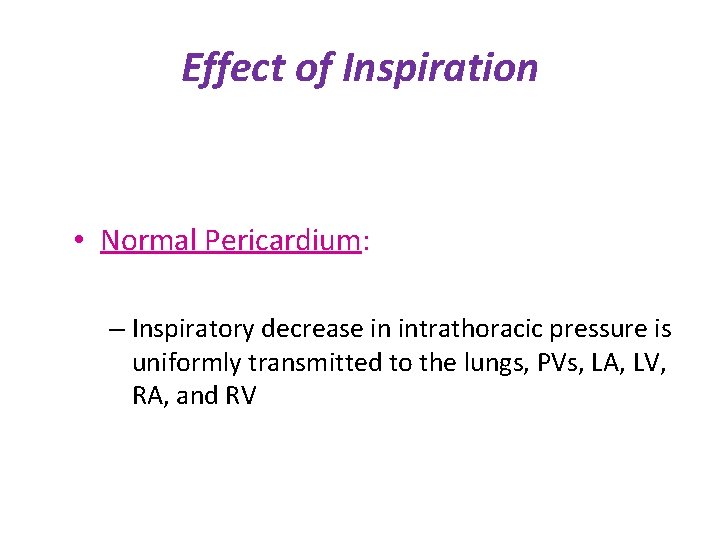
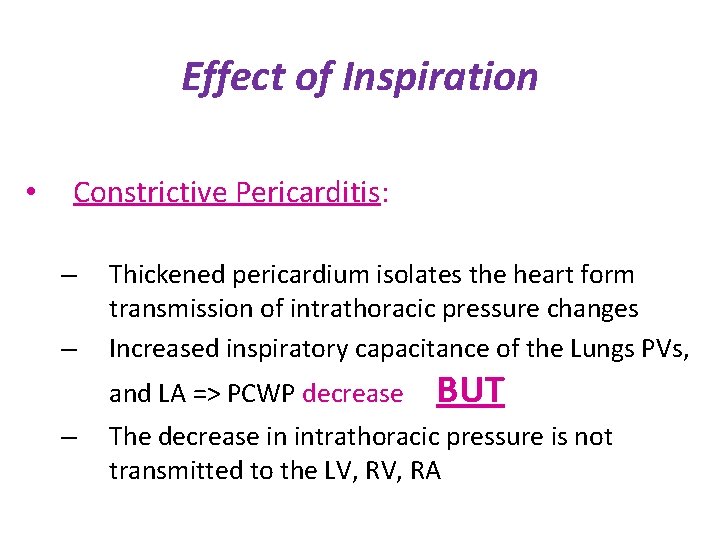
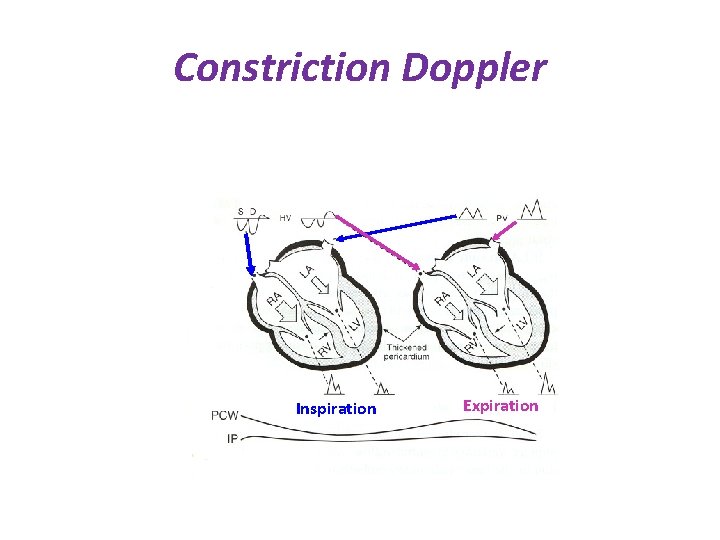
Effect of Inspiration • Normal Pericardium: – Inspiratory decrease in intrathoracic pressure is uniformly transmitted to the lungs, PVs, LA, LV, RA, and RV
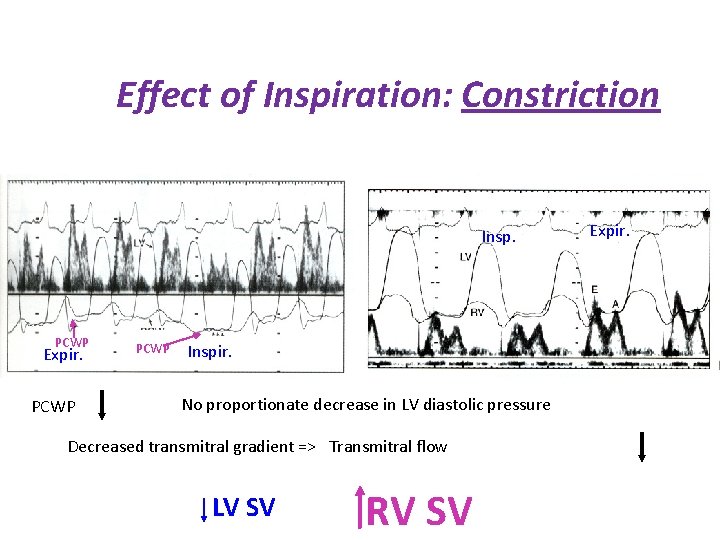
Effect of Inspiration • Constrictive Pericarditis: – – Thickened pericardium isolates the heart form transmission of intrathoracic pressure changes Increased inspiratory capacitance of the Lungs PVs, and LA => PCWP decrease – BUT The decrease in intrathoracic pressure is not transmitted to the LV, RA
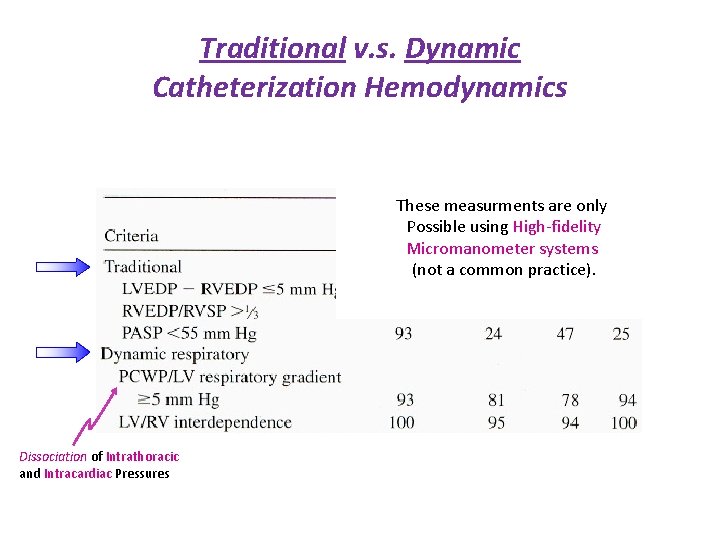
Dissociation of Intrathoracic and Intracardiac Pressures First demonstrated to be present in constrictive pericarditis using Doppler techniques in 1989, by Hatle in her landmark study. Hatle LK, Appleton CP, Popp RL. Differentiation of constrictive pericarditis And restrictive cardiomyopathy by Doppler Echocardiography. Circ. 1989; 79357 -370
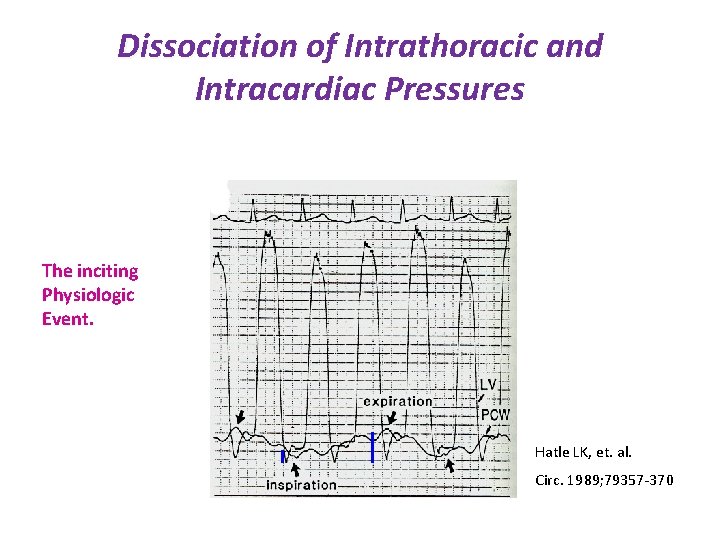
Dissociation of Intrathoracic and Intracardiac Pressures The inciting Physiologic Event. Hatle LK, et. al. Circ. 1989; 79357 -370
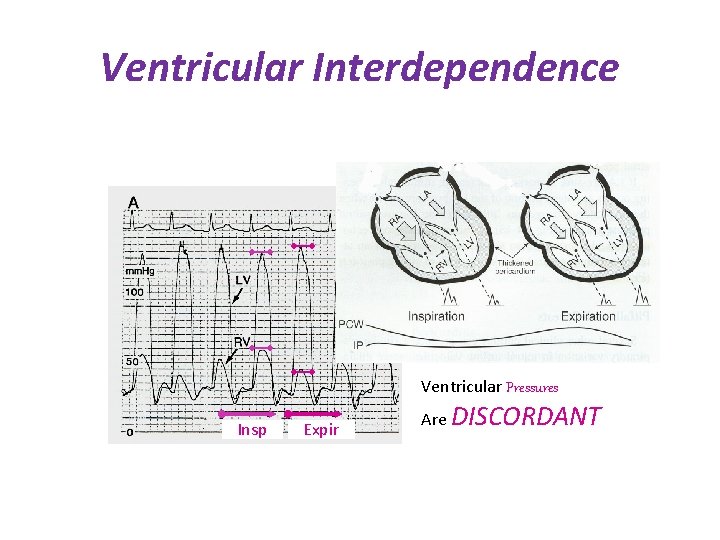
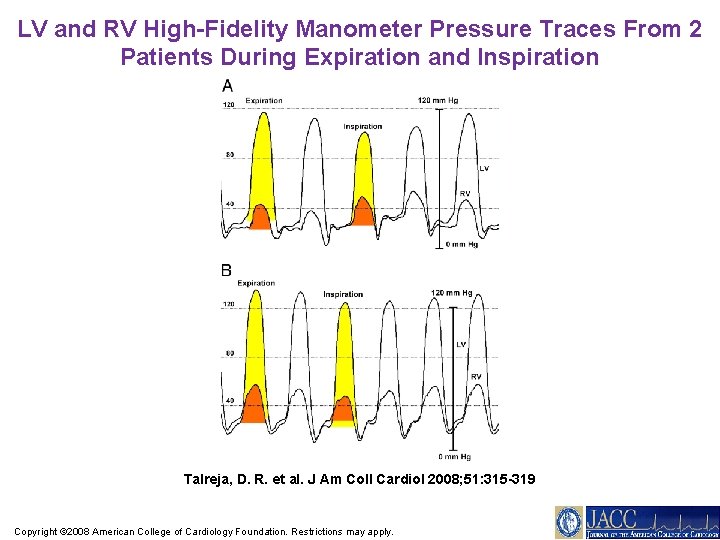
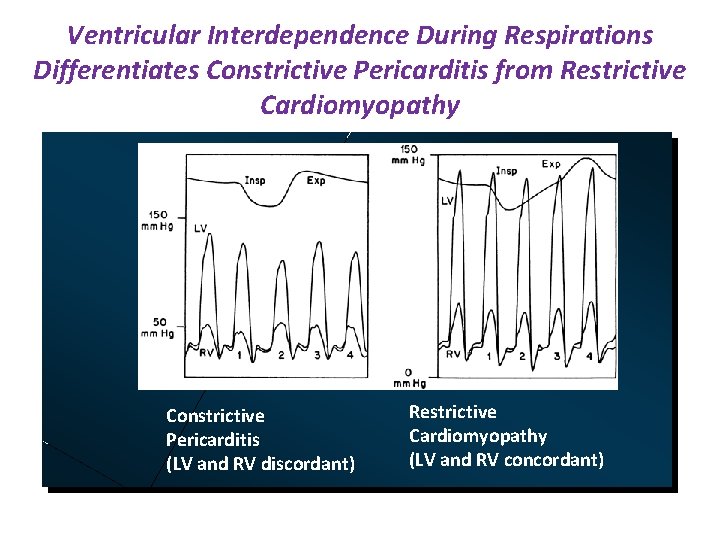
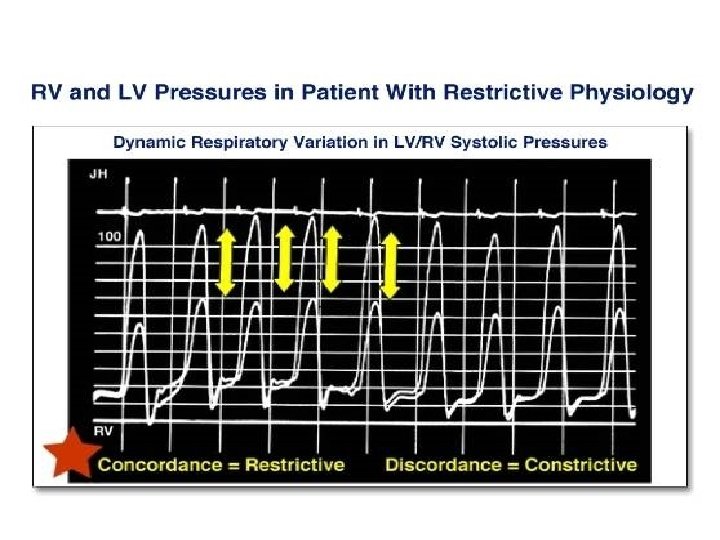
Ventricular Interdependence Hatle LK, et. al. Circ. 1989; 79357 -370 Ventricular Pressures Insp Expir Are DISCORDANT
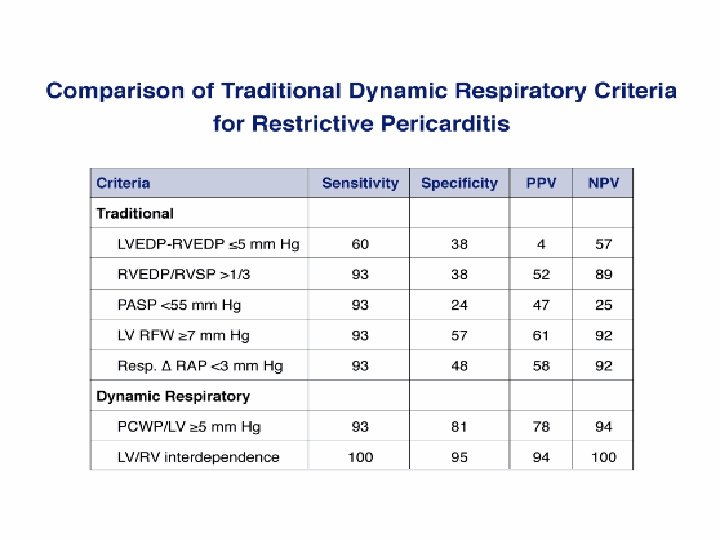
Traditional v. s. Dynamic Catheterization Hemodynamics These measurments aregiven only Why bother with Echo Possible The greatusing utility. High-fidelity of Dynamic Micromanometer systems Respiratory cath measurments? (not a common practice). Dissociation of Intrathoracic and Intracardiac Pressures
Effect of Inspiration: Constriction Inspir. Insp. PCWP Expir. PCWP Inspir. No proportionate decrease in LV diastolic pressure Decreased transmitral gradient => Transmitral flow LV SV RV SV Expir.
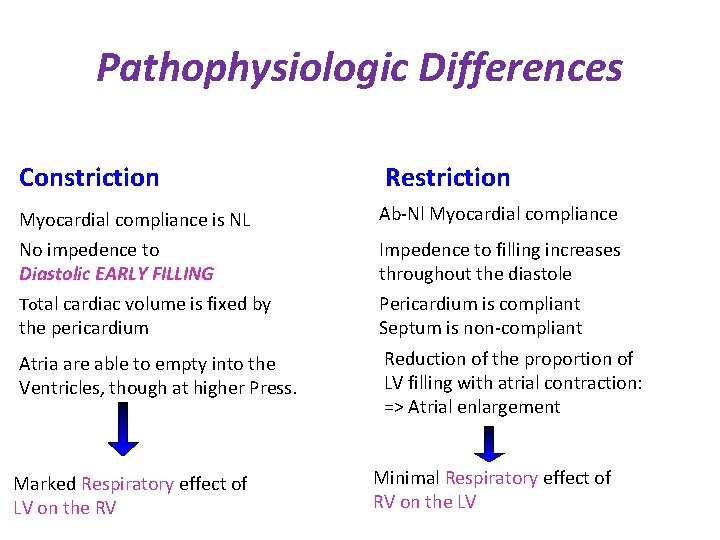
Pathophysiologic Differences Constriction Restriction Myocardial compliance is NL No impedence to Diastolic EARLY FILLING Total cardiac volume is fixed by the pericardium Ab-Nl Myocardial compliance Atria are able to empty into the Ventricles, though at higher Press. Reduction of the proportion of LV filling with atrial contraction: => Atrial enlargement Marked Respiratory effect of LV on the RV Impedence to filling increases throughout the diastole Pericardium is compliant Septum is non-compliant Minimal Respiratory effect of RV on the LV
Specific Echocardiographic Criteria for Constriction/Restriction • Mitral E wave pattern • Pulmonary Vein pattern • Hepatic Vein pattern
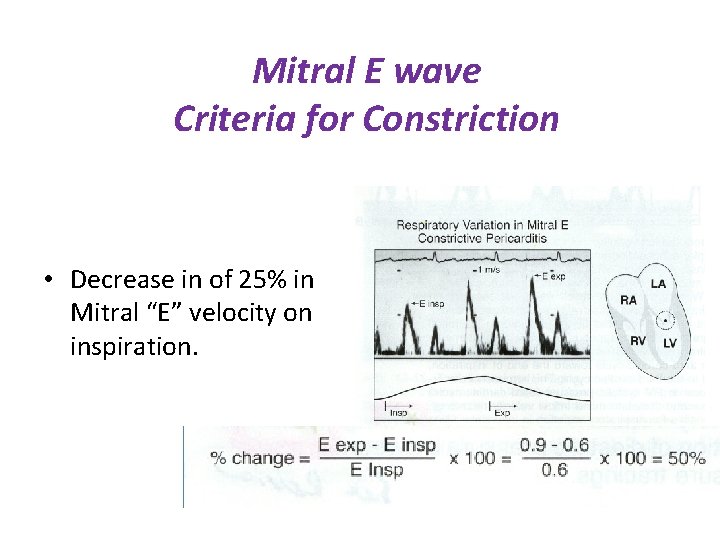
Mitral E wave Criteria for Constriction • Decrease in of 25% in Mitral “E” velocity on inspiration.
• In RESTRICTION: There is no respiratory variation of Mitral inflow
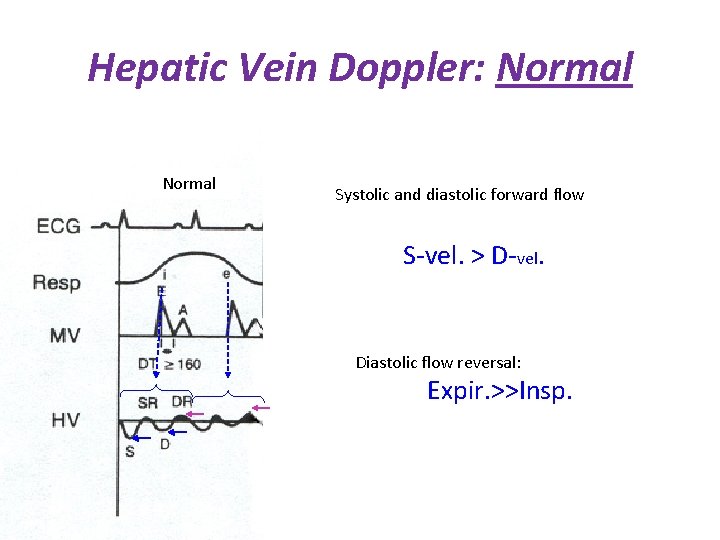
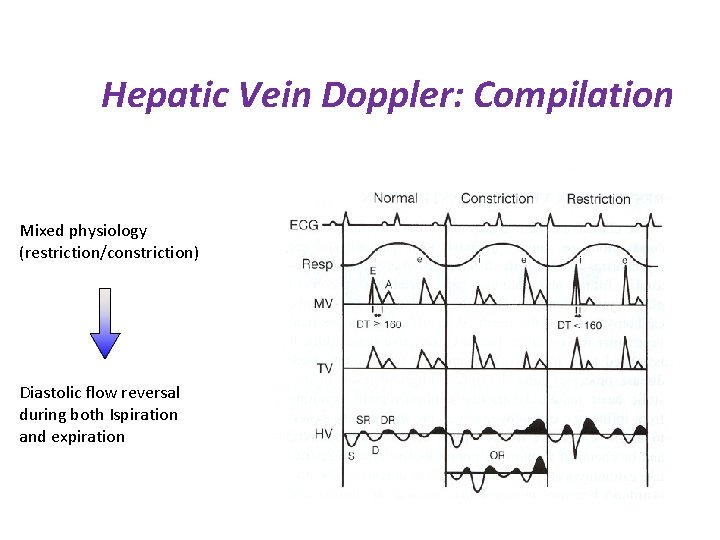
Hepatic Vein Doppler: Normal Systolic and diastolic forward flow S-vel. > D-vel. Diastolic flow reversal: Expir. >>Insp.
Hepatic Vein Doppler: Constriction Diastolic flow reversal is augmented in expiration. DFRexp. >25% forward diastolic velocity
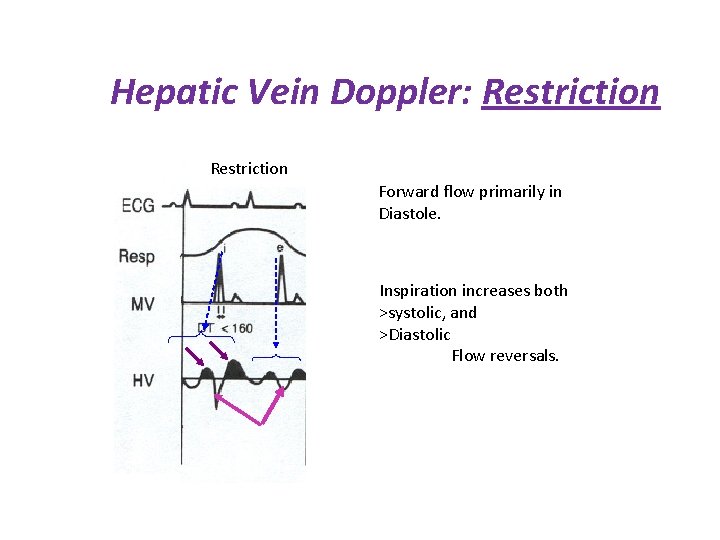
Hepatic Vein Doppler: Restriction Forward flow primarily in Diastole. Inspiration increases both >systolic, and >Diastolic Flow reversals.
Hepatic Vein Doppler: Compilation Mixed physiology (restriction/constriction) Diastolic flow reversal during both Ispiration and expiration
Constriction Doppler Inspiration Expiration
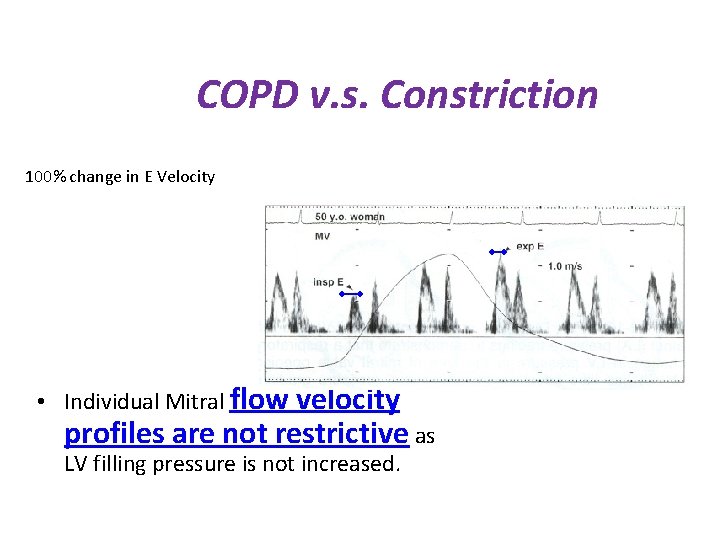
Pitfalls and Caveats • Subgroup of patients with constriction who do not exhibit respiratory changes • COPD
Constriction: Non-respirophasic • Oh et. al. Circ. 1997; 95: 796 -799 • 12 Pts. W/ confirmed constriction, but without the classic findings – Etiology of Non-respirophasic pattern Deduced post Stripping, as Sx Not improve • Mixed Restriction and Constriction • Marked increase in Preload reduction to unmask the respiratory variation
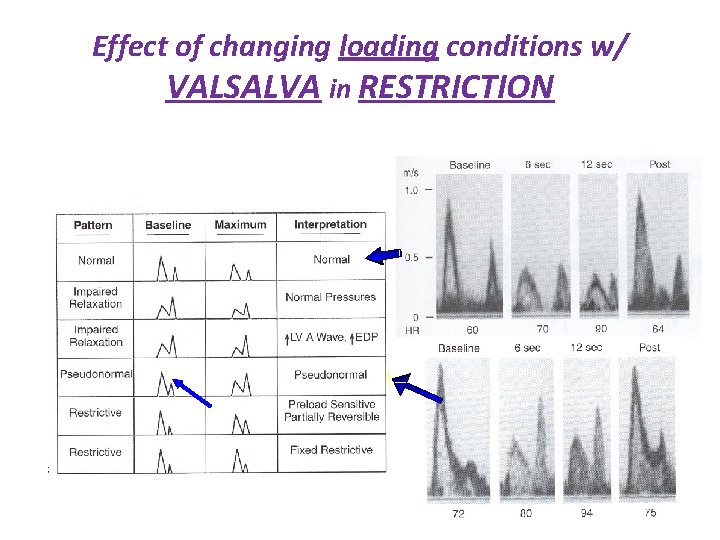
Effect of changing loading conditions w/ VALSALVA in RESTRICTION E 20% A to a lesser degree
COPD v. s. Constriction 100% change in E Velocity • Individual Mitral flow velocity profiles are not restrictive as LV filling pressure is not increased.
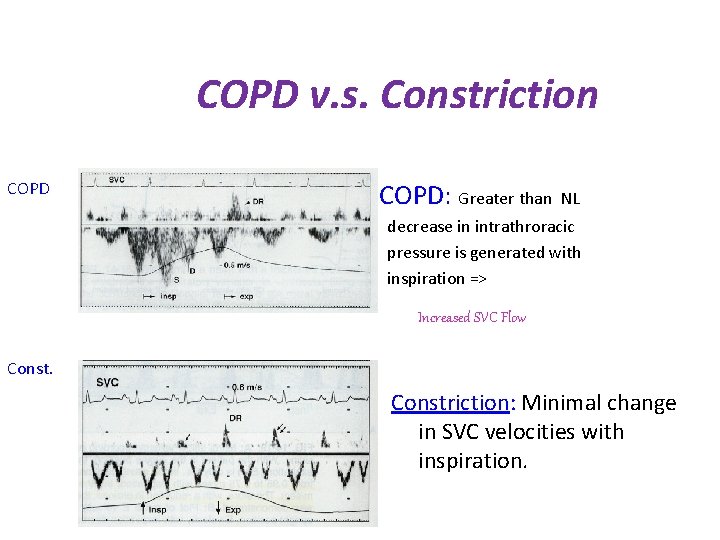
COPD v. s. Constriction COPD: Greater than NL decrease in intrathroracic pressure is generated with inspiration => Increased SVC Flow Constriction: Minimal change in SVC velocities with inspiration.
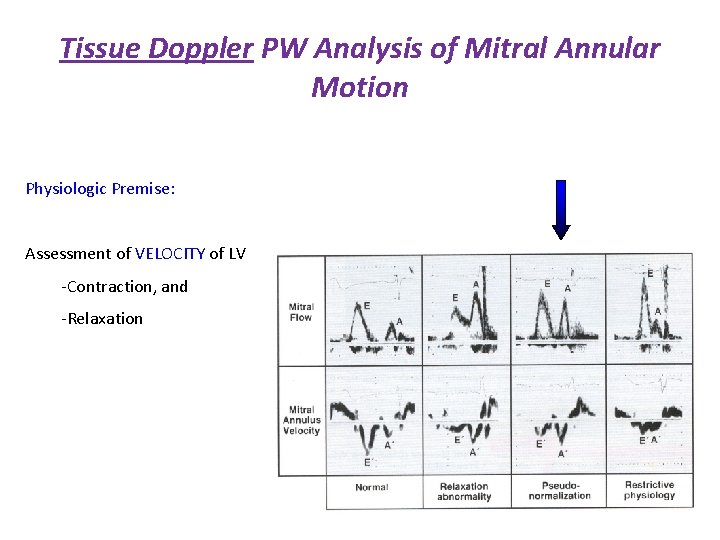
Tissue Doppler PW Analysis of Mitral Annular Motion Physiologic Premise: Assessment of VELOCITY of LV -Contraction, and -Relaxation
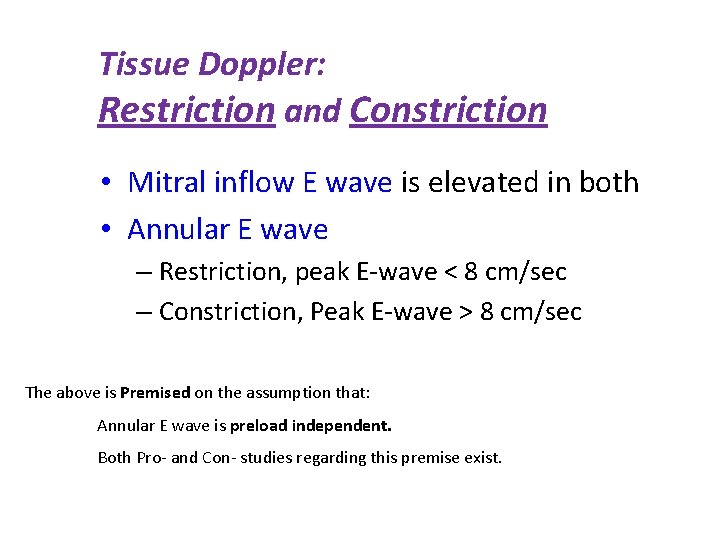
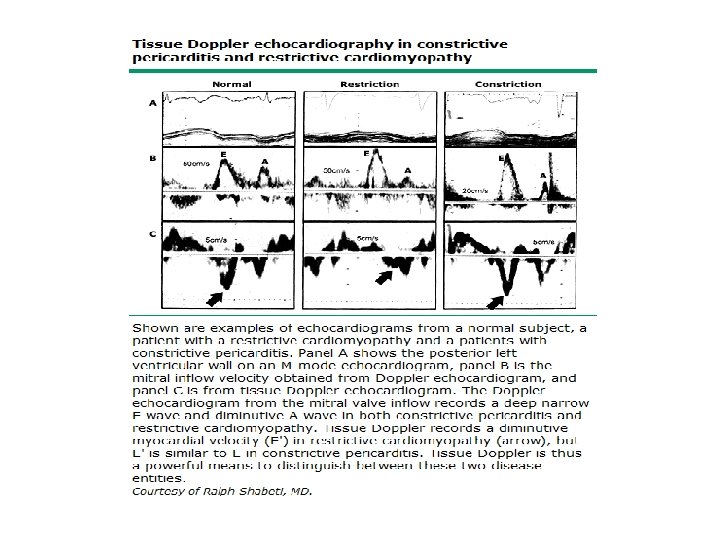
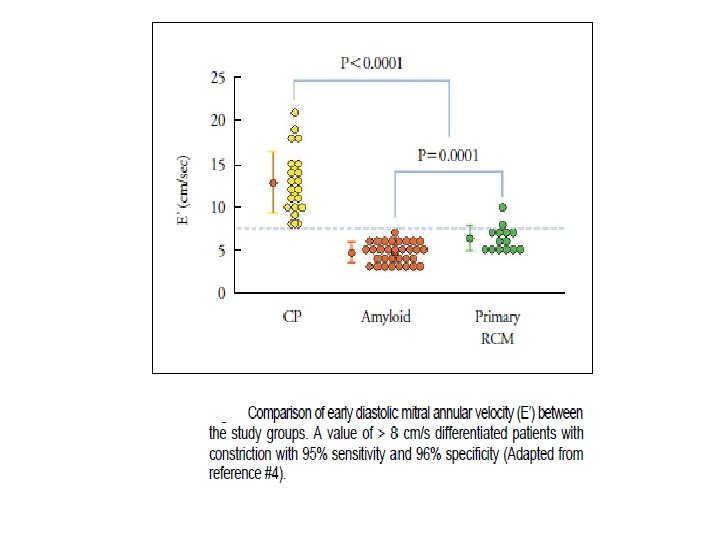
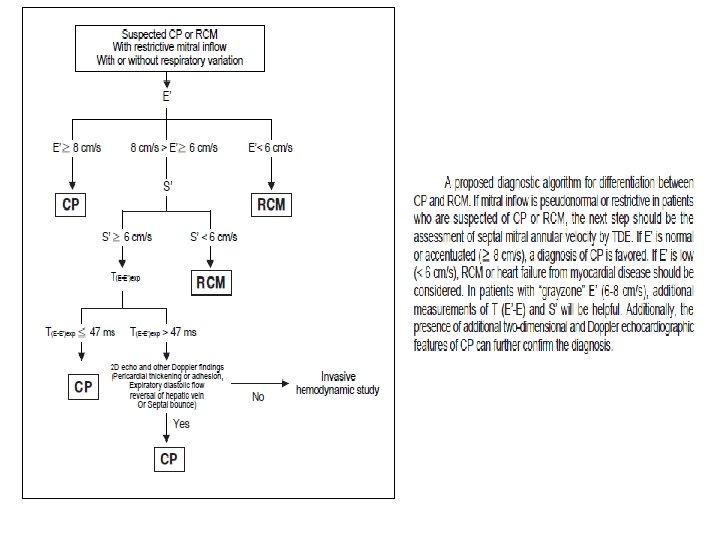
Tissue Doppler: Restriction and Constriction • Mitral inflow E wave is elevated in both • Annular E wave – Restriction, peak E-wave < 8 cm/sec – Constriction, Peak E-wave > 8 cm/sec The above is Premised on the assumption that: Annular E wave is preload independent. Both Pro- and Con- studies regarding this premise exist.
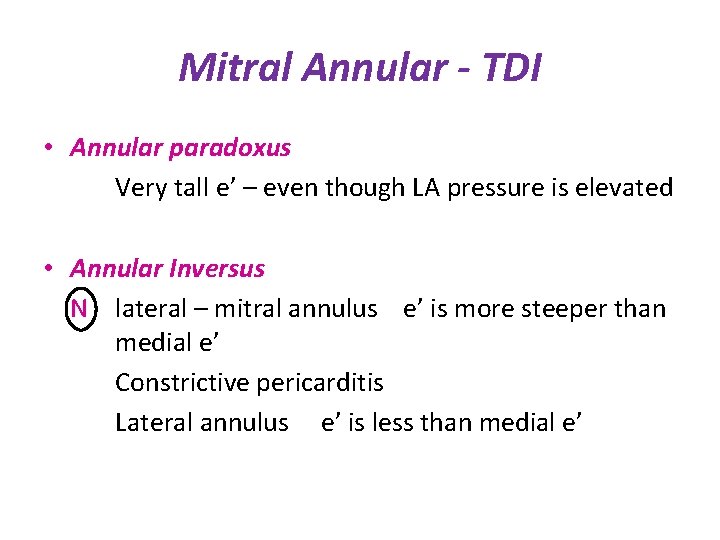
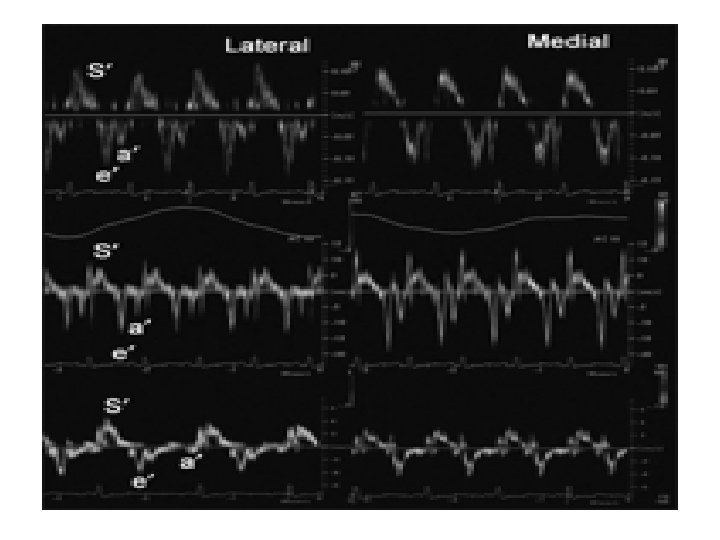
Mitral Annular - TDI • Annular paradoxus Very tall e’ – even though LA pressure is elevated • Annular Inversus N lateral – mitral annulus e’ is more steeper than medial e’ Constrictive pericarditis Lateral annulus e’ is less than medial e’
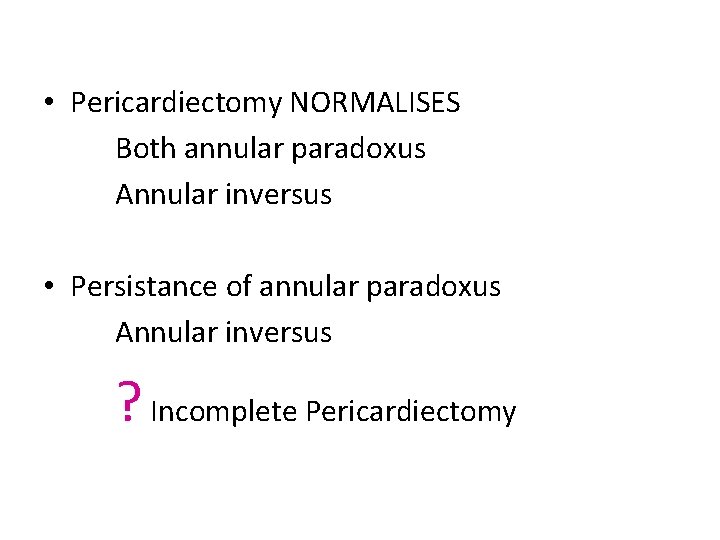
• Pericardiectomy NORMALISES Both annular paradoxus Annular inversus • Persistance of annular paradoxus Annular inversus ? Incomplete Pericardiectomy
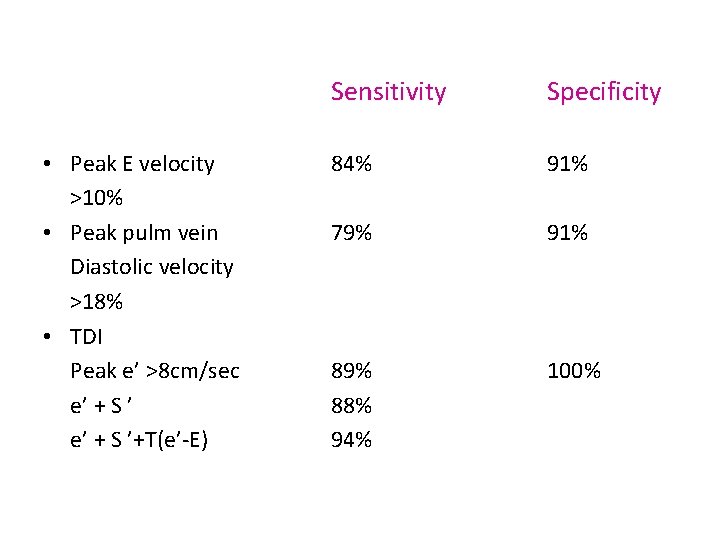
• Peak E velocity >10% • Peak pulm vein Diastolic velocity >18% • TDI Peak e’ >8 cm/sec e’ + S ’+T(e’-E) Sensitivity Specificity 84% 91% 79% 91% 89% 88% 94% 100%
LV and RV High-Fidelity Manometer Pressure Traces From 2 Patients During Expiration and Inspiration Talreja, D. R. et al. J Am Coll Cardiol 2008; 51: 315 -319 Copyright © 2008 American College of Cardiology Foundation. Restrictions may apply.
THANK YOU
Ventricular Interdependence During Respirations Differentiates Constrictive Pericarditis from Restrictive Cardiomyopathy Constrictive Pericarditis (LV and RV discordant) Hurrell et al, Circulation 1996; 93: 2007 Restrictive Cardiomyopathy (LV and RV concordant)