
ConstraintAware SoftwareDefined Network for Routing RealTime Multimedia Introduction


![Centralized vs. Decentralized Control TSN System [1] G. A. Ditzel and P. Didier, “Time](https://slidetodoc.com/presentation_image_h/bb443f6a87cd3d82432f5a7f7a6cd7a2/image-8.jpg "Centralized vs. Decentralized Control TSN System [1] G. A. Ditzel and P. Didier, “Time")

- Slides: 26
Constraint-Aware Software-Defined Network for Routing Real-Time Multimedia
Introduction • Software-defined network for professional real-time Audio and Video transmission over TCP/IP networks • Dynamic Quality of Service (Qo. S) Routing to improve traffic management capabilities through adaptive path provisioning. • Real-time Monitoring
Wiring of a patch bay of an outside broadcasting van
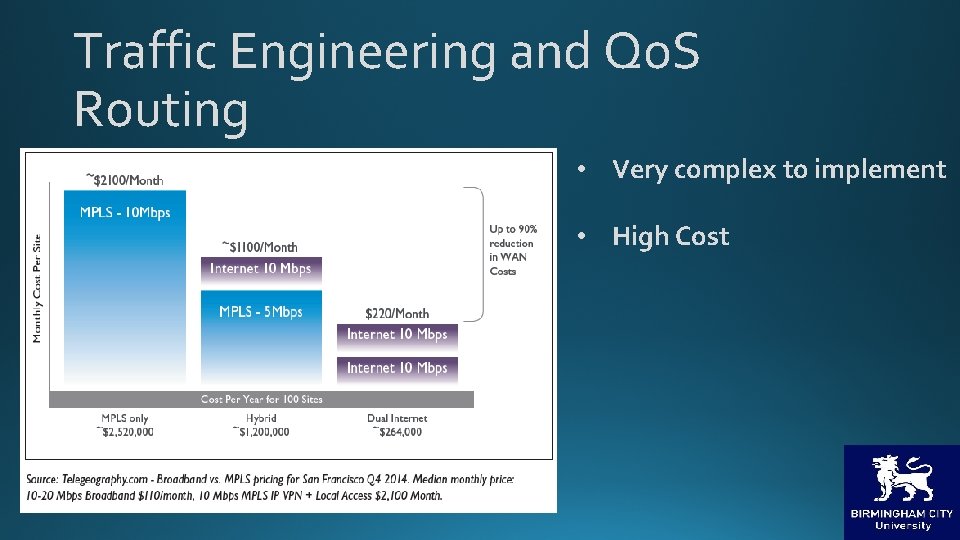
Traffic Engineering and Qo. S Routing • Very complex to implement • High Cost
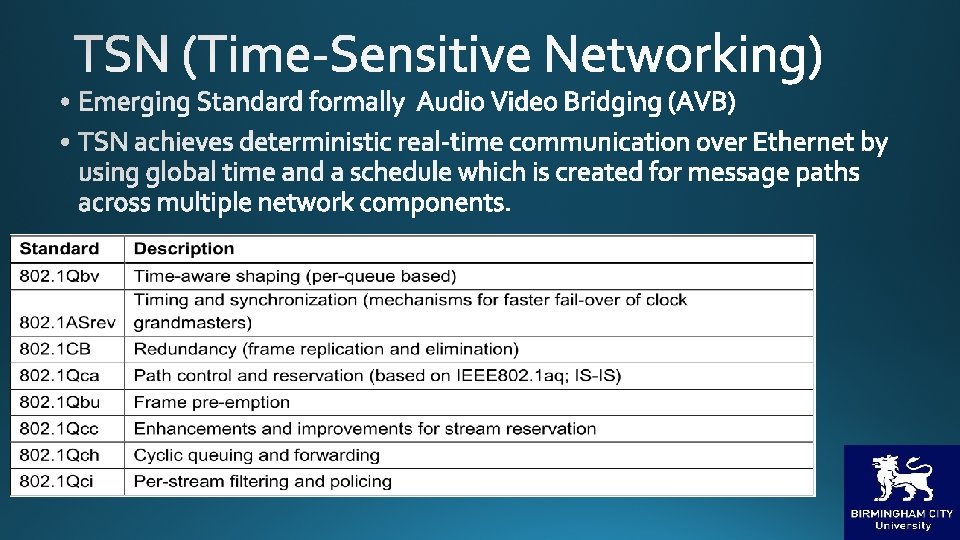
Centralized vs. Decentralized Control TSN System [1] G. A. Ditzel and P. Didier, “Time Sensitive Network ( TSN ) Protocols and use in Ether. Net / IP Systems Table of Contents, ” in 2015 ODVA Industry Conference & 17 th Annual Meeting, 2015, pp. 1– 24.
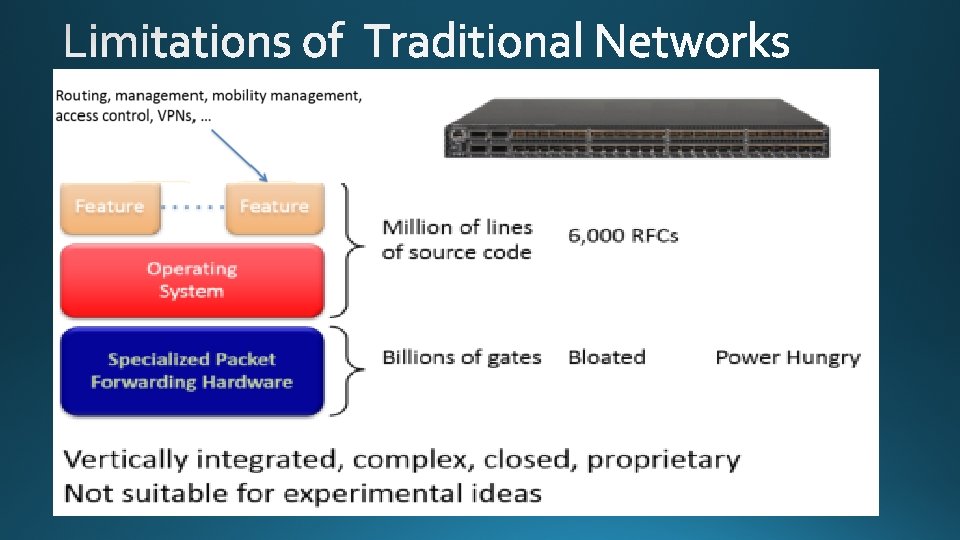
Features Operating System Specialized Packet Forwarding Hardware Million of lines of source code
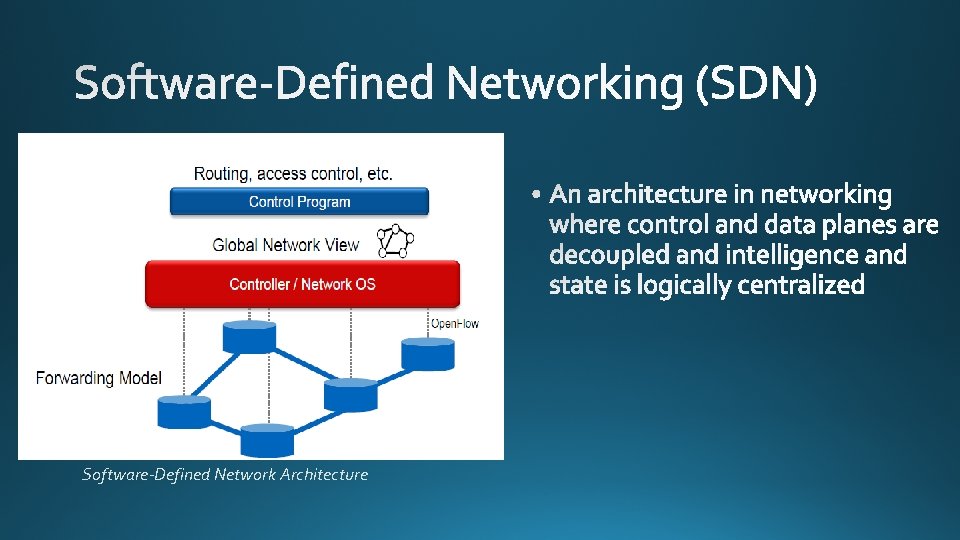
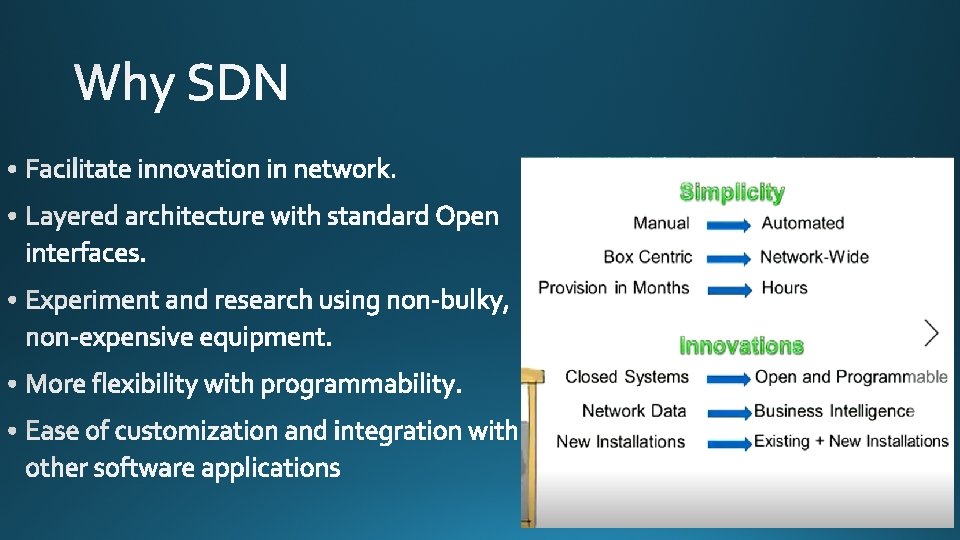
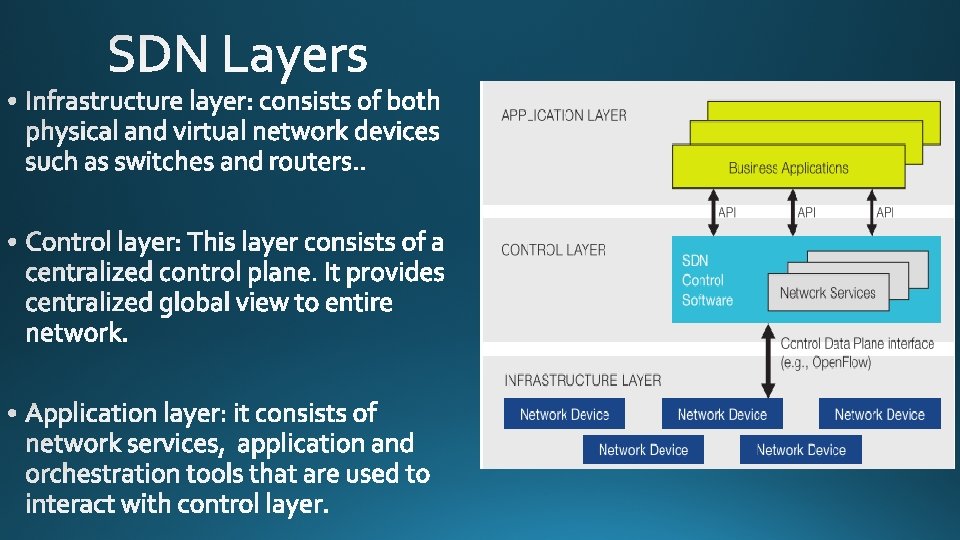
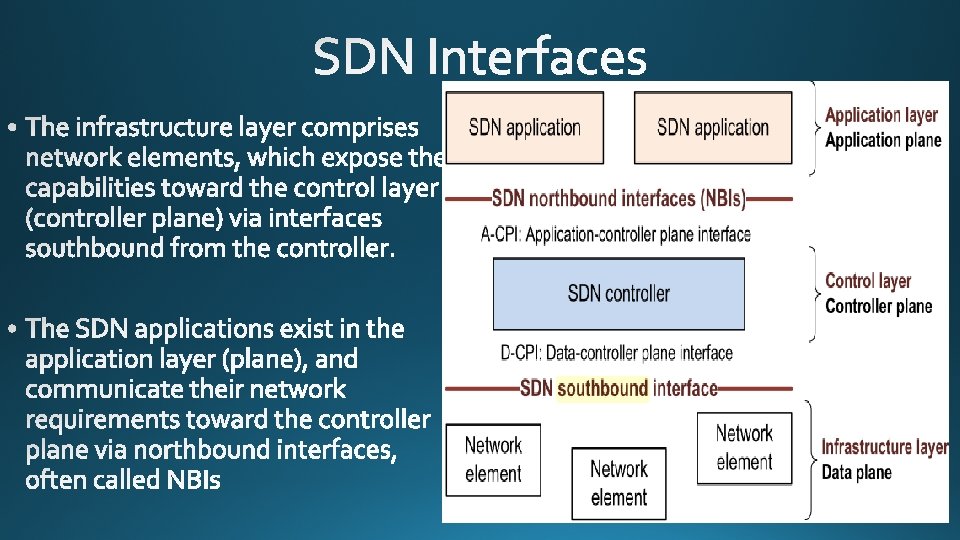
Software-Defined Network Architecture
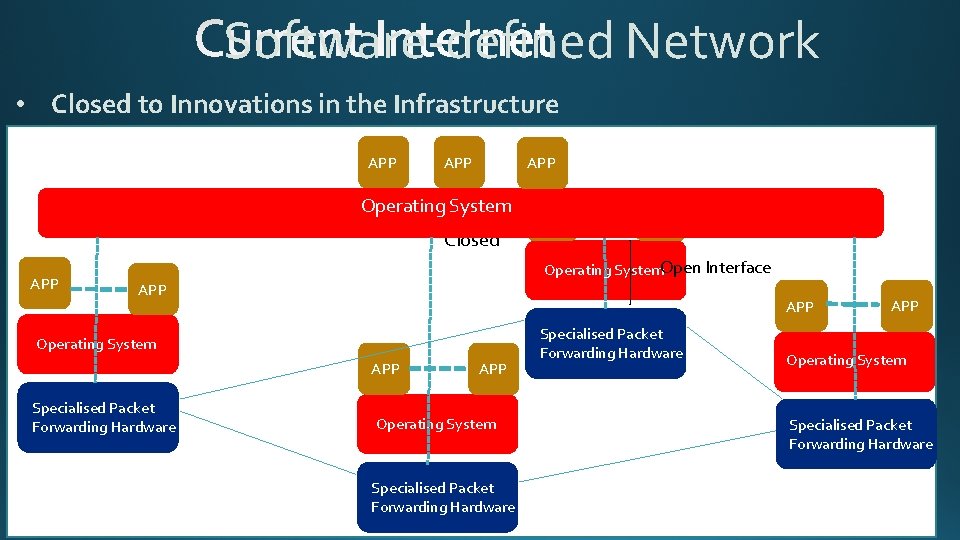
Software-defined Network • Closed to Innovations in the Infrastructure APP APP Operating System Closed APP Operating System APP APP Specialised Packet Forwarding Hardware Close Operating System. Open Interface APP APP Operating System Specialised Packet Forwarding Hardware
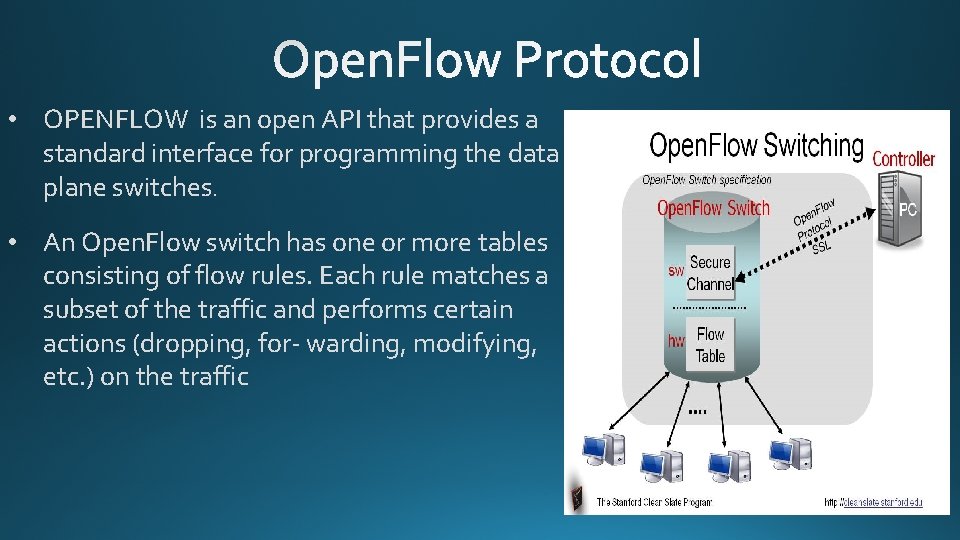
• OPENFLOW is an open API that provides a standard interface for programming the data plane switches. • An Open. Flow switch has one or more tables consisting of flow rules. Each rule matches a subset of the traffic and performs certain actions (dropping, for- warding, modifying, etc. ) on the traffic
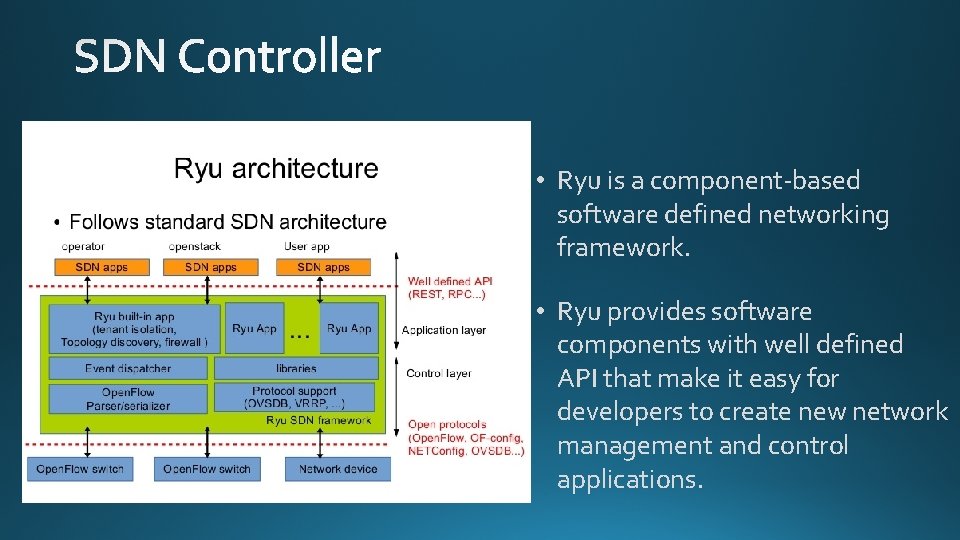
• Ryu is a component-based software defined networking framework. • Ryu provides software components with well defined API that make it easy for developers to create new network management and control applications.
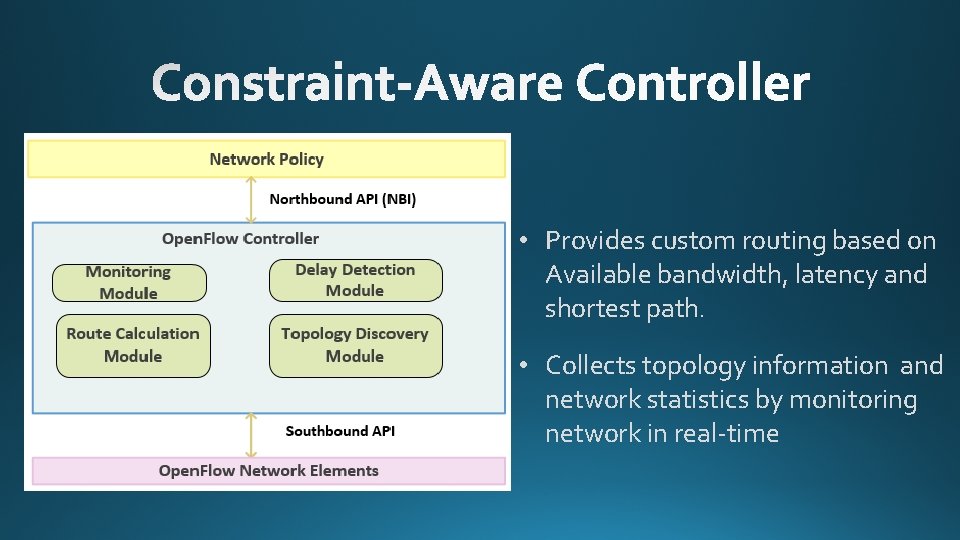
• Provides custom routing based on Available bandwidth, latency and shortest path. • Collects topology information and network statistics by monitoring network in real-time
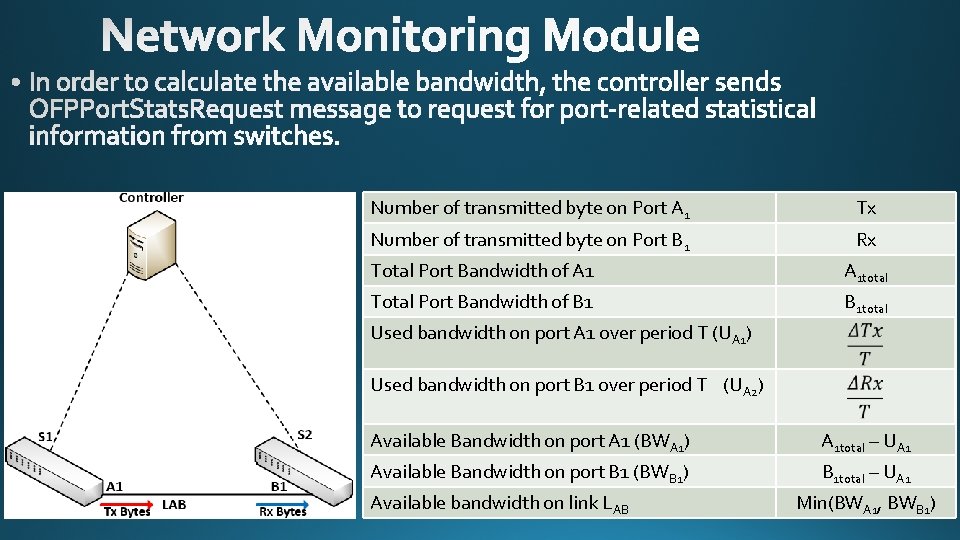
Number of transmitted byte on Port A 1 Tx Number of transmitted byte on Port B 1 Rx Total Port Bandwidth of A 1 total Total Port Bandwidth of B 1 total Used bandwidth on port A 1 over period T (UA 1) Used bandwidth on port B 1 over period T (UA 2) Available Bandwidth on port A 1 (BWA 1) A 1 total – UA 1 Available Bandwidth on port B 1 (BWB 1) B 1 total – UA 1 Available bandwidth on link LAB Min(BWA 1, BWB 1)
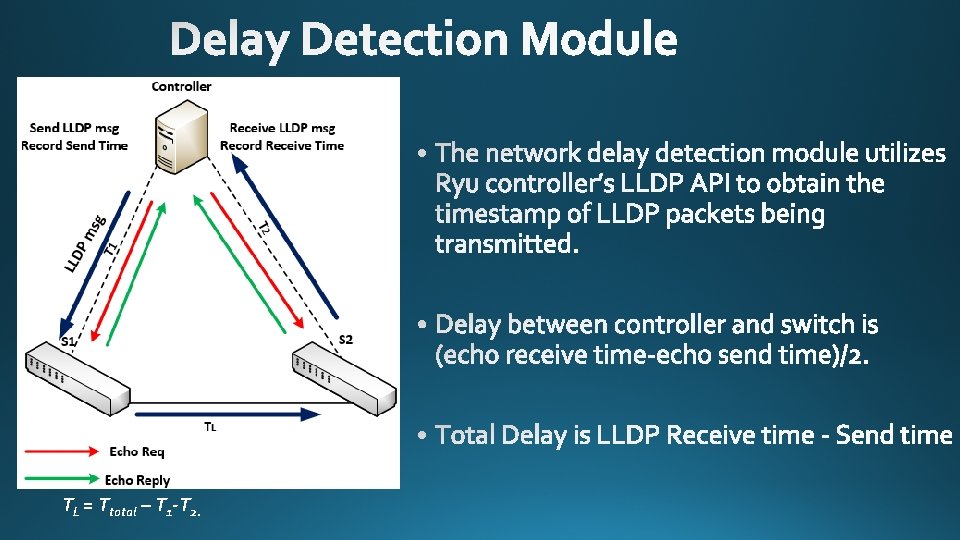
TL = Ttotal – T 1 -T 2.
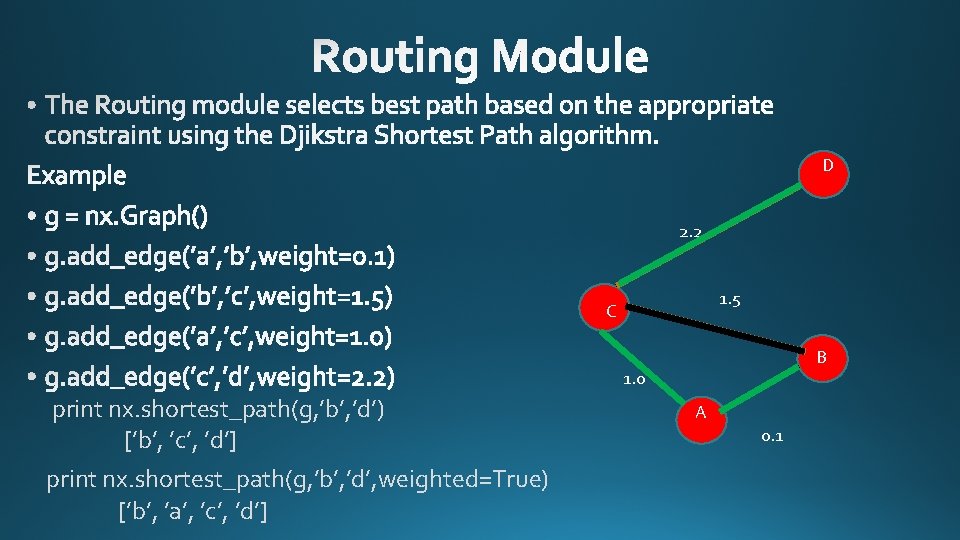
D 2. 2 1. 5 C B 1. 0 print nx. shortest_path(g, ’b’, ’d’) [’b’, ’c’, ’d’] print nx. shortest_path(g, ’b’, ’d’, weighted=True) [’b’, ’a’, ’c’, ’d’] A 0. 1
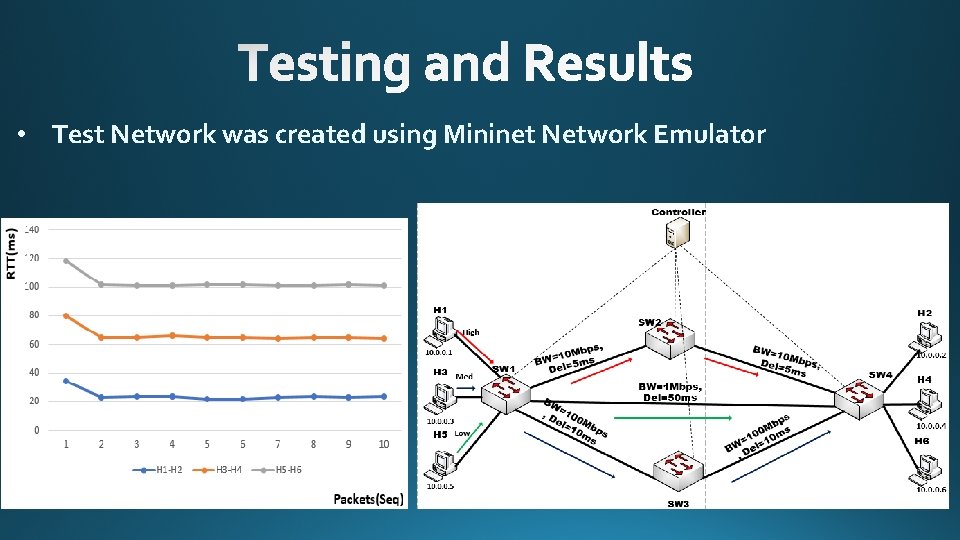
• Test Network was created using Mininet Network Emulator
Questions