
Constitutional monarchy in pictures Alison Riley Linked to

- Slides: 30
Constitutional monarchy in pictures • Alison Riley • Linked to: • Legal English and the Common Law, Alison Riley, Cedam Padova, 2012 – Chapter 2. 2. 3 Constitutional monarchy • With elements of comparison with the Italian Constitution: Head of State
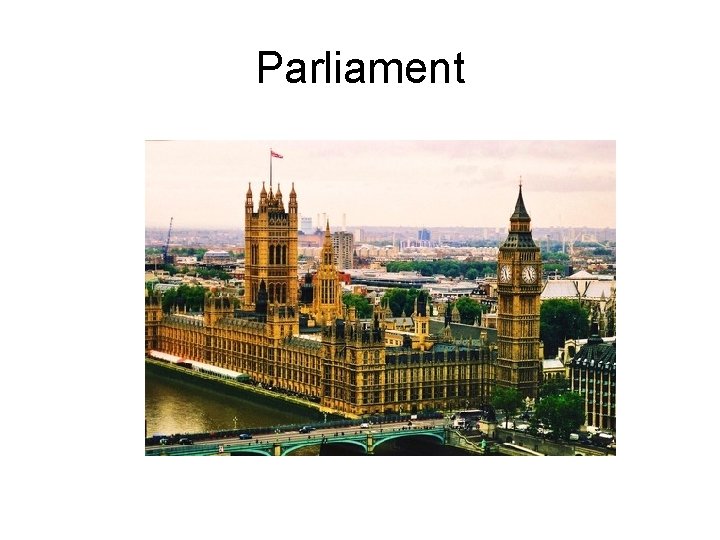
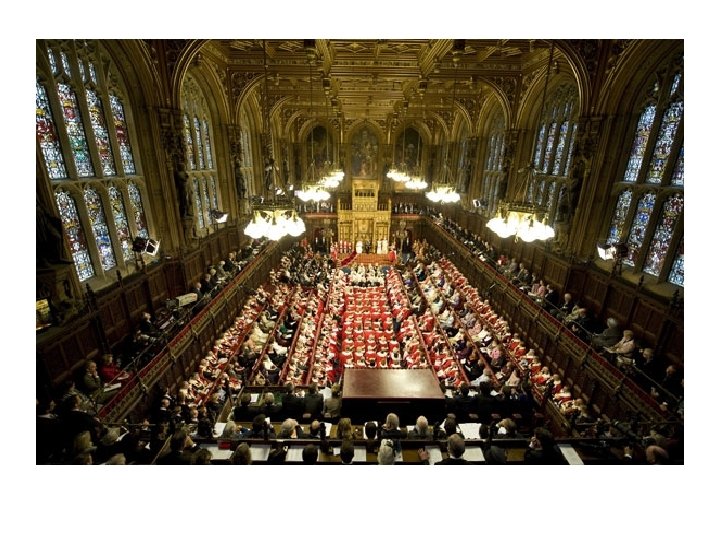
Parliament
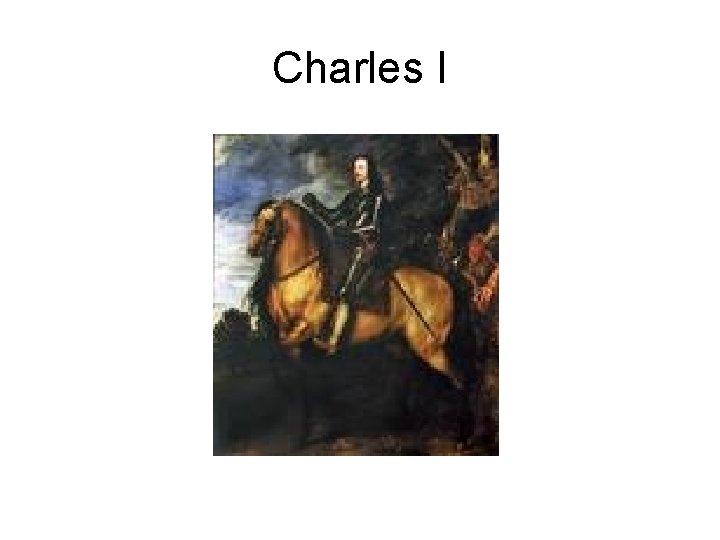
Charles I
Charles I
The King’s last words • “For the people I truly desire their liberty and freedom as much as anybody whatsoever; • but I must tell you that their liberty and freedom consists in having government, those laws by which their lives and goods maybe most their own. • It is not their having a share in the government; that is nothing appertaining to them; • a subject and sovereign are clean different things …”
An interlude • 1649 -1653 The Commonwealth (Republic) • 1653 -1659 The Protectorate: – a ‘monarchy’, but not in name – Lord Protector - Oliver Cromwell (then his son, Richard) – Cromwell ruled with: • A Council of 15 • A Parliament of 400 • 1660 Restoration of the monarchy: – Son of Charles I, Charles II (1660 -1685) – James II (Catholic rule) (1685 -1688)
1689: a new constitutional settlement Glorious revolution/English revolution • • William III and Mary II were offered the throne in 1689 “to rescue the nation and the religion” BUT strict conditions were attached: a ‘contract’ BILL OF RIGHTS 1689 - shift in the balance of power Parliamentary sovereignty – – – No army could be raised without parliamentary approval; Taxation required parliamentary approval; no special courts for political ends; free elections and annual parliaments; freedom of speech inside Parliament; protestant monarchy guaranteed (+ Act of Settlement 1701)
Revolution or evolution? • In modern times: – no single event has created the need for comprehensive revision of the constitution • The British constitution: – ‘has evolved in phases reflecting the political, social, and economic experiences of many centuries’ Peter Leyland, op. cit. • It is a flexible constitution: it is not entrenched
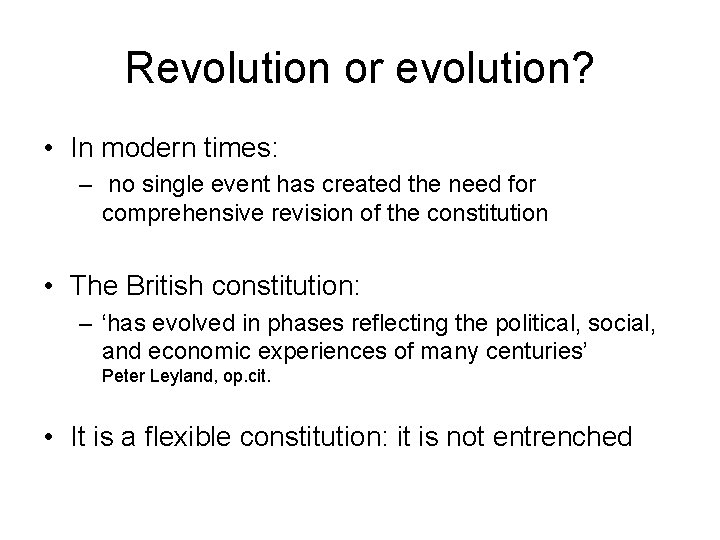
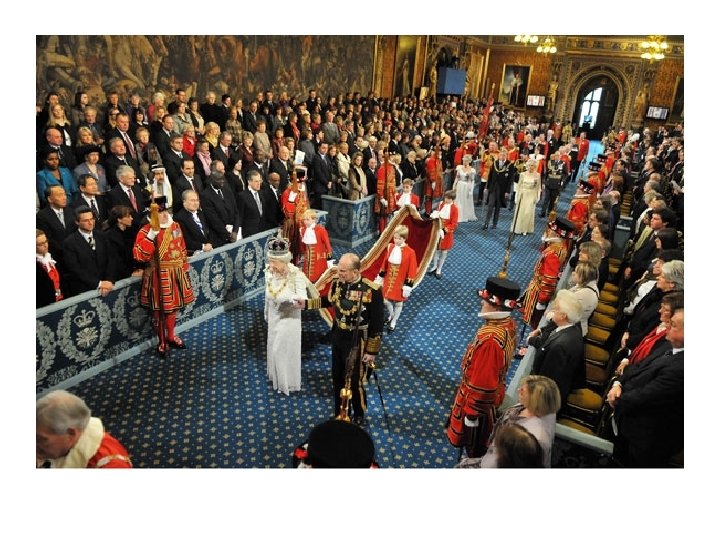
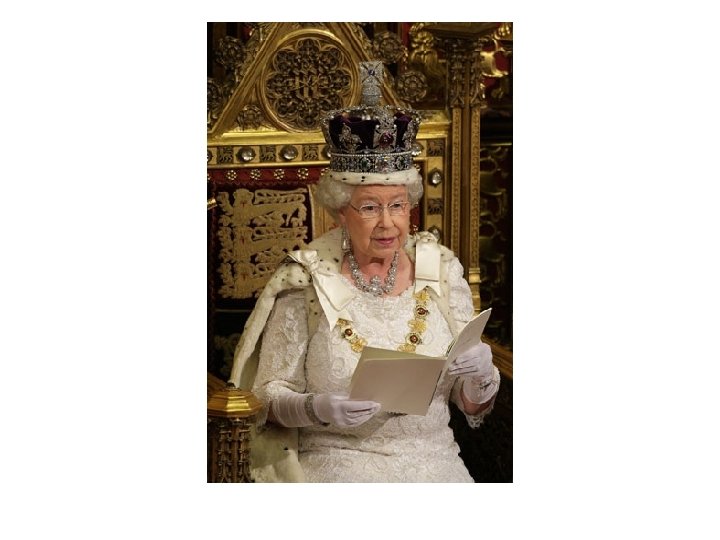
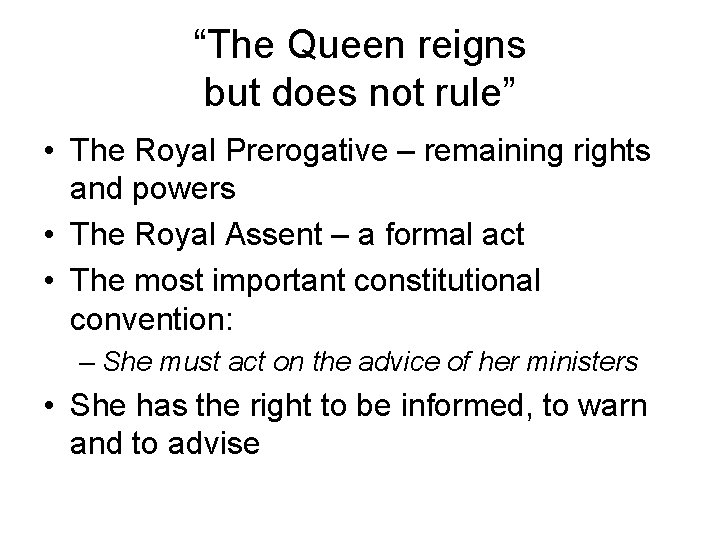
“The Queen reigns but does not rule” • The Royal Prerogative – remaining rights and powers • The Royal Assent – a formal act • The most important constitutional convention: – She must act on the advice of her ministers • She has the right to be informed, to warn and to advise
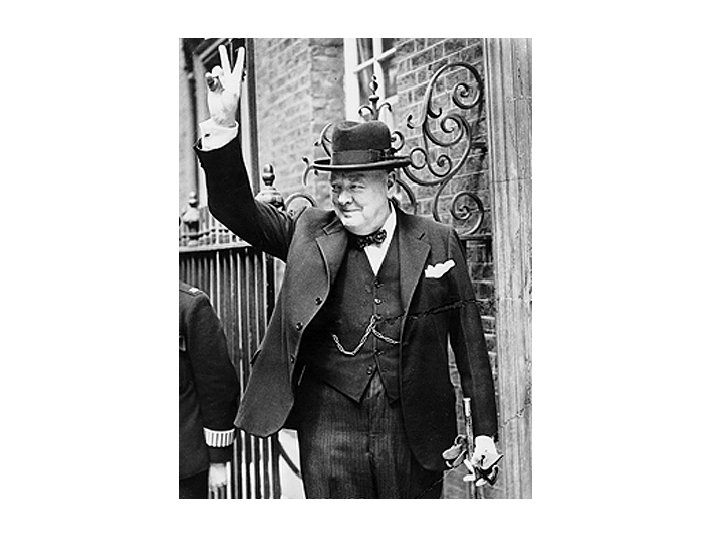
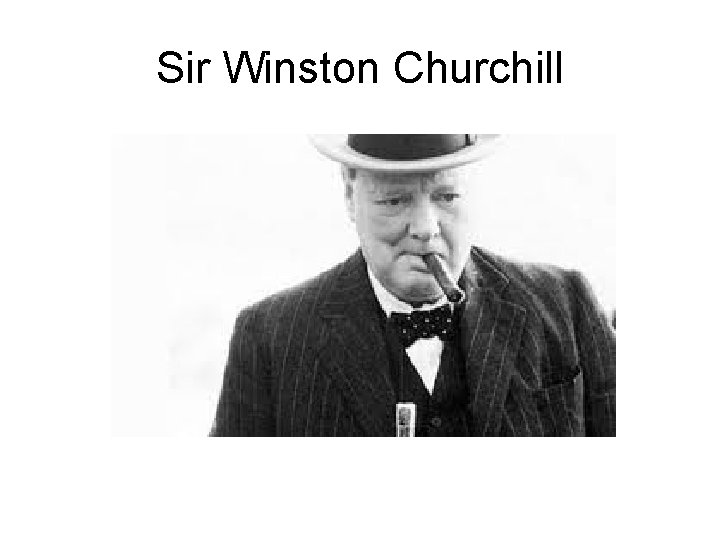
Sir Winston Churchill
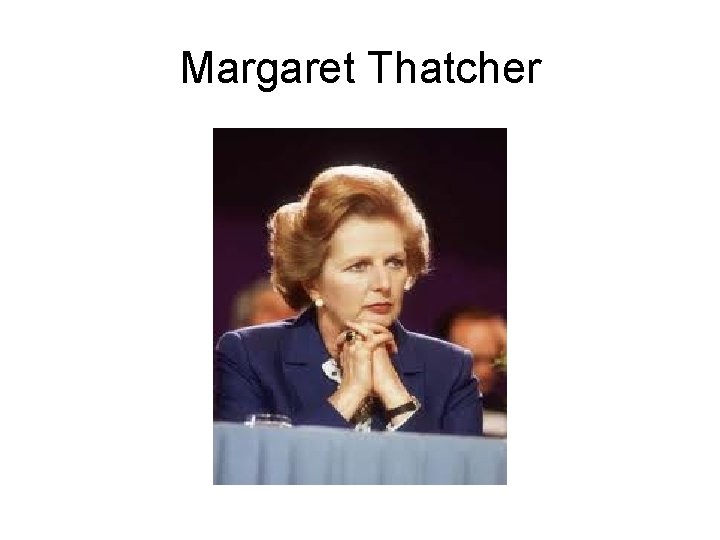
Margaret Thatcher
Tony Blair and his wife Cherie Booth
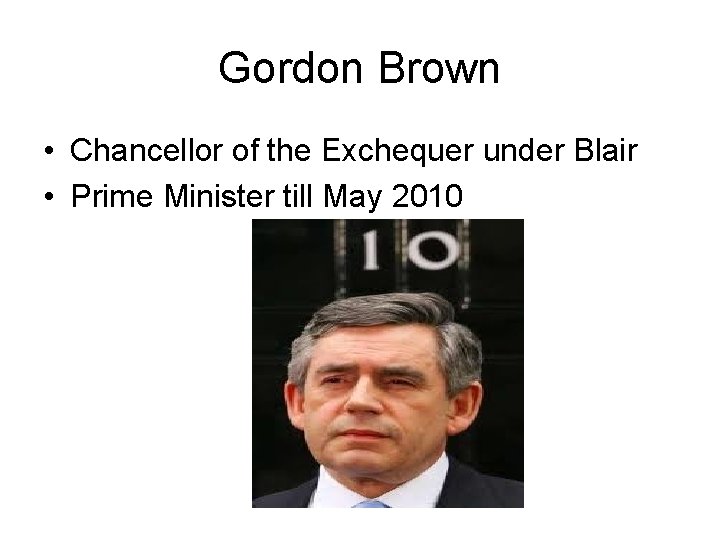
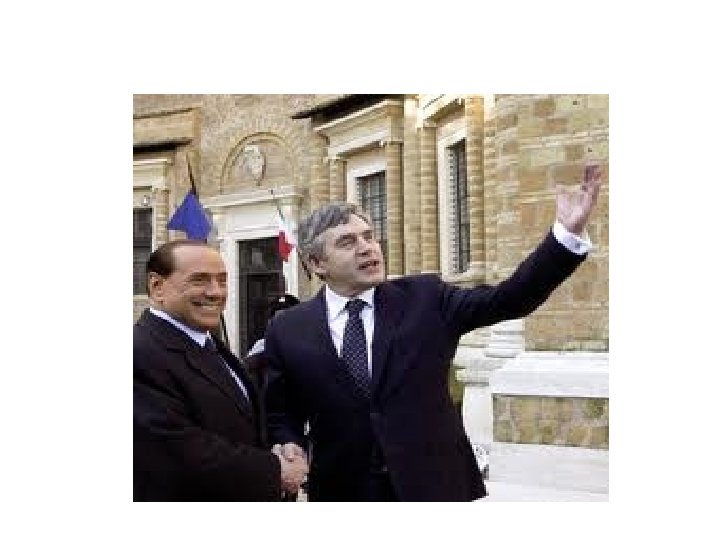
Gordon Brown • Chancellor of the Exchequer under Blair • Prime Minister till May 2010
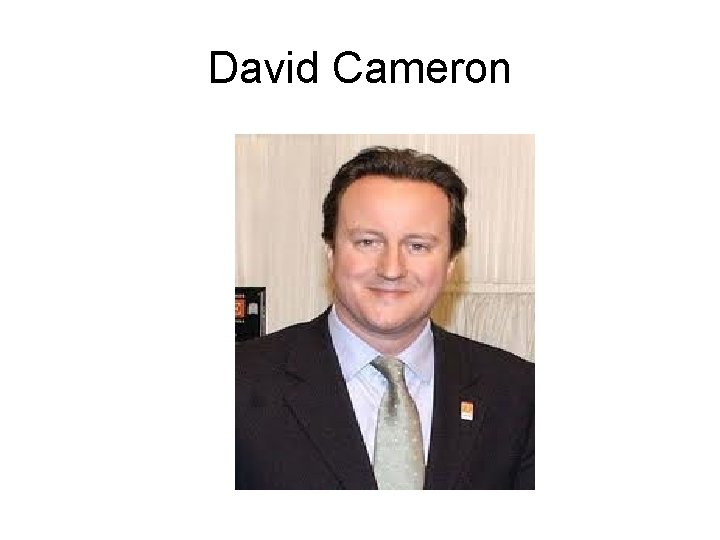
David Cameron
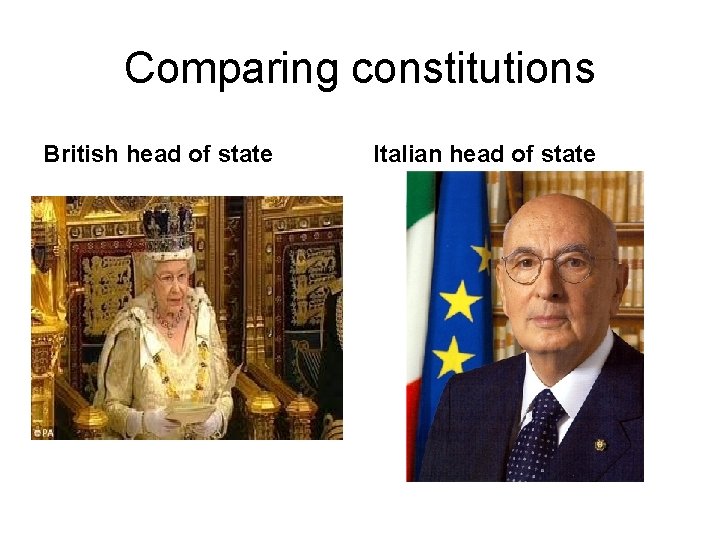
Comparing constitutions British head of state Italian head of state
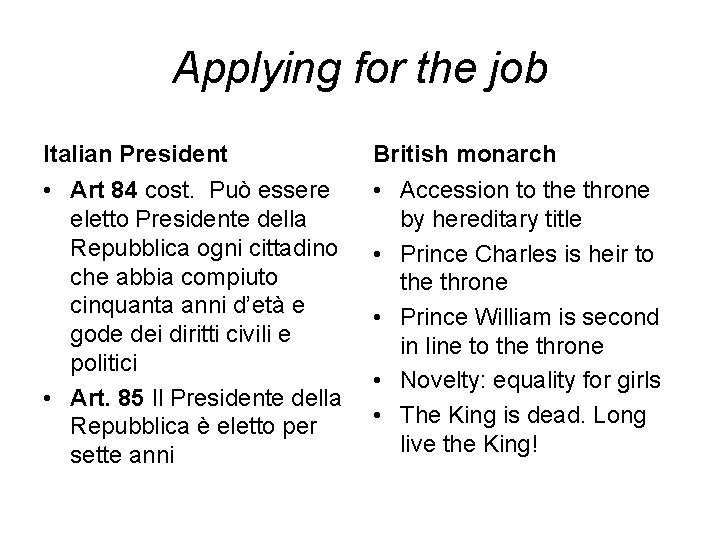
Applying for the job Italian President British monarch • Art 84 cost. Può essere eletto Presidente della Repubblica ogni cittadino che abbia compiuto cinquanta anni d’età e gode dei diritti civili e politici • Art. 85 Il Presidente della Repubblica è eletto per sette anni • Accession to the throne by hereditary title • Prince Charles is heir to the throne • Prince William is second in line to the throne • Novelty: equality for girls • The King is dead. Long live the King!
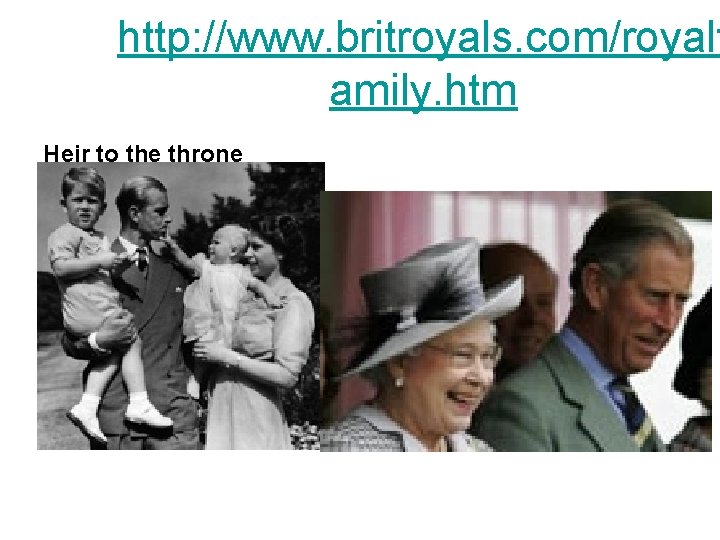
http: //www. britroyals. com/royalf amily. htm Heir to the throne
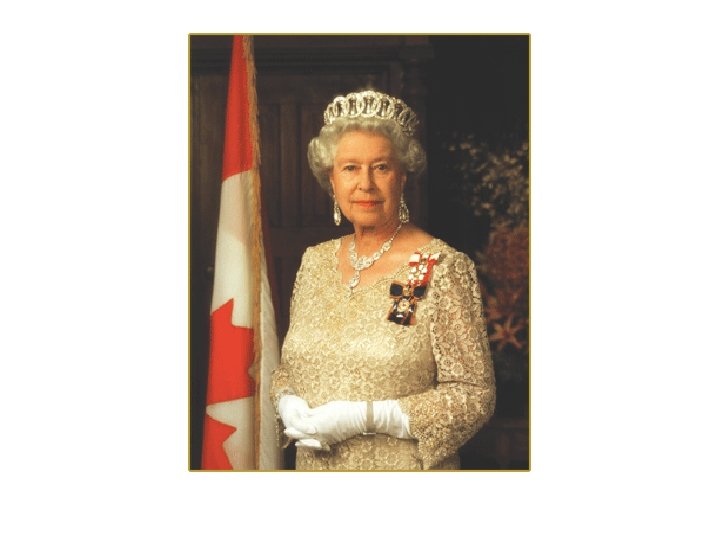
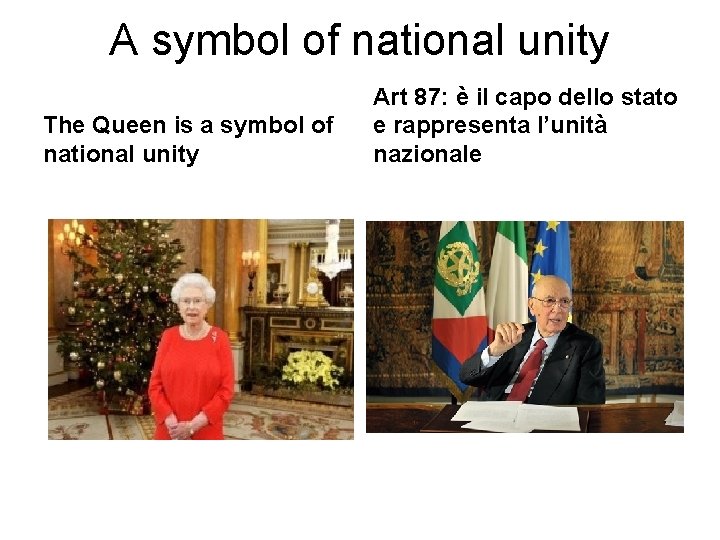
A symbol of national unity The Queen is a symbol of national unity Art 87: è il capo dello stato e rappresenta l’unità nazionale
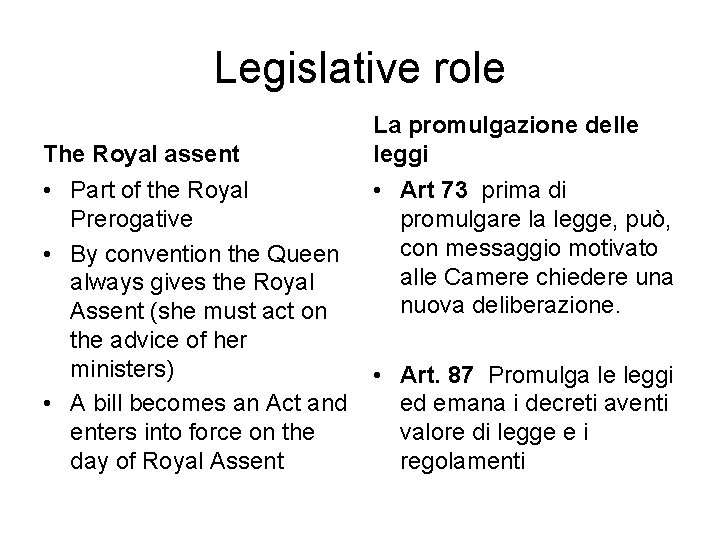
Legislative role The Royal assent • Part of the Royal Prerogative • By convention the Queen always gives the Royal Assent (she must act on the advice of her ministers) • A bill becomes an Act and enters into force on the day of Royal Assent La promulgazione delle leggi • Art 73 prima di promulgare la legge, può, con messaggio motivato alle Camere chiedere una nuova deliberazione. • Art. 87 Promulga le leggi ed emana i decreti aventi valore di legge e i regolamenti
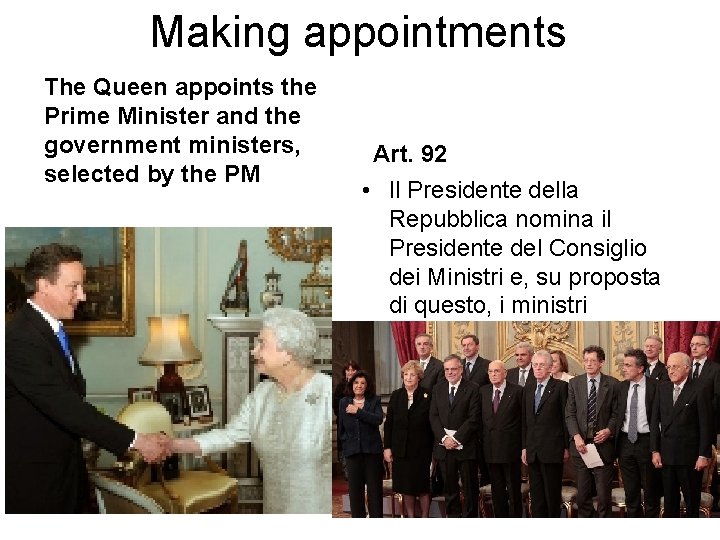
Making appointments The Queen appoints the Prime Minister and the government ministers, selected by the PM Art. 92 • Il Presidente della Repubblica nomina il Presidente del Consiglio dei Ministri e, su proposta di questo, i ministri