
Constitutional Amendments 11 27 11 th amendment Ratified
- Slides: 28
Constitutional Amendments 11 -27
11 th amendment • Ratified 1795 • Citizens cannot sue the state, but can sue state representatives • Commonly used by prisoners (today)
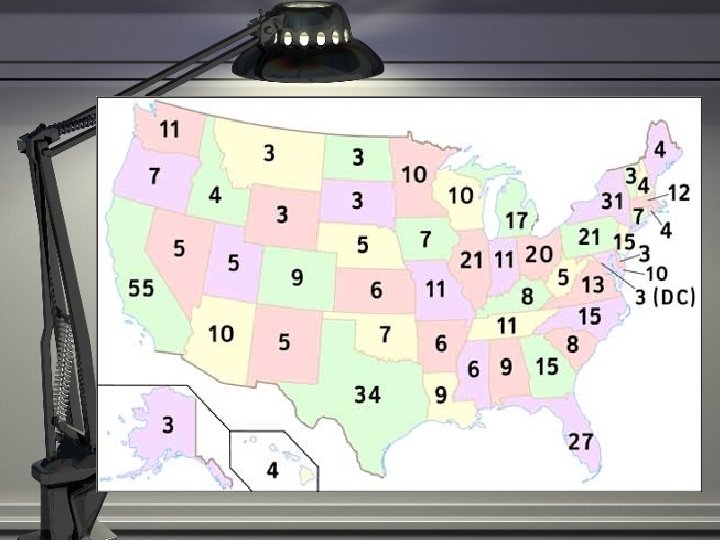
12 th amendment • Ratified 1804 • Establishes the ELECTORAL COLLEGE • Before this amendment it used to be that the top vote-getter was president and 2 nd place was VP
13 th Amendment • One of the Three “Civil War” Amendments • Ratified 1865 • Abolished Slavery
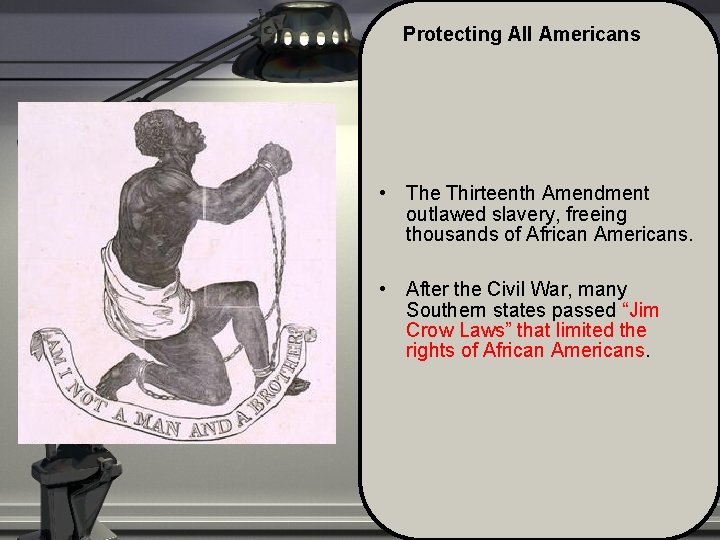
Protecting All Americans • The Thirteenth Amendment outlawed slavery, freeing thousands of African Americans. • After the Civil War, many Southern states passed “Jim Crow Laws” that limited the rights of African Americans.
14 th amendment • One of the Three “Civil War” Amendments • Ratified 1868 • Equal Protection under the Law • African Americans and Native Americans given U. S. citizenship • All citizens must be treated equally • Established Due Process to the States
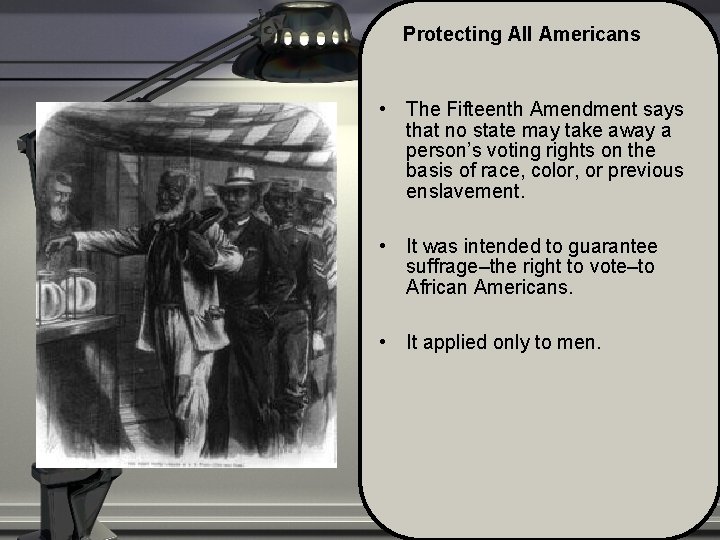
15 th amendment • One of the Three “Civil War” Amendments • Ratified 1870 • African American Suffrage • You cannot be denied the right to vote based on RACE • No mention of women…
Protecting All Americans • The Fifteenth Amendment says that no state may take away a person’s voting rights on the basis of race, color, or previous enslavement. • It was intended to guarantee suffrage–the right to vote–to African Americans. • It applied only to men.
16 th Amendment • Progressive Era • Ratified 1913 • Congress has the power to collect and lay taxes on your income
17 th amendment • Progressive Era • Ratified 1913 • Direct Election of Senators • Before this amendment, state legislatures (Nebraska’s unicameral) would decide who the state Senators were • Would this be a conflict of interest?
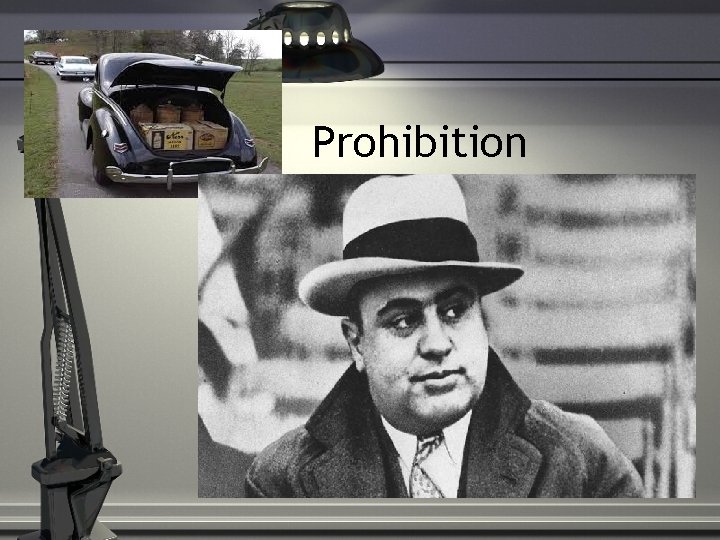
18 th Amendment • Progressive Era • Ratified 1919 • Prohibition of Alcohol • No making, selling, or transporting of liquor • Effects: Bootlegging, the MOB, the Rise of Al Capone
Prohibition
19 th Amendment • Progressive Era • Ratified 1920 • Women’s Suffrage…FINALLY • Amendments giving women the right to vote had been proposed for more than 40 years
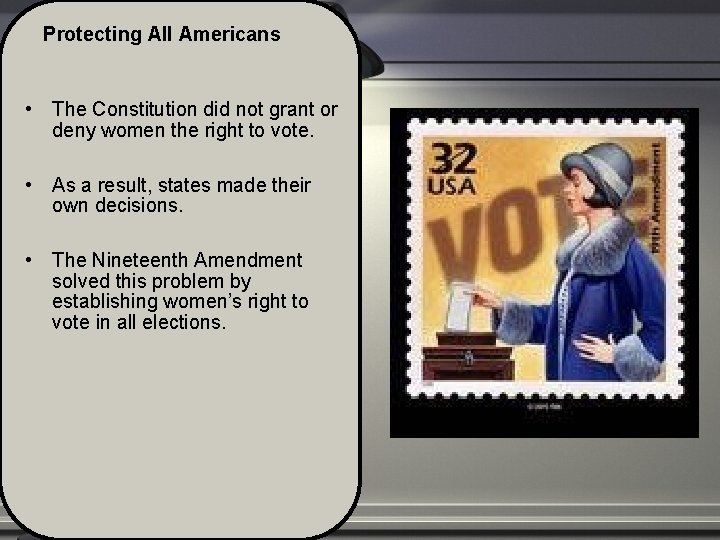
Protecting All Americans • The Constitution did not grant or deny women the right to vote. • As a result, states made their own decisions. • The Nineteenth Amendment solved this problem by establishing women’s right to vote in all elections.
20 th Amendment • Ratified 1933 • Presidential Inauguration is Jan. 20 th • “Lame Duck” Amendment • a LAME DUCK is a government official who continues to serve in office though not reelected to another term • Before this, officials remained in office for 4 months • Now Lame Ducks remain in office for a little over 2 months
21 st Amendment • Ratified 1933 • Repeal of the 18 th (Prohibition) • Americans (and the government) did not like the effects of the 18 th amendment, so it was repealed
22 nd Amendment Ratified 1951 “ 22 - 2 terms” Limits the President’s Terms to TWO What’s the longest time a President HAS served? • What’s the longest time a President COULD serve NOW? • •
The Constitution says… • “No person shall be elected to the office of the President more than twice, and no person who has held the office of President for more than 2 years of a term to which some other person was elected President shall be elected to the office of President more than once. ”
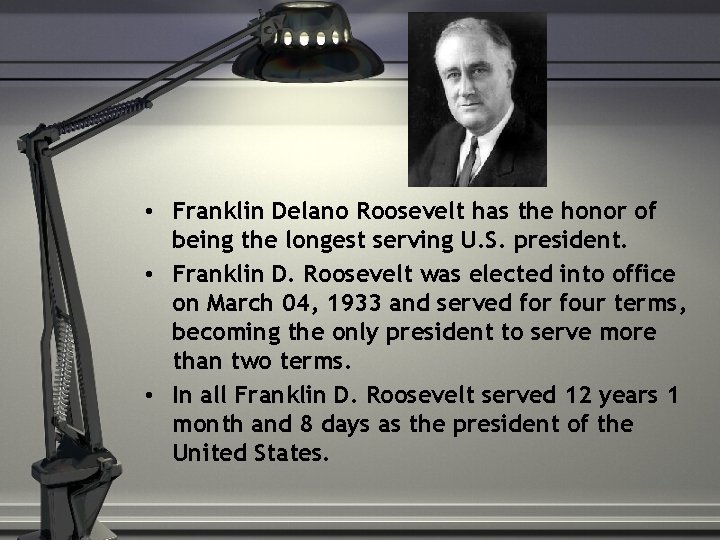
• Franklin Delano Roosevelt has the honor of being the longest serving U. S. president. • Franklin D. Roosevelt was elected into office on March 04, 1933 and served for four terms, becoming the only president to serve more than two terms. • In all Franklin D. Roosevelt served 12 years 1 month and 8 days as the president of the United States.
23 rd Amendment • Ratified 1961 • “ 23 - DC” • Residents in the District of Columbia (DC) can vote (in national elections only) • “No taxation without representation”
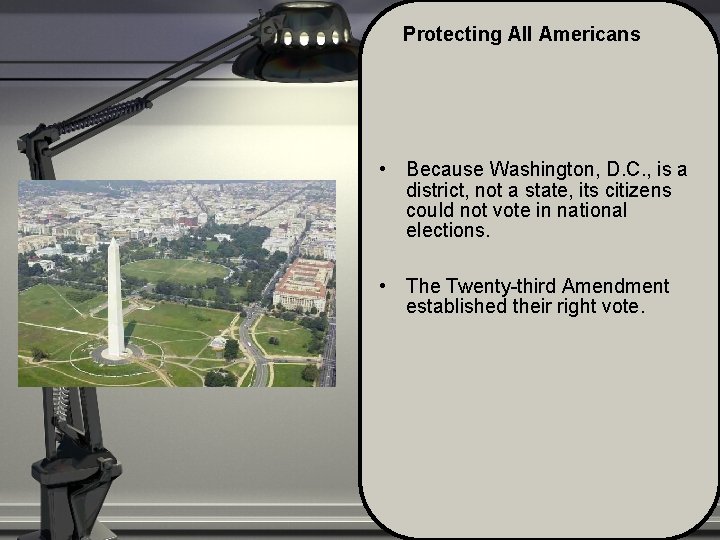
Protecting All Americans • Because Washington, D. C. , is a district, not a state, its citizens could not vote in national elections. • The Twenty-third Amendment established their right vote.
24 th Amendment • Ratified 1964 • During the Civil Rights Movement • “ 24 -No More” • No more Poll Tax (to vote) • Poll taxes were used to keep poor whites and blacks from voting in national and state elections
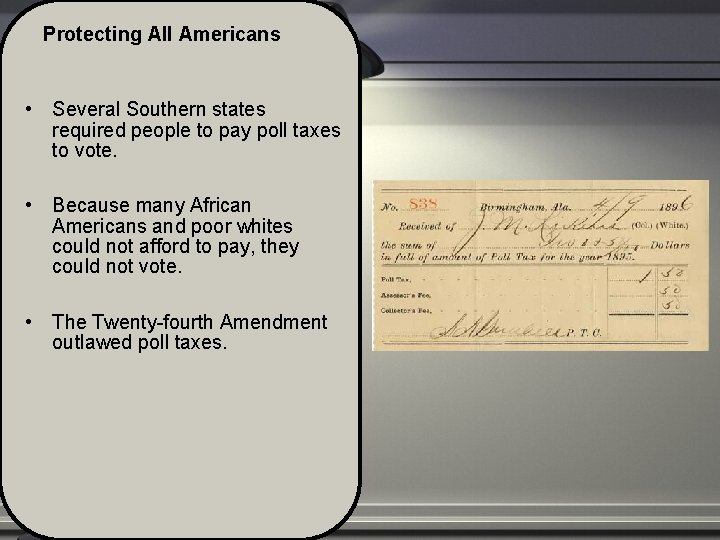
Protecting All Americans • Several Southern states required people to pay poll taxes to vote. • Because many African Americans and poor whites could not afford to pay, they could not vote. • The Twenty-fourth Amendment outlawed poll taxes.
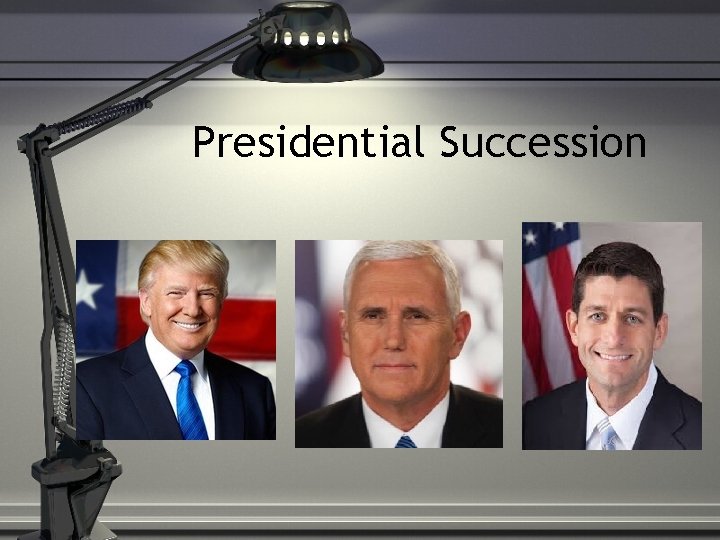
25 th amendment • Ratified 1967 • “ 25 and he dies” • Presidential Succession and Disability • If the President dies, the VP takes over • If both the President and VP cannot serve, the Speaker of the House (Paul Ryan) serves
Presidential Succession
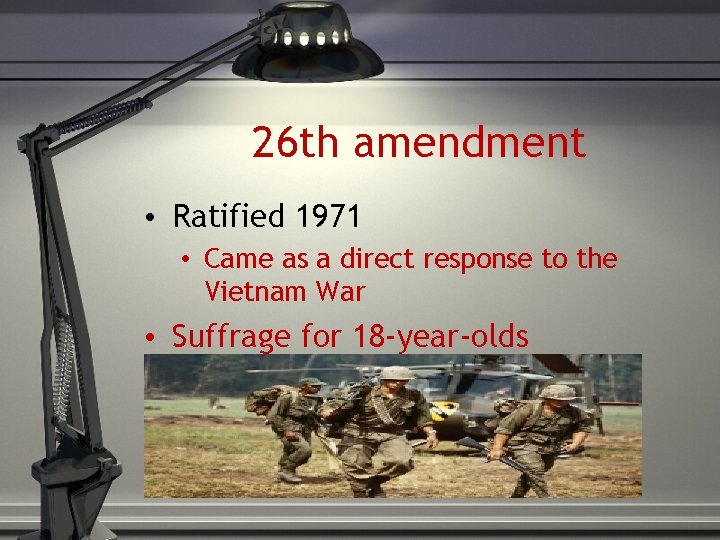
26 th amendment • Ratified 1971 • Came as a direct response to the Vietnam War • Suffrage for 18 -year-olds
27 th amendment • Proposed 1789, Ratified 1992 • One of the original Bill of Rights (#2) • Congressional Pay Raises • Congress members cannot give themselves a pay raise • Congress members must wait until that raise is confirmed by Congress. The pay raise will not go into effect until the next Congressional session