
Connecting Theory and Practice Using Interests in Career



- Slides: 36
Connecting Theory and Practice: Using Interests in Career and Educational Decision Making Dr. Janet Wall CEUonestop. com
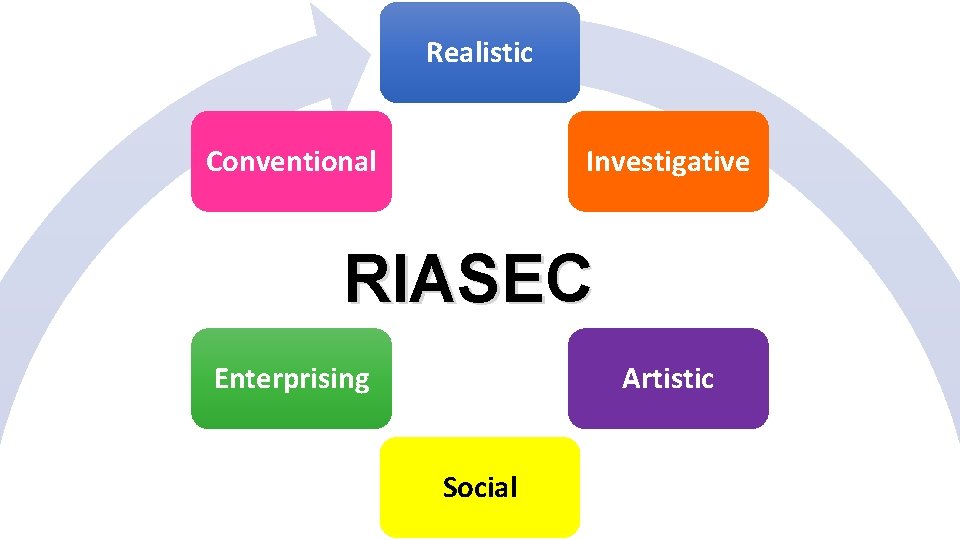
Goals for Today • Discuss concept of career development theory • Focus in on one theory – Holland Interests • Describe theory and its components • Show applications of theory
Benefits of Career Development Theories • Model or framework to help explain things • • Career choice and change Predict future events • Such as job satisfaction Can be verified or modified with research and experience • Serve as guidelines for practice, tools, and techniques • Selecting education and training • Identifying career pathways •
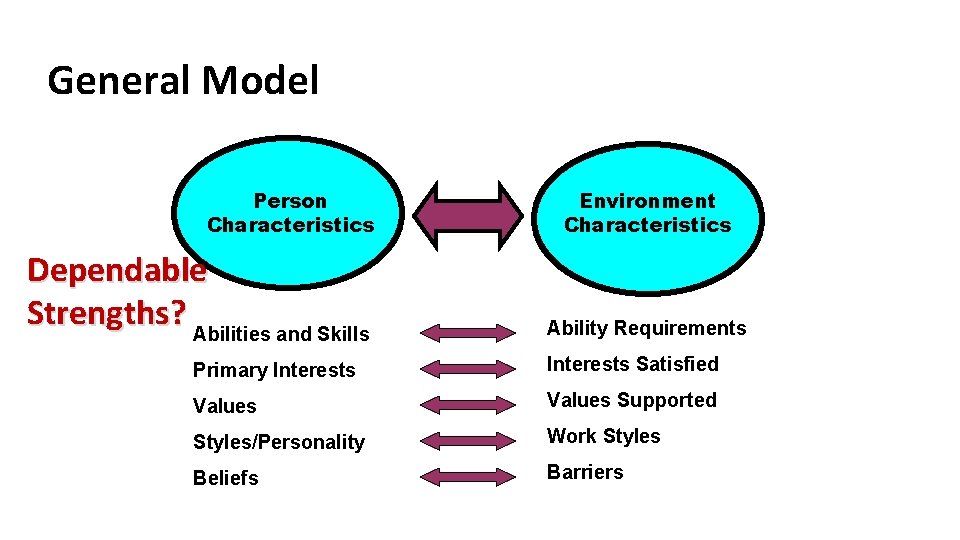
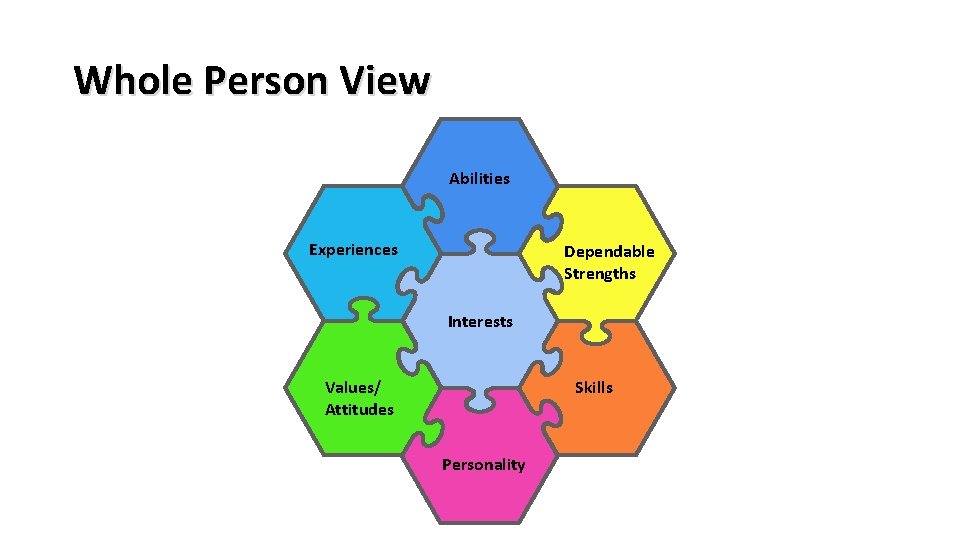
General Model Person Characteristics Dependable Strengths? Abilities and Skills Environment Characteristics Ability Requirements Primary Interests Satisfied Values Supported Styles/Personality Work Styles Beliefs Barriers
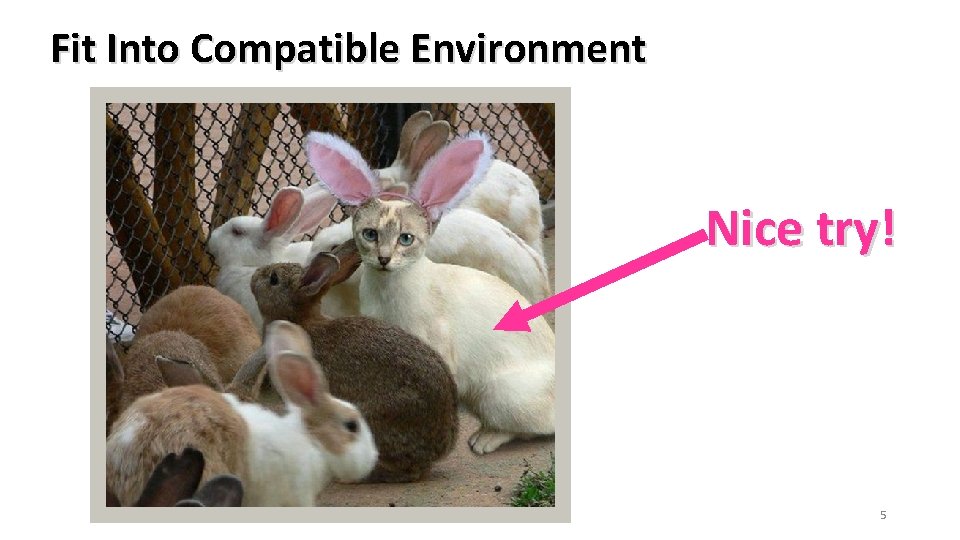
Fit Into Compatible Environment Nice try! 5
Today’s Focus = Interests
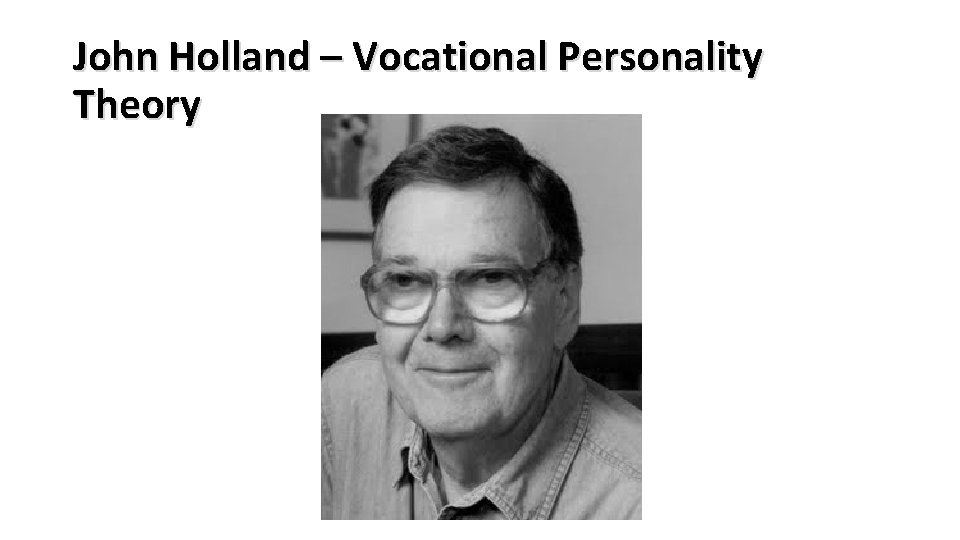
John Holland – Vocational Personality Theory
Basic Tenets of Holland’s Theory Each individual can be described as a combination of one or more of six “types” • Environments can be described as a combination of one or more of six “types” • Individuals seek environments which have the same or similar type as theirs •
Kinds of Environments • School Subjects/Courses • Friends • Majors • Career Paths • Education and Training • Hobbies and Other Out-of-School Activities • Decisions • Occupations • Jobs
Basic Tenets of Holland’s Theory • Having a match between a person and their environment predicts satisfaction, longevity, and contribution
Realistic Conventional Investigative RIASEC Enterprising Artistic Social
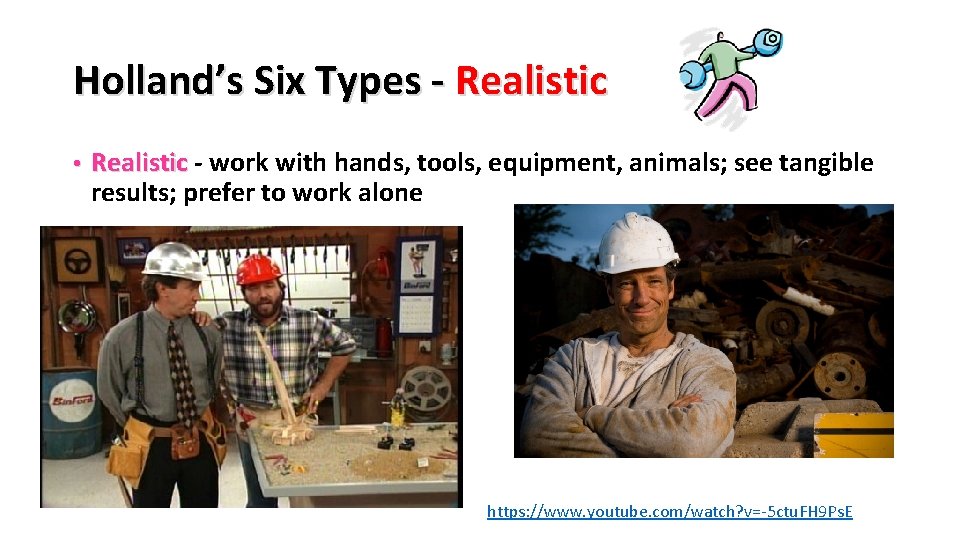
Holland’s Six Types - Realistic • Realistic - work with hands, tools, equipment, animals; see tangible results; prefer to work alone https: //www. youtube. com/watch? v=-5 ctu. FH 9 Ps. E
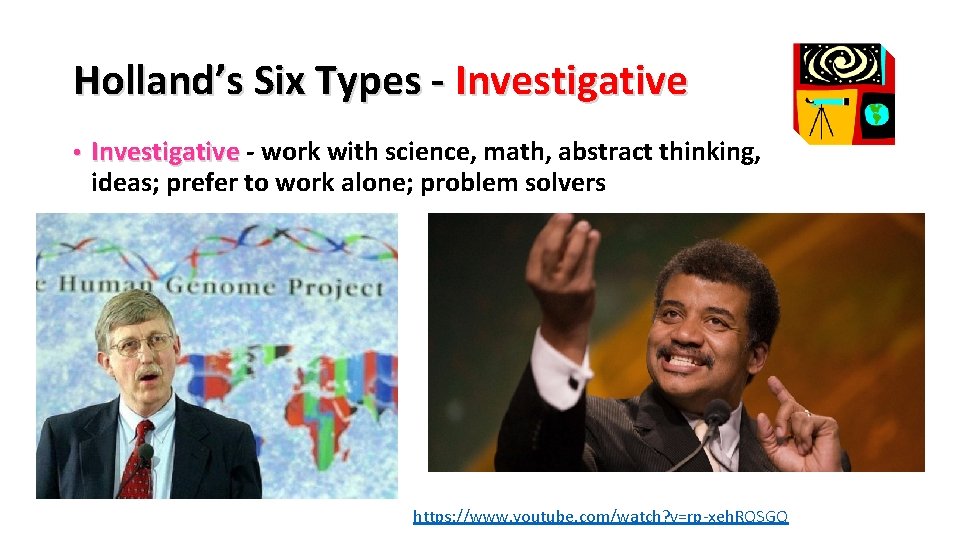
Holland’s Six Types - Investigative • Investigative - work with science, math, abstract thinking, ideas; prefer to work alone; problem solvers https: //www. youtube. com/watch? v=rp-xeh. RQSGQ
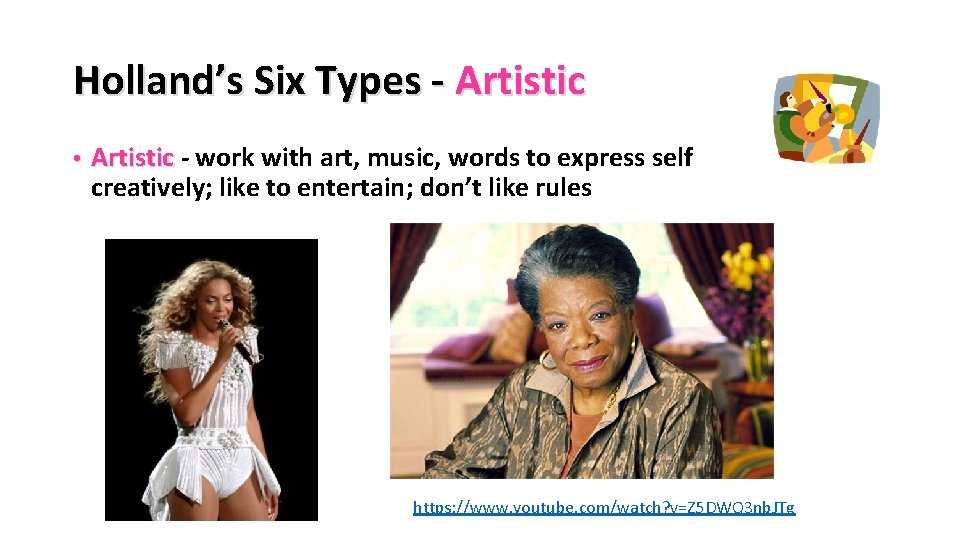
Holland’s Six Types - Artistic • Artistic - work with art, music, words to express self creatively; like to entertain; don’t like rules https: //www. youtube. com/watch? v=Z 5 DWQ 3 nb. JTg
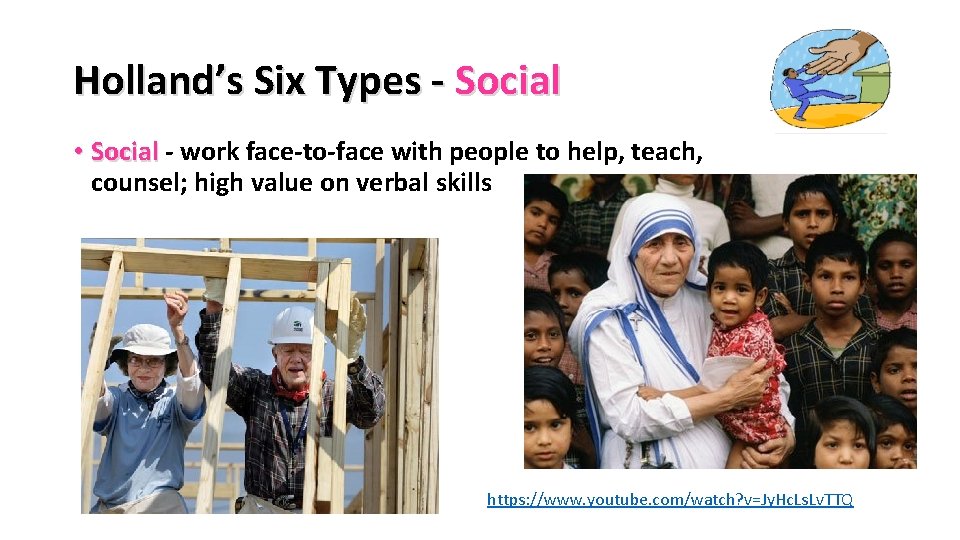
Holland’s Six Types - Social • Social - work face-to-face with people to help, teach, counsel; high value on verbal skills https: //www. youtube. com/watch? v=Jy. Hc. Ls. Lv. TTQ
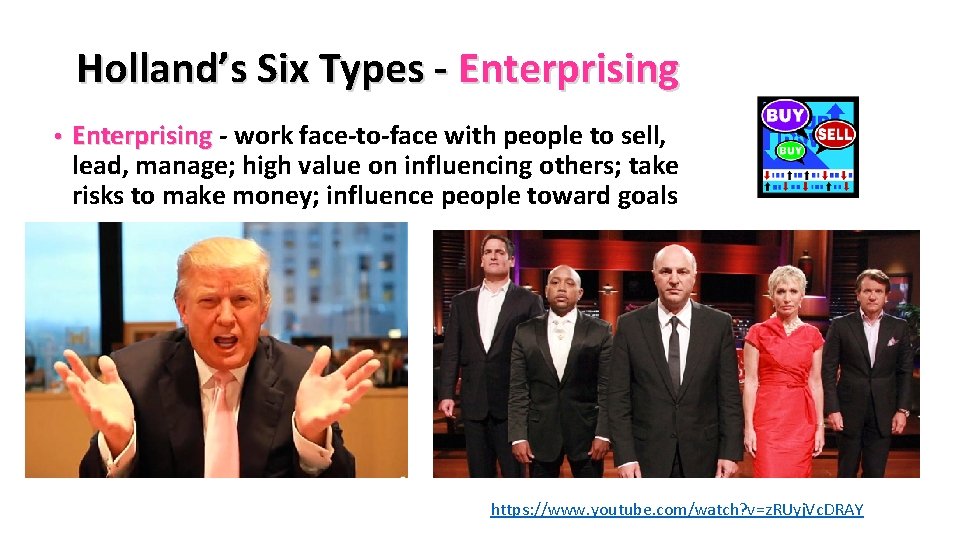
Holland’s Six Types - Enterprising • Enterprising - work face-to-face with people to sell, lead, manage; high value on influencing others; take risks to make money; influence people toward goals https: //www. youtube. com/watch? v=z. RUyj. Vc. DRAY
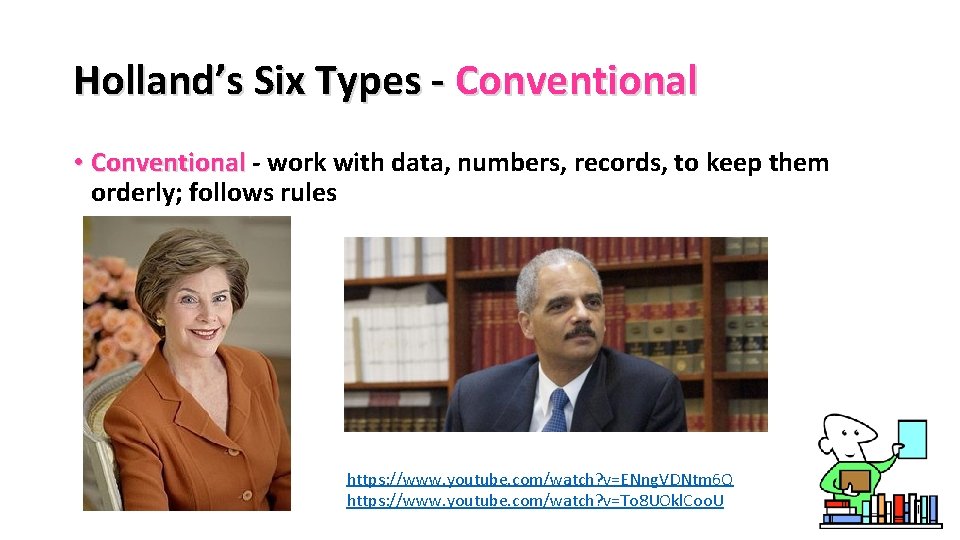
Holland’s Six Types - Conventional • Conventional - work with data, numbers, records, to keep them orderly; follows rules https: //www. youtube. com/watch? v=ENng. VDNtm 6 Q https: //www. youtube. com/watch? v=To 8 UOkl. Coo. U
Career Video Resources • http: //www. careeronestop. org/Videos/Careerand. Cluster. Videos/careerand-cluster-videos. aspx • www. jobsmadereal. com • www. youtube. com
What are Your Interest Areas?
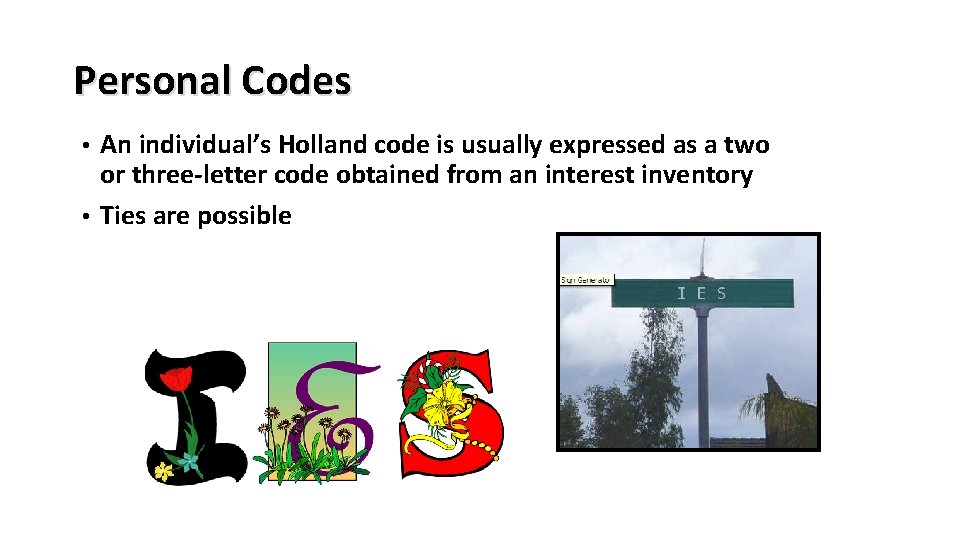
Personal Codes An individual’s Holland code is usually expressed as a two or three-letter code obtained from an interest inventory • Ties are possible •
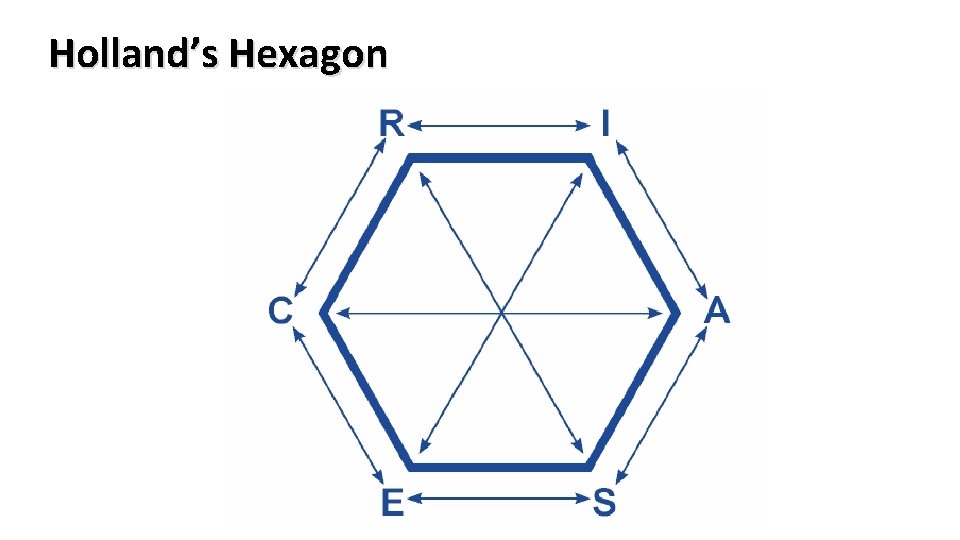
Holland’s Hexagon
Three Important Concepts • Consistency • Differentiation • Congruence
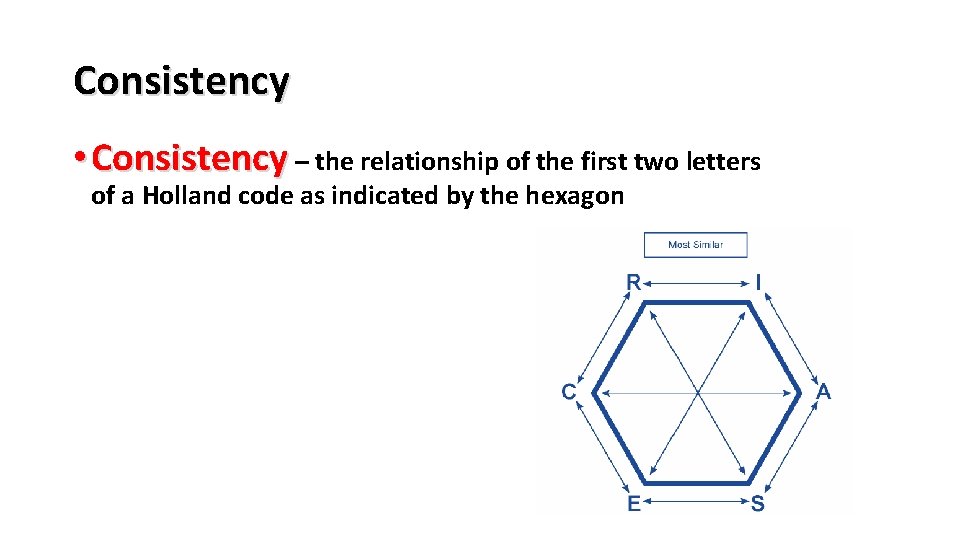
Consistency • Consistency – the relationship of the first two letters of a Holland code as indicated by the hexagon
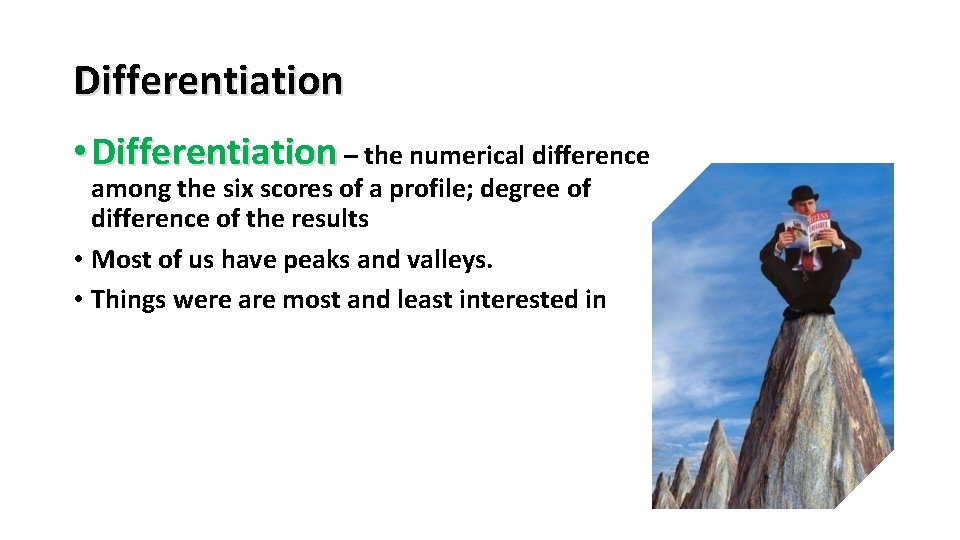
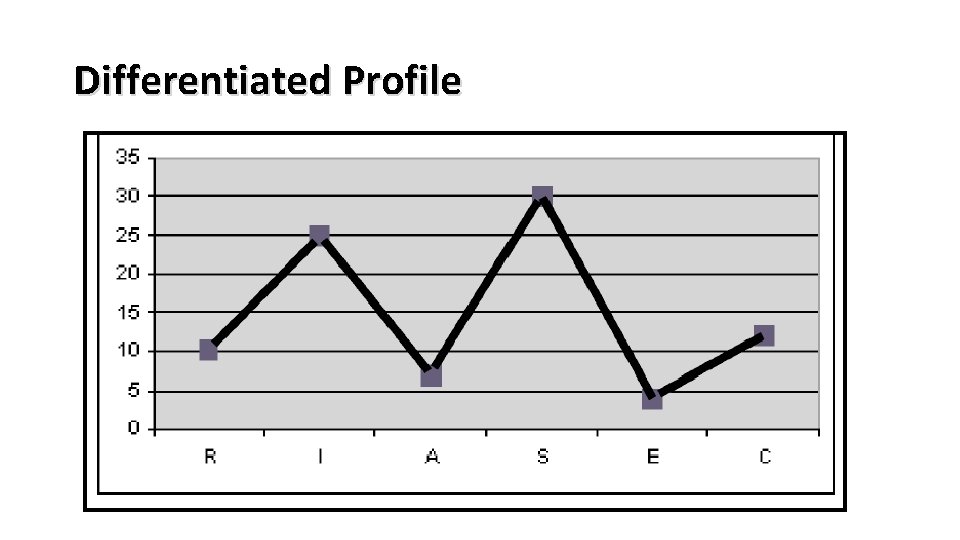
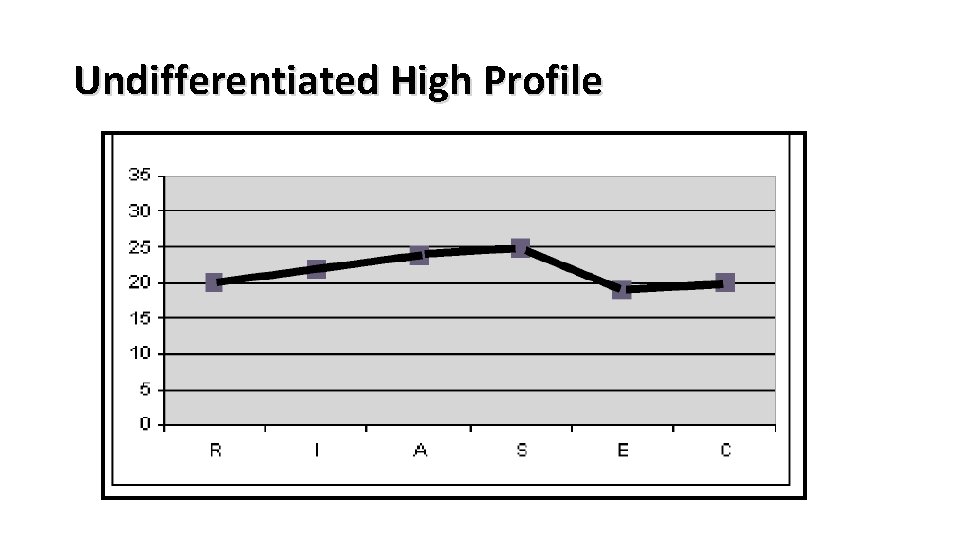
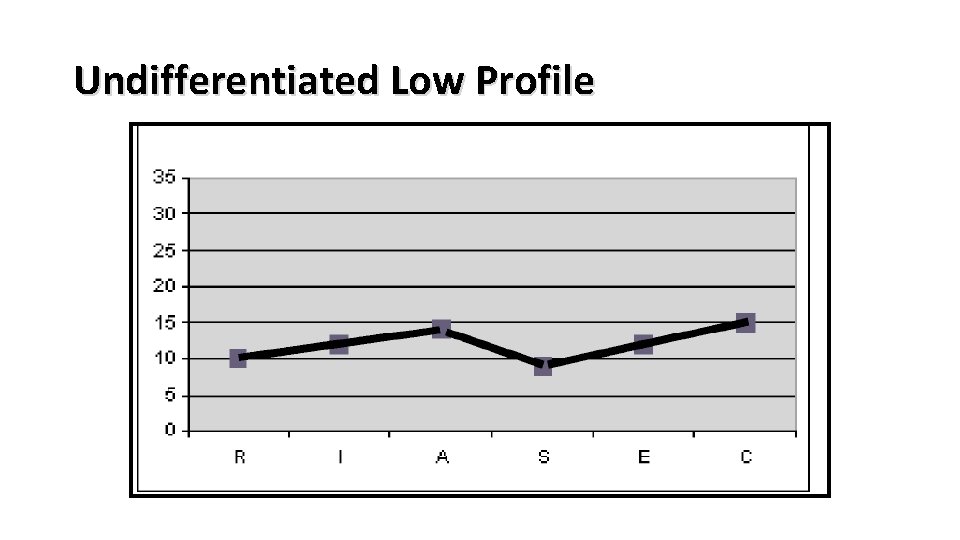
Differentiation • Differentiation – the numerical difference among the six scores of a profile; degree of difference of the results • Most of us have peaks and valleys. • Things were are most and least interested in
Differentiated Profile
Undifferentiated High Profile
Undifferentiated Low Profile
Our Job in Education • Give as many opportunities and experiences as we can. • Interests often don’t get solidified until high school and young adult. • One interest inventory is just a snapshot – give every year or two to see if there are changes.
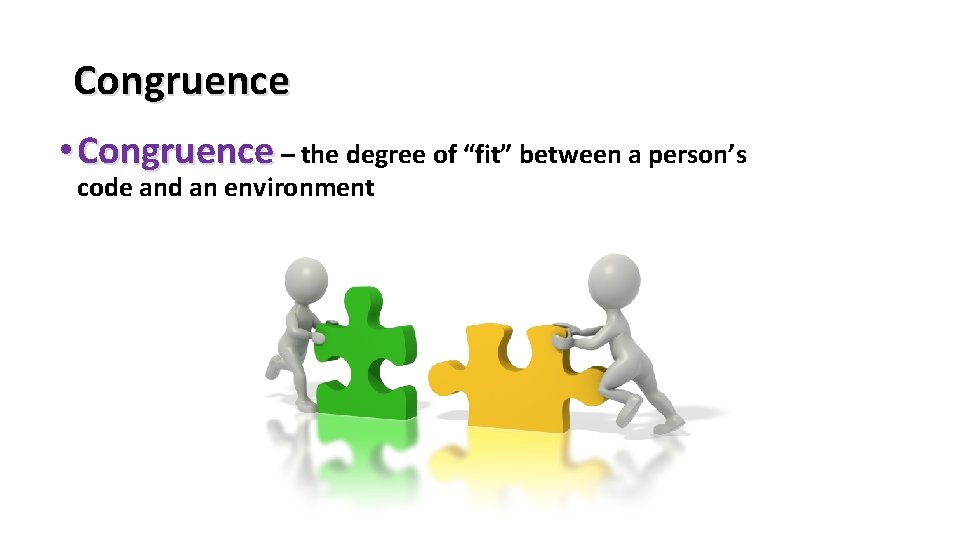
Congruence • Congruence – the degree of “fit” between a person’s code and an environment
Applications of Holland’s Theory learn about the interests of individuals • understand why people are satisfied or dissatisfied in their work • assist individuals to choose majors, career pathways, courses of study, school courses, and leisure activities • organize high school curriculum or college majors •
Applications of Holland’s Theory organize career information, job shadowing, and career days • provide the structure for career guidance services • help place individuals in course of study • assist individuals to find jobs/careers in which their interests can be used •
How to Match with Occupations and Jobs http: //www. onetonline. org http: //www. mynextmove. org/explore/ip
Activities to Help Understand Interests Better • Art • English • History • Current Events • Cinema • And More…… Ideas from Wall, J. E. (2005). What Do I Like to Do? : 101 Activities to Identify Interests and Plan Careers, Austin, TX: Pro. Ed, Inc.
Oscar Nominees 2014 American Hustle Captain Phillips Dallas Buyers Club Gravity Her Nebraska Philomena 12 Years a Slave The Wolf of Wall Street
Maryland County Hospital You are the HR Supervisor of a new hospital that will be opening in 4 months. It is your job to fully staff this hospital with the people needed to operate and serve its patients on opening day. List 20 occupations needed and the primary interest code for each. From: Wall, J. E. , What Do I Like to Do: 101 Activities to Identify Interests and Plan Careers. Published by Pro. Ed, Inc. www. proedinc. com. Order Number 10939. 800 -897 -3202 ©Pro. Ed. Inc, 2005
Whole Person View Abilities Experiences Dependable Strengths Interests Values/ Attitudes Skills Personality