
Connecting Capitals Identifying and Using Local Assets to


- Slides: 19
Connecting Capitals Identifying and Using Local Assets to Support Your SET Plan Session Three
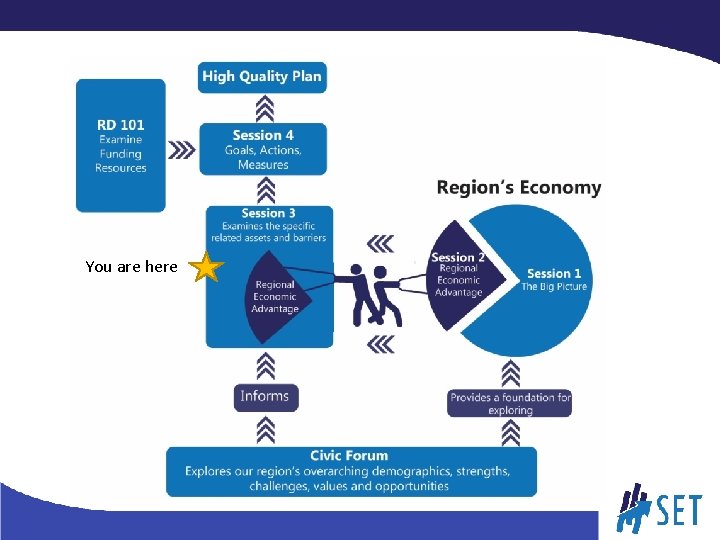
You are here
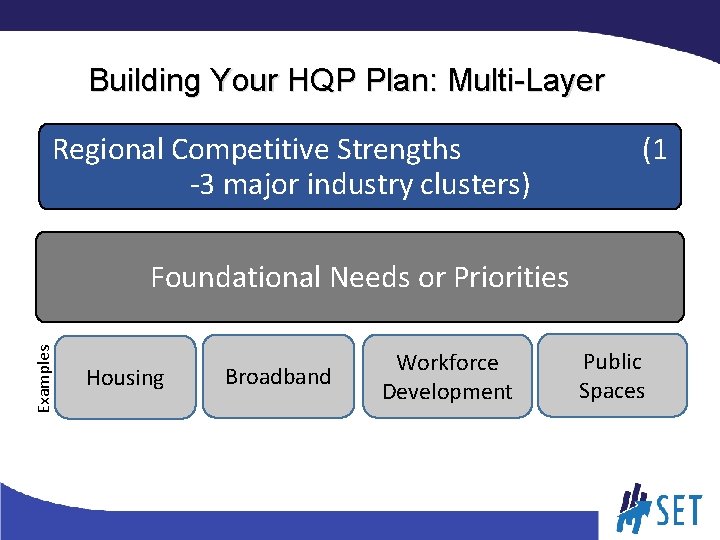
Building Your HQP Plan: Multi-Layer Regional Competitive Strengths -3 major industry clusters) (1 Examples Foundational Needs or Priorities Housing Broadband Workforce Development Public Spaces
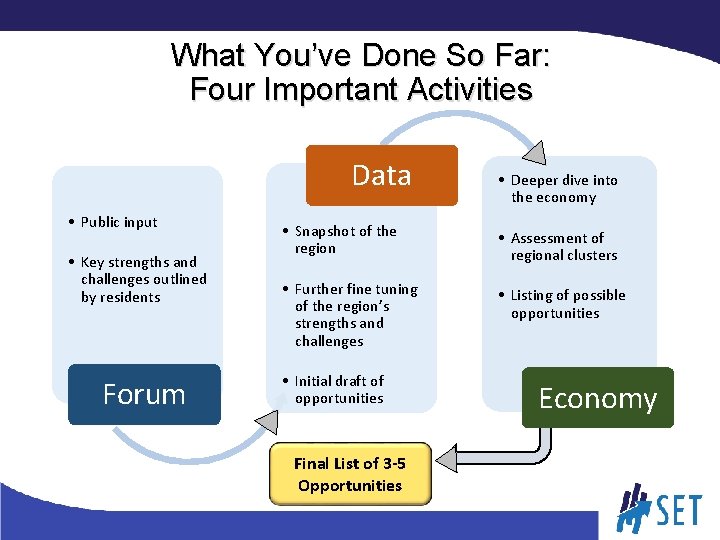
What You’ve Done So Far: Four Important Activities Data • Public input • Key strengths and challenges outlined by residents Forum • Deeper dive into the economy • Snapshot of the region • Assessment of regional clusters • Further fine tuning of the region’s strengths and challenges • Listing of possible opportunities • Initial draft of opportunities Final List of 3 -5 Opportunities Economy
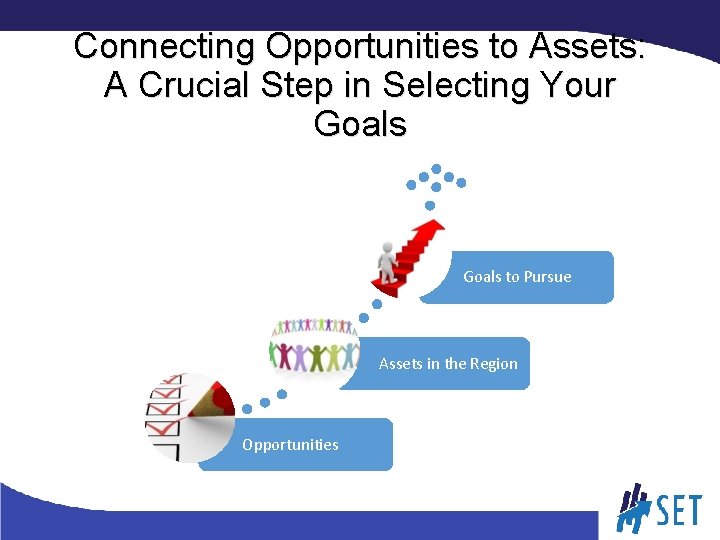
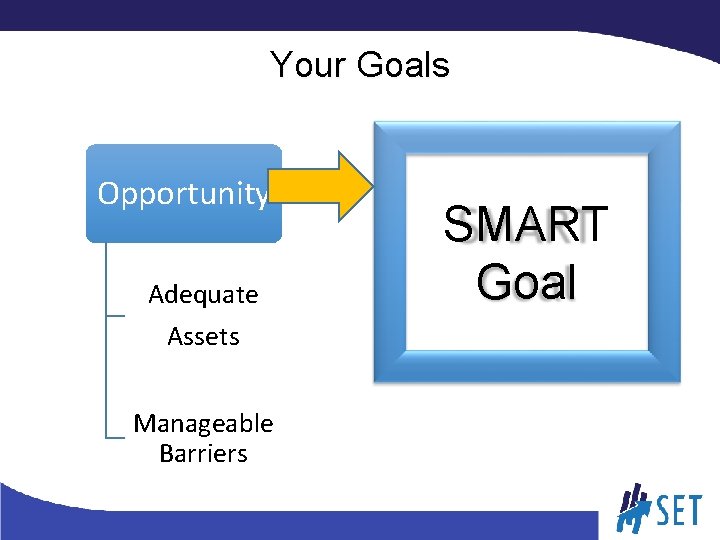
Connecting Opportunities to Assets: A Crucial Step in Selecting Your Goals to Pursue Assets in the Region Opportunities
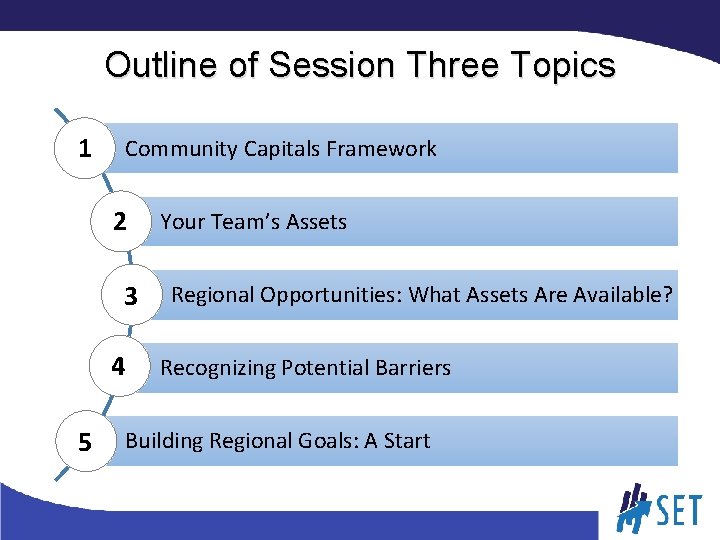
Outline of Session Three Topics 1 Community Capitals Framework 2 3 4 5 Your Team’s Assets Regional Opportunities: What Assets Are Available? Recognizing Potential Barriers Building Regional Goals: A Start
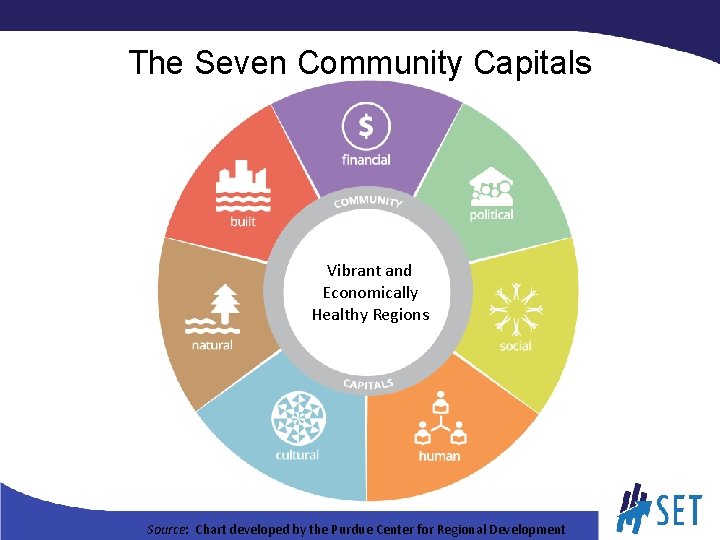
The Seven Community Capitals Vibrant and Economically Healthy Regions Source: Chart developed by the Purdue Center for Regional Development
Community Capitals: Your Team’s Assets
Regional Opportunities: What Assets Are Available? Community Capital Assets Available
Recognizing Possible Barriers
Thinking of Your Destination: Be SMART
A Goal Is. . . An observable and measurable outcome that you want to achieve within a specific period of time. Goals are focused on outcomes and/or impacts.
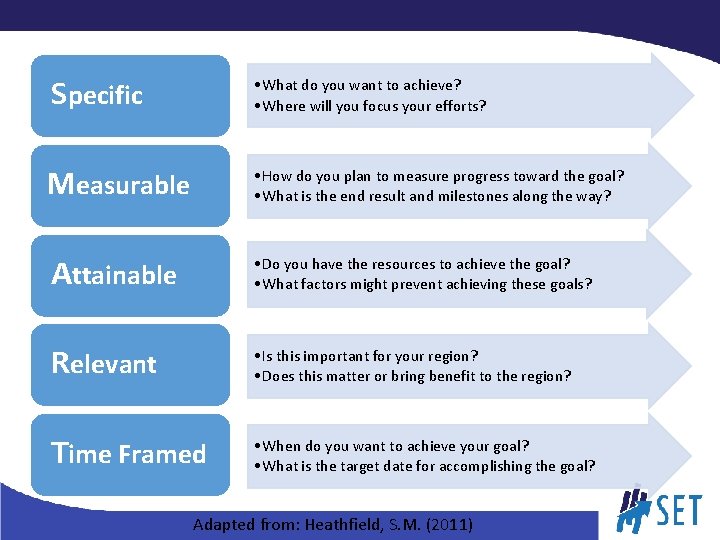
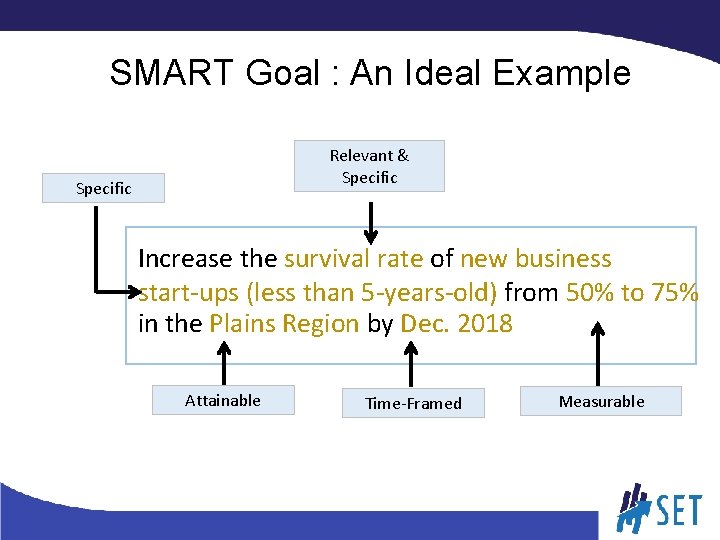
Specific • What do you want to achieve? • Where will you focus your efforts? Measurable • How do you plan to measure progress toward the goal? • What is the end result and milestones along the way? Attainable • Do you have the resources to achieve the goal? • What factors might prevent achieving these goals? Relevant • Is this important for your region? • Does this matter or bring benefit to the region? Time Framed • When do you want to achieve your goal? • What is the target date for accomplishing the goal? Adapted from: Heathfield, S. M. (2011)
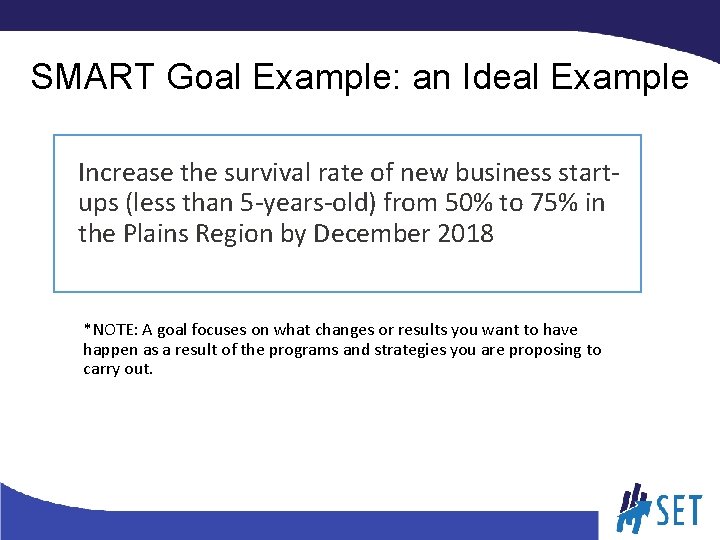
SMART Goal Example: an Ideal Example Increase the survival rate of new business startups (less than 5 -years-old) from 50% to 75% in the Plains Region by December 2018 *NOTE: A goal focuses on what changes or results you want to have happen as a result of the programs and strategies you are proposing to carry out.
SMART Goal : An Ideal Example Relevant & Specific Increase the survival rate of new business start-ups (less than 5 -years-old) from 50% to 75% in the Plains Region by Dec. 2018 Attainable Time-Framed Measurable
Your Goals Opportunity Adequate Assets Manageable Barriers SMART Goal
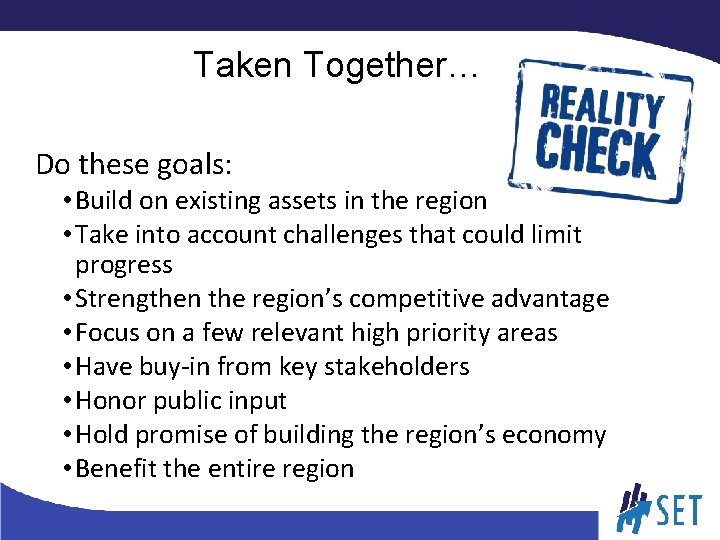
Taken Together… Do these goals: • Build on existing assets in the region • Take into account challenges that could limit progress • Strengthen the region’s competitive advantage • Focus on a few relevant high priority areas • Have buy-in from key stakeholders • Honor public input • Hold promise of building the region’s economy • Benefit the entire region
Next Steps • Writing • Refine SMART goals based on feedback from today’s session • Finalize the plan’s evidence base for the goals selected • View video ABCs of Planning • Other items?