
Connecticut The Constitution State Connecticut General Description Facts
- Slides: 15
Connecticut The Constitution State
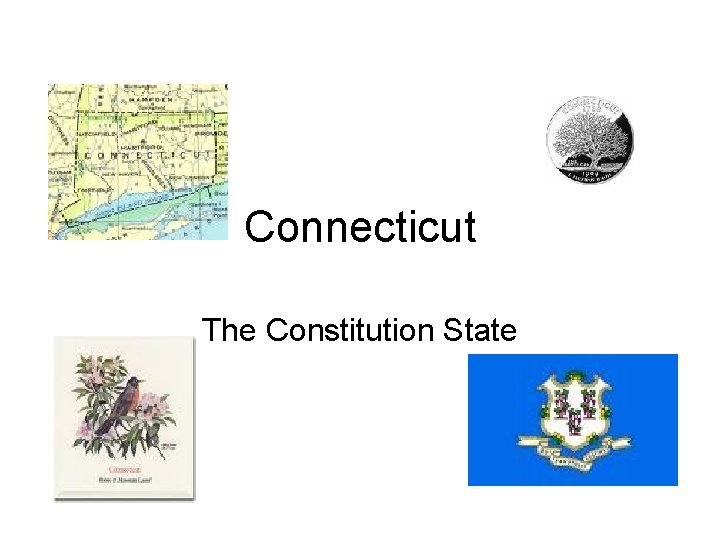
Connecticut • General Description & Facts • Statehood: January 9, 1788 (5 th state) • Within its compact borders, Connecticut has forested hills, new urban skylines, shoreline beaches, whitesteeple colonial churches, and historic village greens. There are classic Ivy League schools, modern expressways, great corporate offices, and small farms. Connecticut is a thriving center of business, as well as a vacation land. It is both a New England state, and suburban to New York City.
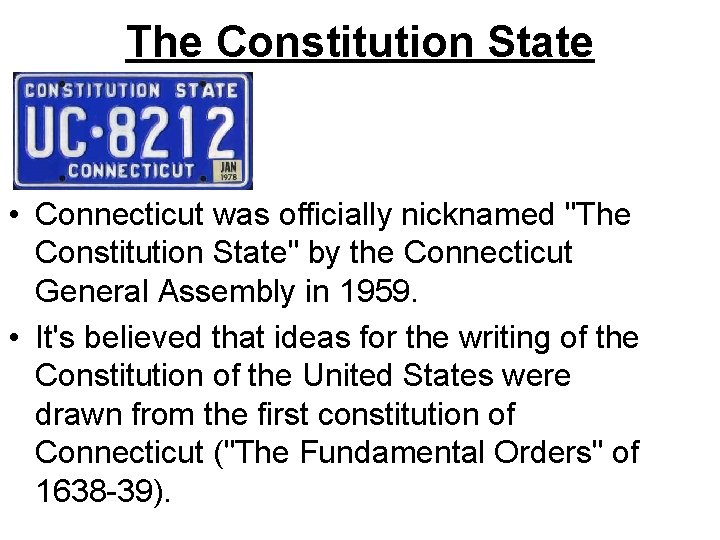
The Constitution State • Connecticut was officially nicknamed "The Constitution State" by the Connecticut General Assembly in 1959. • It's believed that ideas for the writing of the Constitution of the United States were drawn from the first constitution of Connecticut ("The Fundamental Orders" of 1638 -39).
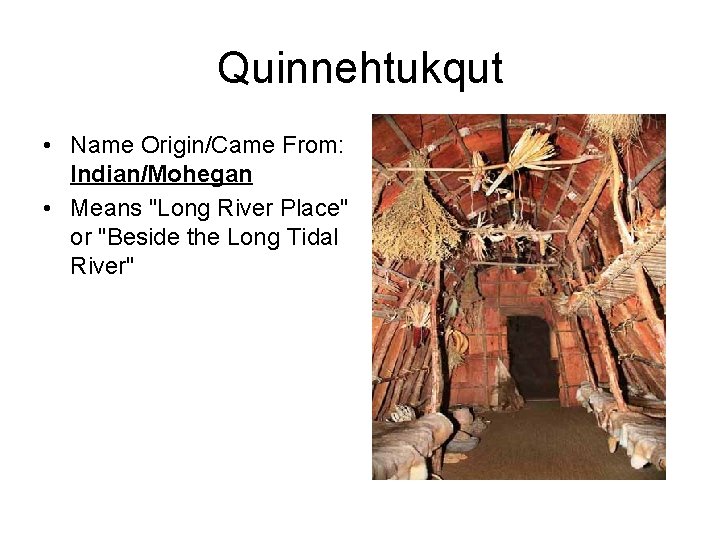
Quinnehtukqut • Name Origin/Came From: Indian/Mohegan • Means "Long River Place" or "Beside the Long Tidal River"
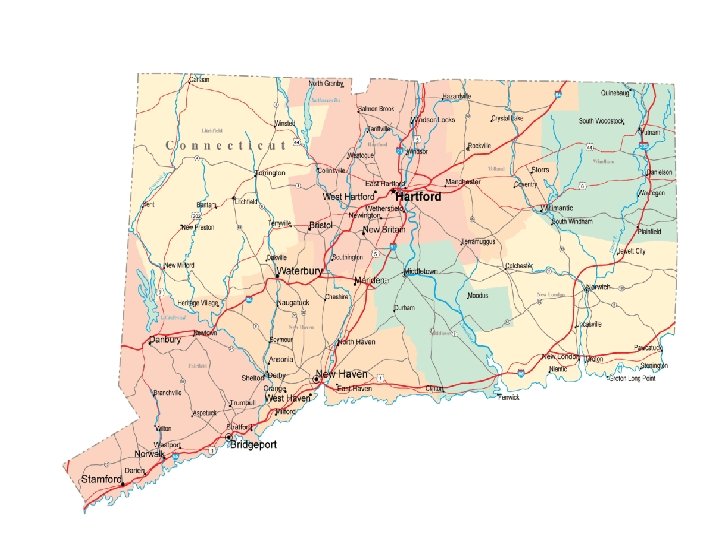
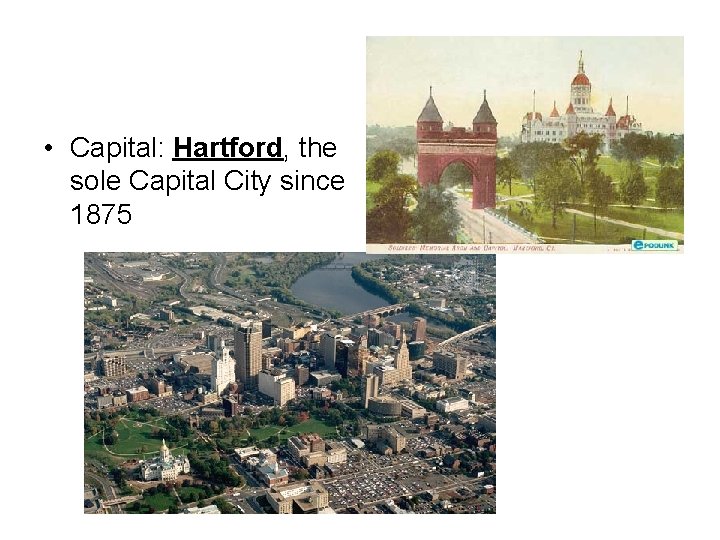
• Capital: Hartford, the sole Capital City since 1875
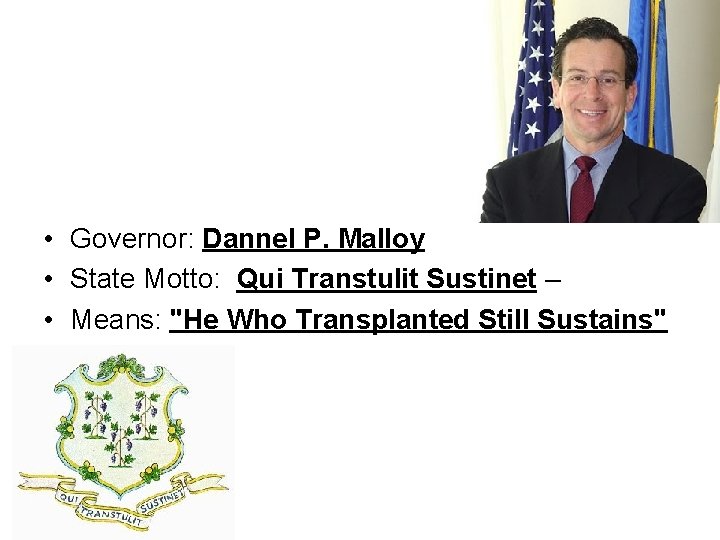
• Governor: Dannel P. Malloy • State Motto: Qui Transtulit Sustinet – • Means: "He Who Transplanted Still Sustains"
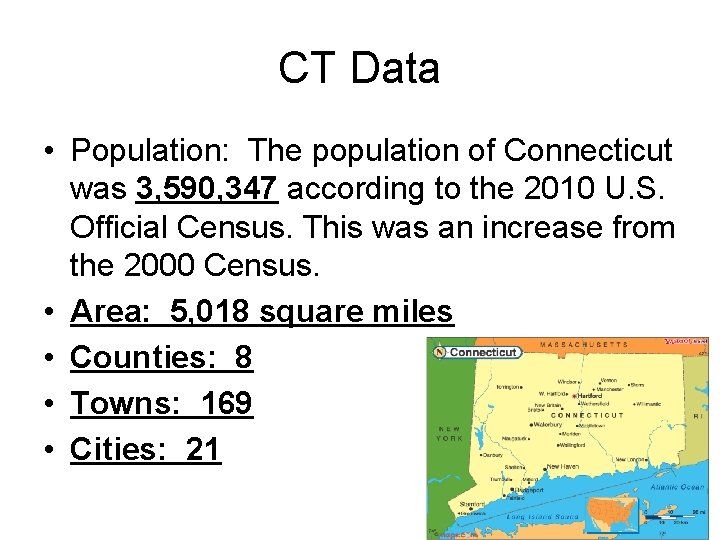
CT Data • Population: The population of Connecticut was 3, 590, 347 according to the 2010 U. S. Official Census. This was an increase from the 2000 Census. • Area: 5, 018 square miles • Counties: 8 • Towns: 169 • Cities: 21
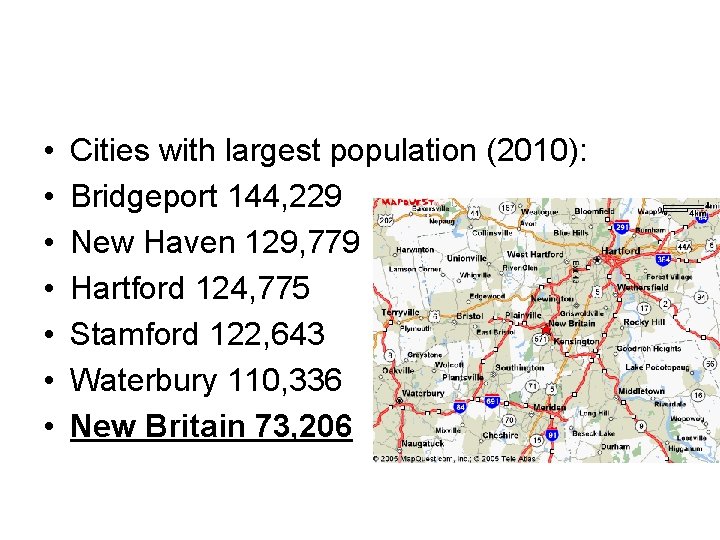
• • Cities with largest population (2010): Bridgeport 144, 229 New Haven 129, 779 Hartford 124, 775 Stamford 122, 643 Waterbury 110, 336 New Britain 73, 206
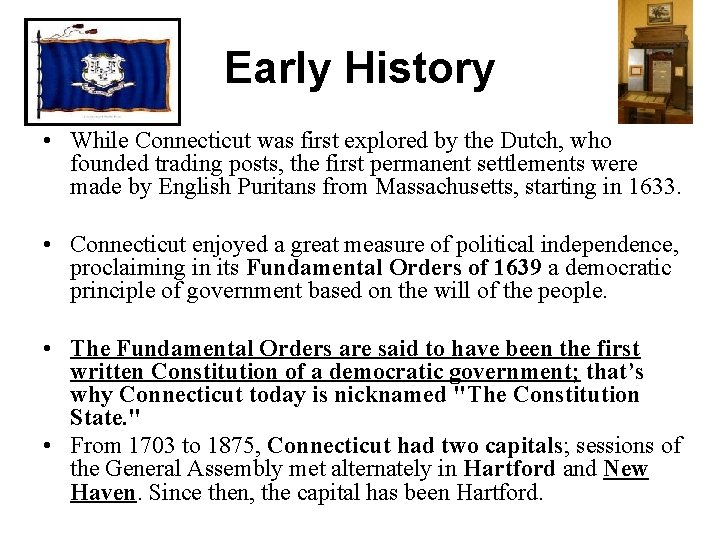
Early History • While Connecticut was first explored by the Dutch, who founded trading posts, the first permanent settlements were made by English Puritans from Massachusetts, starting in 1633. • Connecticut enjoyed a great measure of political independence, proclaiming in its Fundamental Orders of 1639 a democratic principle of government based on the will of the people. • The Fundamental Orders are said to have been the first written Constitution of a democratic government; that’s why Connecticut today is nicknamed "The Constitution State. " • From 1703 to 1875, Connecticut had two capitals; sessions of the General Assembly met alternately in Hartford and New Haven. Since then, the capital has been Hartford.
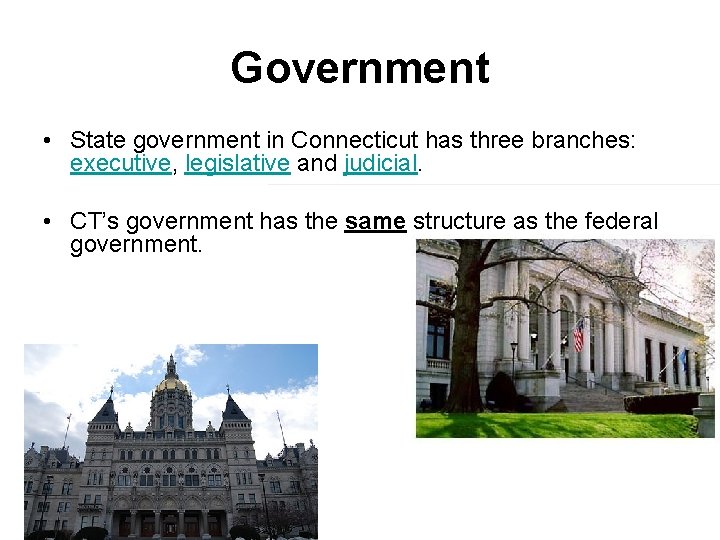
Government • State government in Connecticut has three branches: executive, legislative and judicial. • CT’s government has the same structure as the federal government.
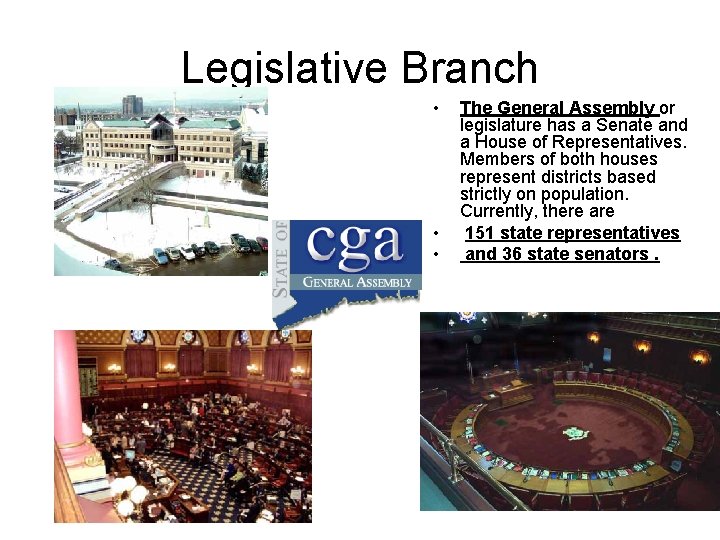
Legislative Branch • • • The General Assembly or legislature has a Senate and a House of Representatives. Members of both houses represent districts based strictly on population. Currently, there are 151 state representatives and 36 state senators.
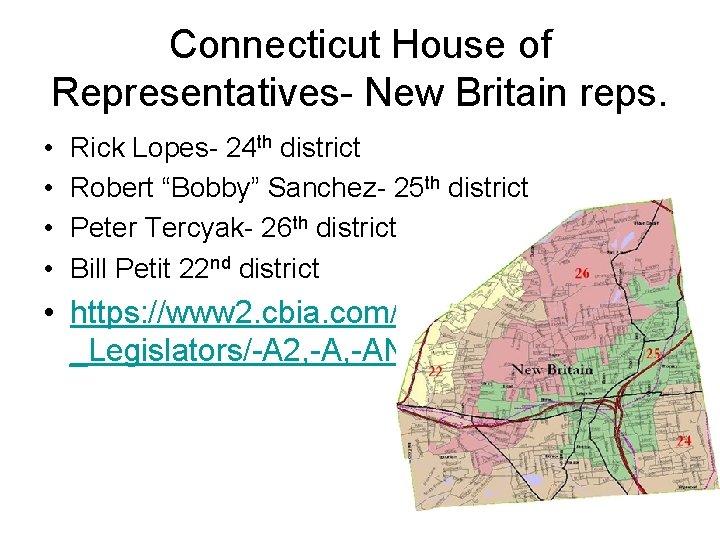
Connecticut House of Representatives- New Britain reps. • • Rick Lopes- 24 th district Robert “Bobby” Sanchez- 25 th district Peter Tercyak- 26 th district Bill Petit 22 nd district • https: //www 2. cbia. com/ga/New_Britain_CT _Legislators/-A 2, -ANew%20 Britain
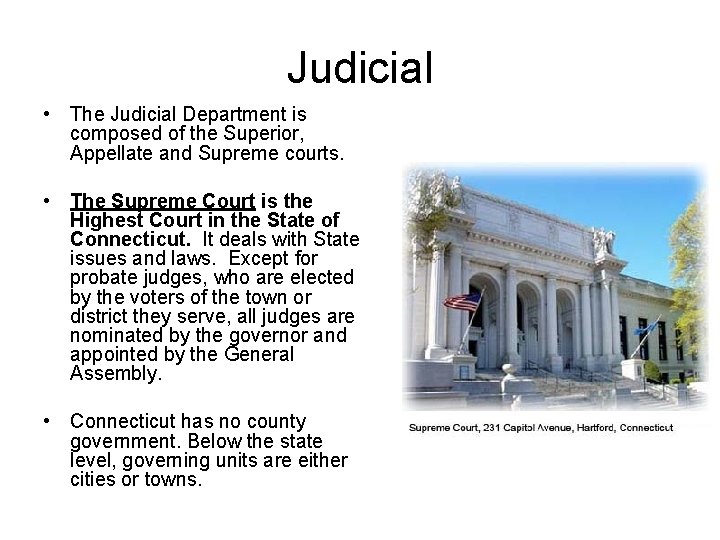
Judicial • The Judicial Department is composed of the Superior, Appellate and Supreme courts. • The Supreme Court is the Highest Court in the State of Connecticut. It deals with State issues and laws. Except for probate judges, who are elected by the voters of the town or district they serve, all judges are nominated by the governor and appointed by the General Assembly. • Connecticut has no county government. Below the state level, governing units are either cities or towns.
Haunted Places in CT • https: //www. youtub e. com/watch? v=X W 1 o 4 Xteios