
Congress Learning Objectives Understand the formal and informal
Congress
Learning Objectives Understand the formal and informal structures of Congress Describe the a bill becomes a law Understand how the Filibuster works in the United States Senate.
Models of Representation Trustee Model- A member of congress who represents constituents interests from a distance taking into account national, collective, and moral concerns, may vote against constituents interests Delegate Model- A member of congress who represents constituents direct interests Politico- a member who acts as a delegate on core issues and as a trustee on more complex, less salient issues
Reelection The Election connection- associated with Mayhew 3 ways Congress can influence reelection Advertising Credit Taking Position taking
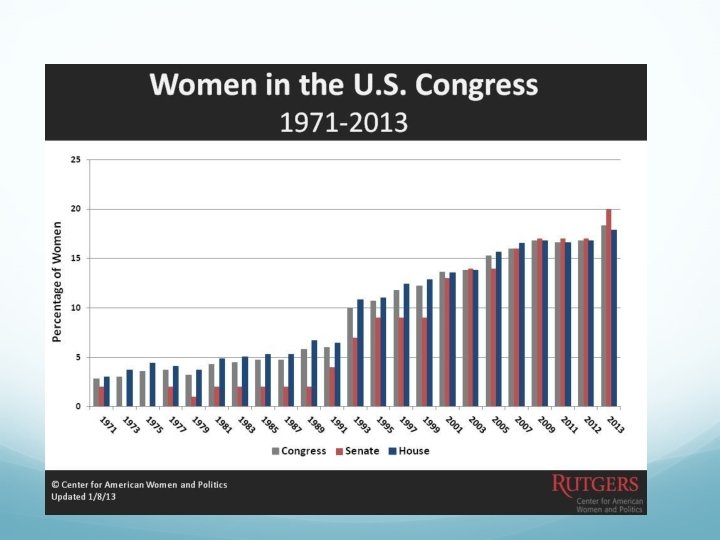
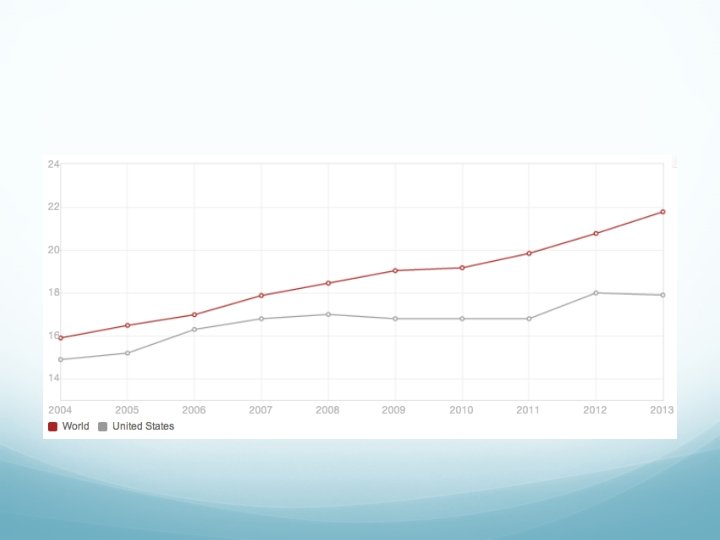
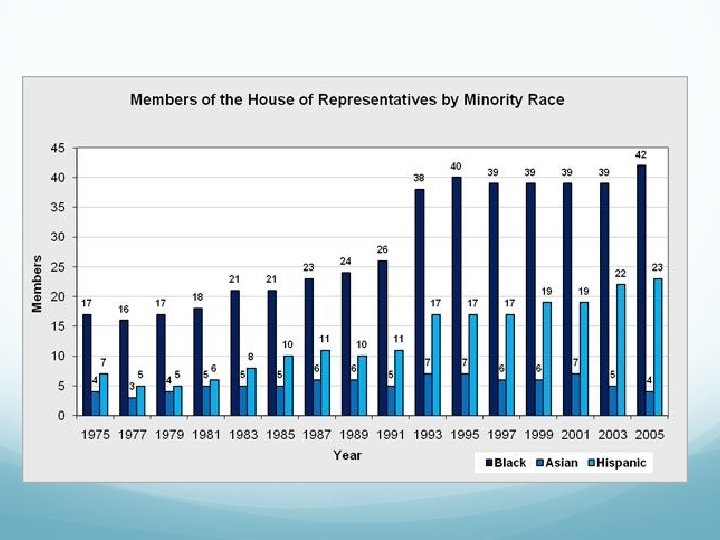
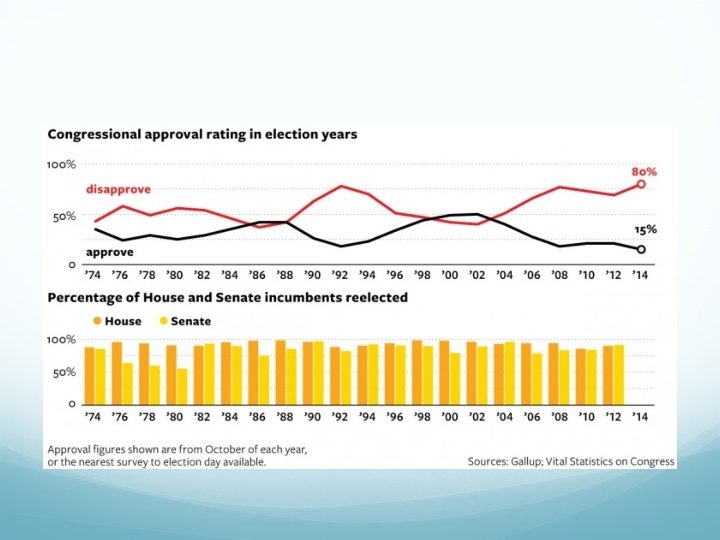
Redistricting What is Gerrymandering?
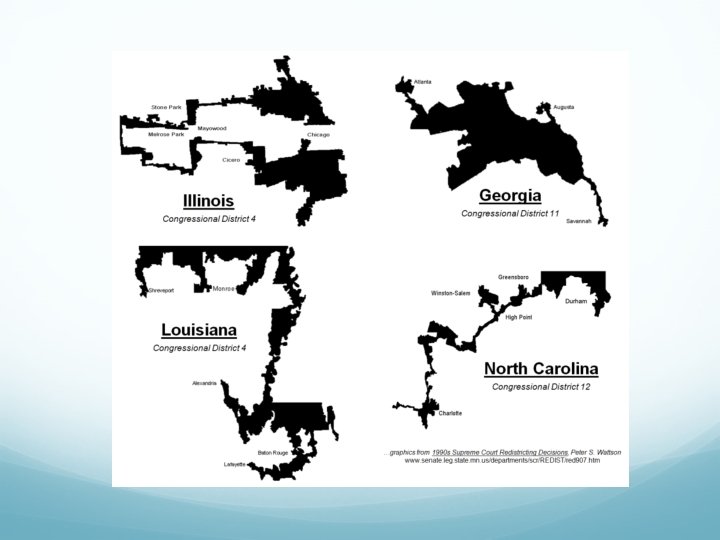
Types of Gerrymandering Partisan Gerrymandering Incumbent Gerrymandering Racial Gerrymandering Candidate Gerrymandering
Ideologies: A cohesive set of ideas and beliefs used to organize and evaluate the political world Conservative: One side of the ideological spectrum defined by support for lower taxes, a free market, and a more limited government Liberal: One side of the ideological spectrum defined by support for stronger governmental programs and more market regulation
Formal Structures Speaker of the House- elected leader of the House Majority leader- Elected head of party in Power Minority Leader- Elected head of party out of power Majority whip- focuses on party unity (graph on pg. 275) Information gathering Information dissemination Coalition building
Committee System Standing committees- Permanent part of House or Senate structure. Select committees- committees created to address a specific issue in the House or Senate Joint committees- Committees with members of both the house and senate Conference Committees- Committees created to negotiate differences between a House and Senate bill
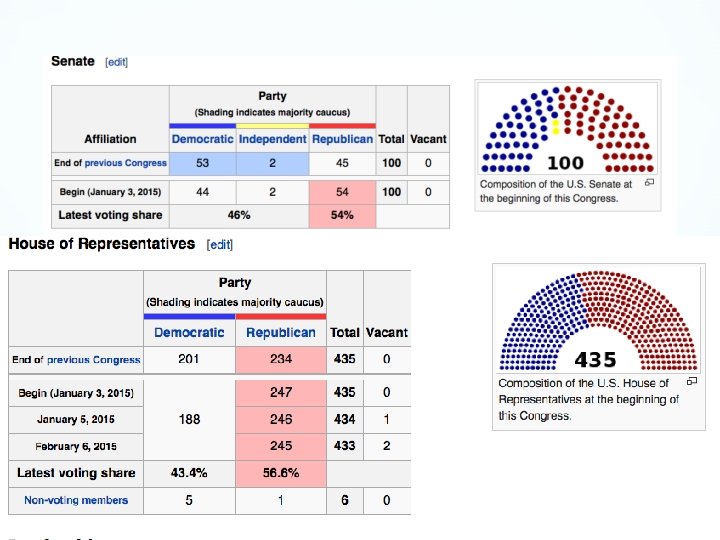
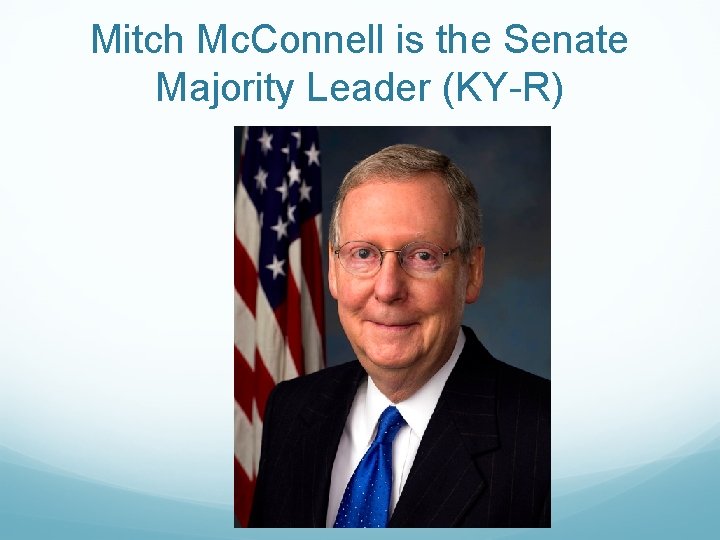
Mitch Mc. Connell is the Senate Majority Leader (KY-R)
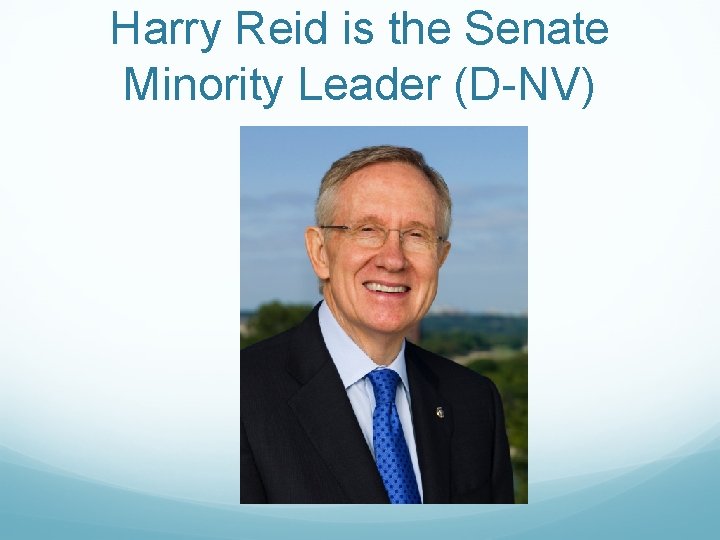
Harry Reid is the Senate Minority Leader (D-NV)
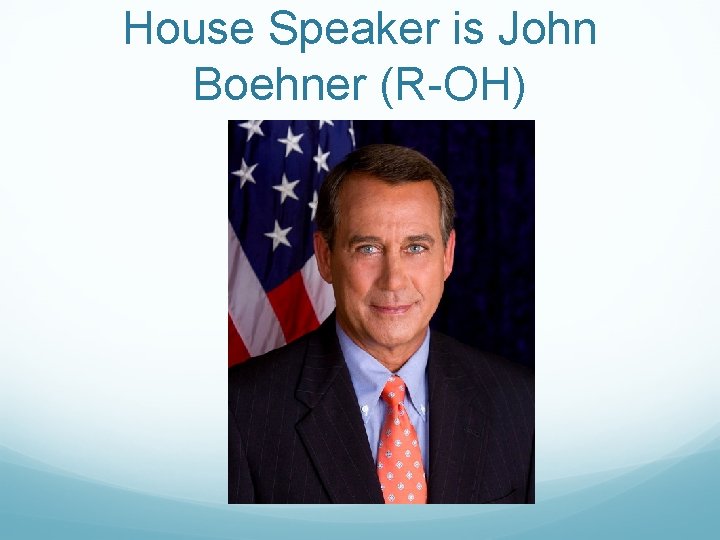
House Speaker is John Boehner (R-OH)
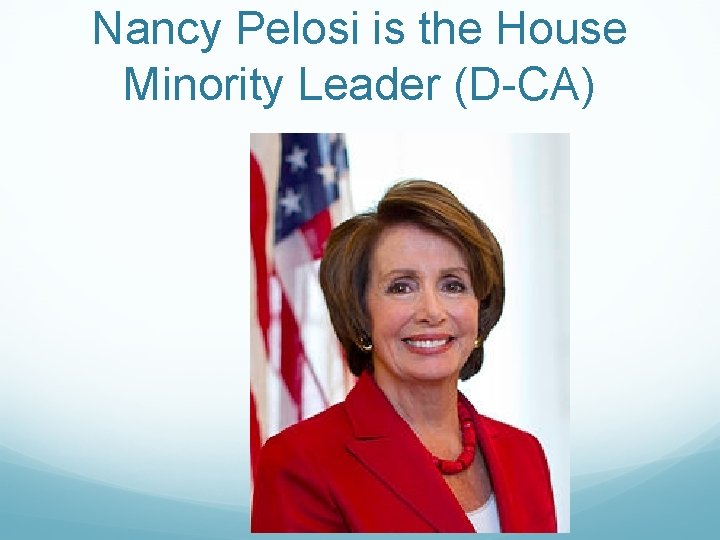
Nancy Pelosi is the House Minority Leader (D-CA)
House vs. Senate What are the main differences between the House and the Senate? What type of bills must start in the House? What powers are unique to the Senate?
How Does a Bill Become a Law (conventional Model) (285) 1. A Member introduces the bill 2. A subcommittee and committee craft the bill 3. Floor action on bill takes place in first chamber Floor Action = debate, amendments, filibuster (Senate Only) and final vote 4. Committee and floor action in second chamber
How a Bill Becomes a Law 5. Conference committee if Bills are different 6. Vote on conference committee bill 7. President Signs or Vetoes 8. If vetoes a 2/3 override vote is necessary
Deviations from Conventional Process (286) 1. 20 % of major bill bypass the committee system 2. 1/3 of bills are adjusted post comitee 3. Summit meeting between congress and the president may bypass or jump start comitee action 4. Omnibus Legislation- Huge bills that cover many different subject, topics and often contain pork barrel projects
Congressional Oversight 1. Power of the purse 2. Congress may hold hearing and investigating 3. Congress has legislative vetoes Police patrol oversight- constant vigilance Fire alarm- Wait for a problem 4. Congress has specific control over executive functions
- Slides: 24