
CONFLICT OF INTEREST IN PUBLIC PROCUREMENT Preventing and
CONFLICT OF INTEREST IN PUBLIC PROCUREMENT Preventing and mitigating risks in high-risk areas Janos Bertok Head of Public Sector Integrity Division
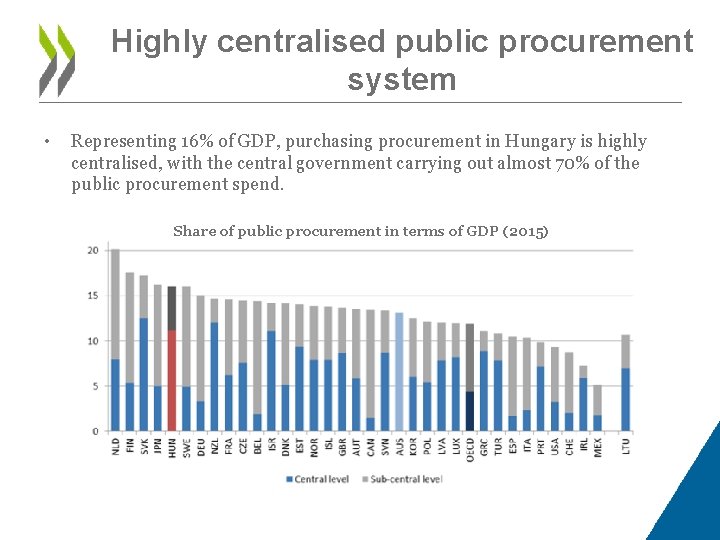
Highly centralised public procurement system • Representing 16% of GDP, purchasing procurement in Hungary is highly centralised, with the central government carrying out almost 70% of the public procurement spend. Share of public procurement in terms of GDP (2015)
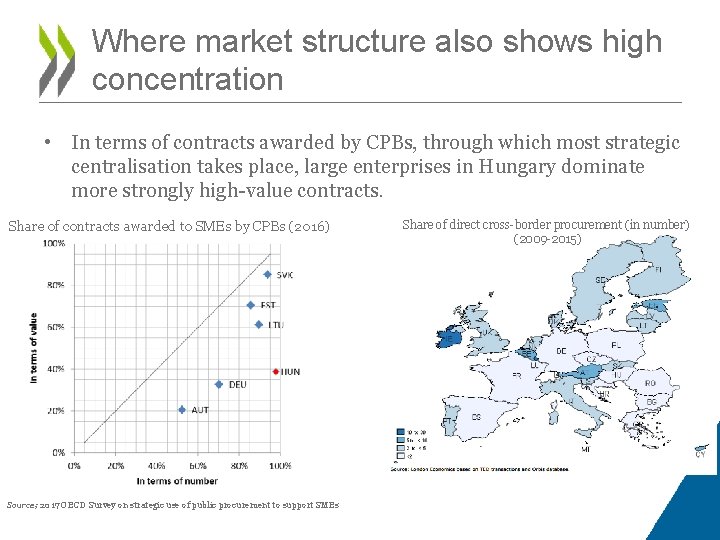
Where market structure also shows high concentration • In terms of contracts awarded by CPBs, through which most strategic centralisation takes place, large enterprises in Hungary dominate more strongly high-value contracts. Share of contracts awarded to SMEs by CPBs (2016) Source; 2017 OECD Survey on strategic use of public procurement to support SMEs Share of direct cross-border procurement (in number) (2009 -2015)
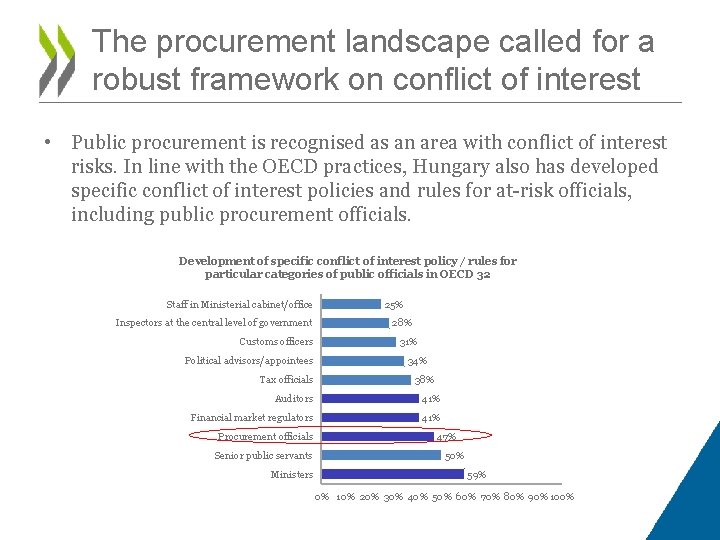
The procurement landscape called for a robust framework on conflict of interest • Public procurement is recognised as an area with conflict of interest risks. In line with the OECD practices, Hungary also has developed specific conflict of interest policies and rules for at-risk officials, including public procurement officials. Development of specific conflict of interest policy / rules for particular categories of public officials in OECD 32 Staff in Ministerial cabinet/office Inspectors at the central level of government Customs officers Political advisors/appointees Tax officials 25% 28% 31% 34% 38% Auditors 41% Financial market regulators 41% Procurement officials Senior public servants Ministers 47% 50% 59% 0% 10% 20% 30% 40% 50% 60% 70% 80% 90% 100%
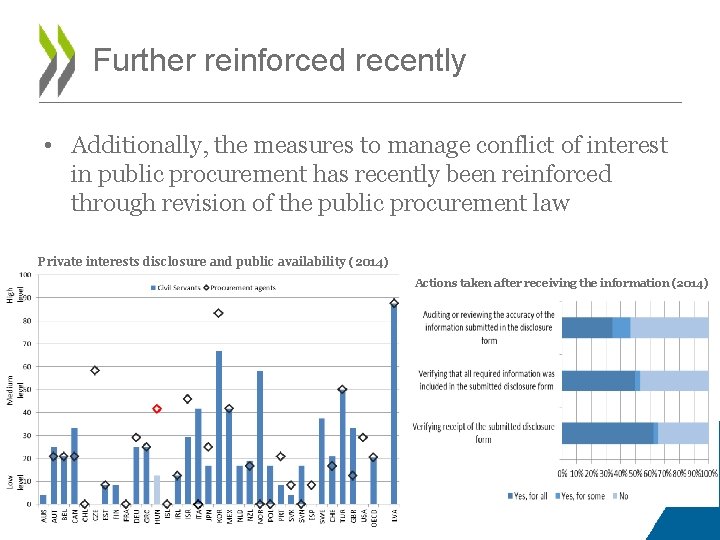
Further reinforced recently • Additionally, the measures to manage conflict of interest in public procurement has recently been reinforced through revision of the public procurement law Private interests disclosure and public availability (2014) Actions taken after receiving the information (2014)
Corruption risks evolve throughout the project Design Construction Client Consultant Partner Influence Spend Construction Partner Suppliers

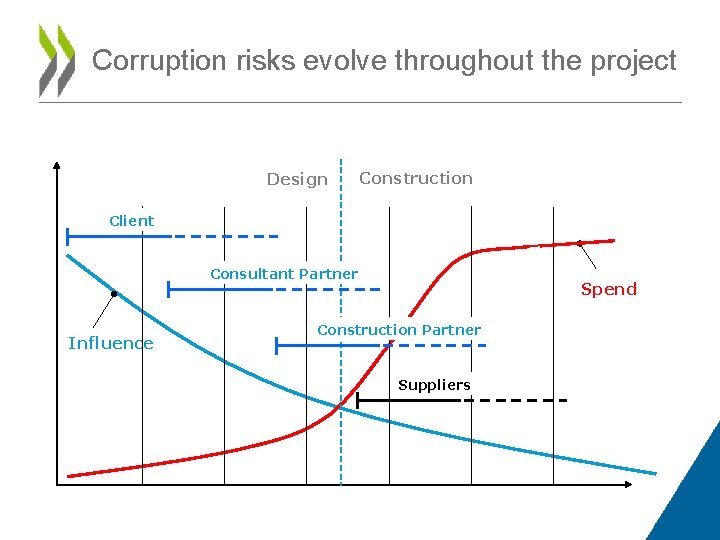
Yet the entire procurement cycle could be exposed to such a risk Pretendering • Exceptionally large tenders • Design of the qualification criteria indicating a preferred supplier • • Tendering • • Time-to-bid not in conformity to the legal provisions Artificial bids Connections between bidders that undermine competition Not all bidders informed of the award and its reasons Not all award contract and selection documents are made public Complaints from non-winning bidders • New bid specifications included in the awarded contract • Substantial changes in project scope/costs after award Posttendering • Inconsistencies in reported turnover/number of staff
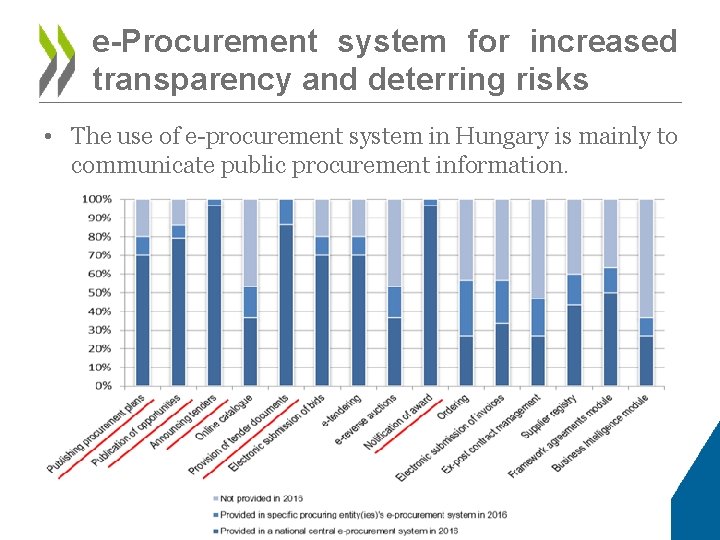
e-Procurement system for increased transparency and deterring risks • The use of e-procurement system in Hungary is mainly to communicate public procurement information.
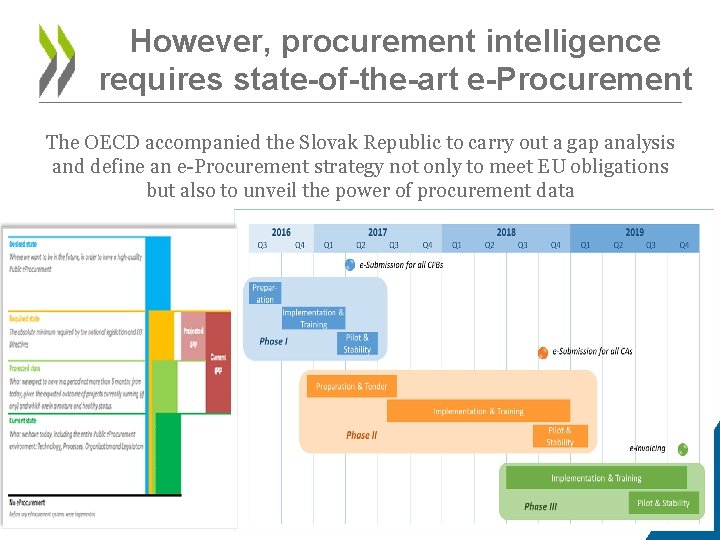
However, procurement intelligence requires state-of-the-art e-Procurement The OECD accompanied the Slovak Republic to carry out a gap analysis and define an e-Procurement strategy not only to meet EU obligations but also to unveil the power of procurement data
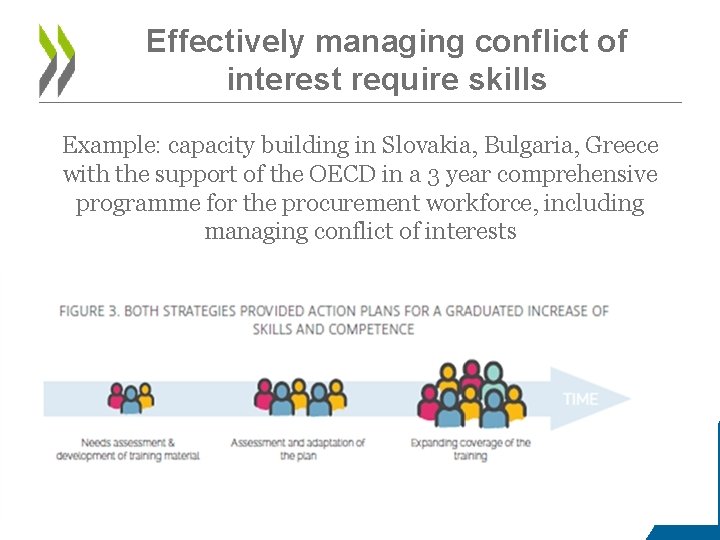
Effectively managing conflict of interest require skills Example: capacity building in Slovakia, Bulgaria, Greece with the support of the OECD in a 3 year comprehensive programme for the procurement workforce, including managing conflict of interests
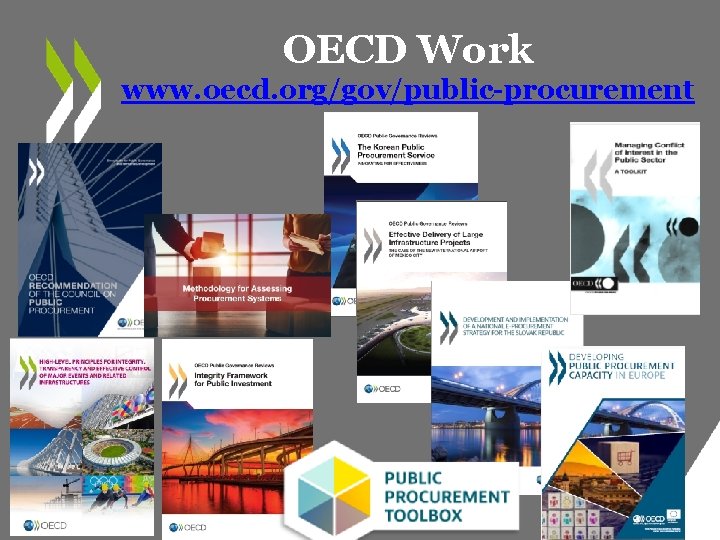
OECD Work www. oecd. org/gov/public-procurement
- Slides: 11