
Conflict and Negotiation Topic 7 Learning outcome 1
- Slides: 10
Conflict and Negotiation Topic 7
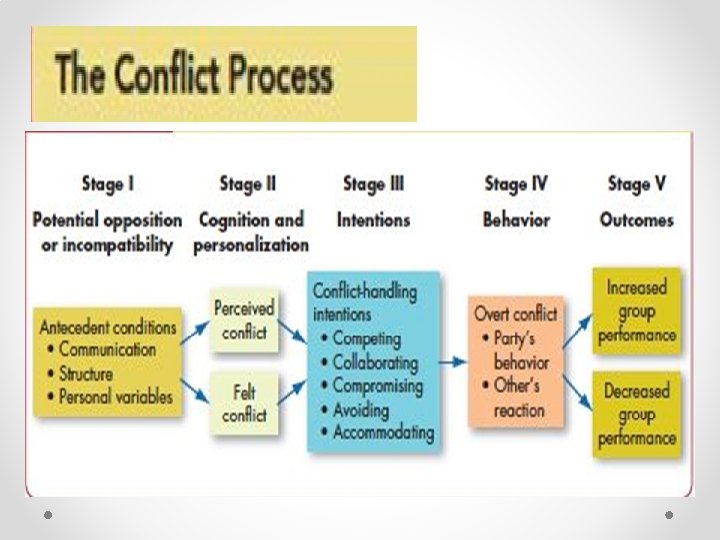
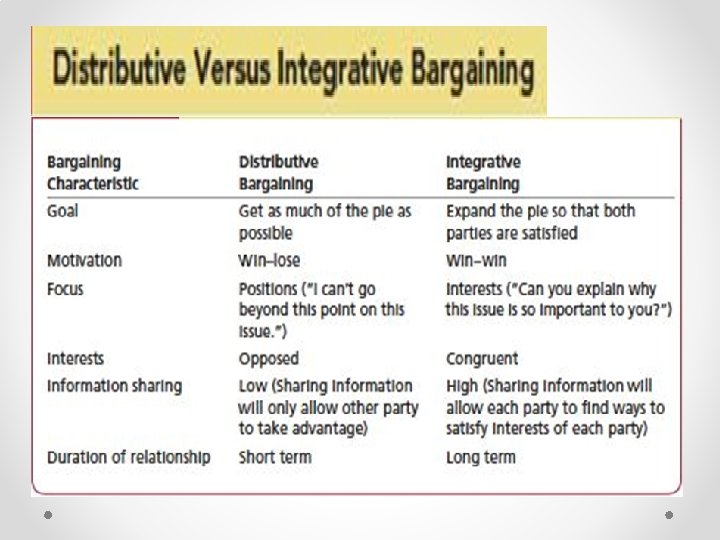
Learning outcome 1. Define conflict. 2. Differentiate between the traditional, interactionist, and managed-conflict views of conflict. 3. Outline the conflict process. 4. Define negotiation. 5. Contrast distributive and integrative bargaining. 6. Apply the five steps of the negotiation process.
A Definition of Conflict o The parties to it must perceive conflict. o Commonalties in the definitions are opposition or incompatibility and some form of interaction. • Aprocess that begins when one party perceives that another party has negatively affected, or is about to negatively affect, something that the first party cares about.
Differentiate between the traditional, interactionist, and managed-conflict views of conflict • The Traditional View of Conflict o Assumed all was bad and to be avoided. o Viewed negatively and discussed with such terms violence, destruction, and irrationality. o Conflict was a dysfunctional outcome resulting from poor communication, a lack of openness and trust between people, and the failure of managers to be responsive to the needs and aspirations of their employees.
• The interactionist view of conflict o Aharmonious, peaceful, tranquil, and cooperative group is prone to becoming static, apathetic, and unresponsive to needs for change and innovation. o But, not all conflicts are good. • Functional, constructive forms of conflict support goals. • Conflicts that hinder group performance are dysfunctional or destructive forms of conflict.
• Resolution-focused Conflict o There are some very specific cases in which conflict can be beneficial. • Workplace conflicts are not productive. • Conflicts produce stress. • Researchers have started to focus more on managing the whole context in which conflicts occur, both before and after the behavioral stage of conflict occurs.
Define negotiation • Negotiation is a “process in which two or more parties exchange goods or services and attempt to agree upon the exchange rate for them. ”
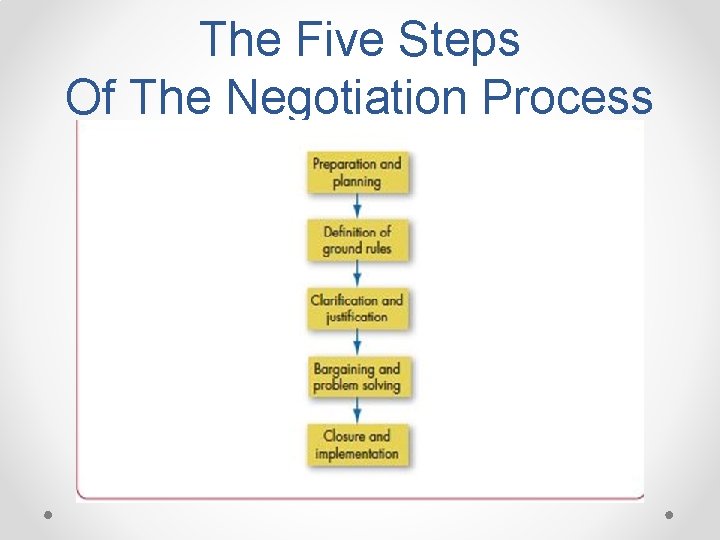
The Five Steps Of The Negotiation Process