
Conductive Textiles Where Electronics Meet Textiles Workshop with

- Slides: 20
Conductive Textiles Where Electronics Meet Textiles Workshop with Lynne Bruning and Troy Robert Nachtigall Sponsored by Spark Fun and Plugand. Wear Versione 3. 0 - January 2010
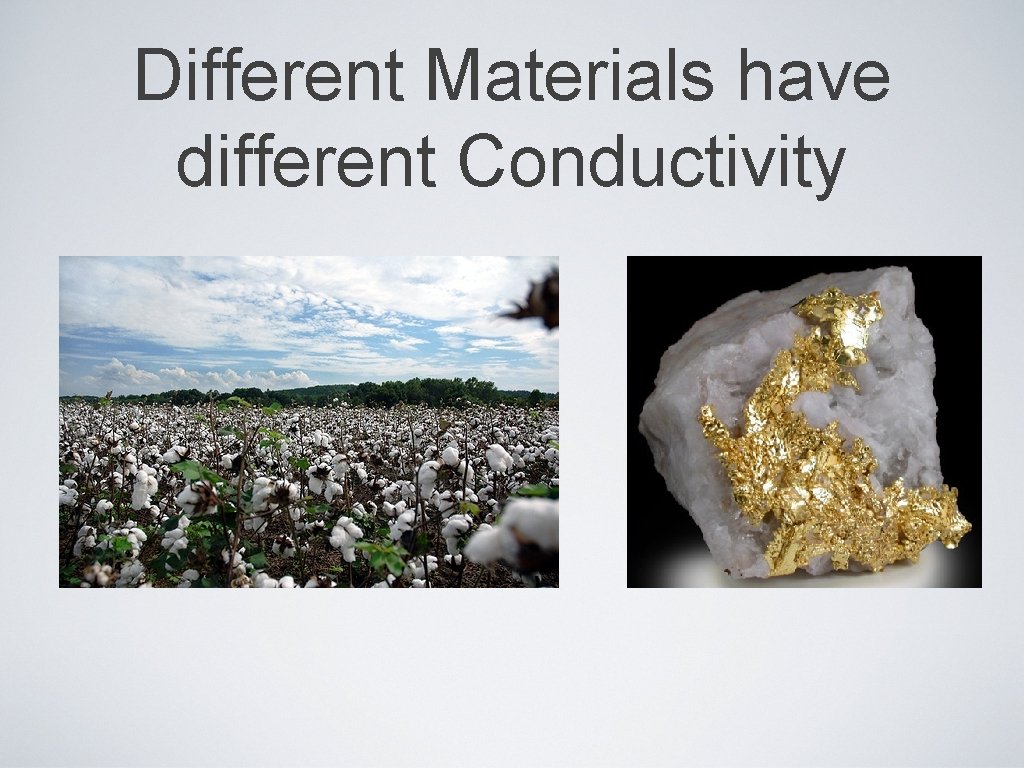
Different Materials have different Conductivity
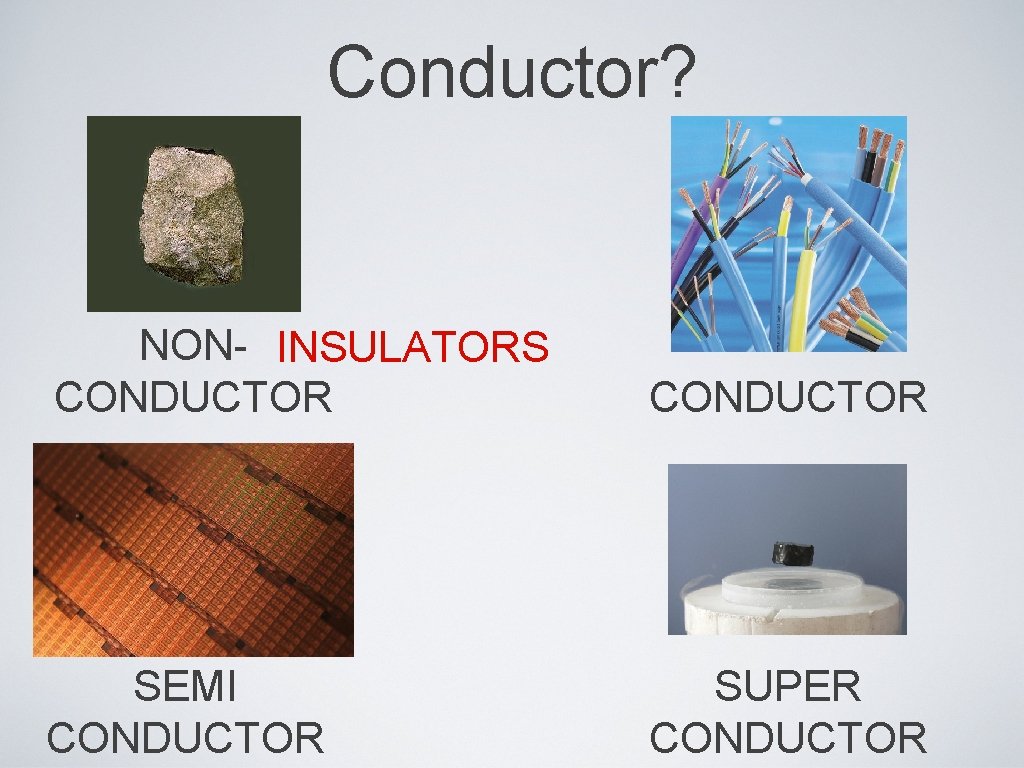
Conductor? NON- INSULATORS CONDUCTOR SEMI CONDUCTOR SUPER CONDUCTOR
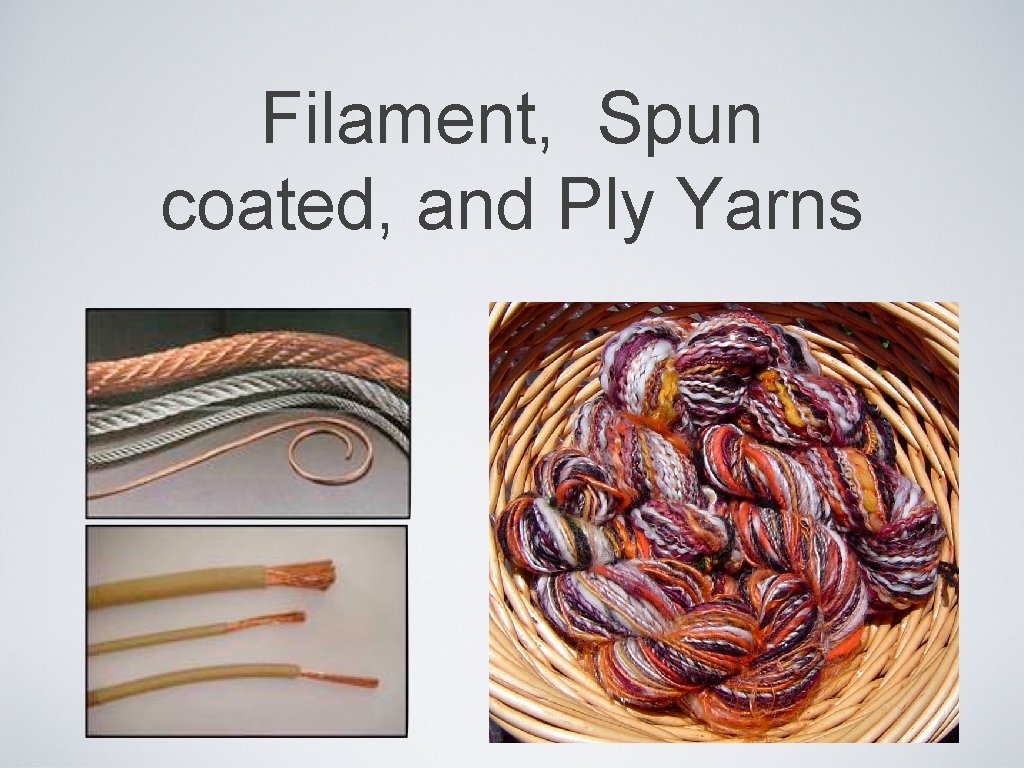
Conductive Yarns
Filament, Spun coated, and Ply Yarns
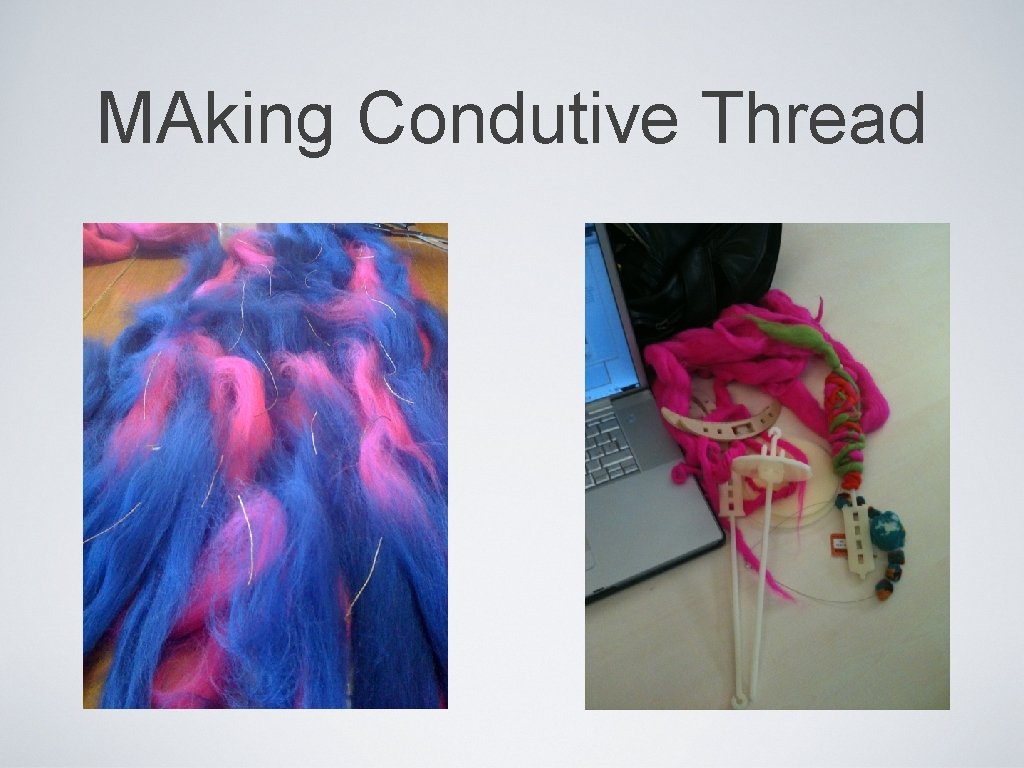
MAking Condutive Thread
Mixing Conductive and nonconductive Fibers Current/conductivity in thread depends upon three major factors: 1. Conductive Material Used 2. % of Conductive Fibers 3. Longitudinal Configuration & Horizontal Configuration
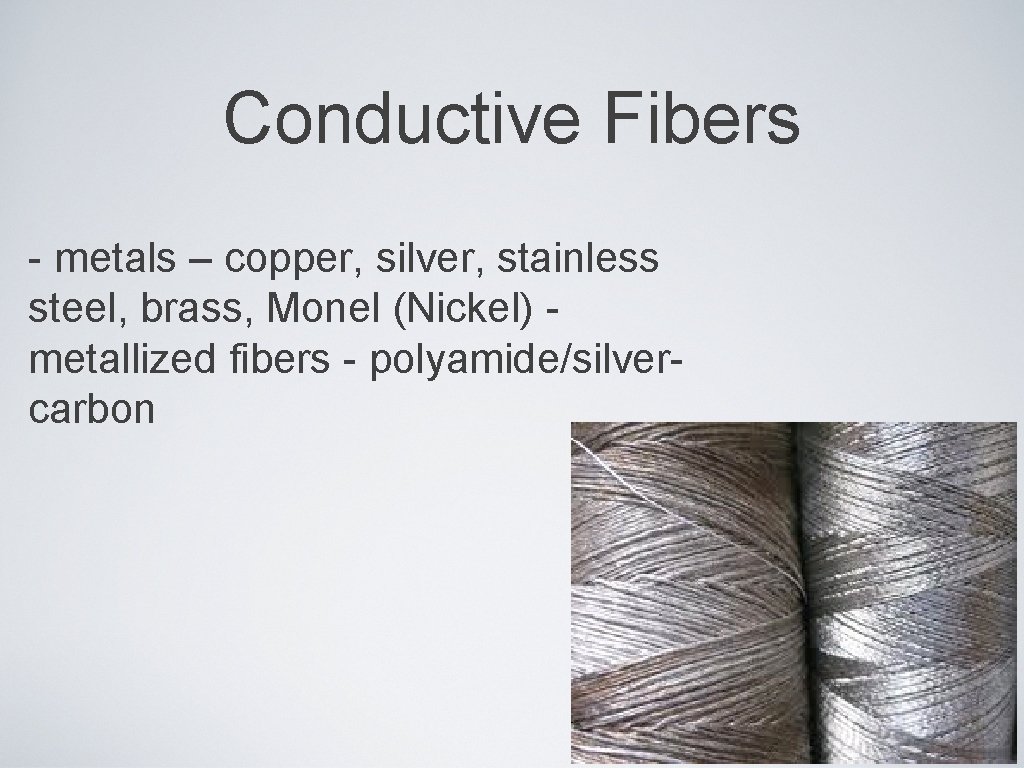
Conductive Fibers - metals – copper, silver, stainless steel, brass, Monel (Nickel) metallized fibers - polyamide/silvercarbon
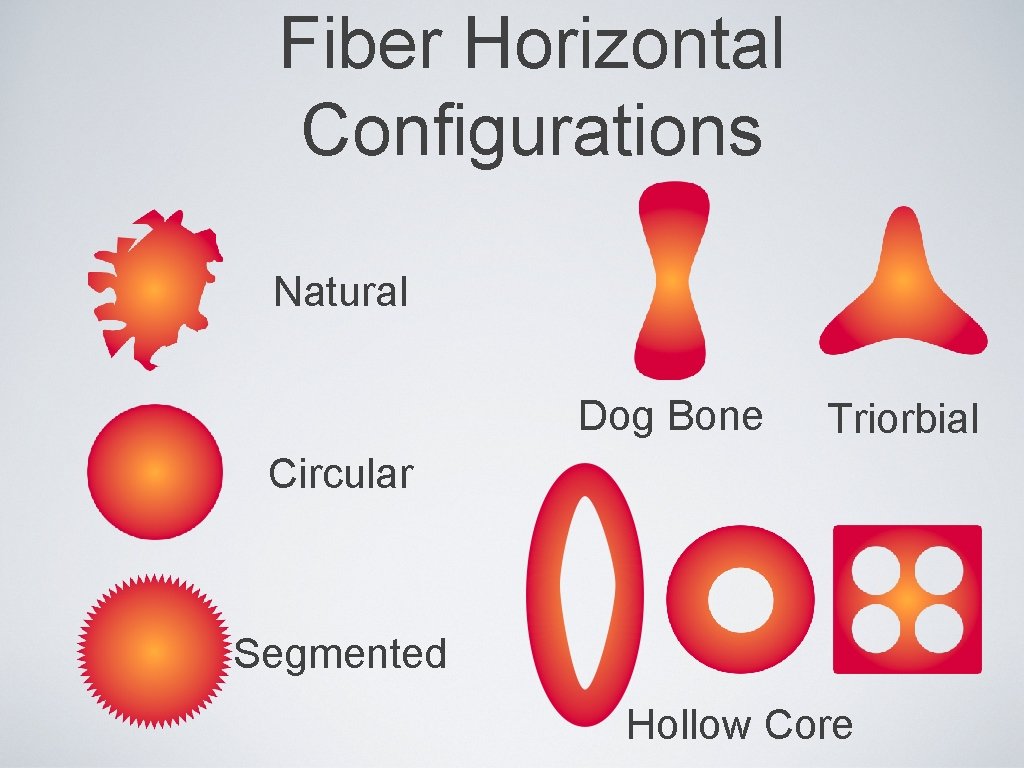
Fiber Horizontal Configurations Natural Dog Bone Triorbial Circular Segmented Hollow Core
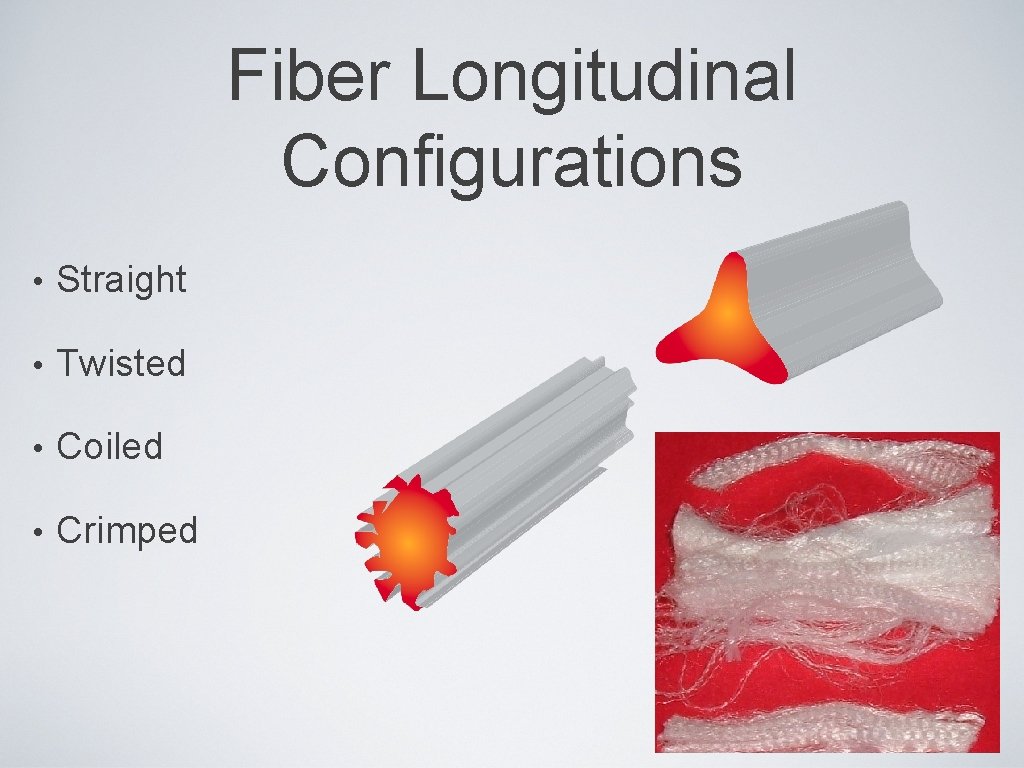
Fiber Longitudinal Configurations • Straight • Twisted • Coiled • Crimped
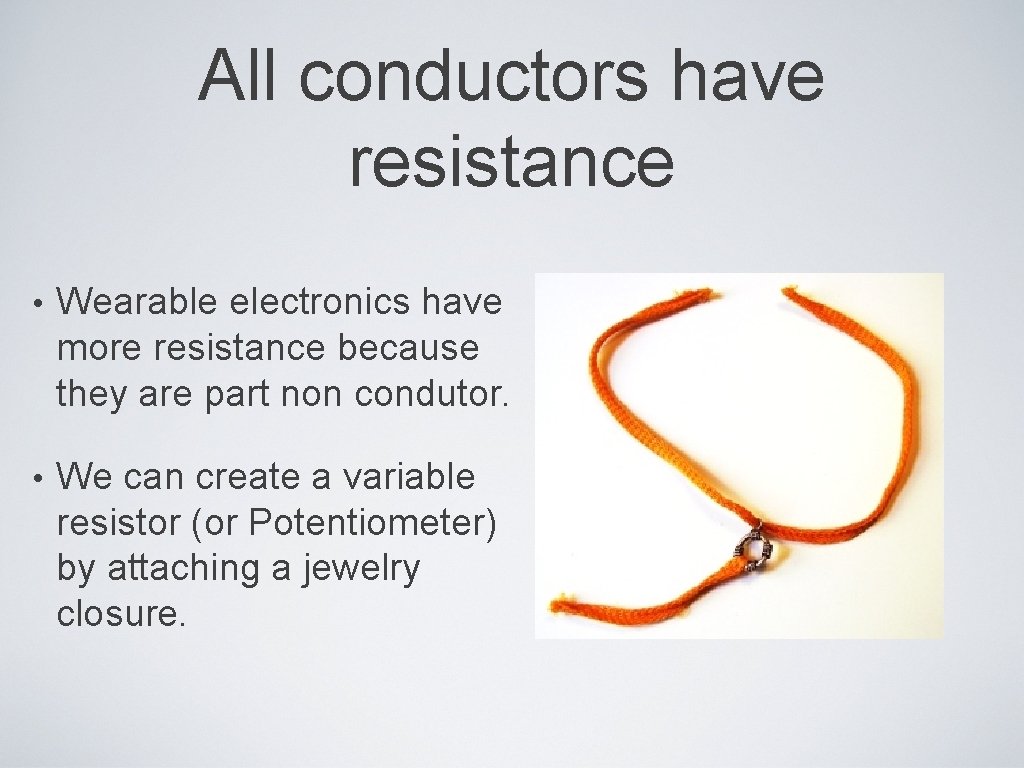
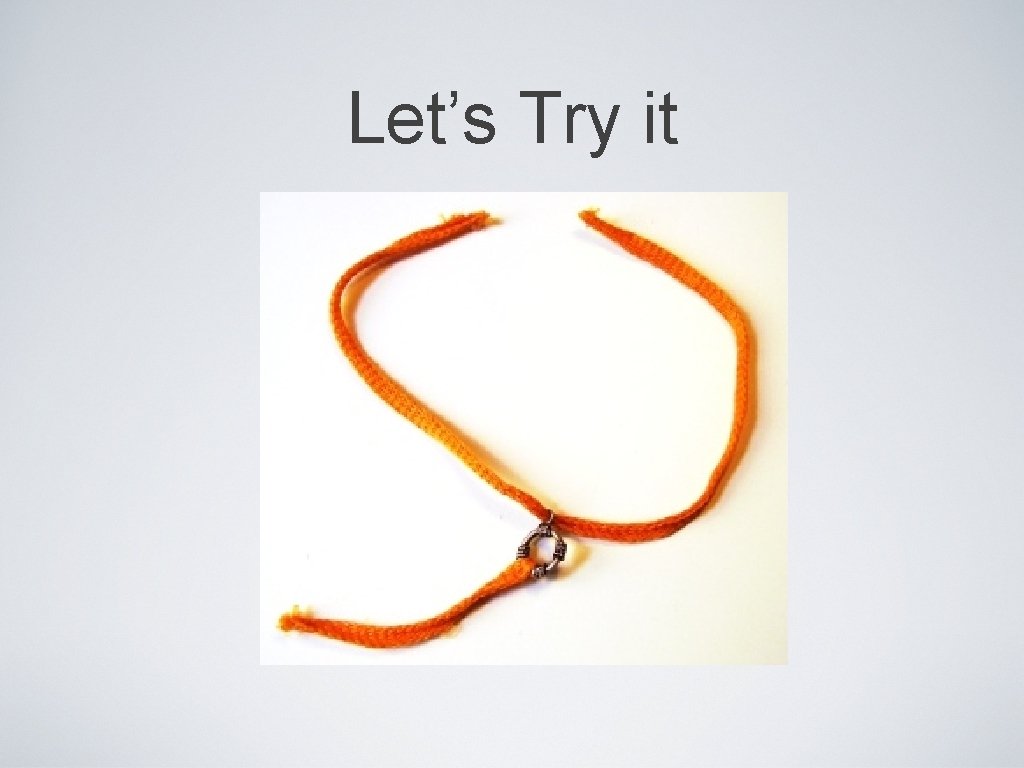
All conductors have resistance • Wearable electronics have more resistance because they are part non condutor. • We can create a variable resistor (or Potentiometer) by attaching a jewelry closure.
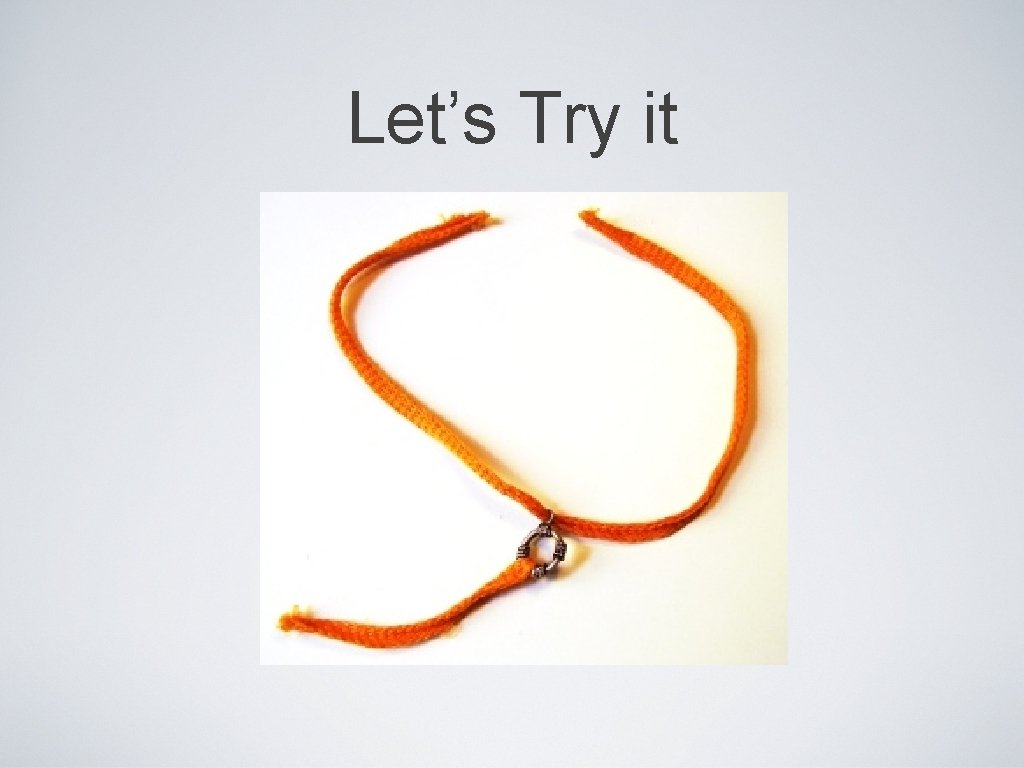
Let’s Try it
Let’s Try it
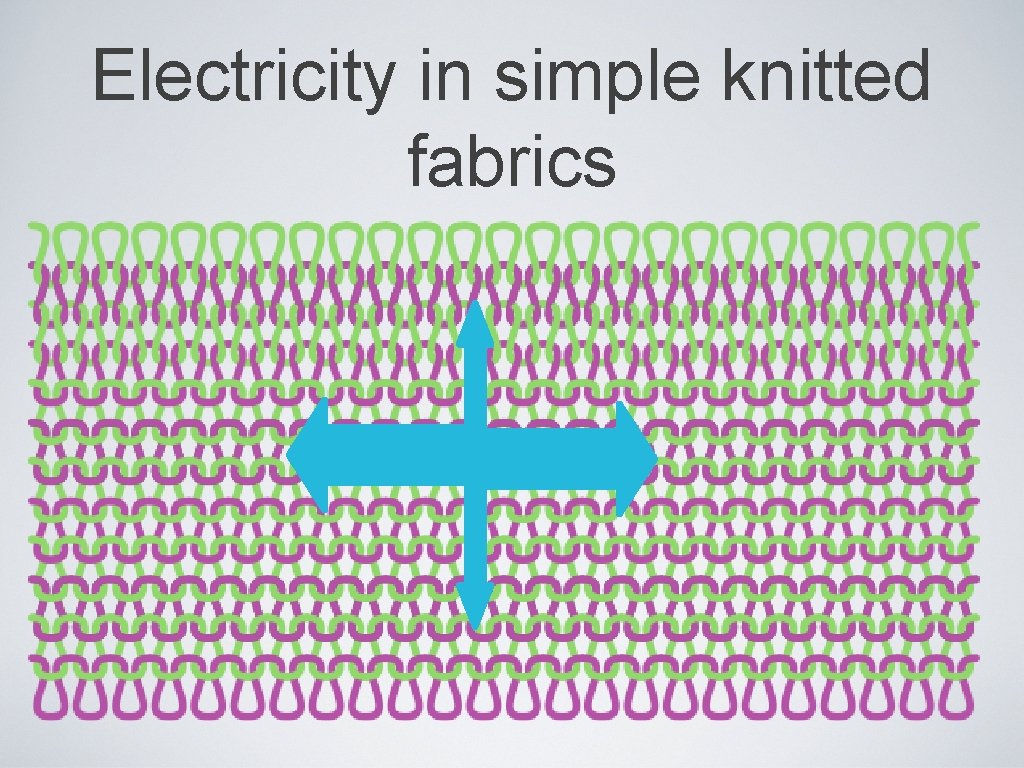
Electricity in simple knitted fabrics
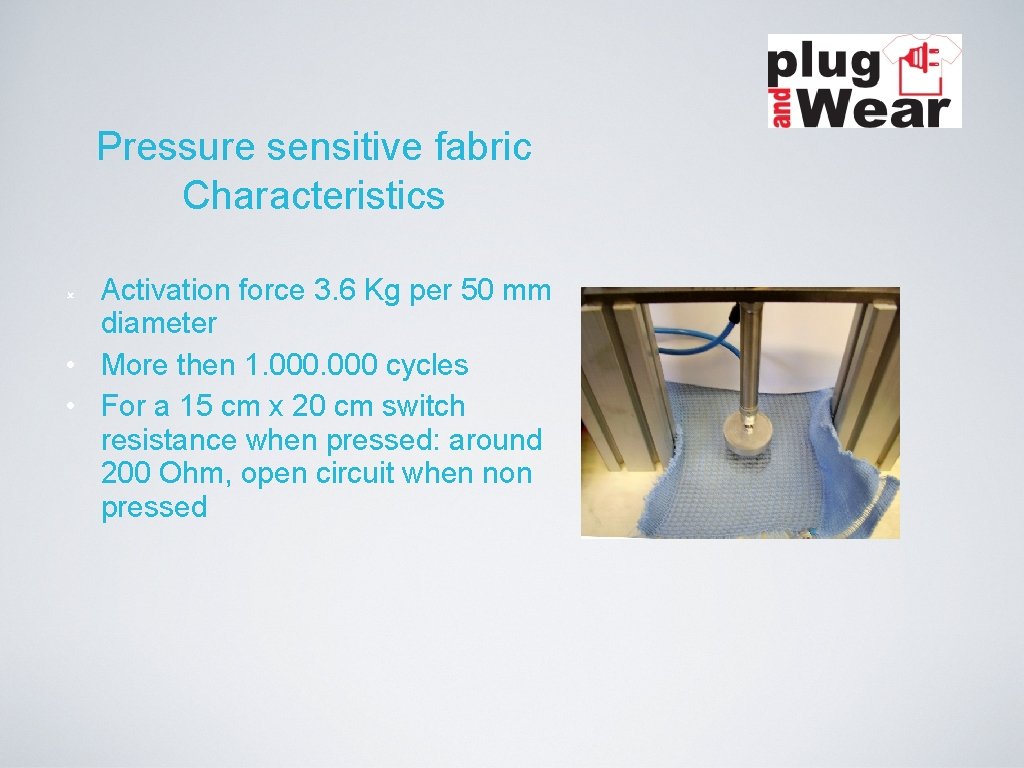
Pressure sensitive fabric Characteristics Activation force 3. 6 Kg per 50 mm diameter • More then 1. 000 cycles • For a 15 cm x 20 cm switch resistance when pressed: around 200 Ohm, open circuit when non pressed û
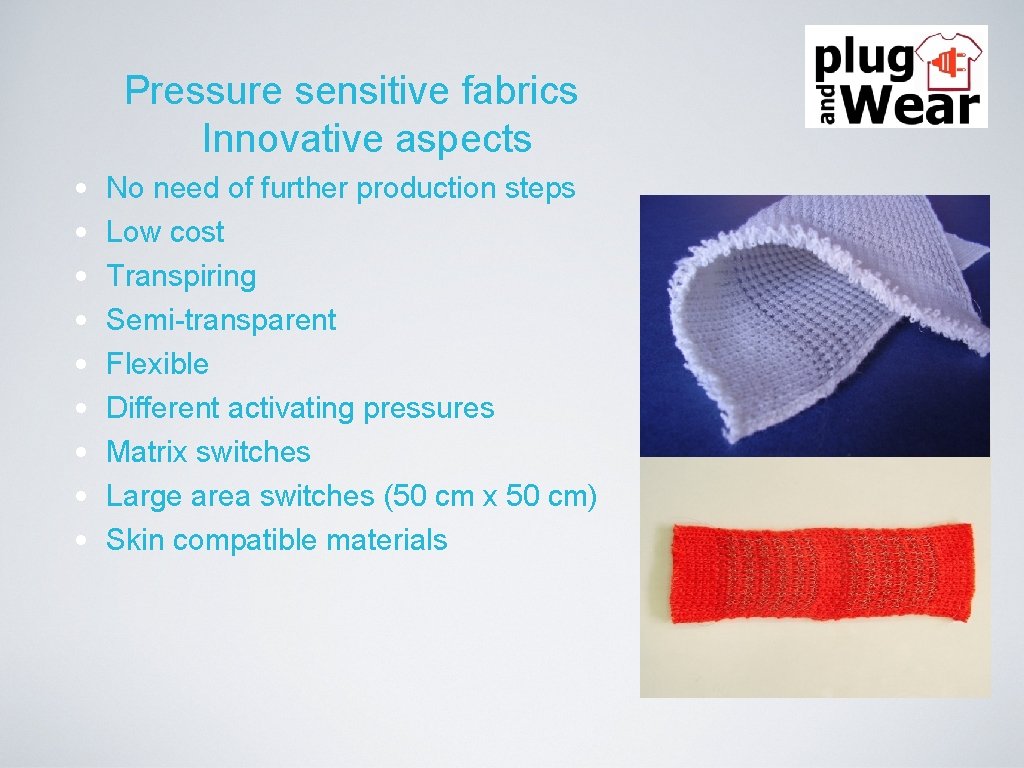
Pressure sensitive fabrics Innovative aspects • • • No need of further production steps Low cost Transpiring Semi-transparent Flexible Different activating pressures Matrix switches Large area switches (50 cm x 50 cm) Skin compatible materials
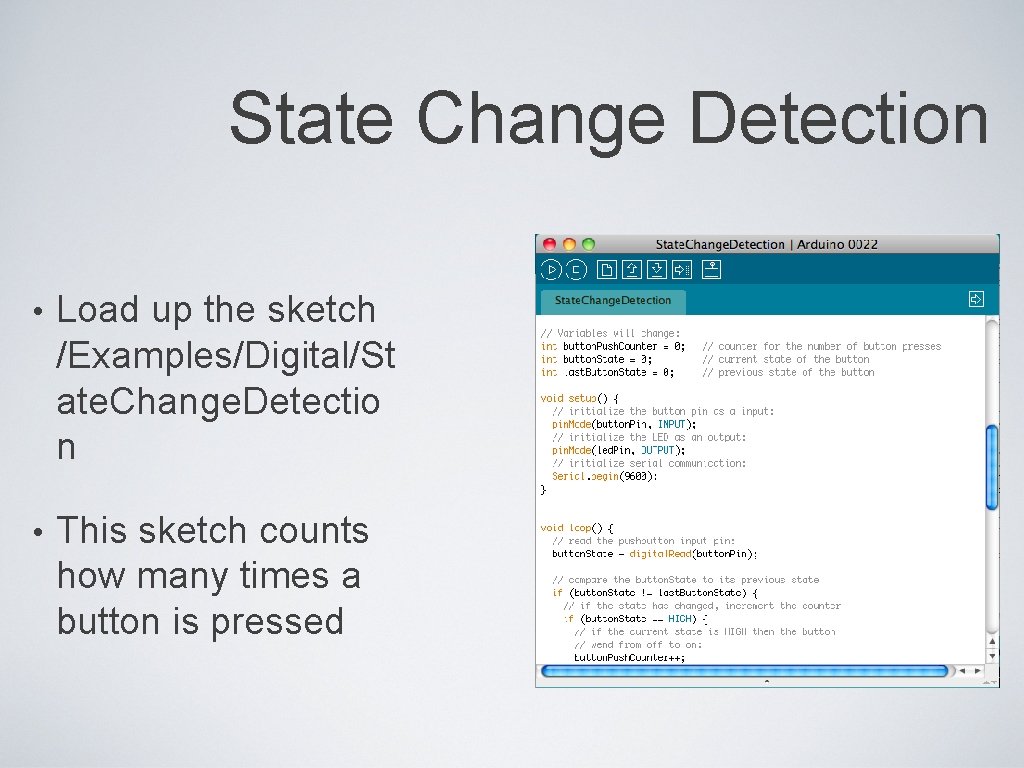
State Change Detection • Load up the sketch /Examples/Digital/St ate. Change. Detectio n • This sketch counts how many times a button is pressed
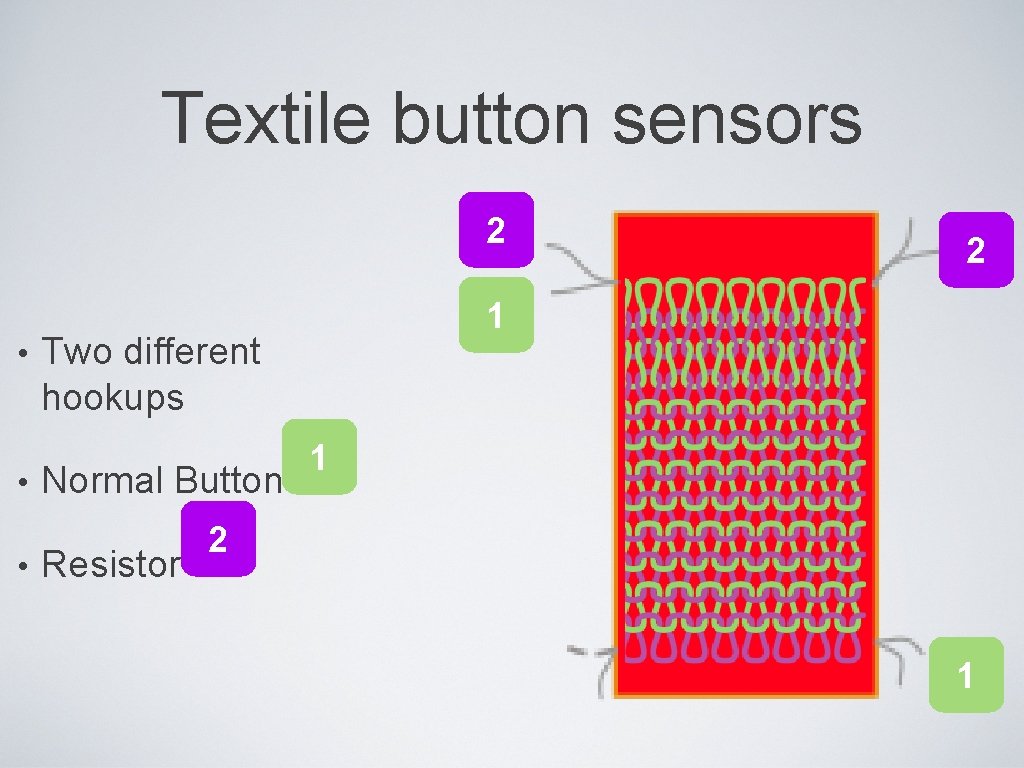
Textile button sensors 2 • • • 1 Two different hookups Normal Button Resistor 2 1
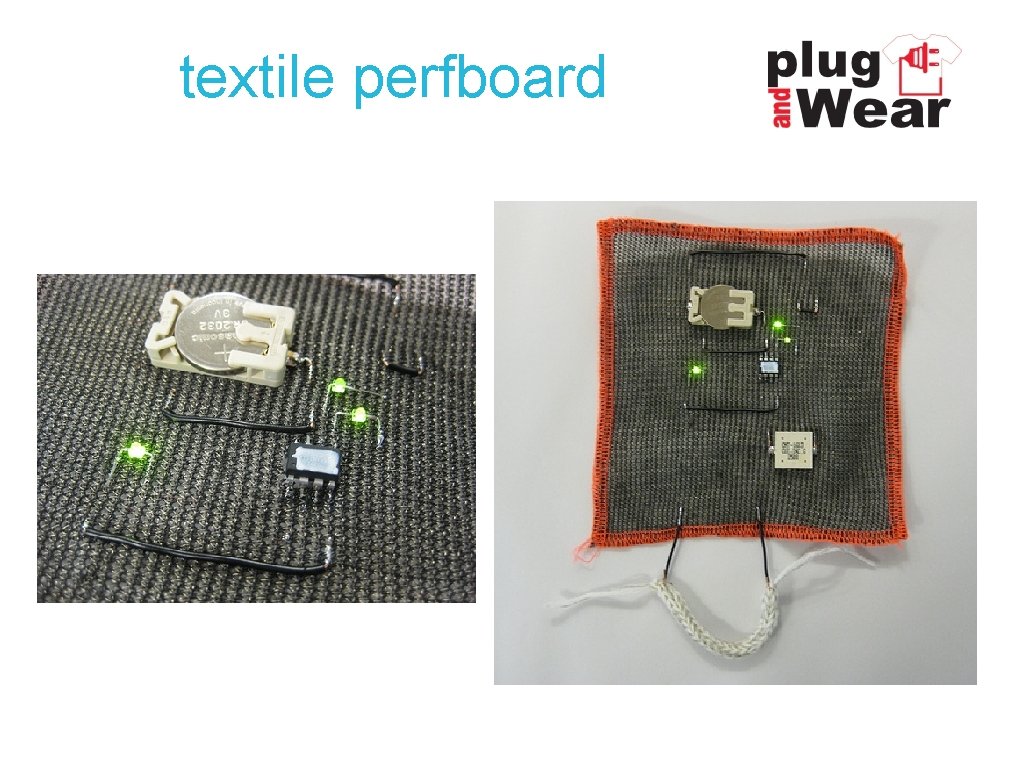
textile perfboard
Velostat