
Concrete 6831 18 Concrete Cement Sand Gravel Water

- Slides: 35
Concrete 6831. 18
Concrete • Cement • Sand • Gravel • Water
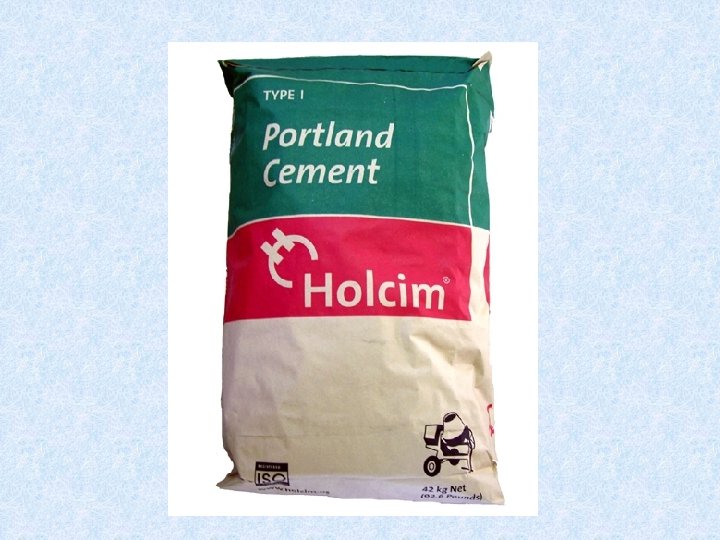
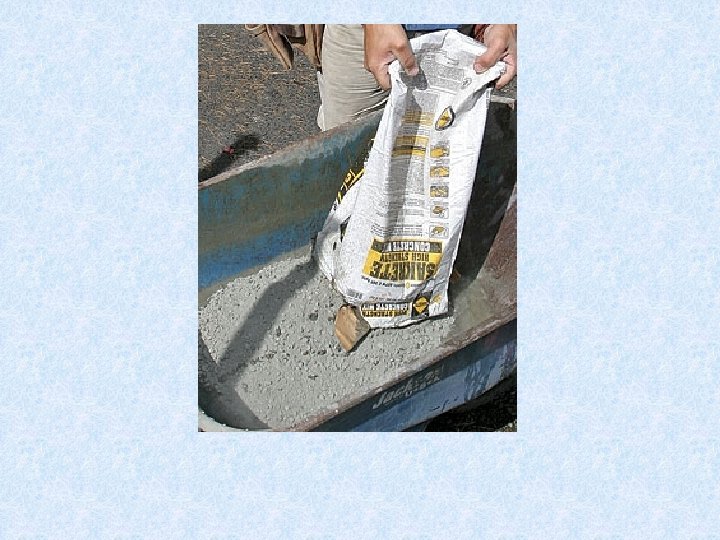
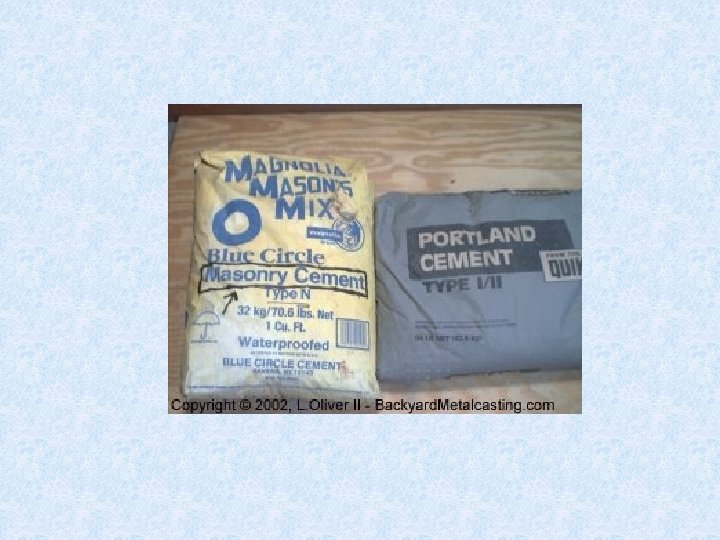
Portland Cement • A dry powder made from limestone and is usually packaged in bags containing 1 cubic foot and weighs 94 pounds
Portland Cement • When mixed with water, it forms the “glue” to hold the aggregate together
Fine Aggregate • Sand • It should be clean of clay, silt, and organic matter
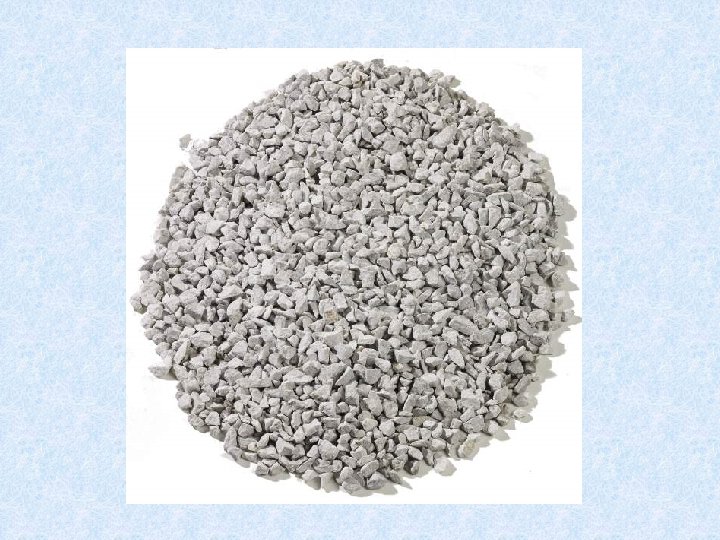
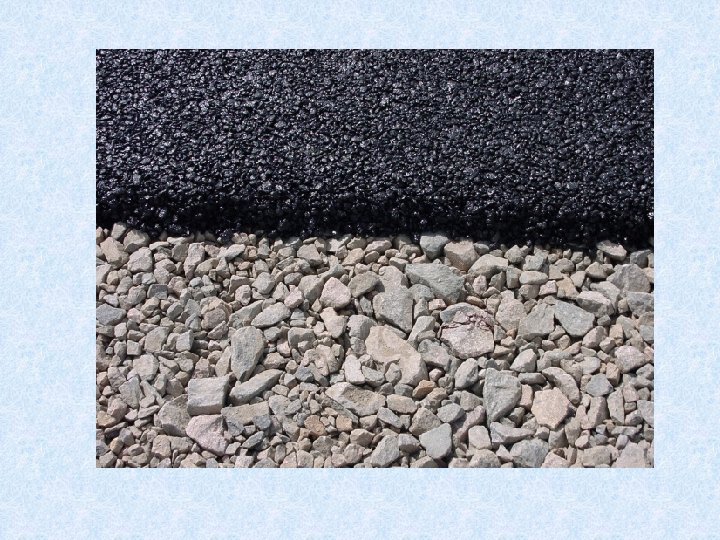
Course Aggregate • Gravel and rocks over ¼” in diameter
Water • Should be clean
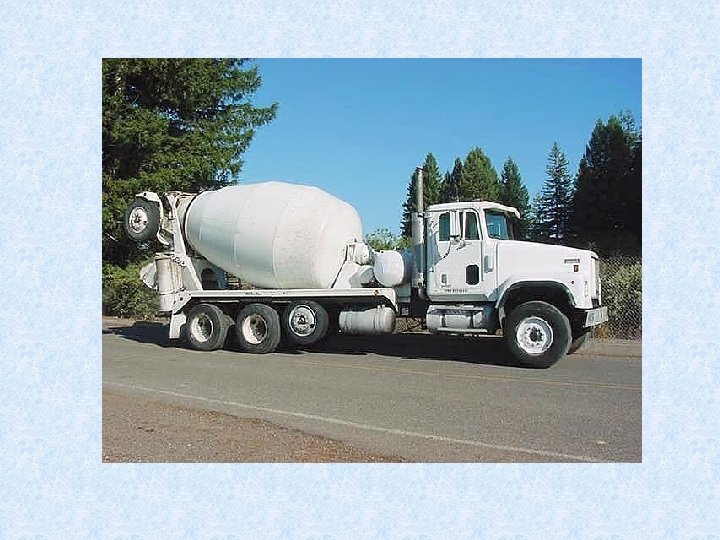
Concrete Trucks Most concrete is delivered by trucks to the construction site as ready-mixed concrete
Mortar • Does not contain coarse aggregates and is used to join bricks or blocks
Cement • Although many people call concrete “cement”, cement is the powdered material and concrete is the mixture of ingredients
Weight • 150 -160 lbs. per cubic foot
Slump • Stronger concrete requires less slump • The consistency or wetness of the mixture
Slump • If concrete has too much slump (is too wet), adding aggregate such as sand gravel will correct the problem
Uniformity • Is thoroughly mixing all ingredients so that the “glue” which is wet cement will be around all sand gravel particles (aggregates)
Workability • Refers to the ease with which concrete can be placed and shaped
Ratio • Expressed as a three digit number • Example: 1, 2, 3
Ratio • The first number is parts of cement • Second number is parts of fine aggregate (sand)
Ratio • The third number is parts of large aggregate (gravel) • Parts may be shovels full, pounds, cubic feet, etc.
Ratio • Less sand, gravel, and water are used for the same amount of water to make concrete stronger
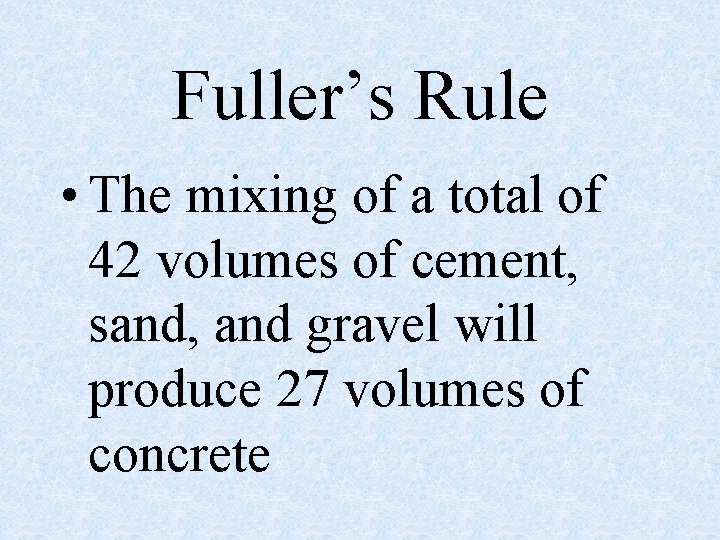
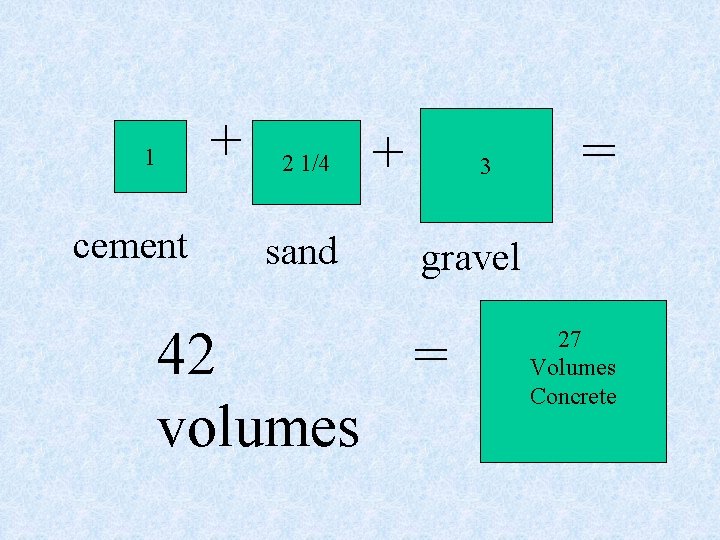
Fuller’s Rule • The mixing of a total of 42 volumes of cement, sand, and gravel will produce 27 volumes of concrete
+ 1 cement 2 1/4 sand + 3 = gravel 42 = volumes 27 Volumes Concrete
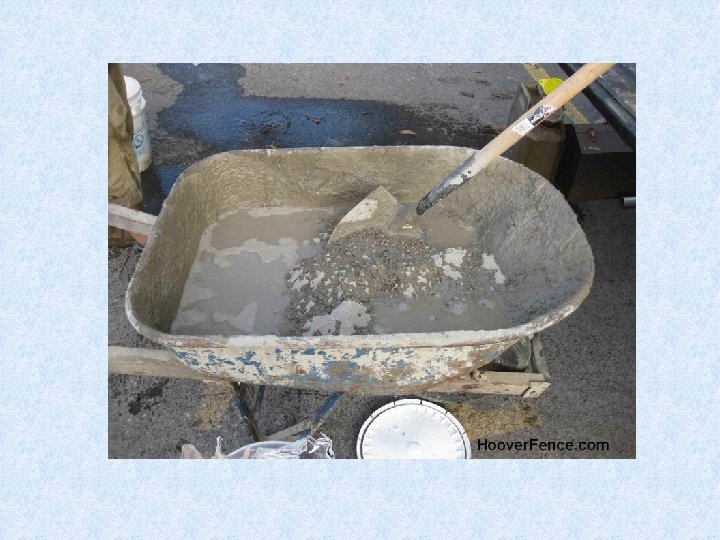
Hand Mixing • May be done in a wheelbarrow or mixing box (mortar box) by using a shovel or hoe
Hand Mixing • Add sand then cement and mix thoroughly • Then add and mix gravel
Hand Mixing • Last thing to add is water and mix well
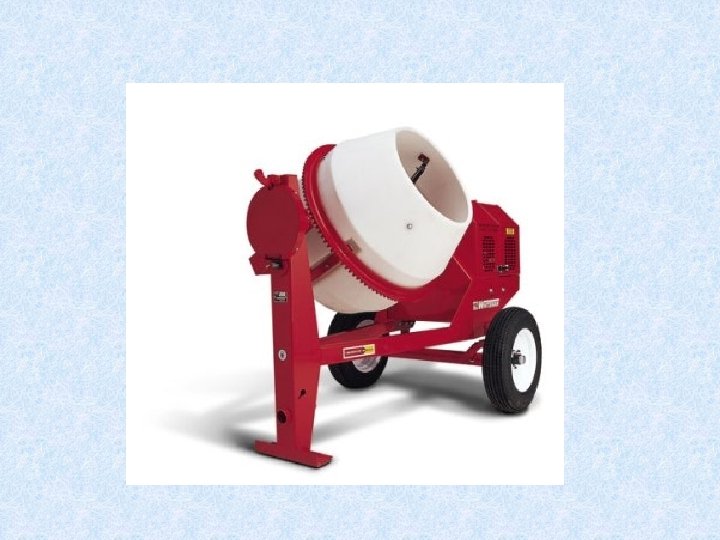
Machine Mixing Uses a concrete or mortar mixer
Machine Mixing First, add about 10% of water needed so that ingredients will not stick to mixer
Concrete 6831. 18