
Concepts and Models for Mass Communication Early Perspectives



- Slides: 33
Concepts and Models for Mass Communication
Early Perspectives: Power • • BELIEF based on reach and impact Advertising and sensational news Entertainment and propaganda At present: advertising, public relations, political campaigning all rely on MEDIA
Early Perspectives: Social Integration • Negative: more crime and immorality • Individualistic: loneliness, loss of collective beliefs • Positive: cohesion, entertainment • At present: the Internet’s individualizing effects are of concern
Early Perspectives: Education • MEDIA as a potent force for enlightenment • Spreading of information, exposing political corruption • GOALS: Cultural, educational and informative • At present: highly competitive market; entertainment over education, culture and information
Early Perspectives: Problem • Scapegoat: Blame the media! • Moral panics! • At present: Internet is suspect to encouraging pedophilia, violence, hate, and international crime
MASS COMMUNICATION: THE PROCESS • Large-scale distribution and reception of content • One-directional flow • Asymmetrical relation between sender and receiver • Impersonal and anonymous relationship with audience • Calculative or market relationship with audience • Standardization/commodification of content
MASS COMMUNICATION: THE AUDIENCE • Large numbers of readers, viewers, etc • Widely dispersed • Non-interactive and anonymous relationship with each other • Heterogeneous composition • Not self-acting/organized • An object of management/manipulation by media
MASS MEDIA AS INSTITUTION • Refers to: set of media organizations and activities and their (in)formal rules of operation and sometimes legal and policy requirements. • Core activity is the production and distribution of information and culture • Responsibilities and functions are acquired in the “public sphere” and overseen by institution • Control is via self-regulation with limits set by society
MASS MEDIA AND POPULAR CULTURE • Mass Culture … non- traditional form and content … intended for mass consumption … mass produced and formulaic … pejorative image … commercial … homogenized
MASS MEDIA AND POPULAR CULTURE • MASS CULTURE= passé, use POPULAR CULTURE instead • How does it differ from CULTURE and TRADITIONAL CULTURE? • Maybe MASS CULTURE is really just universal, standardized culture and MASS MEDIA served as a tool for its development.
MEDIA IS TRICKY
Positivist Paradigm • Assumes … a NORMATIVE society … MEDIA has functions in society … primacy of behaviorist, quantitative and scientific methods … MEDIA is powerful
However • Messages do not SIMPLY reach receivers • Messages are not UNDERSTOOD as they are sent • NOISE is not just NOISE
Critical Paradigm • Does not ASSUME
Features of the Critical Paradigm • Critical view of society and rejection of value neutrality • Rejection of the transmission model • Non- deterministic view • Qualitative • Preference for cultural or political-economic theories • Wide concern with inequality and sources of opposition in society
Four Models of Communication
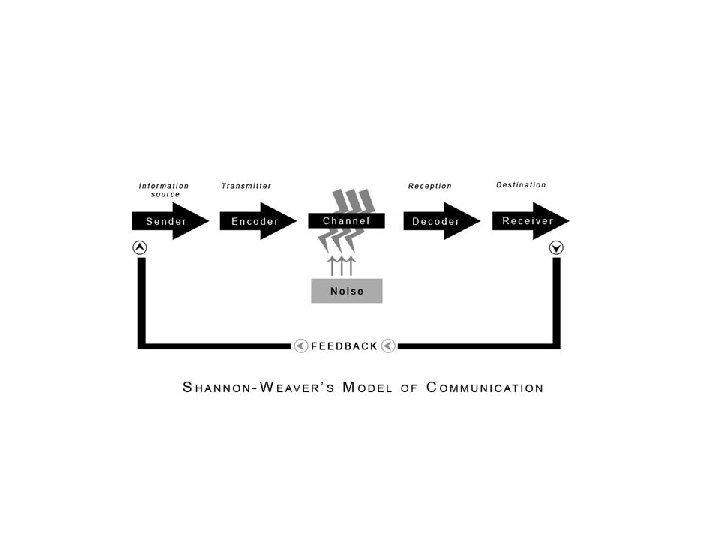
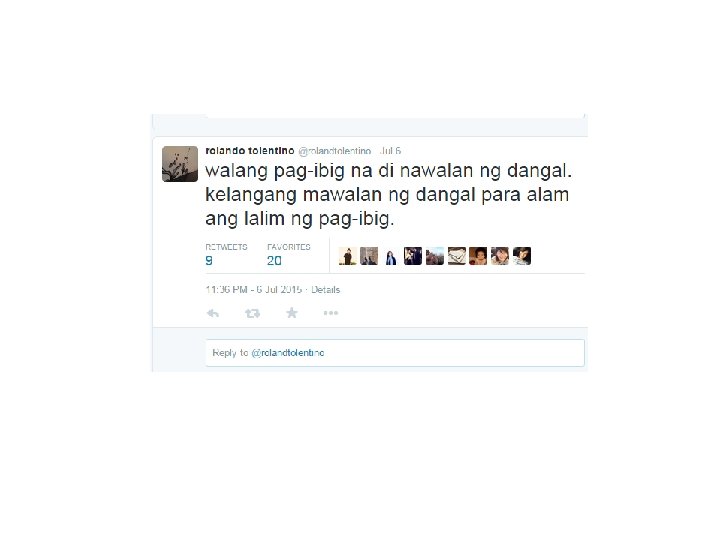
1: Transmission Process of transmitting a fixed quantity of information as determined by the sender
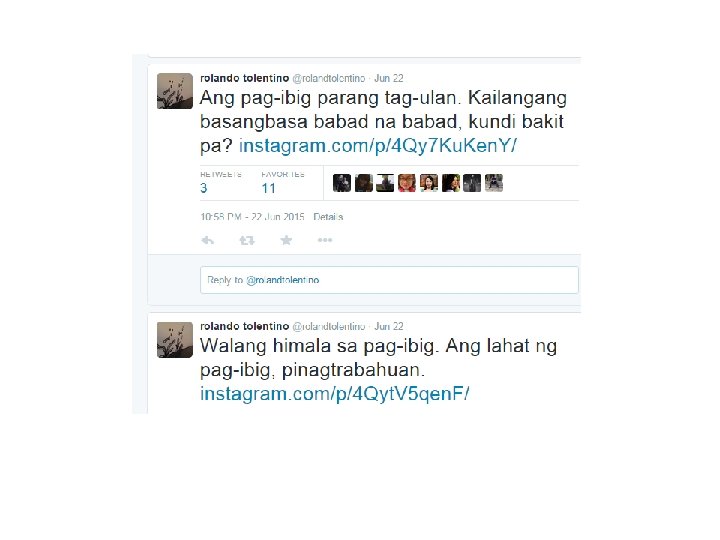
2: Ritual/ Expressive Sharing/ participation/ association of shared beliefs.
. . . Under a ritual view, then, news is not information but drama. It does not describe the world but portrays an arena of dramatic focus and action; it exists solely in historical time; and it invites our participation on the basis of our assuming, often vicariously, social roles within it. - CAREY, JAMES
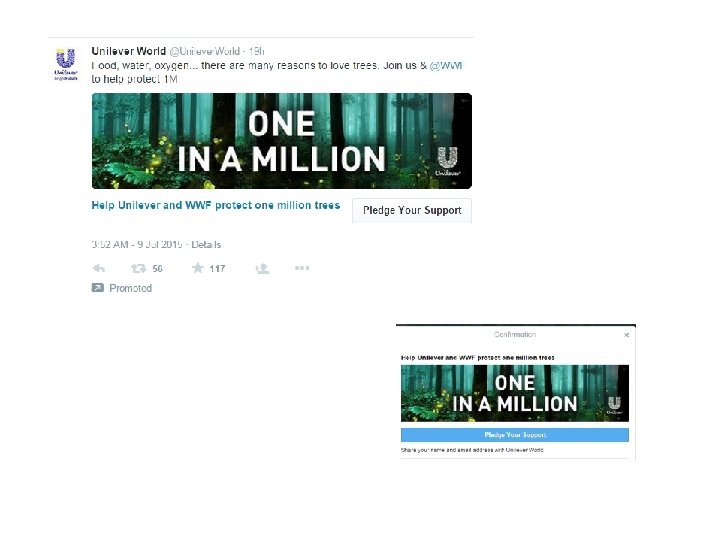
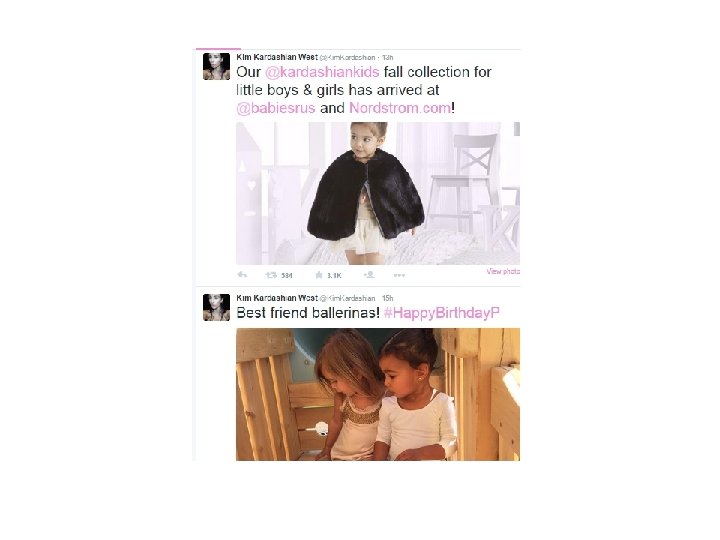
3: Publicity Attention-seeking , often to gain audience revenue
4: Reception From the position of many different receivers who do not perceive the messages “as sent/expressed”