
Concept of Glucose Regulation Dysregulation of glucose homeostasislecture

- Slides: 81
Concept of Glucose Regulation Dysregulation of glucose homeostasis-lecture 2 25 October 2016 Dr. Ed. Barre Professor of Human Nutrition 1
25 October 2016 Reading Chapter 19 (relevant pages in the page range 471 -481 inclusive) in Understanding Pathophysiology 6 th edition by Huether and Mc. Cance for today’s lecture 2
Topics Lecture 1 –review 1) Brief review of normal physiological mechanisms of plasma glucose concentration regulation (hormones involved, hormone receptor function, post-hormone binding signalling mechanisms, glut transporters)* 2) Brief review of physiological significance of normal plasma glucose concentration regulation 3) Compare and contrast different definitions of metabolic syndrome (International Diabetes Federation, National Cholesterol Education Programme, American Heart Association, World Health Organisation (WHO)) in terms of it components and diagnosis; identify the main points of the current consensus for the metabolic syndrome definition 4) Describe the aetiology and pathophysiology of metabolic syndrome in terms of glucose dysregulation 5) Describe the relationships between metabolic syndrome and pre-diabetes 6) Describe the aetiology and pathophysiology of type 1 diabetes including how metabolic syndrome may be part of existing type 1 diabetes 7) Discuss the pathophysiological ramifications of type 1 diabetes 8) Summarise by comparing and contrasting glucose dysregulation mechanisms and their pathophysiological ramifications in metabolic syndrome, pre-diabetes, type 1 diabetes, *any information on the dysregulation of glucose homeostasis will be discussed in terms 3
Topics Lecture 2 any information on the dysregulation of glucose homeostasis will be discussed in terms of disruption of these components (hormones involved, hormone receptor function, post -hormone binding signalling mechanisms, glut transporters)* of normal glucose regulation 8) Describe the suspected aetiology (including metabolic syndrome) of type 2 diabetes 9) Have Dr. Barre perform the Canadian Diabetes Association type 2 diabetes risk algorithm on himself in class and relate variables to suspected aetiology of type 2 diabetes 10) Describe the pathophysiology of type 2 diabetes 11) Discuss the pathophysiological ramifications of type 2 diabetes 12) Describe the aetiology and pathophysiology of gestational diabetes including relationships between gestational diabetes and metabolic syndrome 13) Discuss the pathophysiological ramifications of gestational diabetes for mother and offspring 14) Describe the aetiology and pathophysiology of mature onset diabetes in youth (MODY) and neonatal diabetes mellitus (NDM) as well as the pathophysiological ramifications of MODY and NGM 15) Summarise by comparing and contrasting glucose dysregulation mechanisms and their pathophysiological ramifications in metabolic syndrome, pre-diabetes, type 1 4 diabetes, type 2 diabetes , gestational diabetes, MODY and NDM
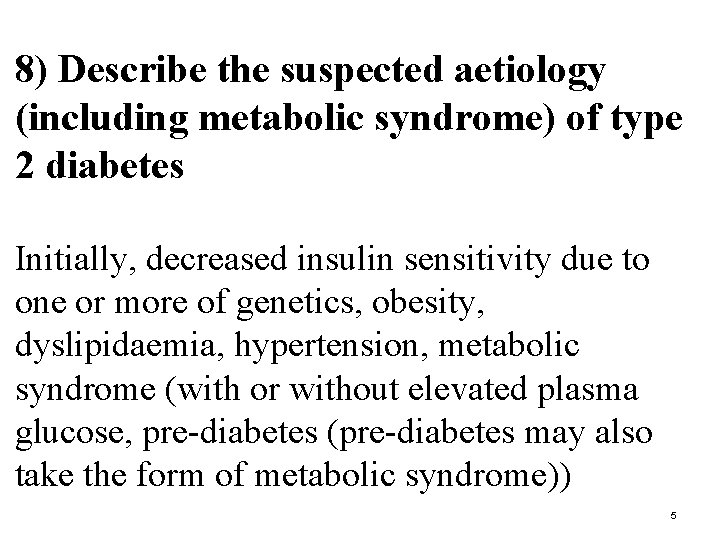
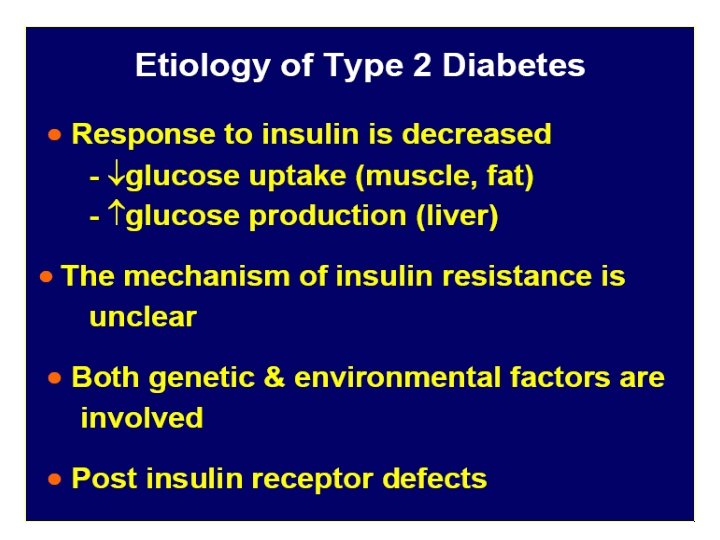
8) Describe the suspected aetiology (including metabolic syndrome) of type 2 diabetes Initially, decreased insulin sensitivity due to one or more of genetics, obesity, dyslipidaemia, hypertension, metabolic syndrome (with or without elevated plasma glucose, pre-diabetes (pre-diabetes may also take the form of metabolic syndrome)) 5
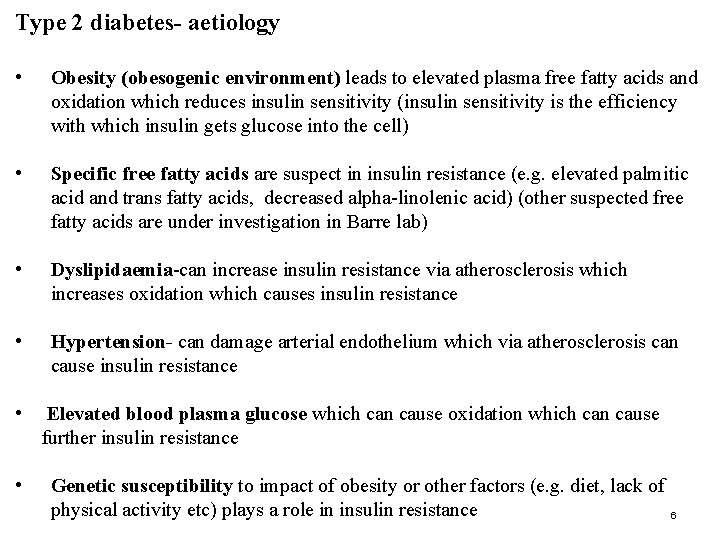
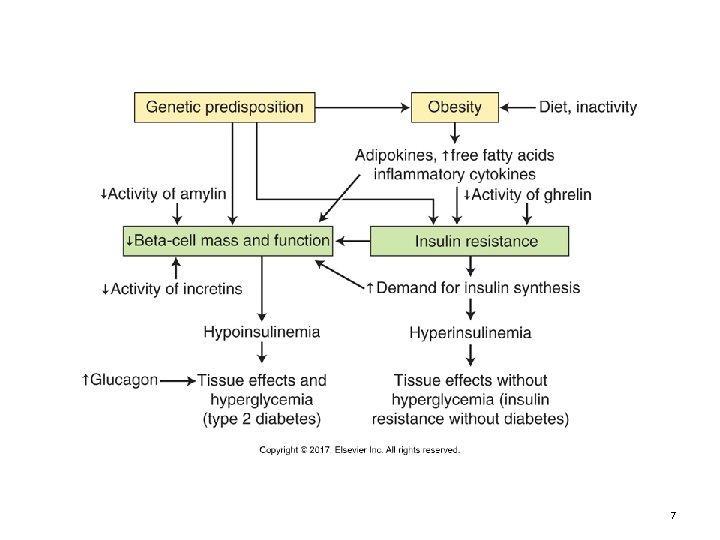
Type 2 diabetes- aetiology • Obesity (obesogenic environment) leads to elevated plasma free fatty acids and oxidation which reduces insulin sensitivity (insulin sensitivity is the efficiency with which insulin gets glucose into the cell) • Specific free fatty acids are suspect in insulin resistance (e. g. elevated palmitic acid and trans fatty acids, decreased alpha-linolenic acid) (other suspected free fatty acids are under investigation in Barre lab) • Dyslipidaemia-can increase insulin resistance via atherosclerosis which increases oxidation which causes insulin resistance • Hypertension- can damage arterial endothelium which via atherosclerosis can cause insulin resistance • Elevated blood plasma glucose which can cause oxidation which can cause further insulin resistance • Genetic susceptibility to impact of obesity or other factors (e. g. diet, lack of physical activity etc) plays a role in insulin resistance 6
7
8
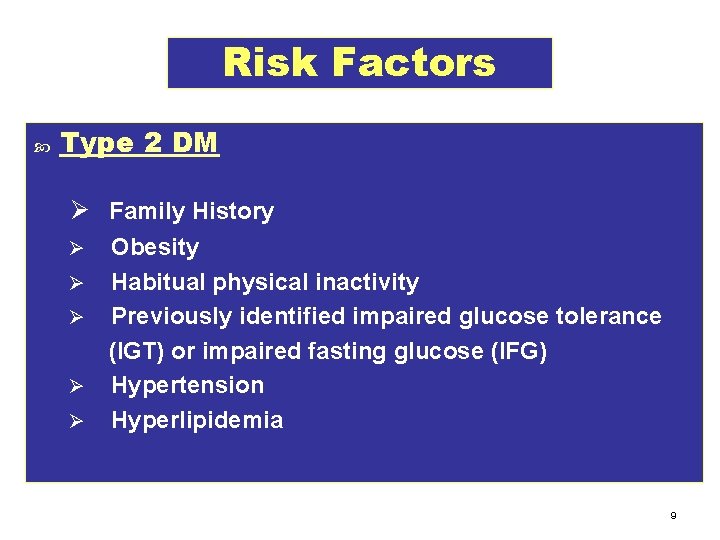
Risk Factors Type 2 DM Ø Family History Obesity Ø Habitual physical inactivity Ø Previously identified impaired glucose tolerance (IGT) or impaired fasting glucose (IFG) Ø Hypertension Ø Hyperlipidemia Ø 9
Risk of type 2 diabetes algorithm http: //canrisk. diabetes. ca/index. php? utm_so urce=Vanity. URL&utm_medium=URL&utm_c ampaign=diabetes. ca/take-the-test 10
Topics Lecture 1 11
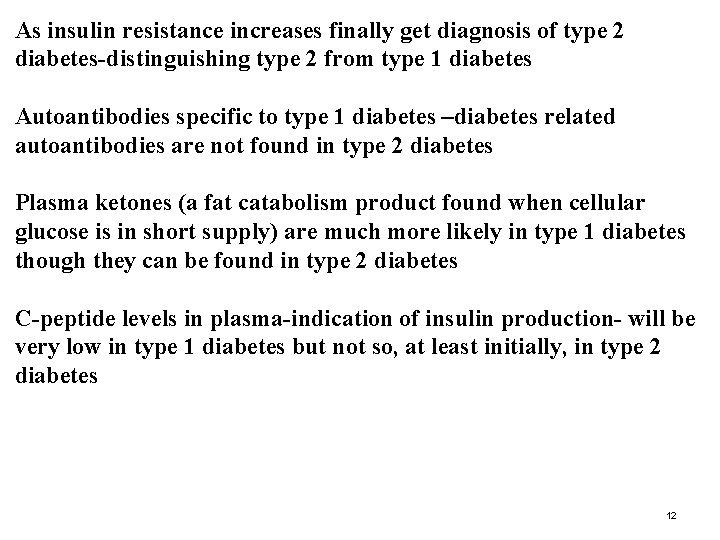
As insulin resistance increases finally get diagnosis of type 2 diabetes-distinguishing type 2 from type 1 diabetes Autoantibodies specific to type 1 diabetes –diabetes related autoantibodies are not found in type 2 diabetes Plasma ketones (a fat catabolism product found when cellular glucose is in short supply) are much more likely in type 1 diabetes though they can be found in type 2 diabetes C-peptide levels in plasma-indication of insulin production- will be very low in type 1 diabetes but not so, at least initially, in type 2 diabetes 12
As insulin resistance increases finally get diagnosis of type 2 diabetes 13
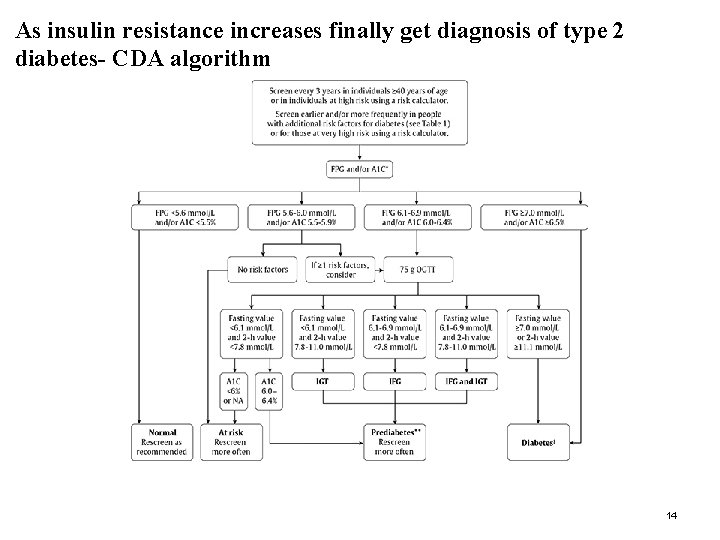
As insulin resistance increases finally get diagnosis of type 2 diabetes- CDA algorithm 14
10) Describe the pathophysiology of type 2 diabetes 15
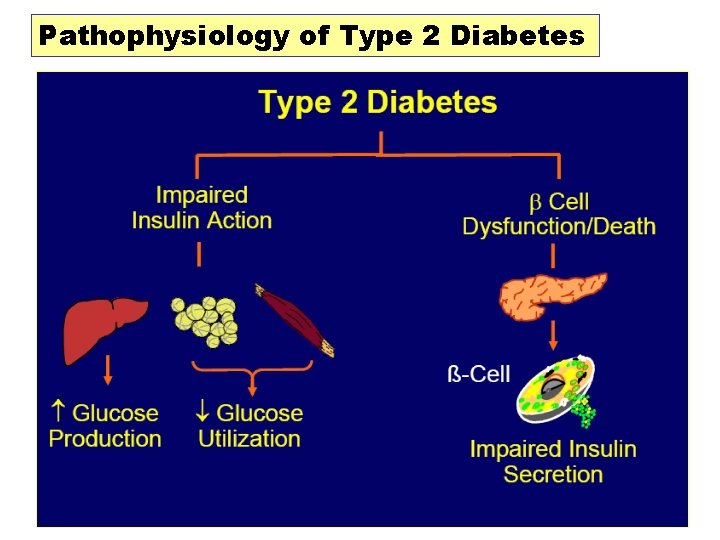
Pathophysiology of Type 2 Diabetes 16
Type 2 Diabetes Mellitus Ranges from insulin resistance with relative insulin deficiency to insulin secretory defect with insulin resistance Metabolic syndrome can be part of post-onset type 2 diabetes which can contribute to the worsening of T 2 D 17
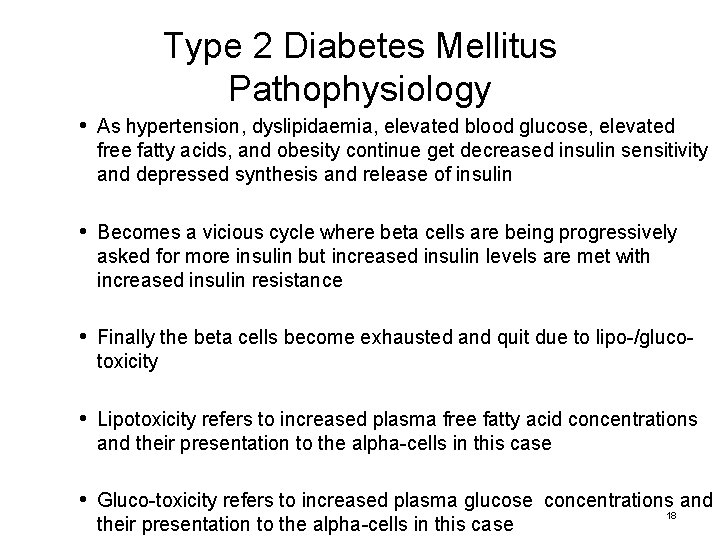
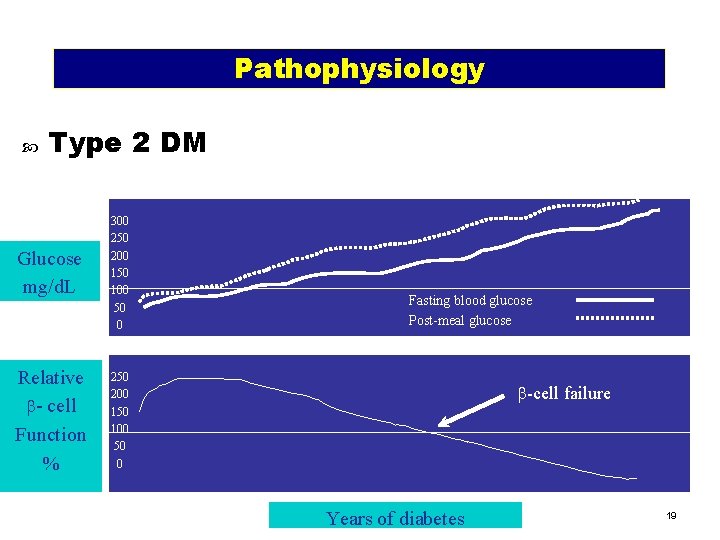
Type 2 Diabetes Mellitus Pathophysiology • As hypertension, dyslipidaemia, elevated blood glucose, elevated free fatty acids, and obesity continue get decreased insulin sensitivity and depressed synthesis and release of insulin • Becomes a vicious cycle where beta cells are being progressively asked for more insulin but increased insulin levels are met with increased insulin resistance • Finally the beta cells become exhausted and quit due to lipo-/glucotoxicity • Lipotoxicity refers to increased plasma free fatty acid concentrations and their presentation to the alpha-cells in this case • Gluco-toxicity refers to increased plasma glucose concentrations and 18 their presentation to the alpha-cells in this case
Pathophysiology Type 2 DM Glucose mg/d. L 300 250 200 150 100 50 0 Relative b- cell Function % 250 200 150 100 50 0 Fasting blood glucose Post-meal glucose b-cell failure Years of diabetes 19
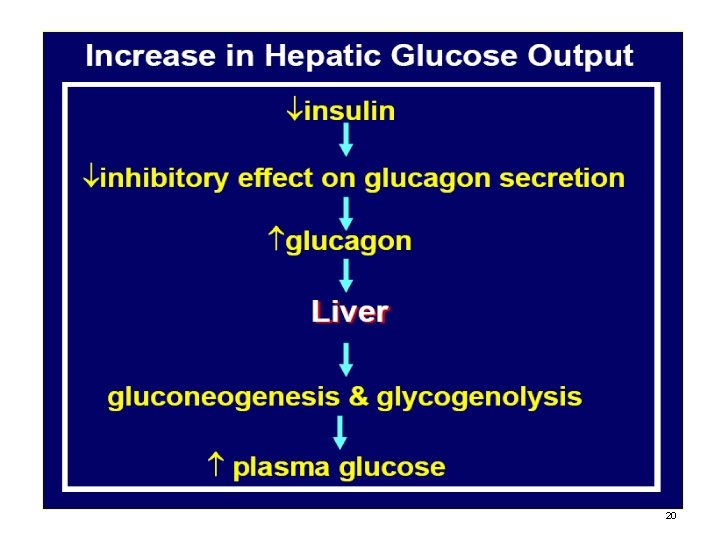
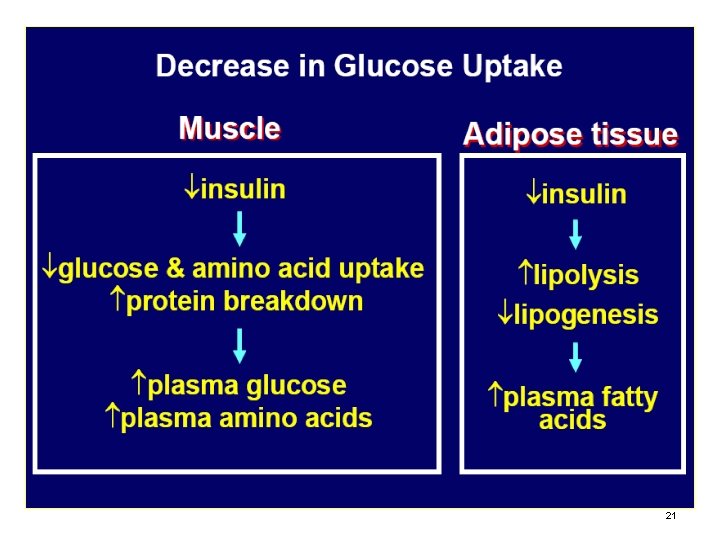
20
21
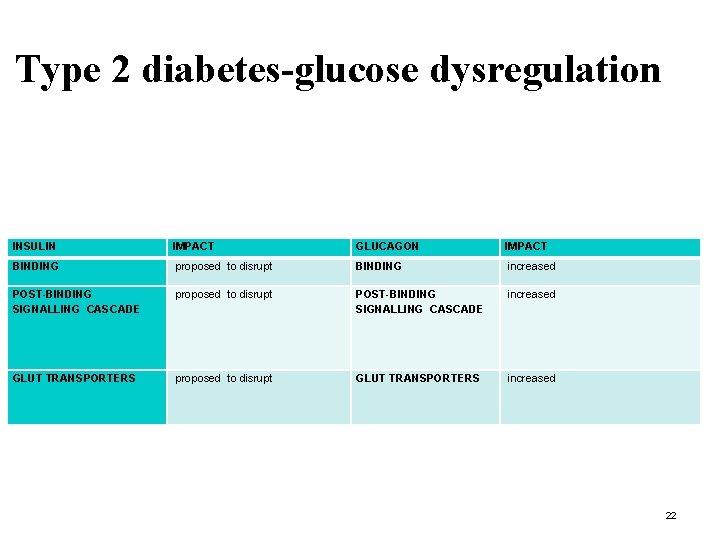
Type 2 diabetes-glucose dysregulation INSULIN IMPACT GLUCAGON IMPACT BINDING proposed to disrupt BINDING increased POST-BINDING SIGNALLING CASCADE proposed to disrupt POST-BINDING SIGNALLING CASCADE increased GLUT TRANSPORTERS proposed to disrupt GLUT TRANSPORTERS increased 22
11) Describe the pathophysiological ramifications of type 2 diabetes 23
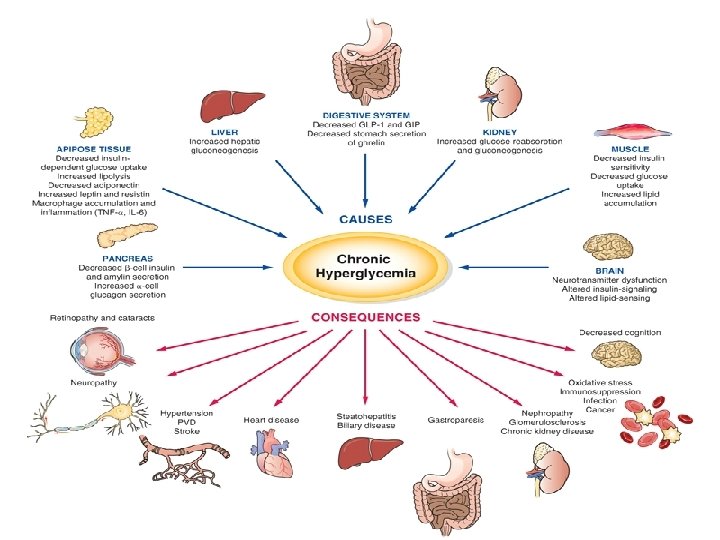
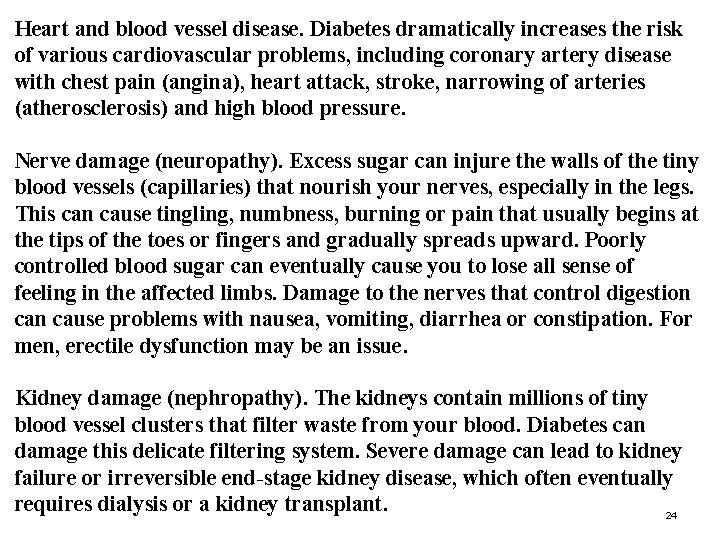
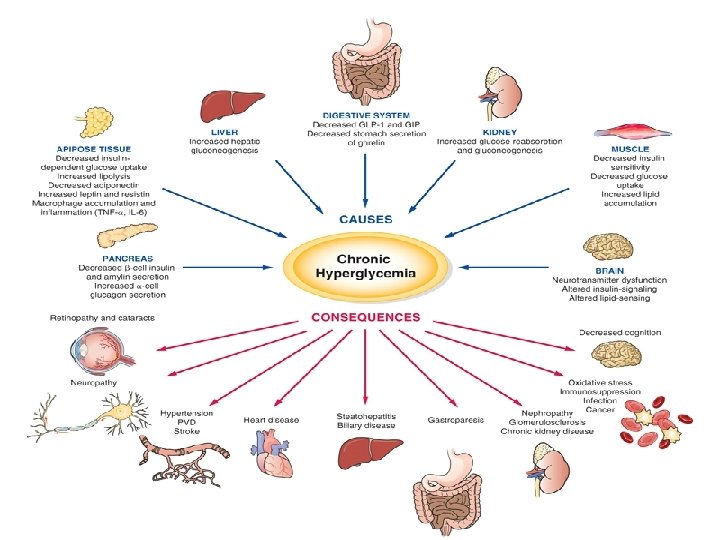
Heart and blood vessel disease. Diabetes dramatically increases the risk of various cardiovascular problems, including coronary artery disease with chest pain (angina), heart attack, stroke, narrowing of arteries (atherosclerosis) and high blood pressure. Nerve damage (neuropathy). Excess sugar can injure the walls of the tiny blood vessels (capillaries) that nourish your nerves, especially in the legs. This can cause tingling, numbness, burning or pain that usually begins at the tips of the toes or fingers and gradually spreads upward. Poorly controlled blood sugar can eventually cause you to lose all sense of feeling in the affected limbs. Damage to the nerves that control digestion cause problems with nausea, vomiting, diarrhea or constipation. For men, erectile dysfunction may be an issue. Kidney damage (nephropathy). The kidneys contain millions of tiny blood vessel clusters that filter waste from your blood. Diabetes can damage this delicate filtering system. Severe damage can lead to kidney failure or irreversible end-stage kidney disease, which often eventually requires dialysis or a kidney transplant. 24
Eye damage. Diabetes can damage the blood vessels of the retina (diabetic retinopathy), potentially leading to blindness. Diabetes also increases the risk of other serious vision conditions, such as cataracts and glaucoma. Foot damage. Nerve damage in the feet or poor blood flow to the feet increases the risk of various foot complications. Left untreated, cuts and blisters can become serious infections, which may heal poorly. Severe damage might require toe, foot or leg amputation. Hearing impairment. Hearing problems are more common in people with diabetes. 25
Skin conditions. T 2 D may leave one more susceptible to skin problems, including bacterial and fungal infections. Pruritus-itch-yeast infection, dry skin, or poor circulation. When poor circulation is the cause of itching, the itchiest areas may be the lower parts of the legs. Alzheimer's disease. Type 2 diabetes may increase the risk of Alzheimer's disease. The poorer your blood sugar control, the greater the risk appears to be. The exact connection between these two conditions still remains unclear. 26
Fatigue- glucose catabolism is central to energy production-without sufficient glucose, one becomes tired 27
Topics Lecture 1 28
12) Describe the aetiology and pathophysiology of gestational diabetes including relationships between gestational diabetes and metabolic syndrome 29
Gestational Diabetes Mellitus (GDM): Ø Gestational Diabetes Mellitus (GDM) developing during some cases of pregnancy but usually disappears after pregnancy. 30
Gestational Diabetes n This diagnosis is given when a woman, who has never had diabetes before, gets diabetes or has high blood sugar, when she is pregnant. n Its medical name is gestational diabetes mellitus or GDM. n It is one of the most common health problems for pregnant women. n The word “gestational” actually refers to “during pregnancy. ” PBRC 2009 31 of 42
Gestational Diabetes n It occurs in about 5% of all pregnancies, which is around 200, 000 cases each year. n If not treated, gestational diabetes can cause health problems for the mother and the fetus. PBRC 2009 32 of 42
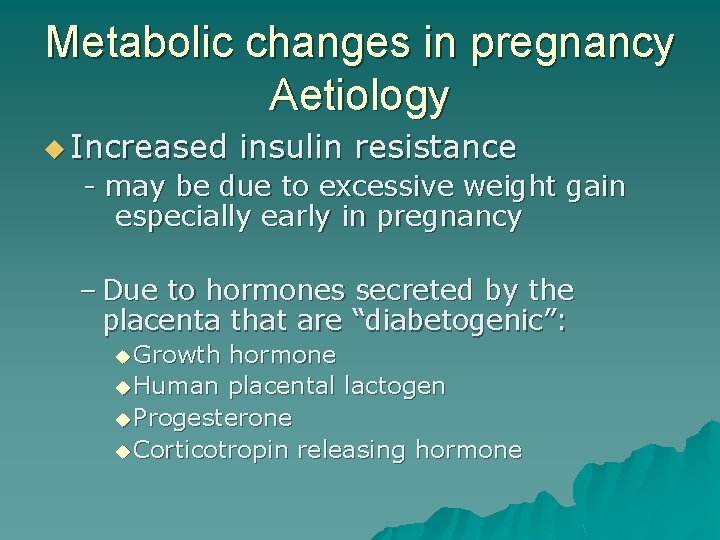
Metabolic changes in pregnancy Aetiology u Increased insulin resistance - may be due to excessive weight gain especially early in pregnancy – Due to hormones secreted by the placenta that are “diabetogenic”: u Growth hormone u Human placental lactogen u Progesterone u Corticotropin releasing hormone
12) Pathophysiology of gestational diabetes including relationships between gestational diabetes and metabolic syndrome 34
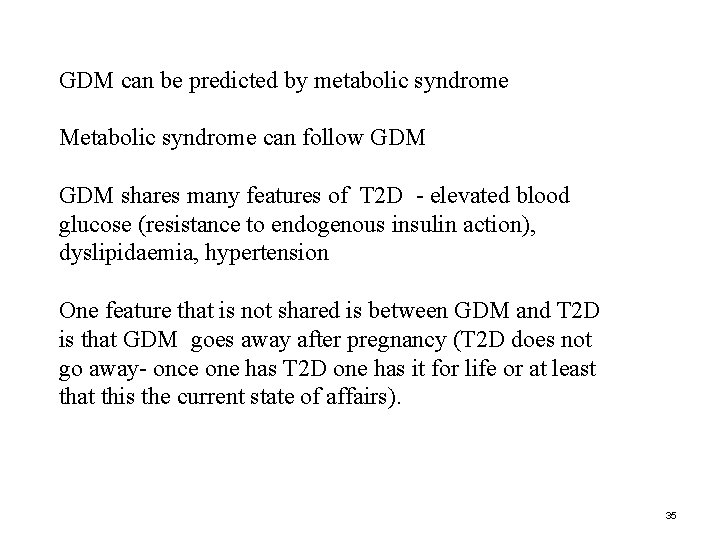
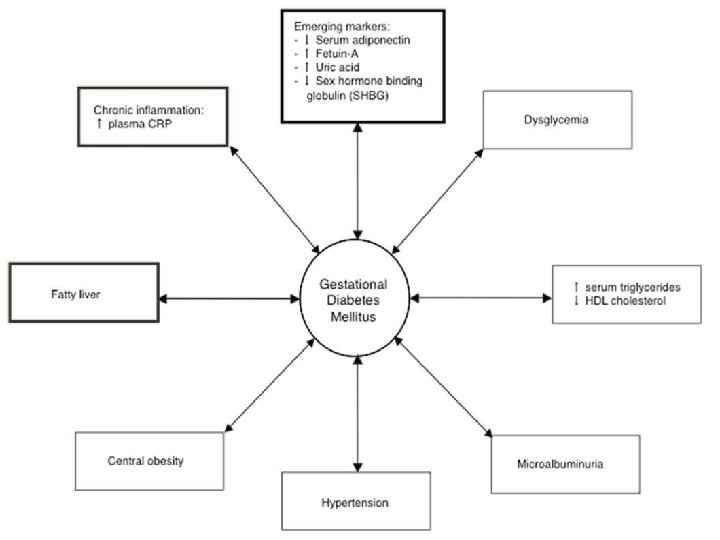
GDM can be predicted by metabolic syndrome Metabolic syndrome can follow GDM shares many features of T 2 D - elevated blood glucose (resistance to endogenous insulin action), dyslipidaemia, hypertension One feature that is not shared is between GDM and T 2 D is that GDM goes away after pregnancy (T 2 D does not go away- once one has T 2 D one has it for life or at least that this the current state of affairs). 35
36
Metabolic changes in pregnancy Transient maternal hyperglycemia occurs after meals because of increased insulin resistance
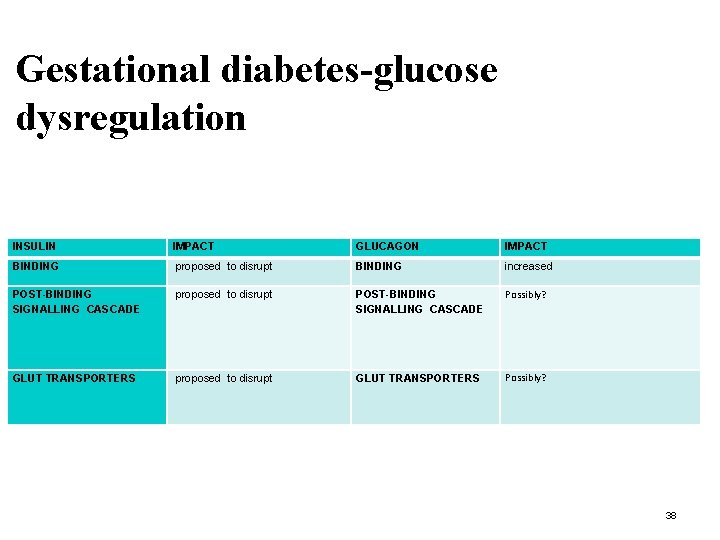
Gestational diabetes-glucose dysregulation INSULIN IMPACT GLUCAGON IMPACT BINDING proposed to disrupt BINDING increased POST-BINDING SIGNALLING CASCADE proposed to disrupt POST-BINDING SIGNALLING CASCADE Possibly? GLUT TRANSPORTERS proposed to disrupt GLUT TRANSPORTERS Possibly? 38
13) Describe the pathophysiological ramifications of gestational diabetes 39
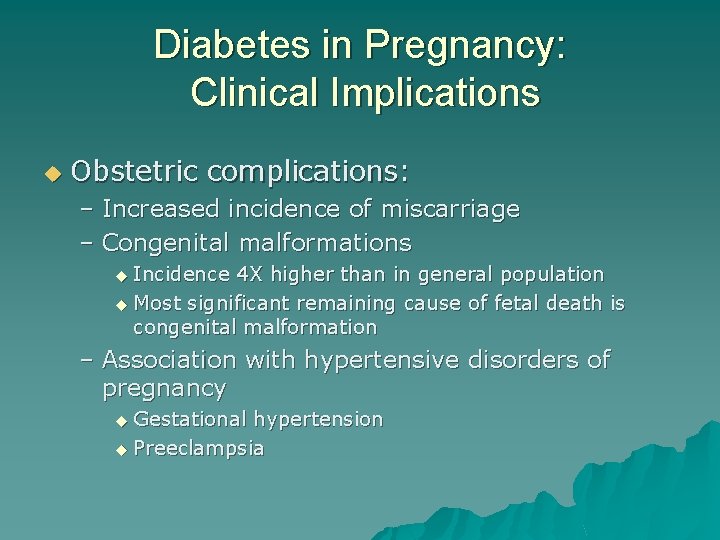
Diabetes in Pregnancy: Clinical Implications u Obstetric complications: – Increased incidence of miscarriage – Congenital malformations u Incidence 4 X higher than in general population u Most significant remaining cause of fetal death is congenital malformation – Association with hypertensive disorders of pregnancy u Gestational hypertension u Preeclampsia
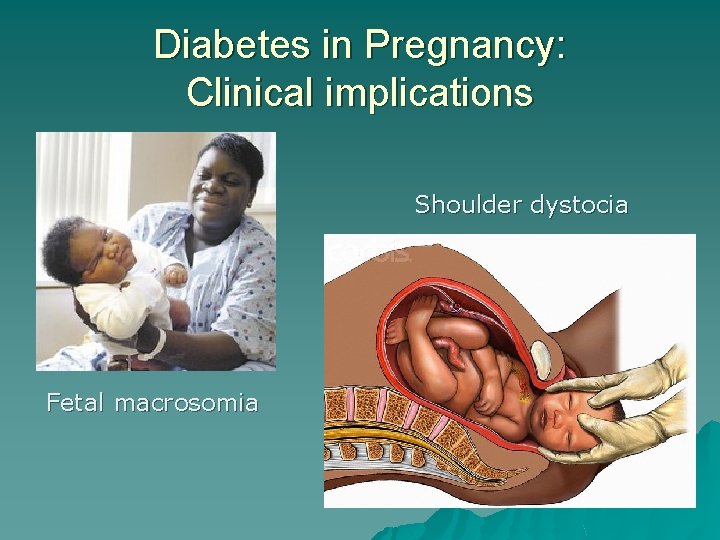
Diabetes in Pregnancy: Clinical implications Shoulder dystocia Fetal macrosomia
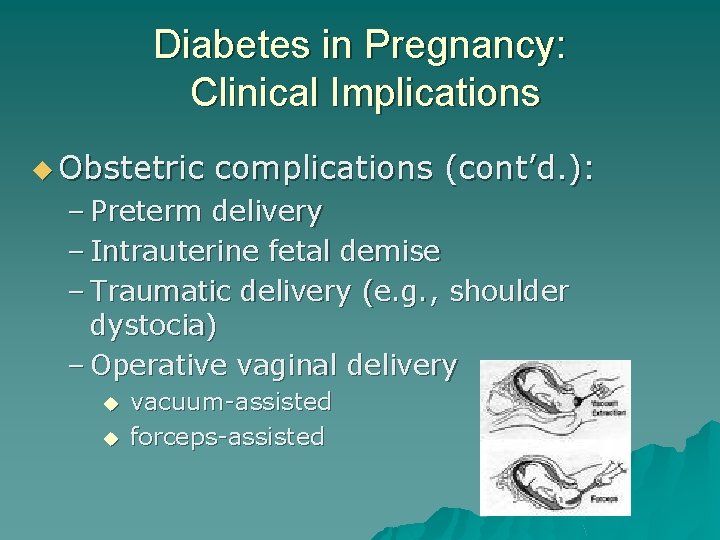
Diabetes in Pregnancy: Clinical Implications u Obstetric complications (cont’d. ): – Preterm delivery – Intrauterine fetal demise – Traumatic delivery (e. g. , shoulder dystocia) – Operative vaginal delivery u u vacuum-assisted forceps-assisted
Diabetes in Pregnancy: Clinical Implications u Fetal macrosomia – Disproportionate amount of adipose tissue concentrated around shoulders and chest u u Respiratory distress syndrome Neonatal metabolic abnormalities: – – u u Hypoglycemia Hyperbilirubinemia/jaundice Organomegaly Polycythemia Perinatal mortality Long term predisposition to childhood obesity and metabolic syndrome-increased risk of type 2 diabetes in mother and child
14) Describe the aetiology and pathophysiology of mature onset diabetes in youth (MODY) and neonatal diabetes mellitus (NDM) as well as the pathological ramifications of MODY and NDM 44
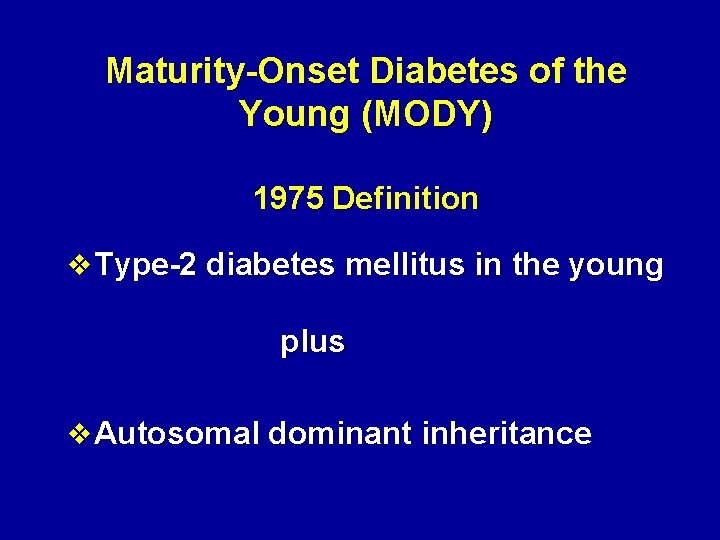
Maturity-Onset Diabetes of the Young (MODY) 1975 Definition v Type-2 diabetes mellitus in the young plus v Autosomal dominant inheritance
Maturity onset diabetes of youth (MODY) Aetiology Ø Beta-cell function affected by mutations 46
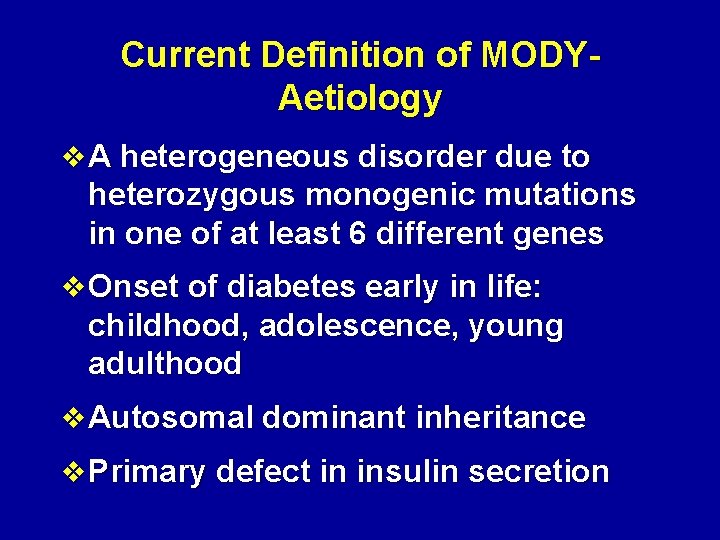
Current Definition of MODYAetiology v A heterogeneous disorder due to heterozygous monogenic mutations in one of at least 6 different genes v Onset of diabetes early in life: childhood, adolescence, young adulthood v Autosomal dominant inheritance v Primary defect in insulin secretion
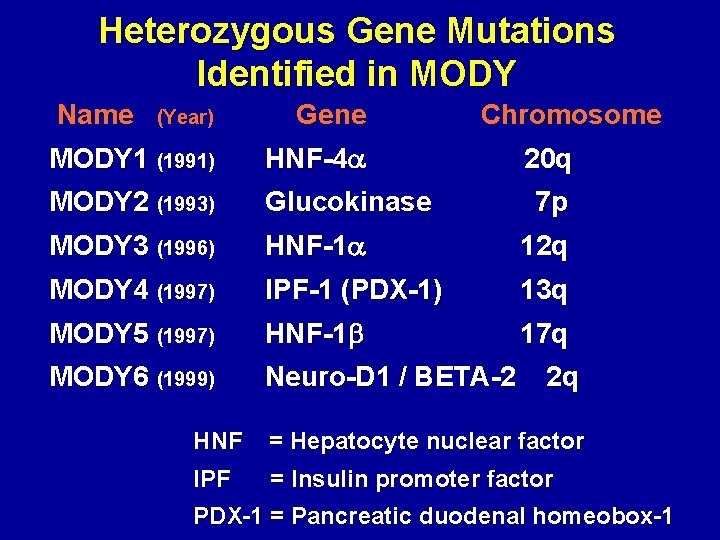
Heterozygous Gene Mutations Identified in MODY Name (Year) Gene Chromosome MODY 1 (1991) HNF-4 a MODY 2 (1993) Glucokinase 7 p MODY 3 (1996) HNF-1 a 12 q MODY 4 (1997) IPF-1 (PDX-1) 13 q MODY 5 (1997) HNF-1 b 17 q MODY 6 (1999) Neuro-D 1 / BETA-2 2 q 20 q HNF = Hepatocyte nuclear factor IPF = Insulin promoter factor PDX-1 = Pancreatic duodenal homeobox-1
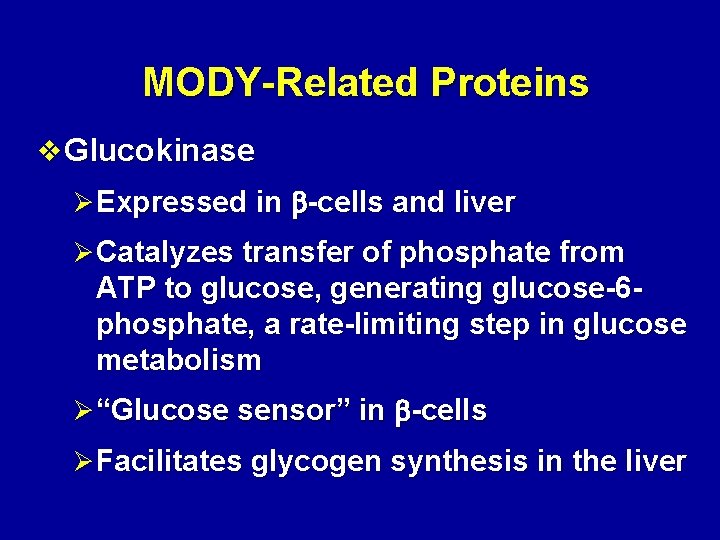
MODY-Related Proteins v Glucokinase ØExpressed in b-cells and liver ØCatalyzes transfer of phosphate from ATP to glucose, generating glucose-6 phosphate, a rate-limiting step in glucose metabolism Ø“Glucose sensor” in b-cells ØFacilitates glycogen synthesis in the liver
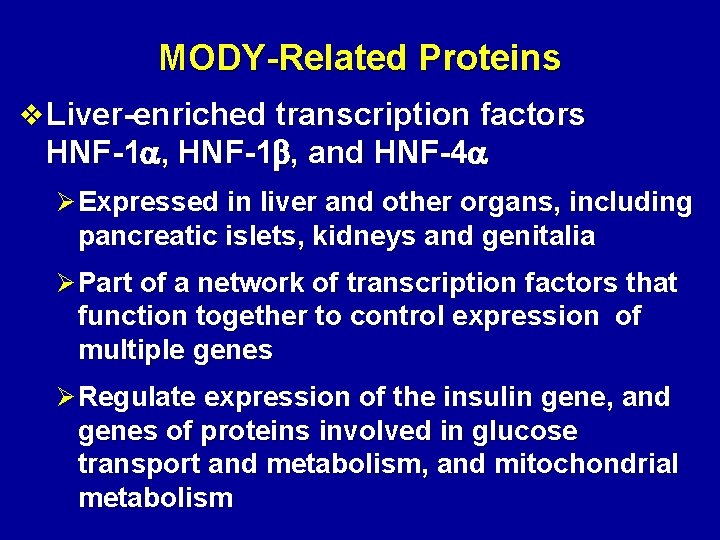
MODY-Related Proteins v Liver-enriched transcription factors HNF-1 a, HNF-1 b, and HNF-4 a Ø Expressed in liver and other organs, including pancreatic islets, kidneys and genitalia Ø Part of a network of transcription factors that function together to control expression of multiple genes Ø Regulate expression of the insulin gene, and genes of proteins involved in glucose transport and metabolism, and mitochondrial metabolism
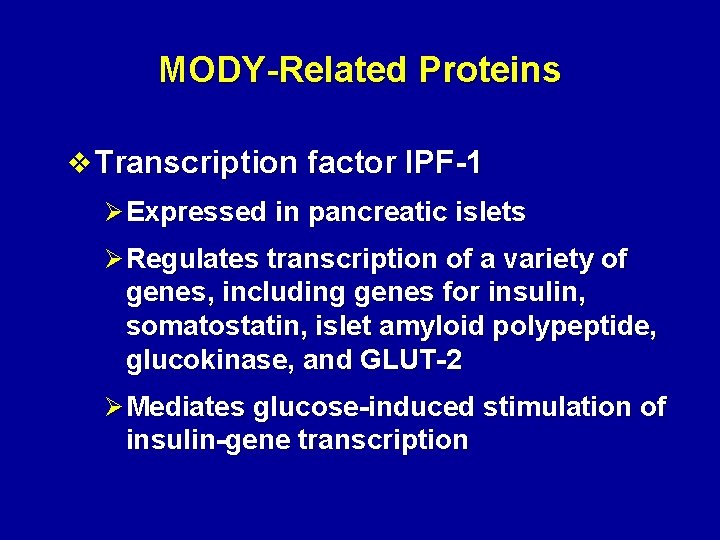
MODY-Related Proteins v Transcription factor IPF-1 Ø Expressed in pancreatic islets Ø Regulates transcription of a variety of genes, including genes for insulin, somatostatin, islet amyloid polypeptide, glucokinase, and GLUT-2 Ø Mediates glucose-induced stimulation of insulin-gene transcription
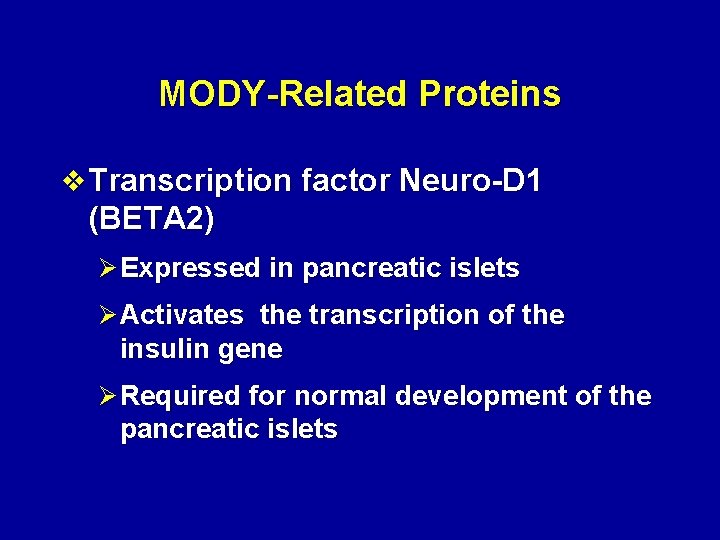
MODY-Related Proteins v Transcription factor Neuro-D 1 (BETA 2) Ø Expressed in pancreatic islets Ø Activates the transcription of the insulin gene Ø Required for normal development of the pancreatic islets
How genes work to make proteins (e. g. insulin) https: //www. youtube. com/watch? v=f. Ol 7 lr. Nu. Onk 53
Insulin signalling pathways https: //www. youtube. com/watch? v=Fkk. K 5 l. Tm. B YQ 54
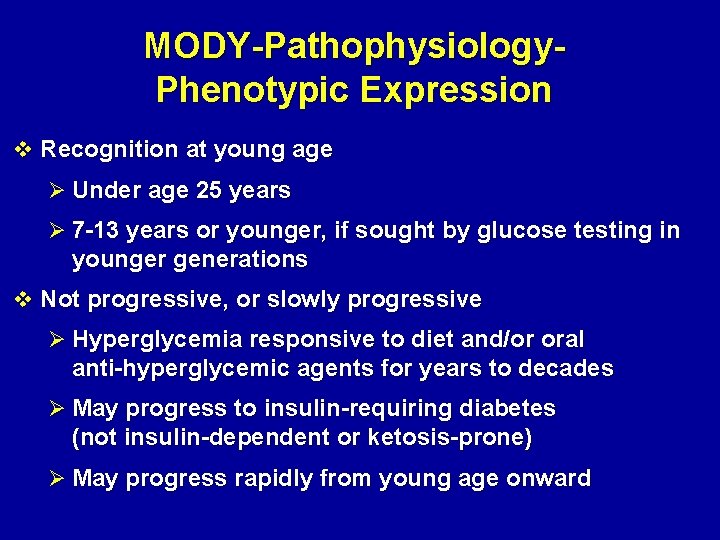
MODY-Pathophysiology- Phenotypic Expression v Recognition at young age Ø Under age 25 years Ø 7 -13 years or younger, if sought by glucose testing in younger generations v Not progressive, or slowly progressive Ø Hyperglycemia responsive to diet and/or oral anti-hyperglycemic agents for years to decades Ø May progress to insulin-requiring diabetes (not insulin-dependent or ketosis-prone) Ø May progress rapidly from young age onward
MODY-Phenotypic expression v like type 1 diabetes in that problems with insulin secretion initially
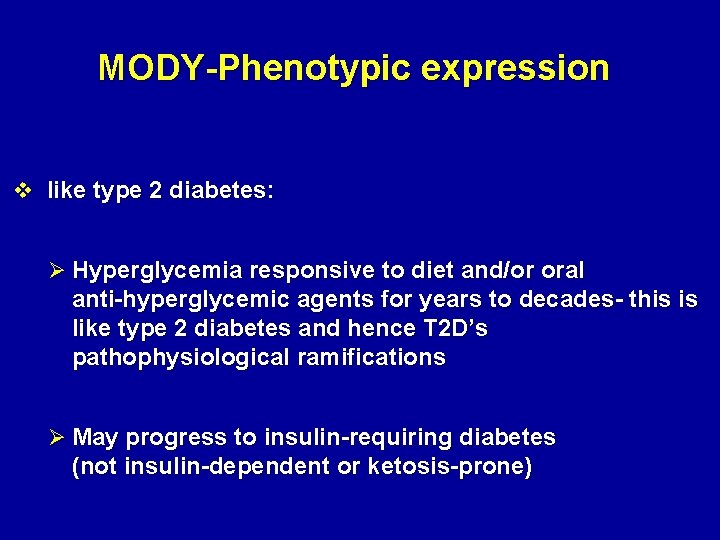
MODY-Phenotypic expression v like type 2 diabetes: Ø Hyperglycemia responsive to diet and/or oral anti-hyperglycemic agents for years to decades- this is like type 2 diabetes and hence T 2 D’s pathophysiological ramifications Ø May progress to insulin-requiring diabetes (not insulin-dependent or ketosis-prone)
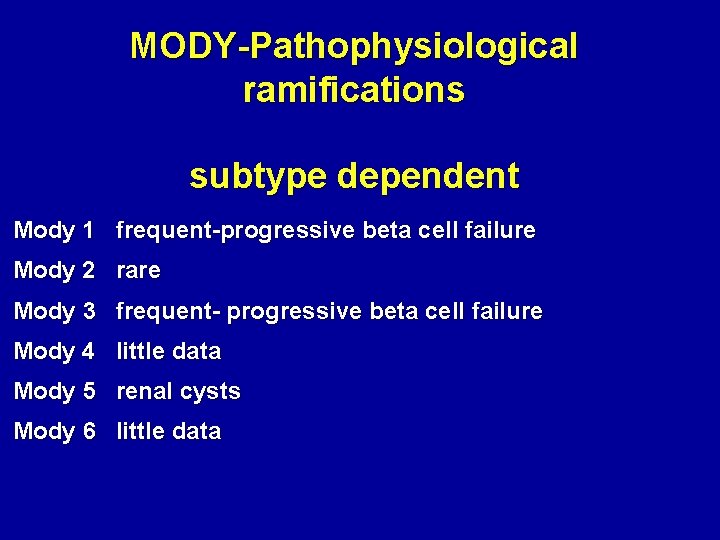
MODY-Pathophysiological ramifications subtype dependent Mody 1 frequent-progressive beta cell failure Mody 2 rare Mody 3 frequent- progressive beta cell failure Mody 4 little data Mody 5 renal cysts Mody 6 little data
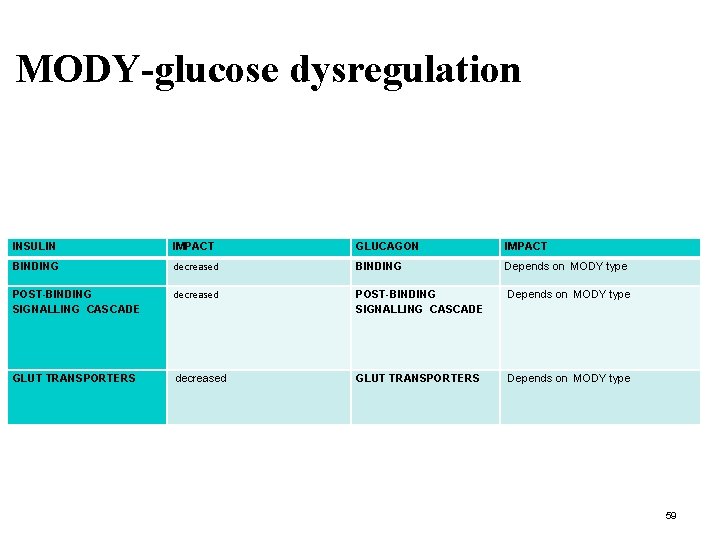
MODY-glucose dysregulation INSULIN IMPACT GLUCAGON IMPACT BINDING decreased BINDING Depends on MODY type POST-BINDING SIGNALLING CASCADE decreased POST-BINDING SIGNALLING CASCADE Depends on MODY type GLUT TRANSPORTERS decreased GLUT TRANSPORTERS Depends on MODY type 59
Neonatal Diabetes Mellitus (NDM) Ø Beta-cell function or insulin action affected by autosomal dominant mutations 60
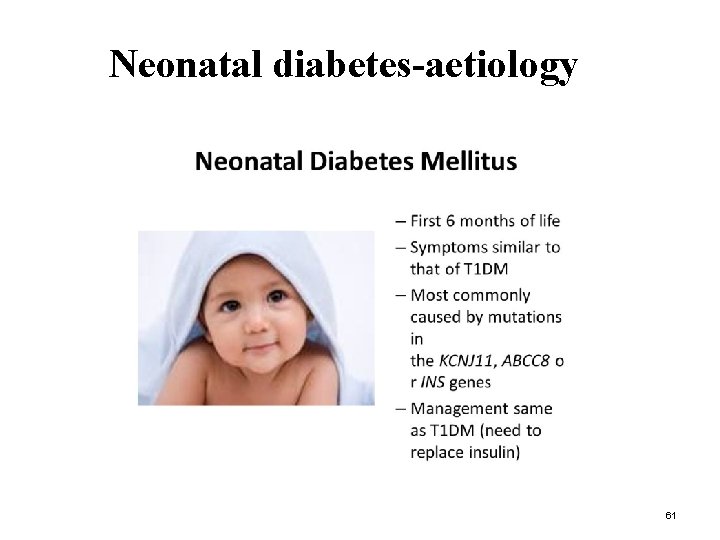
Neonatal diabetes-aetiology 61
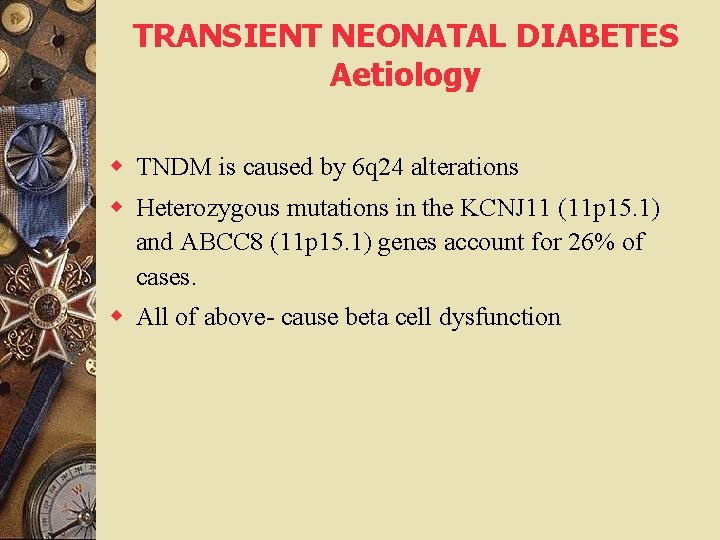
TRANSIENT NEONATAL DIABETES Aetiology w TNDM is caused by 6 q 24 alterations w Heterozygous mutations in the KCNJ 11 (11 p 15. 1) and ABCC 8 (11 p 15. 1) genes account for 26% of cases. w All of above- cause beta cell dysfunction
TRANSIENT NEONATAL DIABETES Pathophysiology w Some similarities with T 1 D
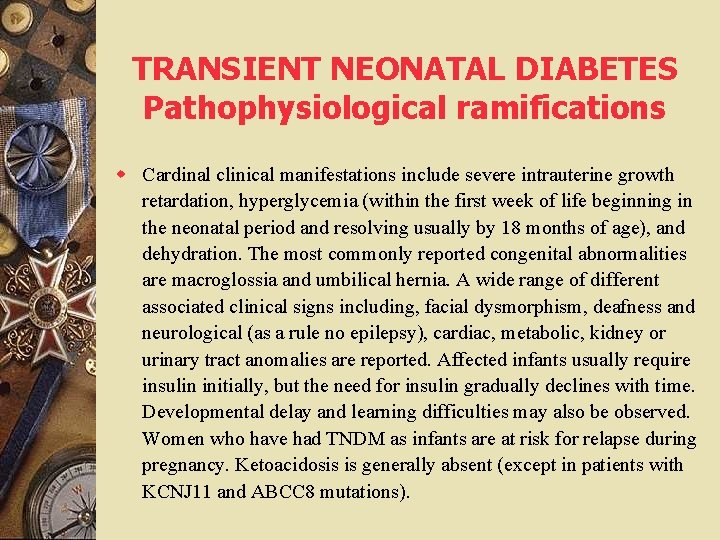
TRANSIENT NEONATAL DIABETES Pathophysiological ramifications w Cardinal clinical manifestations include severe intrauterine growth retardation, hyperglycemia (within the first week of life beginning in the neonatal period and resolving usually by 18 months of age), and dehydration. The most commonly reported congenital abnormalities are macroglossia and umbilical hernia. A wide range of different associated clinical signs including, facial dysmorphism, deafness and neurological (as a rule no epilepsy), cardiac, metabolic, kidney or urinary tract anomalies are reported. Affected infants usually require insulin initially, but the need for insulin gradually declines with time. Developmental delay and learning difficulties may also be observed. Women who have had TNDM as infants are at risk for relapse during pregnancy. Ketoacidosis is generally absent (except in patients with KCNJ 11 and ABCC 8 mutations).
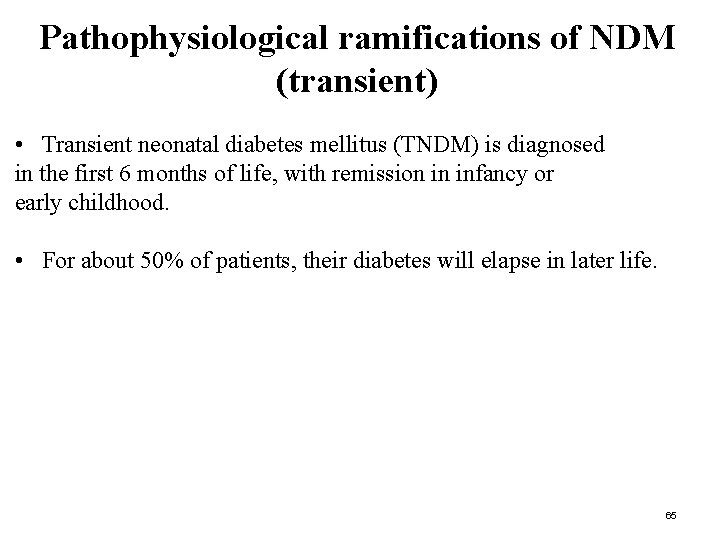
Pathophysiological ramifications of NDM (transient) • Transient neonatal diabetes mellitus (TNDM) is diagnosed in the first 6 months of life, with remission in infancy or early childhood. • For about 50% of patients, their diabetes will elapse in later life. 65
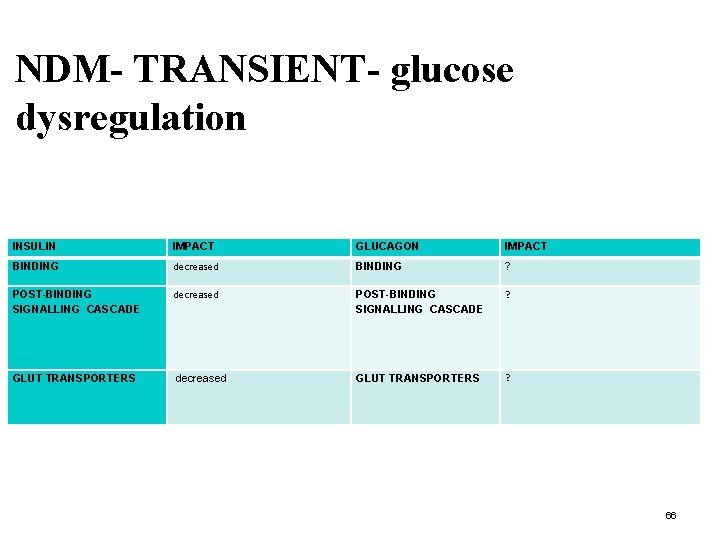
NDM- TRANSIENT- glucose dysregulation INSULIN IMPACT GLUCAGON IMPACT BINDING decreased BINDING ? POST-BINDING SIGNALLING CASCADE decreased POST-BINDING SIGNALLING CASCADE ? GLUT TRANSPORTERS decreased GLUT TRANSPORTERS ? 66
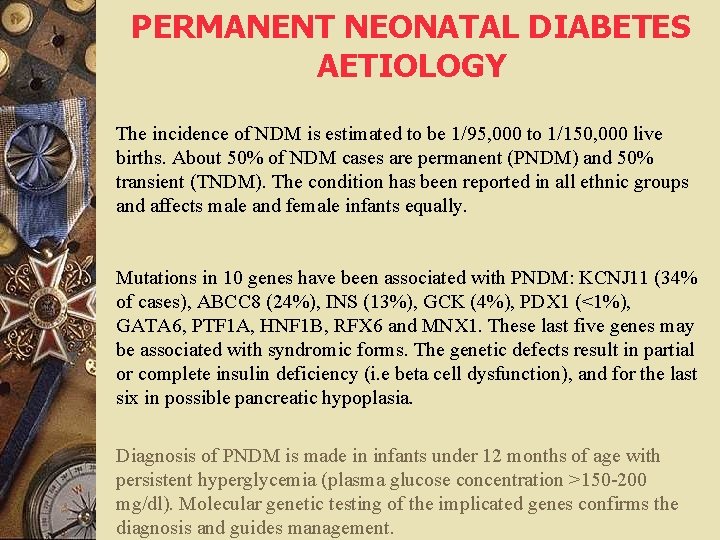
PERMANENT NEONATAL DIABETES AETIOLOGY The incidence of NDM is estimated to be 1/95, 000 to 1/150, 000 live births. About 50% of NDM cases are permanent (PNDM) and 50% transient (TNDM). The condition has been reported in all ethnic groups and affects male and female infants equally. Mutations in 10 genes have been associated with PNDM: KCNJ 11 (34% of cases), ABCC 8 (24%), INS (13%), GCK (4%), PDX 1 (<1%), GATA 6, PTF 1 A, HNF 1 B, RFX 6 and MNX 1. These last five genes may be associated with syndromic forms. The genetic defects result in partial or complete insulin deficiency (i. e beta cell dysfunction), and for the last six in possible pancreatic hypoplasia. Diagnosis of PNDM is made in infants under 12 months of age with persistent hyperglycemia (plasma glucose concentration >150 -200 mg/dl). Molecular genetic testing of the implicated genes confirms the diagnosis and guides management.
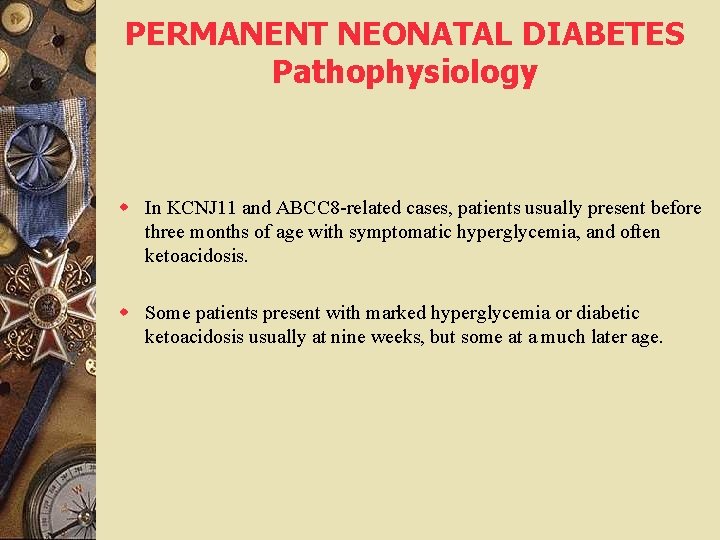
PERMANENT NEONATAL DIABETES Pathophysiology w In KCNJ 11 and ABCC 8 -related cases, patients usually present before three months of age with symptomatic hyperglycemia, and often ketoacidosis. w Some patients present with marked hyperglycemia or diabetic ketoacidosis usually at nine weeks, but some at a much later age.
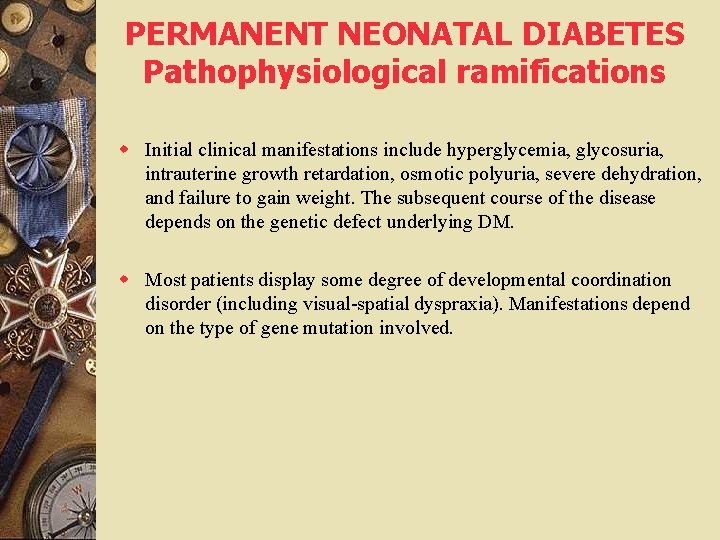
PERMANENT NEONATAL DIABETES Pathophysiological ramifications w Initial clinical manifestations include hyperglycemia, glycosuria, intrauterine growth retardation, osmotic polyuria, severe dehydration, and failure to gain weight. The subsequent course of the disease depends on the genetic defect underlying DM. w Most patients display some degree of developmental coordination disorder (including visual-spatial dyspraxia). Manifestations depend on the type of gene mutation involved.
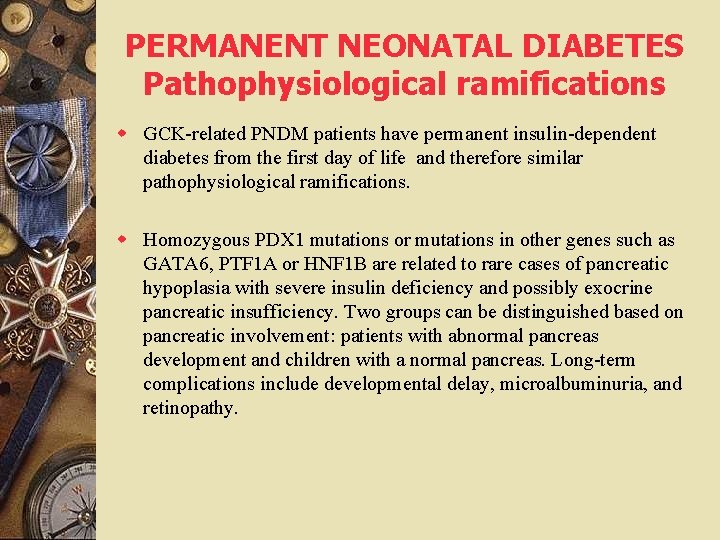
PERMANENT NEONATAL DIABETES Pathophysiological ramifications w GCK-related PNDM patients have permanent insulin-dependent diabetes from the first day of life and therefore similar pathophysiological ramifications. w Homozygous PDX 1 mutations or mutations in other genes such as GATA 6, PTF 1 A or HNF 1 B are related to rare cases of pancreatic hypoplasia with severe insulin deficiency and possibly exocrine pancreatic insufficiency. Two groups can be distinguished based on pancreatic involvement: patients with abnormal pancreas development and children with a normal pancreas. Long-term complications include developmental delay, microalbuminuria, and retinopathy.
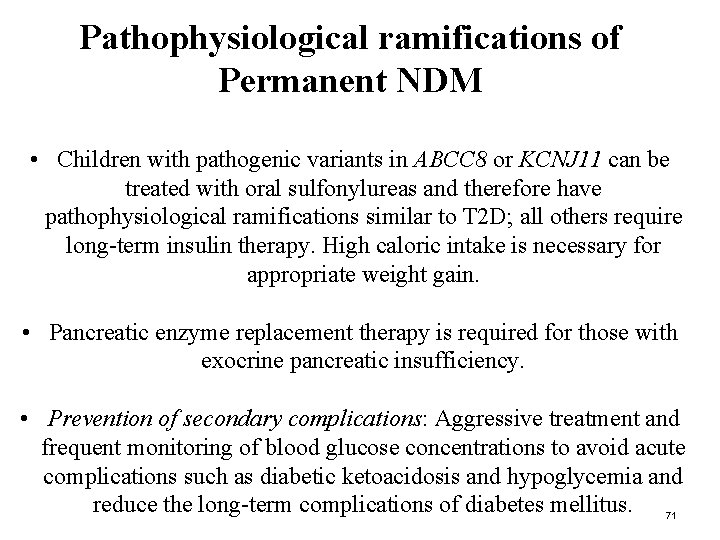
Pathophysiological ramifications of Permanent NDM • Children with pathogenic variants in ABCC 8 or KCNJ 11 can be treated with oral sulfonylureas and therefore have pathophysiological ramifications similar to T 2 D; all others require long-term insulin therapy. High caloric intake is necessary for appropriate weight gain. • Pancreatic enzyme replacement therapy is required for those with exocrine pancreatic insufficiency. • Prevention of secondary complications: Aggressive treatment and frequent monitoring of blood glucose concentrations to avoid acute complications such as diabetic ketoacidosis and hypoglycemia and reduce the long-term complications of diabetes mellitus. 71
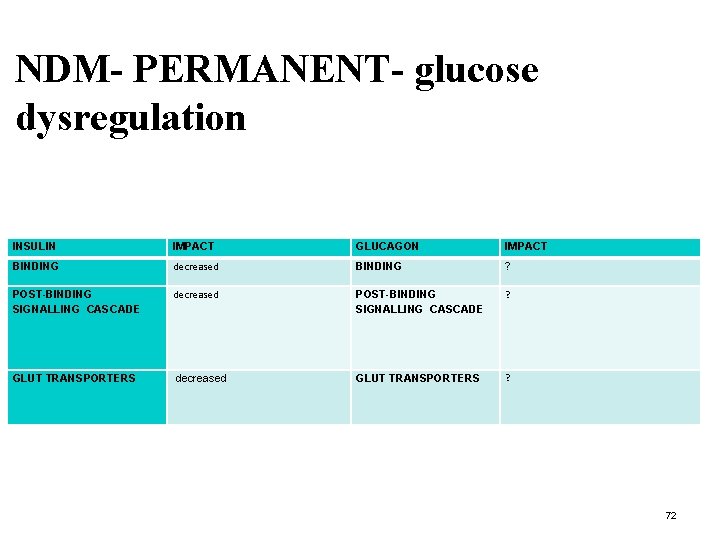
NDM- PERMANENT- glucose dysregulation INSULIN IMPACT GLUCAGON IMPACT BINDING decreased BINDING ? POST-BINDING SIGNALLING CASCADE decreased POST-BINDING SIGNALLING CASCADE ? GLUT TRANSPORTERS decreased GLUT TRANSPORTERS ? 72
Summarising MODY and NDM https: //www. niddk. nih. gov/healthinformation/diabetes/types/monogenic-neonatal-mellitus-mody 73
Summarising glucose dysregulation 74
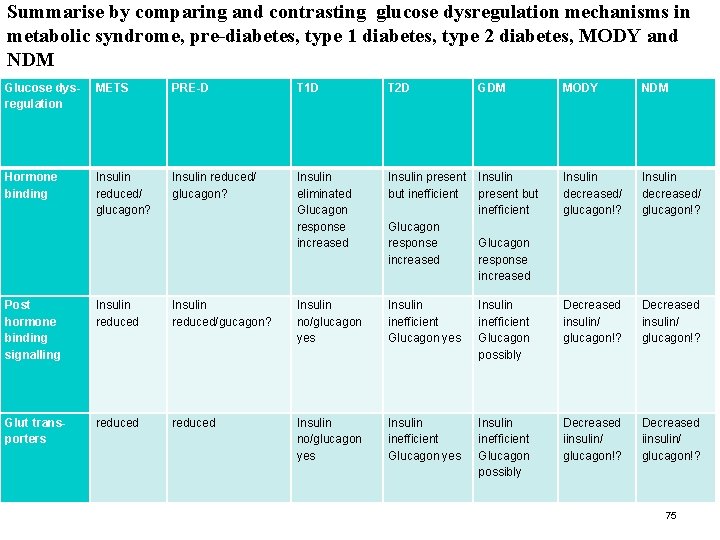
Summarise by comparing and contrasting glucose dysregulation mechanisms in metabolic syndrome, pre-diabetes, type 1 diabetes, type 2 diabetes, MODY and NDM Glucose dysregulation METS PRE-D T 1 D T 2 D Hormone binding Insulin reduced/ glucagon? Insulin eliminated Glucagon response increased Post hormone binding signalling Insulin reduced/gucagon? Glut transporters reduced GDM MODY NDM Insulin present Insulin but inefficient present but inefficient Glucagon response Glucagon increased response increased Insulin decreased/ glucagon!? Insulin no/glucagon yes Insulin inefficient Glucagon possibly Decreased insulin/ glucagon!? Insulin no/glucagon yes Insulin inefficient Glucagon possibly Decreased iinsulin/ glucagon!? 75
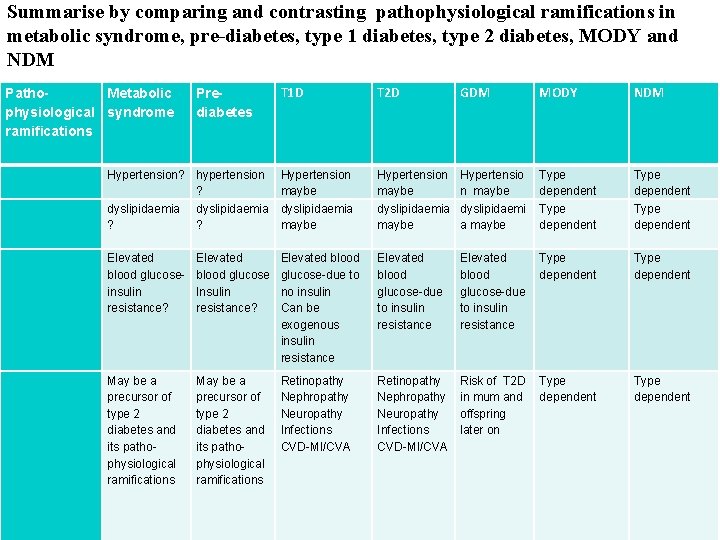
Summarise by comparing and contrasting pathophysiological ramifications in metabolic syndrome, pre-diabetes, type 1 diabetes, type 2 diabetes, MODY and NDM T 1 D T 2 D GDM MODY NDM Hypertension? hypertension ? dyslipidaemia ? ? Hypertension maybe dyslipidaemia maybe Hypertensio n maybe dyslipidaemi a maybe Type dependent Elevated blood glucoseinsulin resistance? Elevated blood glucose Insulin resistance? Elevated blood glucose-due to no insulin Can be exogenous insulin resistance Elevated blood glucose-due to insulin resistance Elevated Type blood dependent glucose-due to insulin resistance Type dependent May be a precursor of type 2 diabetes and its pathophysiological ramifications May be a precursor of type 2 diabetes and its pathophysiological ramifications Retinopathy Nephropathy Neuropathy Infections CVD-MI/CVA Risk of T 2 D Type in mum and dependent offspring later on Type dependent Patho. Metabolic physiological syndrome ramifications Prediabetes 76
Topics Lecture 2 any information on the dysregulation of glucose homeostasis will be discussed in terms of disruption of these components (hormones involved, hormone receptor function, post -hormone binding signalling mechanisms, glut transporters)* of normal glucose regulation 8) Describe the suspected aetiology (including metabolic syndrome) of type 2 diabetes 9) Have Dr. Barre perform the Canadian Diabetes Association type 2 diabetes risk algorithm on himself in class and relate variables to suspected aetiology of type 2 diabetes 10) Describe the pathophysiology of type 2 diabetes 11) Discuss the pathophysiological ramifications of type 2 diabetes 12) Describe the aetiology and pathophysiology of gestational diabetes including relationships between gestational diabetes and metabolic syndrome 13) Discuss the pathophysiological ramifications of gestational diabetes for mother and offspring 14) Describe the aetiology and pathophysiology of mature onset diabetes in youth (MODY) and neonatal diabetes mellitus (NDM) as well as the pathophysiological ramifications of MODY and NGM 15) Summarise by comparing and contrasting glucose dysregulation mechanisms and their pathophysiological ramifications in metabolic syndrome, pre-diabetes, type 1 77 diabetes, type 2 diabetes , gestational diabetes, MODY and NDM
Topics Lecture 1 –review 1) Brief review of normal physiological mechanisms of plasma glucose concentration regulation (hormones involved, hormone receptor function, post-hormone binding signalling mechanisms, glut transporters)* 2) Brief review of physiological significance of normal plasma glucose concentration regulation 3) Compare and contrast different definitions of metabolic syndrome (International Diabetes Federation, National Cholesterol Education Programme, American Heart Association, World Health Organisation (WHO)) in terms of it components and diagnosis; identify the main points of the current consensus for the metabolic syndrome definition 4) Describe the aetiology and pathophysiology of metabolic syndrome in terms of glucose dysregulation 5) Describe the relationships between metabolic syndrome and pre-diabetes 6) Describe the aetiology and pathophysiology of type 1 diabetes including how metabolic syndrome may be part of existing type 1 diabetes 7) Discuss the pathophysiological ramifications of type 1 diabetes 8) Summarise by comparing and contrasting glucose dysregulation mechanisms and their pathophysiological ramifications in metabolic syndrome, pre-diabetes, type 1 diabetes, *any information on the dysregulation of glucose homeostasis will be discussed in terms 78
Topics Lecture 2 any information on the dysregulation of glucose homeostasis will be discussed in terms of disruption of these components (hormones involved, hormone receptor function, post -hormone binding signalling mechanisms, glut transporters)* of normal glucose regulation 8) Describe the suspected aetiology (including metabolic syndrome) of type 2 diabetes 9) Have Dr. Barre perform the Canadian Diabetes Association type 2 diabetes risk algorithm on himself in class and relate variables to suspected aetiology of type 2 diabetes 10) Describe the pathophysiology of type 2 diabetes 11) Discuss the pathophysiological ramifications of type 2 diabetes 12) Describe the aetiology and pathophysiology of gestational diabetes including relationships between gestational diabetes and metabolic syndrome 13) Discuss the pathophysiological ramifications of gestational diabetes for mother and offspring 14) Describe the aetiology and pathophysiology of mature onset diabetes in youth (MODY) and neonatal diabetes mellitus (NDM) as well as the pathophysiological ramifications of MODY and NGM 15) Summarise by comparing and contrasting glucose dysregulation mechanisms and their pathophysiological ramifications in metabolic syndrome, pre-diabetes, type 1 79 diabetes, type 2 diabetes , gestational diabetes, MODY and NDM
Largely preventable! are: • Metabolic syndrome • Pre-diabetes • Type 2 diabetes • GDM All largely preventable by diet and exercise- cheap and easy ways to preserve your health, healthcare system, your jobs, your benefits, your retirement-it really is all about you. Don’t have time to eat and exercise well? Think about outcomes!! 80
Questions ? 81