
Concept 7 Emergence of the Modern United States
- Slides: 24
Concept 7: Emergence of the Modern United States
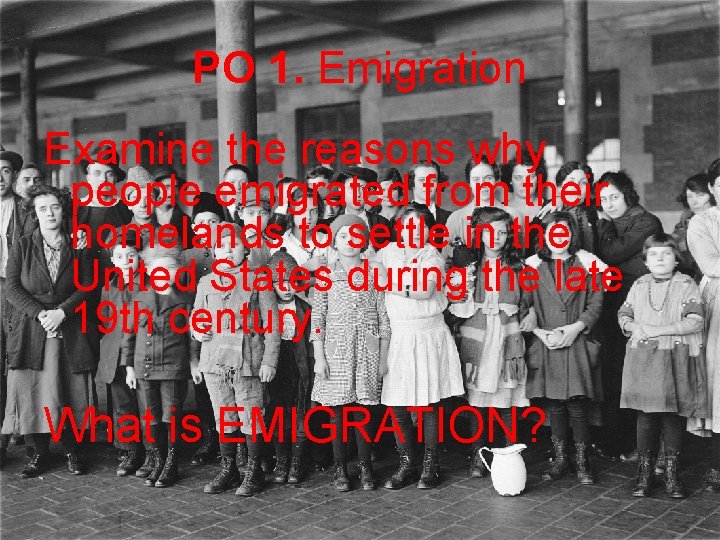
PO 1. Emigration Examine the reasons why people emigrated from their homelands to settle in the United States during the late 19 th century. What is EMIGRATION?
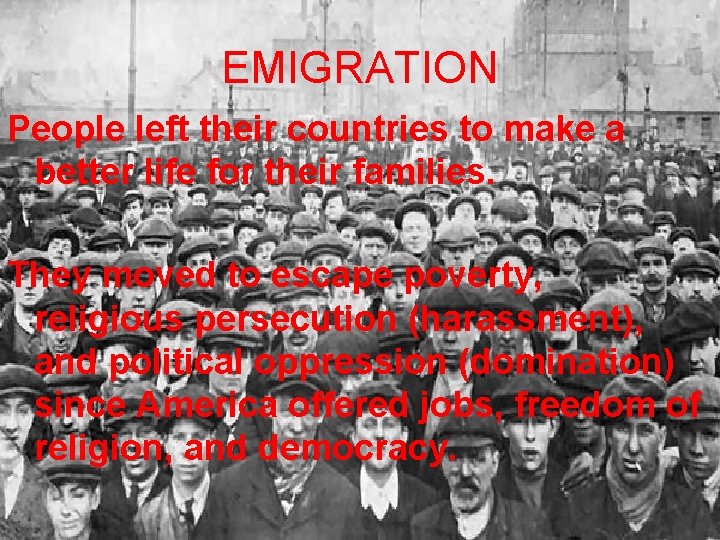
EMIGRATION People left their countries to make a better life for their families. They moved to escape poverty, religious persecution (harassment), and political oppression (domination) since America offered jobs, freedom of religion, and democracy.
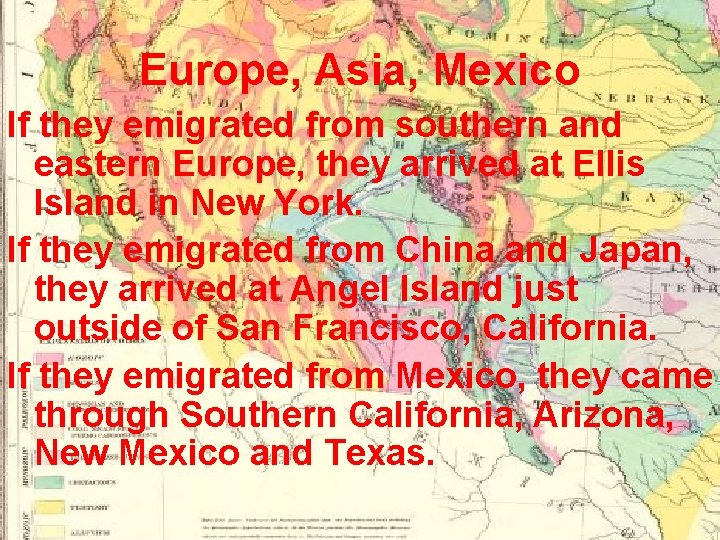
Europe, Asia, Mexico If they emigrated from southern and eastern Europe, they arrived at Ellis Island in New York. If they emigrated from China and Japan, they arrived at Angel Island just outside of San Francisco, California. If they emigrated from Mexico, they came through Southern California, Arizona, New Mexico and Texas.
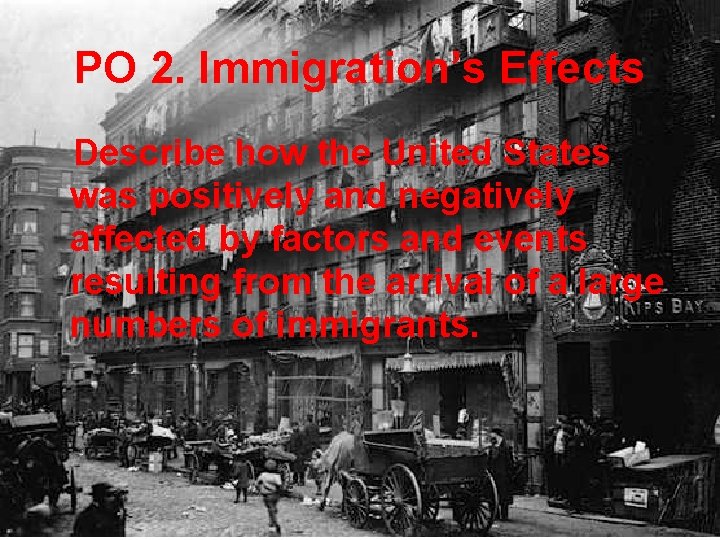
PO 2. Immigration’s Effects Describe how the United States was positively and negatively affected by factors and events resulting from the arrival of a large numbers of immigrants.
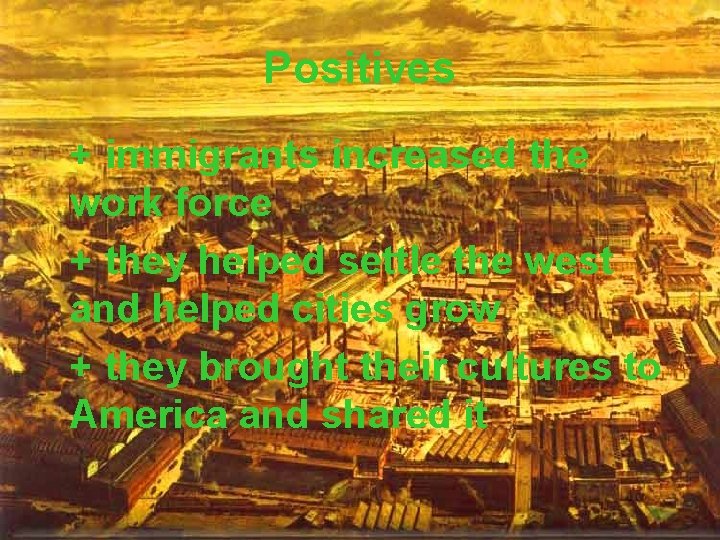
Positives + immigrants increased the work force + they helped settle the west and helped cities grow + they brought their cultures to America and shared it
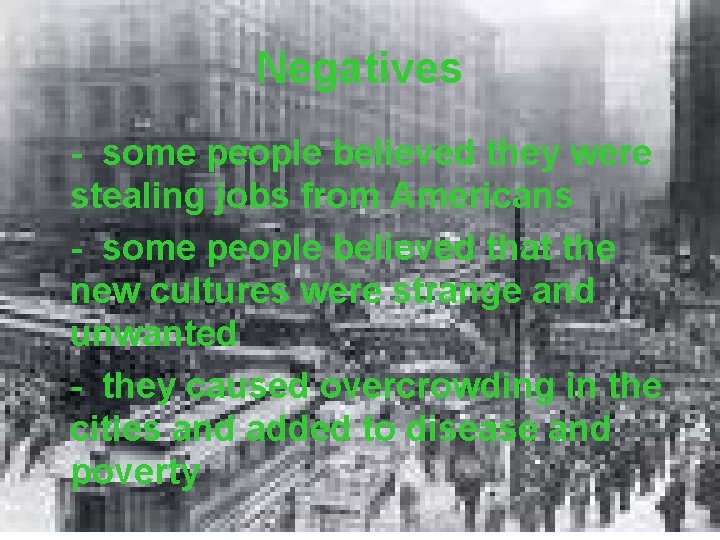
Negatives - some people believed they were stealing jobs from Americans - some people believed that the new cultures were strange and unwanted - they caused overcrowding in the cities and added to disease and poverty
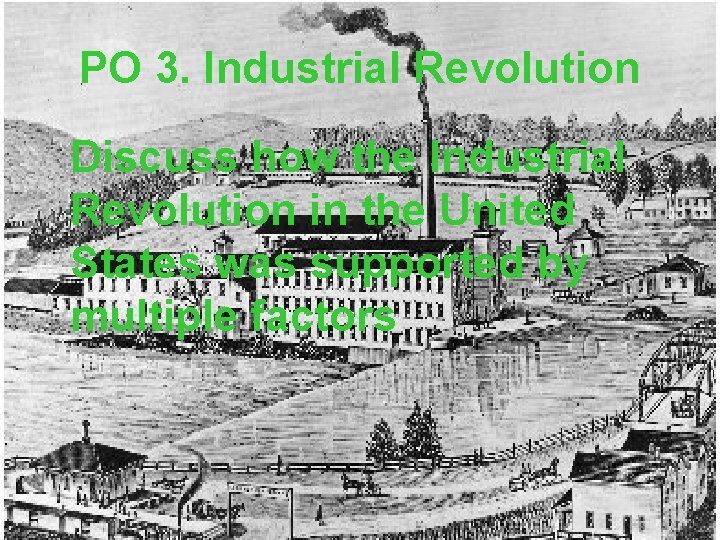
PO 3. Industrial Revolution Discuss how the Industrial Revolution in the United States was supported by multiple factors
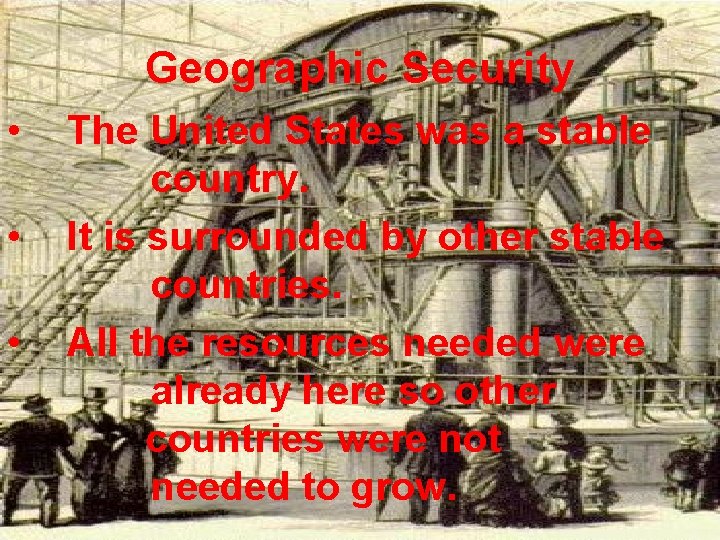
Geographic Security • • • The United States was a stable country. It is surrounded by other stable countries. All the resources needed were already here so other countries were not needed to grow.
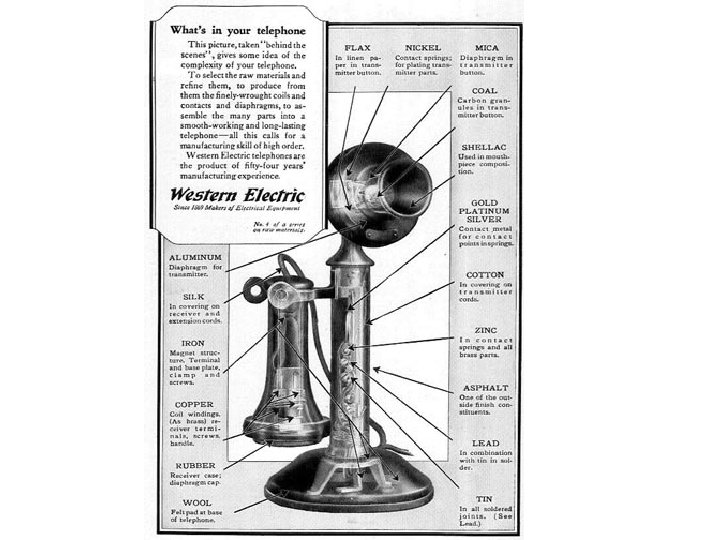
Natural Resources Abundance in all resources: Coal in western Pennsylvania, the Mississippi Valley, Appalachia; Iron ore on the shores of Lake Superior; Gold, silver, lead, zinc, copper in the western states.
Innovations in Technology Edison helped build the first power plant to provide electricity for homes, offices, streetcars, elevators, and factories; The telegraph went transatlantic to allow countries around the world to communicate in minutes; The telephone and radio were invented and used in thousands of homes and businesses; Automobiles and airplanes were invented and perfected
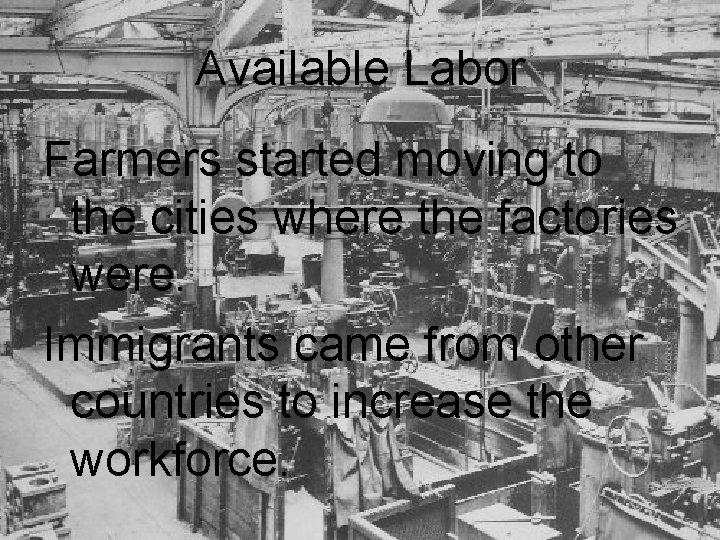
Available Labor Farmers started moving to the cities where the factories were. Immigrants came from other countries to increase the workforce.
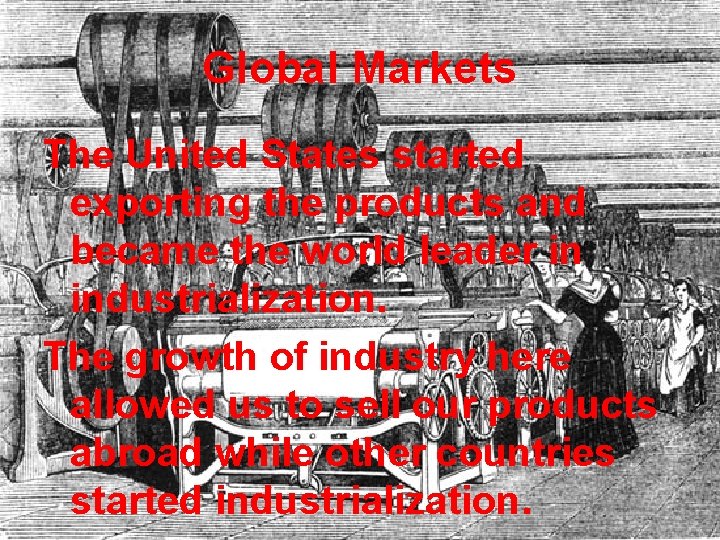
Global Markets The United States started exporting the products and became the world leader in industrialization. The growth of industry here allowed us to sell our products abroad while other countries started industrialization.
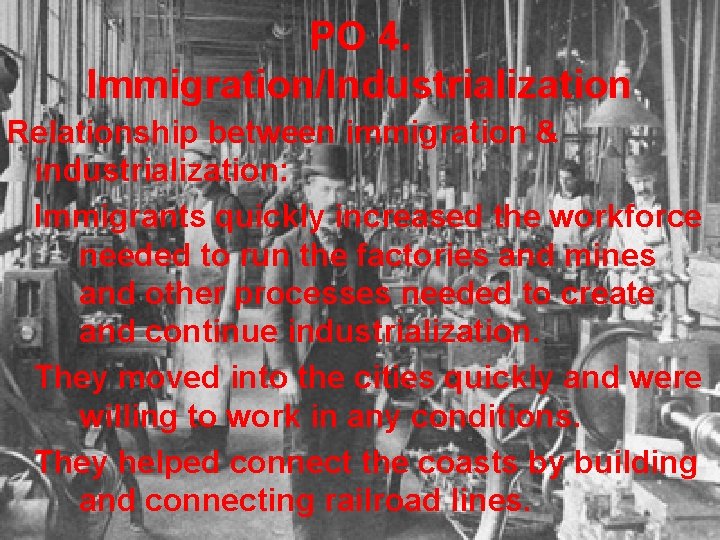
PO 4. Immigration/Industrialization Relationship between immigration & industrialization: Immigrants quickly increased the workforce needed to run the factories and mines and other processes needed to create and continue industrialization. They moved into the cities quickly and were willing to work in any conditions. They helped connect the coasts by building and connecting railroad lines.
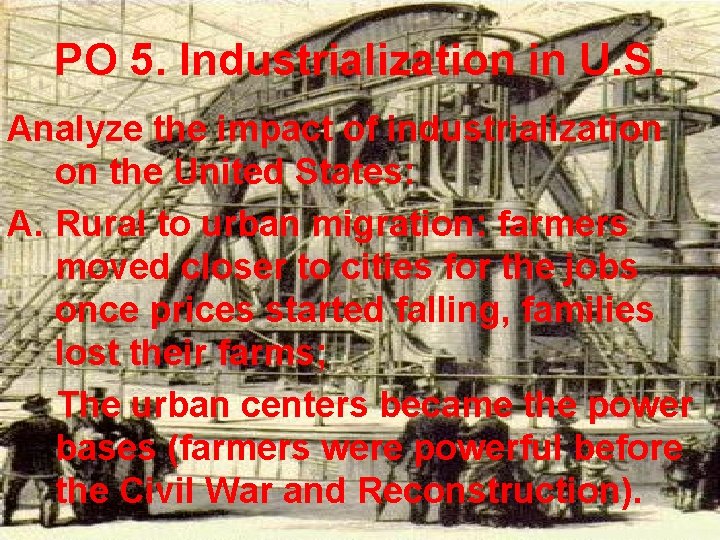
PO 5. Industrialization in U. S. Analyze the impact of industrialization on the United States: A. Rural to urban migration: farmers moved closer to cities for the jobs once prices started falling, families lost their farms; The urban centers became the power bases (farmers were powerful before the Civil War and Reconstruction).
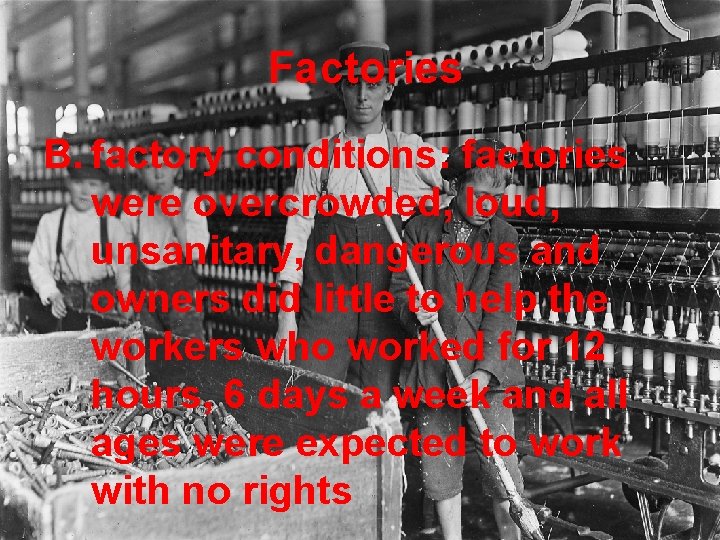
Factories B. factory conditions: factories were overcrowded, loud, unsanitary, dangerous and owners did little to help the workers who worked for 12 hours, 6 days a week and all ages were expected to work with no rights
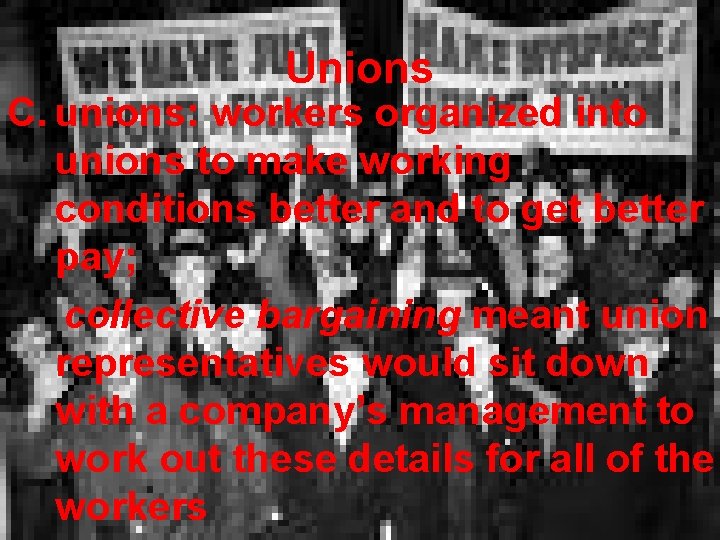
Unions C. unions: workers organized into unions to make working conditions better and to get better pay; collective bargaining meant union representatives would sit down with a company’s management to work out these details for all of the workers
Big Business D. Influence of big businesses: 2 kinds formed: Horizontal integration meant competing businesses would get together to form a trust (all run by the same board) to reduce competition and form a monopoly so they could fix prices. Vertical integration meant companies would merge who were all part of a process to manufacture one product.
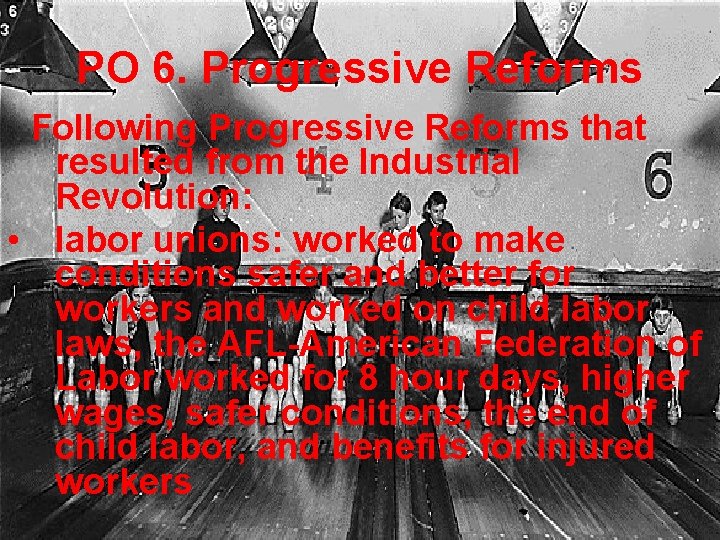
PO 6. Progressive Reforms Following Progressive Reforms that resulted from the Industrial Revolution: • labor unions: worked to make conditions safer and better for workers and worked on child labor laws, the AFL-American Federation of Labor worked for 8 hour days, higher wages, safer conditions, the end of child labor, and benefits for injured workers
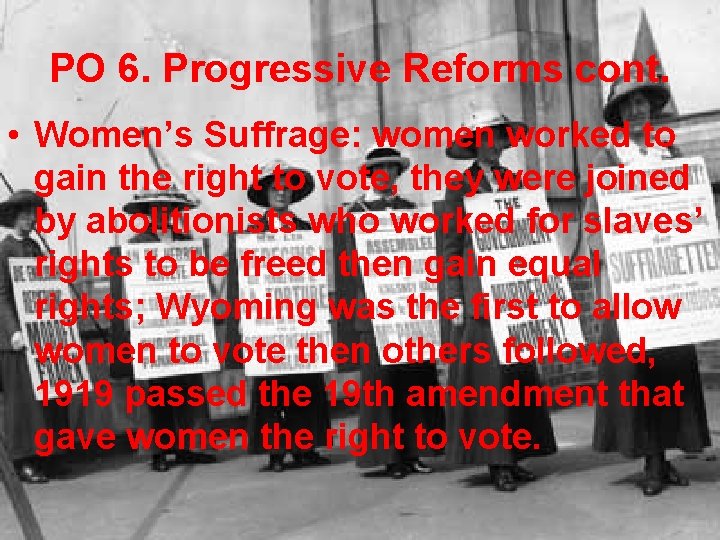
PO 6. Progressive Reforms cont. • Women’s Suffrage: women worked to gain the right to vote, they were joined by abolitionists who worked for slaves’ rights to be freed then gain equal rights; Wyoming was the first to allow women to vote then others followed, 1919 passed the 19 th amendment that gave women the right to vote.
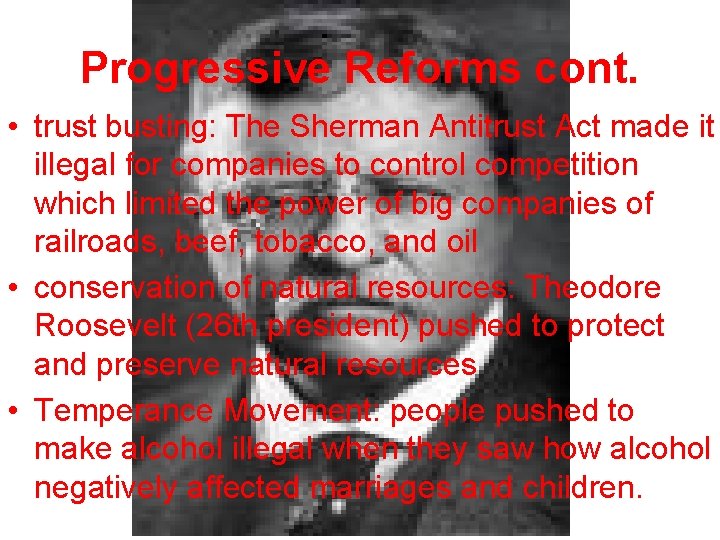
Progressive Reforms cont. • trust busting: The Sherman Antitrust Act made it illegal for companies to control competition which limited the power of big companies of railroads, beef, tobacco, and oil • conservation of natural resources: Theodore Roosevelt (26 th president) pushed to protect and preserve natural resources • Temperance Movement: people pushed to make alcohol illegal when they saw how alcohol negatively affected marriages and children.
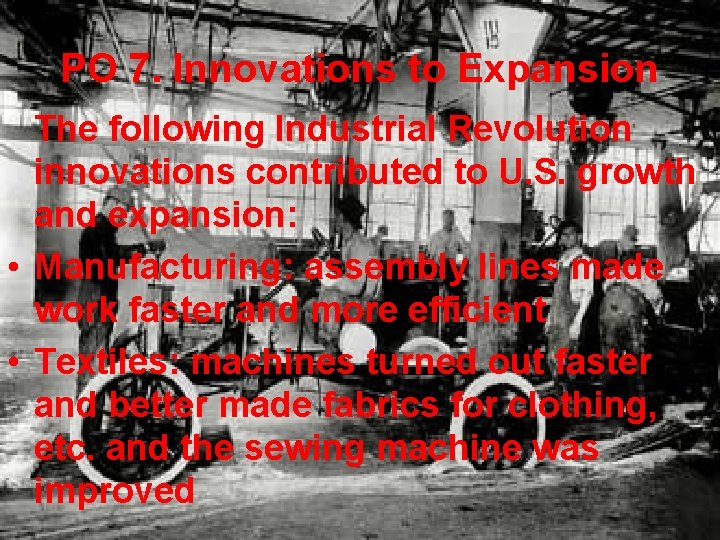
PO 7. Innovations to Expansion The following Industrial Revolution innovations contributed to U. S. growth and expansion: • Manufacturing: assembly lines made work faster and more efficient • Textiles: machines turned out faster and better made fabrics for clothing, etc. and the sewing machine was improved
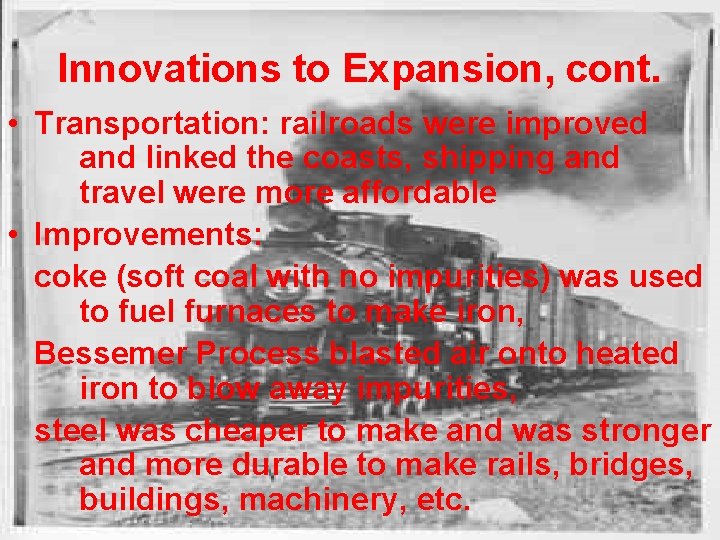
Innovations to Expansion, cont. • Transportation: railroads were improved and linked the coasts, shipping and travel were more affordable • Improvements: coke (soft coal with no impurities) was used to fuel furnaces to make iron, Bessemer Process blasted air onto heated iron to blow away impurities, steel was cheaper to make and was stronger and more durable to make rails, bridges, buildings, machinery, etc.