
Concept 6 4 The endomembrane system regulates protein
Concept 6. 4: The endomembrane system regulates protein traffic and performs metabolic functions in the cell • Components of the endomembrane system: – Nuclear envelope – Endoplasmic reticulum – Golgi apparatus – Lysosomes – Vacuoles – Plasma membrane • These components are either continuous or connected via transfer by vesicles Copyright © 2008 Pearson Education, Inc. , publishing as Pearson Benjamin Cummings
The Endoplasmic Reticulum: Biosynthetic Factory • The endoplasmic reticulum (ER) accounts for more than half of the total membrane in many eukaryotic cells • The ER membrane is continuous with the nuclear envelope • There are two distinct regions of ER: – Smooth ER, which lacks ribosomes – Rough ER, with ribosomes studding its surface Copyright © 2008 Pearson Education, Inc. , publishing as Pearson Benjamin Cummings
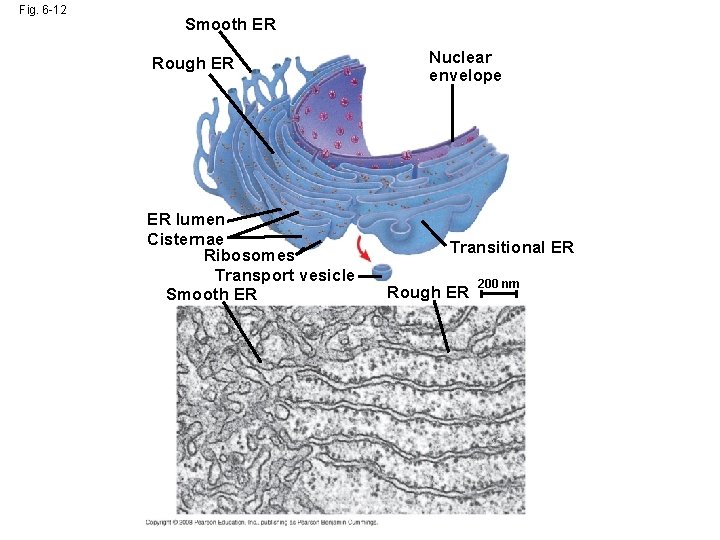
Fig. 6 -12 Smooth ER Rough ER ER lumen Cisternae Ribosomes Transport vesicle Smooth ER Nuclear envelope Transitional ER Rough ER 200 nm
Functions of Smooth ER • The smooth ER – Synthesizes lipids – Metabolizes carbohydrates – Detoxifies poison – Stores calcium Copyright © 2008 Pearson Education, Inc. , publishing as Pearson Benjamin Cummings
Functions of Rough ER • The rough ER – Has bound ribosomes, which secrete glycoproteins (proteins covalently bonded to carbohydrates) – Distributes transport vesicles, proteins surrounded by membranes – Is a membrane factory for the cell Copyright © 2008 Pearson Education, Inc. , publishing as Pearson Benjamin Cummings
The Golgi Apparatus: Shipping and Receiving Center • The Golgi apparatus consists of flattened membranous sacs called cisternae • Functions of the Golgi apparatus: – Modifies products of the ER – Manufactures certain macromolecules – Sorts and packages materials into transport vesicles Copyright © 2008 Pearson Education, Inc. , publishing as Pearson Benjamin Cummings
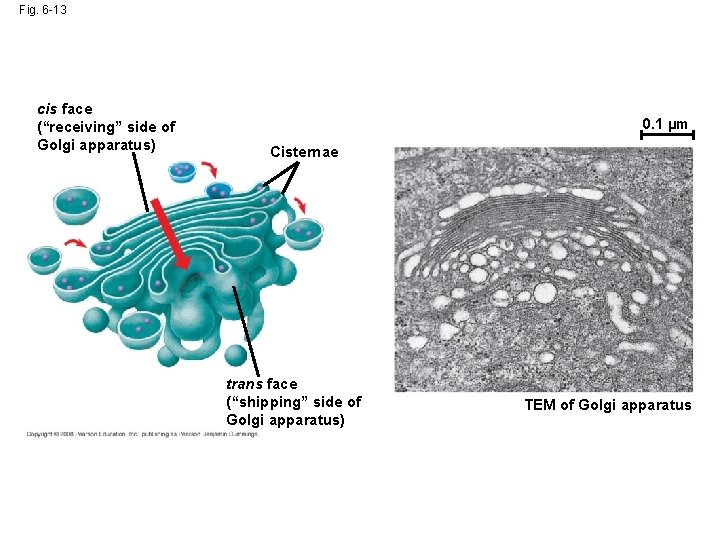
Fig. 6 -13 cis face (“receiving” side of Golgi apparatus) 0. 1 µm Cisternae trans face (“shipping” side of Golgi apparatus) TEM of Golgi apparatus
Lysosomes: Digestive Compartments • A lysosome is a membranous sac of hydrolytic enzymes that can digest macromolecules • Lysosomal enzymes can hydrolyze proteins, fats, polysaccharides, and nucleic acids Animation: Lysosome Formation Copyright © 2008 Pearson Education, Inc. , publishing as Pearson Benjamin Cummings
• Some types of cell can engulf another cell by phagocytosis; this forms a food vacuole • A lysosome fuses with the food vacuole and digests the molecules • Lysosomes also use enzymes to recycle the cell’s own organelles and macromolecules, a process called autophagy Copyright © 2008 Pearson Education, Inc. , publishing as Pearson Benjamin Cummings
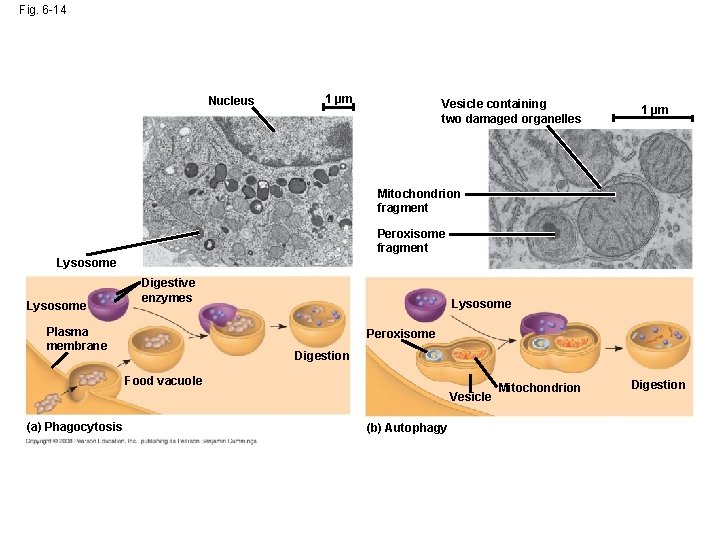
Fig. 6 -14 Nucleus 1 µm Vesicle containing two damaged organelles 1 µm Mitochondrion fragment Peroxisome fragment Lysosome Digestive enzymes Plasma membrane Lysosome Peroxisome Digestion Food vacuole Vesicle (a) Phagocytosis (b) Autophagy Mitochondrion Digestion
Vacuoles: Diverse Maintenance Compartments • A plant cell or fungal cell may have one or several vacuoles Copyright © 2008 Pearson Education, Inc. , publishing as Pearson Benjamin Cummings
• Food vacuoles are formed by phagocytosis • Contractile vacuoles, found in many freshwater protists, pump excess water out of cells • Central vacuoles, found in many mature plant cells, hold organic compounds and water Video: Paramecium Vacuole Copyright © 2008 Pearson Education, Inc. , publishing as Pearson Benjamin Cummings
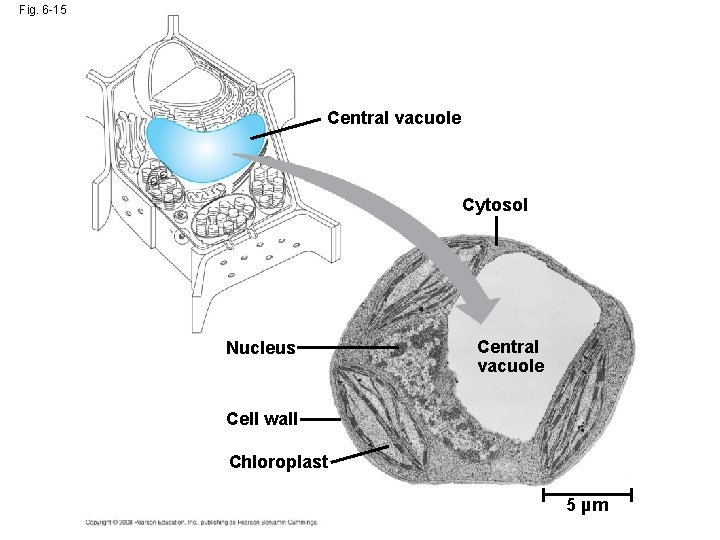
Fig. 6 -15 Central vacuole Cytosol Nucleus Central vacuole Cell wall Chloroplast 5 µm
The Endomembrane System: A Review • The endomembrane system is a complex and dynamic player in the cell’s compartmental organization Copyright © 2008 Pearson Education, Inc. , publishing as Pearson Benjamin Cummings
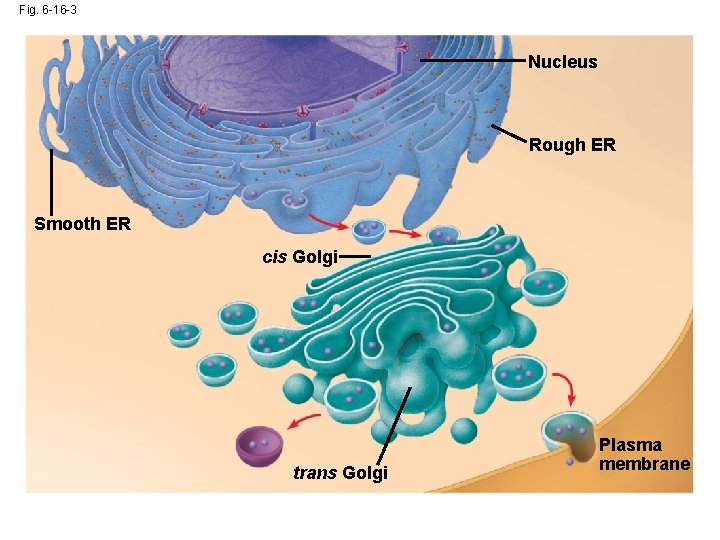
Fig. 6 -16 -3 Nucleus Rough ER Smooth ER cis Golgi trans Golgi Plasma membrane
Concept 6. 5: Mitochondria and chloroplasts change energy from one form to another • Mitochondria are the sites of cellular respiration, a metabolic process that generates ATP • Chloroplasts, found in plants and algae, are the sites of photosynthesis • Peroxisomes are oxidative organelles Copyright © 2008 Pearson Education, Inc. , publishing as Pearson Benjamin Cummings
• Mitochondria and chloroplasts – Are not part of the endomembrane system – Have a double membrane – Have proteins made by free ribosomes – Contain their own DNA Copyright © 2008 Pearson Education, Inc. , publishing as Pearson Benjamin Cummings
Mitochondria: Chemical Energy Conversion • Mitochondria are in nearly all eukaryotic cells • They have a smooth outer membrane and an inner membrane folded into cristae • The inner membrane creates two compartments: intermembrane space and mitochondrial matrix • Some metabolic steps of cellular respiration are catalyzed in the mitochondrial matrix • Cristae present a large surface area for enzymes that synthesize ATP Copyright © 2008 Pearson Education, Inc. , publishing as Pearson Benjamin Cummings
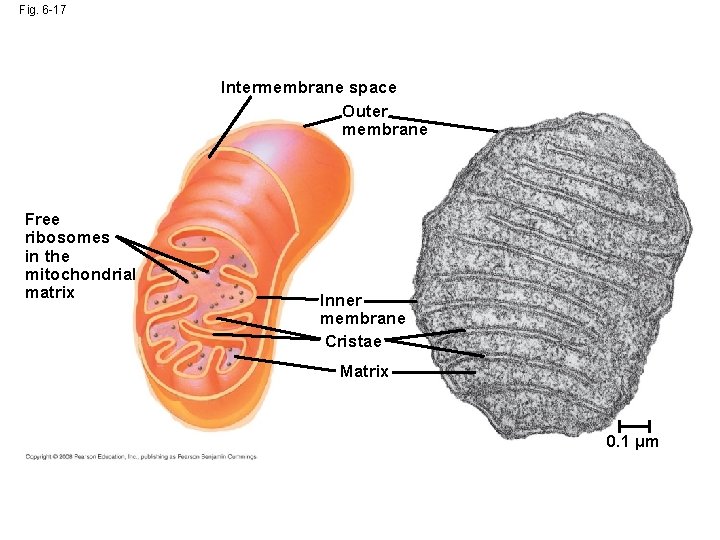
Fig. 6 -17 Intermembrane space Outer membrane Free ribosomes in the mitochondrial matrix Inner membrane Cristae Matrix 0. 1 µm
Chloroplasts: Capture of Light Energy • The chloroplast is a member of a family of organelles called plastids • Chloroplasts contain the green pigment chlorophyll, as well as enzymes and other molecules that function in photosynthesis • Chloroplasts are found in leaves and other green organs of plants and in algae Copyright © 2008 Pearson Education, Inc. , publishing as Pearson Benjamin Cummings
• Chloroplast structure includes: – Thylakoids, membranous sacs, stacked to form a granum – Stroma, the internal fluid Copyright © 2008 Pearson Education, Inc. , publishing as Pearson Benjamin Cummings
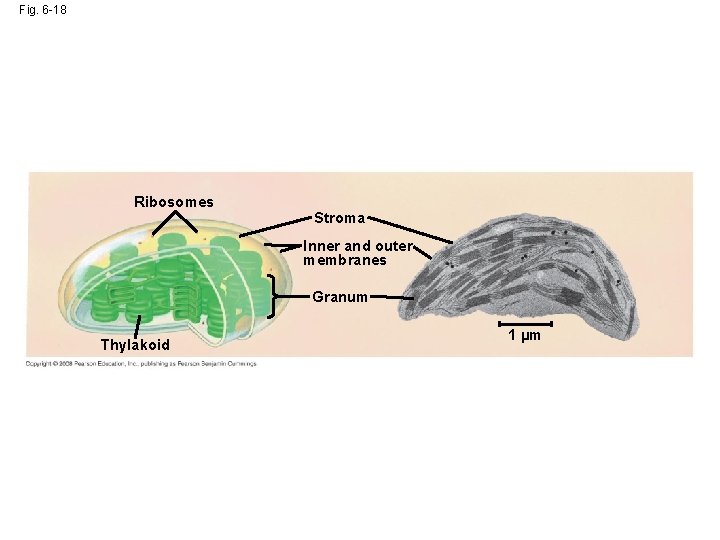
Fig. 6 -18 Ribosomes Stroma Inner and outer membranes Granum Thylakoid 1 µm
Peroxisomes: Oxidation • Peroxisomes are specialized metabolic compartments bounded by a single membrane • Peroxisomes produce hydrogen peroxide and convert it to water • Oxygen is used to break down different types of molecules Copyright © 2008 Pearson Education, Inc. , publishing as Pearson Benjamin Cummings
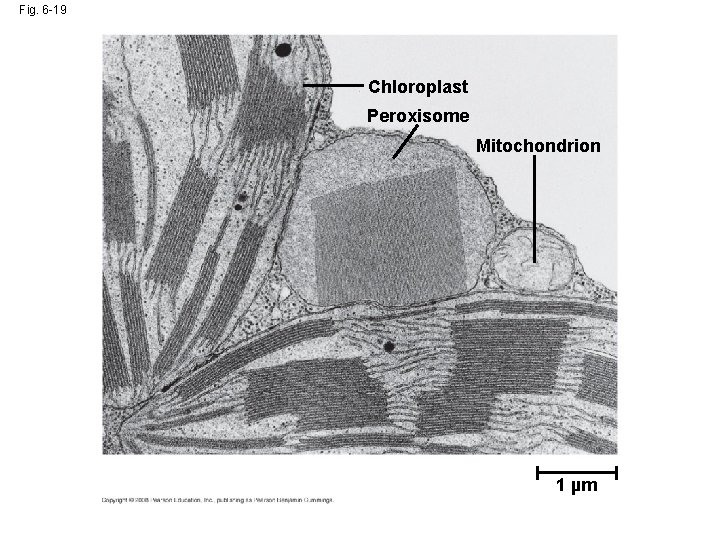
Fig. 6 -19 Chloroplast Peroxisome Mitochondrion 1 µm
- Slides: 24