
Computing Branching Databases Have you heard of the
Computing Branching Databases
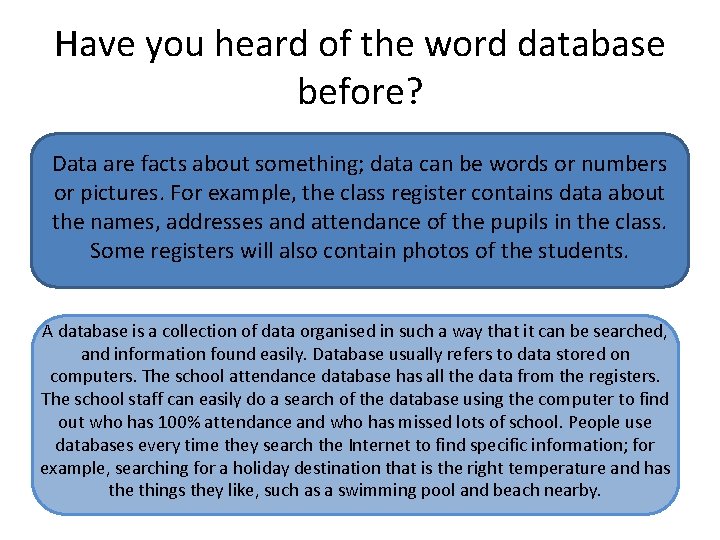
Have you heard of the word database before? Data are facts about something; data can be words or numbers or pictures. For example, the class register contains data about the names, addresses and attendance of the pupils in the class. Some registers will also contain photos of the students. A database is a collection of data organised in such a way that it can be searched, and information found easily. Database usually refers to data stored on computers. The school attendance database has all the data from the registers. The school staff can easily do a search of the database using the computer to find out who has 100% attendance and who has missed lots of school. People use databases every time they search the Internet to find specific information; for example, searching for a holiday destination that is the right temperature and has the things they like, such as a swimming pool and beach nearby.
Can you make any sensible guesses as to what is meant by a branching database? (Hint-- think of trees)
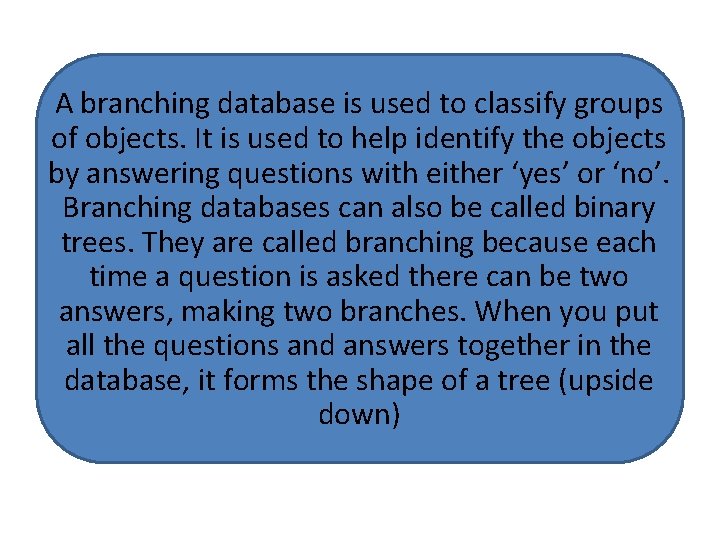
A branching database is used to classify groups of objects. It is used to help identify the objects by answering questions with either ‘yes’ or ‘no’. Branching databases can also be called binary trees. They are called branching because each time a question is asked there can be two answers, making two branches. When you put all the questions and answers together in the database, it forms the shape of a tree (upside down)

An example of a branching database
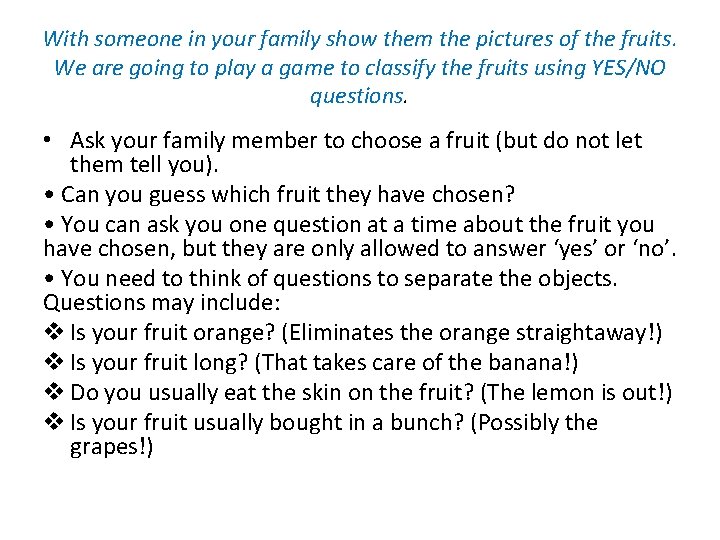
With someone in your family show them the pictures of the fruits. We are going to play a game to classify the fruits using YES/NO questions. • Ask your family member to choose a fruit (but do not let them tell you). • Can you guess which fruit they have chosen? • You can ask you one question at a time about the fruit you have chosen, but they are only allowed to answer ‘yes’ or ‘no’. • You need to think of questions to separate the objects. Questions may include: v Is your fruit orange? (Eliminates the orange straightaway!) v Is your fruit long? (That takes care of the banana!) v Do you usually eat the skin on the fruit? (The lemon is out!) v Is your fruit usually bought in a bunch? (Possibly the grapes!)
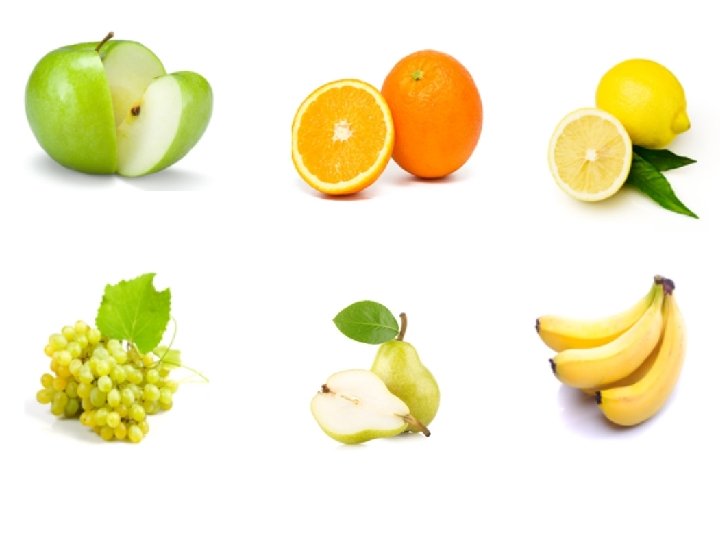
Play again, but this time think of a question that will separate the fruit into two equal groups if possible (groups with uneven numbers cannot be split exactly in half). Can you suggest why this is better?
Have you have played the game ‘Guess Who? ’ In this game, there are lots more items (people) to sort through, and if you ask questions that split the people into two equal groups you will get to the solution quicker (unless you are lucky in the question that you ask). Can you think of other items you can sort in to groups by asking YES/NO questions.
- Slides: 9